




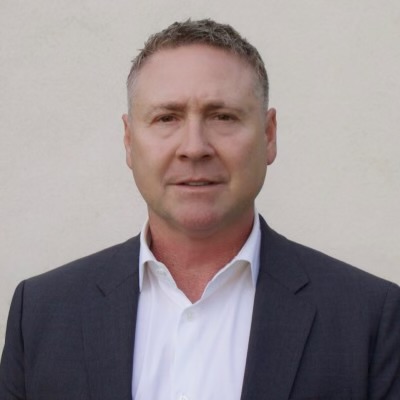
Today we’d like to introduce you to Sir Steven Saxton.
Sir Steven, we appreciate you taking the time to share your story with us today. Where does your story begin?
I’ve been an entrepreneur most of my life. I started as a stockbroker, built companies across multiple industries, and eventually found my way into entertainment, where I’ve spent over three decades working across film, television, music, and talent.
I didn’t grow up in Hollywood—I grew up in the Midwest, just outside East St. Louis, and had to find my own path into the industry. Early on, I struggled with dyslexia, which forced me to think differently and approach problems in unconventional ways.
Over the years, I’ve operated as a studio CEO, producer, financier, distributor, and talent manager, and led a management company representing writers, directors, and talent. Early in my career, I was involved in financing films like Who Framed Roger Rabbit, Good Morning, Vietnam, and Honey, I Shrunk the Kids, and later produced projects like Lone Survivor and The Kids Are All Right. I also worked closely with creators behind shows like Breaking Bad, Dexter, and Entourage. Being inside that world at multiple levels gave me a clear understanding of how content is actually built—and what makes it succeed.
Then everything changed.
A few years ago, my family lost our home and businesses in the Woolsey Fire in Malibu. Along with it, I lost decades of development, intellectual property, and future value. We didn’t just lose a home—we lost a lifetime of work.
That experience forced a reset—and gave me a new perspective.
I realized that even at the highest levels of the industry, there is no true infrastructure for creators. Decisions are still driven by fragmented systems and intuition rather than data, and there’s no secure environment where ideas can be developed, collaborated on, and protected.
So I set out to build what should have existed all along.
Today, I’m building Hollywood Studios—a platform for the creative ecosystem that combines AI-driven data insights, secure collaborative workspaces, and a protected vault for intellectual property. We’re also developing next-generation intelligence to help determine which projects should move forward in today’s market.
The goal is simple: give creators the tools and infrastructure to make better decisions, move projects forward with confidence, and ensure their life’s work is never lost.
At this stage of my life, it’s not about another project—it’s about building what should have existed all along: a foundation for the industry itself, where storytelling is guided by intelligence, collaboration is seamless, and a creator’s life’s work can never be lost again.
Can you talk to us a bit about the challenges and lessons you’ve learned along the way. Looking back would you say it’s been easy or smooth in retrospect?
It’s never been a smooth road—this business doesn’t work that way.
Early on, the challenge was getting in—earning trust, getting access, and finding a way into rooms that were already closed. But once you’re in, the challenges don’t get easier, they just get bigger.
I’ve been a CEO for over 30 years, operating at the studio level as a producer, financier, distributor, and talent manager. At that level, the job is constant problem-solving. You’re dealing with strong personalities, high expectations, financing pressures, and creative differences—all at the same time. Most days, you’re solving problems no one else is equipped to handle.
I’ve also worked on projects involving international capital and high-level partners, including members of Middle Eastern royal families. That brings a different level of complexity—cultural, financial, and legal—and requires discipline, discretion, and the ability to navigate high-stakes situations without losing focus.
At times, those situations have led to significant and very public legal disputes, which added another layer of pressure and responsibility. Experiences like that force you to operate with clarity and resilience.
At the same time, the industries themselves have gone through massive disruption. I was in the music business when everything changed—when physical sales collapsed and digital took over. That forced a complete rethink of how value is created, shifting from selling product to building artists and long-term brands. Film and television have gone through similar transformations, and you have to adapt or you get left behind.
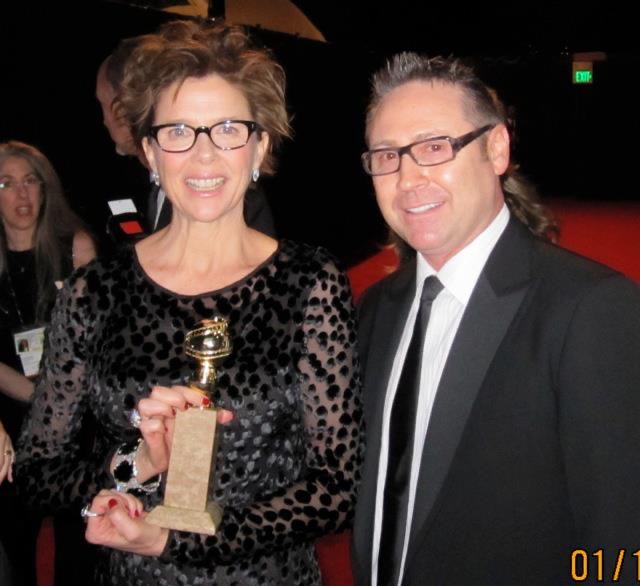
There have also been moments where everything converged at once. I went through a period where I lost my father, welcomed my daughter into the world, and had a project win a Golden Globe—all within a matter of weeks, while managing high-stakes international relationships. That kind of pressure forces you to stay grounded and make clear decisions, no matter what’s happening around you.
The most defining challenge, though, was the Woolsey Fire. We lost our home, our businesses, and decades of work. It wiped out a lifetime of development overnight.
That’s the kind of moment where you either stop or start over.
I chose to start over.
What it made clear to me is that too much of this industry is still fragile—too dependent on fragmented systems, intuition, and risk. That experience is a big part of why I’m building what I’m building now—something more structured, more intelligent, and more secure.
Appreciate you sharing that. What should we know about Hollywood Studios?
Hollywood Studios is not a traditional production company—it’s a platform for the entire creative ecosystem.
What we’re building is a new layer of infrastructure that spans film, television, music, publishing, digital creators, fashion, and design. For decades, these industries have operated in silos, driven by fragmented tools, intuition, and gatekeeping. There’s never been a unified system where creators across disciplines can develop, evaluate, collaborate on, and protect their intellectual property in one place.
That’s the gap we’re solving.
At its core, Hollywood Studios combines three things: AI-driven data insights, secure collaborative workspaces, and a protected vault for intellectual property. Whether you’re a filmmaker, musician, writer, designer, or digital creator, the platform is designed to help you make better decisions—what to create, what to move forward, and how to scale your work with more clarity and less risk.
What sets us apart is that we’re not just building tools—we’re building intelligence. The system learns from patterns across successful creative work and applies those insights in a way that supports creators, rather than replacing them.
We’re also solving a problem most creators don’t think about until it’s too late—protection. After losing decades of work in the Woolsey Fire, it became very clear to me that creators need a secure environment where their ideas and intellectual property are preserved long-term.
What I’m most proud of is that we’re not trying to replace any one industry—we’re building the infrastructure that connects them. This is a platform that can support independent creators all the way up to major studios, labels, publishers, and global brands.
Ultimately, we’re building the infrastructure layer for the global creative economy—something that hasn’t existed before. A foundation where ideas are guided by intelligence, collaboration is seamless, and the work itself is protected by design.
What do you like best about our city? What do you like least?
What I love most about Los Angeles is the lifestyle. The weather, the ocean, Malibu, surfing, yoga—it’s hard to beat. There’s a unique balance here between creativity and quality of life that you don’t find in many places.
I also love the energy of the city. From Beverly Hills to West Hollywood, the restaurants, the Hollywood Bowl, the sports teams—there’s always something happening. It’s a place where people come to build and create, and that energy is contagious.
On a personal level, it’s been a great place for my family. My wife, who is also my co-founder, and I have built both our life and business here, and being able to share that with our daughter makes it even more meaningful—whether it’s spending time outdoors or supporting her in volleyball.
On the flip side, the challenges are real. Traffic is relentless—it can make getting across the city feel much harder than it should be, which limits how much you can fully enjoy everything LA has to offer. The cost of living is also high, and that creates pressure for both individuals and businesses trying to build here.
Homelessness is another major issue. It’s complex and deeply human, and while there’s no simple solution, it’s something you see every day and wish could be addressed more effectively—for the people experiencing it and for the city as a whole.
And of course, living here means living with the risk of fires. That’s something I’ve experienced personally, and it changes how you think about safety, community, and long-term planning.
But overall, Los Angeles is still one of the most dynamic and inspiring places in the world, and for what I’m building, it’s hard to imagine being anywhere else.
Contact Info:
- Website: https://hollywoodstudios.ai
- LinkedIn: https://www.linkedin.com/in/sir-steven-saxton-ba849b35/


Popular
-

Linda Villines on Releasing Stored Struggle and Reclaiming Ease Through the Body
-

Candice Swanson on Honoring the Sacred Early Days of Motherhood Through Intentional Photography
-

Michael Johnson on Telling Untold Stories of Identity and Leadership Through SQUAD
-

Owning the Narrative: Drew Dusterhoff Steps Into Power with Lincoln Must Die
-

Portraits of the Valley
-

LA’s Most Inspiring Stories


