




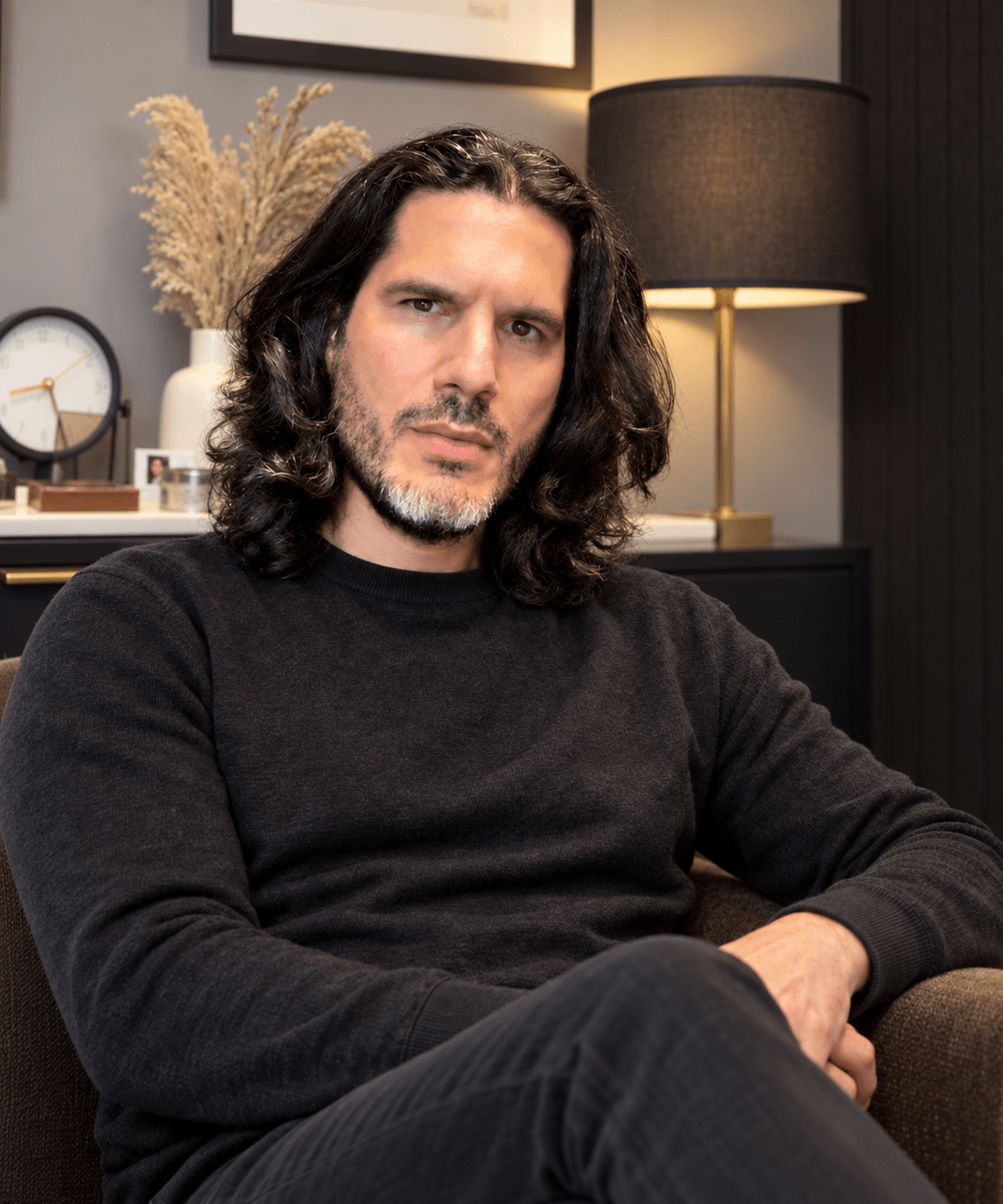
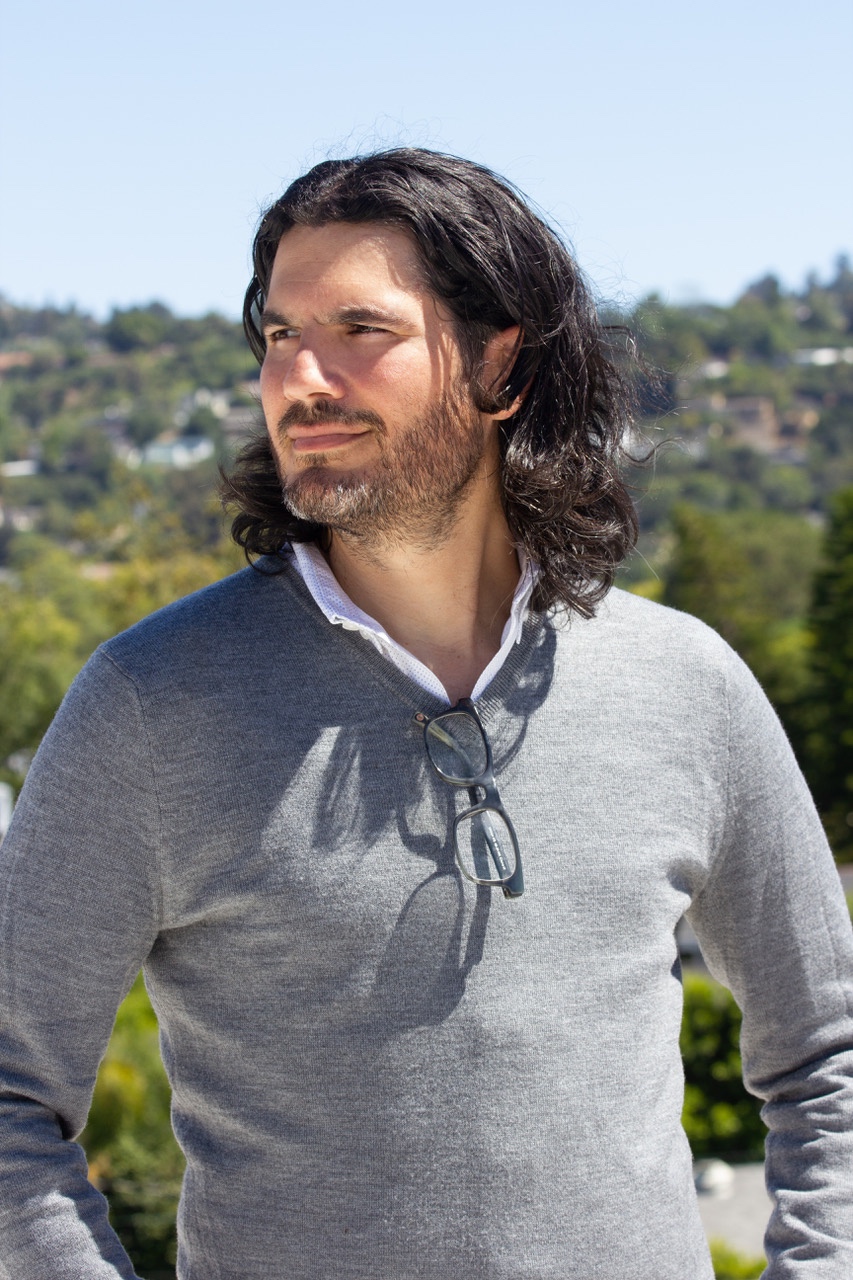
Today we’d like to introduce you to David Blacker.
Hi David, can you start by introducing yourself? We’d love to learn more about how you got to where you are today?
My journey to becoming a therapist was anything but conventional, although looking back, I think I was always meant to end up here. As a young boy, I often felt different, struggling with insecurities and a sense that I didn’t quite fit in. I began seeing a psychologist at an early age, and what I remember most wasn’t anything he said, but how he made me feel: accepted, understood, and completely free of judgment. That experience stayed with me, and when I entered college, I initially wanted to study psychology. However, I was encouraged to pursue a more creative career path, and I ultimately spent more than 20 years building a successful career in advertising, rising to the position of Creative Director at some of the country’s most prestigious agencies. Interestingly, advertising and psychology share a fascination with human behavior — what motivates us and why we think, feel, and act the way we do. I loved the creativity and challenges of advertising, but over time, the impressive titles, awards, and professional accomplishments began to feel less fulfilling. I found myself craving something more meaningful.
Becoming a husband and father shifted my perspective even further. I began thinking more seriously about the kind of impact I wanted to make in the world, and eventually decided to leave behind the career I’d spent two decades building to pursue my original passion for psychology. I returned to graduate school, earned my master’s degree in Clinical Psychology, completed my clinical training, and became a Licensed Marriage and Family Therapist. Today, I’ve been running my own private practice for nearly three years, helping individuals and couples navigate relationships, anxiety, self-esteem, identity, and life’s inevitable transitions. Looking back, I don’t see my career change as starting over. I see it as coming full circle. Ironically, the very qualities I was once told might make me too sensitive to become a therapist — empathy, compassion, and a genuine curiosity about people — turned out to be some of my greatest strengths. After spending 20 years trying to influence how people think and feel through advertising, I now have the privilege of helping people better understand themselves. And in many ways, I hope to offer my clients the same gift my childhood therapist gave me: a space where they can feel seen, accepted, and comfortable being exactly who they are.
I’m sure it wasn’t obstacle-free, but would you say the journey has been fairly smooth so far?
It certainly hasn’t been without its challenges. One thing I don’t think people fully appreciate is just how much time, money, and personal sacrifice goes into becoming a licensed psychotherapist. Beyond the financial investment and years spent in graduate school, aspiring therapists in California must complete 3,000 hours of supervised clinical experience before becoming eligible for licensure. Much of that training can be unpaid or very poorly compensated, and for many people, accumulating those hours can take years. Trying to balance school, clinical training, and the financial realities of everyday life is incredibly demanding, especially when you’re also trying to be a present husband and father. There were certainly sacrifices along the way, including time away from the people I love most. And while I feel incredibly fortunate to have been in a position to make this career change, I’m also very aware that many people simply don’t have that luxury. It troubles me that a profession so desperately in need of compassionate, talented people has such significant financial and logistical barriers to entry. I often think about how many potentially wonderful therapists never get the opportunity to pursue this work simply because they can’t afford the sacrifices required to get there.
The other challenge has been learning how to take care of myself while dedicating so much of my time and emotional energy to caring for others. Being a therapist requires you to be fully present for people as they navigate some of the most vulnerable and difficult moments of their lives. It’s incredibly meaningful work, but it can also be emotionally demanding. Early in my career, I had a tendency to say yes to everything, make myself overly available, and prioritize my clients’ needs at the expense of my own. I think that came from a genuine desire to help, but over time, I’ve learned that being a good therapist doesn’t mean being endlessly accommodating or sacrificing your own well-being. In fact, quite the opposite. Establishing healthy boundaries, protecting my personal time, and prioritizing my physical and emotional health have made me a better clinician. It’s something I often remind my clients of, too: taking care of yourself isn’t selfish. It’s necessary. And I’ve come to realize that I can’t encourage others to create healthier, more balanced lives if I’m not willing to do the same for myself.
Appreciate you sharing that. What should we know about David Blacker Family Therapy, Inc. ?
I run a private psychotherapy practice in Los Angeles, where I work with individuals, relationship partners, and families, both in person and virtually throughout California. My practice is rooted in the belief that everyone deserves a space where they can feel genuinely seen, heard, and accepted without judgment. I work with a diverse range of clients, including adults, teenagers, creative professionals, parents, members of the LGBTQ+ community, and people navigating significant life transitions. Some of the most common themes I help clients work through include anxiety, depression, self-esteem, relationship challenges, identity, perfectionism, unresolved shame, and the inevitable growing pains that come with being human.
I have a particular passion for working with people whose experiences I can relate to on a personal level. Having spent more than two decades in advertising, I understand the unique pressures of working in creative industries, where rejection, comparison, perfectionism, and tying your self-worth to professional success can take a real toll. As a gay man, husband, and father through adoption, I’m also deeply committed to supporting LGBTQ+ individuals and families, particularly gay dads navigating the joys and challenges of parenthood. And having made a major career change in my 40s, I enjoy helping people who find themselves at a crossroads, questioning what’s next or trying to redefine what happiness and fulfillment look like in a new chapter of life.
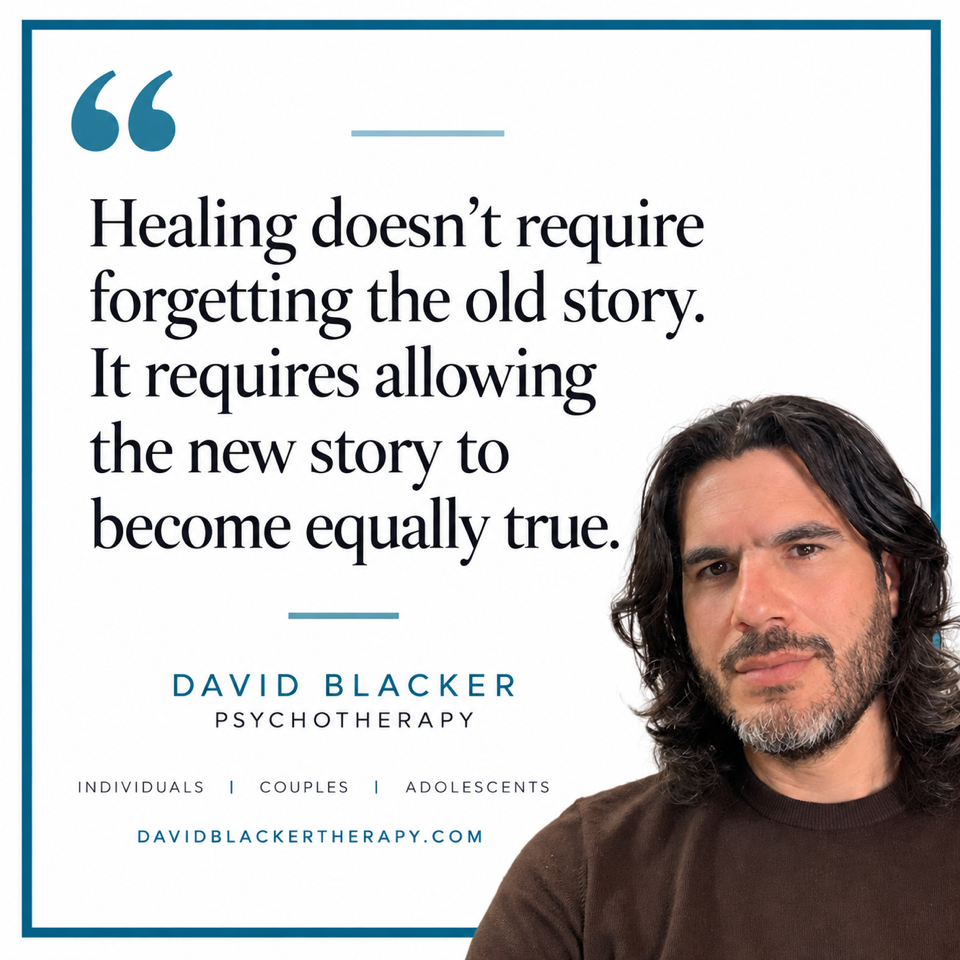
As for my therapeutic approach, I don’t believe in a one-size-fits-all model. Every person comes into therapy with their own history, experiences, strengths, and challenges, so I tailor my work to the individual rather than expecting them to fit into a particular therapeutic framework. My style is warm, collaborative, compassionate, and strengths-based, drawing from several different therapeutic approaches. These include psychodynamic and attachment-based therapies, which help us explore how early relationships and life experiences shape who we become; cognitive behavioral therapy (CBT), which helps identify and challenge unhelpful patterns of thinking; mindfulness-based practices, which encourage greater emotional awareness and regulation; and narrative therapy, which helps people examine the stories they’ve come to believe about themselves and recognize that those stories can be rewritten.
I think one thing that sets me apart is that while I lead with empathy, warmth, and a healthy dose of humor, I’m not a therapist who simply sits back, nods, and asks, “How does that make you feel?” I believe meaningful growth often requires us to get curious about the patterns we’ve developed, question the beliefs we’ve held onto, and sometimes have conversations that challenge us. My goal is to create a relationship where clients feel safe enough to be vulnerable, but also supported enough to step outside their comfort zones. I want our work to feel like a genuine collaboration, where we’re not just talking about problems, but developing deeper insights and creating meaningful, lasting change.
What I’m most proud of is that I’ve built a practice that feels like an authentic reflection of who I am, both personally and professionally. I don’t pretend to have all the answers, and I certainly don’t believe therapists are immune to the same struggles our clients face. We’re all works in progress. I bring my clinical training and professional experience into the room, but I also bring my humanity, curiosity, and genuine investment in the people I work with. Ultimately, I want clients to leave therapy with a stronger sense of who they are, greater compassion for themselves, healthier relationships, and the confidence to live a life that feels more aligned with their values. If there’s one message I hope people take away from my practice, it’s that you don’t have to be in crisis to benefit from therapy. Sometimes, simply wanting to understand yourself better and live a more fulfilling life is reason enough to begin.
Can you talk to us about how you think about risk?
I actually consider myself pretty risk-averse by nature, which is somewhat ironic considering that the biggest professional decision I’ve ever made was walking away from a successful 20-plus-year career in advertising to start over in an entirely different profession. I had worked incredibly hard to build that career, and leaving behind the financial stability, professional identity, and security that came with it was genuinely scary. I was essentially trading everything familiar for several years of graduate school, clinical training, and the uncertainty of whether I’d be able to build a successful private practice on the other side. And I was making that decision as a husband and father, so the stakes felt particularly high. But here’s the thing about me: while I may not take risks very often, when I do, they’re rarely impulsive. I’m someone who researches, plans, considers every possible outcome, and tries to prepare for whatever might happen. By the time I made the decision to pursue psychotherapy, I’d done a tremendous amount of soul-searching and practical planning. It was a huge leap of faith, but it wasn’t a reckless one.
I think that same philosophy carries over into how I practice therapy. When I’m working with a client who’s experiencing an acute mental health crisis, I’m incredibly careful and deliberate. That’s not the time to improvise or take chances. I follow established clinical protocols, conduct the necessary assessments, and prioritize safety above everything else. But when a client is emotionally stable and we’re doing the deeper work of exploring patterns, relationships, and personal growth, I’m much more comfortable taking thoughtful, calculated risks. Sometimes that means following a clinical hunch, asking a question that might feel a little uncomfortable, or introducing an exercise that challenges someone to see themselves or their circumstances differently. Of course, those moments are always grounded in trust, clinical judgment, and the client’s readiness. But I believe meaningful growth often happens when we’re willing to step outside what’s familiar. In that sense, I’ve come to appreciate that not all risks are about making dramatic life changes. Sometimes they’re about being willing to have an uncomfortable conversation, challenge a long-held belief, or try something new without knowing exactly how it will turn out. I’ve learned that being cautious and being courageous aren’t mutually exclusive. For me, the goal isn’t to eliminate risk altogether, but to be thoughtful about which risks are worth taking. And looking back, the biggest risk I’ve ever taken also turned out to be one of the most rewarding decisions of my life.
Pricing:
- Individual (50-min therapy session): $225
- Couples & Family (50-min therapy sessions: $250
- I reserve 25% of my client list for sliding scale fees (available for low income and underemployed individuals)
Contact Info:
- Website: https://www.davidblackertherapy.com
- Instagram: @DavidTheTherapist


Popular
-

Portraits of the Valley
-

LA’s Most Inspiring Stories
-

Greg Hex Is Turning the Everyday Kitchen Knife Into a Modern Design Object
-

Rick Norris Learned That Building a Successful Business Means Building a Life You Actually Want to Live
-

How Olivia Rush Turned Survival Into a Mission to Help Others Keep Going
-

How Bibi Goldstein Is Helping Entrepreneurs Reclaim Their Time by Embracing the Power of Delegation


