



 Today we’d like to introduce you to Aly Moore
Hi Aly, so excited to have you with us today. What can you tell us about your story?
My name is Aly Moore, and I eat bugs. My favorite quote is, “A mind is like a parachute – it functions only when open.” I’ve been working since 2012 to get people to open their minds and mouths. I ate my first bug in Mexico (it was a grasshopper taco) while studying abroad for my public health courses at Yale University. After graduating, life took me in a different direction and I co-founded a tech startup in entertainment marketing. But I always pursued my passion project, Bugible, on the side (nights, weekends, and whatever days I could get off.)
To stay connected to my passion for public health, I started a blog called Bugible.com (blog) to support the growing insect agriculture industry that captivated my heart. Since 2012, Bugible has grown a cult following on Instagram (@bugible) and evolved into a strategic consulting and public advocate platform to educate broader audiences with sensational events like Bug & Wine Pairings, Bug Dinners, & Bug Cooking Classes. Since, Bugible has become the leading PR authority for the insect agriculture industry, appearing on Netflix’s Bill Nye, Food & Wine, Forbes, & others. Today, Bugible focuses on continuing to spread awareness about other sustainable and nutritious potential of bugs through collaborations with institutions of all kinds from the International Culinary Center, Yale University, Parks & Recreation Districts, or even the Girl Scouts of America.
I now work full-time with the team best positioned to re-weave insects BACK into American agriculture to eliminate food waste, restore soil health, and produce high-quality animal feed: Chapul Farms (chapulfarms.com).
Chapul Farms is an insect agriculture project development company based out of McMinnville, Oregon that builds insect agriculture facilities. These zero-waste insect farms have a triple value proposition:
1) consume organic waste streams as feedstocks,
2) produce insect larvae composed of high value fats and proteins sold into animal feed markets, and
3) produce bio-rich insect manures sold into bio-fertilizer markets.
We just received USDA Fertilizer Production and Expansion Program award with bipartisan support to scale projects using black soldier fly larvae to process organics waste into microbial-rich soil amendment called frass (https://www.usda.gov/media/press-releases/2024/05/23/biden-harris-administration-invests-domestic-fertilizer-projects).
Important note: while I choose to eat bugs daily for their sustainability as ingredients and incredible nutrition, I am much more careful to focus on insects for feed and fertilizer today.
10 years ago I could whimsically write about my adventures in eating bugs without anyone questioning my sincerity (my sanity was fair game!) Today, however, when I put content out about eating bugs, the comment section becomes a hotbed of conspiracy theories. “How much did the World Economic Forum have to pay you to convince Americans to eat bugs??”
It really doesn’t matter whether Americans choose to eat bugs or not. But it’s CRUCIAL that we restore insects to our food production systems so that they can provide all the ecosystem services that they do in nature. 🪰 We scaled up so many parts of agriculture, but forgot about insects: nature’s waste management system, feed/soil production, and bio-filter technologies. Companies like Chapul Farms raise insects on agricultural byproducts that would otherwise go to landfills or other, less circular outcomes.
I break down my entire thought process in a recent blog here: https://bugible.com/2023/09/26/5-disgusting-misconceptions-about-the-insect-industry/
Can you talk to us a bit about the challenges and lessons you’ve learned along the way. Looking back would you say it’s been easy or smooth in retrospect?
There have absolutely been challenges.
NEW INDUSTRY:
As a new industry, the insect industry lacks the same infrastructure other industries do. Many companies struggle with access to capital, workforce development, lack of regulatory framework, lack of funding, lack of established trade organizations and things like insurance, low public awareness/education, legacy player pushback… and the list goes on.
Pioneers in the insect industry are not just building companies. They are building entirely new regulatory frameworks.
The pioneers in this space work tirelessly to restore balance to our food ecosystem, despite what public opinion may say about insect farmers.
I hold the entrepreneurs in the insect industry with the HIGHEST regard.
PUBLIC SENTIMENT:
I’ve had to grow thick skin. I get it – as someone who leveraged the sensationalism of eating insects to raise awareness, I know how much eating insects *bugs* people. Today, the political climate is bonkers. Instead of people just thinking I’m gross, I have to navigate a hotbed of Conspiracy theories, harmful misinformation, threats, and a growing lack of “belief in science.”
**In general, insect agriculture has become a hot topic – politicized and in some cases taboo. We must take extra care when educating about insect agriculture to avoid perpetuating misinformation. As is the case in any industry touched by capitalism, there are opponents to the use of more nature-based methods to fertilize soils, feed animals, and manage waste due to a perceived economic threat. It is important we continue to point students to scientific facts.
Ex) There’s only so many times I can explain that if some scientific fact gets updated when more information is collected, it doesn’t make “science wrong.” Science is a process of inquiry. When new evidence comes in, theories get updated.
Ex) it was a lot more fun blogging before the U.S. became a very polarized, political landscape. I haven’t had the emotional bandwidth to tiptoe around the increasingly volatile internet ecosystem full of people with opinions about food production. Today, the comment section is full of conspiracies:
MYTH: “Chitin is toxic and insects are full of it!”
TRUTH: Yes, chitin is present in poisonous insects and mushrooms. But so is water. That’s like saying “toxic mushrooms have water in them, so water is poisonous for humans.” Here’s one of many white papers supporting that: “Immune response to eating chitin linked to better health” – https://www.nih.gov/news-events/nih-research-matters/immune-response-eating-chitin-linked-better-health
MYTH: There is an organized effort by the United Nations or the World Economic Forum to “lower Western standards of living” by replacing meat with insects.
TRUTH: Insect agriculture is not looking to disrupt, replace, or harm American farmers. Instead, the insect industry is working to scale up to meet modern agriculture. Insect farming supports other sectors of agriculture in a COOPERATIVE, NOT COMPETITIVE way. This will help to support businesses across the value chain by doing all of the things that insects do in nature (upcycle waste, bioremediate, produce fats/proteins, etc.)
MYTH: Americans must eat bugs to support a sustainable future.
TRUTH: It really doesn’t matter if Americans choose to eat bugs or not. There’s more than enough demand for animal feed inputs, pet food, and soil biofertilizers, along with the other ecosystem services insects provide.
MYTH: Insects are bearers of disease and/or pests.
TRUTH: Some are. Others are, ironically, far safer to eat than, say, pork. One of the roles insects play is bioremediation – de-toxifying soils and flesh through biological processes. Also, insects are more genetically differentiated from humans than pigs, so the risk of certain food-borne illnesses is lower. Much like bacteria, there are beneficial insects and detrimental insects, depending on the environment.
MYTH: There’s not going to be enough demand for the products insect farming makes (frass fertilizer & proteins/fats).
TRUTH: Insect agriculture provides products for many large and growing markets already not able to keep up with demand. For example, insect farms produce high-quality, sustainable animal feed for chickens, fish, and even pets. These are all large markets, in need of year-round inputs. Aquaculture is the fastest growing agricultural sector; the limiting factor in its growth is feed input. The other byproduct of insect farms is biofertilizer (frass). The U.S. has seen historically high fertilizer prices over the last few years. Access to fertilizer is critical to grow the crops needed to sustain large populations. The U.S. made improved access to domestic fertilizer a national security priority.
MYTH: insects are an extension of factory farming.
TRUTH: Unlike larger livestock like cows and pigs, insects are MADE for mass rearing. Insect farms are able to mimic the natural living environments of insects – dense populations with controlled climates. Also, since the insect lifespan is so short, many insects live full lifespans.
MYTH: When people think of insects, they usually immediately equate them to “pests”, or a “plague”, owing to centuries of agrarian society where crop-killers such as locusts and beetles were despised. We also see pests portrayed as “monsters” in movies and television.
TRUTH: An abundance of research and more significant reporting has been done on their positive properties and the benefit of insects. Insects are today viewed not as pests, but as a potential commodity for animal feed, human food security, and nutrient upcycling through organic waste management systems.
MYTH: Dirt and soil are the same thing.
TRUTH: This is an important distinction to make when discussing why insect manure is so critical for the health of our agricultural system. Our understanding of soil health has evolved dramatically with the improvements in microbiology of recent years. Soil is ALIVE (dirt is inert). Soil is actually the world’s most biodiverse habitat, with over 50% of all species living in soil. (read more: soilfoodweb.com)
PERSONAL: Finally, working in a new industry has required a lot of personal sacrifice. I’ve had to work a day job for over a decade to support my work in the insect industry. In 2020, “challenge” took on a whole new meaning when occasional acute pains turned into chronic pain. The onset was slow, I was a runner, and I had ignored warning signs from my body for most of my adult life. By the time the pain and inflammation was daily, it was intense. The cause is complex, but can be diagnosed as a compression fracture in my left foot, bilateral pars fractures defects L5/S1 (lumbar spine) and a bulge in my cervical spine (C7). Deciding to find a path forward in a medical system that thinks pain meds and unsuccessful back surgery are “solutions” has been the most challenging task I’ve ever taken on. This all went down as I was founding my current full-time job, Chapul Farms. I’ve learned a lot about how strong I can be when I put my mind to it. I didn’t know if I’d be able to make progress on diagnosing and treating my health issues while founding a company and fundraising. Each day has many lessons.
Appreciate you sharing that. What should we know about Chapul Farms?
CHAPUL FARMS:
Chapul Farms is an insect agriculture project development company based out of McMinnville, Oregon that designs, builds, and operates industrial-scale Black Soldier Fly Larvae (BSFL) facilities, co-located with feedstocks. These zero-waste insect farms have a triple value proposition: 1) consume organics waste streams as feedstocks, 2) produce insect larvae composed of high value fats and proteins sold into animal feed markets, and 3) produce bio-rich insect manures sold into bio-fertilizer markets.
While eating bugs gets attention, the real impact will come from scaling the insect industry broadly to let insects provide the services they evolved to in nature.
For example, did you know that insects can:
* Consume organic waste at industrial scales
* Create naturally nutritious protein and fat for animals (we don’t actually need humans to eat them!)
* Locally produce better-than-synthetic fertilizer that heals soil and allows it to capture more carbon than all the trees in the world
* **(As the need for sustainable feed ingredients rises, we’ve just obtained regulatory approval to sell insects into the fish, chicken, and pet food markets; until just years ago, it was not legal to feed livestock what they eat in the wild!)
Insect Industry:
* Insect Agriculture (IA) supports $T feed and soil markets. The nature-based design of IA represents supply chain security and resilience in current unprecedented times of supply chain insecurity and uncertainty.
* Beyond producing nutritious fats and proteins, insects serve as nature’s cleanup crew, feed/soil producers, and bio-filter experts. Re-weaving insects into the agriculture industry is foundational to transforming our food system in better service of environmental and human health.
* A single waste-to-value insect facility has the potential to divert more CO2e in one year than all Tesla EVs that were sold in 2020.
Chapul Farms:
Our team is well-positioned to lead the US in BSFL project development and product distribution. We’re set aside by our decade of building deep relationships, resulting in our: exclusive partnership with engineering group Nexus PMG, >$1B pipeline of waste-to-value projects in the US, industry leadership (CEO Pat Crowley is also the Board Chair for the National Science Foundation research center CEIF www.insectcenter.org), and strong network of partners/investors (including Mark Cuban!)
The U.S. is behind other countries in scaling the insect industry, and Chapul Farms is primed to be the domestic authority.
We are at an exciting stage for Chapul, supported by massive wins securing multi-year, multi-$M contracts with the USDA. WE ARE ACTIVELY FUNDRAISING A SMALL CONVERTIBLE NOTE BRIDGE ROUND FOR THOSE WHO WISH TO SUPPORT OUR VISION.
Non-profit: Chapul Farms is headquartered on a 600-acre regenerative farm in McMinnville, OR. Our land is owned by our non-profit partner Tainable (tainablelabs.com), and our co-tenant and close partner is Dr. Elaine Ingam’s Soil Food Web. Tainable aggregates and fosters collaboration between world-leading soil scientists to reverse the climate emergency by restoring soil health. We’ve just opened our small-donor campaign, and every dollar counts!
Is there any advice you’d like to share with our readers who might just be starting out?
Honestly, the best advice I ever heard from an entrepreneur is to NOT found a business unless your heart is truly in it. There has to be emotional/values-alignment between a founder and a business. Otherwise, the pace of work today and the setup of capitalism WILL lead to burnout. It’s just a matter of when. Running a good business starts with running a healthy body. SLEEP. Maintain thriving relationships with other humans. Eat healthy, local food. Exercise. Life is not about winning in business. It’s about so much more. I see so much pain around me, especially today. I see loneliness and mental health crises. I see people confusing their self worth with their business success. I wish people invested more in their overall well-being and got that right before founding a company. It’s like having a baby in many ways. Heal yourself and go into it with a balanced, well-adjusted mindset. Otherwise, you’ll have to heal a business AND your body/mind. Finally, cooperation will outpace competition eventually. I believe that the “old model” of a business shark – ruthless, cunning, shrewd, etc will soon be seen for what it is: adult bullying and a lack of emotional regulation skills confused with “good leadership”. My top advice is to be kind. To yourself, others, and the planet. Things will work out eventually.
Contact Info:
- Website: chapulfarms.com, bugible.com
- Instagram: instagram.com/chapulfarms, instagram.com/bugible
- Facebook: https://www.facebook.com/chapulfarms, https://www.facebook.com/bugible
- Twitter: x.com/chapulfarms, x.com/bugible
- Youtube: youtube.com/@chapulfarms, youtube.com/@bugible
- Other: https://bugible.com/about
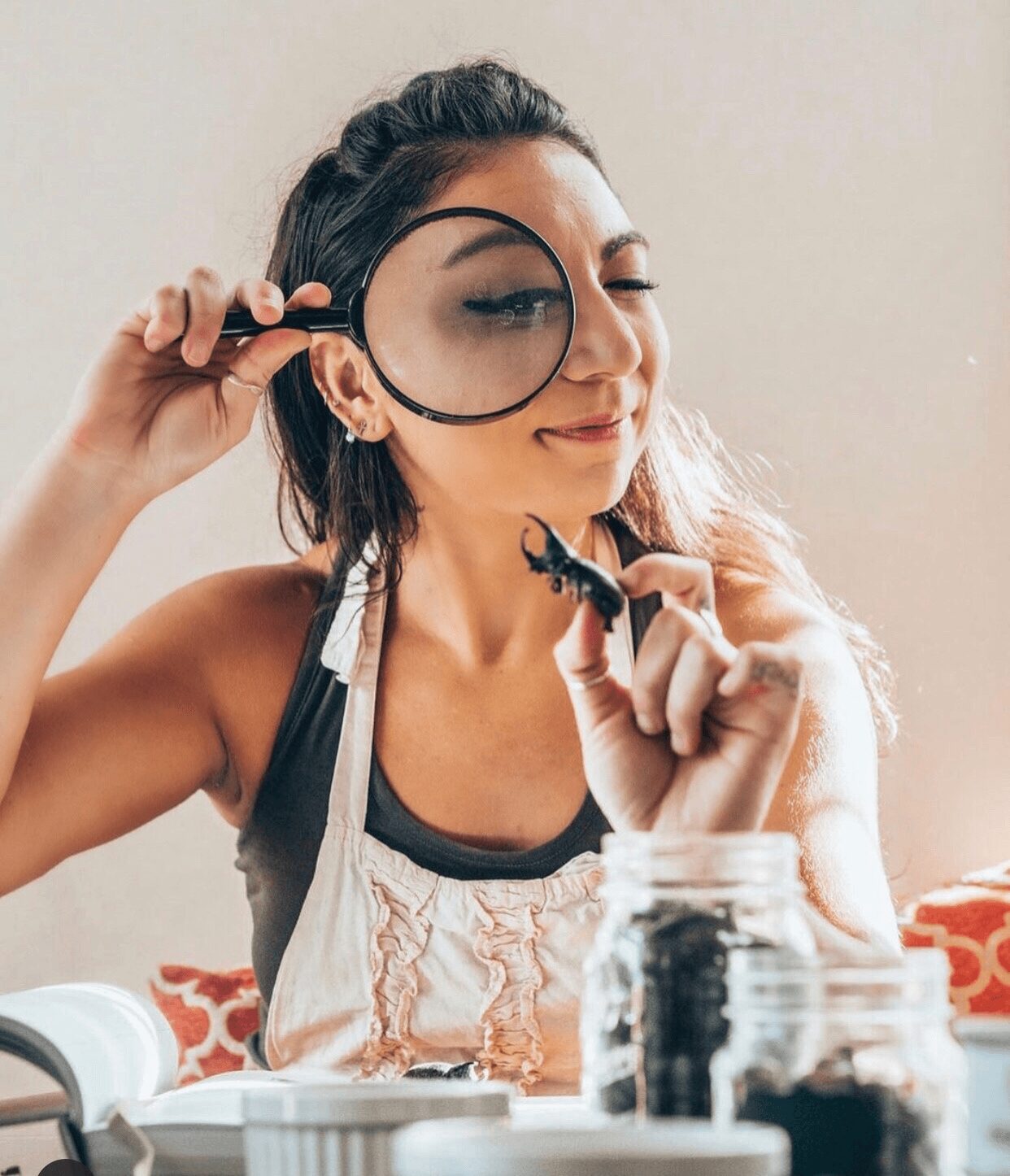

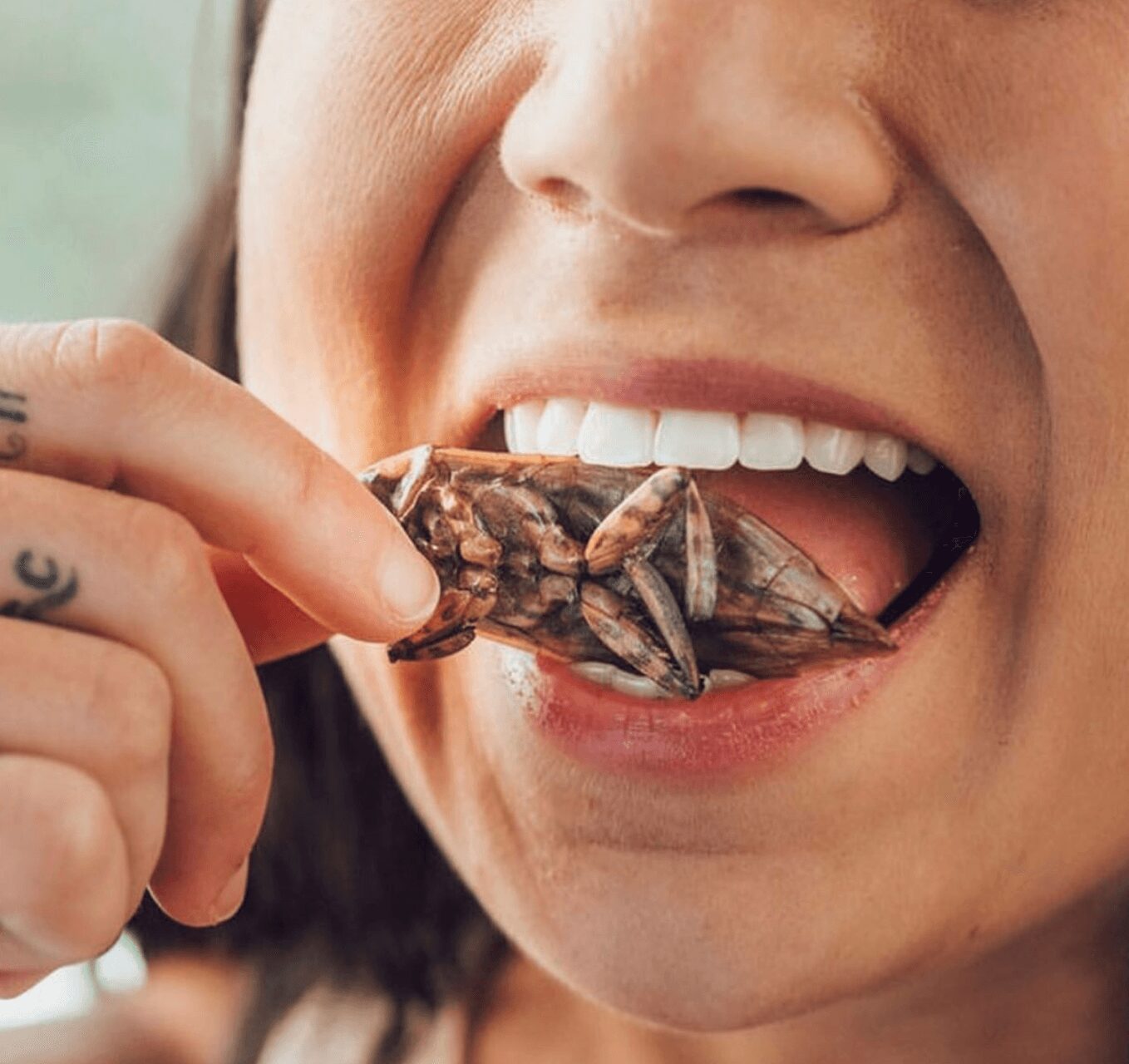
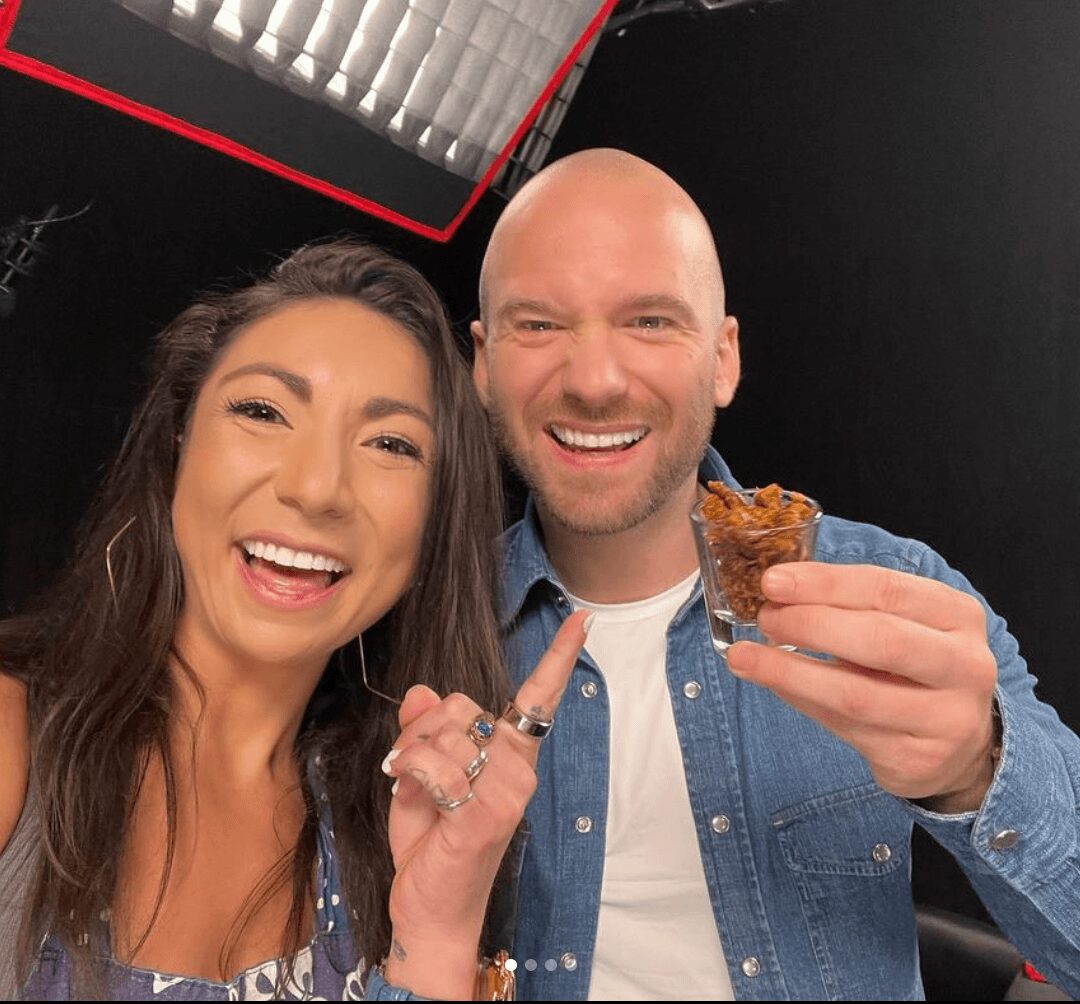

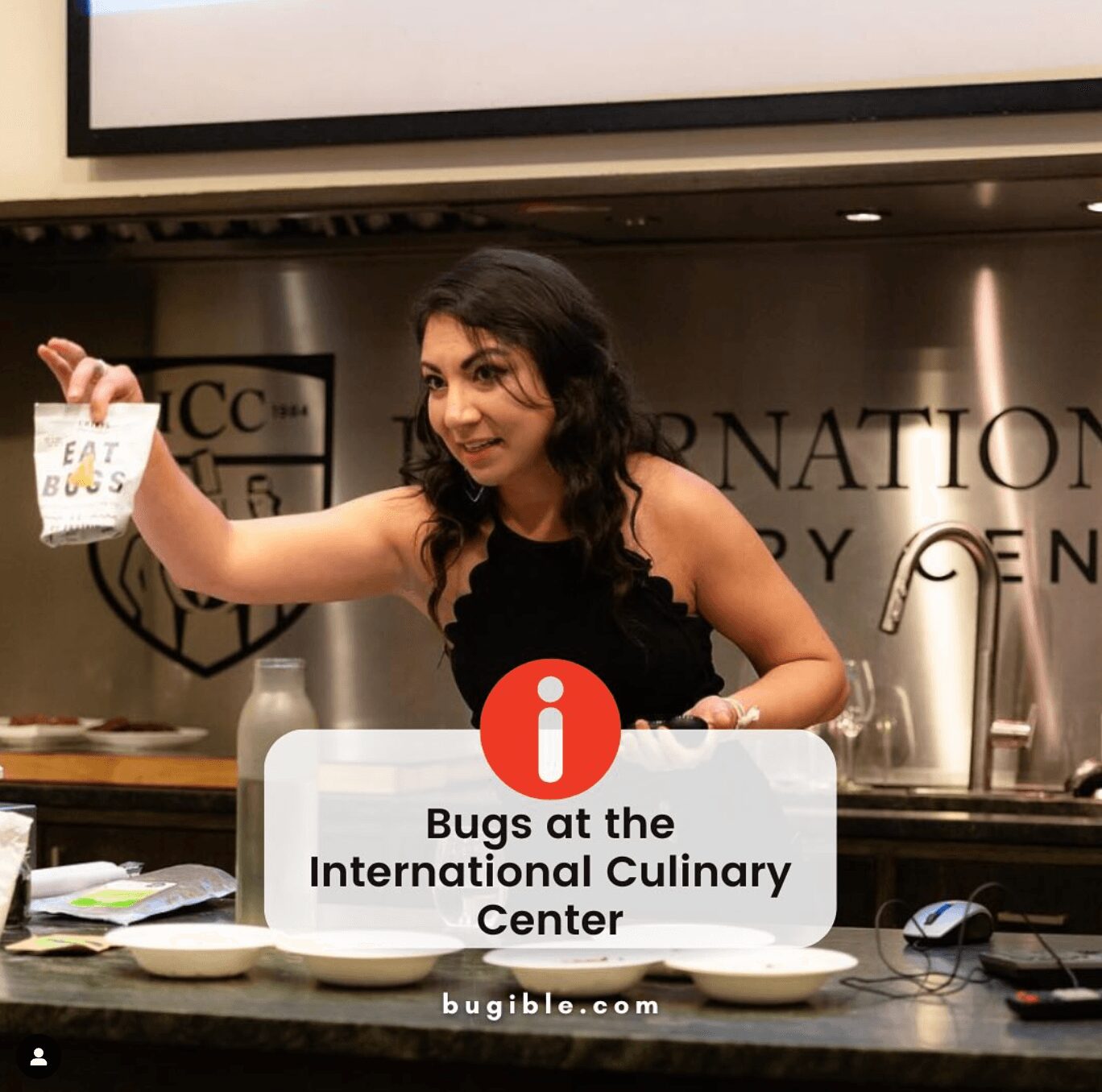
Image Credits
Bugible
Popular
-

Portraits of the Valley
-

LA’s Most Inspiring Stories
-

Dricka Crawford Is Expanding Two Girls & a Drink by Bringing Globally Inspired Cocktail Experiences to Weddings, Corporate Events, and Celebrations of All Ages
-

Saba Moor-Doucette Is Redefining Longevity by Building a Career Fueled by Creativity, Fitness, and Fearless Reinvention
-

Antonio Josh Medina Brings Beloved Characters to Life While Building a Future in Film, Live Entertainment, and Storytelling
-

Tom Bugansky on Redefining Post-Surgical Recovery Through Luxury Medical Care and a Safer Healing Experience


