




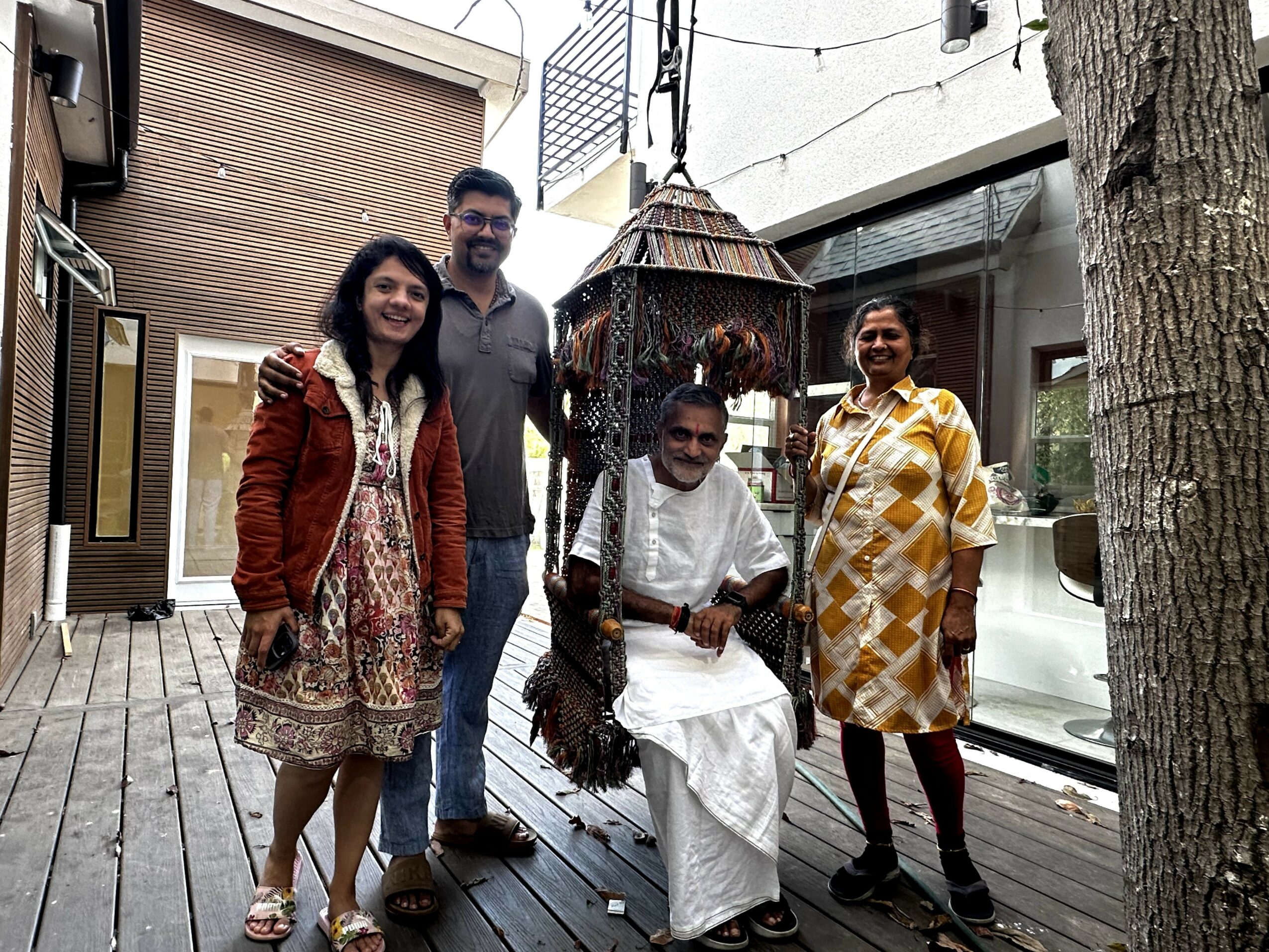
Today we’d like to introduce you to Vivek Rajgor.
Hi Vivek, can you start by introducing yourself? We’d love to learn more about how you got to where you are today?
I was born in India and immigrated to the United States in the third grade. I grew up in the Cerritos, Artesia, and Norwalk area, rooted in a family environment shaped by service, spirituality, and responsibility. My father is a Hindu priest at a temple in Norwalk, and while my mother is a homemaker, she has long been the operational backbone of the temple—organizing events, managing logistics, and ensuring things function smoothly behind the scenes. From them, I learned early that meaningful work often happens quietly and consistently.
I pursued my Bachelor’s degree in Architecture in San Diego, while also spending time studying and traveling across different parts of India. Experiencing multiple languages, cultures, and economic realities—especially witnessing poverty firsthand—left a deep impression on me. It motivated me to think long-term and practically about stability, ownership, and progress. My guiding principle became simple: make sure tomorrow is better than today for my family, even if the improvement is incremental.
While completing my architecture degree, I became a licensed real estate agent. My routine was demanding but intentional—architectural classes in the morning, real estate courses at a community college in the afternoon, and work in the evenings. This period shaped how I think today: design must align with feasibility, codes, budgets, and execution, not just aesthetics.
After earning my BA in Architecture, I quickly realized that drawings alone do not create outcomes—contractors do. The success of a project depends on how well intent is executed in the field. With that realization, and building on my architectural foundation, I pursued my contractor’s license. This was not driven by the desire to wear multiple titles for others, but to create control, accountability, and long-term value for my family. I continue to work for clients, but the primary focus has always been building and protecting our family portfolio.
Over time, this approach led us into rental housing, ADUs, and hospitality. We currently own and manage rental properties in Los Angeles and San Diego, and through family relationships, hospitality assets such as Airbnbs and motels in Oregon and Texas. I am particularly drawn to hospitality because it sits at the intersection of design, construction, operations, and human experience.
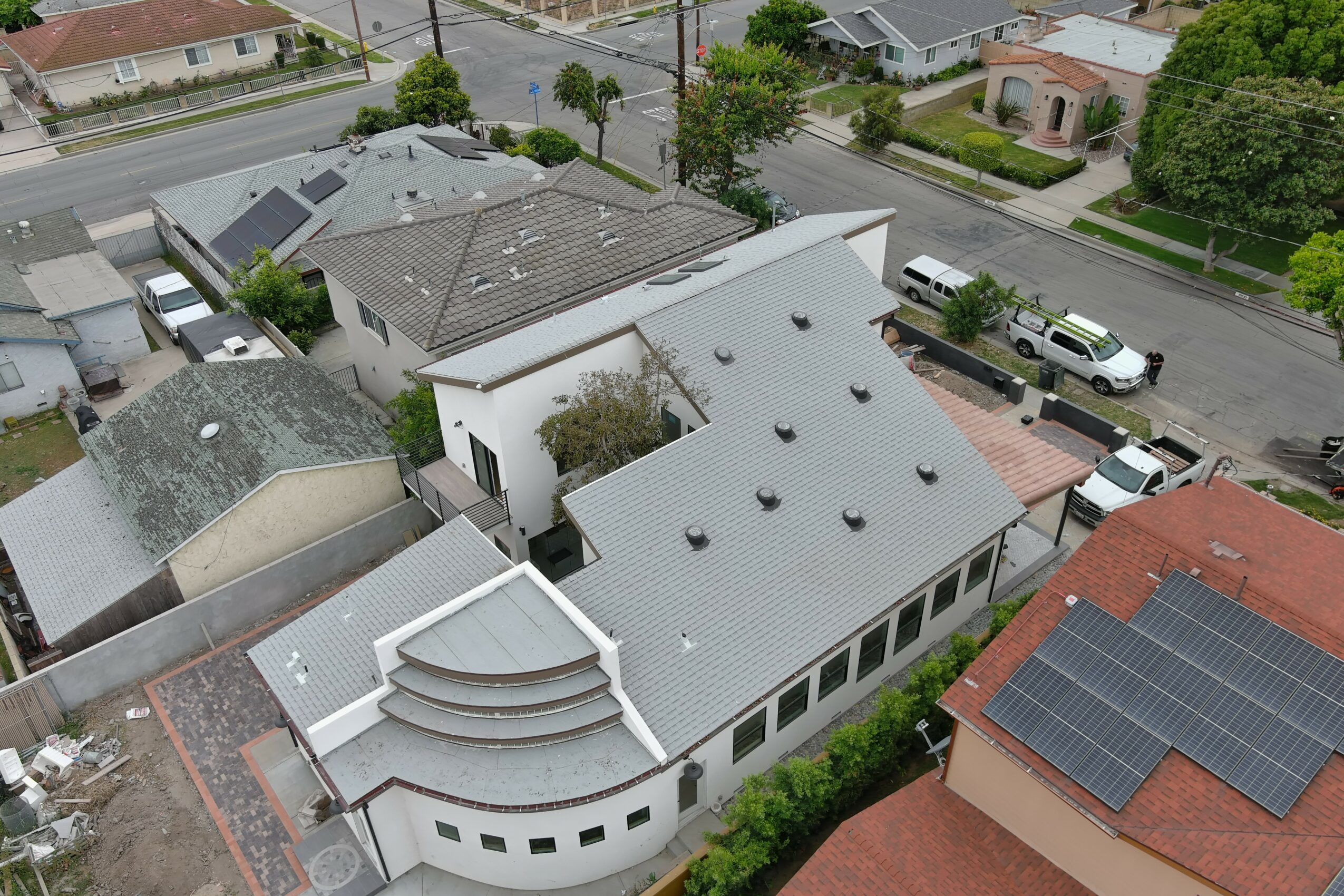
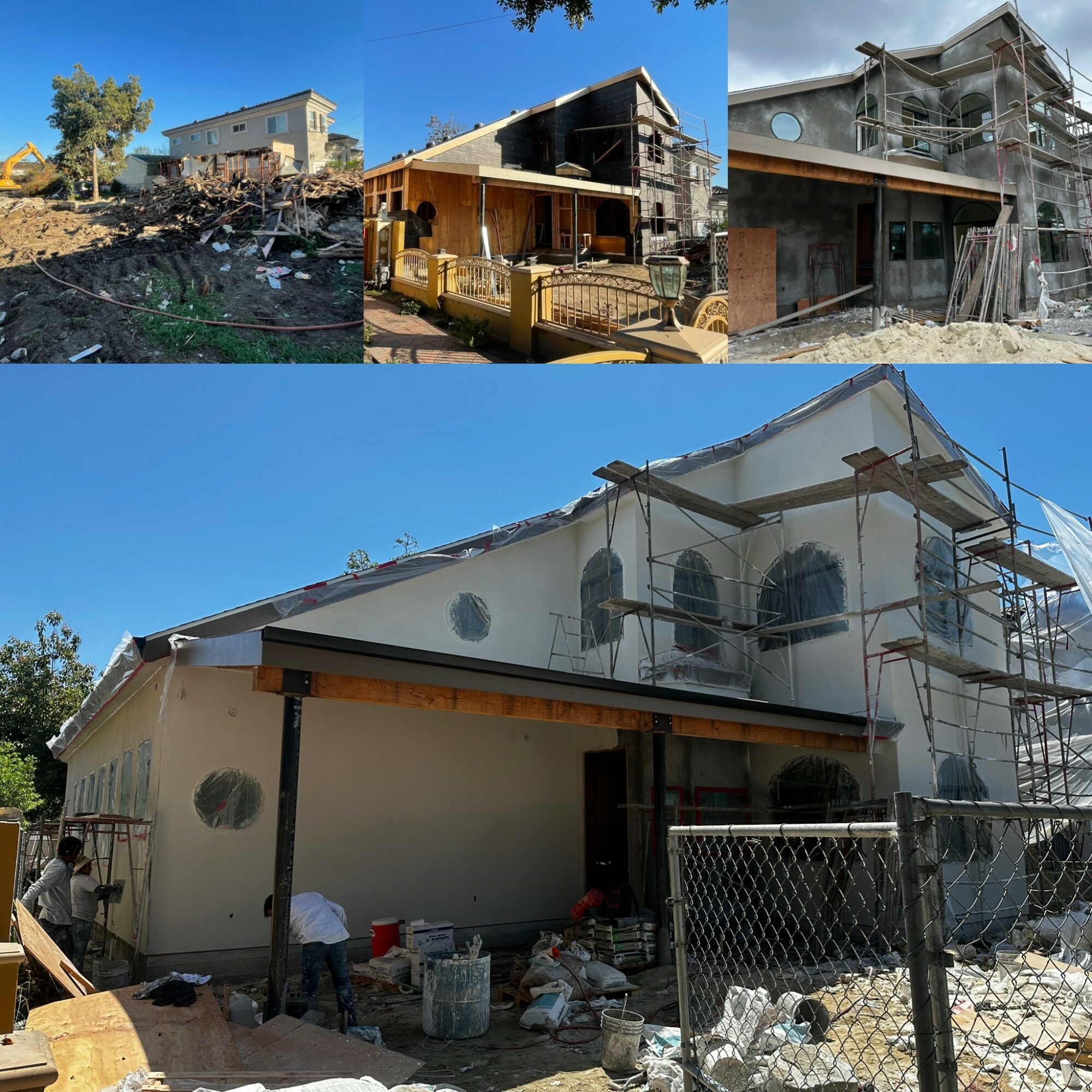
In Southern California, we specialize in ADUs and small-scale residential development, navigating zoning codes, building departments, sewer constraints, fire ratings, and constructability issues on a daily basis. To date, we have completed over 80 ADU projects. I enjoy the technical rigor—understanding regulations, materials, and systems—but also the responsibility that comes with building spaces people will actually live in.
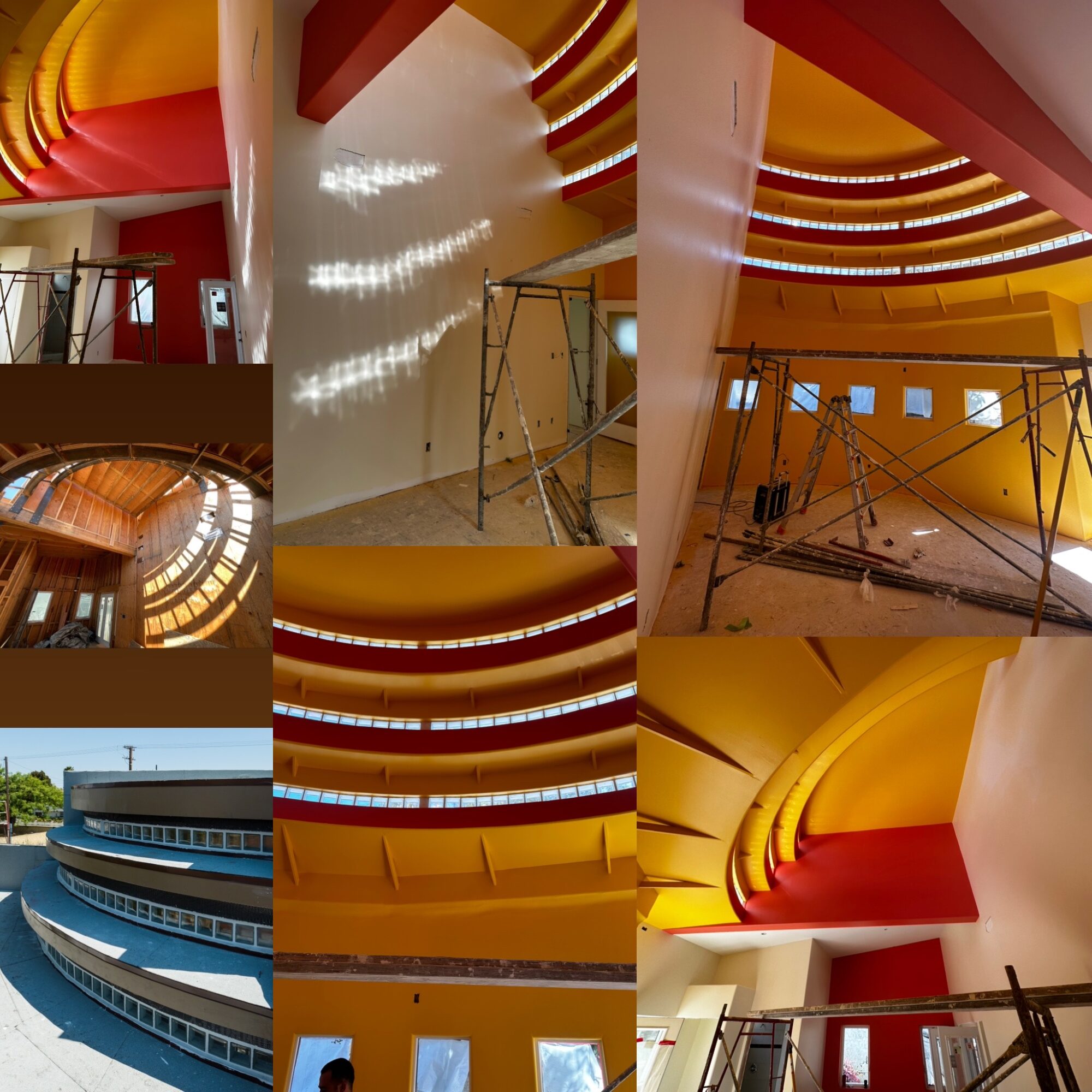
Philosophically, I was taught that we arrive in this world empty-handed and leave the same way. What truly exists is the present moment. That belief informs how I approach design and hospitality. Experiences and memories are created when the senses are engaged—through light, space, proportion, material, sound, and flow. Whether I am designing a living space, building an ADU, or shaping a hospitality experience, my goal is to create environments that people feel, remember, and connect with.
At its core, my story is about integration—of design and construction, spirituality and pragmatism, tradition and progress—all directed toward building something meaningful, stable, and lasting for the people I care about most.
Alright, so let’s dig a little deeper into the story – has it been an easy path overall and if not, what were the challenges you’ve had to overcome?
It has not been a smooth road, and I would not expect it to be. One of the biggest ongoing challenges has been navigating incompetence and inconsistency—particularly when working with government agencies. Regulations can be contradictory, interpretations can change from one reviewer to another, and the process is not always aligned with logic or fairness.
Over time, I learned that focusing on whether I was “right” or whether a system was unjust did not move projects forward. In reality, you often have more to lose than to gain by fighting the system head-on. The real challenge is learning how to operate within imperfect structures—understanding the rules, anticipating obstacles, documenting thoroughly, and staying patient and persistent.
The work requires restraint, humility, and adaptability. Progress is not about winning arguments; it is about how much you can accomplish despite the constraints. Every delay, revision, or setback became part of the learning process, sharpening my ability to problem-solve, manage risk, and keep moving forward.
Those challenges ultimately strengthened my approach. They taught me to focus on outcomes, not frustration, and to build resilience into both my work and my mindset.
Thanks for sharing that. So, maybe next you can tell us a bit more about your business?
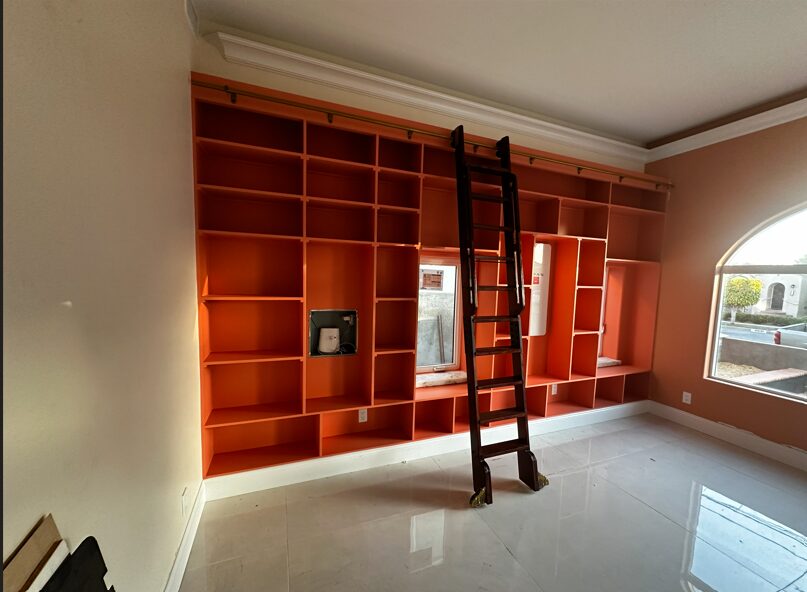
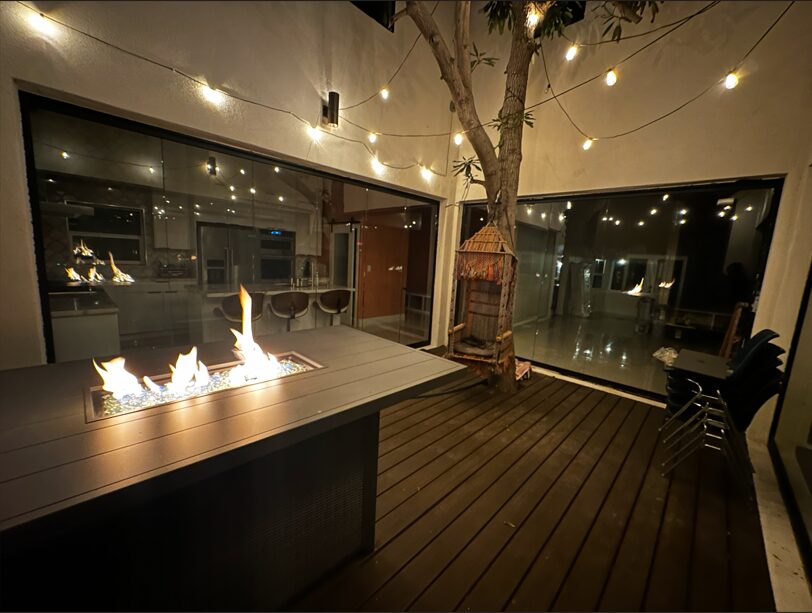
We are a design build firm, 80% of our work is Residential but we have done some retail, offices, restaurants and warehouse work.
What are your plans for the future?
Saving and Investing continue to build the portfolio and enjoy life along the way
Contact Info:
- Website: https://bahirainc.net
Popular
-

Que Johnson on Building Brands That Last: From Visibility to True Market Authority
-

Christina Wren Steps Into the Director’s Chair to Tell Stories That Feel Like Home
-

Portraits of the Valley
-

LA’s Most Inspiring Stories
-

JordanL on ‘Breathe,’ Belief, and Building a Movement Beyond the Music
-

Megan Birney Rudert on How Access to Light Is Powering a More Sustainable and Equitable Future


