




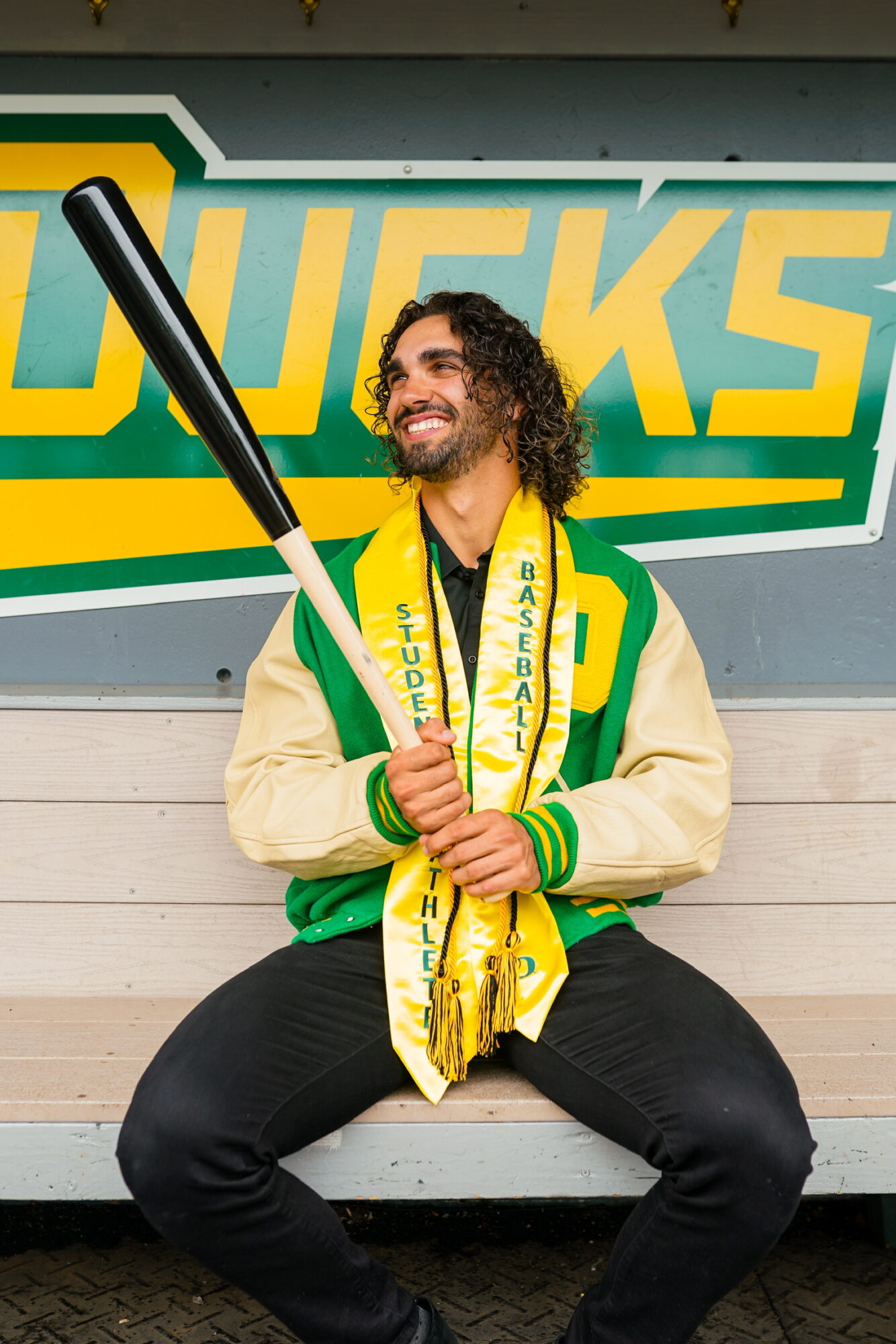
Today we’d like to introduce you to Tyler Ganus.
Hi Tyler, so excited to have you on the platform. So before we get into questions about your work-life, maybe you can bring our readers up to speed on your story and how you got to where you are today?
My story starts long before sports, music, or acting entered my life…
When I was two years old, I was diagnosed with a life-threatening blood disease and spent a few years in and out of Children’s Hospital. Doctors didn’t know if I would survive, and to this day, they still can’t fully explain how I did. That experience shaped everything about how I approach life. Gratitude and perspective became the foundation of who I am. Waking up every day has never felt guaranteed, so I try to live with intention, energy, and appreciation—even through difficult moments.
Baseball eventually became a major outlet for that mindset. I was fortunate to play for Team USA at a young age, competing in the Pan American Games in Mexico at age 12 and winning a silver medal. I threw in two combined no-hitters and played with guys like Paul Skenes and Pete Crow-Armstrong. But my recruiting journey was anything but smooth. Despite early interest from several schools, by the fall of my senior year of high school, every opportunity disappeared. I took a chance on an Oregon prospect camp, earned a walk-on spot, and was quickly humbled.
At the end of my freshman fall—during COVID—I was told that if it weren’t for roster restrictions, I would have been cut. The only reason I stayed was my competitiveness, positivity, and ability to elevate others. That moment forced a decision: walk away or prove I belonged. I stayed. Over winter break, I completely transformed my body and mindset, earning my role through discipline, consistency, and belief. I spent three years at Oregon, won a Pac-12 Championship, earned my degree, and later transferred to Northwestern, where I earned my first Division I scholarship and helped Northwestern to their highest winning percentage in over 20 years.
Most recently, I signed my first professional baseball contract with the Ogden Raptors of the Pioneer League—an opportunity that came when I learned to stop forcing outcomes and simply stay ready.
While competing, I also built businesses rooted in mindset and performance. At Northwestern, I founded Collegiate Mind Mastery, a company dedicated to helping student-athletes become Legacy Builders—those who master their mind, transform their body, and own their purpose. That work led to my book, Master Your Mind, which became a #1 national bestseller on Amazon in three categories. I’m also part of Mastery, the first AI-powered mental performance app, where I serve as Head of Product Education, helping scale elite mindset training to athletes and schools nationwide.
Alongside sports and business, the arts have always been central to my identity. I studied classical piano from a young age, became a music producer and recording artist, signed with DFRNT (an independent label in LA), performed in musical theater, and built a professional acting career with roles in South Park, Monsters University, Wreck-It Ralph, and Disney XD’s Walk the Prank. I earned degrees and graduate certificates at Oregon and Northwestern, graduating summa cum laude with a 4.0+ GPA.
Looking back, none of these paths feel separate. Sports, art, academics, and entrepreneurship all taught me the same lesson: mindset is trainable, preparation creates freedom, and perspective shapes performance. Today, my mission is simple—to help athletes master their mind, compete freely, and build a legacy that lasts far beyond the game.
I’m sure it wasn’t obstacle-free, but would you say the journey has been fairly smooth so far?
One of the biggest moments of adversity in my career came after I thought I had finally made it.
When I transferred to Northwestern, I earned my first Division I scholarship—something that once felt completely out of reach. I started the season on fire, hitting .455 in the first couple of weeks, and everything finally felt like it was lining up. Then, out of nowhere, I broke my hamate bone in my hand. It was a season-ending injury that required surgery.
I had a choice. I could feel sorry for myself, or I could decide how I wanted this setback to shape me.
I chose to see it as an opportunity.
That injury became a turning point. I used the time to recommit to my mindset, my body, and my long-term growth. I got bigger, faster, stronger, and more intentional. Around that same time, I officially formalized Collegiate Mind Mastery, a company built entirely around helping athletes develop the mindset to handle moments like the one I was in.
The following season, I had one of the best years of my college career—hitting .280, leading Northwestern in on-base percentage, and hitting multiple home runs. That experience reinforced something I now teach every athlete I work with: adversity doesn’t define you—your response does.
After college, I faced another setback when I wasn’t drafted or signed right away. I trained relentlessly for four months to try out for the Savannah Bananas, only to be rejected. At that point, I made the difficult decision to step away from baseball and fully dive into business.
Then, in late January, clarity arrived in an unexpected way. The Ogden Raptors, a professional team in Utah, reached out and invited me to join their organization for the 2026 season.
What that moment taught me was powerful. When I stopped forcing the dream and stepped back, my relationship with the game changed. I realized how much pressure and expectation I had been carrying for years. Now, I get to return to baseball with gratitude, freedom, and a genuine love for the game—without attachment to outcomes or levels.
Regardless of where it leads, I’m grateful to be here. And I’m enjoying every moment.
Appreciate you sharing that. What should we know about Collegiate Mind Mastery?
My work today lives at the intersection of mindset, performance, and purpose.
The foundation of that work is Collegiate Mind Mastery, a company I built to address a gap I experienced firsthand as an athlete. Most athletes spend countless hours training their body, but very few are taught how to train their mind—how to handle pressure, self-doubt, overthinking, and the emotional swings that come with competition. Collegiate Mind Mastery exists to fill that gap.
At its core, the company is built around one-on-one online mentorship, where I work directly with athletes ranging from youth to professional levels. That mentorship is structured around my book, Master Your Mind, which serves as the core curriculum. The focus is on building real emotional resilience, focus, and confidence—skills that help athletes perform under pressure and carry over into life beyond sport. We work on things like controlling self-talk, staying present, reframing failure, and competing freely when it matters most.
Everything we do is centered on the concept of becoming a Legacy Builder. A Legacy Builder is someone who does three things consistently. First, they master their mind, developing a powerful and adaptable mental performance toolbox that serves them both inside and outside of sport. Second, they transform their body, understanding that elite nutrition, training, and recovery habits are fully within their control and elevate every part of their life. Third, they own their purpose, on a team and beyond sport, by understanding why they’re here and embracing their path with confidence and intention.
Beyond mentorship, Collegiate Mind Mastery reaches athletes at scale through content and education. I write a free weekly mindset newsletter, host a daily podcast called The Mindset Minute—60 seconds or less of practical mental performance lessons for student-athletes—and regularly speak to teams and organizations around the country. I’ve worked with over 30 programs, both in person and virtually, helping teams develop stronger cultures, clearer leadership, and more resilient mindsets.
In addition to Collegiate Mind Mastery, I’m also deeply involved with Mastery, which represents the next evolution of mental performance training. Mastery is the first mental performance app powered by AI, built by former experts from Nike, Google, Apple, Microsoft, and OpenAI, alongside world-class sports psychologists, neuroscientists, and clinicians.
The problem Mastery is solving is one of scale. Traditional mental performance coaching works, but experts only have so many hours in the day. Mastery makes elite mental training accessible 24/7, giving athletes a mental performance coach in their pocket whenever they need it. The platform focuses on confidence, focus, emotional regulation, visualization, and handling pressure in real time.
I serve as Head of Product Education, where I help onboard schools, educate coaches and athletes on how to use the platform effectively, and act as a bridge between the field and the product team. Over the past two to two-and-a-half months, I’ve helped onboard close to 50 schools, which has been incredibly rewarding to see.
What I’m most proud of is how these two platforms work together. Collegiate Mind Mastery allows for deep, personal mentorship and human connection. Mastery allows us to scale those same mental skills to entire programs and communities. Together, they reflect the same belief that drives everything I do: mindset is trainable, preparation creates freedom, and when athletes learn how to master their mind, everything else rises with it.
Are there any important lessons you’ve learned that you can share with us?
The most important lesson I’ve learned is that the quality of your thoughts determines the quality of your life.
I’ve always been an avid reader and student of personal development. Studying teachers like Tony Robbins, Les Brown, and Brendon Burchard, and reading books such as The Mastery of Love and The Four Agreements by Don Miguel Ruiz, The Power of Now by Eckhart Tolle, and The Untethered Soul, completely reshaped how I understand the mind.
One framework that has especially stayed with me is The Four Agreements, because it gives practical structure to how we think and live.
The first is be impeccable with your word—which means following through not just with others, but with yourself. Your self-talk matters. What you promise yourself matters.
The second is don’t take anything personally. Most of what people say or do is about their internal world, not yours.
The third is don’t make assumptions, which ties closely to the second—so much unnecessary stress comes from stories we create in our own head.
And the fourth is always do your best. Not perfection—your best given the circumstances of that day.
Those agreements helped me realize something powerful: the mind is essentially a compilation of your life experiences up to this point—every belief, success, failure, and story you’ve told yourself. But it’s not fixed. You can change it. You can rewire it. That process starts with awareness and with recognizing that you control where your attention and focus go.
When you learn to separate yourself from your thoughts—understanding that the mind is more like a program than your true identity—you gain freedom. From that place, from your core values and inner awareness, you can choose how you respond, how you act, and ultimately who you become.
That lesson has shaped every part of my life—from athletics to business to relationships—and it’s the foundation of the work I do today. Helping athletes understand that they are not their thoughts, that they can train their attention, and that they can consciously build a new identity is incredibly powerful. It’s something I work on daily myself, and something I’m deeply committed to teaching others.
At the end of the day, mastering your mind isn’t just about performance.
It’s about living with intention.
Contact Info:
- Website: https://collegiatemindmastery.com
- Instagram: https://www.instagram.com/tyler.ganus/
- Facebook: https://www.facebook.com/tylerbganus
- LinkedIn: https://www.linkedin.com/in/tyler-ganus-96b6521aa/
- Twitter: https://x.com/tyler_ganus
- Youtube: https://www.youtube.com/@tyler_ganus
- Other: https://www.tiktok.com/@tyler.ganus
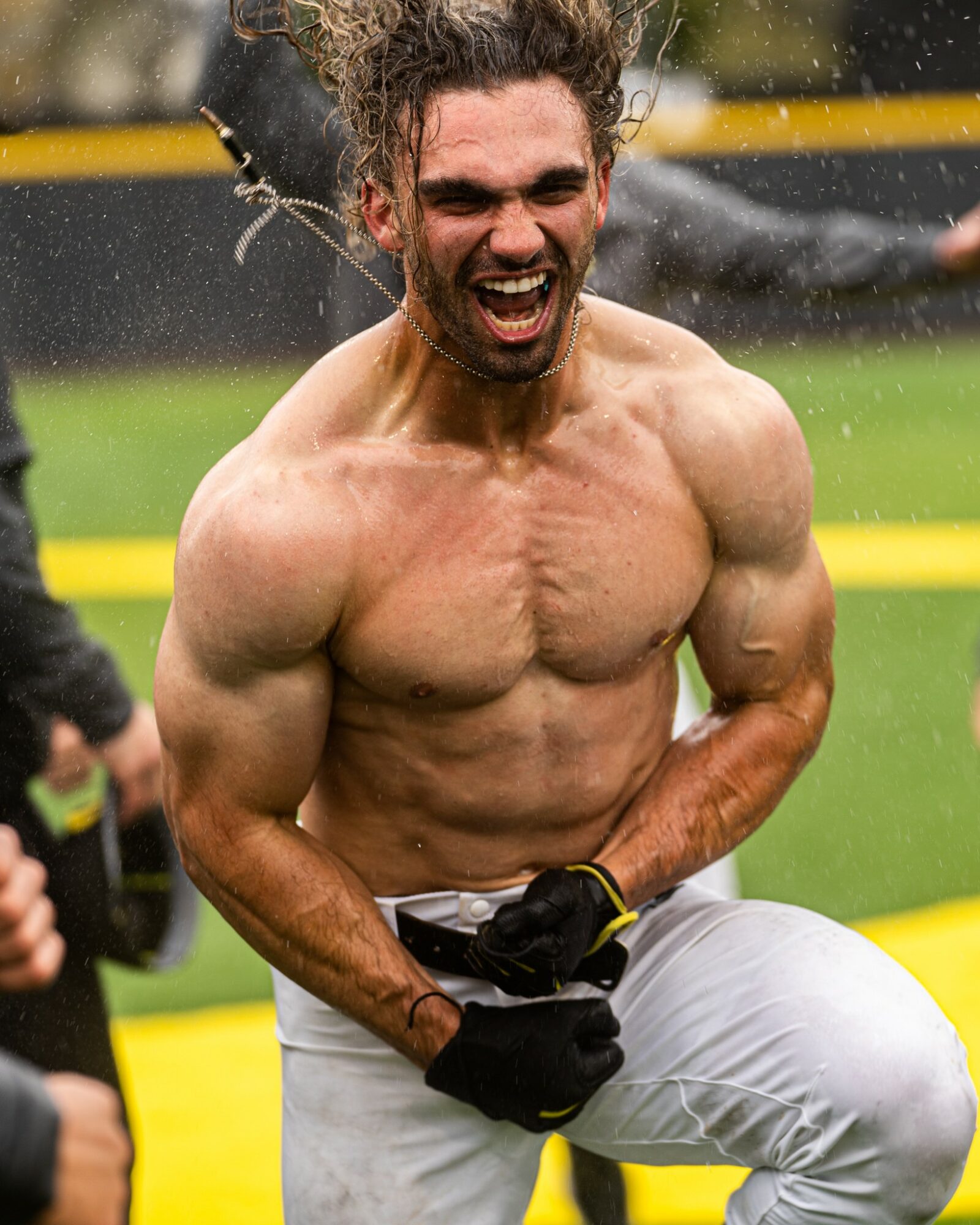
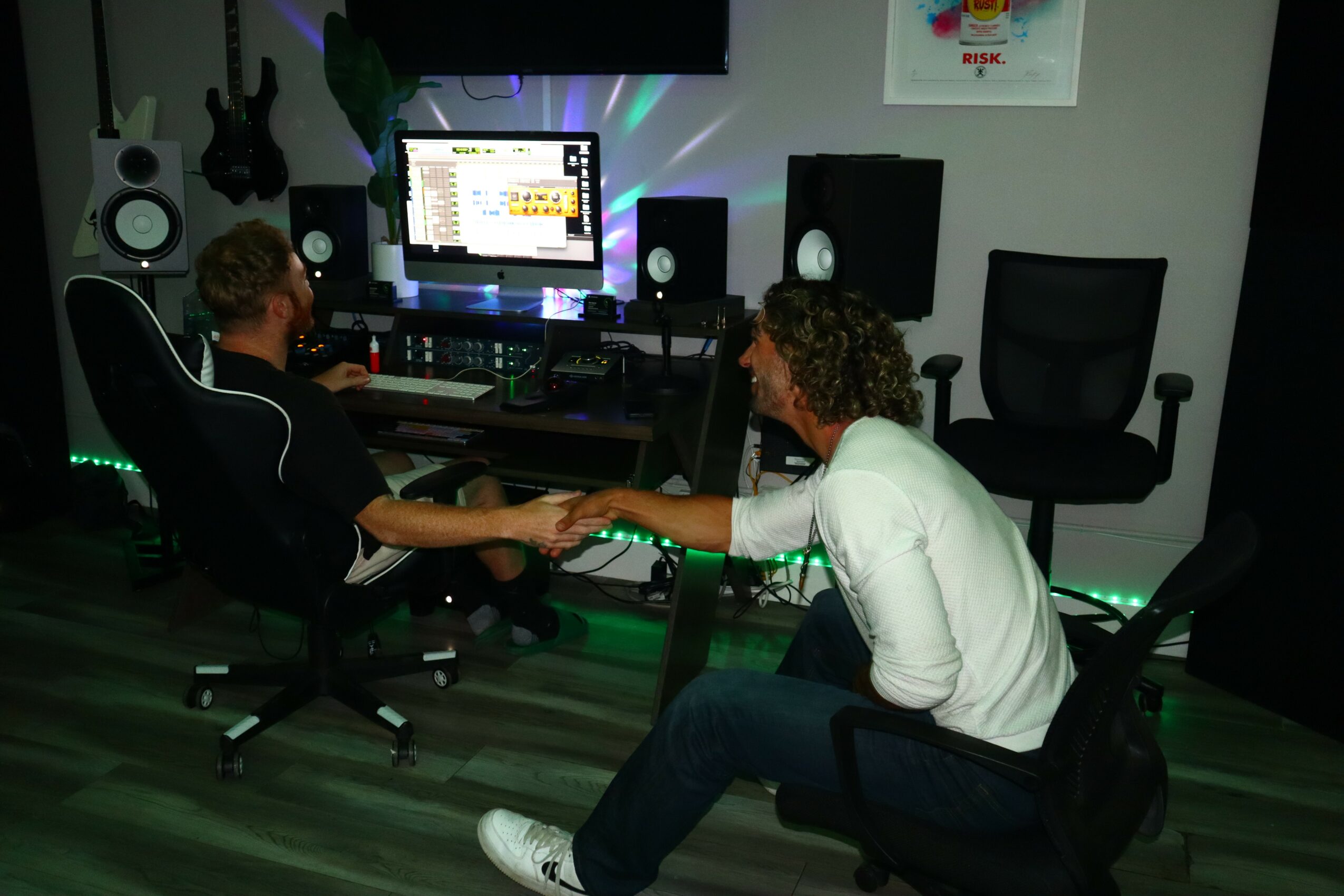
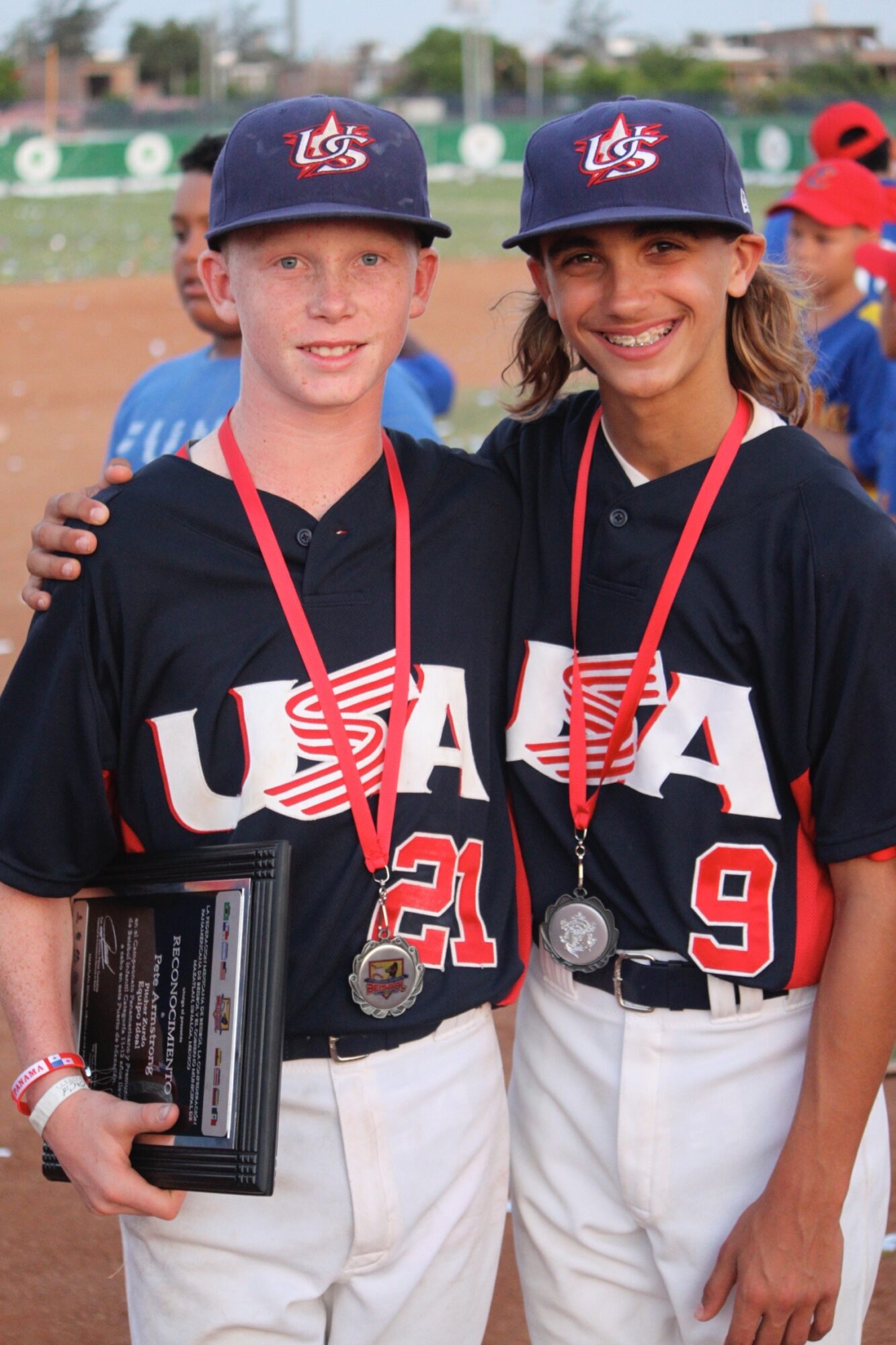
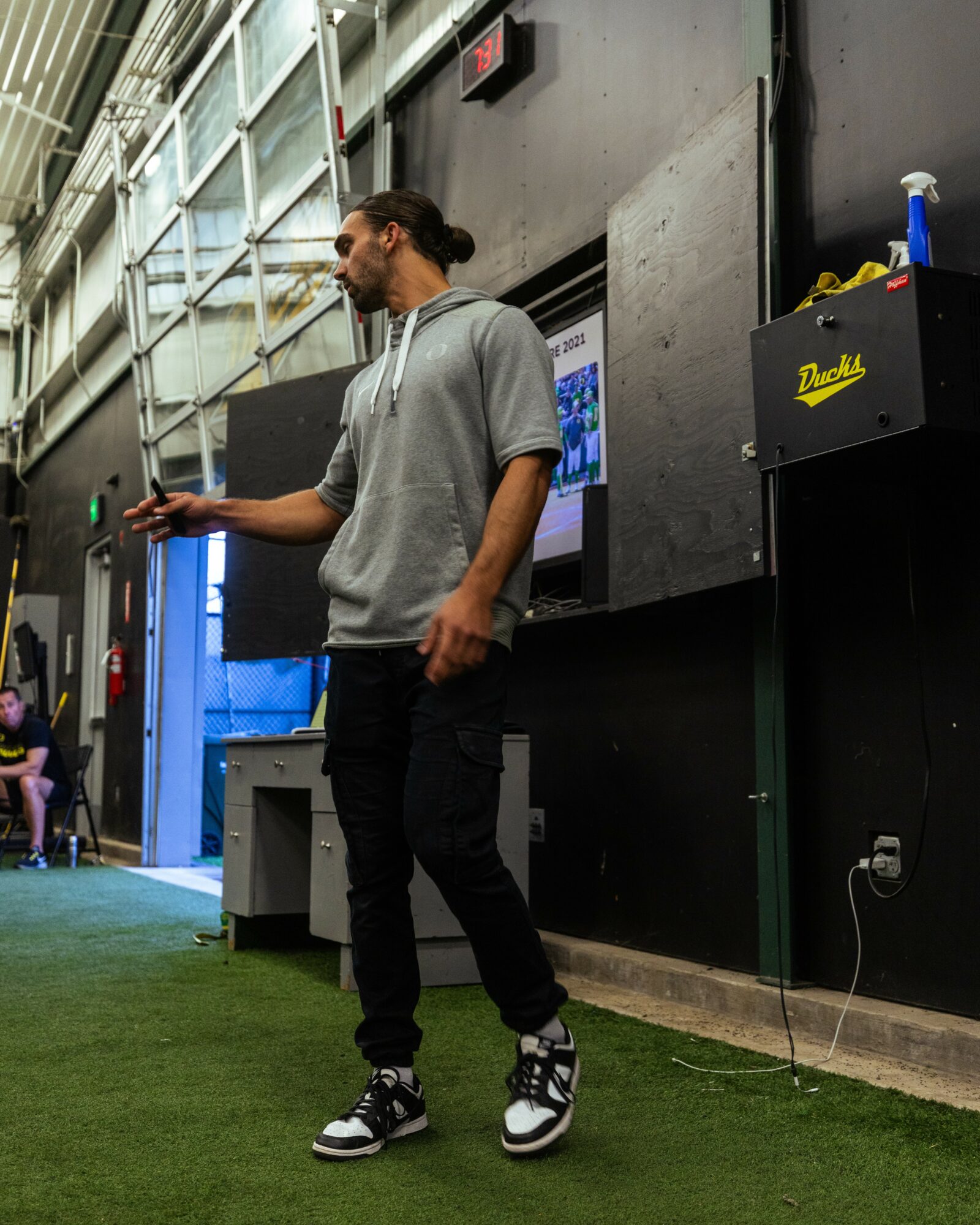
Image Credits
Nico Agnone, Raphael Baum, and Kyu Edminster
Popular
-

Linda Villines on Releasing Stored Struggle and Reclaiming Ease Through the Body
-

Candice Swanson on Honoring the Sacred Early Days of Motherhood Through Intentional Photography
-

Michael Johnson on Telling Untold Stories of Identity and Leadership Through SQUAD
-

Owning the Narrative: Drew Dusterhoff Steps Into Power with Lincoln Must Die
-

Portraits of the Valley
-

LA’s Most Inspiring Stories


