




Today we’d like to introduce you to Peter Chang.
Hi Peter, so excited to have you on the platform. So before we get into questions about your work-life, maybe you can bring our readers up to speed on your story and how you got to where you are today?
My story really starts with a blueprint I didn’t write for myself.
Growing up, the path was clear: work hard, get the degrees, climb the corporate ladder, and build a distinguished career in Corporate America. And for a while, that’s exactly what I did. I pursued an MBA, built a career in the biotech and medical technology sector, and financially, it paid off. I even went back to school for a Master of Public Health at UCLA, still very much on the corporate track. But somewhere along the way, I had to be honest with myself. The work wasn’t feeding my soul.
That kind of reckoning isn’t easy, especially when you’ve built an identity around achievement. Fortunately, I had my family in my corner, and with the support and encouragement of especially my wife, I made the leap into a life of meaning, and it’s the best decision I’ve ever made.
My first major chapter in the nonprofit world was as the founding Executive Director of Child Creativity Lab in Santa Ana. What started as a concept grew into a thriving organization that continues to serve well over 40,000 children annually with programs designed to strengthen problem-solving and critical thinking skills. The nonprofit just celebrated its 14th Anniversary, and I’m incredibly proud of what that team has built. That experience taught me everything about what it takes to launch something with heart and then actually scale it.
From there, I transitioned into the animal welfare and conservation space at Pacific Marine Mammal Center (PMMC) in Laguna Beach, where I served as CEO, and honestly, it changed me. As an organization, during my time there, we elevated the organization’s marine mammal conservation programs, collaborative research initiatives, and science-based education curriculum. We formed a new operating leadership team that included a nationally recognized thought leader in marine mammal sciences, expanded community-based educational programs for children’s hospitals to a national audience, and crafted creative partnerships with brands like Vans, Dell Computer, and various celebrities. We also led PMMC’s largest ever Capital Campaign at the time to fund our campus’s expansion including the addition of a water reclamation system. Leading through something as challenging as COVID while still growing the organization deepened my conviction that nonprofits can be both mission-pure and operationally excellent.
After PMMC, I served as Executive Director of Unconditional Rescue during their inaugural 2022 and 2023 year, a start-up nonprofit dedicated to rescuing senior and special needs dogs, a population that often gets overlooked. I steered the organization through its early launch phase, including developing the strategic launch plan, mobilizing an aggressive PR campaign to generate awareness of Unconditional and the unmet need it addresses, and hosting the organization’s first annual Gala event.
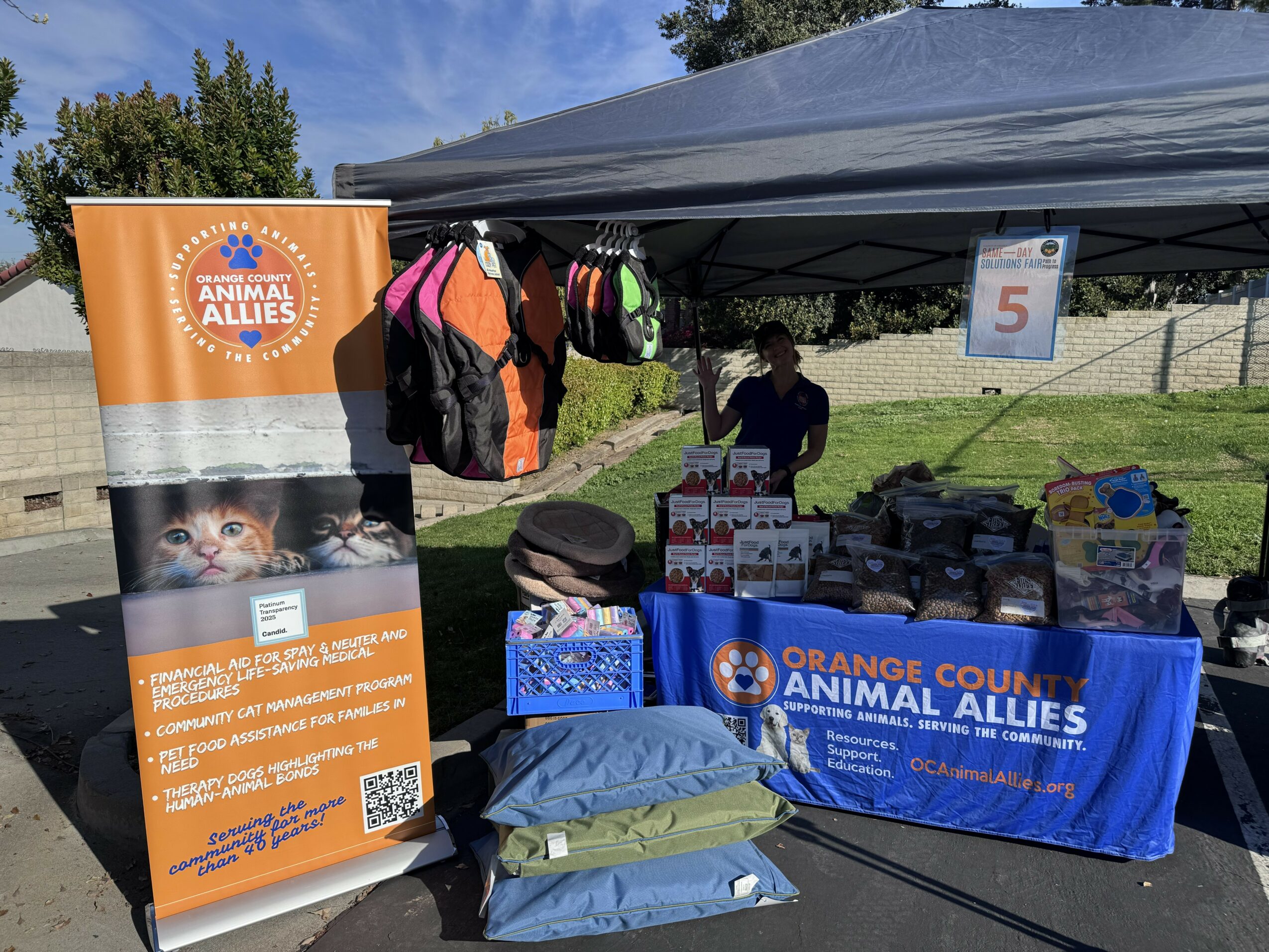
Today, I serve as Executive Director of the Orange County Society for the Prevention of Cruelty to Animals (SPCA), currently going by as Orange County Animal Allies. I bring what I hope is a blend of entrepreneurial energy and deep nonprofit expertise to everything I do, because at the end of the day, I’ve always been most alive professionally when I’m helping an organization find its voice, deepen its impact, and bring people in as true partners in the mission. I just had to take the long way around to find that out.
Can you talk to us a bit about the challenges and lessons you’ve learned along the way. Looking back would you say it’s been easy or smooth in retrospect?
Smooth road? Not even close.
The first major test was the transition itself. Walking away from a financially rewarding career in Corporate America isn’t just a professional decision, it’s an identity shift. There’s a version of yourself you’ve been building for years, and stepping away from it, even toward something more meaningful, comes with real doubt. Am I making a mistake? Can I actually do this? Those questions don’t just disappear because your intentions are good.
And then reality sets in quickly: the nonprofit world operates very differently from the for-profit world, and no amount of corporate experience fully prepares you for that. In Corporate America, success is largely measured in revenue, margin, and growth. In the nonprofit sector, you’re measuring impact, and impact is far harder to quantify. The resources are scarcer, the decision-making is more complex, and the stakeholder landscape is much wider. You’re accountable not just to a bottom line, but to your donors, your community, your program participants, and your mission. Learning to navigate that shift in mindset, and do it quickly, was one of my earliest and most important lessons.
Building Child Creativity Lab from the ground up was exhilarating, but it was also humbling in ways I didn’t anticipate. You’re wearing every hat, making difficult decisions with incomplete information, and learning in real time what it means to lead an organization that depends entirely on the generosity of others. There’s no margin for error, and yet you’re constantly operating in uncertainty.
Another dimension that took real investment to understand was working with Boards of Directors. In the for-profit world, leadership hierarchies tend to be fairly straightforward. In the nonprofit world, your Board is your governing body, your strategic partner, your fundraising team, and sometimes your biggest challenge, all at once. Every board has its own culture, its own dynamics, and its own expectations of the executive director. Learning how to build trust with board members, align around a shared vision, navigate disagreements constructively, and channel the board’s energy toward the organization’s greatest needs is genuinely an art form. It’s something I’ve grown into over the years, and I’m still growing.
Then came COVID. Leading Pacific Marine Mammal Center through the pandemic was one of the hardest things I’ve done professionally. We had animals that needed care regardless of what was happening in the world, a team that needed stability and direction, and a fundraising environment that had completely changed overnight. There were moments where the weight of responsibility was genuinely heavy. But we made it through, and honestly, that experience forged something in me as a leader that nothing else could have.
And then there’s the emotional dimension of this work that people don’t always talk about. When your mission involves vulnerable children, animals in crisis, or families struggling to stay afloat, you carry those stories with you. Learning how to stay emotionally present and connected to the mission while also protecting your own wellbeing is an ongoing practice, not something you ever fully master.
But even to this day, every struggle continues to make me a sharper leader and a more empathetic one.
Thanks – so what else should our readers know about Orange County SPCA, dba Orange County Animal Allies?
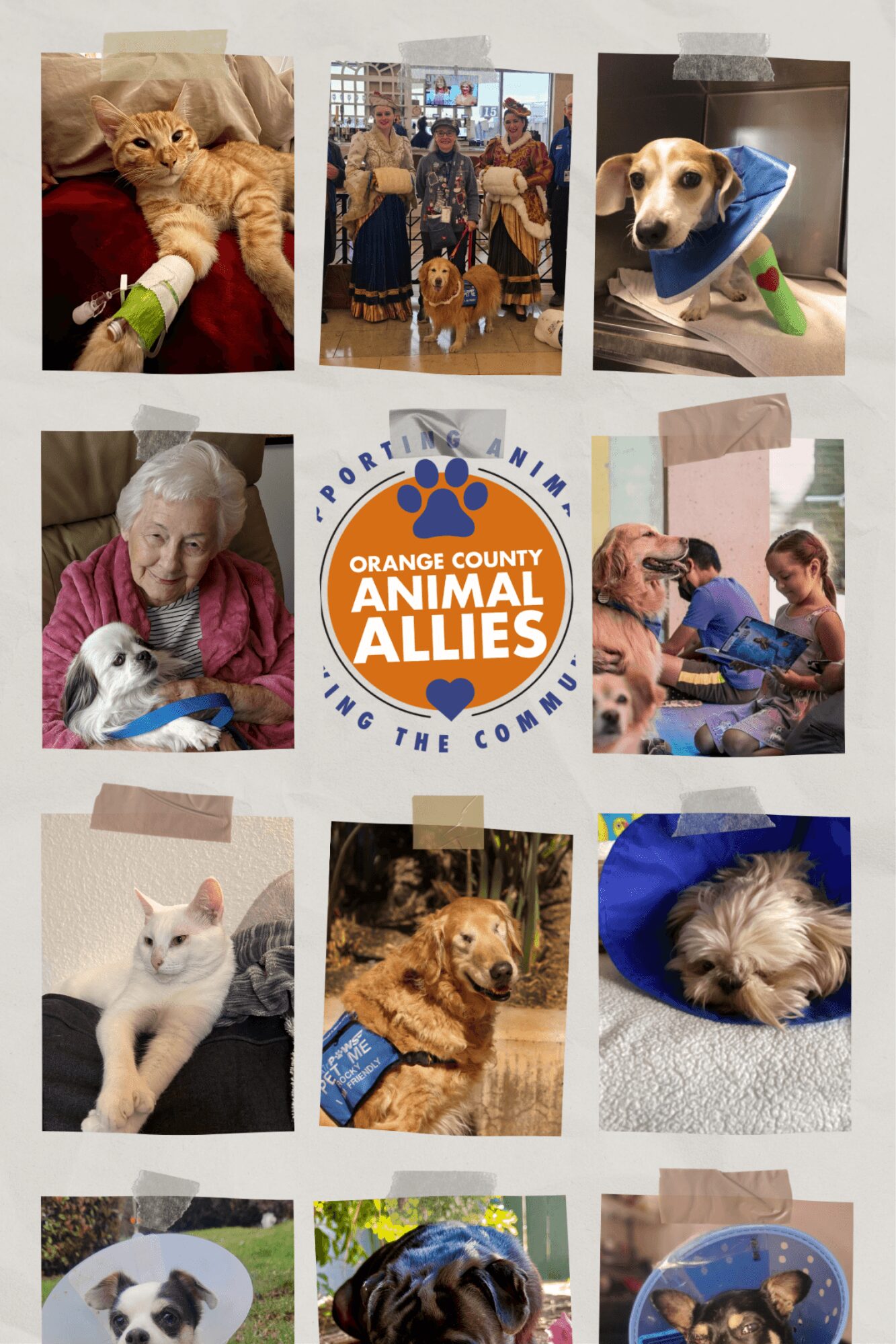
Orange County SPCA, dba Orange County Animal Allies has been serving the people and animals of Orange County for over 40 years, but what makes us different from most animal welfare organizations is that we don’t operate a shelter. And that’s entirely by design.
Our model is built on prevention. We believe the most powerful place to intervene in the cycle of animal homelessness and suffering isn’t at the shelter door, it’s before animals ever get there. That philosophy shapes everything we do.
Our programs reflect that commitment in three distinct ways.
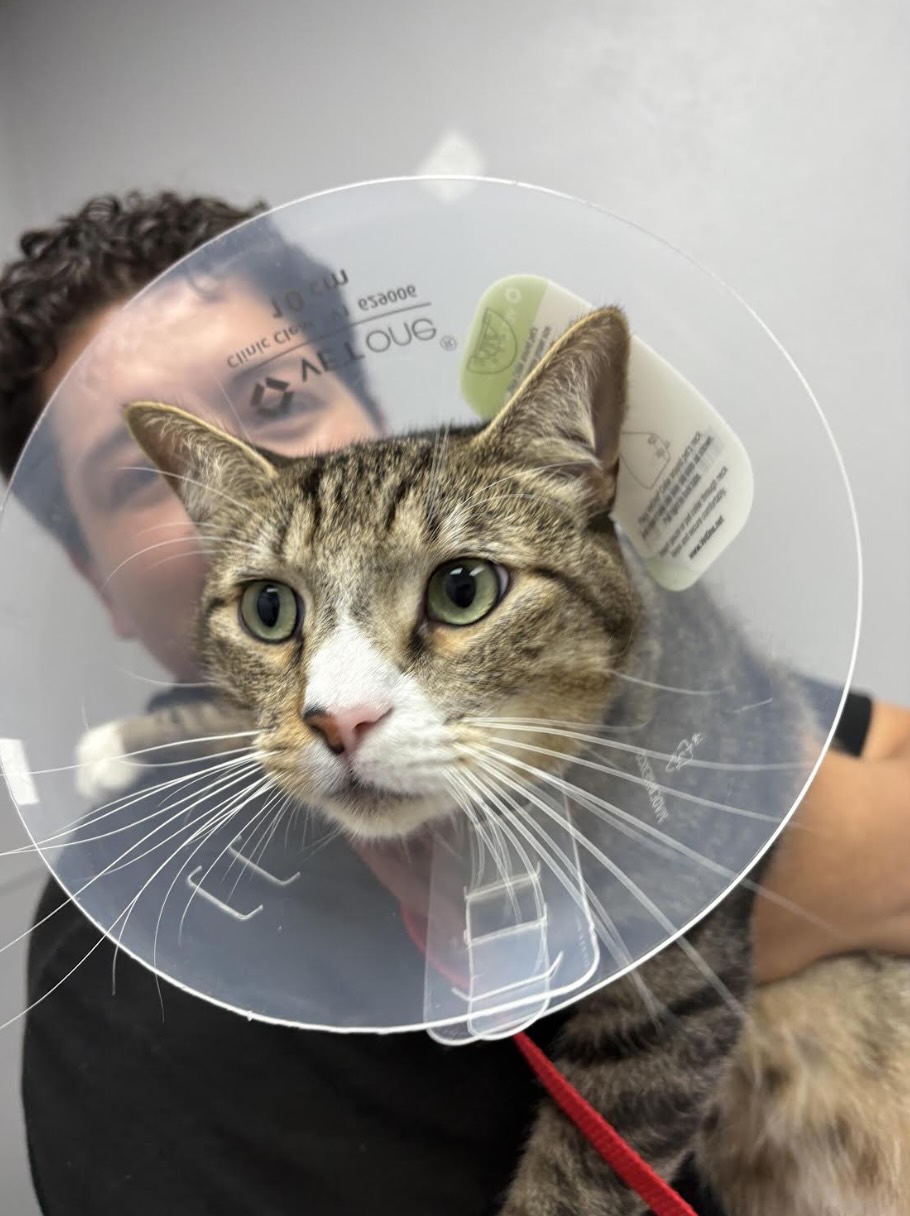
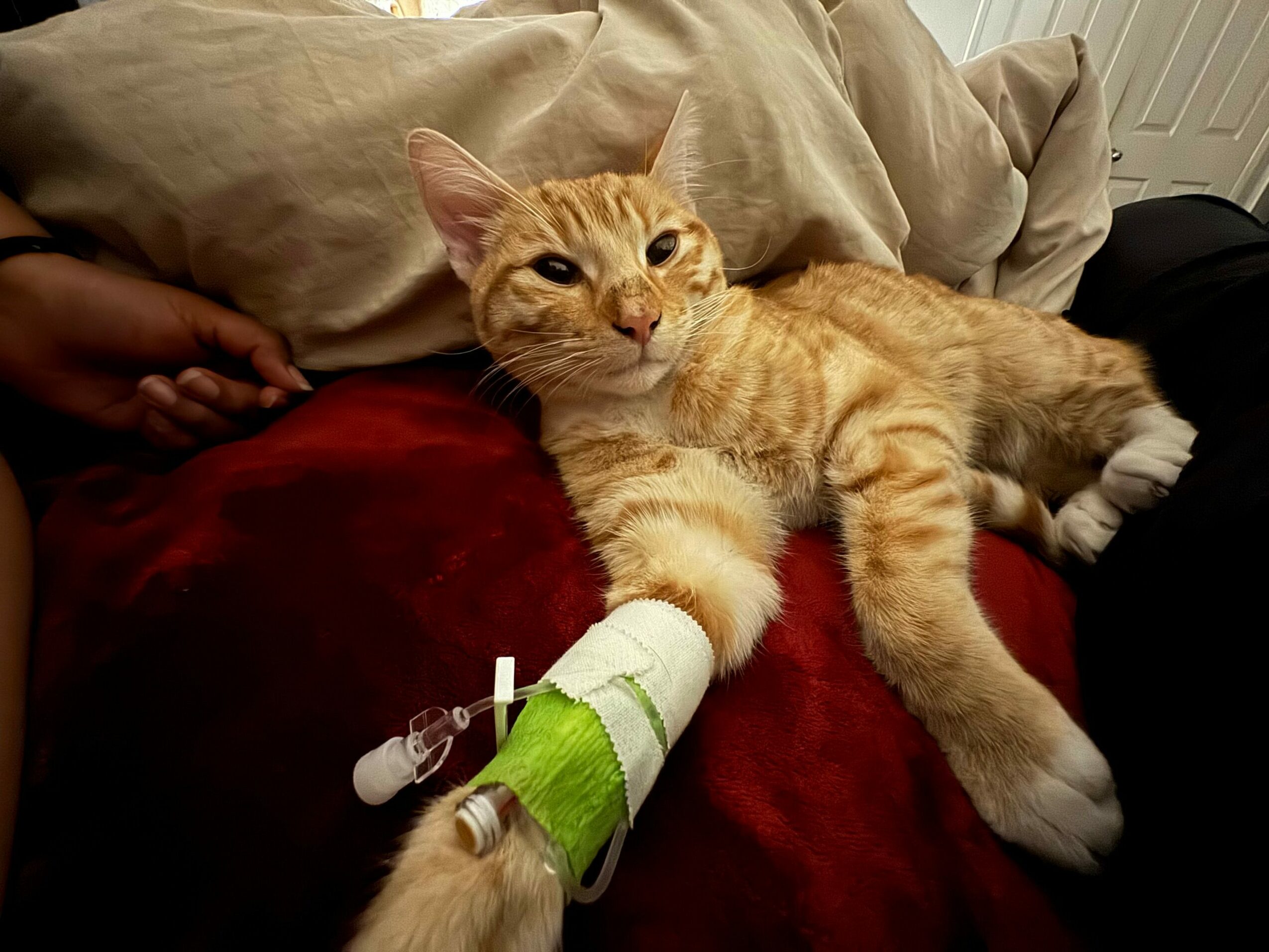
Our Animal Relief Fund provides emergency veterinary assistance and spay/neuter vouchers to pet owners who are financially vulnerable. The reality is that many people love their animals deeply but face impossible choices when an unexpected medical bill arrives. We step in so that financial hardship doesn’t have to mean the end of that bond. And through OCCATS, our community cat program, we extend that same spirit of intervention to the outdoor cat population across Orange County, coordinating trap-neuter-return efforts that address the issue humanely and effectively.
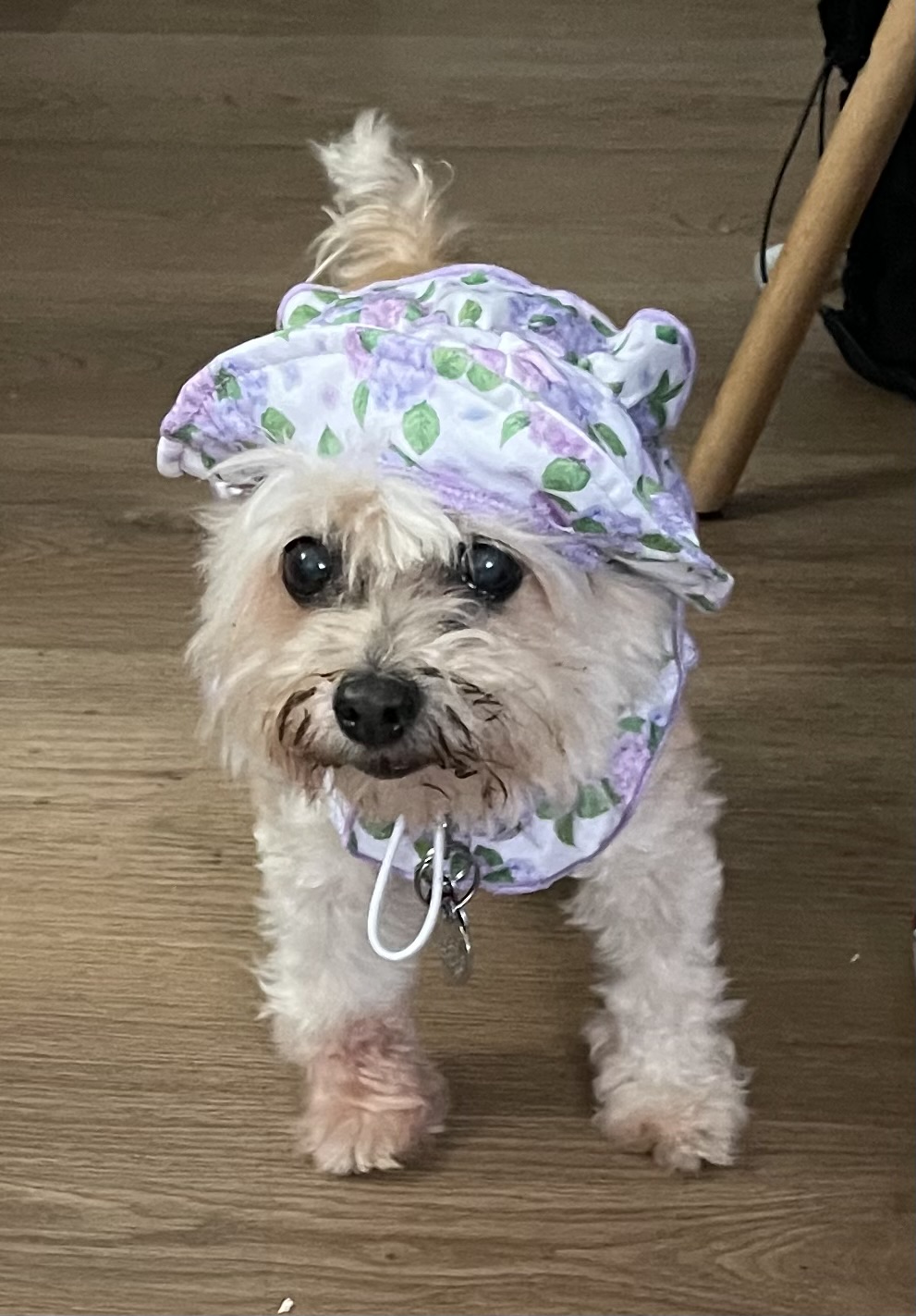
Our No Empty Bowls program is a pet food pantry that keeps pets fed and families together. Hunger shouldn’t be a reason to surrender an animal, and for thousands of Orange County pets each year, it doesn’t have to be.
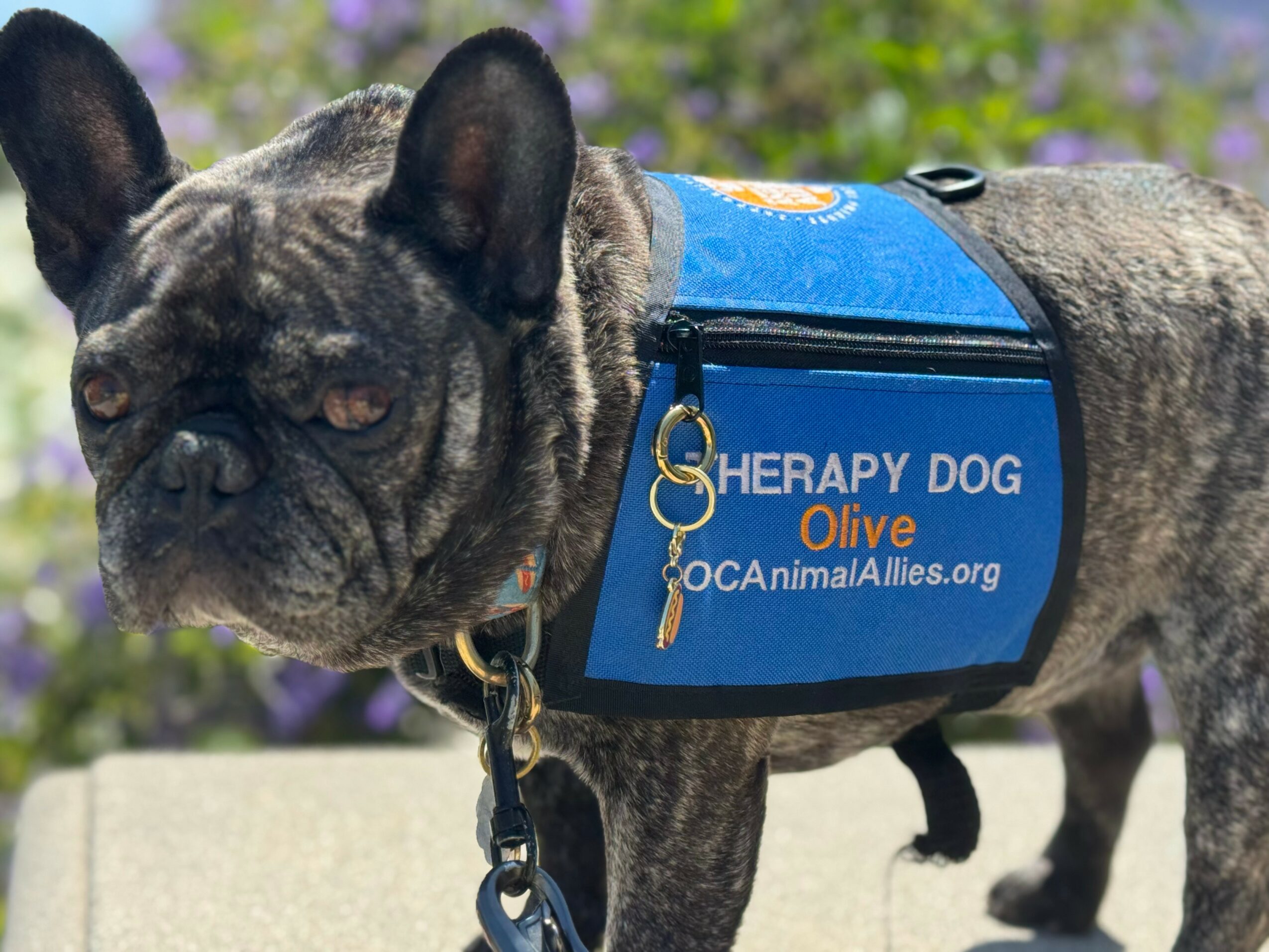
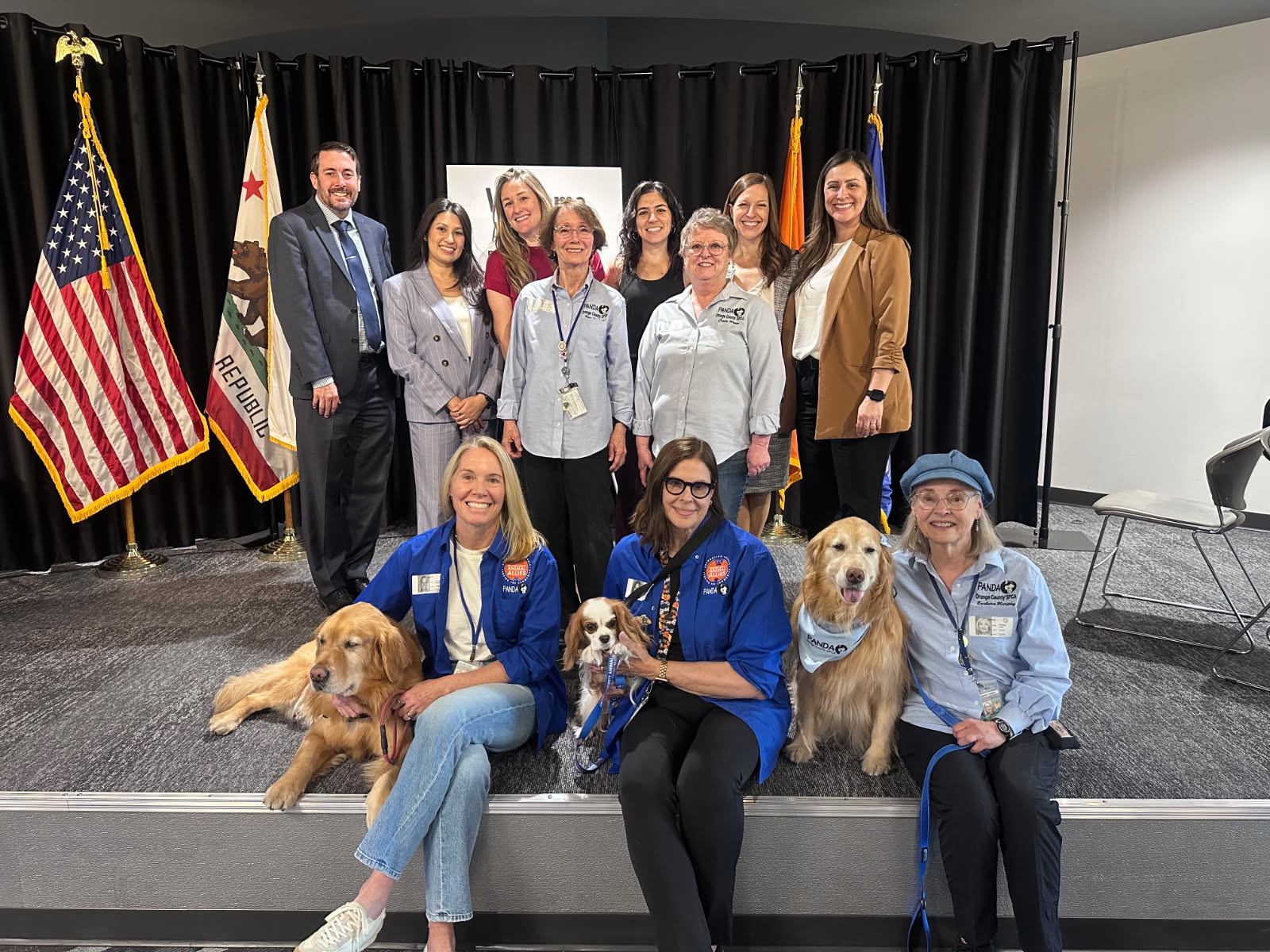
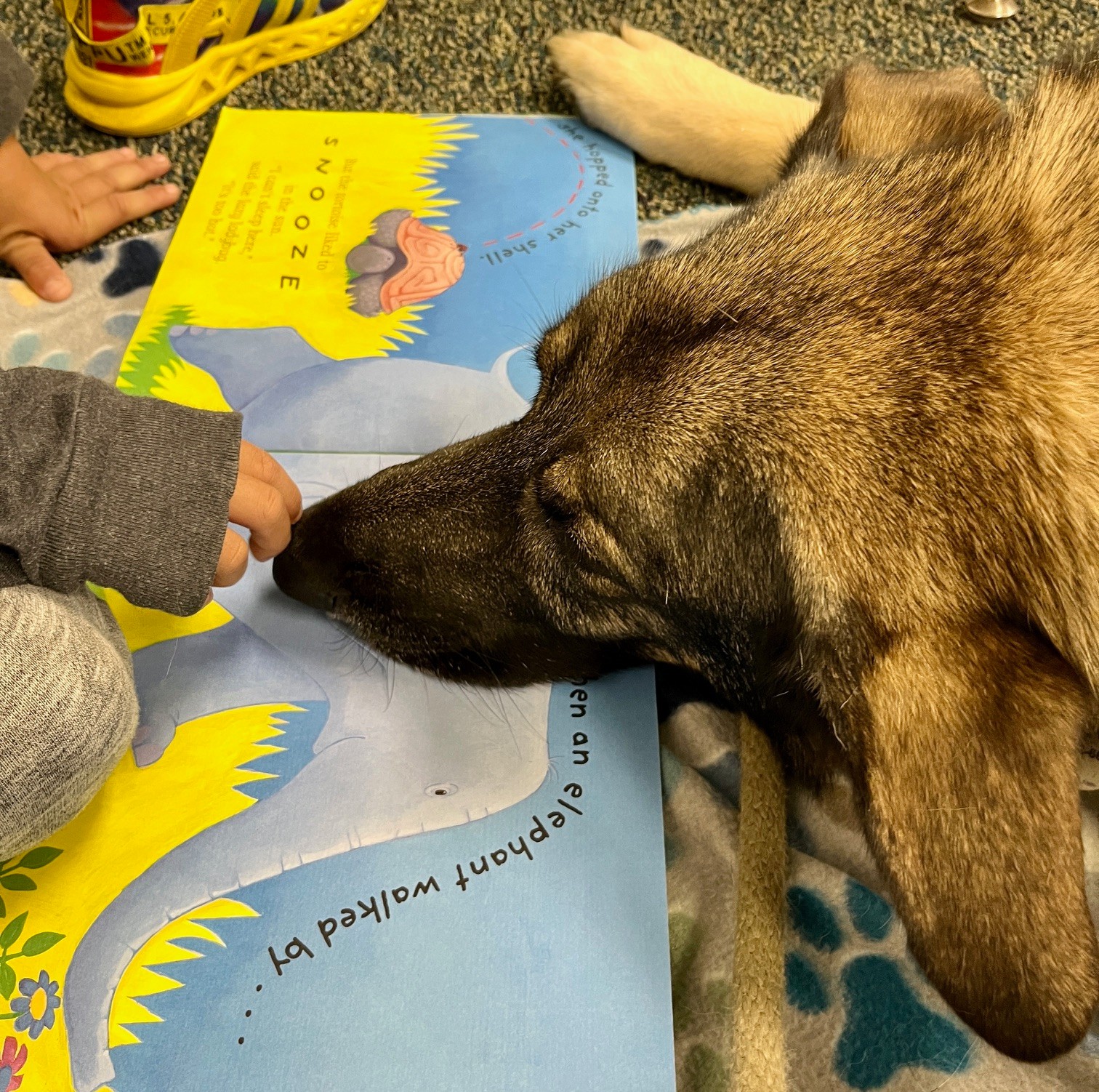
PAWS Therapy Dogs brings the healing power of the human-animal bond into hospitals, senior living facilities, schools, the legal system, and even airports through our AirPAWS program at John Wayne Airport. The research on animal assisted therapy is compelling, and we see the impact firsthand every single time our teams walk through those doors.
What sets us apart is that we center the human side of animal welfare. We understand that keeping pets with their families is often the most humane outcome of all, and we’ve built every program around that belief. We’re not here to judge. We’re here to help.
What I’m most proud of is that we are the organization that says yes. Yes, when a pet owner has exhausted every other option and doesn’t know where to turn. Yes, when a family is on the verge of surrendering an animal they love simply because they can’t afford care. Yes, when a senior needs connection, or a child needs a safe and gentle presence, or a community cat colony needs a humane solution. So many people and animals come to us as a last resort, and we take enormous pride in being the ones who show up for them. That role is not something we stumbled into. It’s something we’ve built deliberately, over four decades, and it’s the heartbeat of everything we do.
What I want readers to know is this: if you love animals, if you believe pets make our communities healthier and our lives richer, then Orange County Animal Allies is your organization. We are doing the quiet, unglamorous, essential work that keeps families whole and animals safe, and we could not do it without the generosity of this community.
In terms of your work and the industry, what are some of the changes you are expecting to see over the next five to ten years?
The animal welfare landscape is shifting in some really meaningful ways, and I think the next decade is going to look very different from the last one.
The biggest shift I see, or hope to see, is a move away from the shelter-centric model toward a more holistic, community-based approach to animal welfare. For decades, the default response to animal homelessness was to build more shelters and take in more animals. What we’re learning, and what the data increasingly supports, is that the most effective interventions happen upstream. Keeping pets with their families through financial assistance, food support, and accessible veterinary care does more to reduce shelter intake than any amount of cage space ever could. I believe we’ll see more organizations pivot toward that prevention-first philosophy in the years ahead.
I also think we’ll see a much deeper integration of the human-animal bond into mainstream healthcare and social services. The therapeutic value of animals is no longer a feel-good anecdote. It’s backed by serious research, and institutions are taking notice. We’re already seeing therapy animal programs embedded in hospitals, courtrooms, schools, and airports. Over the next decade I expect that presence to expand significantly, and for animal welfare organizations to play a more formal role as partners in community health and wellbeing.
Veterinary access is another area ripe for transformation. The cost of veterinary care has risen dramatically, and for low and moderate income pet owners, that gap is widening. I think we’ll see more creative models emerge, including community clinics, mobile veterinary units, and public-private partnerships that make basic care more accessible. This is an equity issue as much as an animal welfare issue, and I think the sector is beginning to recognize that.
Technology will also play a growing role, from data-driven approaches to trap-neuter-return programs, to predictive tools that help identify at-risk pets before a crisis hits, to digital platforms that connect pet owners with resources faster and more efficiently than ever before.
And finally, I think the conversation around the human-animal bond itself will continue to deepen. Pets are family. That’s not a new idea, but the way our systems and institutions respond to that reality is still catching up. Whether it’s pet-friendly housing, disaster preparedness that includes animals, or workplace wellness programs, I think we’ll see society more broadly begin to reflect what pet owners have always known: that the bond between people and animals is worth protecting.
Contact Info:
- Website: https://www.ocanimalallies.org/
- Instagram: https://www.instagram.com/ocanimalallies/
- Facebook: https://www.facebook.com/OCAnimalAllies
- LinkedIn: https://www.linkedin.com/company/ocanimalallies/
Popular
-

Cedar Boschan on Elevating Black Music Rights and Driving Urgent Conversations Around Credit, Equity, and Artist Protection
-

Portraits of the Valley
-

LA’s Most Inspiring Stories
-

Robin Olive on Building an Inclusive Performing Arts Movement and Expanding Opportunities for Every Student
-

Que Johnson on Building Brands That Last: From Visibility to True Market Authority
-

Christina Wren Steps Into the Director’s Chair to Tell Stories That Feel Like Home


