




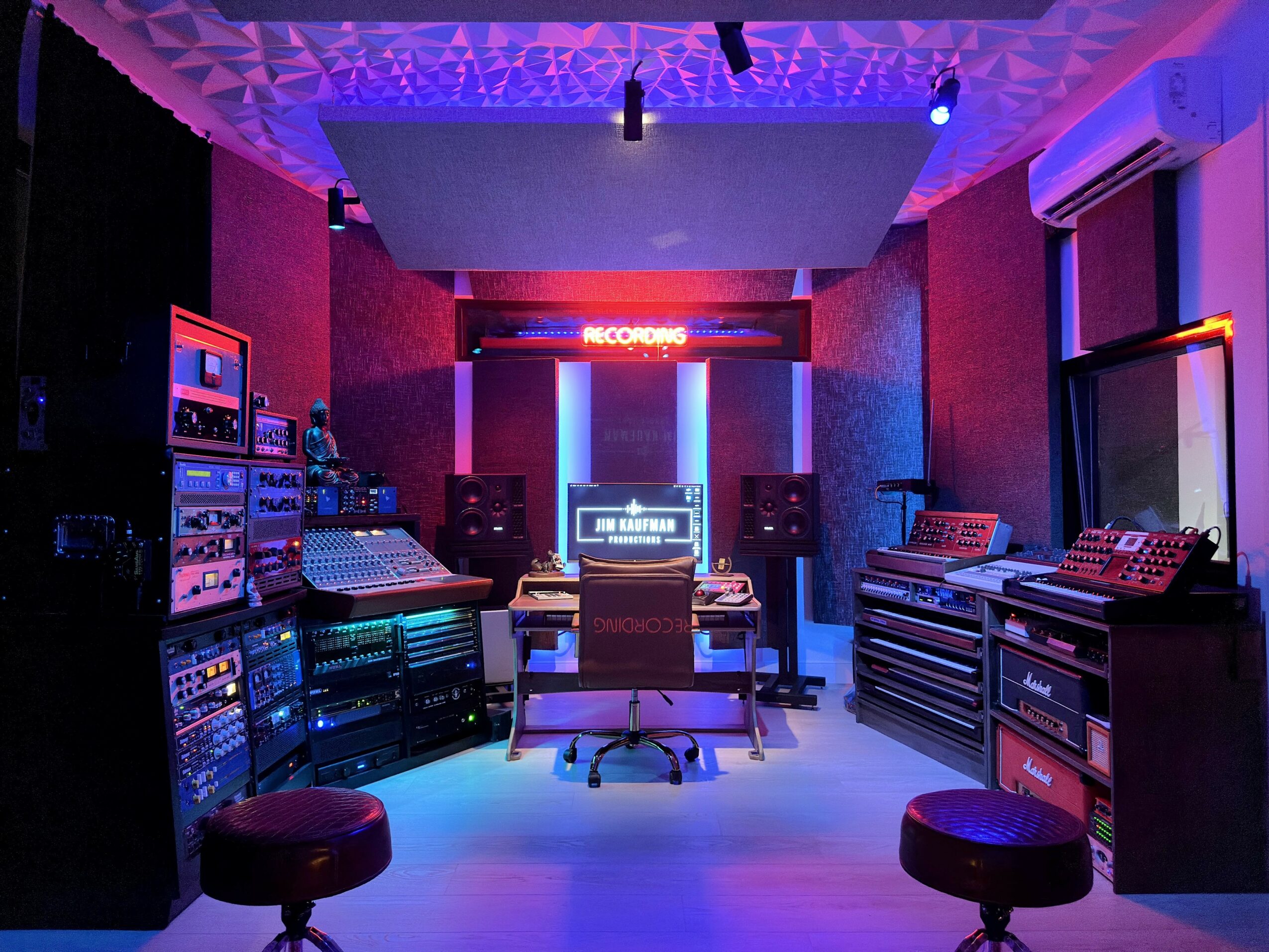
Today we’d like to introduce you to Hush Paz.
Hi Hush, can you start by introducing yourself? We’d love to learn more about how you got to where you are today?
It seems I’ve always been designing rooms, one way or another. When I was a kid, I was obsessed with dinosaurs and Jurassic Park. I drew leaves in green pencil, cut them out, and stuck them on the walls to turn my bedroom into a jungle. I even made an “access pass” system using a cereal box Jurassic Park ID and a paper chute under the door.
In high school, I spent most of my time drawing up plans for my little recording room and “writing songs.” By 12th grade, I was spending more time in that room than at school. I nearly dropped out. The room turned into a business—people started coming over to record. I had carpets and egg cartons on the walls, a 4-channel interface, and a Nuendo rig that could handle maybe 12 tracks before it started choking.
A few years later, we moved, and I designed and built a much more ambitious studio across an entire basement—control room, live room, dead room, lounge, and even a bunker that served as an amp booth. Around that time I was also working as a sound engineer in the army. I pushed that studio to its limits, learning everything I could in the pre-YouTube era. But after finishing my service, I felt like I’d hit a ceiling. I wanted to learn from the source—so I moved to England to study at the Tonmeister Music & Sound Recording program, one of the most rigorous engineering courses in Europe.
That program changed everything. It taught me the basics of acoustics and studio design, critical listening, electronics, recording techniques—and, maybe most importantly, how to learn and think academically. During that time, I moved constantly. Every new flat meant a new makeshift mixing setup, and every studio I worked in had different flaws. I started noticing patterns—rooms that sounded good helped me do my best work. Rooms that didn’t made me second-guess everything. I couldn’t always explain why, but I started developing an internal algorithm to figure it out—for myself and for others.
After six years in England, my visa expired and my U.S. Green Card came through. I moved to LA hoping to find a path through the studio world. But I didn’t have any connections, and freelancing with low-level artists wasn’t fulfilling. My gear was tired, my bank account was worse, and I started to feel disillusioned. That’s when I began getting curious about business—not as a way out, but as a way to create the conditions that would let me make the kind of music I wanted, on my terms. Up to that point, I had ignored money. My philosophy was: do incredible work and it’ll take care of itself. But in the U.S., I felt the culture shock. I realized how far behind I was in my thinking. So I decided to join the party.
Around this time, I read Insanely Simple by Ken Segall. It planted a question that would shape everything going forward: How do I make studio design as easy as possible? That question stuck with me. I wanted to distill something traditionally complex into something clear, elegant, and approachable—long before AI tools existed to help with that kind of thinking.
I kept working in audio—live sound at the Peppermint Club, freelance gigs, touring, mixing at home. I occasionally helped friends with their studio setups. But eventually, I stepped more intentionally toward acoustics. I befriended several acousticians and started working for one of them, Ken Goerres. We installed studios and speaker systems, and R&D’ed acoustic panels together. I started out as hands-on support, but he threw me high-level tasks that stretched my abilities—and I loved it.
Ken’s lifetime of experience filled in a few missing pieces in the fidelity formula I’d been developing for years—how to build a room that just works. With those final pieces in place, I realized my unique value sat at the intersection of deep audio and production experience, a hands-on design mentality, an obsession with sound that translates, and a growing understanding of business.
That convergence became Sense & Sound—a company built to take the guesswork out of studio design. We create modular systems that adapt to a wide range of rooms and workflows, making it possible to deliver high-end studios with speed, precision, and reliability. Every decision is rooted in the client experience. The goal isn’t just great acoustics—it’s a studio that feels intuitive from day one and continues to inspire.
That’s the journey so far.
Alright, so let’s dig a little deeper into the story – has it been an easy path overall and if not, what were the challenges you’ve had to overcome?
Definitely not a smooth road. Business isn’t my first—or even second—language. I came into it completely new, and it’s been anything but easy. Developing a proprietary line of physical products—from design to manufacturing to installation—is already a huge challenge. Add to that the fact that these are large, heavy objects that are expensive to ship, need to perform at an extremely high level, and are often installed in mission-critical environments like professional studios. Then layer on managing people, deciphering marketing, handling cash flow, investing in R&D, and surviving things like recessions, industry strikes, and a once-in-a-century global pandemic… to call it a steep learning curve would be understating it. It felt more like hitting a brick wall. But if there’s no way around it, you climb over.
What has worked in my favor is that I’ve always had an intuitive sense for branding, and the core offering of what I’m building was strong from the start. I’m very clear on what Sense & Sound is here to do. My philosophy is: make it so good there doesn’t need to be a sale. I don’t like sales. I don’t want to convince anyone. The energy is more: “We do this. We can do it for you. Do you want it?” That mindset has actually made the sales side easy for me—because it’s aligned with the rest of our design thinking.
A big part of the S&S philosophy is: design the process away. What’s the simplest version of studio design? There’s no design process at all—it’s already done. What’s the simplest version of sales? There is no sale. It’s just exactly what you wish you always had. So you say yes—or it’s not for you, and that’s fine too. There was never supposed to be a middle ground.
Thanks – so what else should our readers know about Sense & Sound?
Sense & Sound is a studio design company that specializes in creating high-performance, high-translation recording and mixing environments—without the usual complexity, time drain, or guesswork. We’re known for our ability to walk into nearly any room and transform it into a space that just works. Not just acoustically, but creatively and logistically, too.
Our core offering is a proprietary modular studio system we’ve developed over years of design, field testing, and refinement. It’s engineered to deliver exceptional acoustic performance, while being installable in a single day, adaptable to different spaces, and beautiful enough to feel inspiring to work in. We’re not just selling panels. We’re delivering clarity—sonic clarity, decision-making clarity, creative clarity.
What sets us apart is both the user experience and the product innovation behind it. Our systems feature standardized mounting methods, smart leg structures, and removable covers—so they’re modular, repairable, replaceable, and built to move with you. We designed everything to be intuitive, flexible, and equitable: your studio shouldn’t be something you have to leave behind or rebuild from scratch every time your life changes. It should evolve with you.
We handle everything—design, fabrication, delivery, installation, and calibration. You don’t need to learn acoustics to get a world-class room. That’s our job. You show up, and it works.
I’m most proud of how cohesive the brand has become—from the physical product to the emotional experience people have when they walk into a finished space. It’s clean, intentional, and elegant. But under the hood, there’s a lot of depth—technically and philosophically.
At the end of the day, we’re solving a simple but serious problem: most rooms lie to you. Ours don’t. And that means you get to work faster, trust your ears, and finish with confidence.
Can you share something surprising about yourself?
I used to sing in a Zeppelin tribute band for like 6 years
Contact Info:
- Website: https://www.sense-sound.com
- Instagram: @senseandsound
- Facebook: https://www.facebook.com/SenseAndSound
- LinkedIn: https://www.linkedin.com/company/sense-sound
- Youtube: https://www.youtube.com/watch?v=svuqKXpm6MY


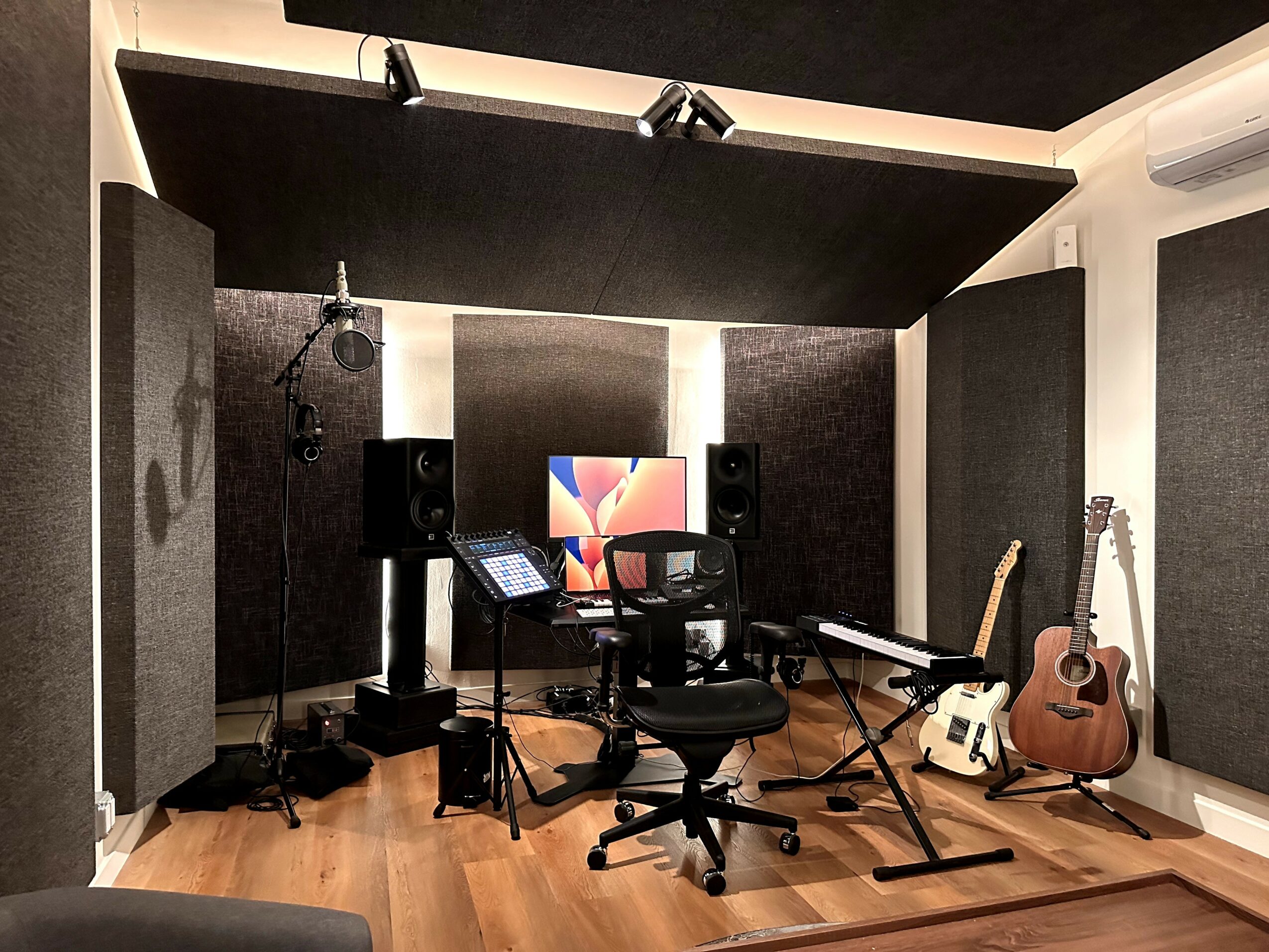


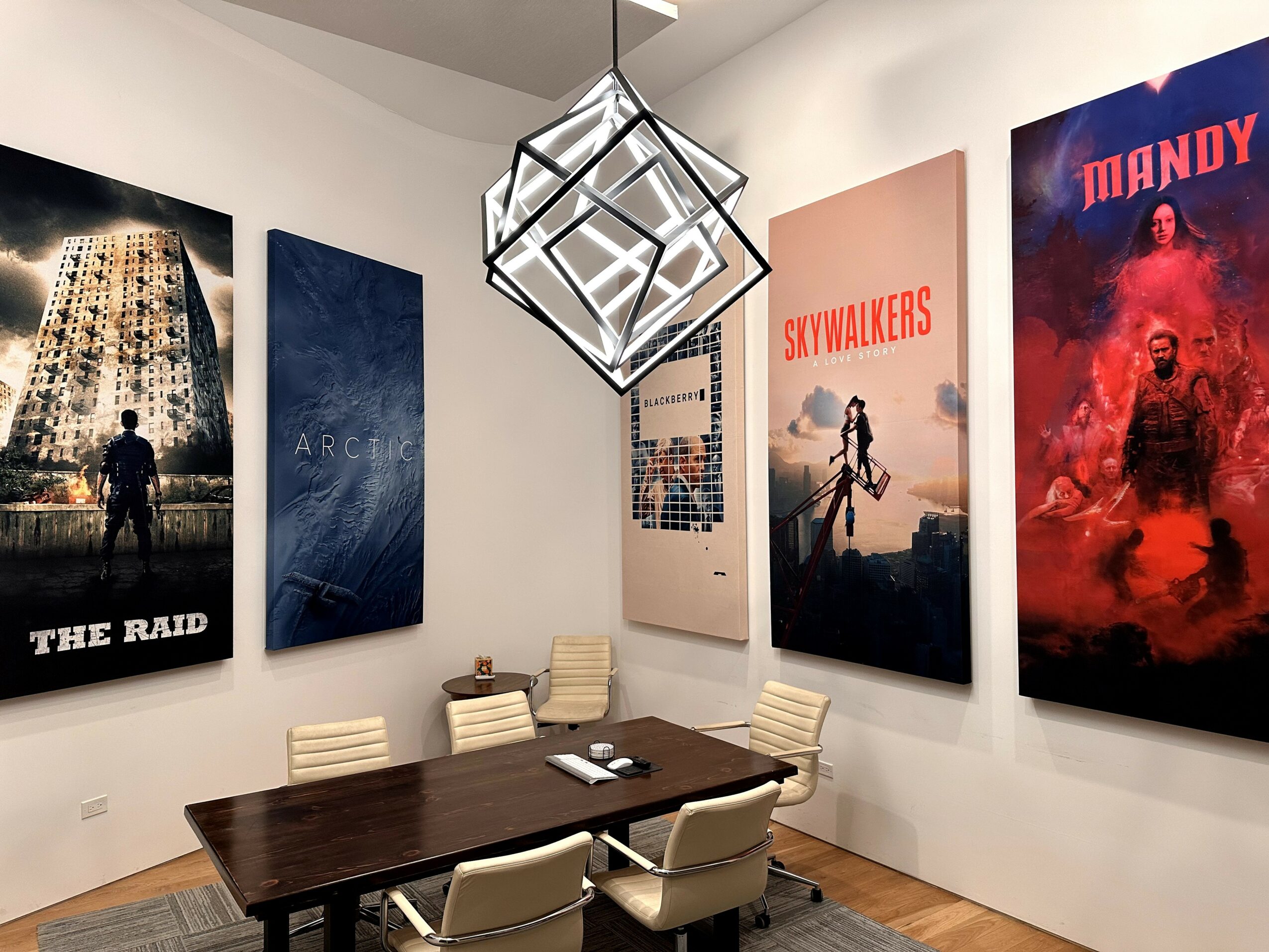
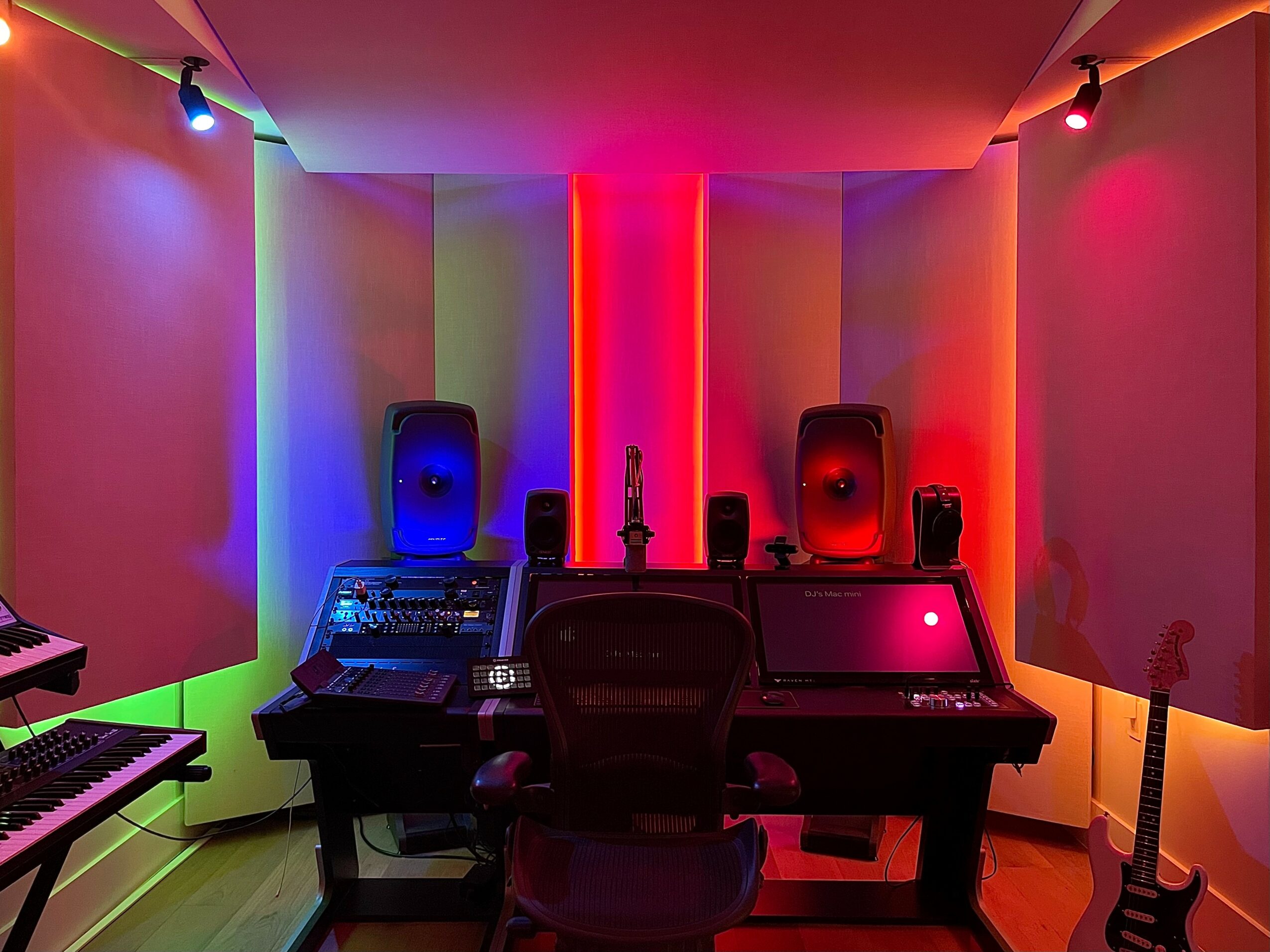
Image Credits
Images by Sense & Sound
Popular
-

Que Johnson on Building Brands That Last: From Visibility to True Market Authority
-

Christina Wren Steps Into the Director’s Chair to Tell Stories That Feel Like Home
-

Portraits of the Valley
-

LA’s Most Inspiring Stories
-

JordanL on ‘Breathe,’ Belief, and Building a Movement Beyond the Music
-

Megan Birney Rudert on How Access to Light Is Powering a More Sustainable and Equitable Future


