




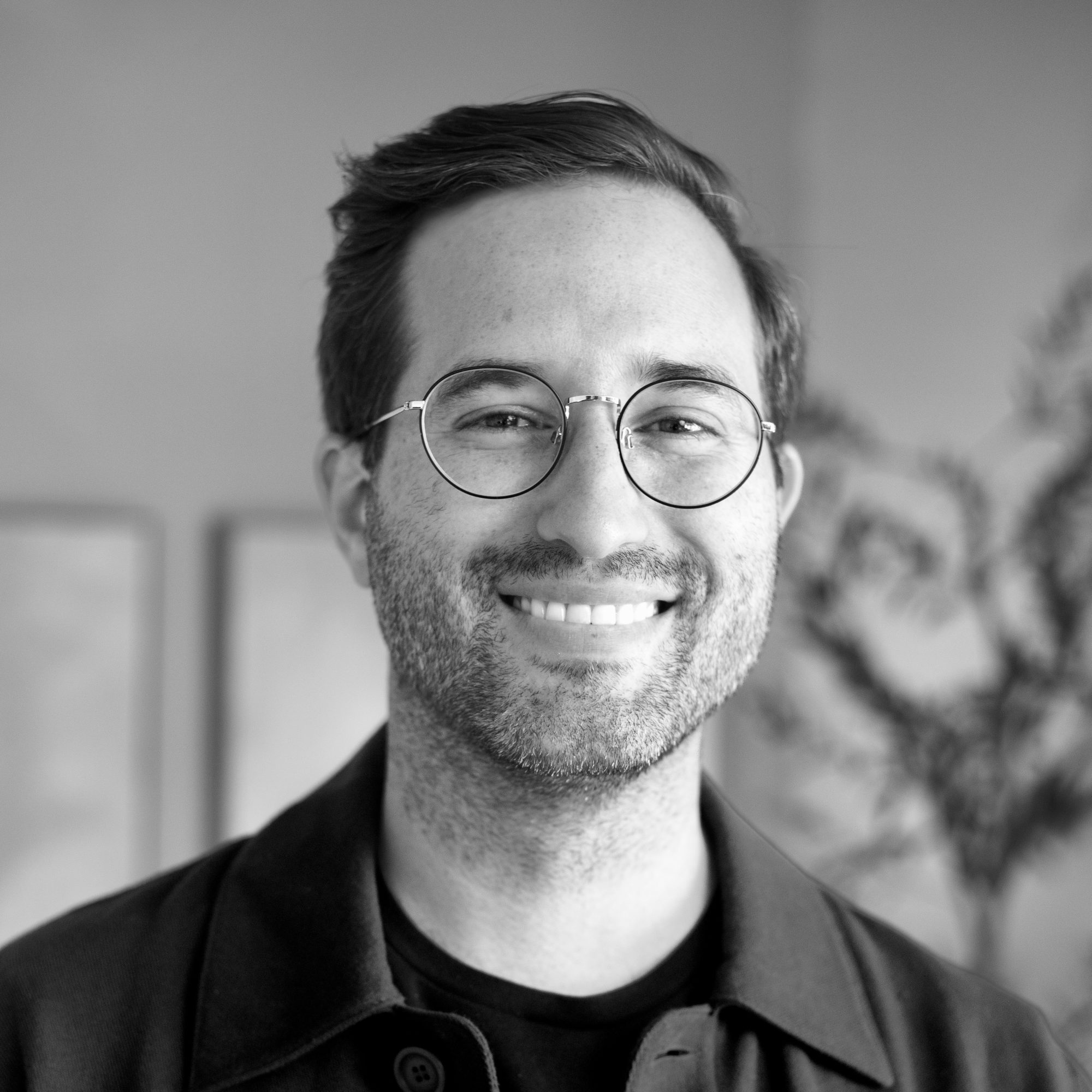
Today we’d like to introduce you to Christopher Schadt.
Hi Christopher, we’d love for you to start by introducing yourself.
My journey towards becoming a psychologist started with an early interest in understanding the problems we have as humans in connecting with one another and feeling a desire to help bridge those connections. From a young age I’ve found myself curious about what helps us connect well to others in our lives and what gets in the way or keeps us stuck in painful relationship cycles.
My doctoral training of course helped me learn deeply about all of that and culminated with several years of working with military veterans at VA Medical Center’s in Long Beach, Los Angeles, Brooklyn and Manhattan. It was at the VA that I really gained expertise in working with men and men’s issues, which is what my practice specializes in today.
While I enjoyed and found significant meaning in my work serving veterans, I ultimately left the VA to be able to pursue greater independence in the kind of work that I do, which has led me to opening a private practice in 2021, now located in the heart of Silver Lake.
Would you say it’s been a smooth road, and if not what are some of the biggest challenges you’ve faced along the way?
Figuring out your identity as a therapist and what your niche is going to be is often a difficult process. While some enter into graduate school knowing exactly what they would like to specialize in or with whom they would like to work, I found that I had to experiment a bit more before knowing exactly what that would be for me.
As above, it was while working at the VA that I really stumbled into a passion for helping men in particular. Men have historically faced harmful stigmas when it comes to seeking and participating in therapy and male therapists are typically in the minority as well. While many parts of the male experience are simply part of being human, there are unique aspects to how cultural factors shape men and the kind of cultural/emotional baggage that men often bring to the therapy experience. Having a therapist who understands those unique variables is often helpful to the therapy process.
Thanks – so what else should our readers know about Christopher Schadt, PsyD?
I am a licensed clinical psychologist and I currently own my own practice in Silver Lake. There are lots of great therapists out there, but I am really proud of the great depth of work that I get to do with my clients. Clients I work with get to experience a psychotherapy process that doesn’t just seek to help them feel better in the short-term, but they come to participate in a process that works toward longer-term fulfillment, personal satisfaction and deeper connections with loved ones. In short, clients who come to see me often want something deeper than just managing symptoms, and that’s my specialty.
My practice specializes in working with men, but more specifically, my practice specializes in helping men feel successful in relationships and find deeper meaning in life, beyond just being success in their careers or hobbies. Many men find that what society has sold them as the dream of “finding worth in accomplishments” is pretty empty. They chip away at those goals for long enough to realize that more professional accomplishments simply aren’t going to create the kind of fulfillment that they were told that they would. Things like connecting deeply with other people – their spouses, kids, friends, etc. is what they really want in order to find meaning and joy – sadly, it’s also the part of life for which many men have been the least prepared.
I approach the therapy process professionally, but also with honesty and genuineness. In order for therapy to be effective, it absolutely has to be based in a real and authentic therapy relationship. That is what I love and what I aim to offer the clients with whom I work.
How do you think about luck?
Honestly, I don’t really think much about the role of luck in my life, though I’m sure it’s a factor. For the things that I have been given or afforded, I try to focus on feeling grateful and acknowledging any elements of privilege from which I have benefited. For the challenges and difficulties, I do my best (though it can certainly be difficult) to focus on what I can change, what I can accept and in what ways I can ask for help.
Contact Info:
Popular
-

Portraits of the Valley
-

LA’s Most Inspiring Stories
-

Greg Hex Is Turning the Everyday Kitchen Knife Into a Modern Design Object
-

Rick Norris Learned That Building a Successful Business Means Building a Life You Actually Want to Live
-

How Olivia Rush Turned Survival Into a Mission to Help Others Keep Going
-

How Bibi Goldstein Is Helping Entrepreneurs Reclaim Their Time by Embracing the Power of Delegation


