





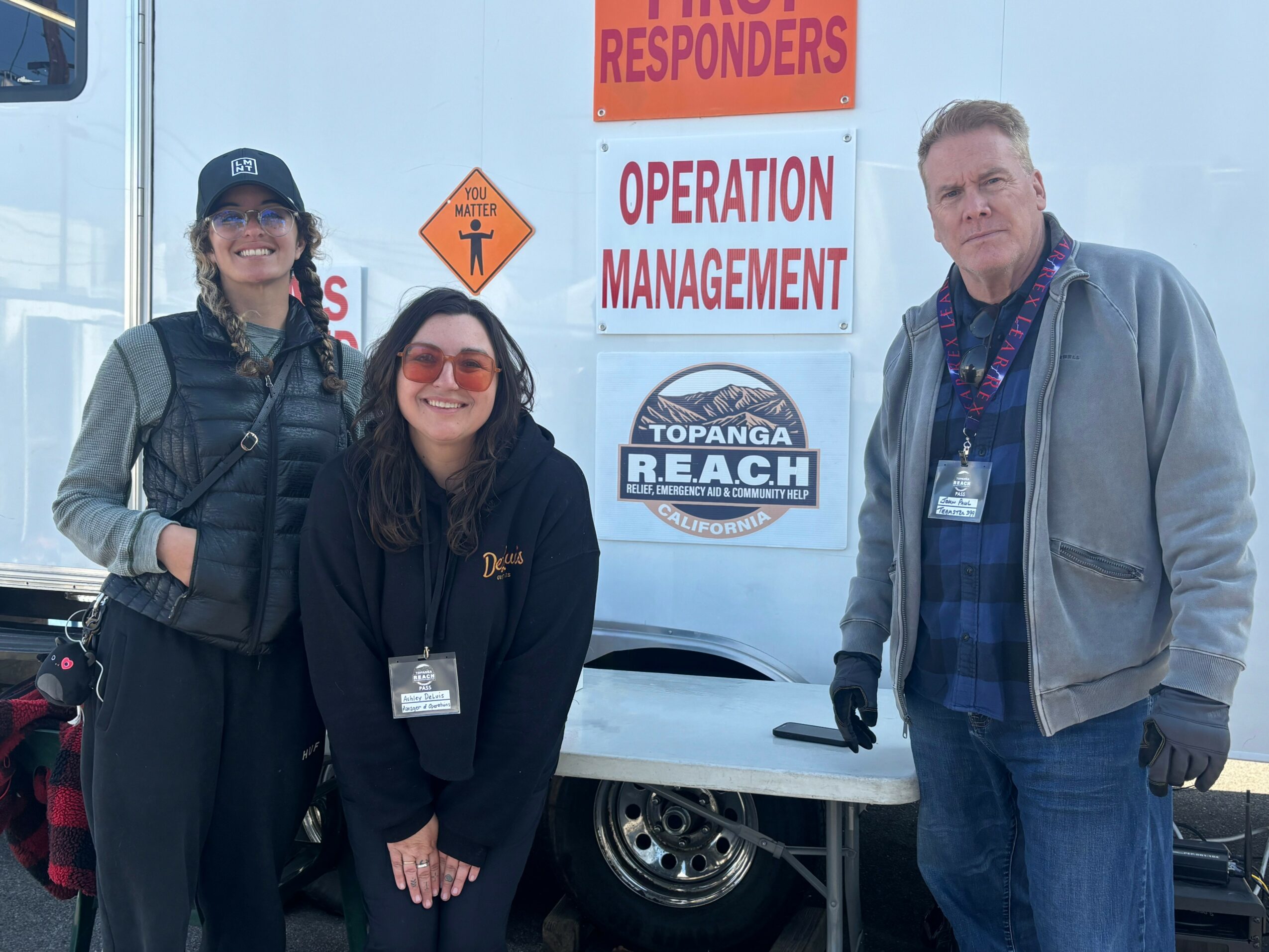
Today we’d like to introduce you to the founders of Topanga REACH
Hi ladies, it’s an honor to have you on the platform. Thanks for taking the time to share your story with us – to start maybe you can share some of your backstory with our readers?
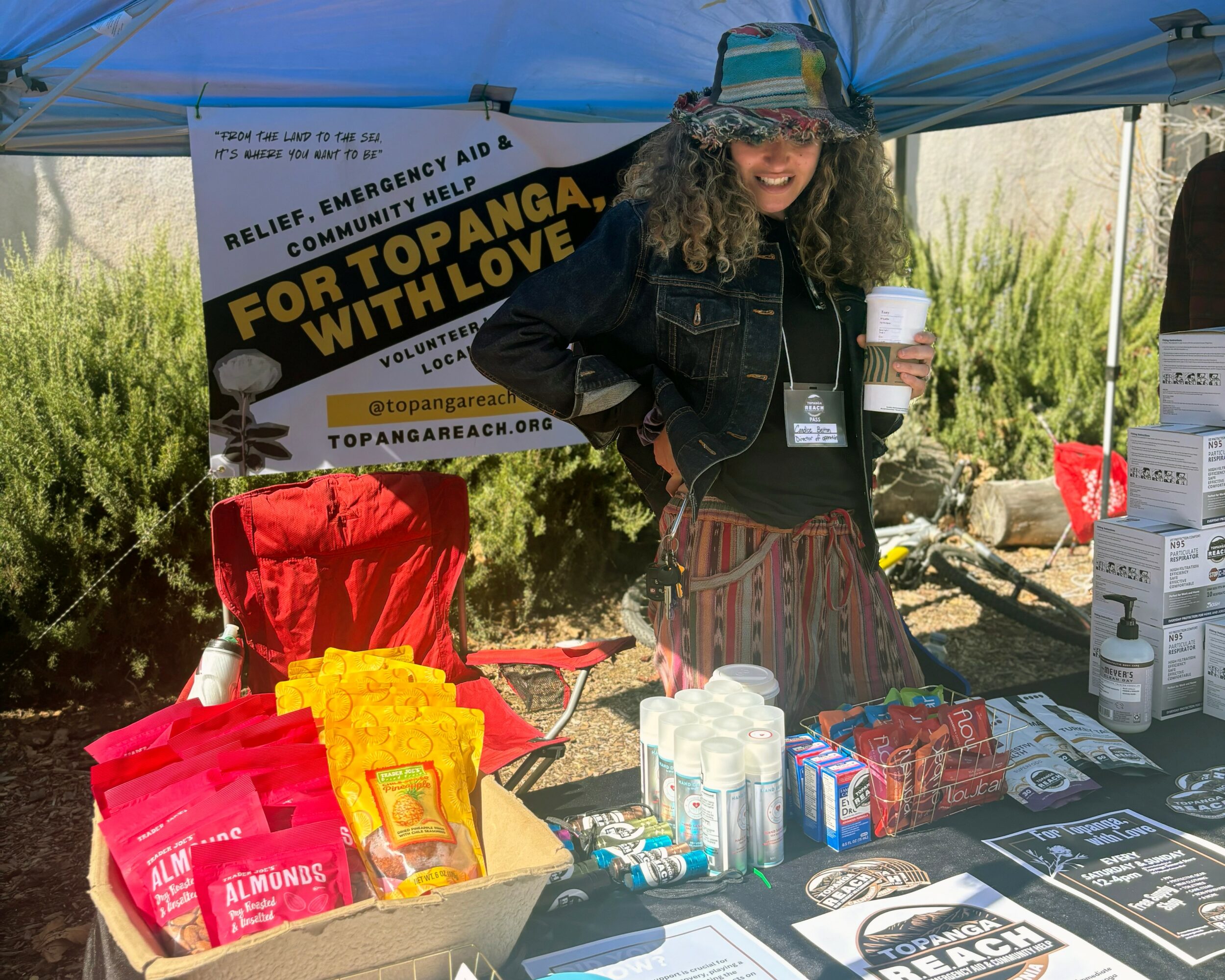
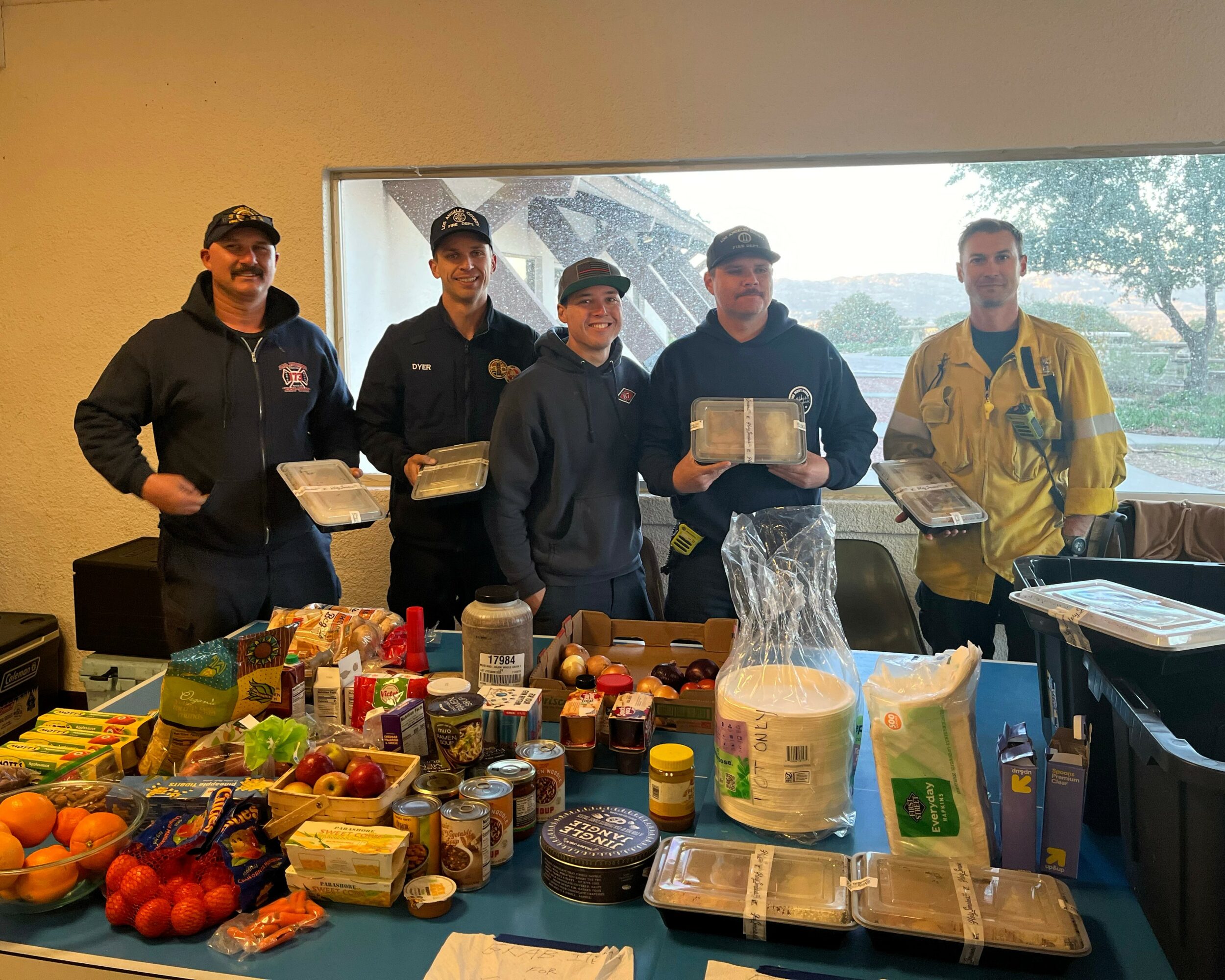
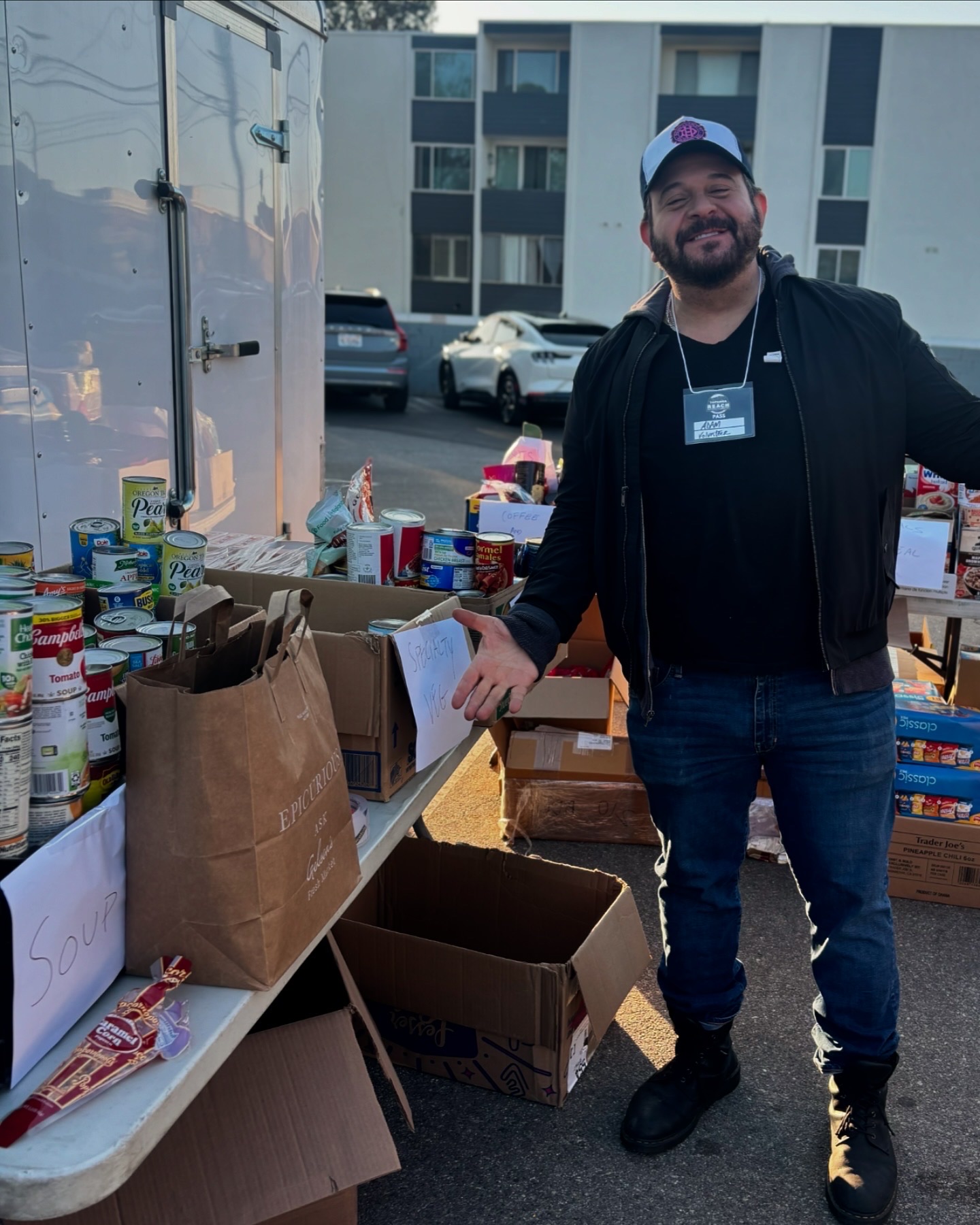
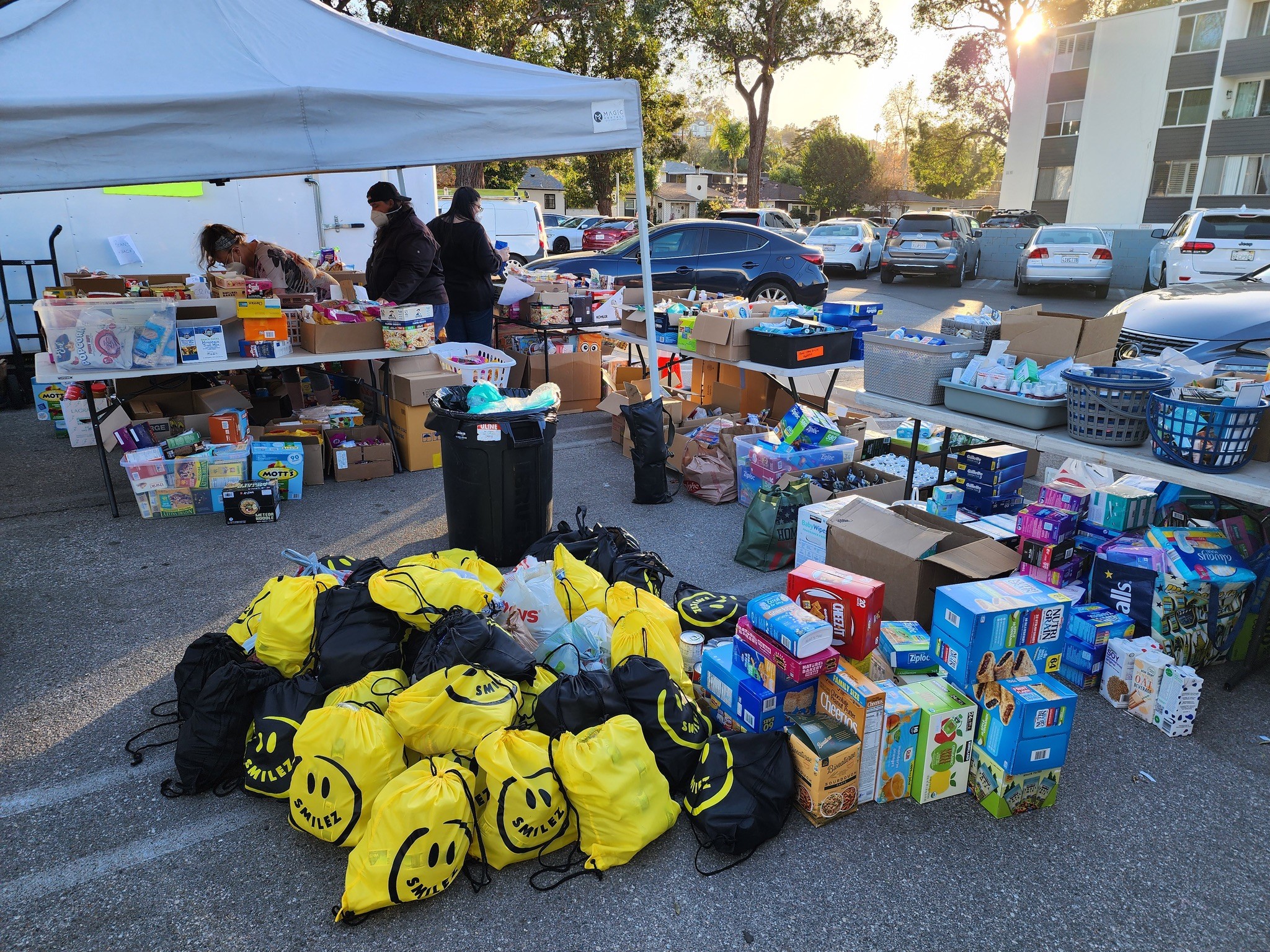
Ashley DeLuis: When the wildfires tore through the Palisades and threatened Topanga Canyon on January 7th, waiting for help wasn’t an option. That’s when this incredible grassroots supply hub came together in a Starbucks parking lot. People showed up with everything—water, food, masks—whatever they could bring to support the first responders.
I got a call from some community members who saw Candice managing supplies in the lot, and they told me, “Get over there right now and help her!” So off I went, having no idea what I was signing up for. And I’m so glad I did.
It was overwhelming in the best way—chaotic, urgent, and completely fueled by people who just wanted to help. There was no hesitation—just action. That moment really showed me what this community is made of, and it’s something I’ll never forget.
Emily Bachman: During the fires I couldn’t focus on anything, I was literally pacing around my house refreshing the WatchDuty app over and over and I knew I needed to find some way to help or I’d lose my mind. I had just gotten home from donating blood to the Red Cross and was about to head out to volunteer for their Disaster Action Team when a friend in Topanga called, asking if I could help for a few hours. Ashley and I had worked together previously on a local fundraising event so there was a natural synergy and established trust that allowed us to get right to work. The rest is history – what was meant to be a few hours turned into something much bigger. I never made it to volunteer for any other organizations as I had planned, but looking back, it all fell into place. I worked remotely to coordinate supply requests, mobilize volunteers, and manage donations while simultaneously building our online presence. Meanwhile, Ashley and Candice handled the growing efforts on the ground.
Since I don’t live inside the canyon, I felt overwhelmingly grateful and blessed that my geographic location allowed me to work uninterrupted and go to bed in my own bed each night—a privilege no one else in our group or the Topanga Community had, that definitely helped fuel my motivation to work a lot harder.
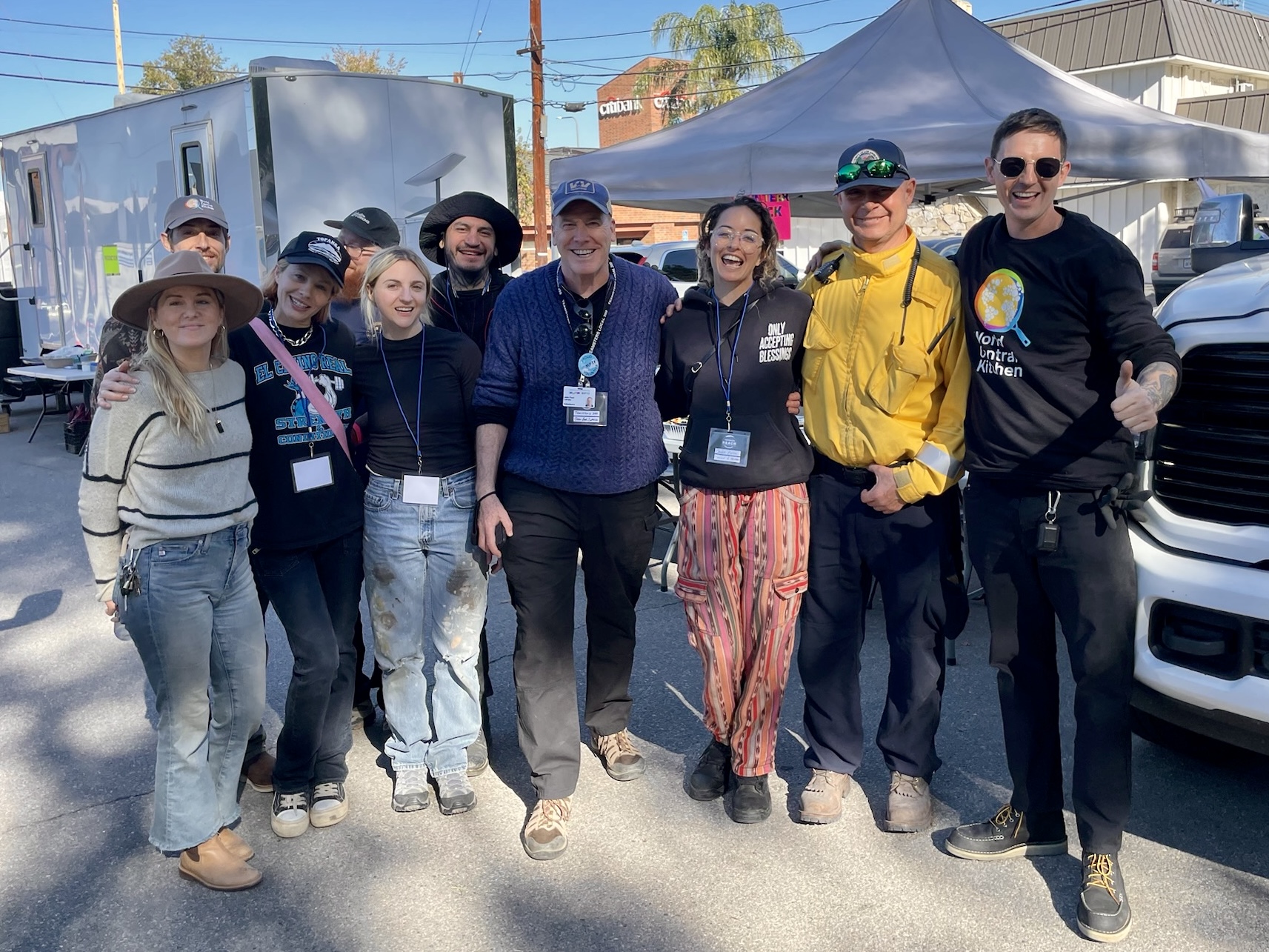
Candice Belton: It all happened in real time—no planning, just response. We were moving at the speed of the crisis, and our ability to pivot moment to moment became our biggest strength. What started as an urgent need for supplies turned into a full-scale relief effort, thanks to the support of local businesses, community members, and Hollywood Teamsters, who helped us keep supply chains moving.
That’s how Topanga REACH—Relief, Emergency Aid & Community Help—was born. It started as disaster response but has since grown into a long-term commitment to making sure our community is stronger, more prepared, and more resilient for whatever comes next.
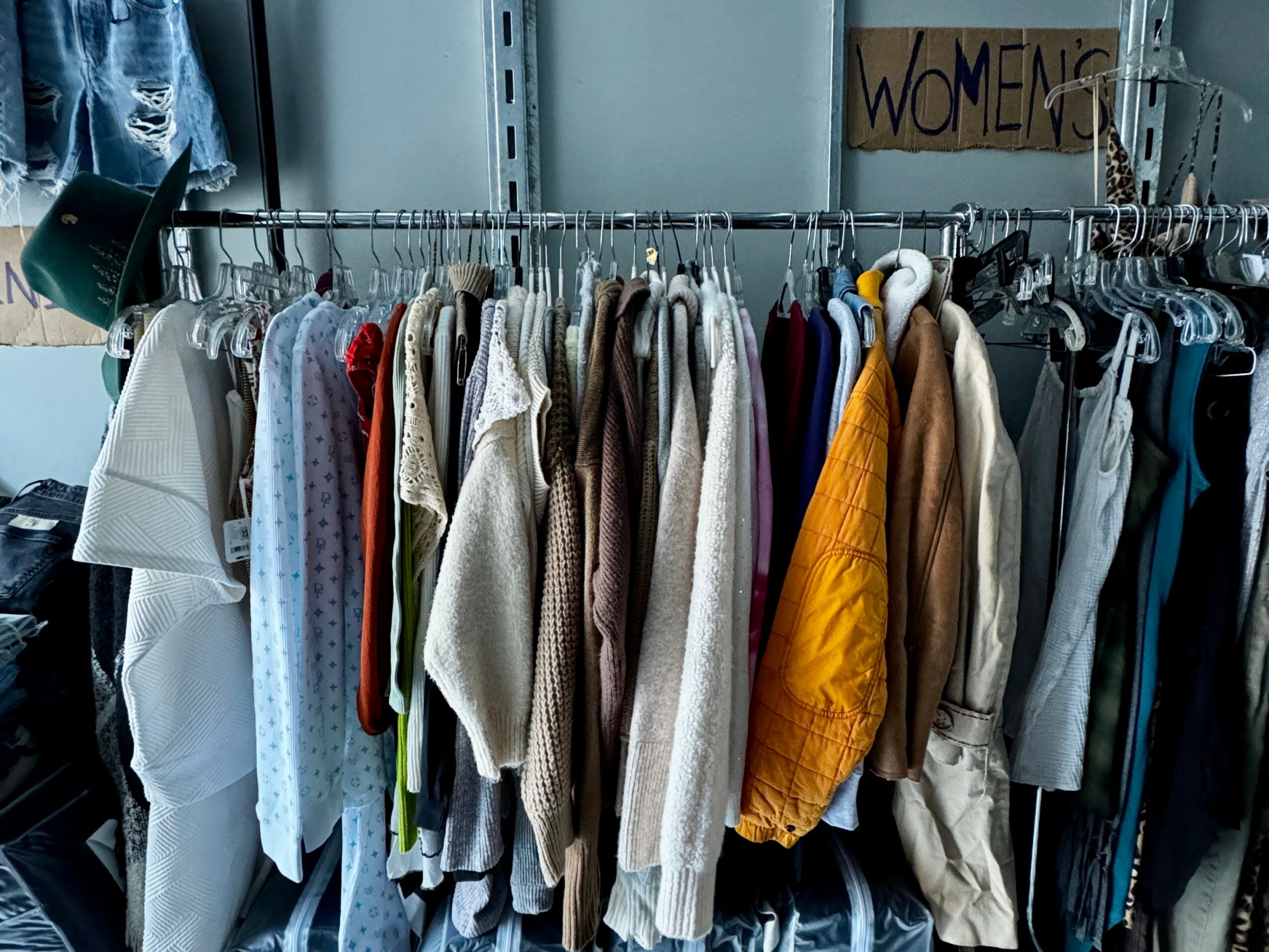
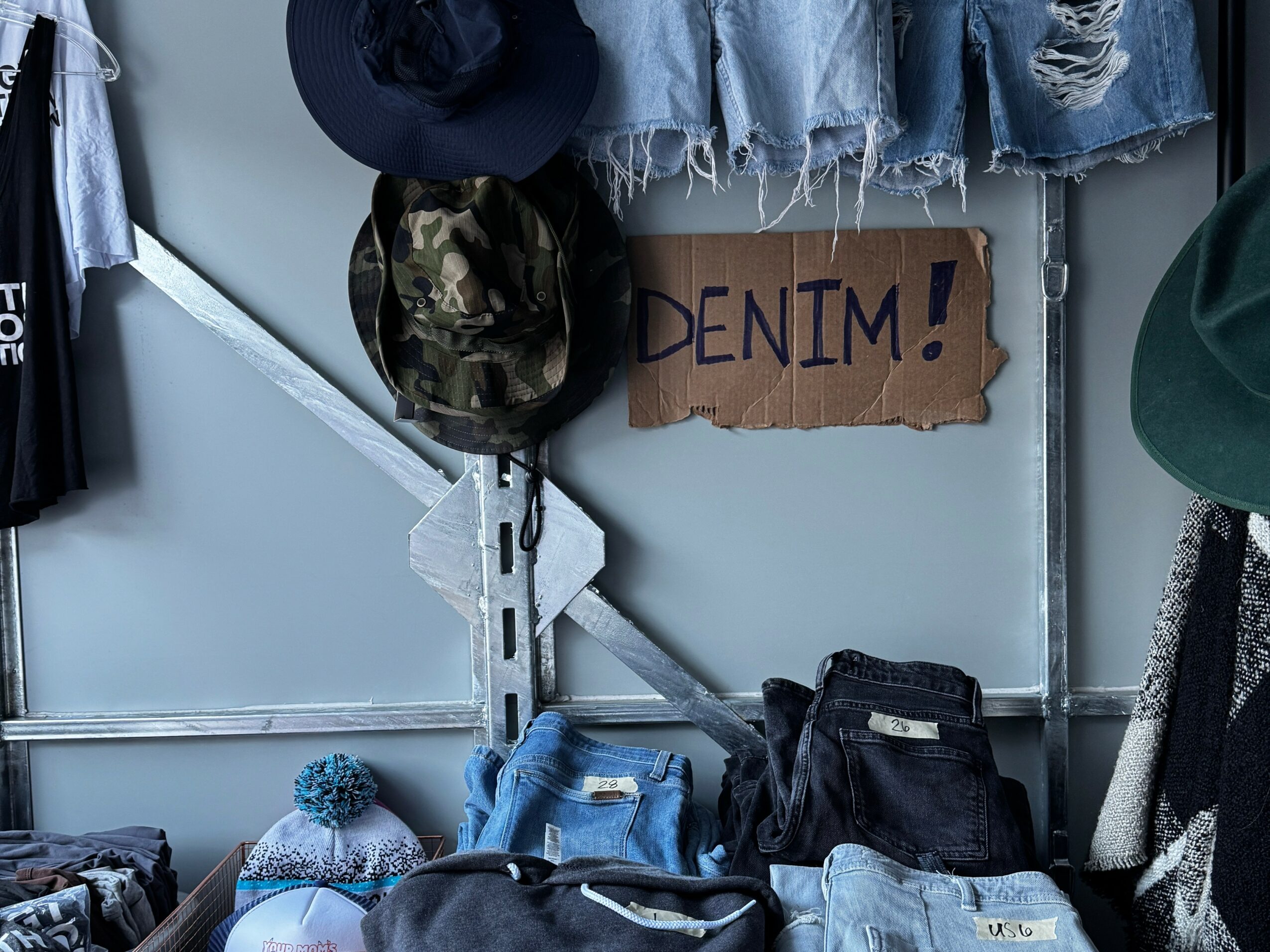
Right now, we’re operating as a volunteer-powered initiative under the Foundation for Human Potential, a fully compliant 501(c)(3) nonprofit whose parent organization is platinum-rated by Guidestar, while we work toward securing our own tax-exempt status. We run a Sunday Pop-Up Shop in the heart of Topanga, providing essentials to those in need, and we are continuing our work to ensure our community has the resources and support to face future emergencies together.
Would you say it’s been a smooth road, and if not what are some of the biggest challenges you’ve faced along the way?
Candice: Like any live-time emergency response, it was rugged and unpredictable. Every hour, the landscape changed—whether it was new road closures, shifting fire perimeters, or the evolving needs of displaced residents. The challenge was staying sharp, anticipating the next pivot before it happened. But through it all, we adapted. We kept going because there was no alternative.
Ashley: We had no playbook to follow, no step by step guides. Every second counted. We had to figure things out on the fly, making real-time decisions while homes were at risk and first responders were stretched thin. Navigating law enforcement checkpoints, cutting through red tape, and ensuring supplies got where they were needed was a constant challenge. But the urgency of the situation—and the overwhelming support from our community—kept us going.
Emily: Time. There wasn’t enough time in the day, it was a constant race, we were trying to get five steps ahead while starting 20 steps behind. Conversely there was no time to worry or think about that. Somehow, often it felt as if by magic, everything fell into place. The more we took on, the more the right people showed up at the right moments, offering exactly what was needed. Because we weren’t bound by traditional relief processes, we had the freedom to move fast, problem-solve creatively, and call on our community’s expertise to get things done. We learned a lot as we went, drawing from those with more experience while leveraging our own skills to build solutions in real time.
Thanks for sharing that. So, maybe next you can tell us a bit more about your business?
Ashley: What makes Topanga REACH special is what makes Topanga special—this isn’t just a community; it’s a way of life. Topangans show up for each other. We don’t wait for help; we mobilize. That’s exactly what we did in January, and that’s what we’re still doing now.
Candice: And we’re 100% volunteer-led. We didn’t plan for this to become an organization—it evolved naturally through both divine orchestration and collective tenacity because the need was there. We stepped up, and so did our community. It’s that collective energy, that shared commitment, that truly sets us apart and what has allowed us to evolve into a locally recognized, official operation.
Emily: We’re no longer here just to respond to disasters—we’re here to prepare for them before they happen. Our goal is to build a stronger, more resilient community by listening, learning, and providing real solutions. That means connecting people with resources, setting up preparedness initiatives, and strengthening our support network—both mentally and economically—so that when the next crisis comes, we’re ready.
At its core, it’s all about sustainability—ensuring that the solutions we create today will continue to serve and adapt to the growing challenges of a changing climate and the diverse needs of this community in the future.
We all have a different way of looking at and defining success. How do you define success?
Candice: Success is growing where you’re at.
Emily: To me, success equals sustainability—creating systems that don’t just solve problems in the moment but build long-term resilience. Every decision I make is through a systems-thinking lens: How do the solutions we create for immediate needs fit within the broader, more complex dynamics of the existing community and support networks?
True success isn’t just about reacting to challenges—it’s about listening, adapting, and designing solutions that integrate seamlessly into existing systems, ensuring our community remains adaptable, prepared, and supported well into the future.
Ashley: Success for Topanga REACH means that when the next crisis hits, we’re ready. No scrambling, no uncertainty—just immediate, effective action. It also means making sure that no one in our community feels like they have to face a disaster alone. Whether it’s a wildfire, a mudslide, or something completely unexpected, we want people to know they have a support system that won’t hesitate to step in.
Because at its core, Topanga REACH isn’t just about disaster relief—it’s about taking care of each other.
Contact Info:
- Website: https://www.topangareach.org
- Instagram: www.instagram.com/topangareach, www.instagram.com/emilybachman, www.instagram.com/ashleydeluis, www.instagram.com/spchthrpy/
- Facebook: https://www.facebook.com/topangareach
- Twitter: https://x.com/topangareach
Popular
-

Christina Wren Steps Into the Director’s Chair to Tell Stories That Feel Like Home
-

Portraits of the Valley
-

LA’s Most Inspiring Stories
-

JordanL on ‘Breathe,’ Belief, and Building a Movement Beyond the Music
-

Megan Birney Rudert on How Access to Light Is Powering a More Sustainable and Equitable Future
-

Linda Kneidinger on Building Lasting Change Through Small Steps and Self-Compassion


