




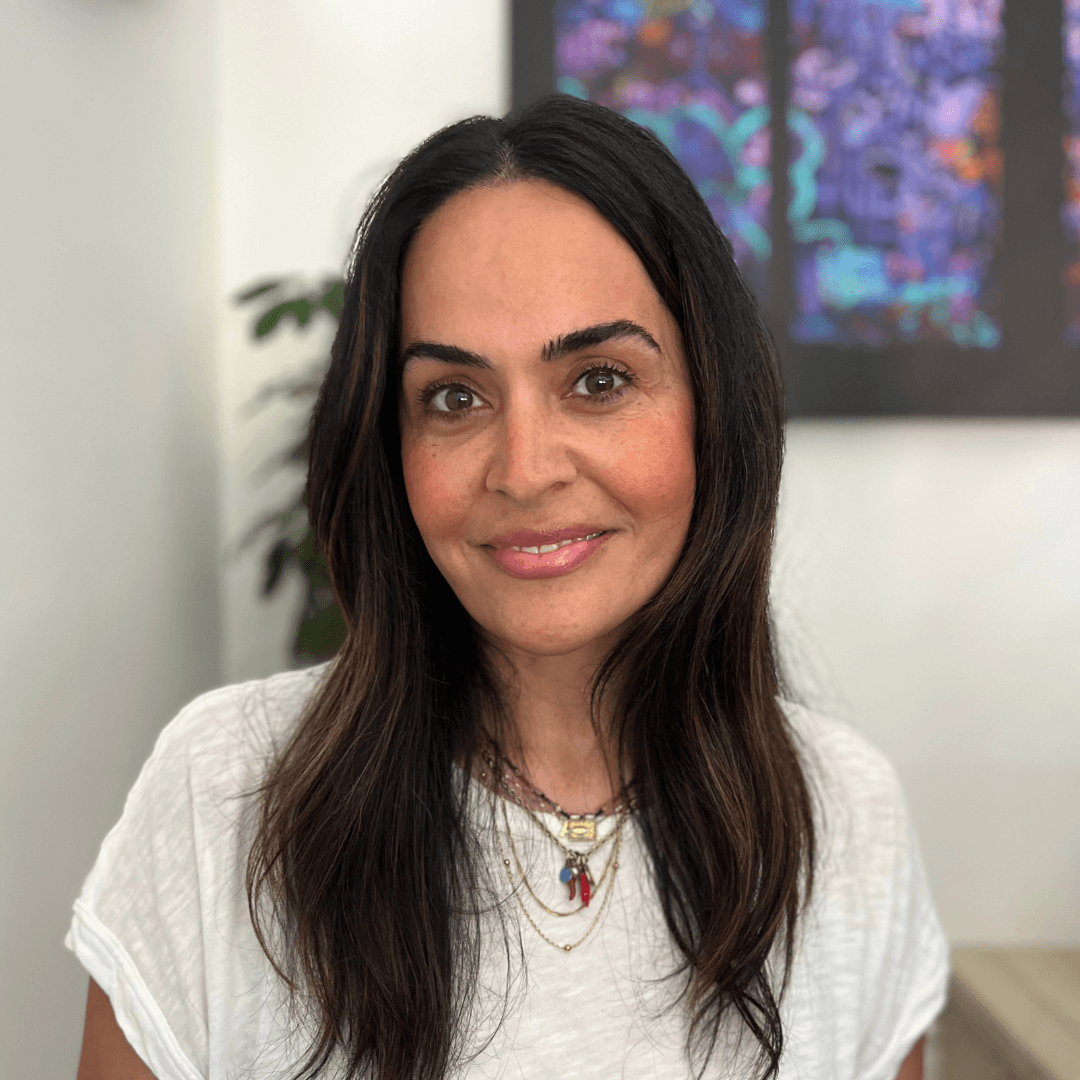
Today we’d like to introduce you to Sara Bavar.
Alright, so thank you so much for sharing your story and insight with our readers. To kick things off, can you tell us a bit about how you got started?
My path hasn’t been a straight line, but it’s had one common thread running through it and that is my fascination of people, by what shapes them, and how we help them see what they’re capable of.
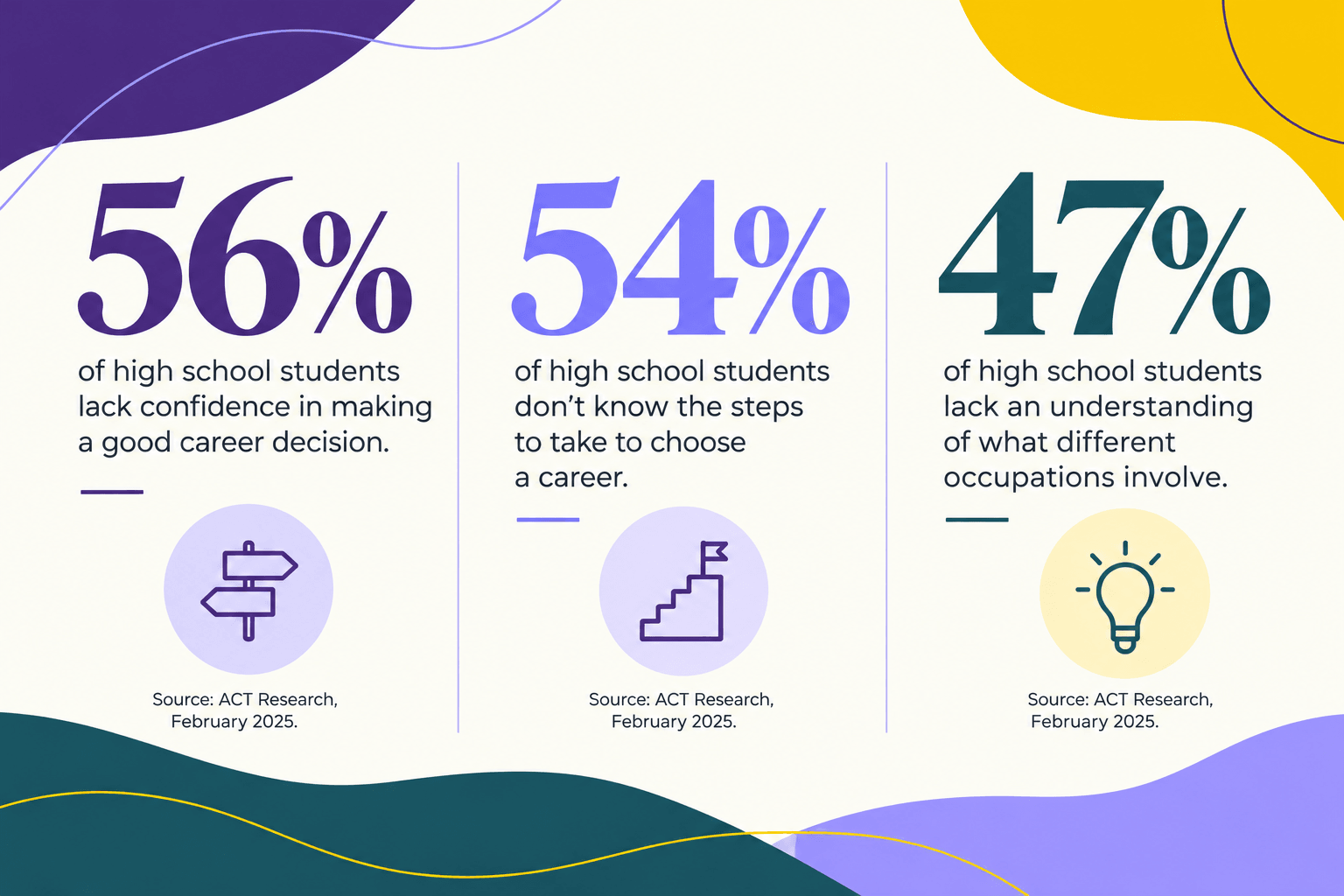
That got personal when I became a parent and started watching my kids try to figure out what comes next. I kept meeting kids who were smart, funny, and interesting, but were shrinking themselves down to a GPA, a major, or whatever they thought would look good on an application. Somewhere in the process, the actual person disappeared.
I was surprised by the pressure they felt to have everything figured out before 18. They didn’t need answers. They just needed a way to notice themselves.
That’s why I started BRiDDG. I don’t think teenagers should have to become someone else to build a future that matters. They need help spotting the patterns in their own experiences, interests, and choices, and thinking about what those patterns might mean.
Would you say it’s been a smooth road, and if not what are some of the biggest challenges you’ve faced along the way?
Not at all, and it’s still hard.
Turning an idea into a company is one thing. Building something that asks people to rethink how they are supposed do things is another. I’ve had a lot of moments where I wondered if I was moving fast enough, doing enough, or even headed in the right direction.
The roles change constantly. One hour I’m obsessing over a tiny detail of the student experience, and the next I’m in a meeting with a school district, working on funding, or trying to explain a vision that feels crystal clear to me but doesn’t fit in any box people already know.
The hardest part has been working without much validation. You can put in months of effort with no idea if or when it will pay off. I’ve had doors close over and over again, conversations go nowhere, people ghosting me, and ideas I loved fall flat. I’ve torn things down and rebuilt them more than once.
I’ve learned that hard doesn’t mean wrong. You have to be open to compromise and change, but also stay true to the mission. This isn’t glamorous, so a lot of people want to change things, but I’m still in it. There’s no tidy ending where I beat all the challenges and it all worked out. Some days are still really hard and I want to throw in the towel, but I think that’s probably closer to what entrepreneurship actually looks like than the version we usually hear.
Alright, so let’s switch gears a bit and talk business. What should we know?
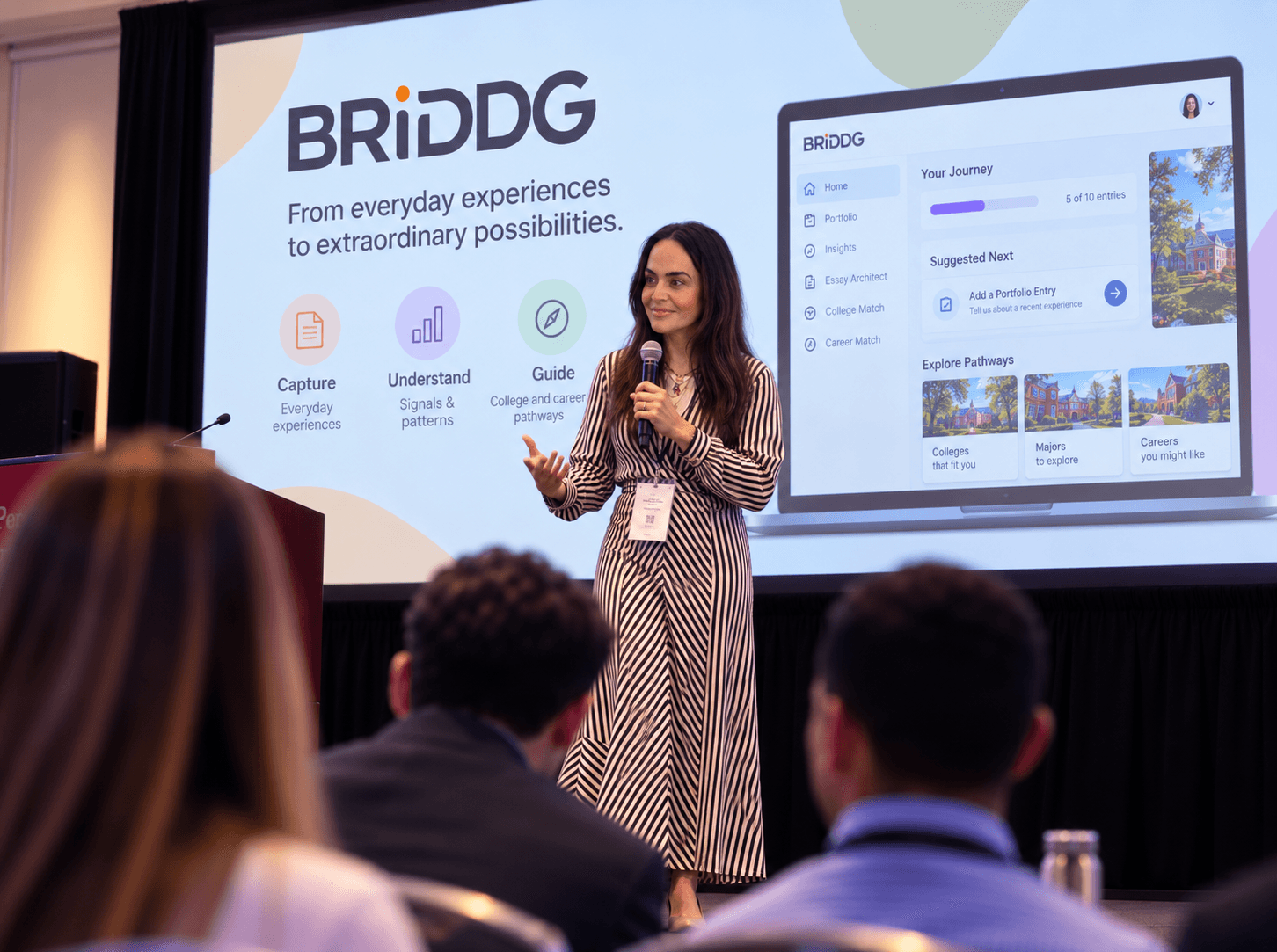
BRiDDG is really about helping high schoolers get to know themselves before the world starts telling them who they should be.
We ask them such huge questions so early. What do you want to be? What are you going to major in? Where are you going to college? Then we surround them with social media, rankings, comparison, and constant pressure to build the “right” résumé. Somewhere in all of that noise, it becomes really easy to lose sight of the actual person and that bothered me.
I started thinking about all the little moments in a teen’s life that tell us something about who they are. The random thing they became obsessed with for three weeks. The project they stayed up late working on because they actually wanted to. The time they stood up for someone. The class they couldn’t stop talking about at dinner. Even the things that didn’t work out.
Those moments can feel completely unrelated, but when you start collecting them, patterns appear. That’s what BRiDDG does. Students capture pieces of their real lives, and we help them connect the dots so they can begin to see their interests, strengths, values, and possibilities more clearly.
Then we help them do something with that knowledge. It can inform what they explore, the classes or activities they choose, careers or colleges they might never have considered, and eventually how they tell their story when it’s time to apply to college or take whatever step comes next.
What I’m most proud of is that BRiDDG never asks a kid to become more impressive. I actually want the opposite. I want them to stop looking outward for a minute and realize there is already so much information inside their own life.
There’s something incredible about watching a person recognize a pattern in themselves and have that moment of, “Wait, maybe it’s ok to be myself.”
How do you define success?
I think my definition of success has changed a lot over the years. I used to think about it in the ways we’re taught to think about it: what you accomplish, how much money you make, how far you get. I don’t think about it in those terms anymore. Now, success is about being useful and impactful. It’s knowing that something I did mattered to someone beyond myself.
I think that’s why impact is so important to me. Obviously, money is still a factor, but I’m not particularly interested in building something just to say I built it. I want to know that it reached someone, helped someone, opened a door, or got them to discover something within themselves.
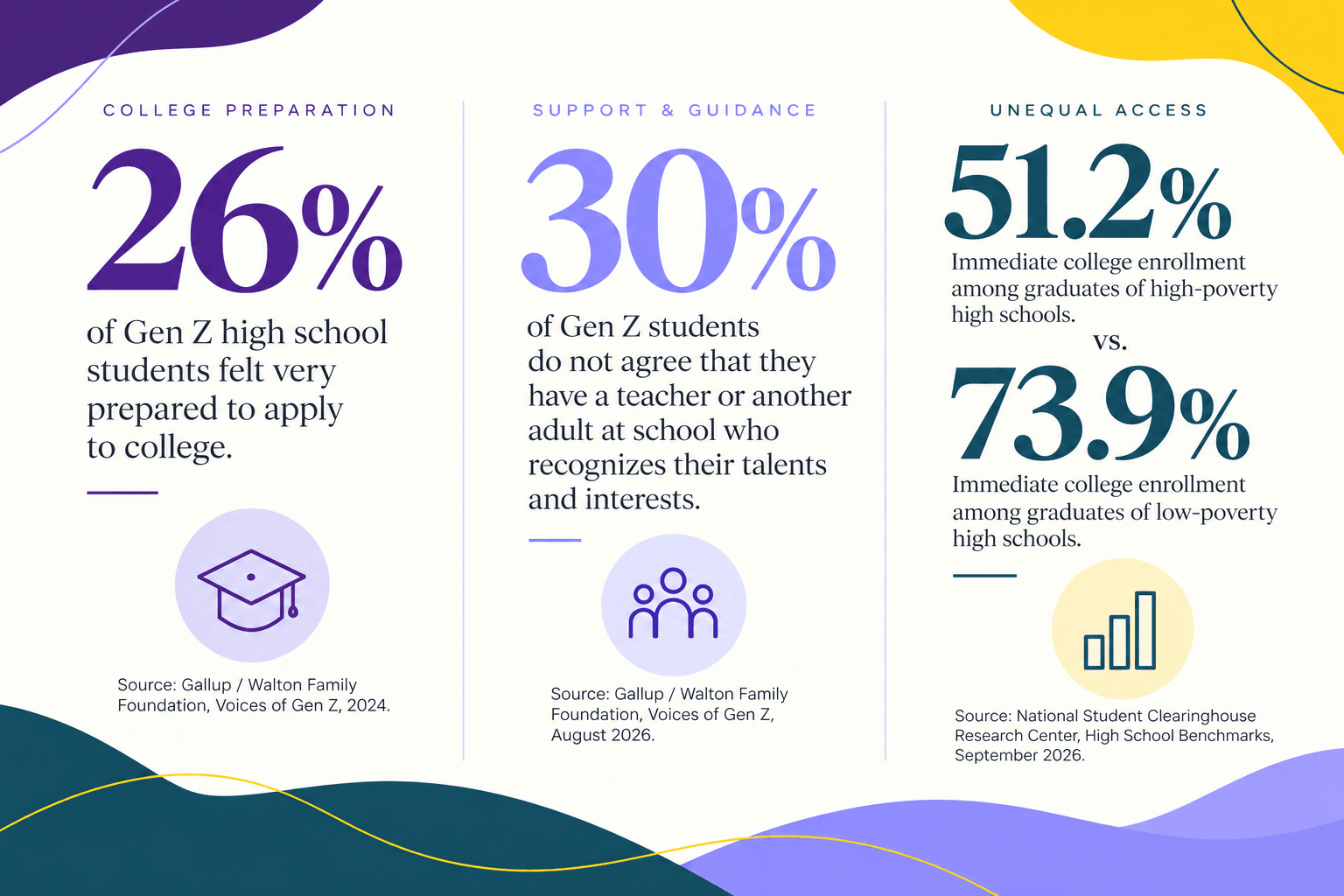
I care deeply about who gets access to that impact because I know what it is like to not have access. I’ve never liked the idea that opportunity is easier to find when you already have opportunity. If what I create only benefits people who already have access, resources, and support, it doesn’t feel complete to me.
Success, for me, would be looking back and knowing that I used what I had to make something better for other people, especially people who might otherwise have been overlooked.
Contact Info:
- Website: https://www.briddg.com/
- Instagram: https://www.instagram.com/briddgapp/
- LinkedIn: https://www.linkedin.com/company/briddg
Popular
-

Portraits of the Valley
-

LA’s Most Inspiring Stories
-

Greg Hex Is Turning the Everyday Kitchen Knife Into a Modern Design Object
-

Rick Norris Learned That Building a Successful Business Means Building a Life You Actually Want to Live
-

How Olivia Rush Turned Survival Into a Mission to Help Others Keep Going
-

How Bibi Goldstein Is Helping Entrepreneurs Reclaim Their Time by Embracing the Power of Delegation


