




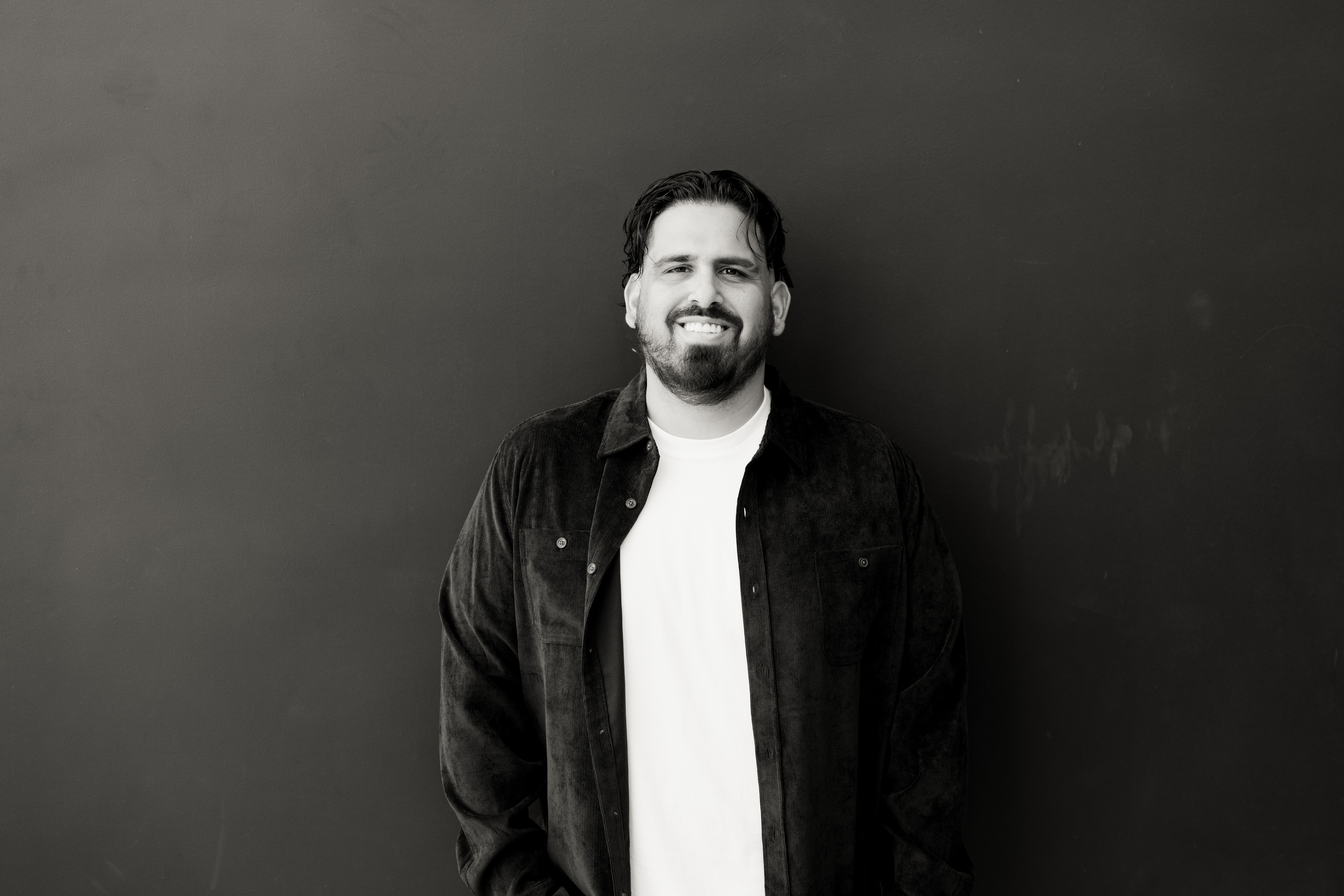
Today we’d like to introduce you to Sammy Sucu.
Hi Sammy, we’re thrilled to have a chance to learn your story today. So, before we get into specifics, maybe you can briefly walk us through how you got to where you are today?
I got my start in fashion, building a brand called DREAM. What began as a small idea turned into something much bigger than I expected. At its peak, the brand was generating $2–3 million in sales per year and, more importantly, we were able to give back in a real way, donating over $2 million to mental health initiatives and nonprofits including NAMI, Rise Above the Disorder, ADAA, RAINN, and others.
Being part of that impact meant a lot to me, especially the ability to support causes that reach communities that don’t always get the attention they deserve. As someone closely connected to the Armenian community, it was important for me to ensure that support extended there as well, and that continues to be a priority as I look to expand my reach into more underserved and minority communities.
But as the brand grew, I lost sight of myself.
Somewhere in the process of building something for others, I stopped taking care of my own mental health. I was advocating for something I believed in, but behind the scenes, I was struggling more than I was willing to admit. Eventually, the brand lost momentum and collapsed, but more importantly, I almost lost myself in the process.
That period forced me to take a hard look at everything, not just as a business, but as a person.
Out of that came a new chapter.
While I’m not the owner of No Sad Days, I joined a group of people who genuinely care about what they’re building and stepped in as the creative director. The mission still revolves around mental health, but my perspective has evolved. It’s no longer just about creating a safe space; it’s about growth, accountability, and building better tomorrows.
Everything I bring to the table creatively now is rooted in that idea. Not just helping people feel seen, but helping them move forward and become who they actually want to be. The awesome people at NSD have also agreed to keep all my concepts and ideals, including not charging extra for larger sizes, no use of cheap blanks from poorly conditioned factories, and to always add value to the lives of people who reach out to us (which is why we have the $5 tee to help people struggling to pay bills right now).
You can check it out at nosaddays.com.
At the same time, I’ve continued working behind the scenes, helping small businesses grow through printing, branding, and creative direction. Through thedreamprinting.com, I work closely with brands to bring their ideas to life and build something real and sustainable.
A lot of what I learned from DREAM, both the wins and the failures, now goes into everything I do today.
I’m still building, just with a clearer perspective. Less focused on hype, more focused on impact, growth, and doing things the right way.
Alright, so let’s dig a little deeper into the story – has it been an easy path overall and if not, what were the challenges you’ve had to overcome?
It definitely hasn’t been a smooth road.
There were moments where things were moving fast and it looked like everything was working, but behind the scenes it was a different story. Scaling quickly brought pressure, and I didn’t always handle that the right way. I lost sight of myself trying to keep everything going.
One of the biggest challenges was my own mental health. I was building a brand centered around it, but not taking care of my own. That disconnect eventually caught up to me.
On top of that, there were external challenges that were hard to control. Platform issues, loss of key channels, market shifts, and operational pressure all contributed to DREAM’s downfall. Losing momentum after building something at that level was tough, both financially and personally.
There were definitely moments when I had to question everything and decide whether to keep going or walk away.
But those struggles turned out to be necessary. They forced me to slow down, get honest with myself, and rebuild with a clearer mindset.
Now, I approach everything differently. I’m more focused on sustainability, impact, and doing things in a way that actually aligns with who I am, not just what looks successful on the outside.
Thanks for sharing that. So, maybe next you can tell us a bit more about your business?
No Sad Days was built for people who are over fake positivity and surface-level messaging.
We’re not here to pretend everything’s okay. We’re here to get through it.
Life is hard. Emotions are real. And progress matters a lot more than perfection. “No Sad Days” doesn’t mean you’ll never feel it, it means you’re learning how to deal with it, understand it, and keep moving forward anyway.
We make high-quality streetwear that actually holds up, both in how it feels and what it represents. Comfortable, durable, and intentional. This isn’t clothing for highlight reels, it’s for real life.
And we don’t just talk about mental health, we put money behind it. A portion of every sale goes toward mental health initiatives and helping people access real support.
In our first year alone, we’ve sold over 5,000 pieces and donated thousands toward mental health efforts. That matters to us because it proves this can be more than just a brand.
What we’re most proud of is the community. People don’t just wear No Sad Days, they connect with it. There’s something real behind it.
At the end of the day, it’s simple:
Less sad days. Better tomorrows.
So, before we go, how can our readers or others connect or collaborate with you? How can they support you?
We’re always open to working with people who genuinely connect with what No Sad Days stands for.
Creators, artists, and storytellers who care about mental health can collaborate with us on content, design, and limited releases. We’re especially interested in partnerships that feel real, not forced. If it looks like an ad, we probably don’t want it.
Brands and organizations can partner with us on campaigns, pop-ups, and initiatives that raise awareness or directly support mental health resources. We’re selective with who we work with because alignment matters more than reach.
If you’re part of a mental health organization, school, or community group, we’re open to working together on programs, donations, and events that create actual impact.
And for anyone who just wants to support, the biggest thing you can do is wear the message, share the brand, and be part of the conversation. Every purchase helps fund mental health efforts, but just as important is helping normalize talking about it.
If you’re interested in working together, reach out. We’re building something real, and we’re doing it with people who care.
Pricing:
- Hoodies for $60-87
- Tees for $30-37
- We also offer a $5 tee for people who struggle who can’t afford clothing.
Contact Info:
- Website: https://nosaddays.com
- Instagram: intsagram.com/nsdclo
- Facebook: https://www.facebook.com/NoSadDaysClothing
- Twitter: https://twitter.com/nsdclo
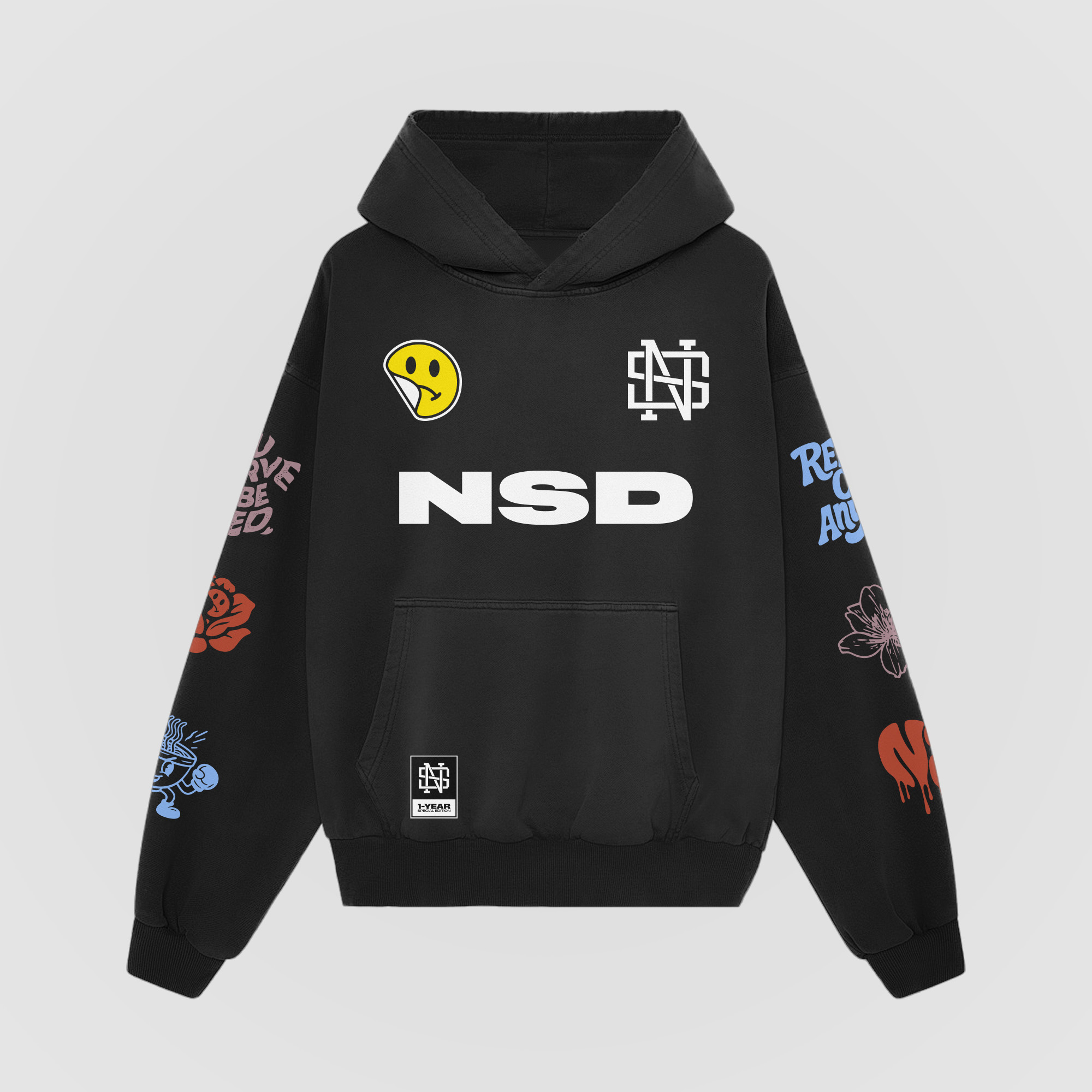
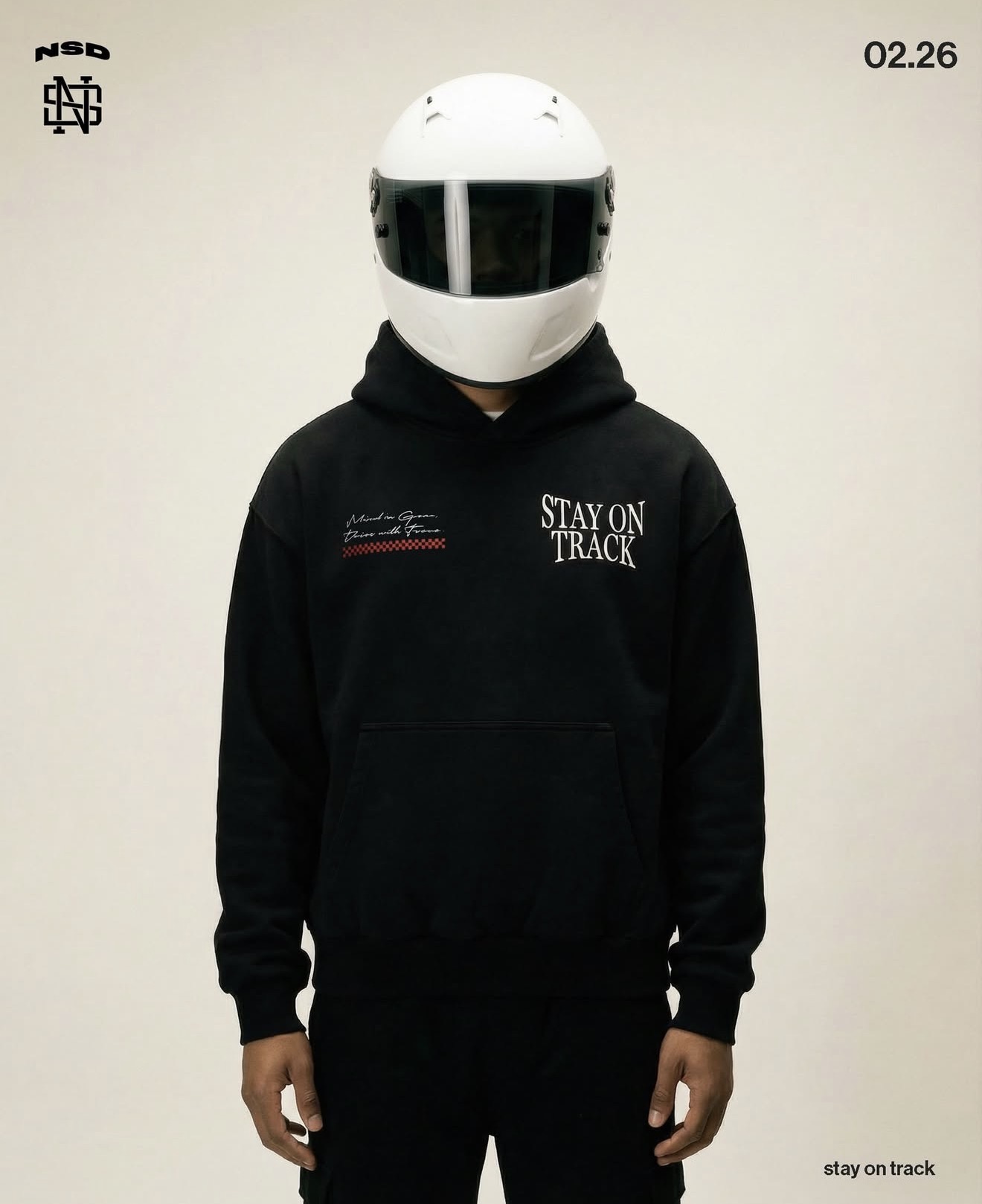
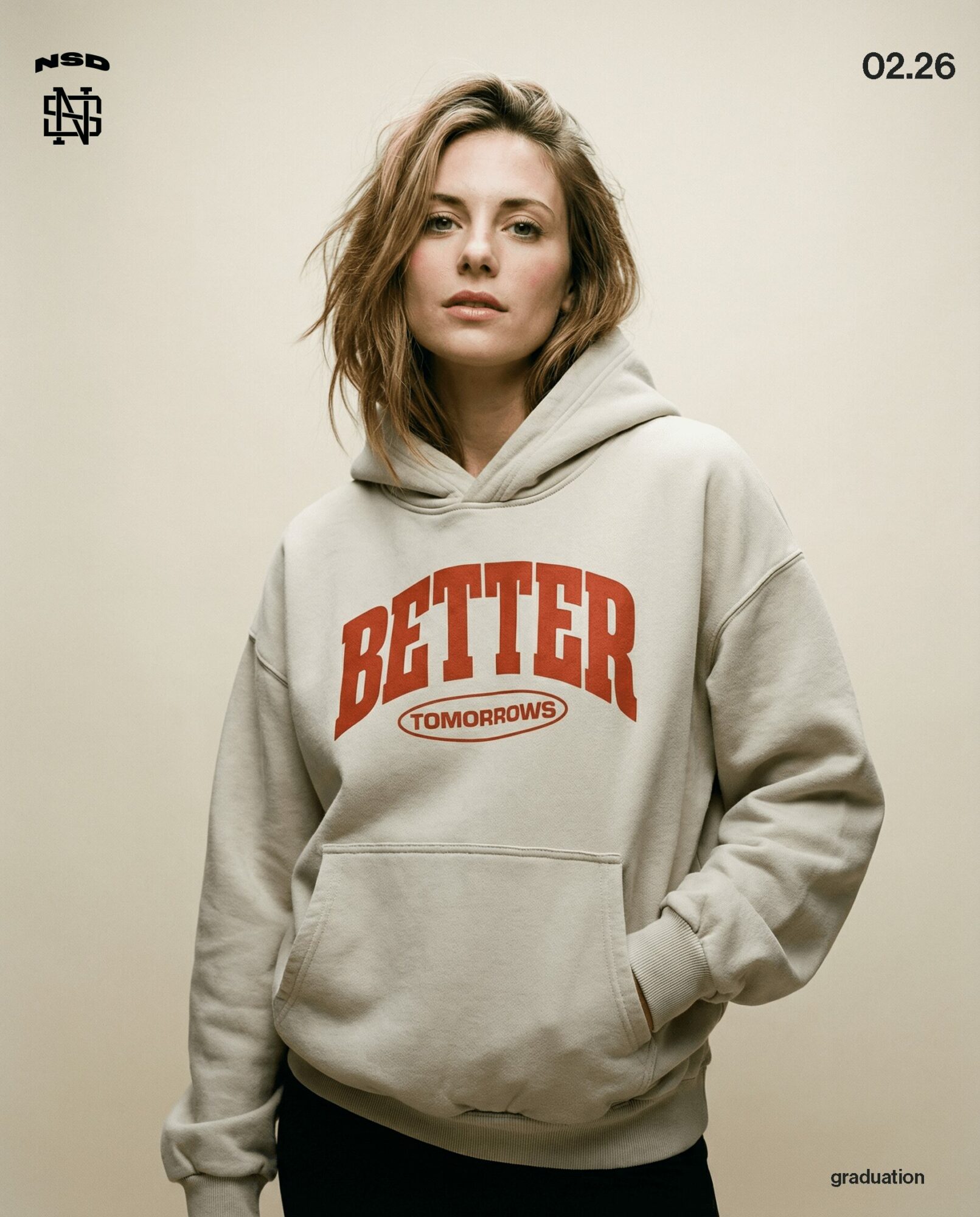
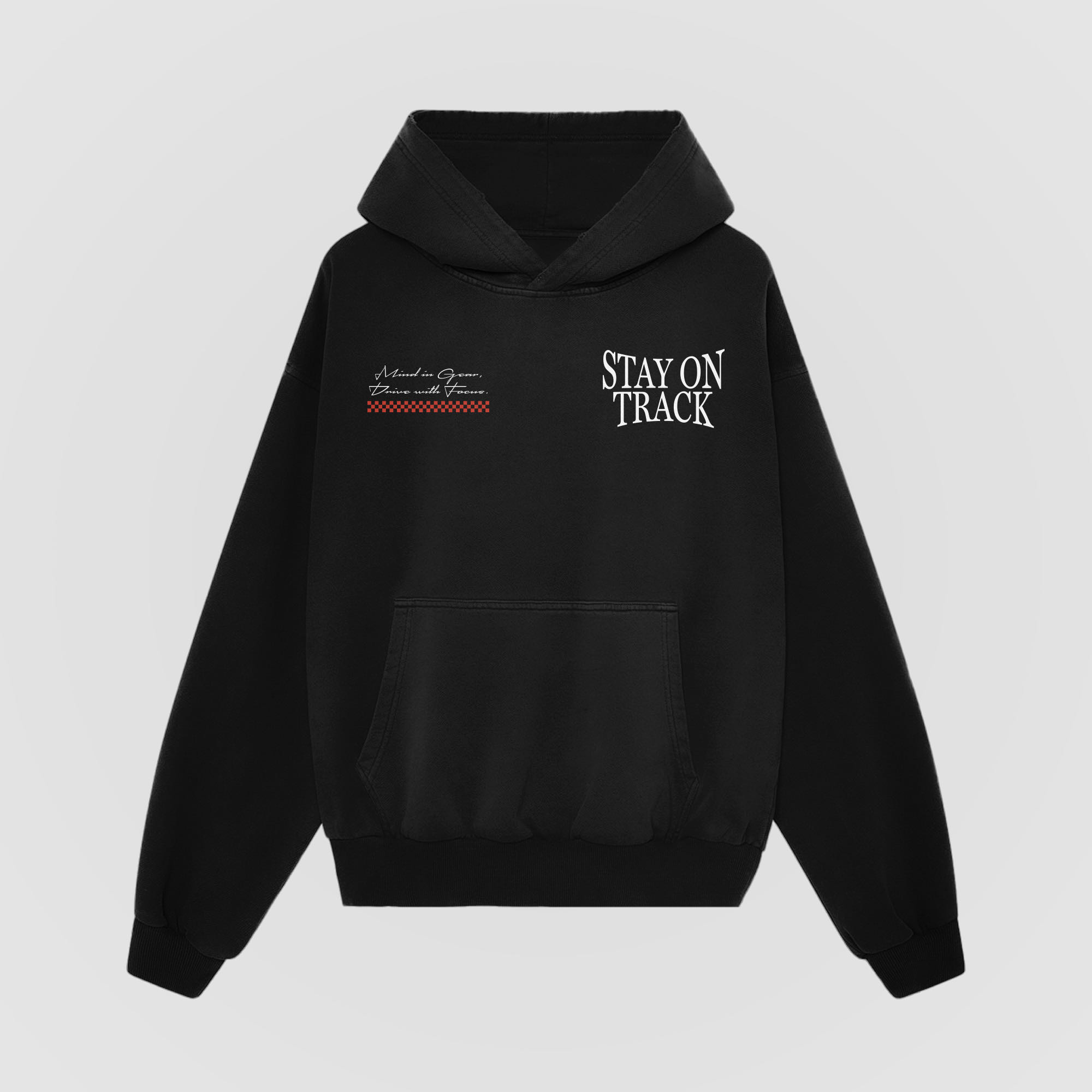
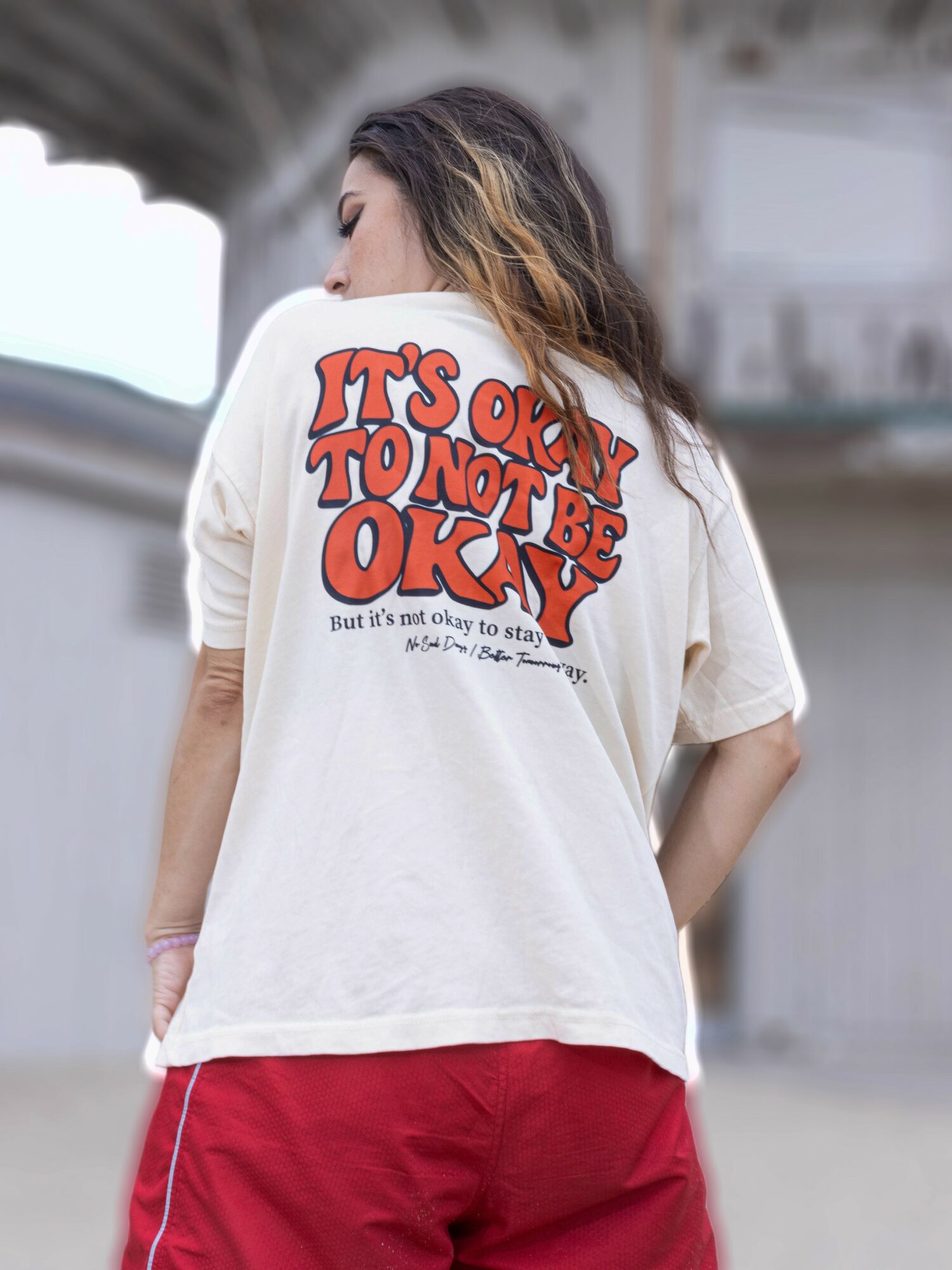
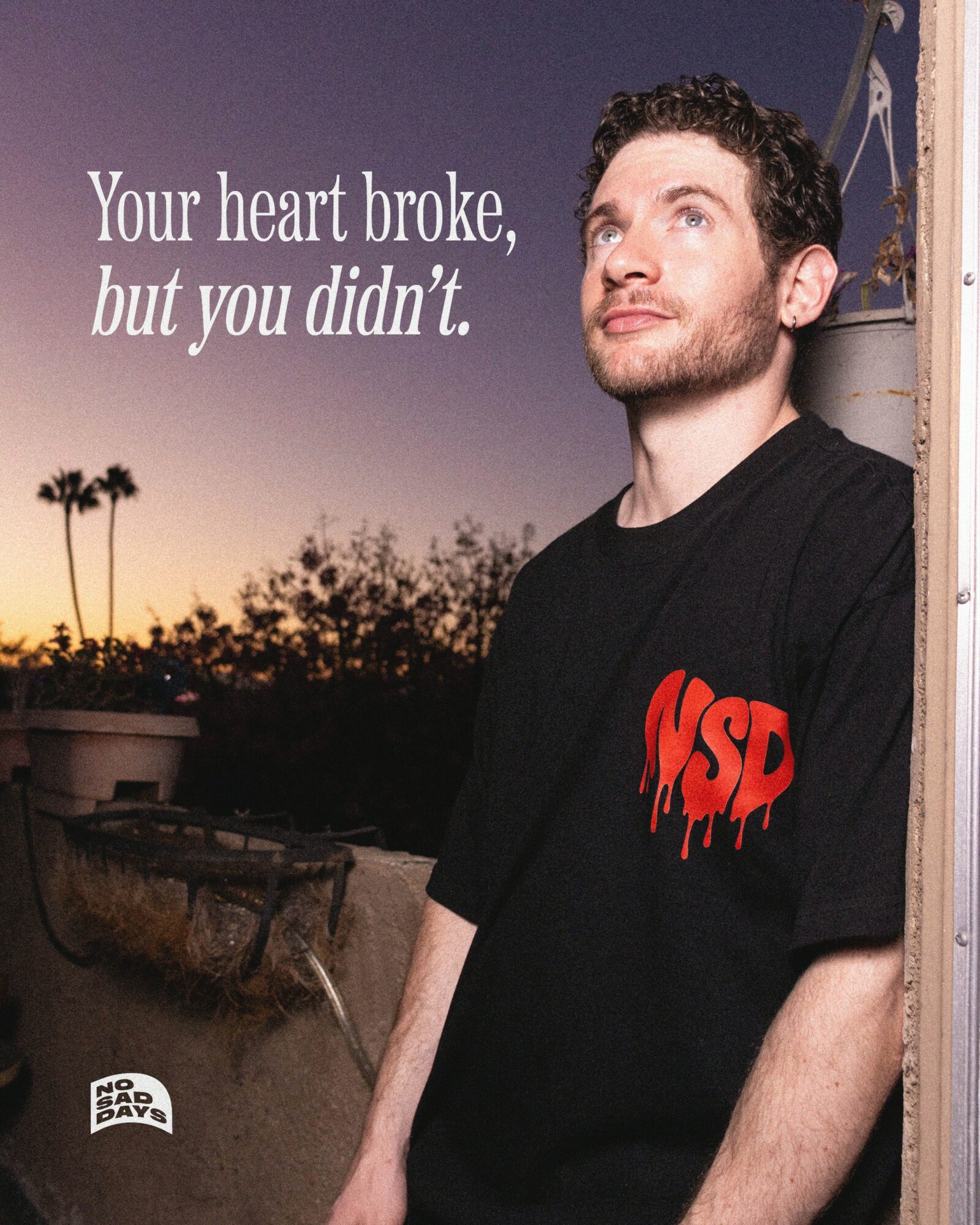
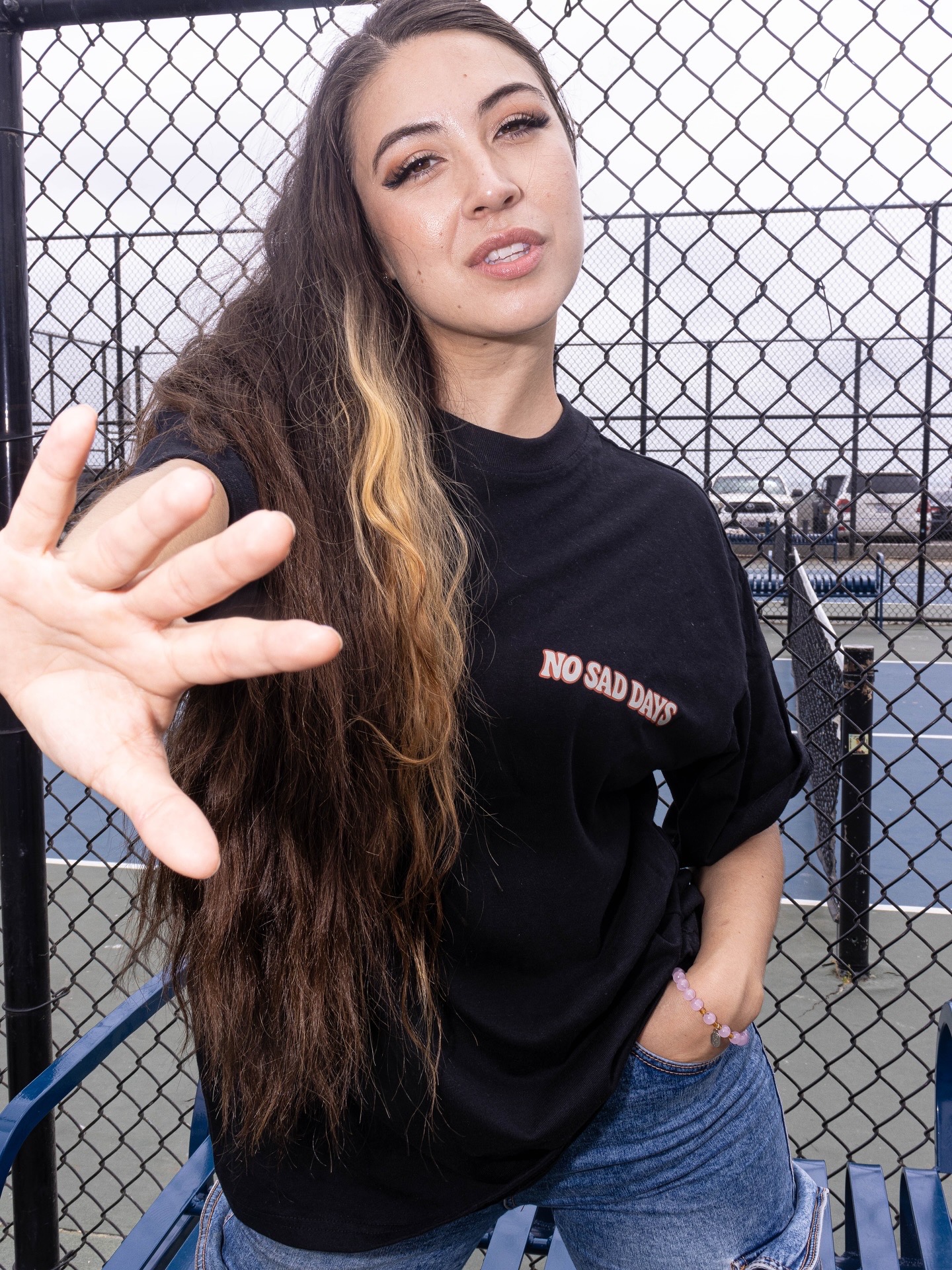
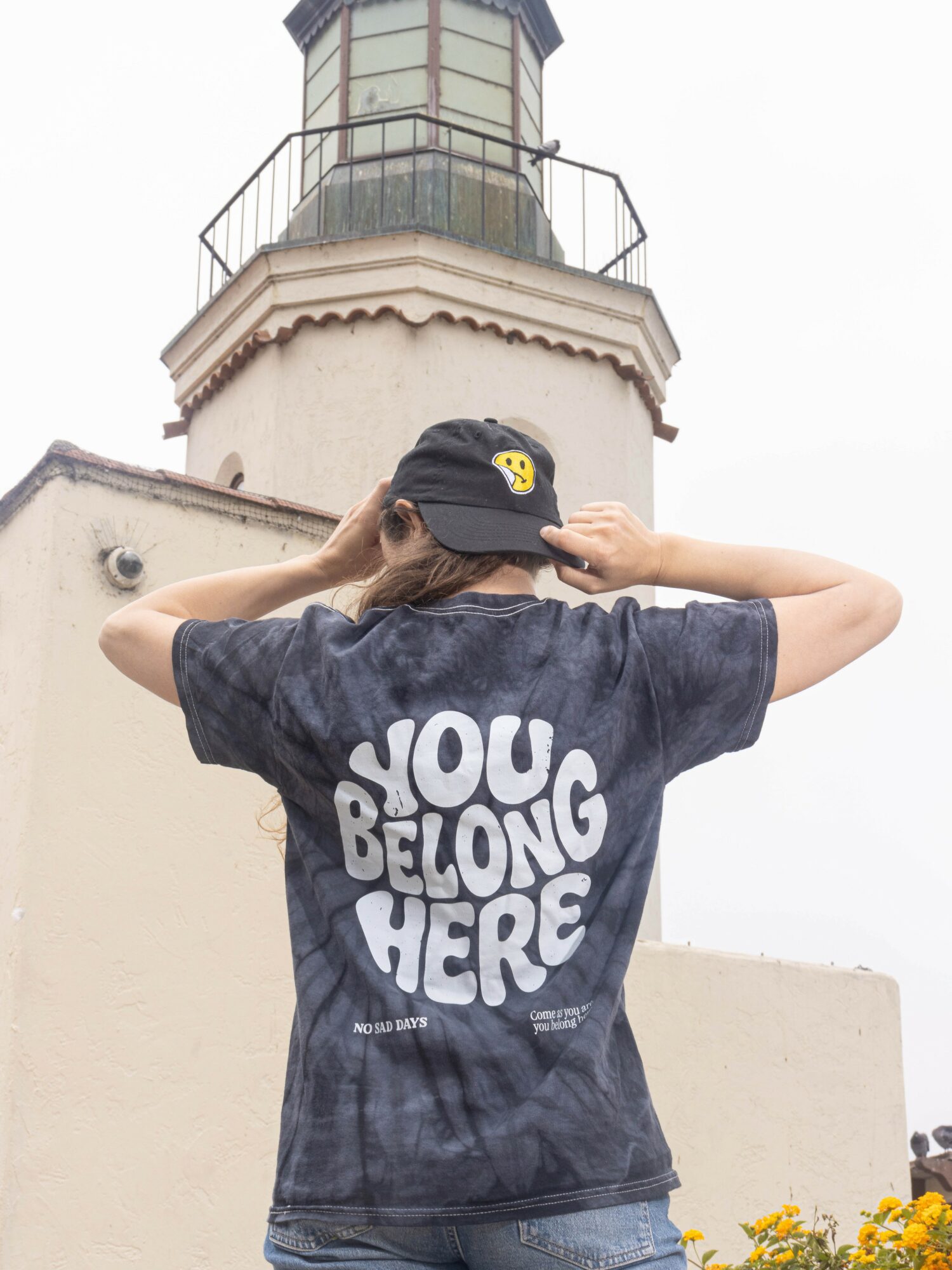
Image Credits
@fourpercentvision
Popular
-

Que Johnson on Building Brands That Last: From Visibility to True Market Authority
-

Christina Wren Steps Into the Director’s Chair to Tell Stories That Feel Like Home
-

Portraits of the Valley
-

LA’s Most Inspiring Stories
-

JordanL on ‘Breathe,’ Belief, and Building a Movement Beyond the Music
-

Megan Birney Rudert on How Access to Light Is Powering a More Sustainable and Equitable Future


