




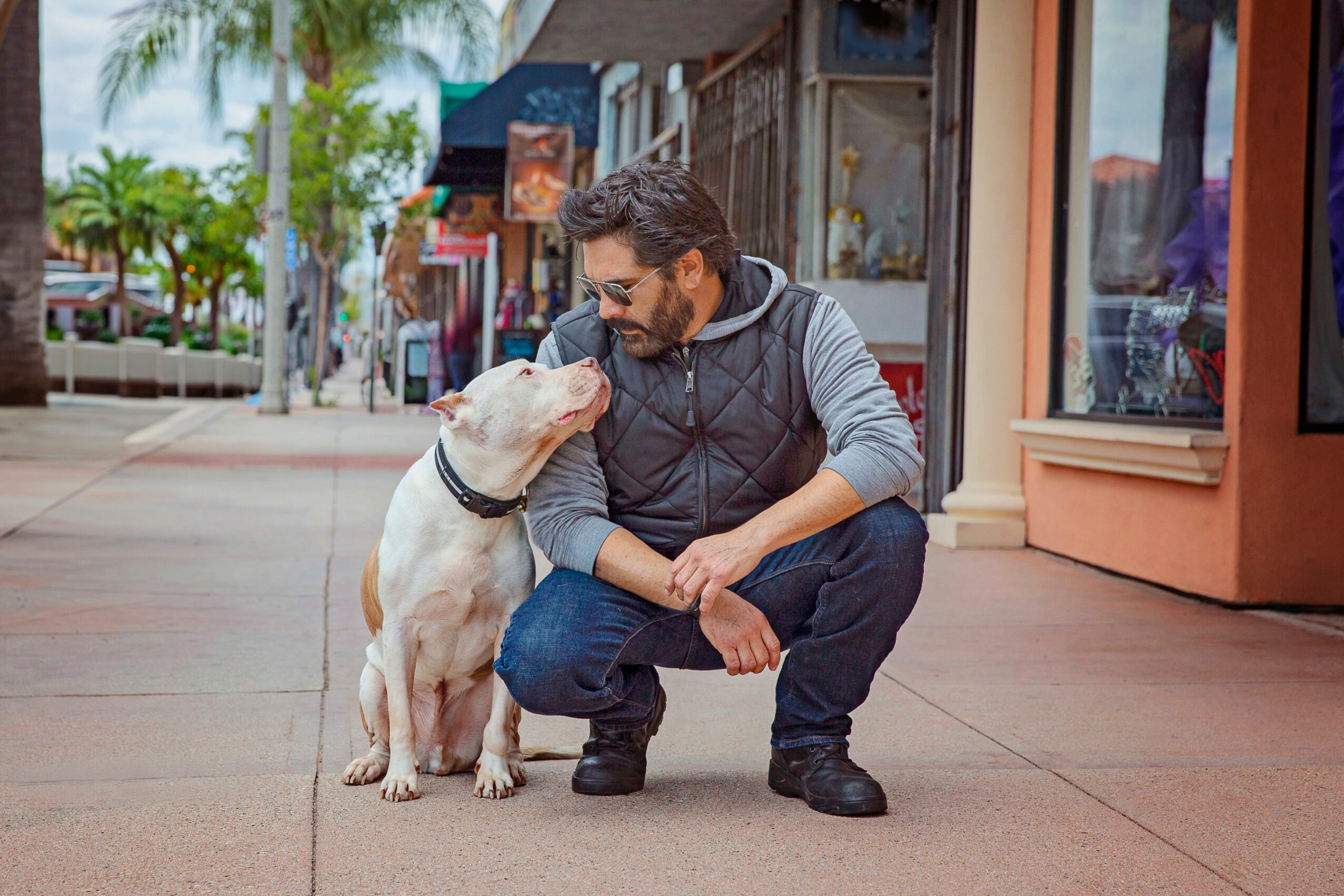
Today we’d like to introduce you to Jesse R. Booker.
Hi Jesse, so excited to have you with us today. What can you tell us about your story?
I’m Jesse R. Booker, founder of JRB K-9. I’m a Natural Animal Behaviorist, and everything I do is rooted in respecting animals for who they are and how they instinctively learn.
Family and my work with animals are the most important things in my life. The greatest compliment I can receive is a referral—especially from someone I’ve never worked with, based solely on my reputation.
Long before I worked with dogs, I was a horseman. I grew up in Los Angeles in the 1970s, spending my time watching my uncles compete in rodeos and riding horses with my brothers. That’s where I first began to understand animal behavior on a deeper level. My family always said I was a natural horseman, like my grandfather, who I’m named after. Following in his footsteps felt inevitable.
As a teenager, I didn’t have a stable or supportive home environment. I was what people would now call an at-risk youth, and I got pulled into street life. At 16, I was caught dogfighting. At the time, I didn’t have the awareness or guidance to understand the harm in what I was doing. It’s something I deeply regret and always will.
Instead of going into the juvenile system, I was given an opportunity that changed my life. The court required me to attend therapy and work with animals. I lived and worked on a horse ranch, and that experience shifted everything. It gave me direction, purpose, and a new understanding of animals—and myself.
For nearly four decades, I’ve worked with dogs of all breeds, with a particular focus on Pit Bull game-breed and bully mixes. Over time, I became known in Los Angeles for working with some of the most challenging behavior cases—aggression, reactivity, destruction, and severe separation anxiety. These are the dogs I’m most drawn to, and where I’ve had the most success.
I started my first business, Bully.dogs, as a way to give back and help change the narrative around bully breeds. My goal was to provide affordable training and educate owners about these misunderstood dogs. My past doesn’t define me, but it did shape the work I do today—and my commitment to these animals.
The methods I use come from decades of real-world experience—trial, error, and learning directly from the animals themselves. It’s not something you can fully learn from books or a classroom. For me, understanding behavior is an ongoing process, and I’m always learning.
I’ve worked with adoption centers, rescues, and shelters throughout Los Angeles, and I’ve volunteered with organizations like the Latino Alliance for Animal Care Foundation to help educate communities about responsible dog ownership.
Through my podcast, The PitBull Mechanic, I share my journey and the lessons I’ve learned, along with practical training insights for dog owners.
I know how stressful it can be to love a dog and feel like you don’t understand them—or can’t control their behavior. Whether it’s aggression, anxiety, or destructive habits, it can feel overwhelming. My goal is to change that.
When I work with clients, I don’t just train the dog—I work with the human. I give you the tools, knowledge, and confidence to understand your dog and create lasting change. Every dog is different, and every training program I design is tailored to that individual dog.
And I don’t disappear once the program ends. I make sure you feel confident maintaining your dog’s progress and continuing to build that relationship at home.
If you feel like you’ve tried everything, or that your dog is beyond help, I want to work with you. Those are the dogs that need it most—and the ones I’m most committed to.
My mission as a Natural Animal Behaviorist is simple: to help dog owners build a lifelong, low-stress bond that enriches both human and K-9 lives.
Alright, so let’s dig a little deeper into the story – has it been an easy path overall and if not, what were the challenges you’ve had to overcome?
There were a lot of struggles getting here. Nothing about my path was easy or clean.
The biggest one was owning my past. I don’t run from it, but that doesn’t mean it was simple to face. There’s a difference between saying you’ve changed and actually proving it over time. I had to earn trust the long way—with consistency, with results, and with how I carry myself. That doesn’t happen overnight.
I also had to unlearn a lot of what I thought I knew. When you grow up in certain environments, control gets mistaken for understanding. It took years for me to slow down, observe, and really see animals for what they are instead of trying to impose something on them. That shift didn’t happen all at once—it came through trial, error, and a lot of humility.
Working with extreme behavior cases brings its own pressure. These are dogs that people have given up on, or don’t know what else to do with. They come with history—sometimes trauma—and the margin for error is small. You feel that. Not every session is a win. Some days you’re making progress, other days you’re managing setbacks.
There’s also the reality of building something from nothing. No shortcuts, no big platform in the beginning—just word of mouth and the work itself. One client at a time, one result at a time. Your reputation either grows or it doesn’t.
‘t
Another challenge is the human side of it. A lot of people want fast results, but real behavior change takes time, consistency, and accountability. I’m not just working with the dog—I’m working with the person. And that can be the harder part.
But those struggles are what shaped how I work today. They forced me to stay honest, stay patient, and keep learning. This work isn’t about perfection—it’s about understanding, consistency, and showing up every day for the animal and the person behind it.
Alright, so let’s switch gears a bit and talk business. What should we know?
JRB K-9 is built around one core idea: understanding the dog in front of you, not forcing a one-size-fits-all method.
What I do is behavior modification. I work with dogs that are dealing with real challenges—aggression, reactivity, separation anxiety, and destructive behavior. These are usually the cases where owners feel stuck, frustrated, or like they’ve already tried everything. That’s where I come in.
What I specialize in, and what I’ve become known for, is working with difficult cases—especially with Pit Bull game-breed and bully-mix dogs. These dogs are often mislabeled. A lot of what people see as “bad behavior” is actually behavior rooted in genetics and what that dog was originally bred to do. When you understand that, you can work with the dog instead of against it.
What sets me apart is my approach. I’m not relying on a script or a standard program. Everything I do is based on observation, experience, and adapting to the individual dog. I’ve spent decades learning directly from animals—through real-world work, not just theory. I focus on how dogs naturally think and learn, and I use that to create change in a way that makes sense to them.
Another big difference is that I don’t just train the dog—I work closely with the owner. Lasting change doesn’t happen unless the human understands what’s going on and knows how to handle it. My goal is to give people the tools and confidence they need so they’re not dependent on me long-term.
I’m also not the type of trainer who disappears once a program is over. I stay connected and make sure my clients feel supported as they continue working with their dog. That follow-through matters.
Brand-wise, what I’m most proud of is my reputation. I’ve built my business largely through word of mouth. A lot of my clients come to me because someone else trusted me with their dog—sometimes without me ever meeting them first. That means more to me than anything else.
I’m also proud of the work I’ve done to help change the way people look at bully breeds. Through my first business, Bully.dogs, and the work I continue to do today, I focus on education—helping people understand the role genetics, environment, and handling all play in a dog’s behavior.
What I want people to know is this: if you feel like your dog is beyond help, they’re not. There’s always a way forward when you take the time to understand the behavior instead of just reacting to it.
This work is about building a relationship that lasts—not quick fixes, not shortcuts, but real, lasting change for both the dog and the owner.
What are your plans for the future?
Looking ahead, my focus is on continuing to grow the work in a way that stays true to what got me here in the first place—real results, real understanding, and staying hands-on.
I want to keep expanding the impact beyond one-on-one training. That includes building out more educational content—through my podcast, The PitBull Mechanic, and other platforms—so I can reach more people and help them better understand their dogs before problems escalate.
I’m also focused on continuing to work with adoption centers, rescues, and communities that need support, especially when it comes to dogs that are at risk of being surrendered or euthanized due to behavior issues. If we can give people the right tools earlier, we can change outcomes for those dogs.
Another goal is to keep developing training approaches that are rooted in real-world experience—continuing to refine what works, and staying open to learning. This work is always evolving.
In terms of growth, I’m not interested in scaling in a way that loses quality or connection. What matters to me is maintaining the level of trust and results I’ve built my reputation on. If anything expands, it has to align with that.
What I’m most looking forward to is continuing to help people who feel stuck or out of options. Those are the cases that matter most to me. There’s nothing better than seeing that shift—when a dog and an owner finally start to understand each other.
At the end of the day, my goal isn’t just growth—it’s impact. Doing more of the work that actually makes a difference, for both the dog and the person behind it.
Contact Info:
- Website: https://www.jrbk9.com
- Instagram: https://www.instagram.com/jrbk.9
- Other: https://www.jrbk9.com/pit-bull-mechanic-podcast
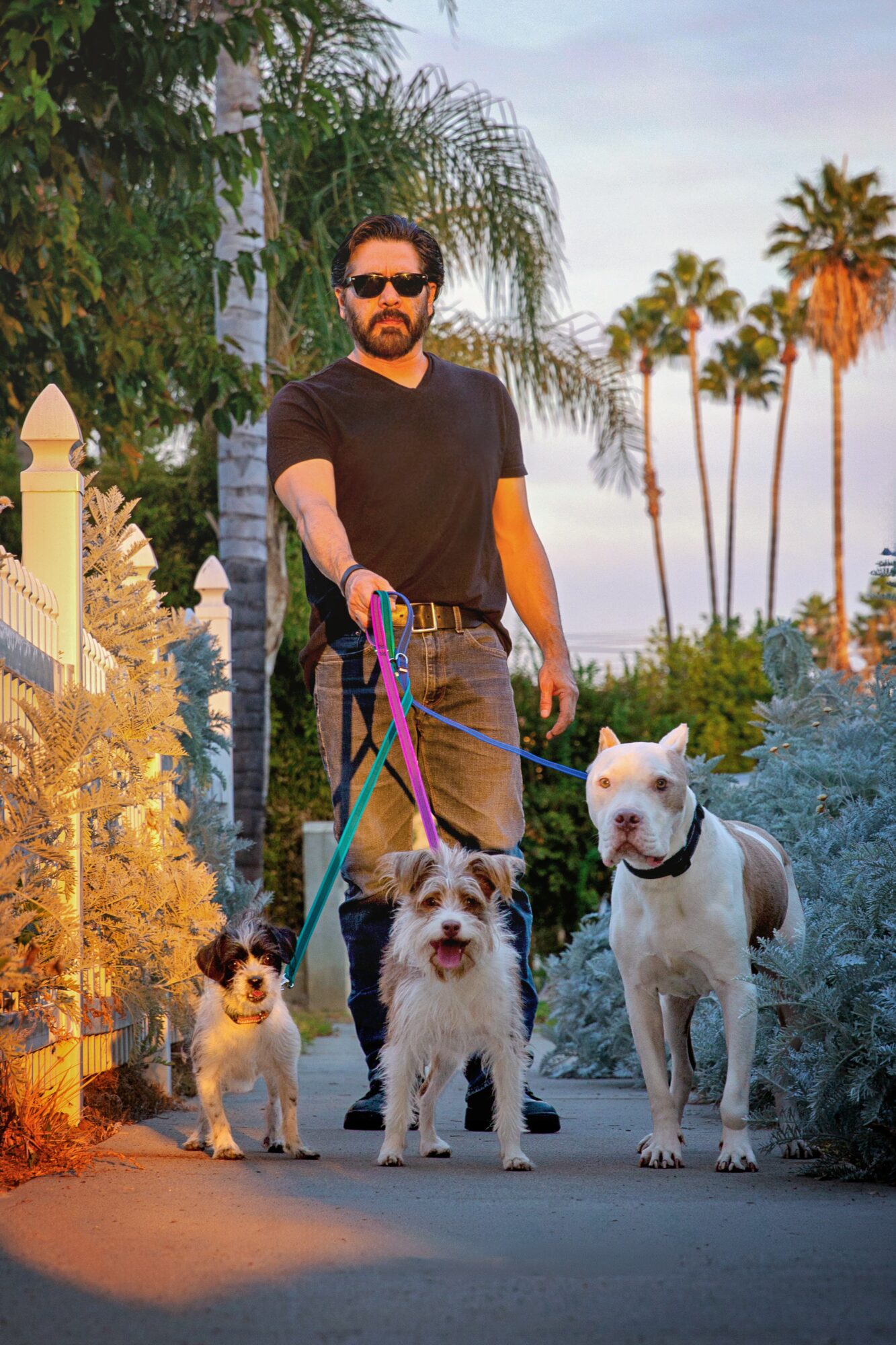
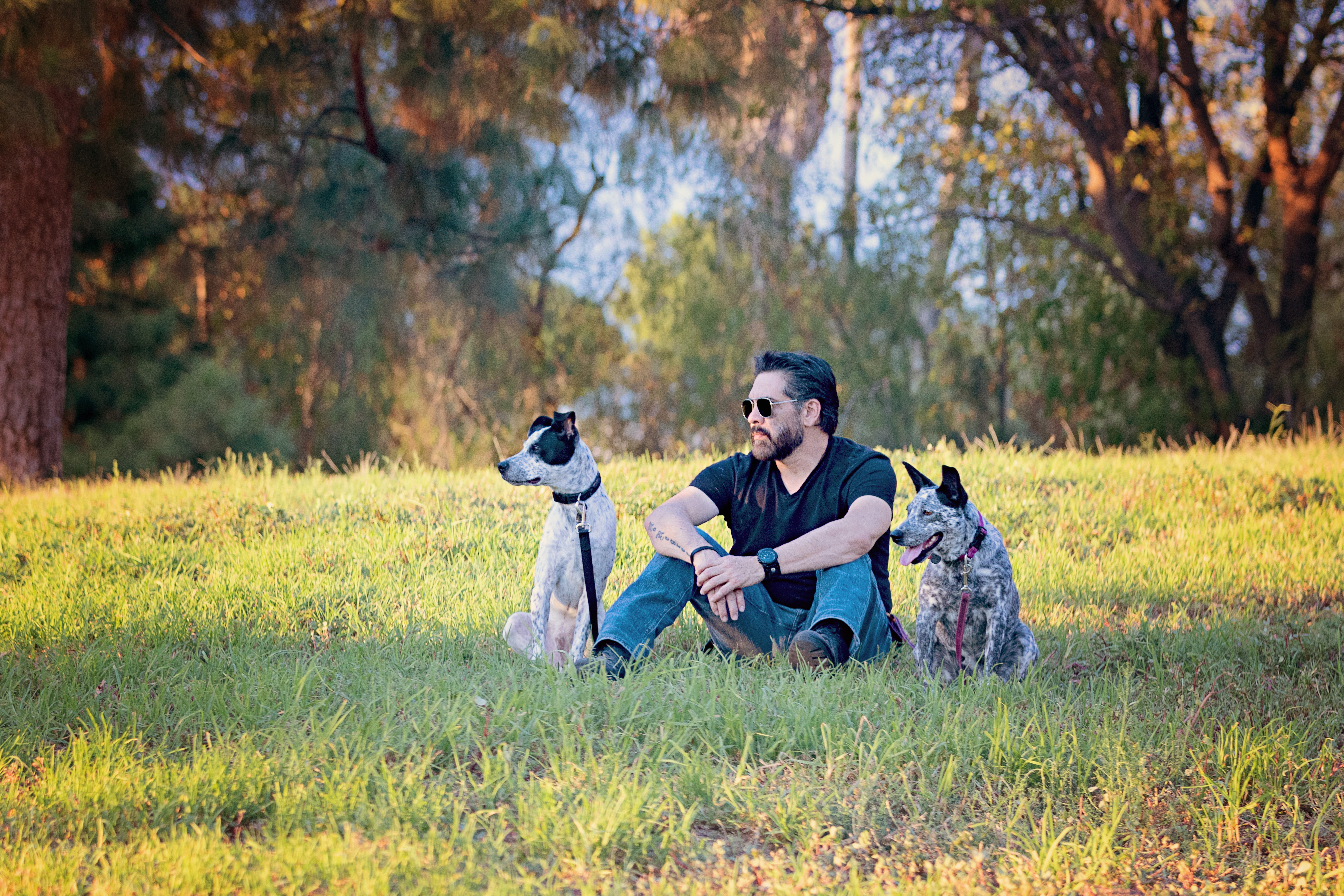
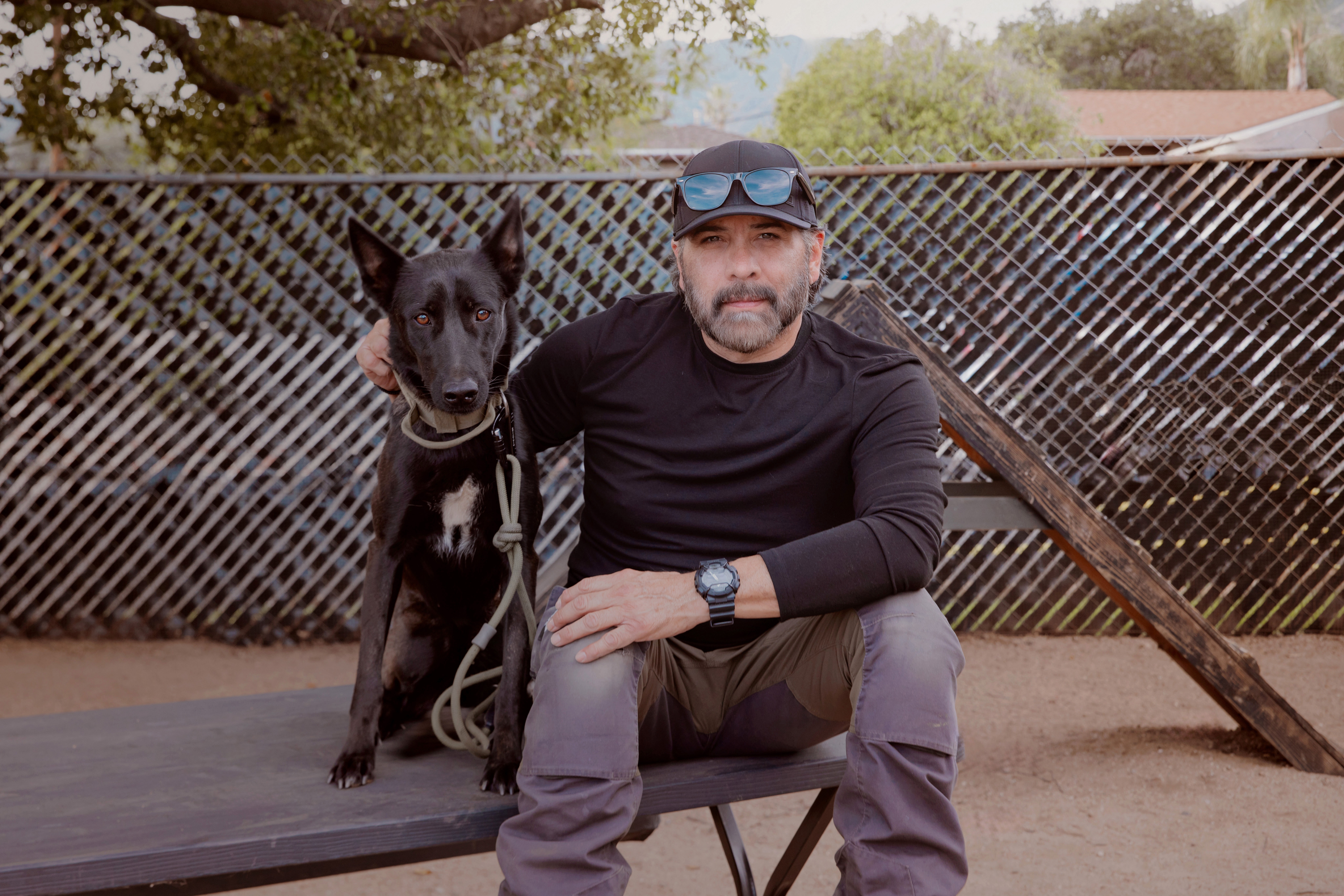
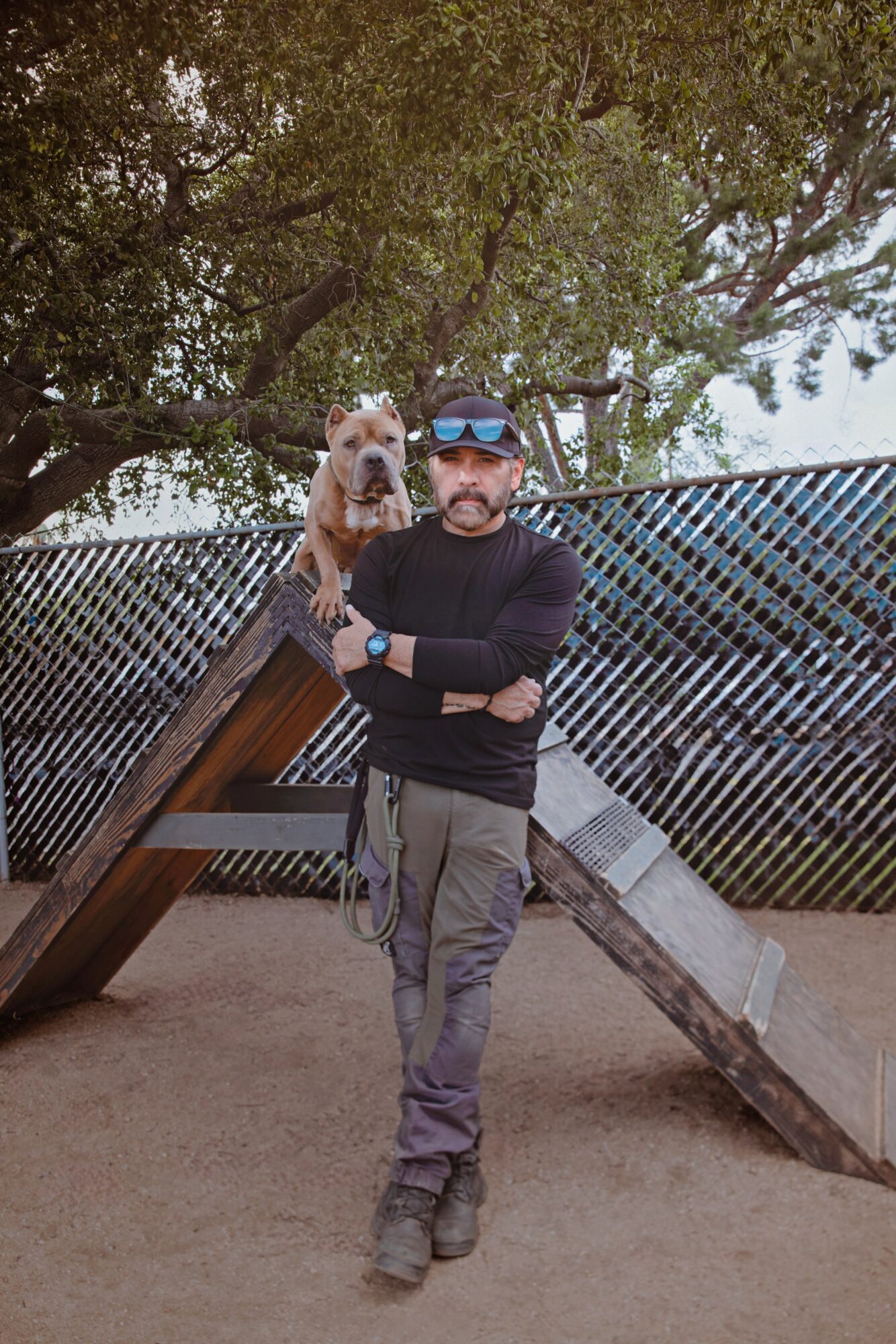
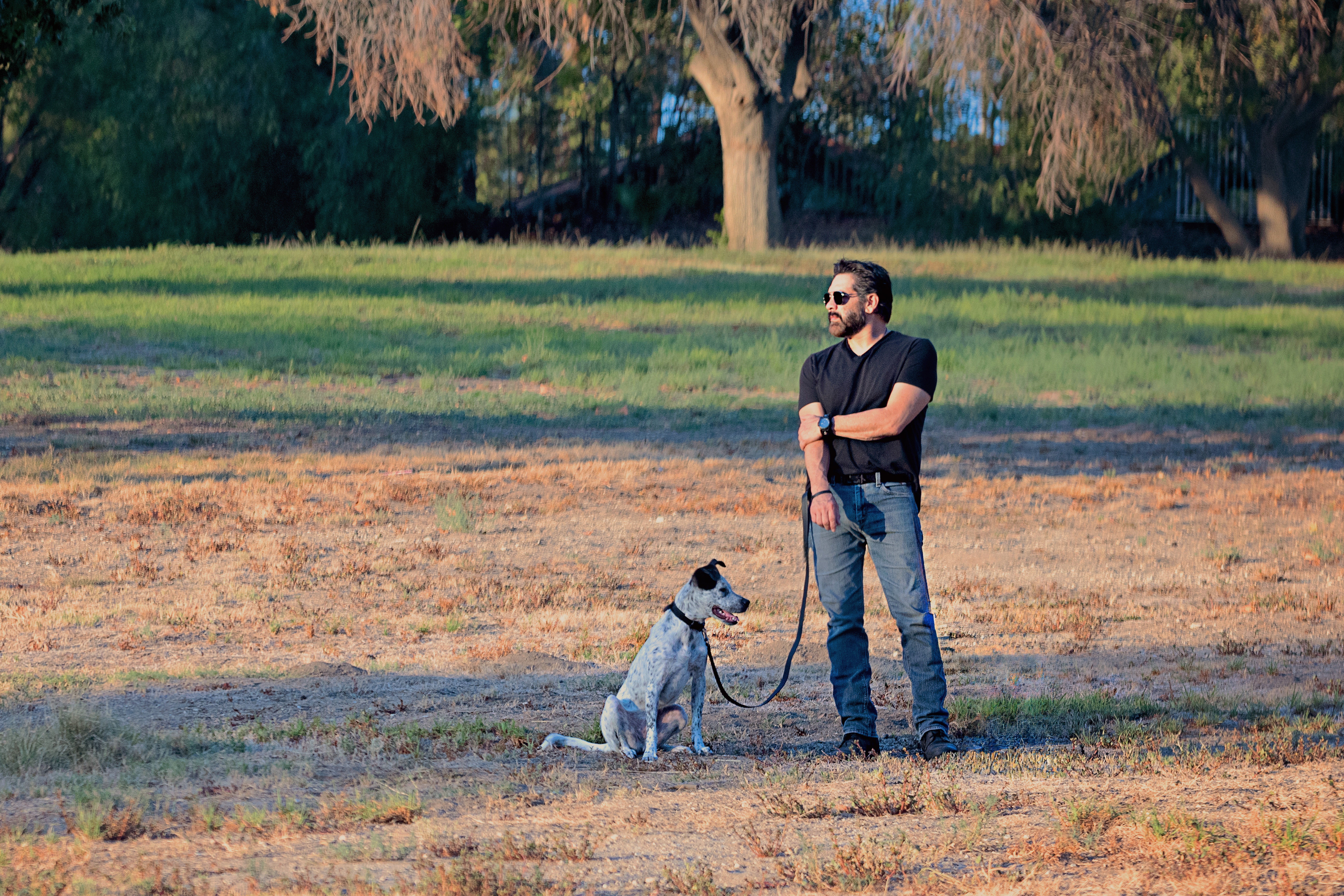
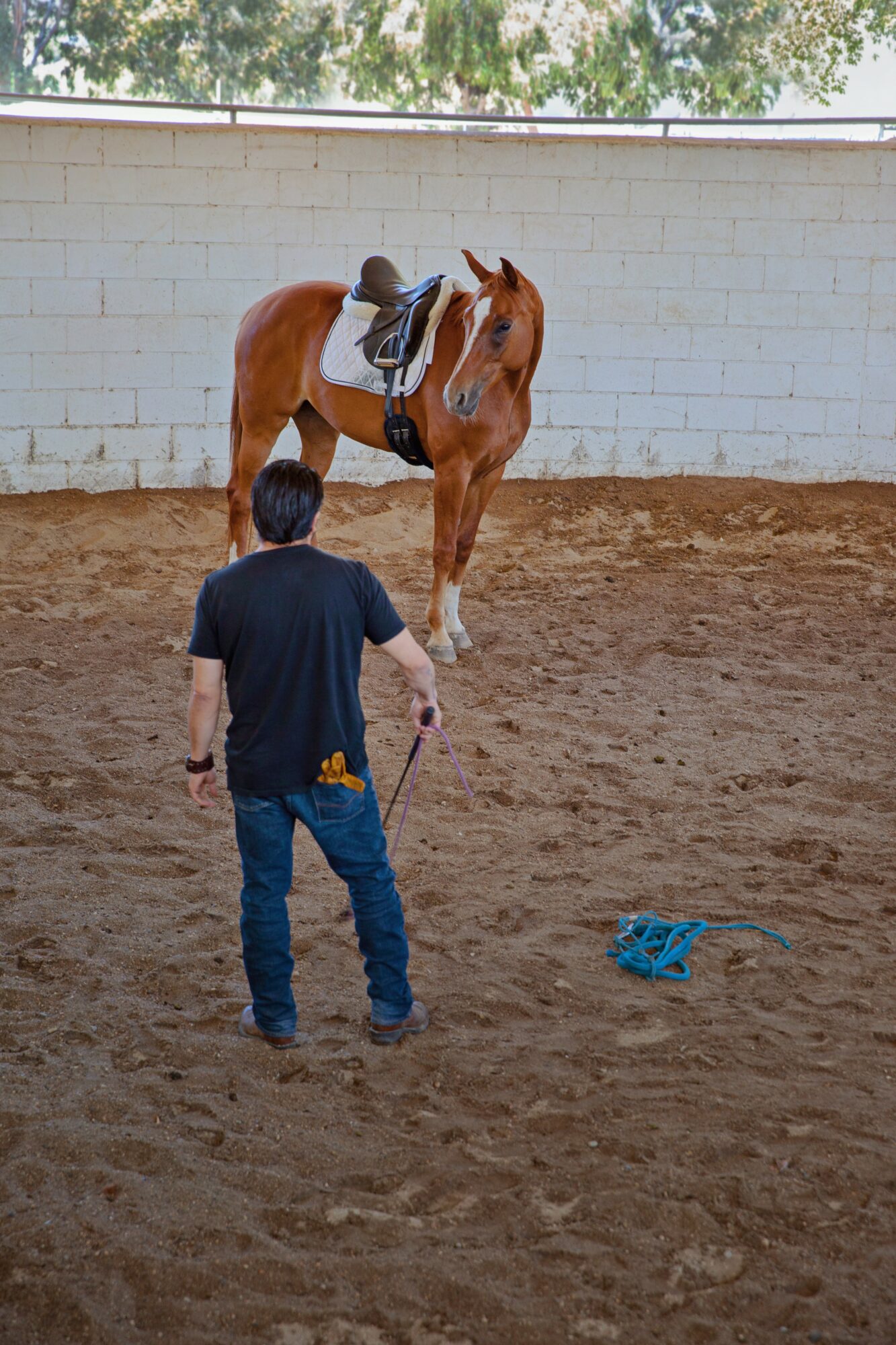
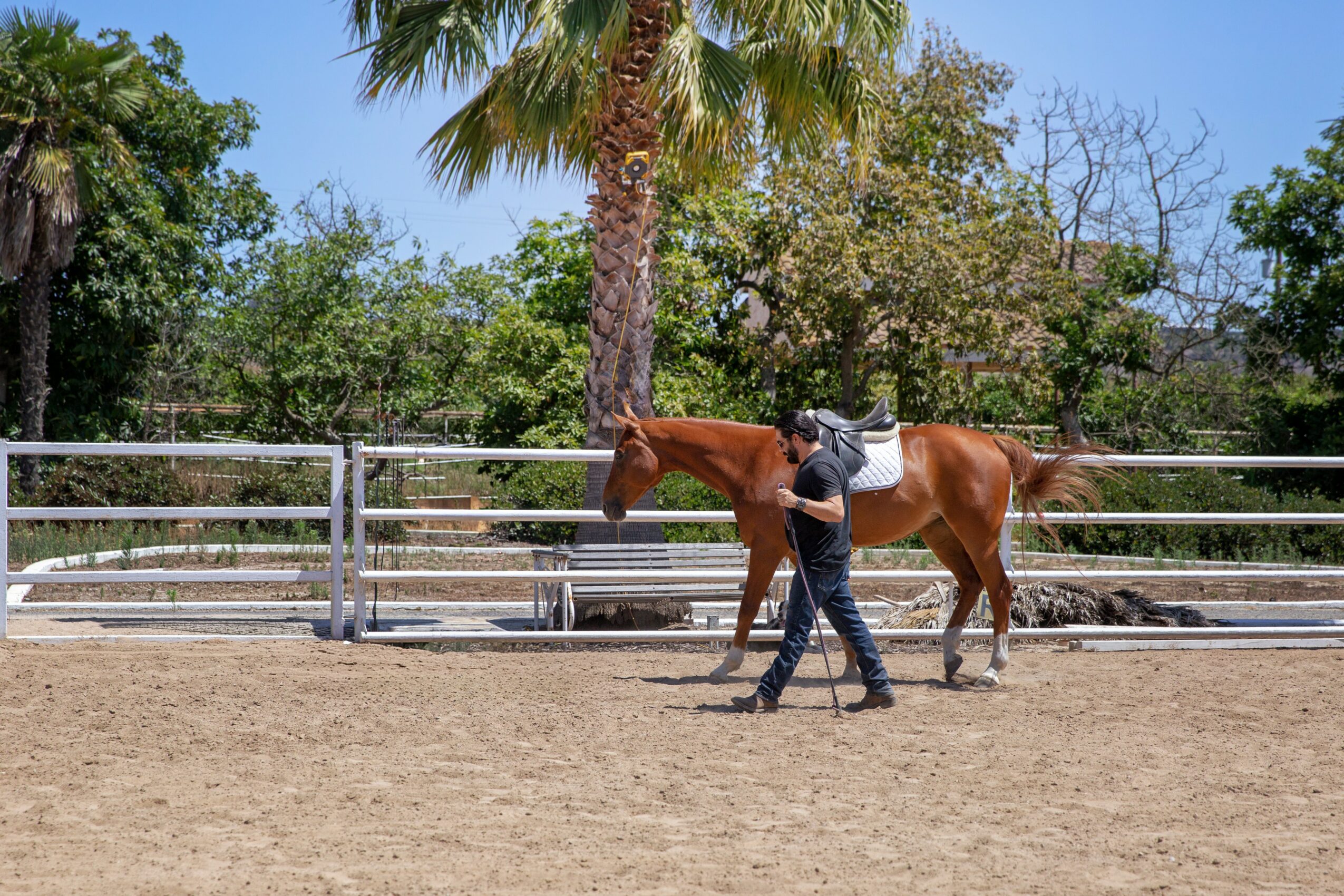
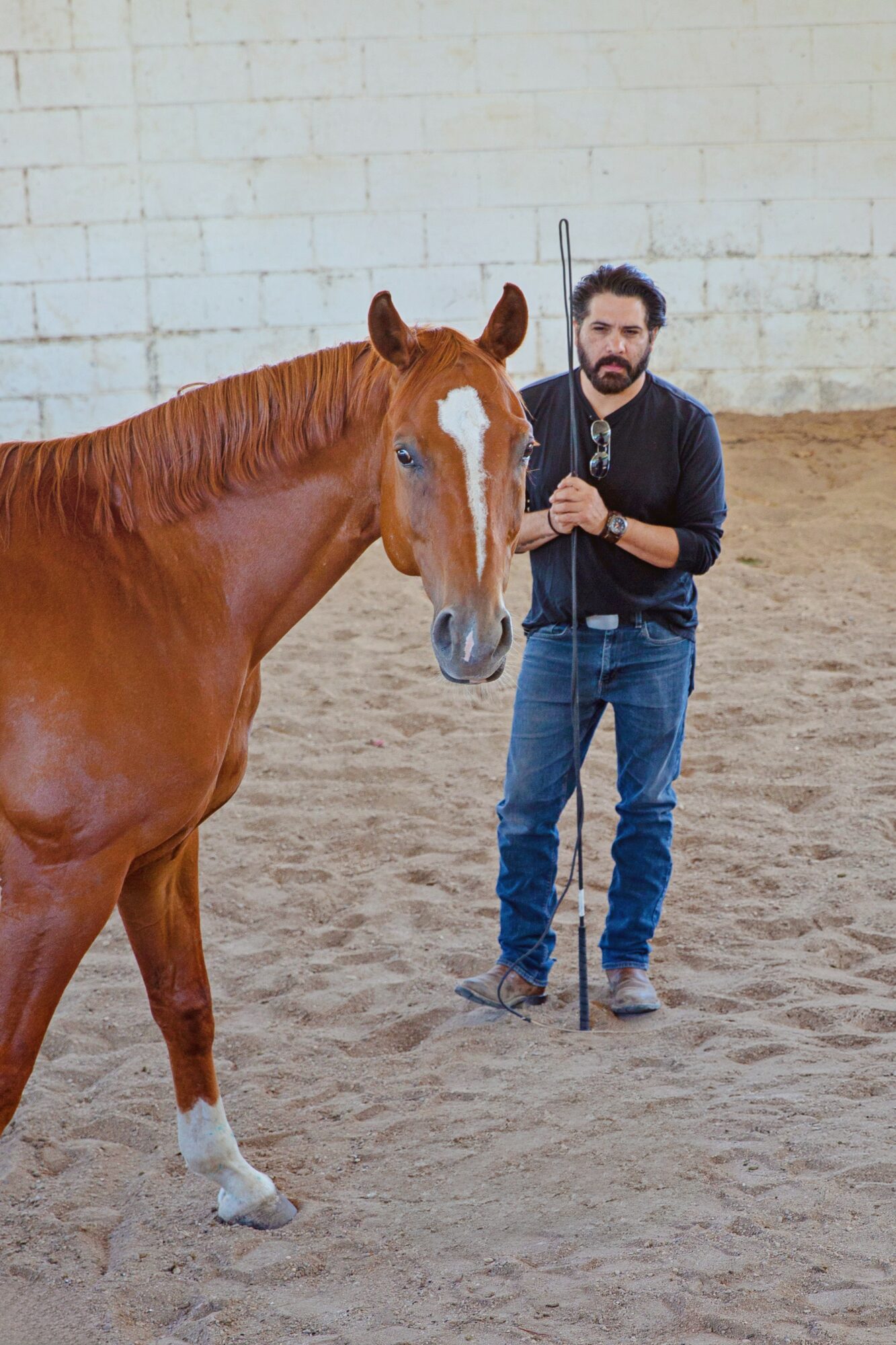
Image Credits
Lori Fusaro
Popular
-

Portraits of the Valley
-

LA’s Most Inspiring Stories
-

Rick Norris Learned That Building a Successful Business Means Building a Life You Actually Want to Live
-
How Olivia Rush Turned Survival Into a Mission to Help Others Keep Going
-

How Bibi Goldstein Is Helping Entrepreneurs Reclaim Their Time by Embracing the Power of Delegation
-

Victoria Hasson is Redefining Voice Coaching Through Community and Collaboration


