



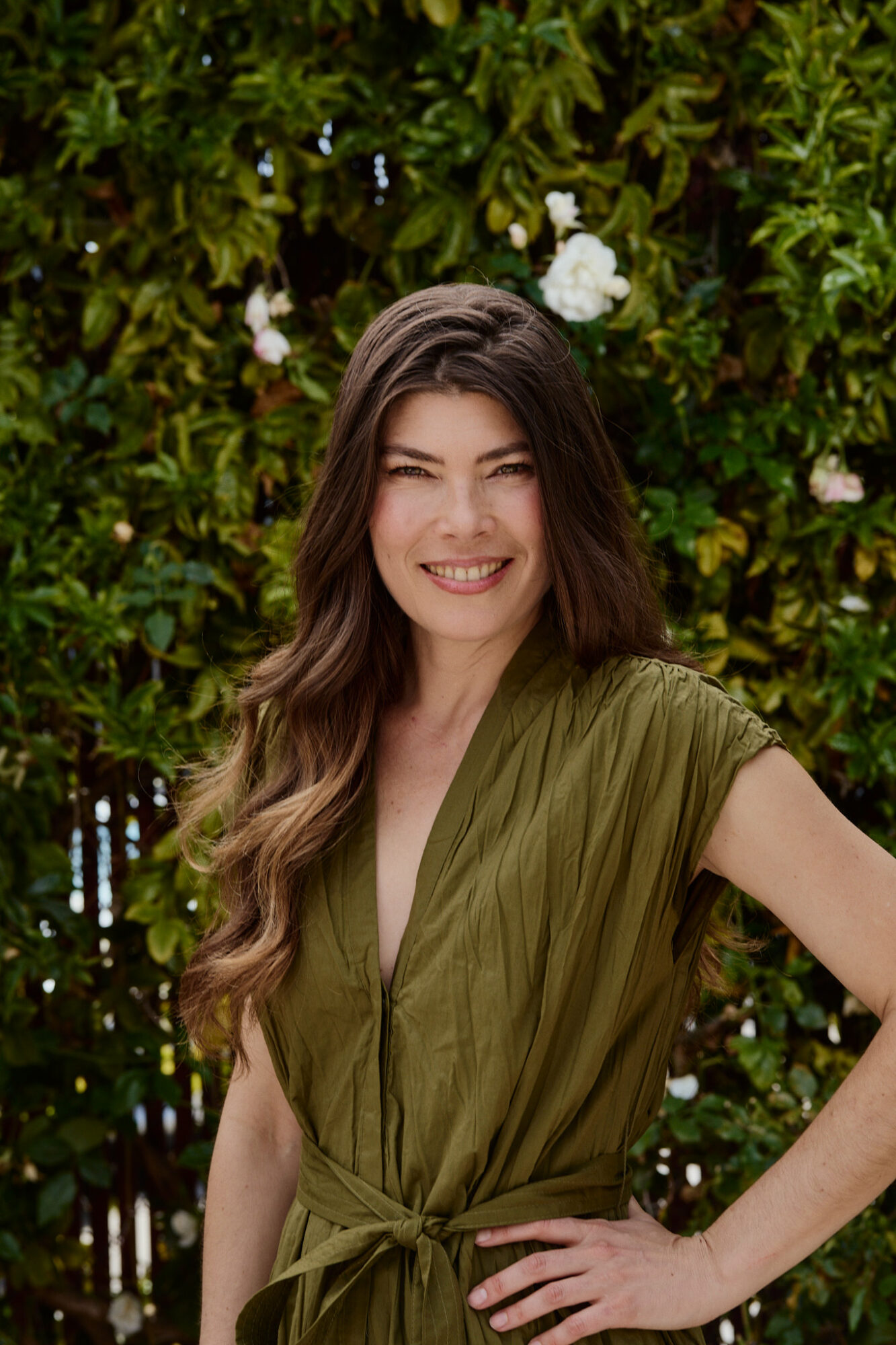
Today we’d like to introduce you to Ivy Joeva.
Hi Ivy, can you start by introducing yourself? We’d love to learn more about how you got to where you are today?
My path into birth work began with a much broader curiosity about the relationship between the body, the mind, and our capacity to heal. I studied psychoneuroimmunology (the study of how mind and body influence once another) at UC Berkeley, and later trained in holistic health counseling, so birth is a place where many of my interests converge—the mind-body connection, the experiences that shape us, and facilitating transformation.
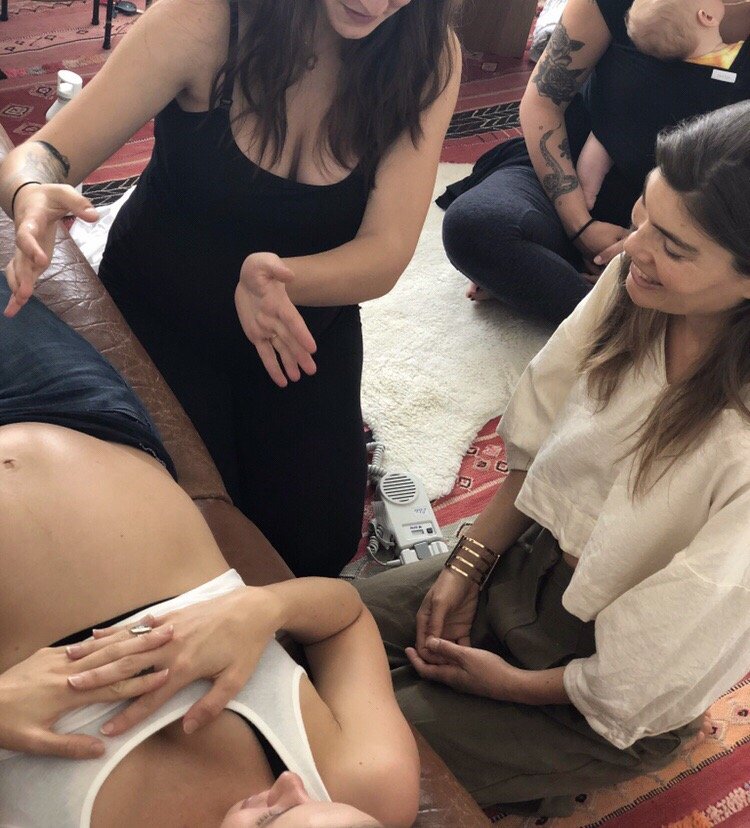
Over the years, working intimately with women and families through pregnancy, birth, postpartum, and other major thresholds, I began to see a gap in the way doulas were being prepared for this work. Birth asks us to hold two worlds at once: the deeply human, embodied experience of a woman giving birth, and the realities of navigating our modern medical system. Being caring and supportive isn’t enough. Doulas also need to understand nervous system regulation, trauma, how to advocate effectively, and how to remain a steady presence even when life threatening complications arise.
This realization about the inadequacy of doula training eventually led my co-founder, Joni Edelman, and me to create the Embodied Doula Academy. Our flagship training, Velvet & Bone, arose from a desire to raise the standard of doula care by preparing birth workers not simply with information, but with embodiment tools that create the capacity to be effective in and out of the birth room.
Today, the Embodied Doula Academy is becoming an educational hub for birth workers at every stage of their careers. Helping shape the future of doula care is a natural evolution of everything that brought me here: nearly two decades of holding clients through the most vulnerable and powerful moments of their lives, and the recognition that to serve effectively, doulas need tools most simply didn’t get from their training.
Alright, so let’s dig a little deeper into the story – has it been an easy path overall and if not, what were the challenges you’ve had to overcome?
I almost quit after the very first birth I attended.
I had entered birth work believing I was there to support women through one of the most powerful experiences of their lives. Instead, I watched a woman who had spent months preparing for her birth slowly lose all her confidence as one intervention led to another. Eventually, she was wheeled into the operating room, where I heard the obstetrician lean toward the anesthesiologist and say, “Just knock her out.”
There was no emergency. She woke up after her baby had already been born, disoriented and shaking so violently she couldn’t hold him.
I left that birth devastated, thinking, “I can’t do this.” Not because birth itself was too much for me, but because I felt helpless to make a difference in the system most birth occurs within in this country.
Ultimately, that experience became one of the reasons I continued. I realized that if I was going to do this work, I needed to understand much more than how to comfort someone in labor. I needed to understand the medical system, nervous system physiology, trauma, power dynamics, and what allows a woman to remain connected to herself even when birth doesn’t go as planned.
In many ways, that first birth has shaped everything I’ve built since. It became part of the foundation for Embodied Doula Academy and our conviction that doulas need both the embodied skills to support laboring mothers as well as the medical-system literacy to understand the environment in which most births take place.
So the road has not been smooth. But some of the experiences that made me question whether I could stay in this work are the same experiences that clarified why I felt compelled to.
Alright, so let’s switch gears a bit and talk business. What should we know?
Alongside my co-founder, Joni Edelman, we created the Embodied Doula Academy as an educational home for birth workers who want to bring deeper knowledge, greater emotional capacity, and mastery to the way they support women and families.
Our flagship certification training, Velvet & Bone, was born from something we saw repeatedly in our field: doulas are often taught basic birth physiology, while lacking training in the more impactful, intuitive dimensions of birth and the clinical realities of navigating the medical system.
We believe delivering extraordinary perinatal care requires both.
“Velvet” is the embodied side of the work: nervous system literacy, attuned presence, trauma awareness, and the ability to recognize what is happening beneath the surface in a birth room. “Bone” is the structure underneath it: medical-system literacy, understanding evidence and interventions, navigating hospital dynamics, and knowing how to help families remain informed and connected to their own decision-making.
In the Academy, we aren’t teaching doulas a script for the “right” kind of birth. A home birth can be empowering or traumatic. A cesarean can be empowering or traumatic. What matters is how a woman experiences herself within what unfolds—whether she feels heard, informed, connected to her body, and an active participant in her own care.
The Academy grew out of Joni’s and my fifty years of combined experience in the field of birth work. We’re not teaching an ideology about what birth should look like; we’re preparing doulas to meet the real needs of mothers and families today.
Alongside stewarding the Academy, I continue to coach women and couples throughout the journey from preconception through postpartum. Client care within my private practice keeps me close to the reason the Academy is so needed: every family deserves support from someone who can honor the transformative nature of the perinatal period while also navigating its realities with skill.
Ultimately, our vision for the Embodied Doula Academy is to elevate the standard of doula care—one where doulas are respected members of the maternal-care landscape and are equipped to support women across the spectrum of pregnancy, birth, postpartum, and loss.
Risk taking is a topic that people have widely differing views on – we’d love to hear your thoughts.
Being a doula is inherently risky in ways people may not immediately recognize.
If you support births at home or in community settings, you’re working outside the dominant medical model and often going against the grain of a much larger system. If you work in hospitals, you enter that system at the bottom of the totem pole, advocating for the experience and autonomy of the person giving birth while having very little institutional power yourself.
There are emotional risks, too. Secondary trauma from witnessing obstetric violence is incredibly common in this field. Vicarious grief and loss are also a reality. Birth workers accompany families through experiences that can include extraordinary joy, but also medical emergencies, pregnancy loss, stillbirth, difficult diagnoses, and sometimes death. Staying present enough to truly support someone through those experiences means accepting that they will affect you.
To me, risk-taking isn’t necessarily about making dramatic leaps. It’s about being clear what matters, and being willing to be fully present for it even when it’s uncomfortable..
Some of the biggest risks I’ve taken have involved questioning accepted ways of doing things—whether challenging assumptions within the medical system, questioning dogma within the natural birth world, or creating an educational model that asks doulas to become fluent in both.
I believe the greatest risk for all of us is becoming so afraid of being judged for disrupting the status quo that we disconnect from what we know and what we care about. I do my best to make choices from the truth as I see it— even when doing so challenges default perspectives, makes people uncomfortable, or leads to inconvenient consequences.
Empowered birth requires this.
Contact Info:
- Website: https://www.ivyjoeva.com
- Instagram: @IvyJoeva
- Other: https://www.13moonsbirthwork.com/velvet-bone

Popular
-

Portraits of the Valley
-

LA’s Most Inspiring Stories
-

Greg Hex Is Turning the Everyday Kitchen Knife Into a Modern Design Object
-

Rick Norris Learned That Building a Successful Business Means Building a Life You Actually Want to Live
-

How Olivia Rush Turned Survival Into a Mission to Help Others Keep Going
-

How Bibi Goldstein Is Helping Entrepreneurs Reclaim Their Time by Embracing the Power of Delegation


