




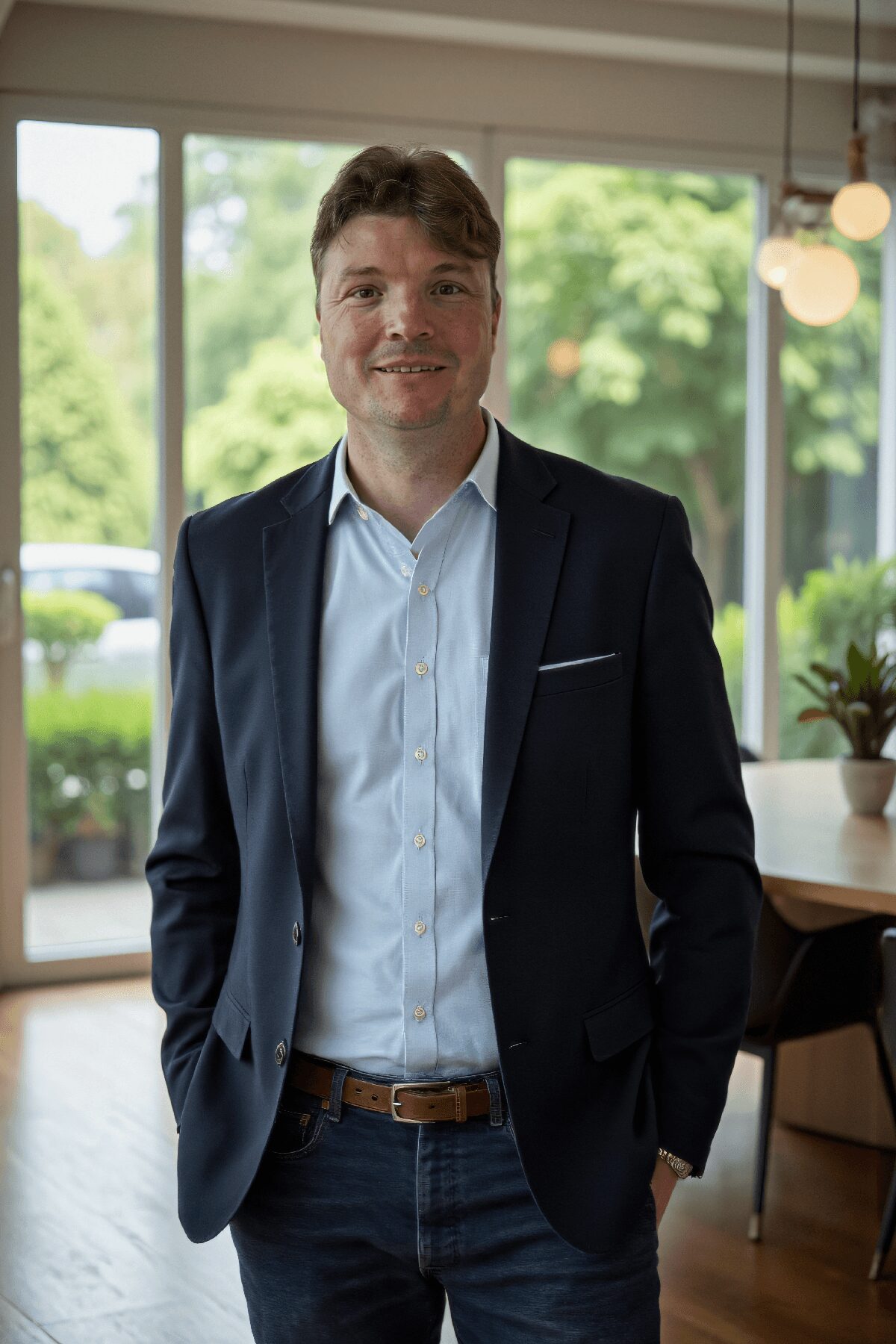
Today we’d like to introduce you to Cyril PETIT.
Hi Cyril, it’s an honor to have you on the platform. Thanks for taking the time to share your story with us – to start maybe you can share some of your backstory with our readers?
I grew up in France with a strong curiosity for how things work and how they can be improved. That mindset naturally led me into engineering, where I specialized in materials science and later joined the R&D world. Early in my career, I worked on high‑tech industrial projects, from helicopter components to high‑speed train systems and even parts of the Ariane 5 rocket. Those years taught me how to solve complex problems by combining creativity, precision, and real‑world testing.
After several years in the automotive industry, I realized I needed more freedom to innovate. That’s when I made a bold shift into the building industry, leading R&D for a major French manufacturer. I developed award‑winning window systems, filed multiple patents, and explored how smart controls and automation could transform the way buildings respond to light, heat, and comfort. This is also where my passion for home automation really took shape, not as a gadget, but as a tool to make buildings more efficient and intuitive.
A little over eleven years ago, I made the biggest move of my life and relocated to Los Angeles. California had always fascinated me, and after my first trip here, I knew I wanted to build something meaningful in this environment. I launched my company with the goal of introducing advanced European shading and automation solutions. It wasn’t easy. The U.S. market was dominated by established brands, and bringing a new technology from abroad required patience, persistence, and a lot of education.
Everything changed when I partnered with WAREMA in Germany and began introducing high‑performance exterior shading systems to architects and developers. One of the turning points was working with ARYA Group on some of the most spectacular luxury homes in Los Angeles. These projects pushed every technical limit, but solving those challenges helped build a reputation for reliability and problem‑solving.
At the same time, I became deeply involved in the Passive House community in California. I saw firsthand how smart shading could dramatically reduce energy consumption in sunny climates, and I wanted to help bring those solutions to people rebuilding after devastating wildfires. Today, as Vice President of Passive House California, I work to promote resilient, efficient, and comfortable buildings across the state.
I’m sure it wasn’t obstacle-free, but would you say the journey has been fairly smooth so far?
The journey definitely hasn’t been smooth. One of the biggest challenges was introducing advanced European shading technologies into a market that wasn’t familiar with them and didn’t initially see the need for change. Convincing architects, builders, and clients to consider alternatives to well‑established brands required a lot of persistence and education.
There were also major technical hurdles. Many early projects pushed the limits of what these systems could do, especially when dealing with ambitious architecture and strict performance expectations. Solving those issues one by one is what helped build my reputation.
Another challenge came from working with families rebuilding after wildfires. Helping people design safer, more efficient homes after such loss is meaningful, but it carries emotional weight and a strong sense of responsibility.
My journey has never been linear, but these obstacles shaped a clear thread in my work: understanding complex problems, designing smarter solutions, and helping people build spaces that perform better, whether it’s a luxury villa in Bel Air or a family home being rebuilt after a fire. Each challenge reinforced the same approach: stay adaptable, stay patient, and keep solving problems no matter how complex they seem.
Alright, so let’s switch gears a bit and talk business. What should we know?
My company specializes in high‑performance exterior shading systems and smart‑control solutions designed to improve comfort, energy efficiency, and architectural performance. In simple terms, we help buildings, especially in sunny climates, stay cooler, more comfortable, and more efficient by managing sunlight in a precise and intelligent way.
What sets us apart is our ability to handle highly complex projects that require both technical expertise and creative problem‑solving. We work with advanced European systems that offer a level of precision and durability that isn’t common in the U.S. market, and we adapt them to the diverse architectural challenges found across the country. Whether it’s large glass façades, demanding climate conditions, or unique design constraints, we ensure that each shading solution performs flawlessly while fully respecting the architect’s vision.
We’re also known for our collaborative approach. We don’t just sell a product, we work closely with architects, builders, and homeowners to design the right solution, anticipate issues, and ensure everything integrates seamlessly with the building. That’s why we’ve been trusted on some of the most ambitious luxury residential projects in Los Angeles, including several ARYA Group mega‑mansions such as Villa Sarbonne, Villa San Onofre, and last but not least Villa Siena.
Brand‑wise, what I’m most proud of is our reputation for reliability and problem‑solving. Clients come to us when the project is too complex for standard solutions, and they know we’ll find a way to make it work. That trust is something we’ve earned over years of technical challenges, long design cycles, and successful installations.
For readers, the key thing to know is this: exterior shading isn’t just an aesthetic feature. It’s one of the most effective ways to reduce heat gain, improve comfort, and lower energy consumption. Whether it’s a luxury villa or a Passive House project, the right shading system can completely transform a building’s performance. While much of our work is rooted in California’s sunny climate, our mission extends far beyond the state. We aim to bring this level of high‑performance shading and smart‑control expertise to projects across the United States, helping people everywhere create spaces that are smarter, more comfortable, and more resilient.
Alright, so to wrap up, is there anything else you’d like to share with us?
I’d simply add that building performance isn’t just a technical topic, it directly affects comfort, energy use, and long‑term resilience. Exterior shading may look like a detail, but in sunny climates it can completely transform how a home feels and functions.
I also want to highlight my work with Passive House California. Our mission is to promote buildings that are healthier, more efficient, and more resilient, not through trends or ideology, but through science. Our favorite way to explain it is simple: “Passive House — Physics, not a religion.” It’s a reminder that comfort and efficiency aren’t beliefs; they’re measurable, predictable, and achievable when you design with the right principles.
Finally, I want readers to know that innovation doesn’t always come from the biggest companies. Sometimes it comes from people willing to cross cultures, rethink assumptions, and bring new ideas to a place they love. If my work helps even a few people discover better solutions for their homes, whether they’re building a dream house or rebuilding after hardship, then it’s all worth it.
Contact Info:
- Website: cphba.com
- Instagram: https://www.instagram.com/cphba/
- Facebook: https://www.facebook.com/profile.php?id=100063466213786
- Linkedin: https://www.linkedin.com/in/cyril-petit-96166386/
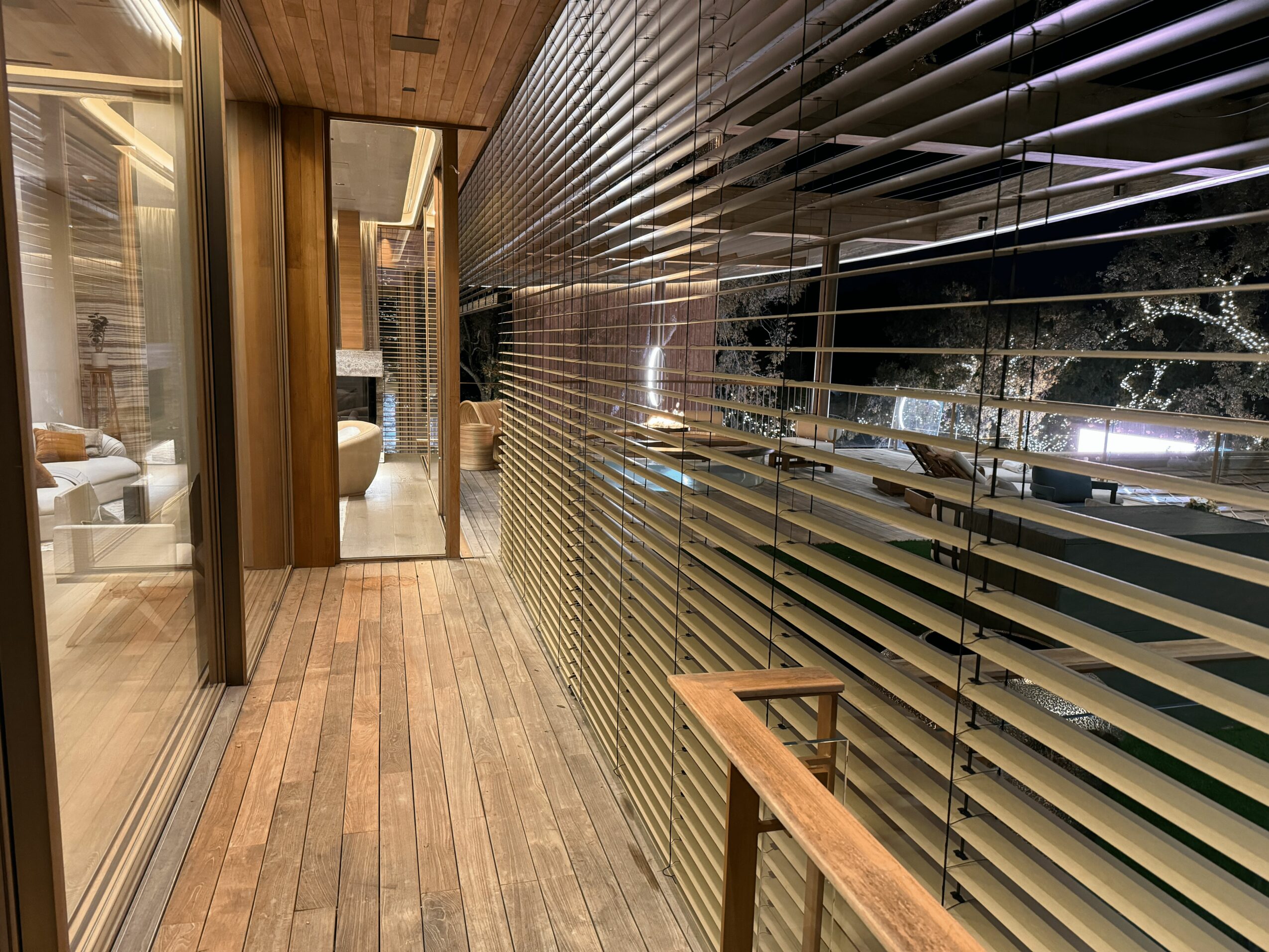
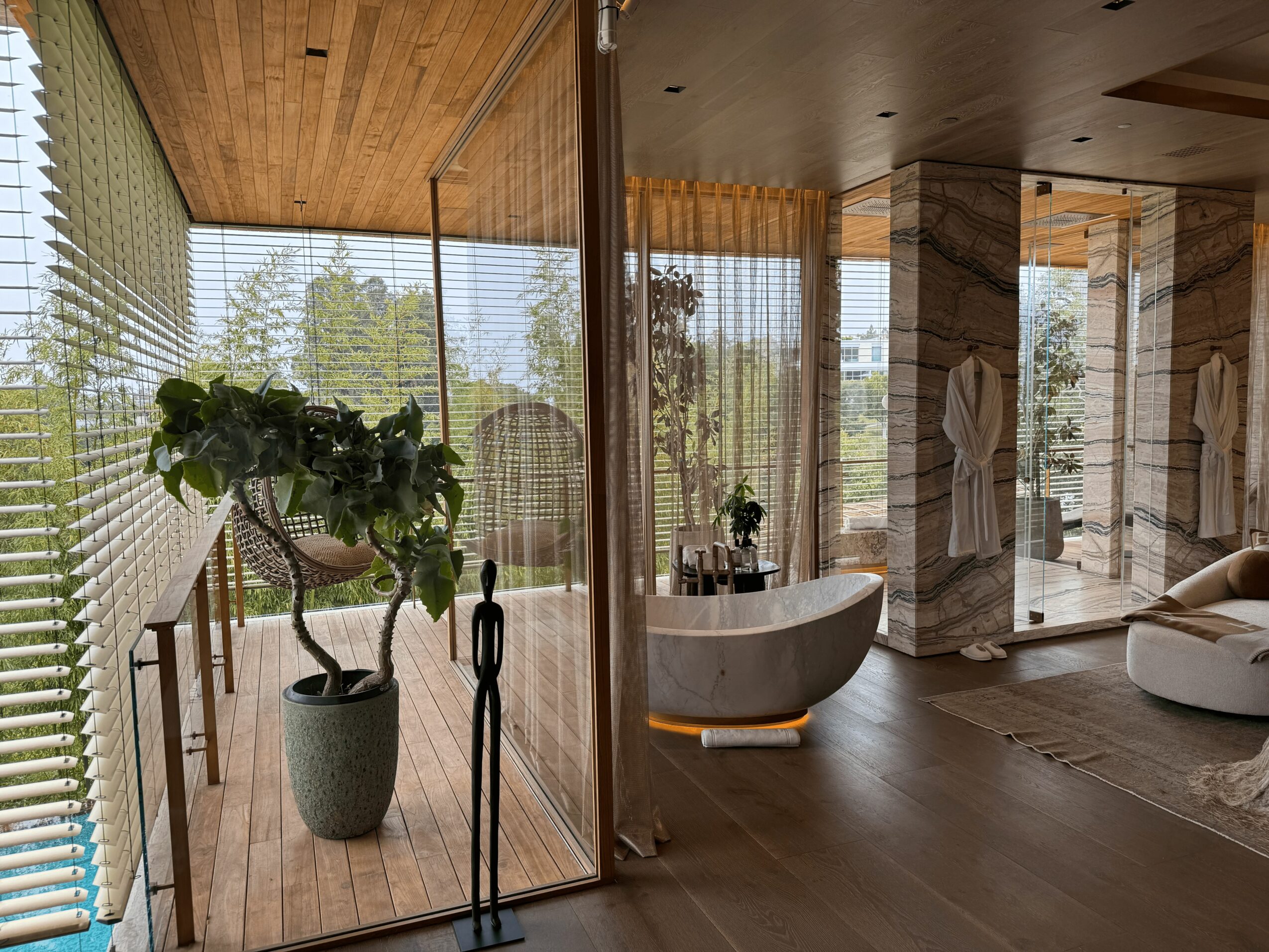
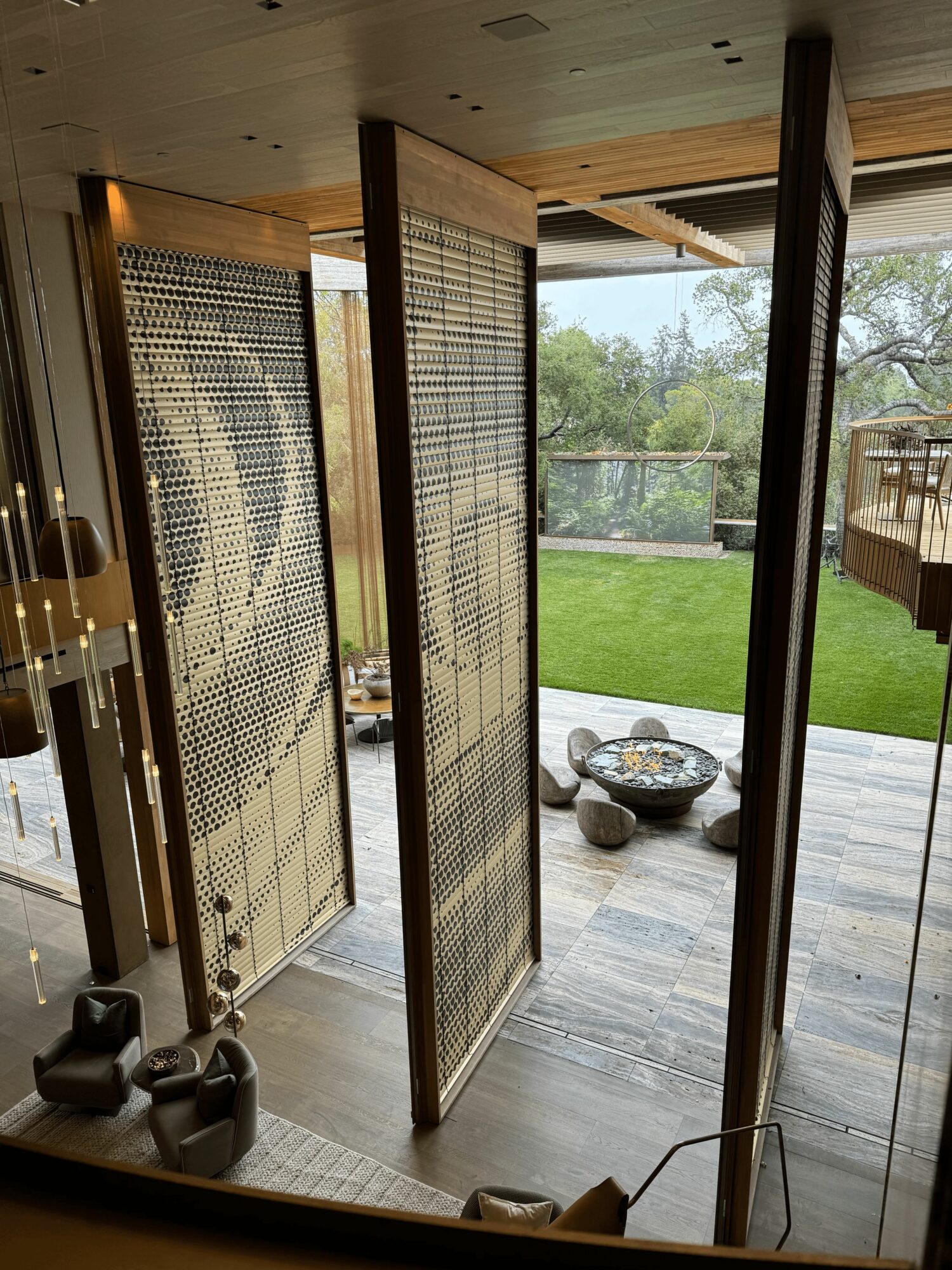
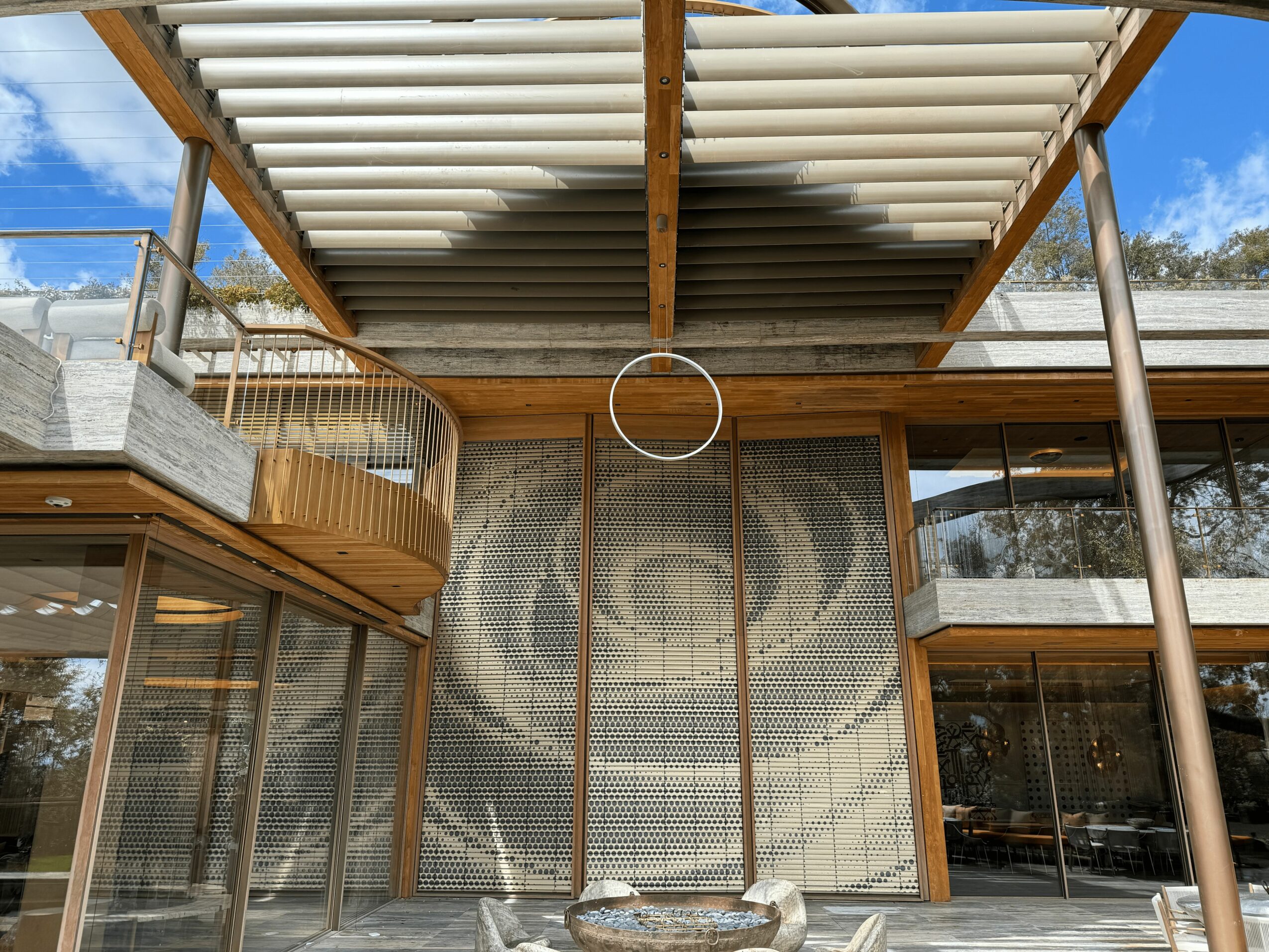
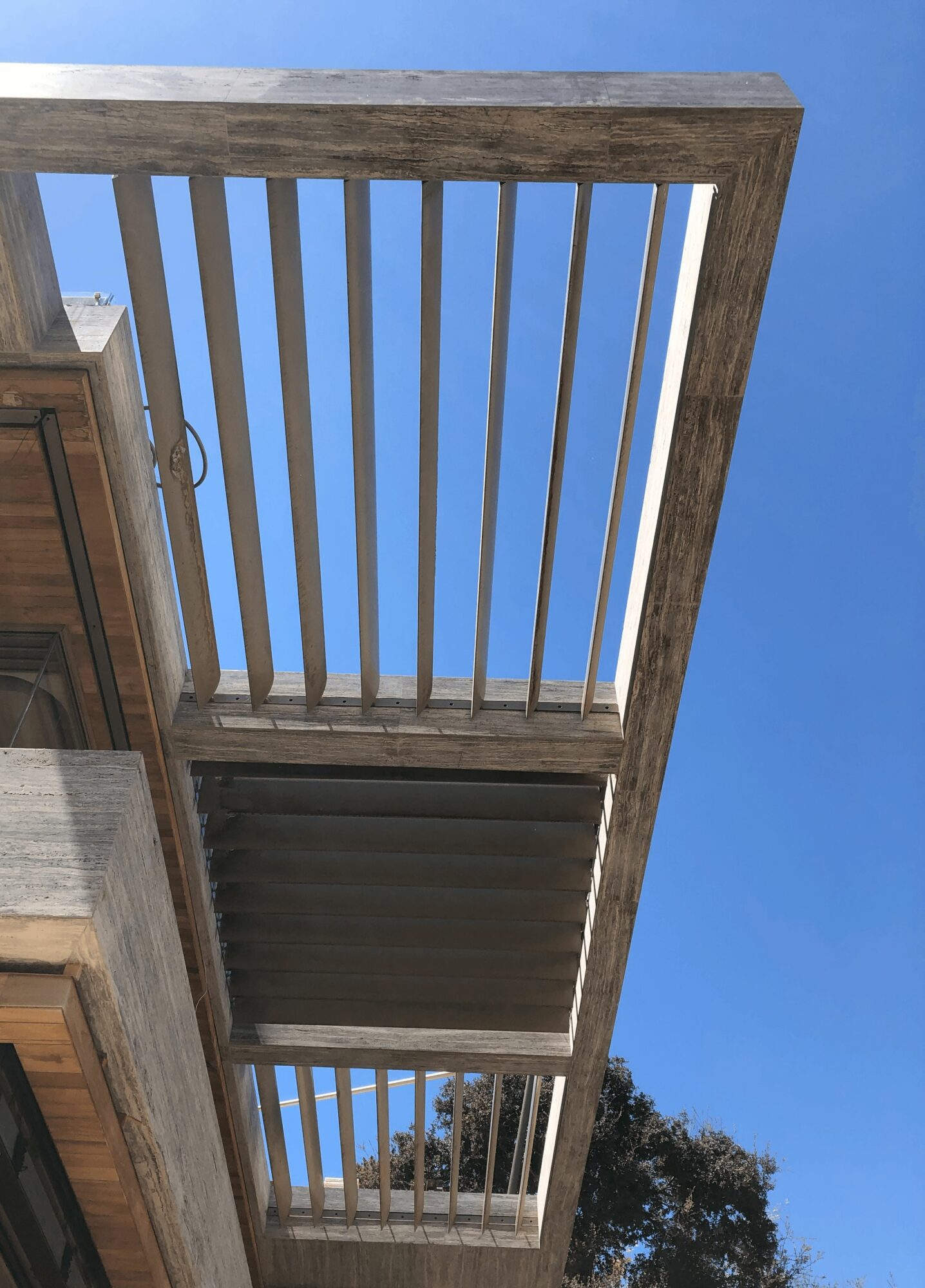
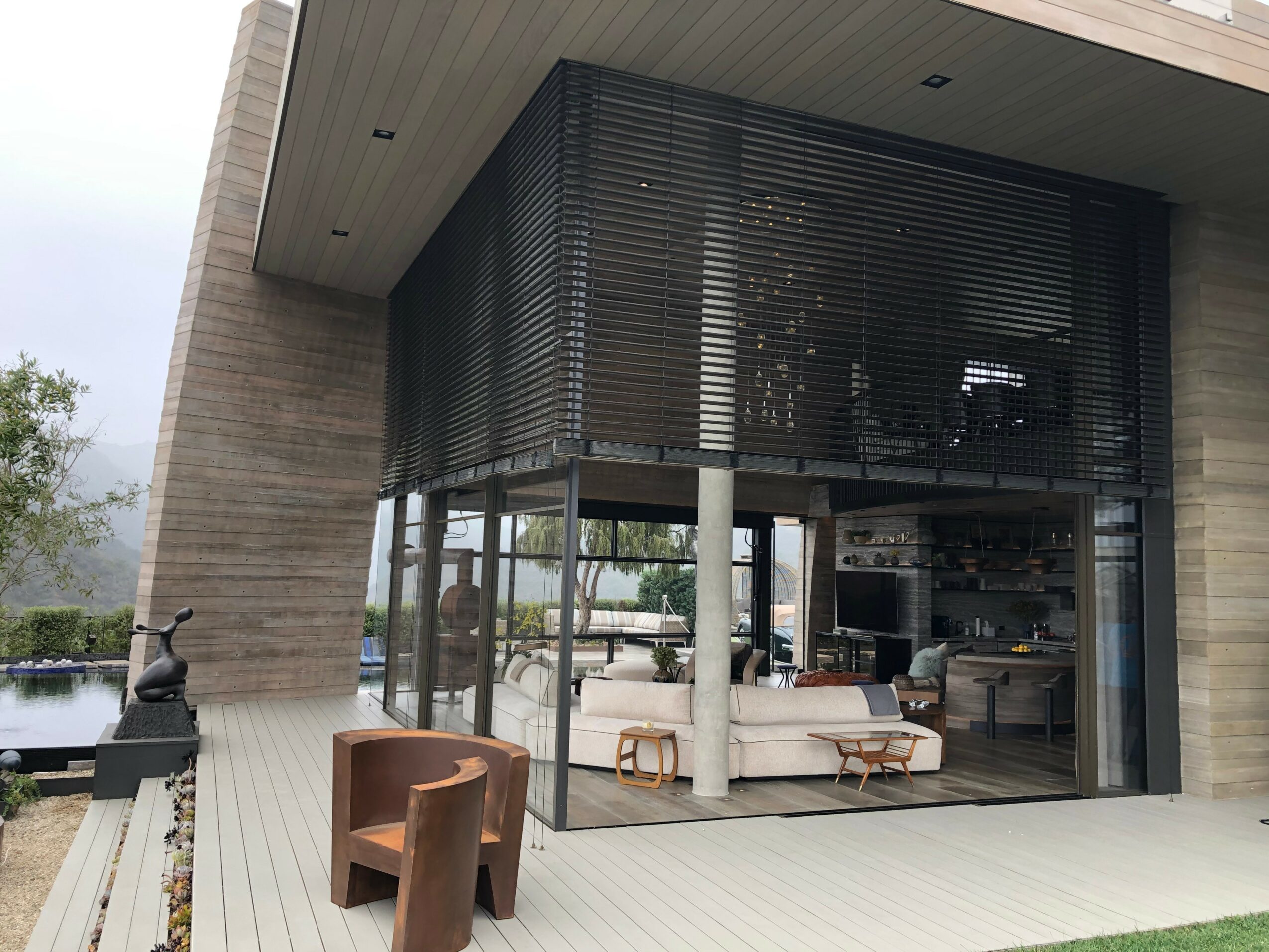
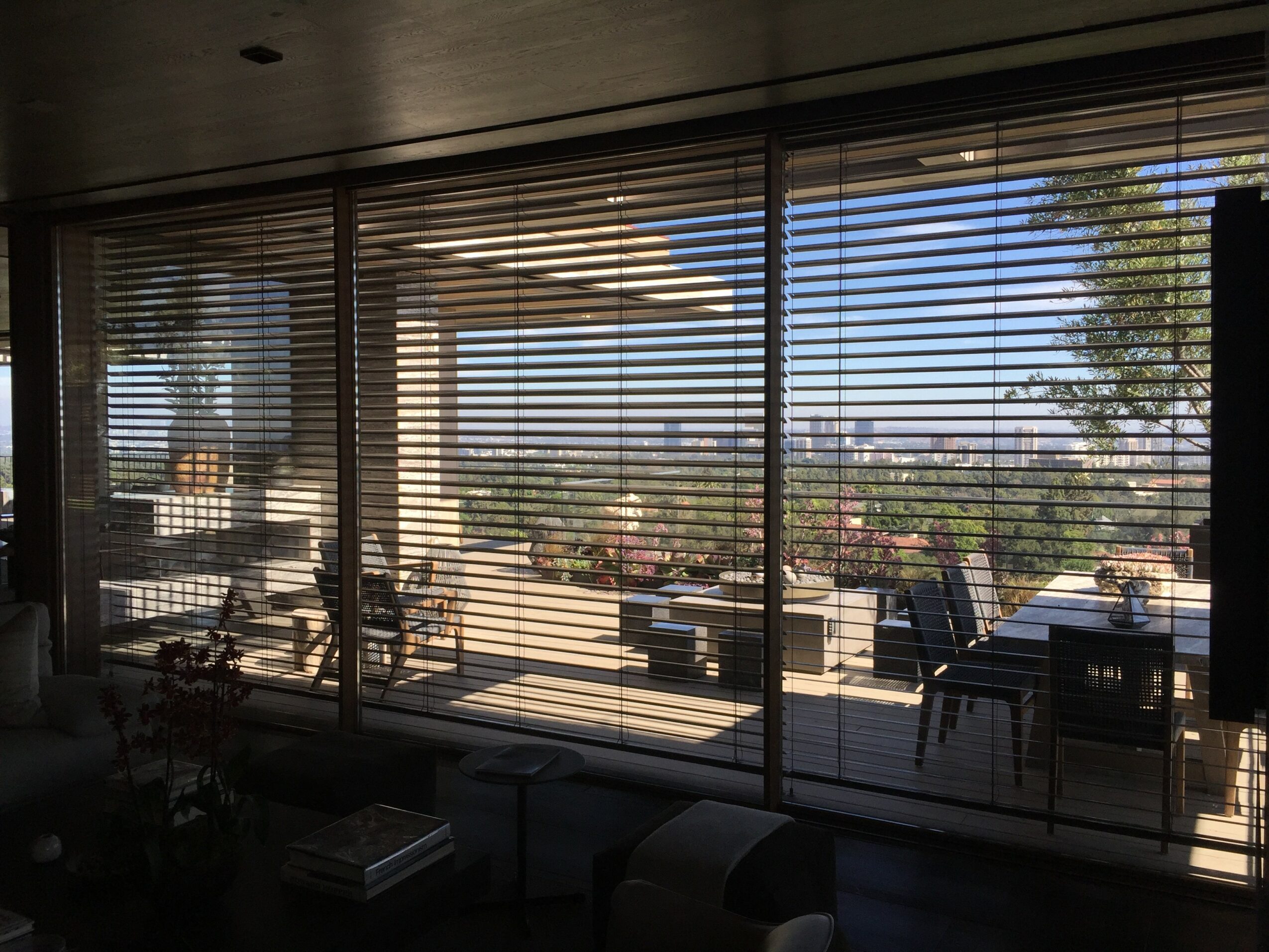
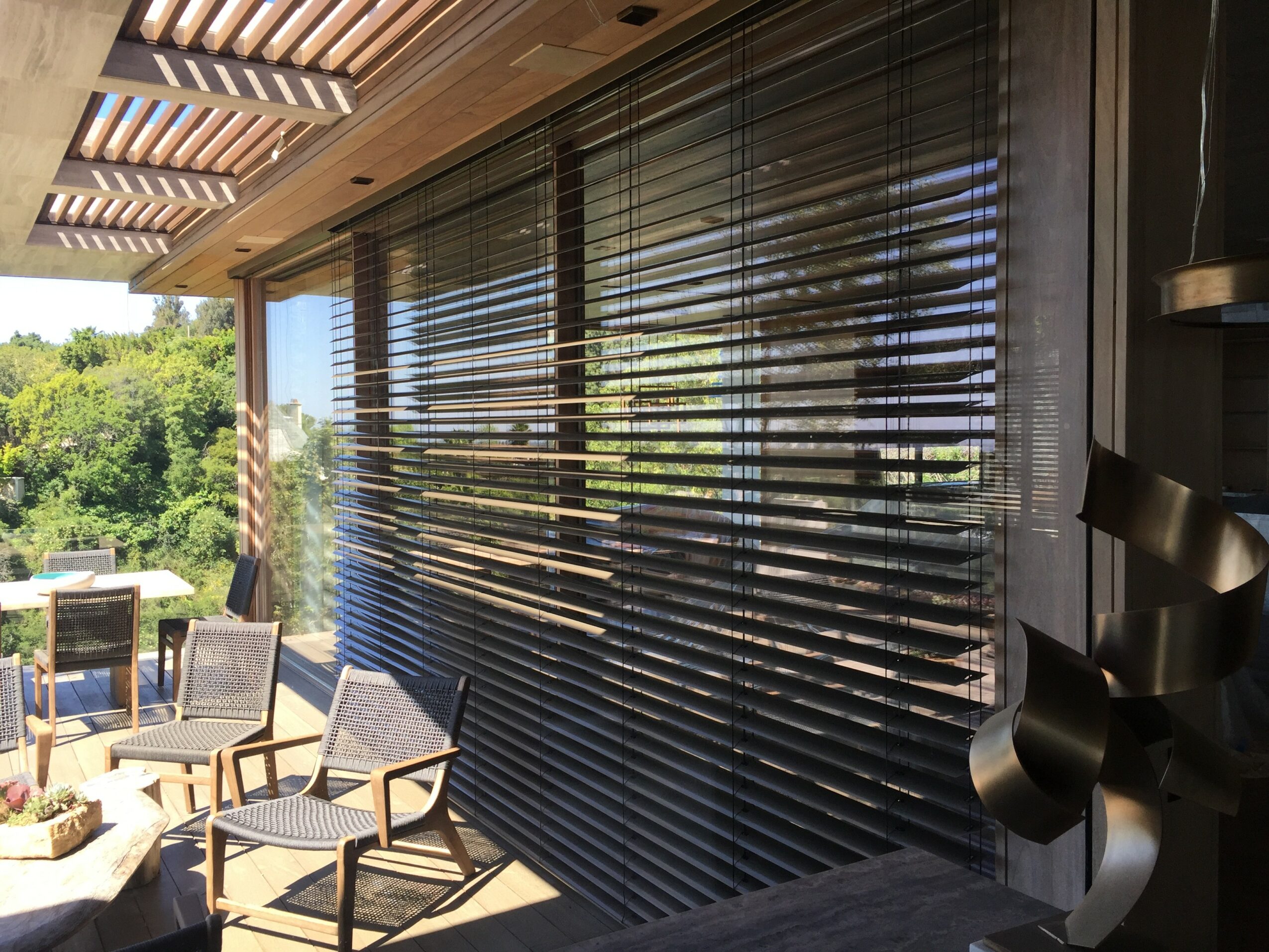
Image Credits
Cyril Petit
Popular
-

Christina Wren Steps Into the Director’s Chair to Tell Stories That Feel Like Home
-

Portraits of the Valley
-

LA’s Most Inspiring Stories
-

JordanL on ‘Breathe,’ Belief, and Building a Movement Beyond the Music
-

Megan Birney Rudert on How Access to Light Is Powering a More Sustainable and Equitable Future
-

Linda Kneidinger on Building Lasting Change Through Small Steps and Self-Compassion


