




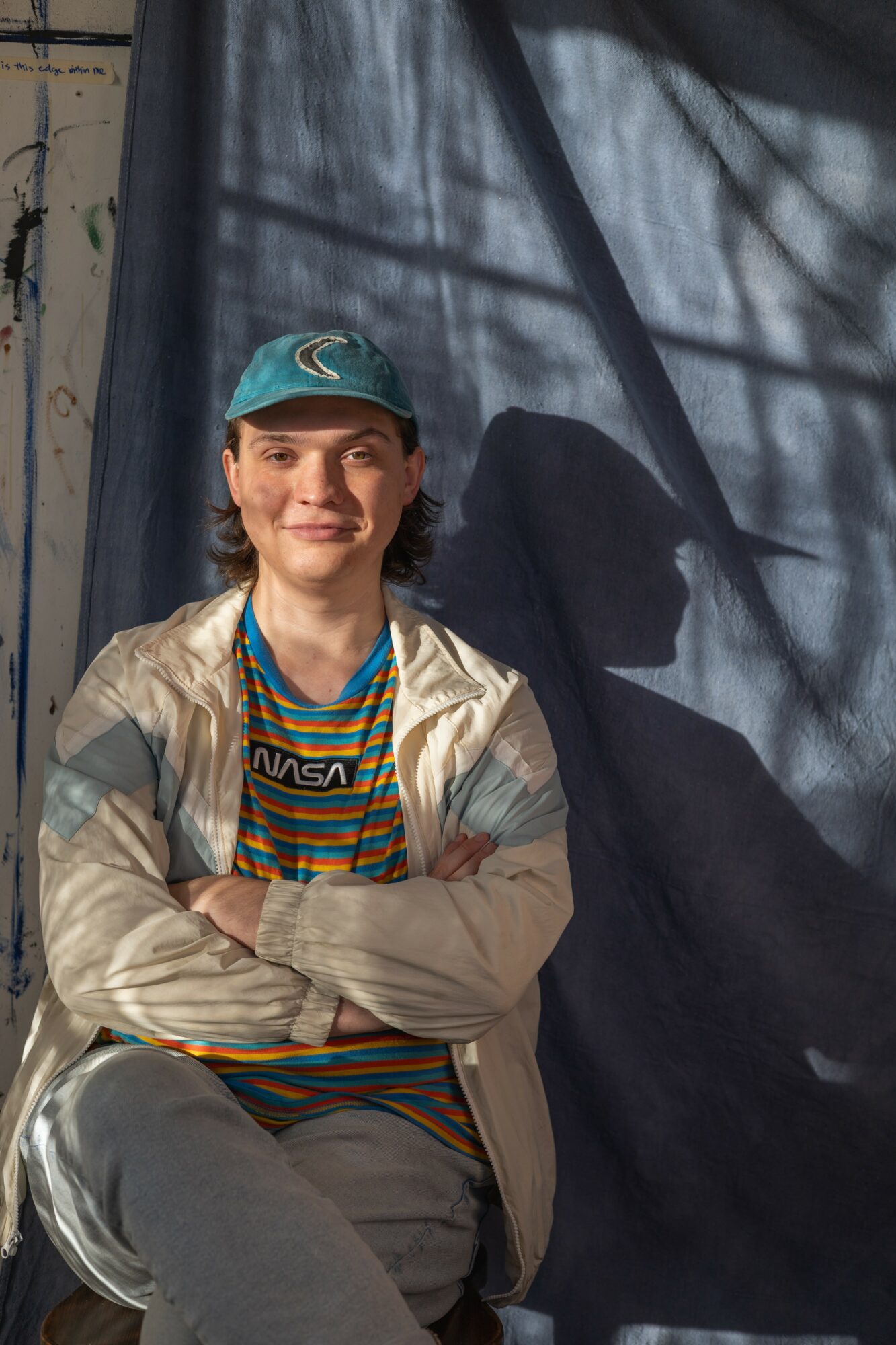
Today we’d like to introduce you to Brian Eckert.
Hi Brian, we’d love for you to start by introducing yourself.
This Is A Front was born out of creative work I had already been making as a director. I moved to Los Angeles after years of assistant and associate directing work in theatres across New York, eager to lead my own directorial projects again. I started producing my own work here with a team of people I built as I went.
For our first two productions in 2023, as with all self-produced work, we had to fundraise. Along with online crowdfunding, we decided both times to host a cabaret fundraiser. We threw ourselves fully into creating a worthwhile event people would want to attend. What we learned from these early experiences was that these events were an opportunity to do more than just fundraise; they became about organizing around a production, inviting community, and creating momentum around the work.
We then began planning a Halloween-themed cabaret, but with no upcoming show to raise money for, we realized these events didn’t always need to be a means to an end; maybe the event itself was the point – to build space centered around shared values and the need for community. So we made a company. One that doesn’t just make theatre, but makes intentional space for artists, audiences, and acknowledging the blurred lines between them.
Over the past few years since, This Is A Front has produced award-winning productions, play readings, film screenings, cabarets, political activations, teach-ins, and even a pool party!
Can you talk to us a bit about the challenges and lessons you’ve learned along the way. Looking back would you say it’s been easy or smooth in retrospect?
Of course, as with most things in the arts, funding is difficult and elusive. But it’s especially true at the independent producing level, particularly when wanting to create immersive, transformative experiences. It took me a while to start producing my own work, much later than some of my directing peers. I attribute that largely to the financial burden. I grew up poor; I don’t have the safety net to invest my own money at potential loss, nor can I turn to my family for large sums to support my projects like others can. At first, that seemed insurmountable. But drawing on relationships I’ve built over time has paid off so far. Honestly, it is still a struggle. It feels harder every time as our ambition grows and good will from our potential donor pool understandably shrinks with each passing project. It’s not sustainable to crowdfund forever as a business model. The next step here is exploring non-profit status and, hopefully, grant opportunities that become possible through that structure.
The other major challenge has been sustainability and, personally, resisting burnout and learning how to balance ambition with capacity. I have found that a rotating group of people to serve as the company’s core team to be the most practical model at the moment; everyone I work with also has other creative projects and other jobs to support themselves. In order to produce the amount we do, everyone can’t be all-in at all times. I am the sole steward of the company itself outside of projects themselves, and even when moving into production, appointing people to take the lead in certain areas and establishing practices is not as smooth as it could be sometimes.
As you know, we’re big fans of This Is A Front. For our readers who might not be as familiar what can you tell them about the brand?
This Is A Front is a company that focuses on staging connection through theatre and what we call “social moments.” We envision a vibrant creative community that reshapes how we understand our role in each other’s lives. At its core, the company is about social-mindedness; we aim to connect people to the world around them.
The theatre we produce tends to explore systems, the how and why we relate to each other. This takes various forms, but most often operates through the lenses of the individual, social groups, and also cultural iconography. We’re also invested in building solidarity and community within our artistic network. We produce events that engage politics head-on through advocacy and action, as well as events that are explicitly about meeting each other where we’re at and strengthening our ties.
Brand-wise, I’m most proud that the company has become known for artist-driven, idea-forward experiences that inspire rigor and curiosity. I think people associate immersion and detail with our offerings – from a night of horror readings set in a bar themed to a haunted forest, to our cozy 90s-nostalgia-fueled holiday cabaret with wine, homemade pasta, and hot chocolate on offer. Our full productions are also executed at a caliber that often surpasses what is traditionally expected of independent theatre.
For readers encountering the company for the first time, I’d want them to know that our work is about more than individual events or productions – it’s about building intentional space, fostering dialogue, and imagining a community where shared values are centered.
Is there something surprising that you feel even people who know you might not know about?
I don’t think the meaning of the company name is anywhere public yet!
The name “This Is A Front” works on many levels, but it started as a cheeky way of acknowledging this whole thing started as a front for me to produce my own work as a director. There is a tradition of early career artists starting companies with grandiose missions to “change the world” or to “make theatre for everyone” (as if that’s possible), when in reality it’s just one individual masking behind the illusion of a group. So I wanted to disrupt that a bit with irony and transparency. (I have always appreciated the name of Young Jean Lee’s theatre company for this reason, which was… “Young Jean Lee’s Theatre Company,” whose mission was “to produce shows written and directed by Young Jean Lee.” No pretense there!)
At the same time, I genuinely think of theatre as a front for social change. Not in a saccharine way; I don’t view theatre as a mirror simply reflecting the world we live in. I’m more aligned with the idea attributed to Brecht that art is instead the “hammer with which to shape it.” I see the world of a play as a literal front (like in battle), a microcosm in which we can work through collective problems and shared dreams. The very process of making theatre even offers us opportunities to form language and tools to confront conflict, examine hierarchy, and process difficult subjects together in a space where the stakes aren’t life-or-death, but still deeply meaningful.
As we’ve produced more of these “social moments,” I also joke that the company is a front for my social life. But I actually think that’s beautiful and exactly what theatre should be – a meeting place for connecting with friends and neighbors. I joke, but I’m proud that my practice is able to execute on these ideals and feels authentic to who I am.
So that’s it! The company is a front my own directing work, social connection, and greater collective change – so absolutely no grandiose mission in sight … haha!
Contact Info:
- Website: https://thisisafronttheatre.com
- Instagram: https://instagram.com/thisisafront.theatre
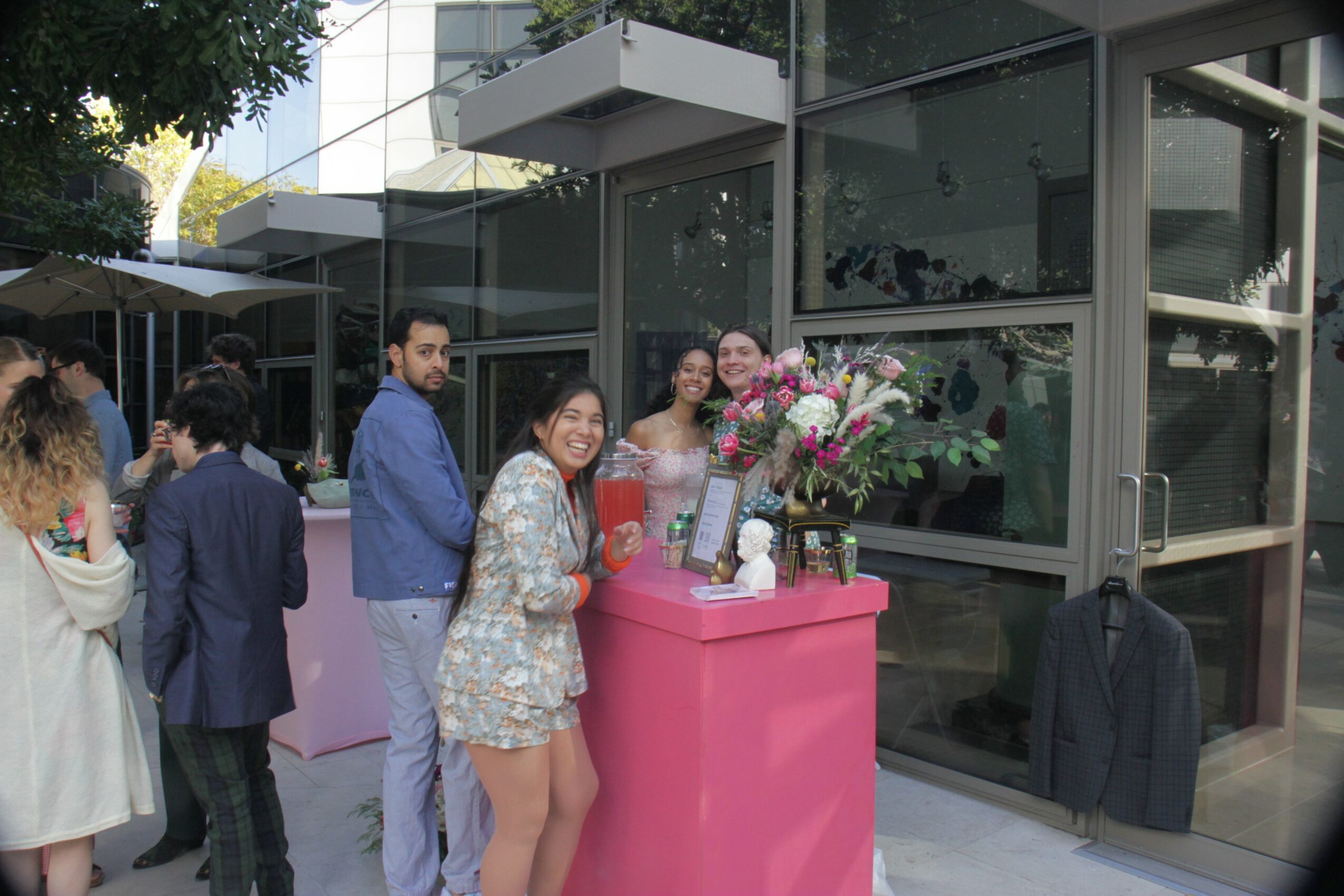
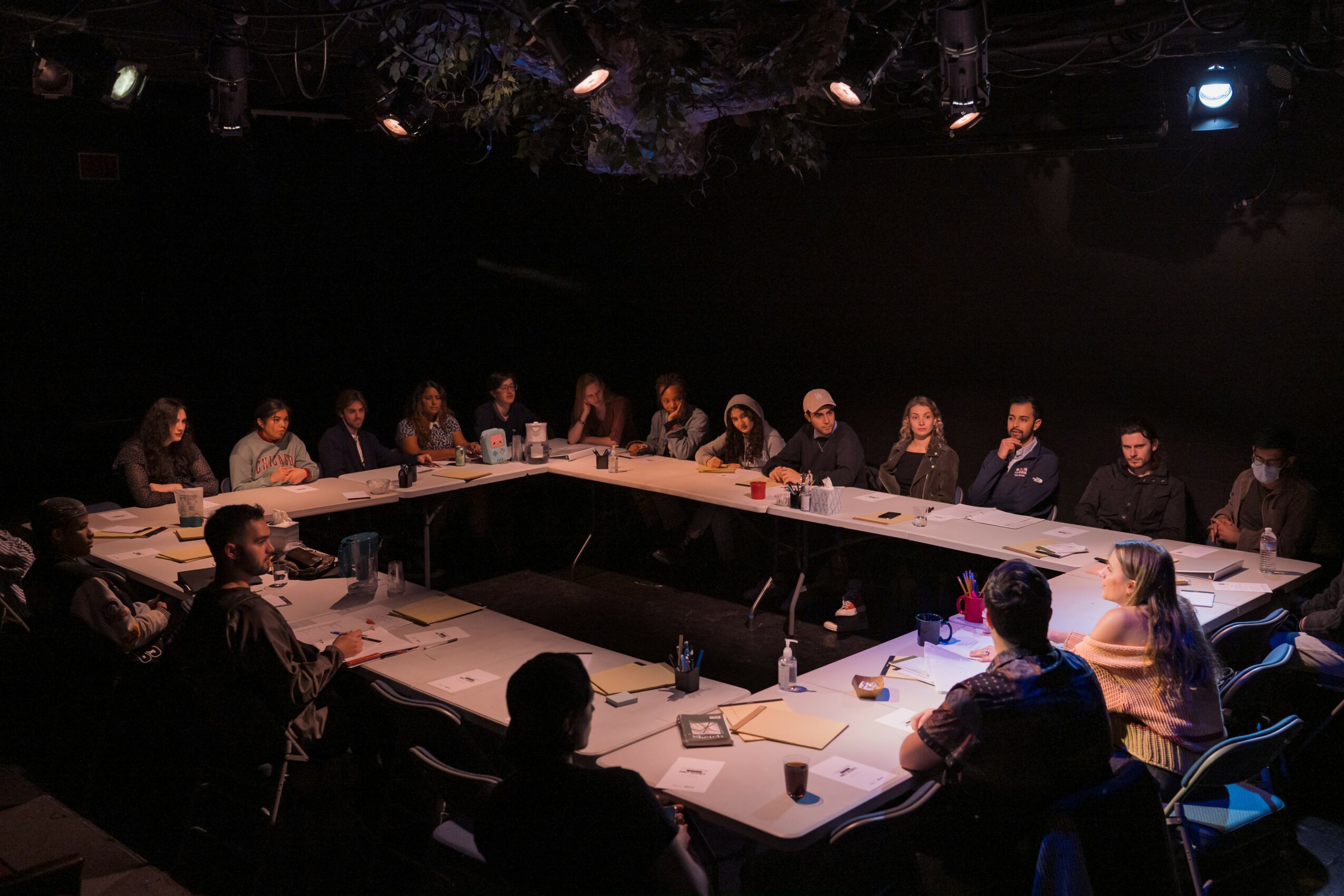
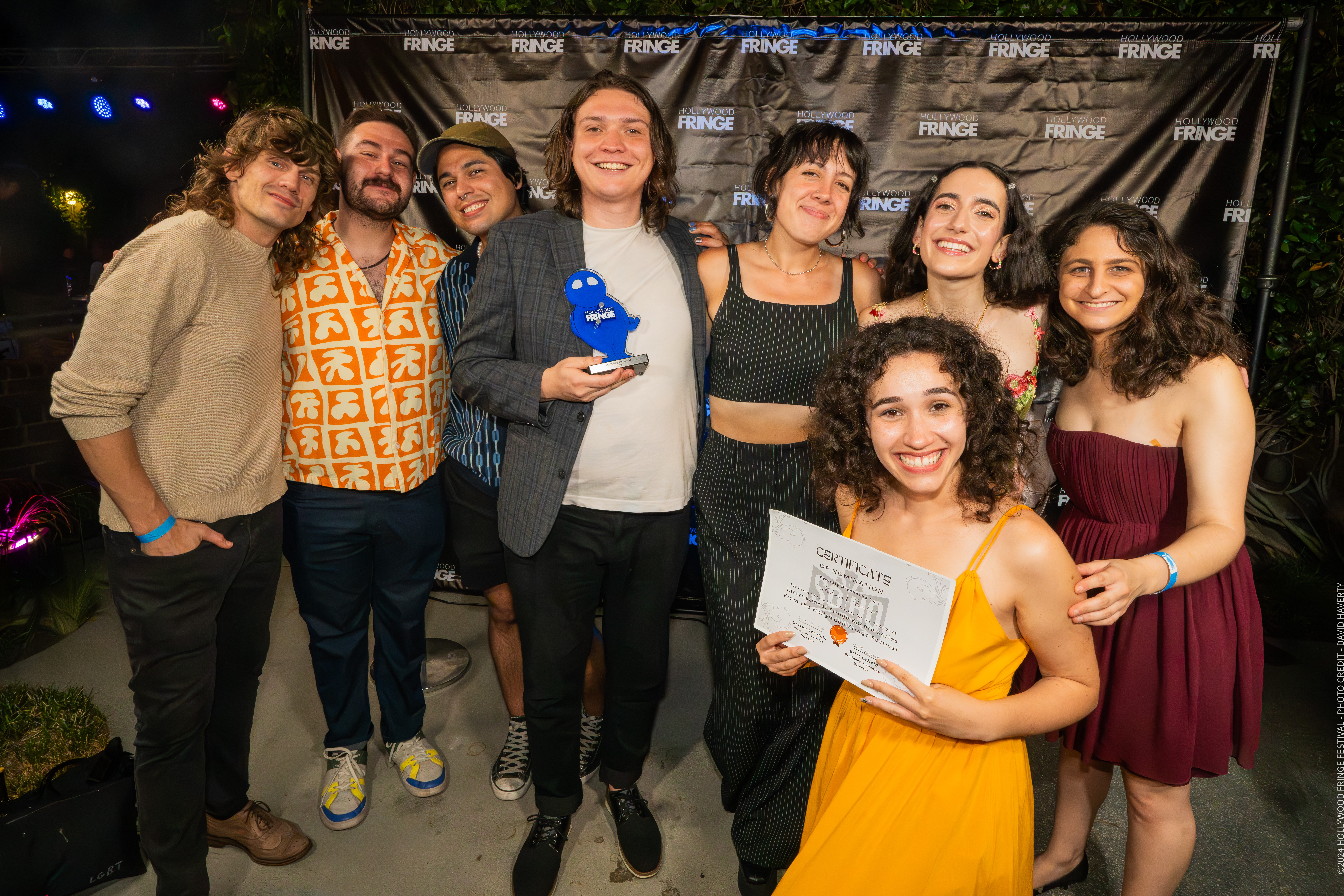
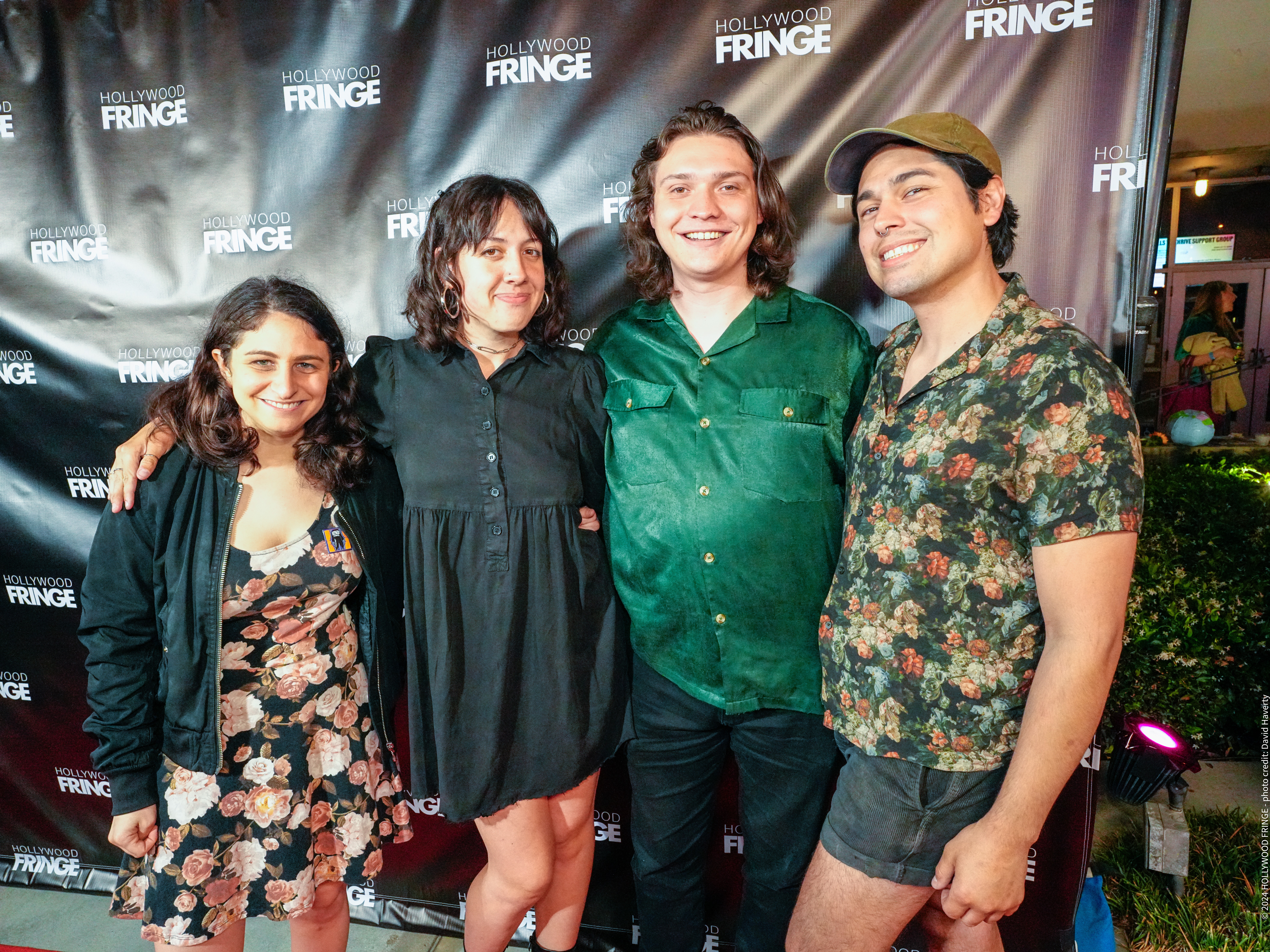
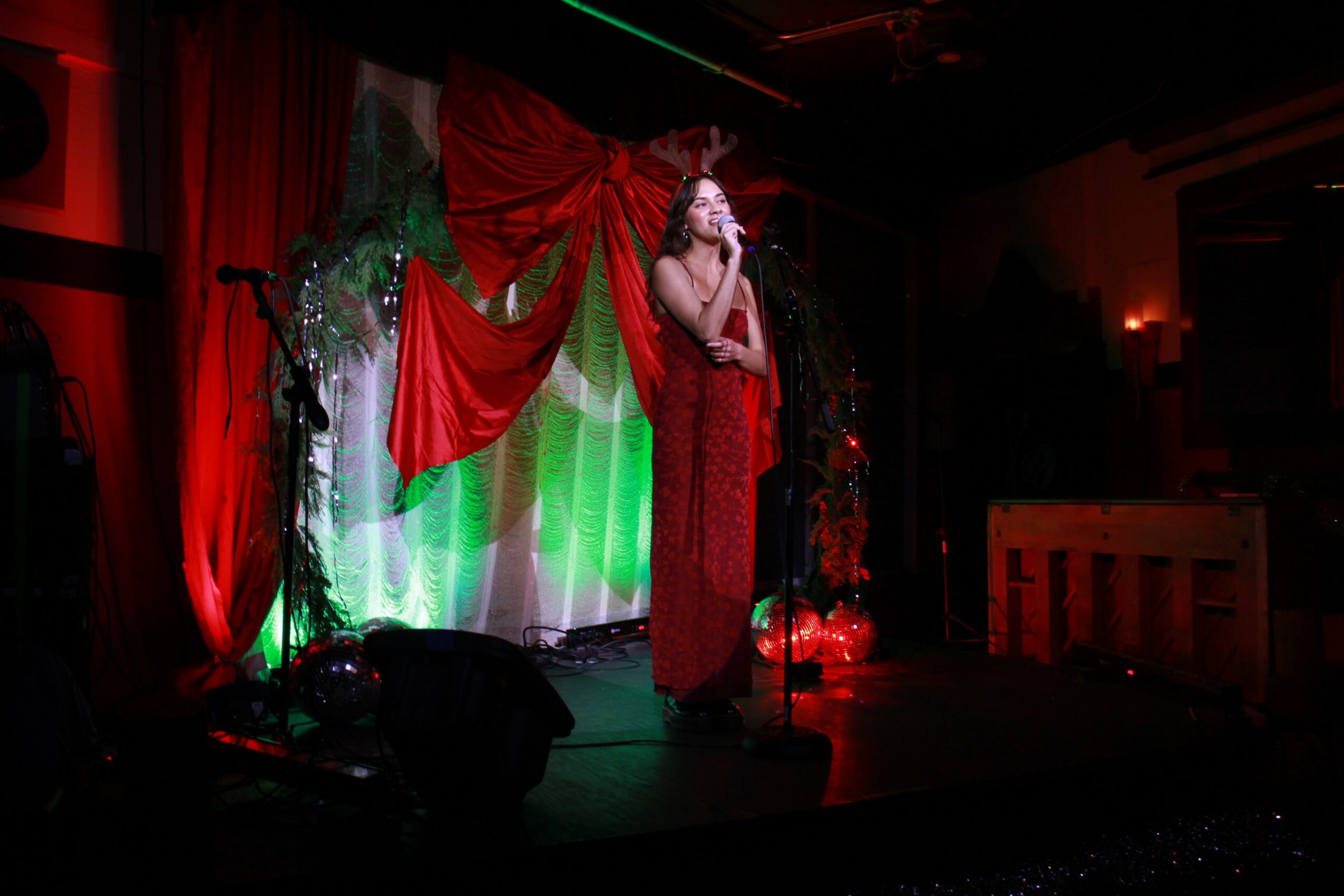
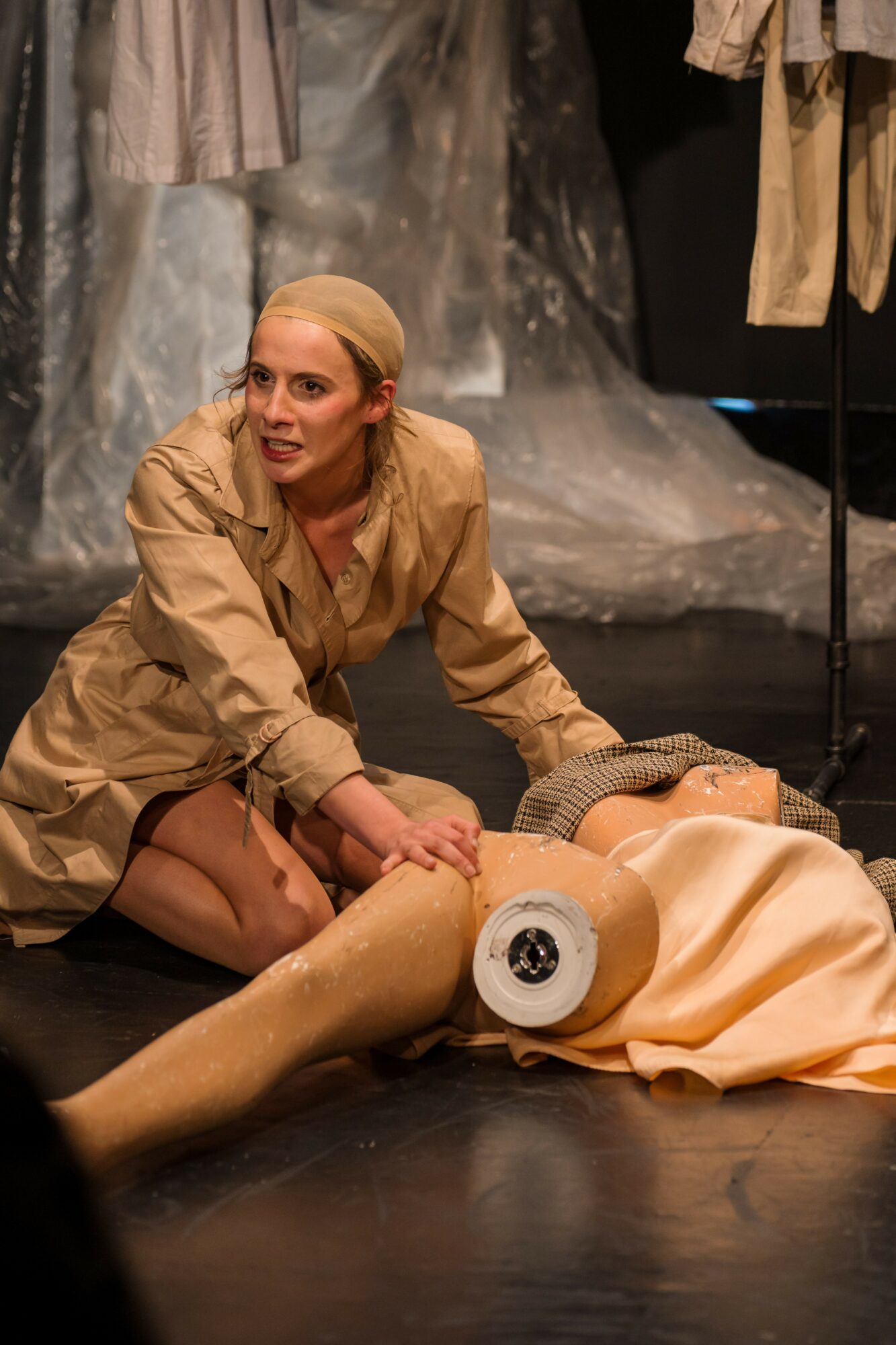
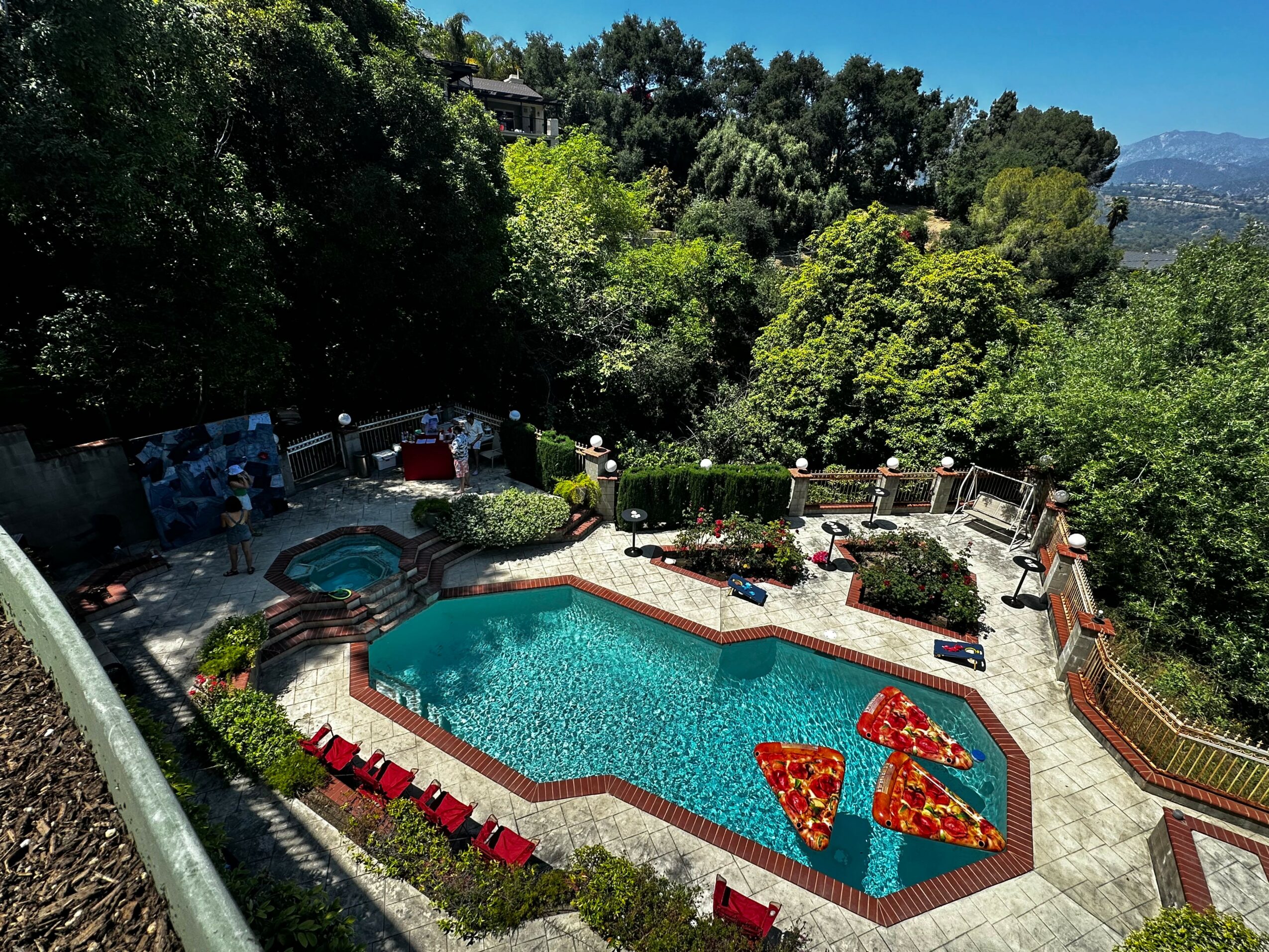
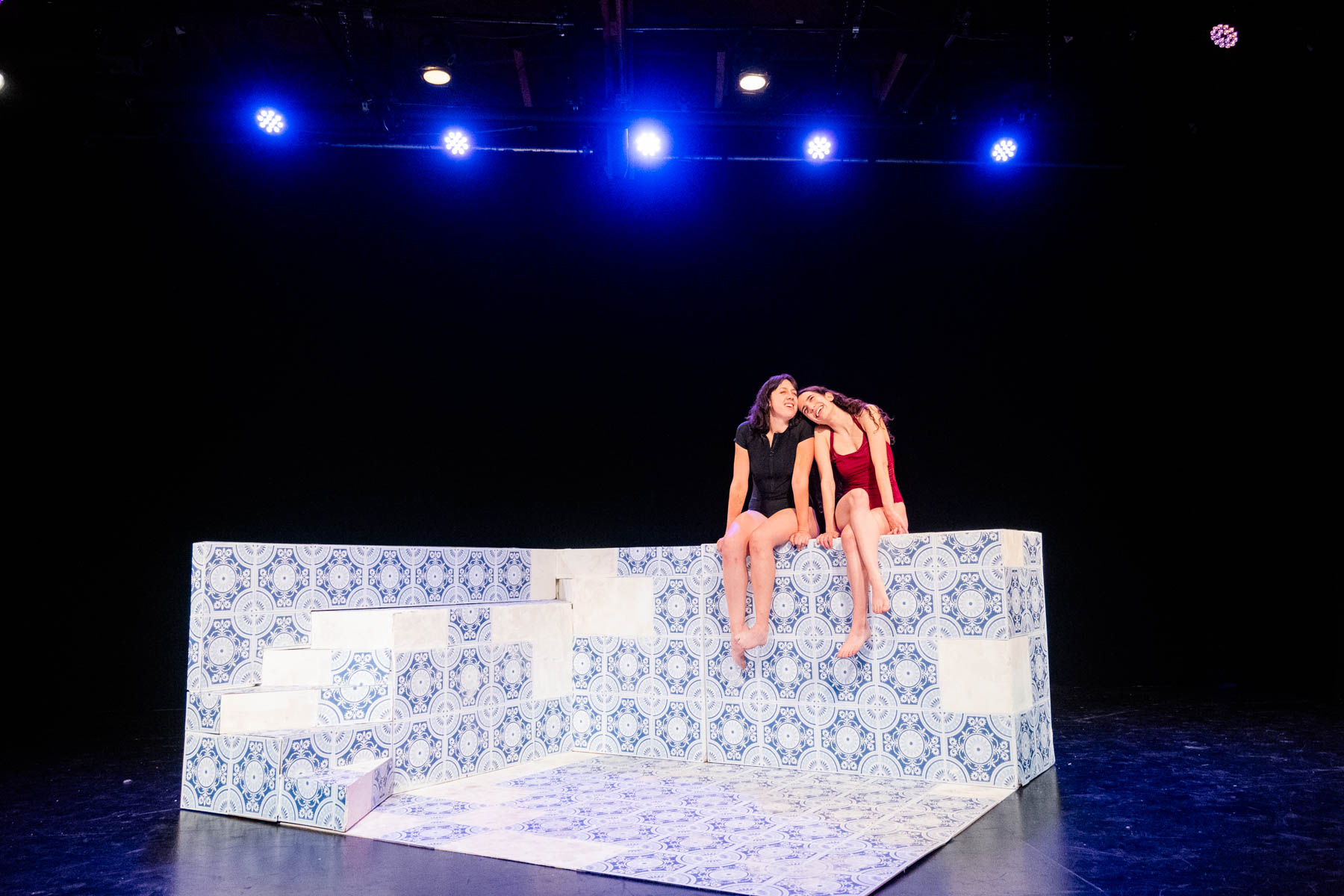
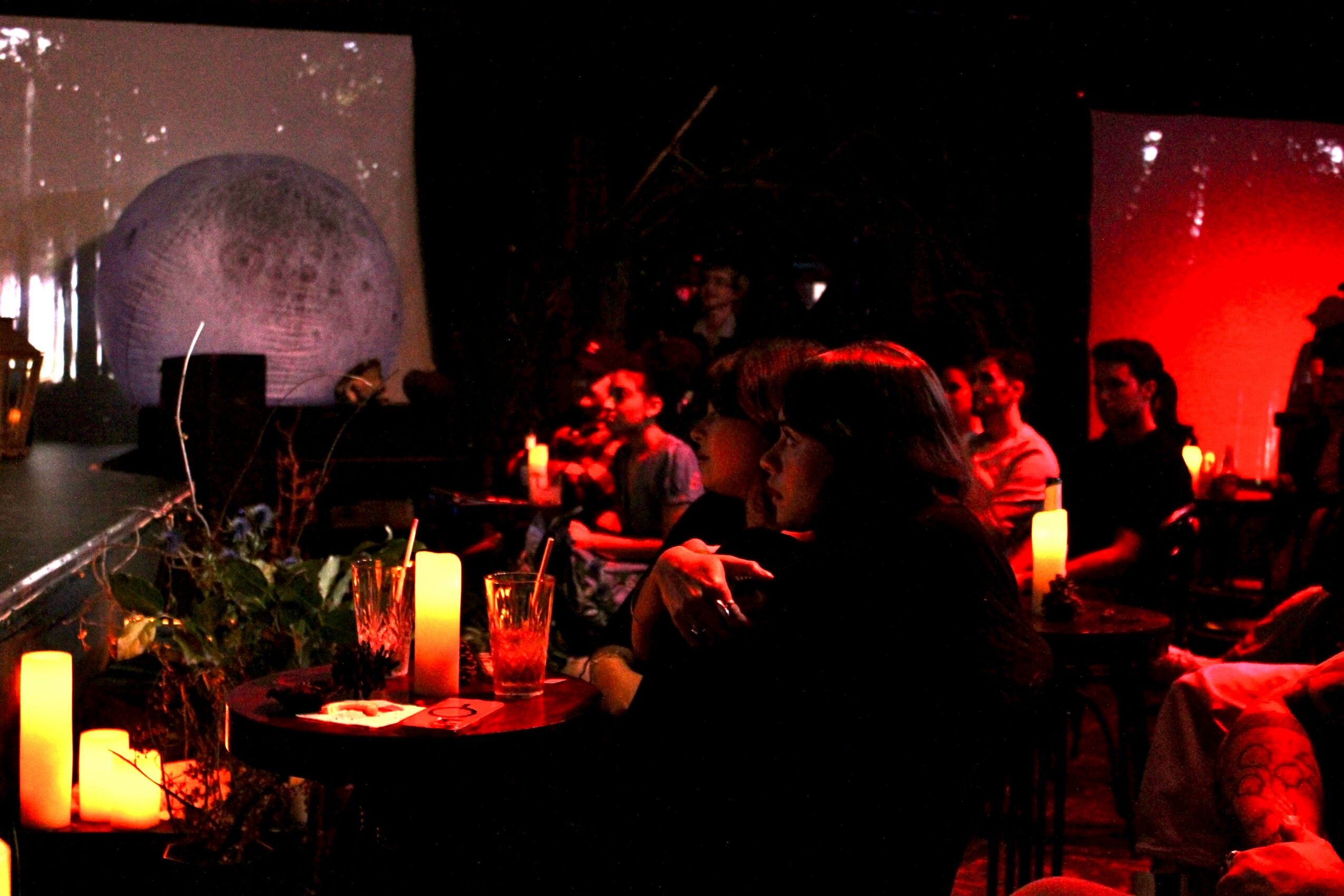
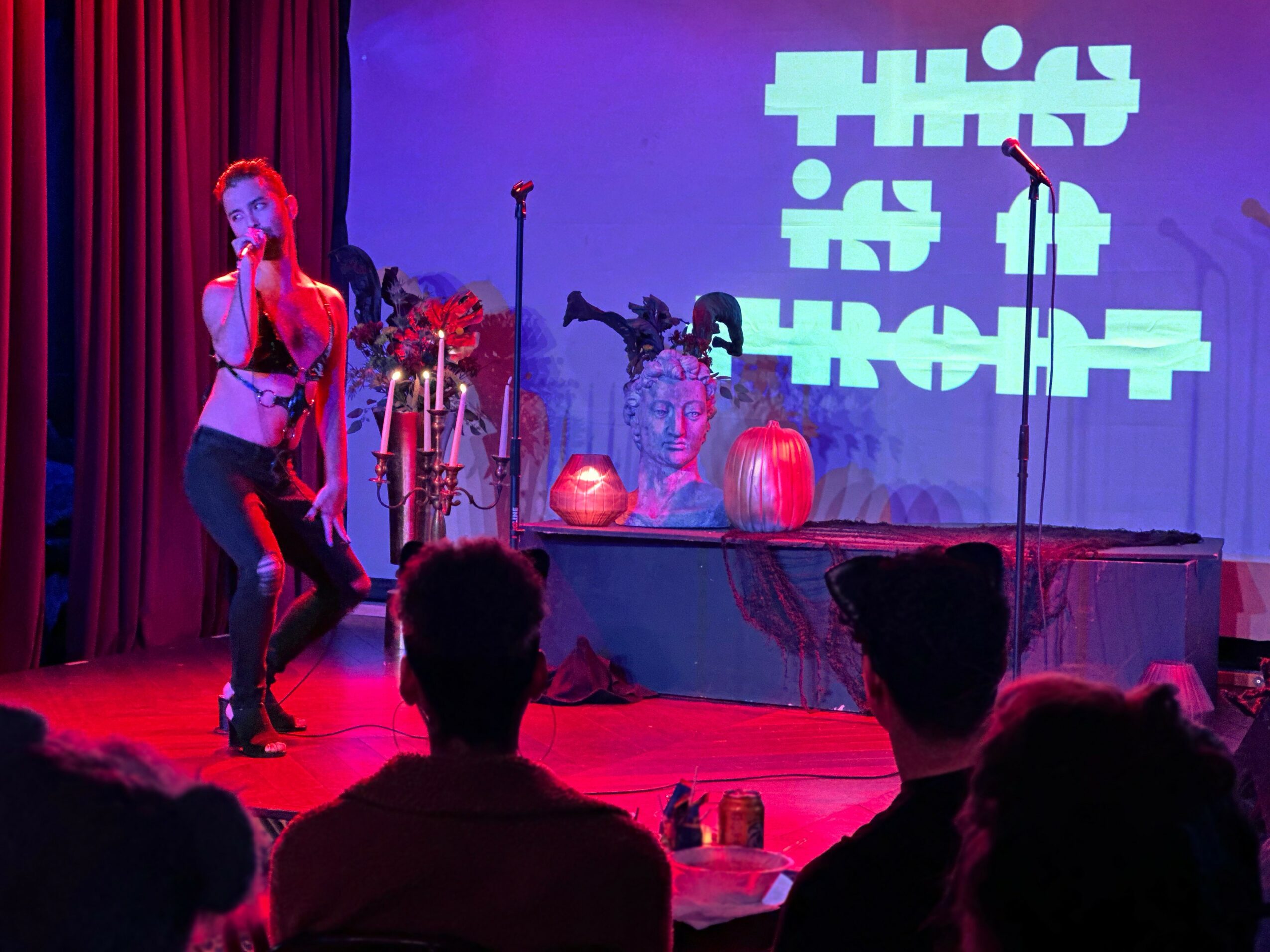
Image Credits
David Haverty, Annie Lesser, Joshua Moreno, Azael Perez, Kasee Shambora, Bryan Sloss
Popular
-

Christina Wren Steps Into the Director’s Chair to Tell Stories That Feel Like Home
-

Portraits of the Valley
-

LA’s Most Inspiring Stories
-

JordanL on ‘Breathe,’ Belief, and Building a Movement Beyond the Music
-

Megan Birney Rudert on How Access to Light Is Powering a More Sustainable and Equitable Future
-

Linda Kneidinger on Building Lasting Change Through Small Steps and Self-Compassion


