



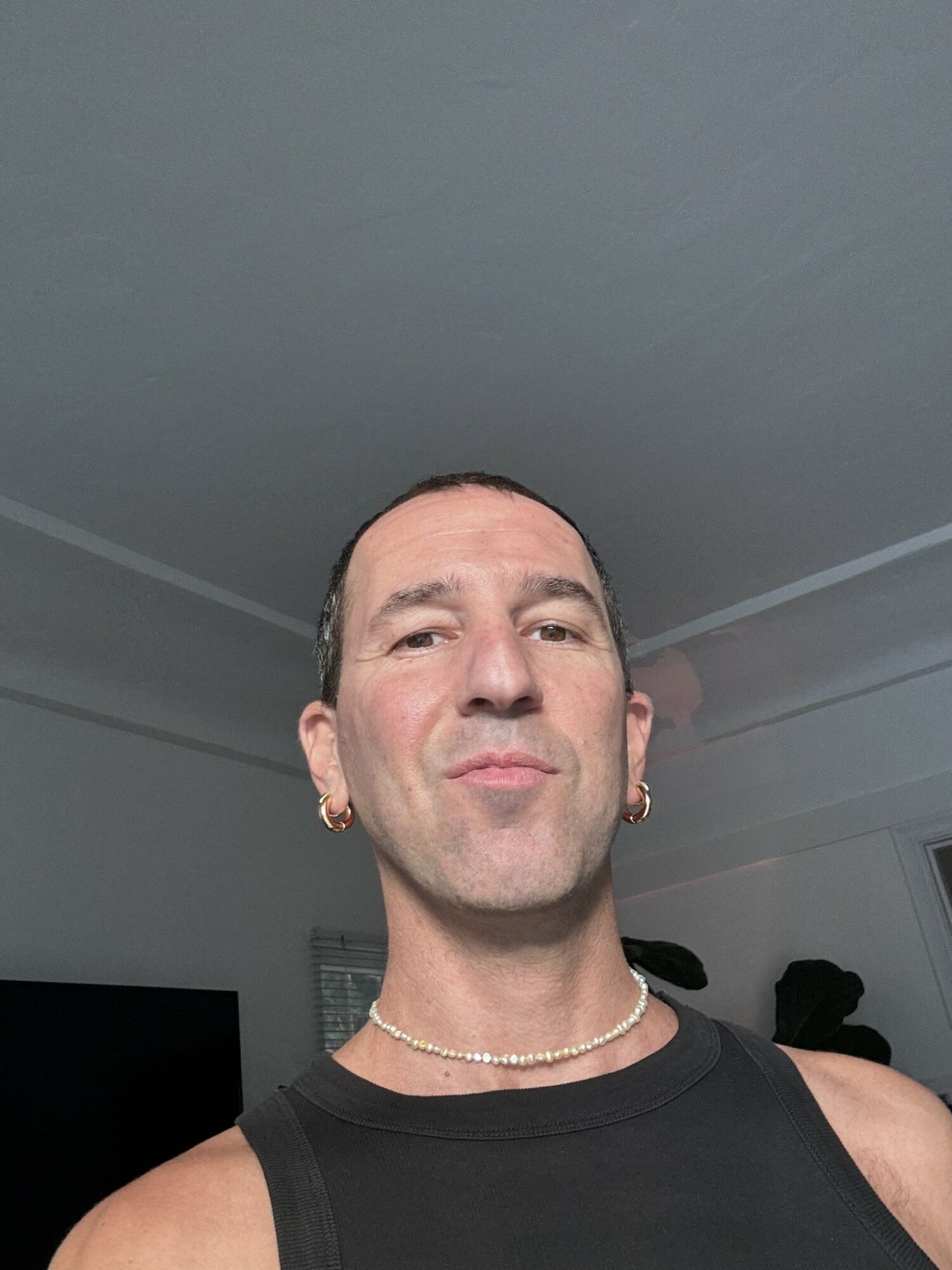
 Today we’d like to introduce you to Ziv Sade
Hi Ziv, thanks for sharing your story with us. To start, maybe you can tell our readers some of your backstory.
I grew up in a kibbutz (a small agricultural commune) in the beautiful Jordan Valley, Israel. As a dyslexic, closeted, nature-loving kid, I began to show an interest in photography and videography at a very young age—around 12 years old—when my older brother gave me my first analog Canon AE-1 camera. I became obsessed with the format. I used to skip classes to walk around and take photos, teaching myself all the technical aspects and experimenting with light, shadow, and movement.
Photography provided me with an outlet to express myself without judgment—a pure window into the world. It allowed me to process and filter my surroundings in a way that made things move slower and more manageable.
At 17, I joined a photography course at a nearby kibbutz, hosted by photographer Smadar Goren. When she saw my first roll of film, she told me, “I don’t want to teach you anything because I don’t want to ruin your natural, raw talent.” That sentence changed my life.
After traveling extensively (Africa, Spain, England, Amsterdam), gaining confidence, and collecting beautiful images, I moved to Tel Aviv at 20 to start my photography business. While working as a barista, I tried to make a name for myself in the local creative industry, focusing on networking and outreach. I sent countless emails to businesses and creative agencies daily, hoping to get my chance, while planning my first exhibition in the city.
After a few months, I began to gain traction and started getting work—food, product photos, and jewelry catalogs. Within a year, I was shooting every day and decided to leave my full-time job. I transitioned to working full-time as a photographer for various editorial and commercial clients, often shooting 5-6 days a week while also creating my own editorial work and producing exhibitions around the country.
At 23, I opened Studio Ziv Sade, which became a hub for emerging creative talents and a space for commercial and editorial shoots on a daily basis. After about five years working with both major and smaller brands in Israel, I felt like I was stuck in a loop. My curiosity about the American advertising industry, particularly the scenes in Los Angeles and NYC, grew. So, at 28, I decided to sell all my equipment, close the studio, and move.
I knew I would need to start over. It was frightening, but something drove me—a motivation similar to what I felt when I started at 20. The path in LA was challenging, but I was determined to make it work. I repeated the same formula: networking, sending emails, and maintaining a goal-driven mindset. I worked as a barista for a while, living with four girls (two of whom remain my best friends) while initiating editorials with talent/models and getting them published. Jason Wimberly, a talented fitness guru and model, became my first muse. He introduced me to people and we shot extensively together in the beginning; it was a magical experience.
Gradually, I gained traction and began working full-time as a photographer for a venture capital office in Newport Beach, where I spent the next five years. They launched several new brands, and I had the opportunity to shoot and produce various projects for them, including work with Nicole Richie, Tyson Beckford, Sir Anthony Hopkins, Cesar Millan, and George Lopez. I handled product photos, lifestyle shoots, and contributed to shaping the overall brand look and feel.
After about three years, I moved to GT’s Living Foods, where I created and produced not only photo content but also videos and motion graphics campaigns. Recently, I’ve been freelancing and taking back control of my business. I now have multiple clients across various industries, including food and beverage, lifestyle, apparel, tech, and jewelry, and continue to shoot editorial content and create images I’ve always dreamed of, collaborating with people I admire.
I am planning to celebrate my 20th anniversary in photography with a large exhibition in two years.
Can you talk to us a bit about the challenges and lessons you’ve learned along the way. Looking back would you say it’s been easy or smooth in retrospect?
The road was not smooth, but from every struggle, I have learned and become better. Dealing with clients and running a business involves not only delivering creatively but also providing excellent customer service, leading with kindness, and navigating different personalities on set.
One thing I have to remind myself constantly is to have fun. Yes, it’s a business, but it’s also creative. I need to ensure my mind remains in the right space and balanced. Finding joy, working on my own shoots, and feeding my creative needs are essential.
I take my career very seriously; it’s my life. It brought me here and provides my meals and the roof over my head. Being thankful for that is very grounding.
I had to learn confidence and control, I was taken advantage of a lot of times and I had to learn to navigate between kindness and confidence, in order to protect myself.
Appreciate you sharing that. What else should we know about what you do?
I now define myself as a multimedia creator since I work with not only images but also videos and motion graphics. My core focus is portraiture and lifestyle photography, and I am fascinated by documenting faces and experimenting with lighting to create different moods and expressions.
When I am on set, I feel as if I float. I let the light transport me to a magical universe beyond space and time. I surrender to the light and let it guide me. I am not afraid to experiment with light and composition; I believe it is my obligation to push the subject further and explore new ways to present it.
What sort of changes are you expecting over the next 5-10 years?
I think the creative industry is going through a shock at the moment. With recent strikes and the implementation of AI, brands are recalculating. However, from my experience and conversations with other industry veterans, there is no replacement for true craftsmanship.
There is no substitute for human interaction and genuine, original creation. I believe that while AI can be a useful tool, it will not replace an original work of art or a handmade ad or campaign. Consumers are not easily fooled; they can tell when something is not authentic, and there will be no connection in those instances.
Contact Info:
- Website: https://www.zivsade.com
- Instagram: https://www.instagram.com/iamzivsade/
- Facebook: https://www.facebook.com/zivsade/
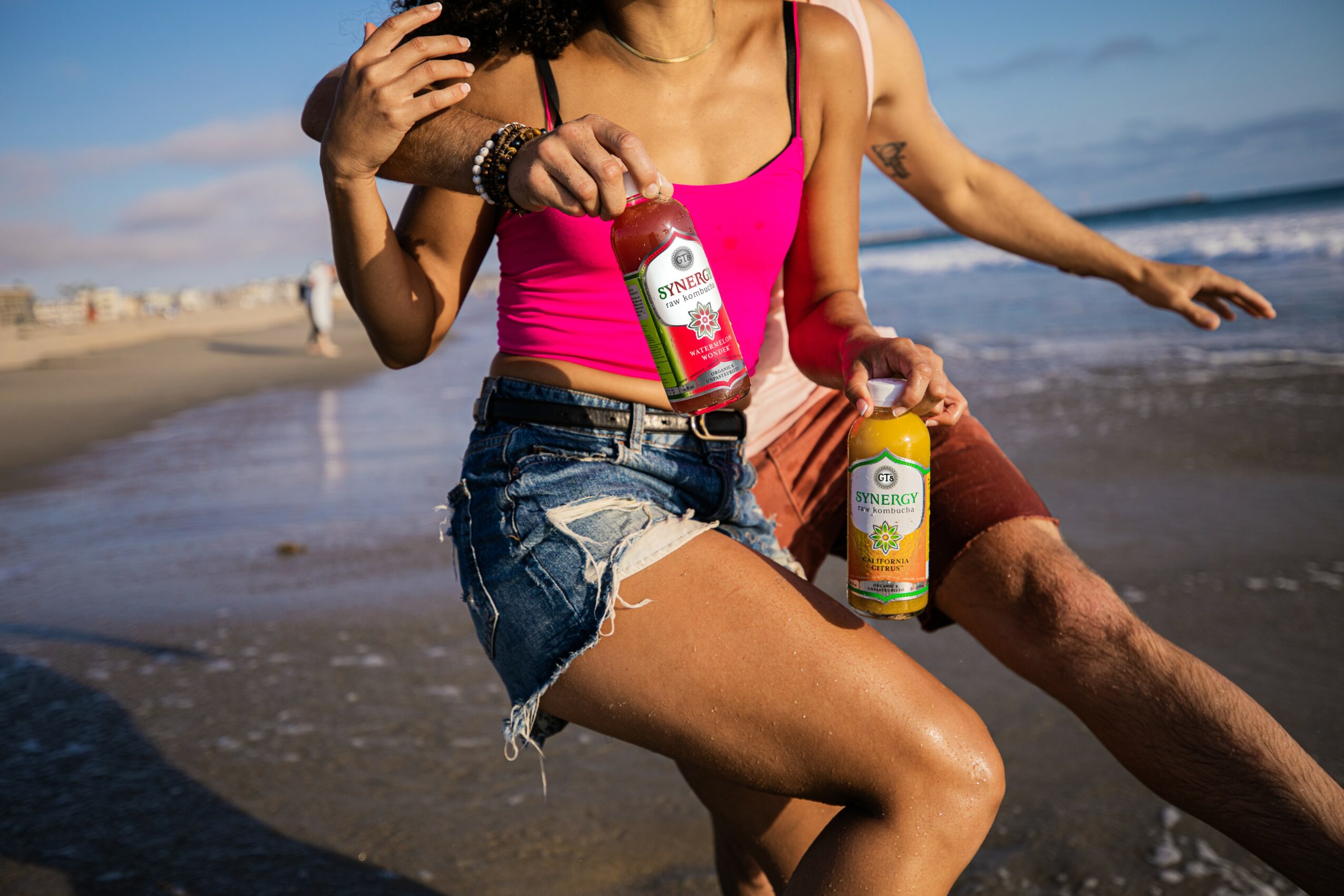
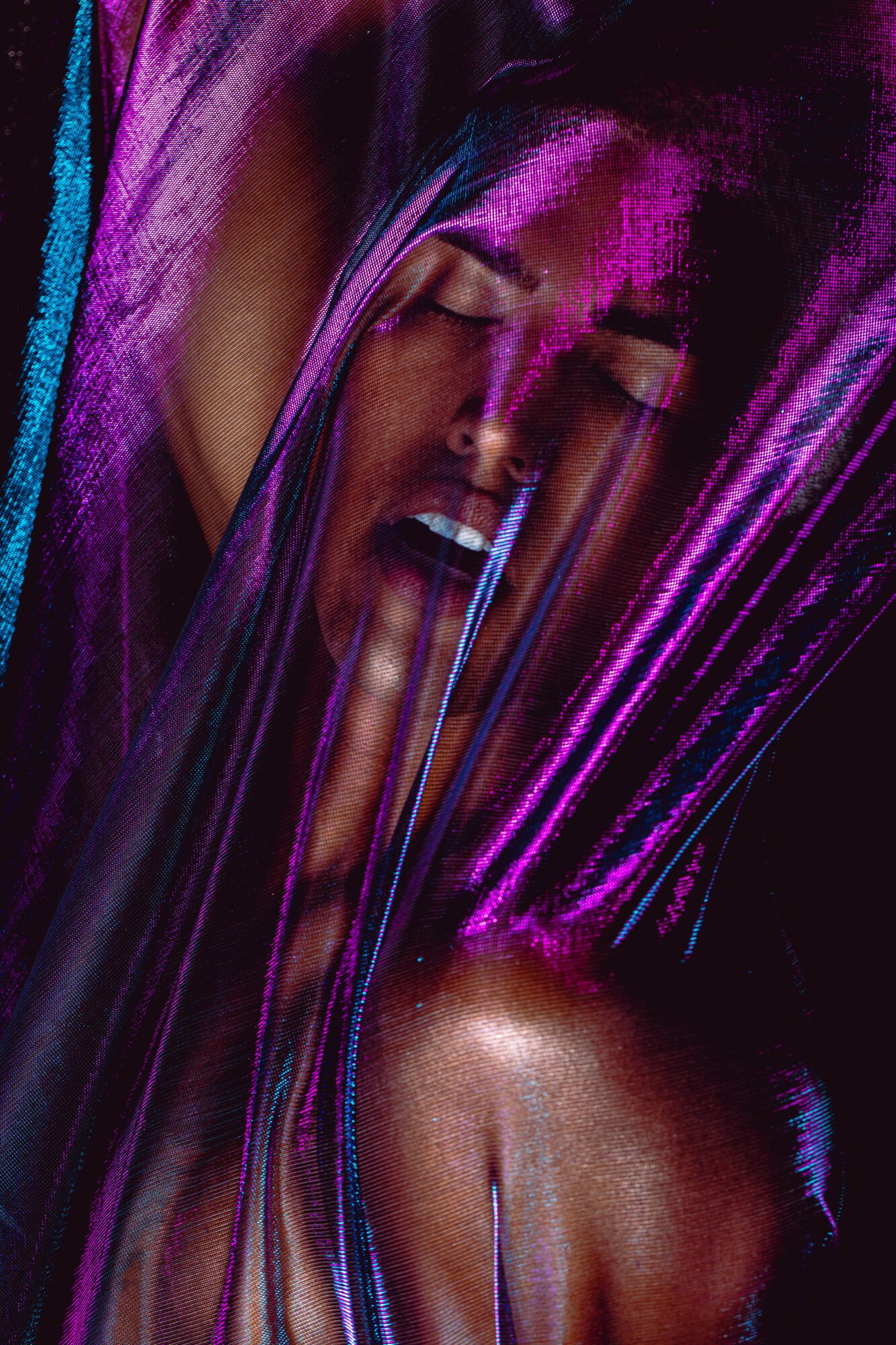
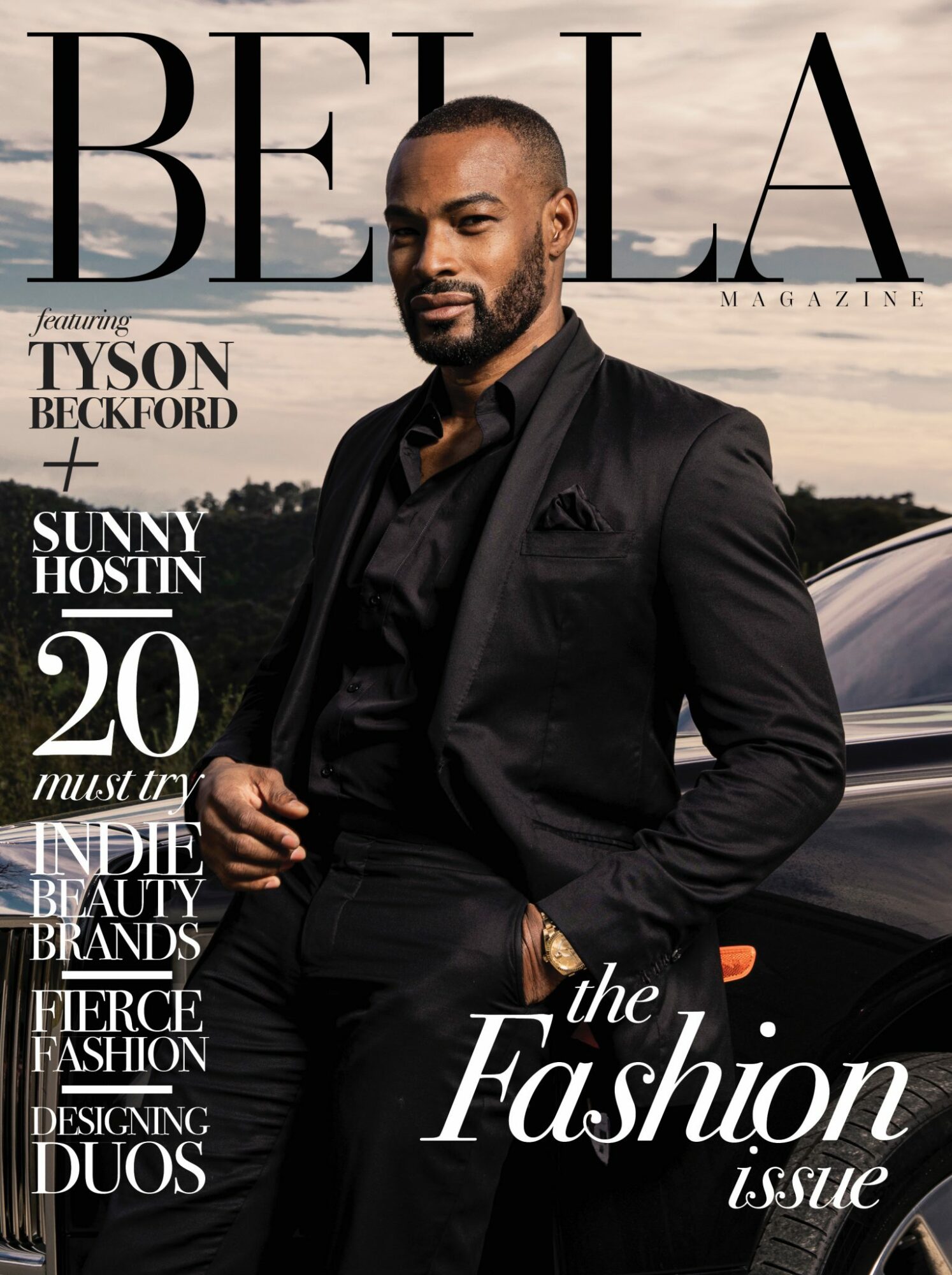
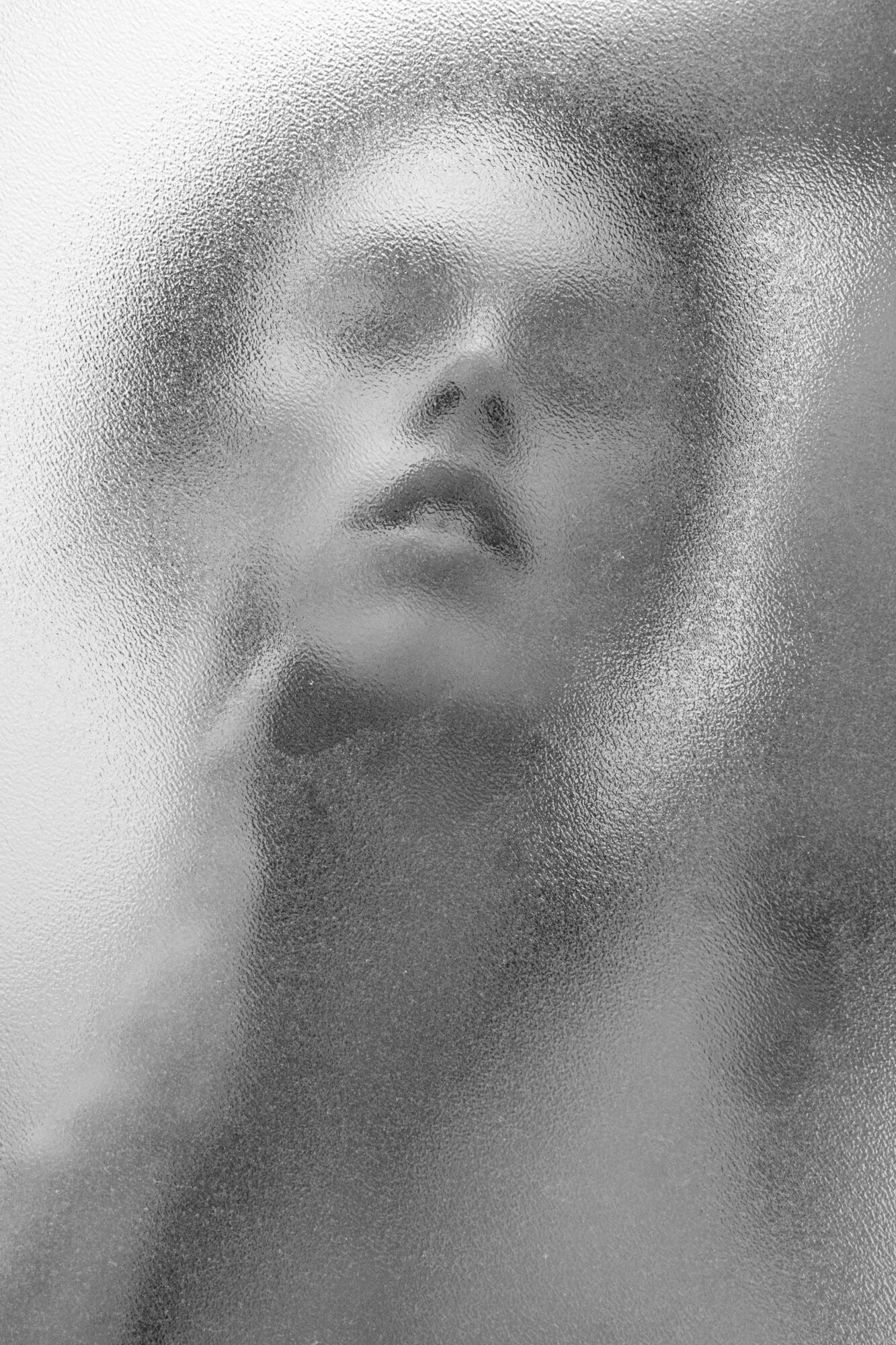
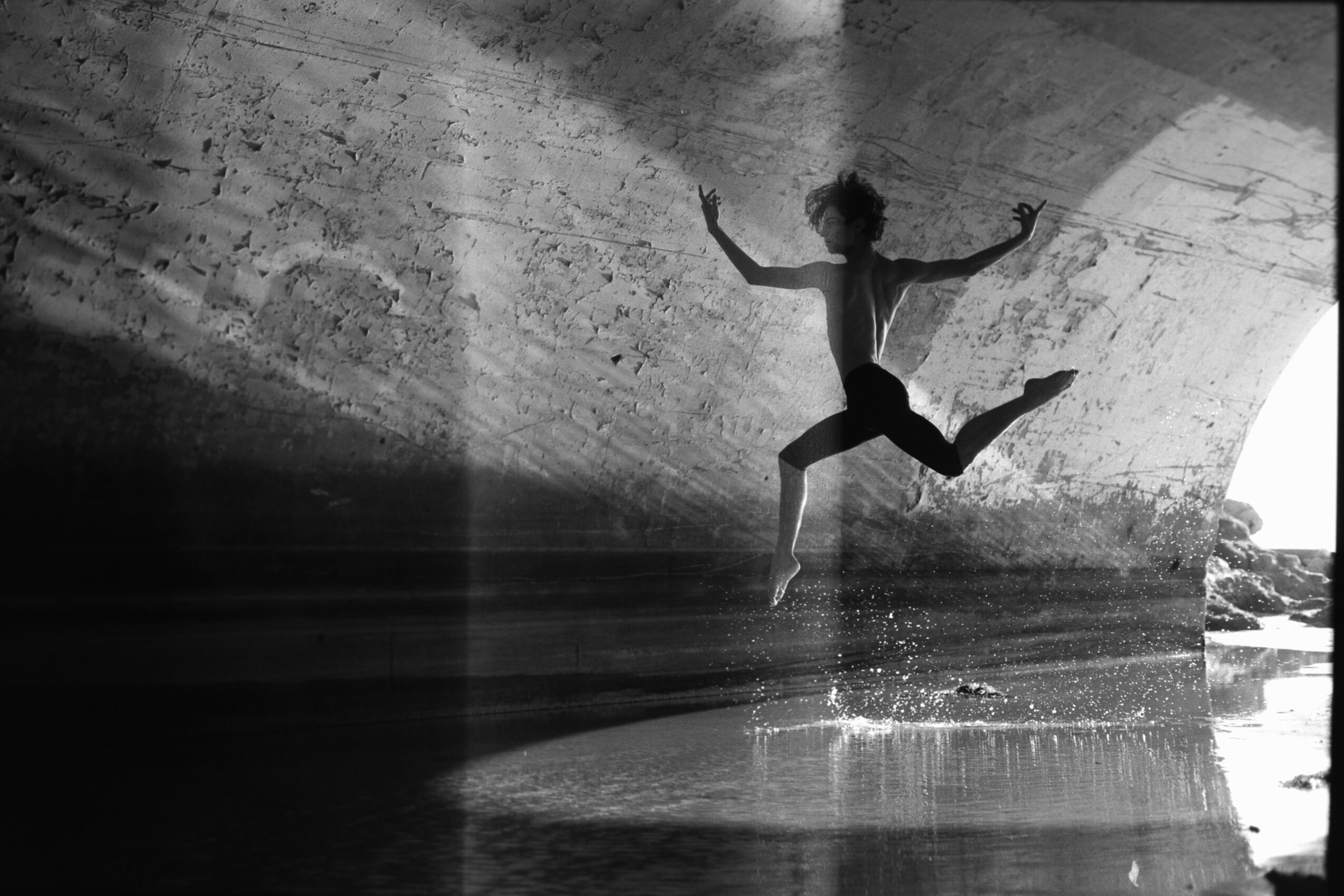
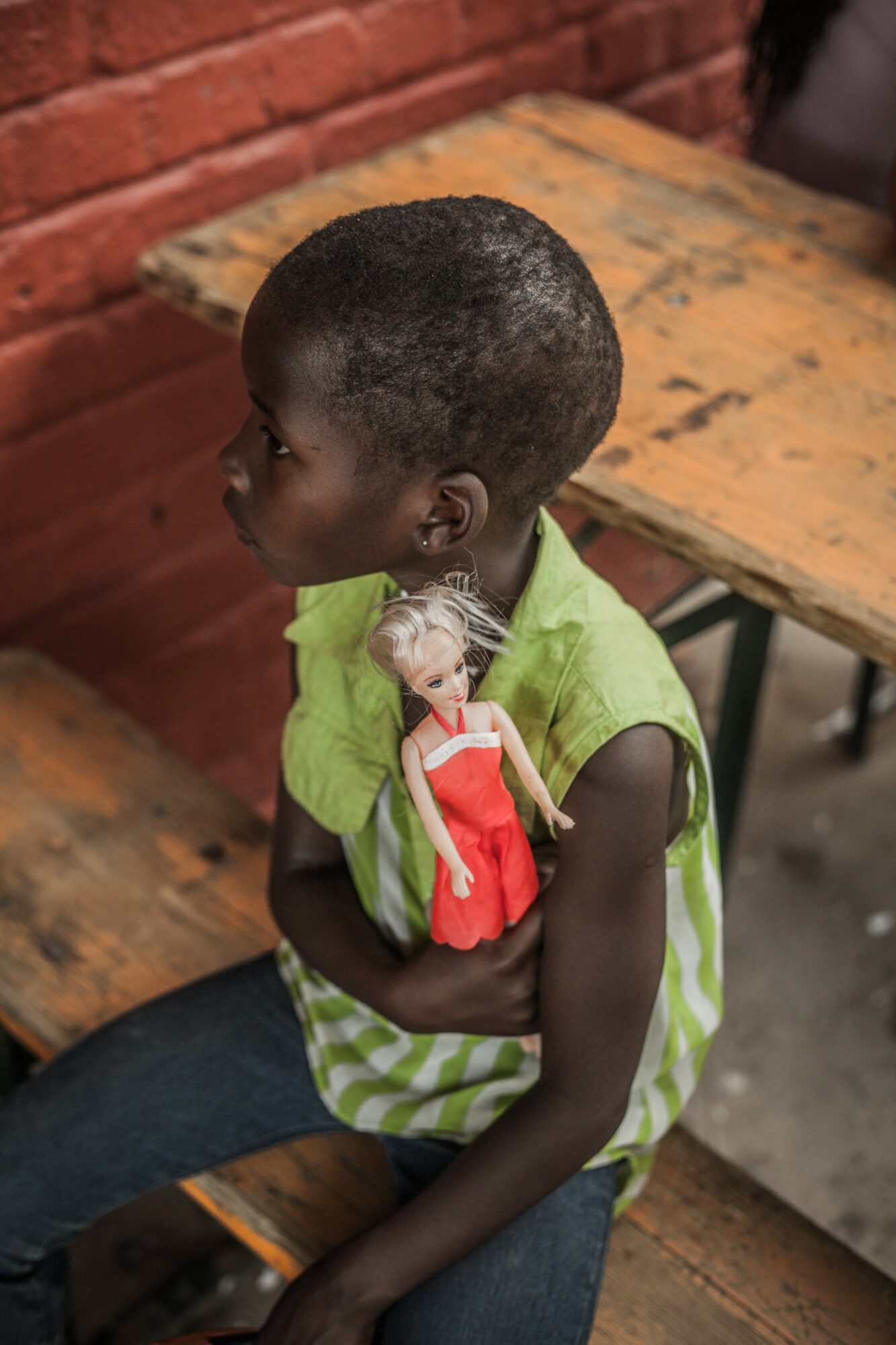
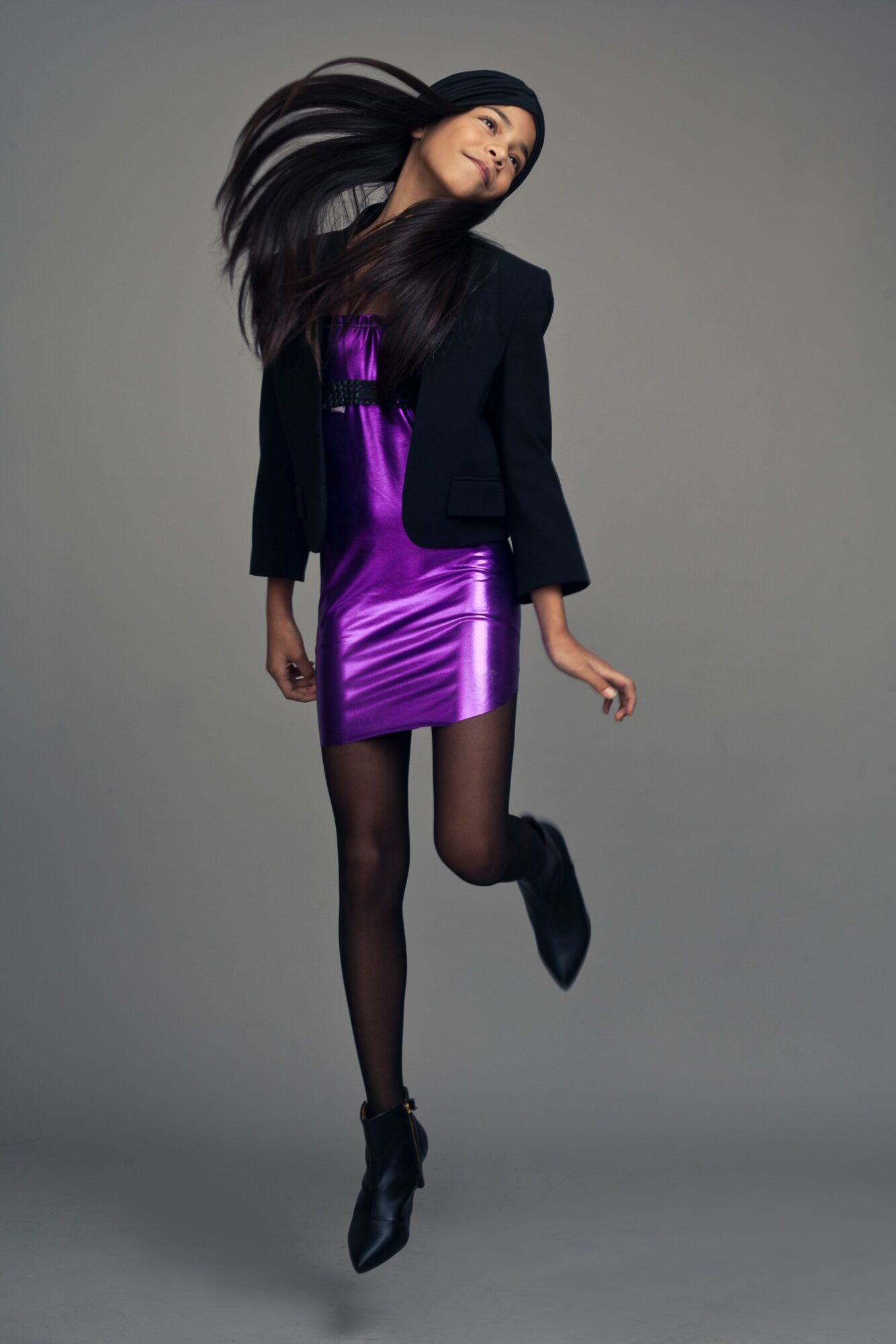
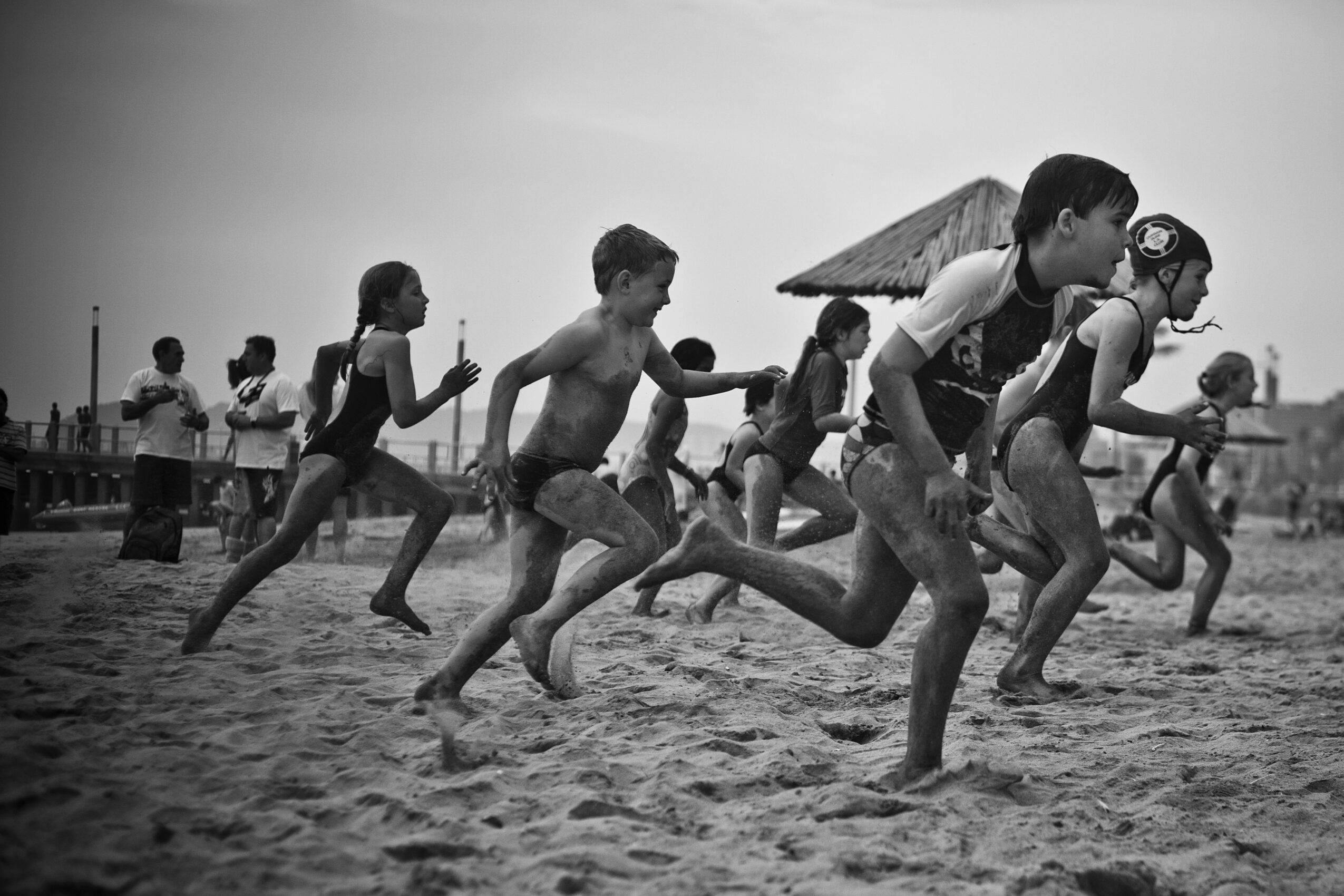
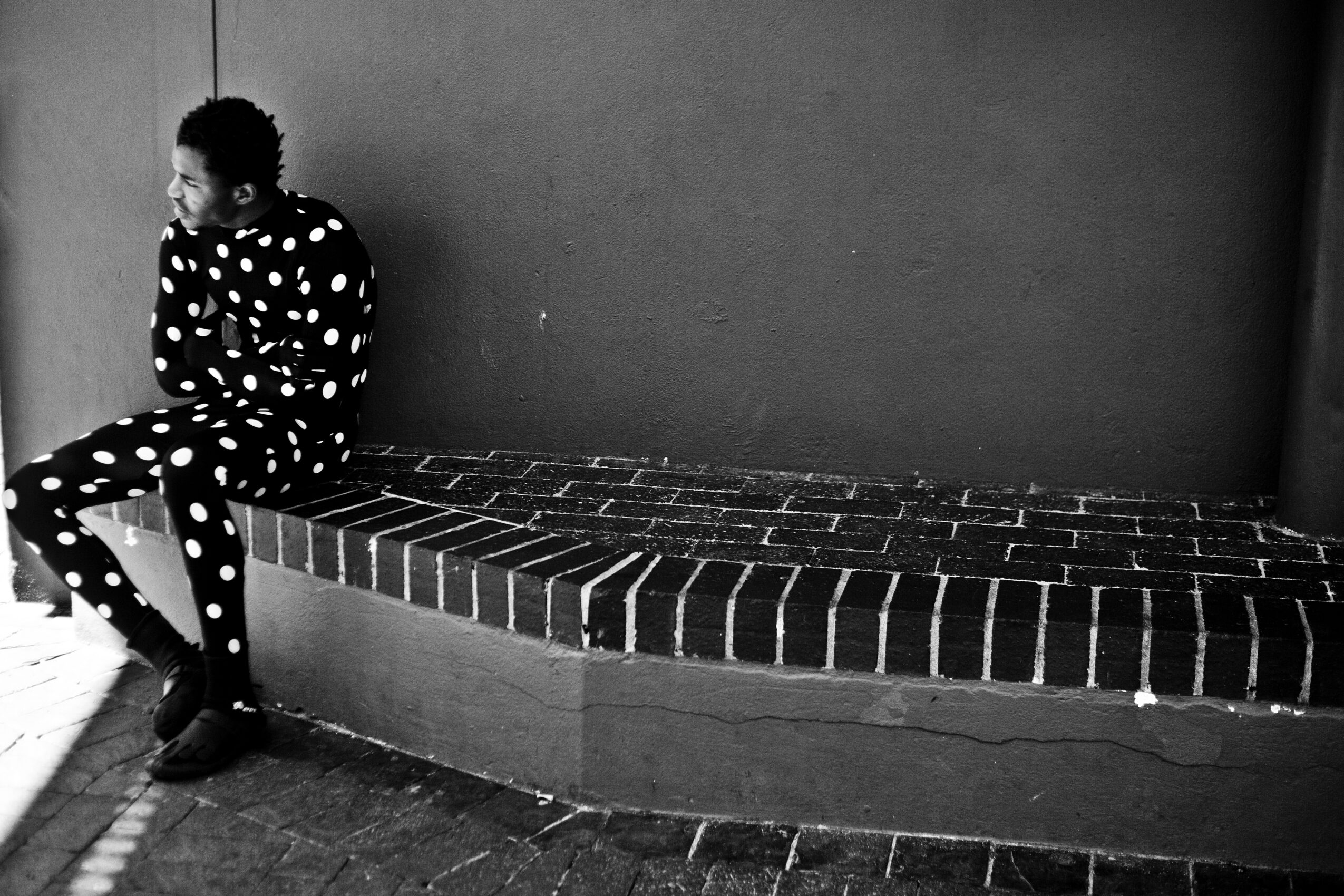
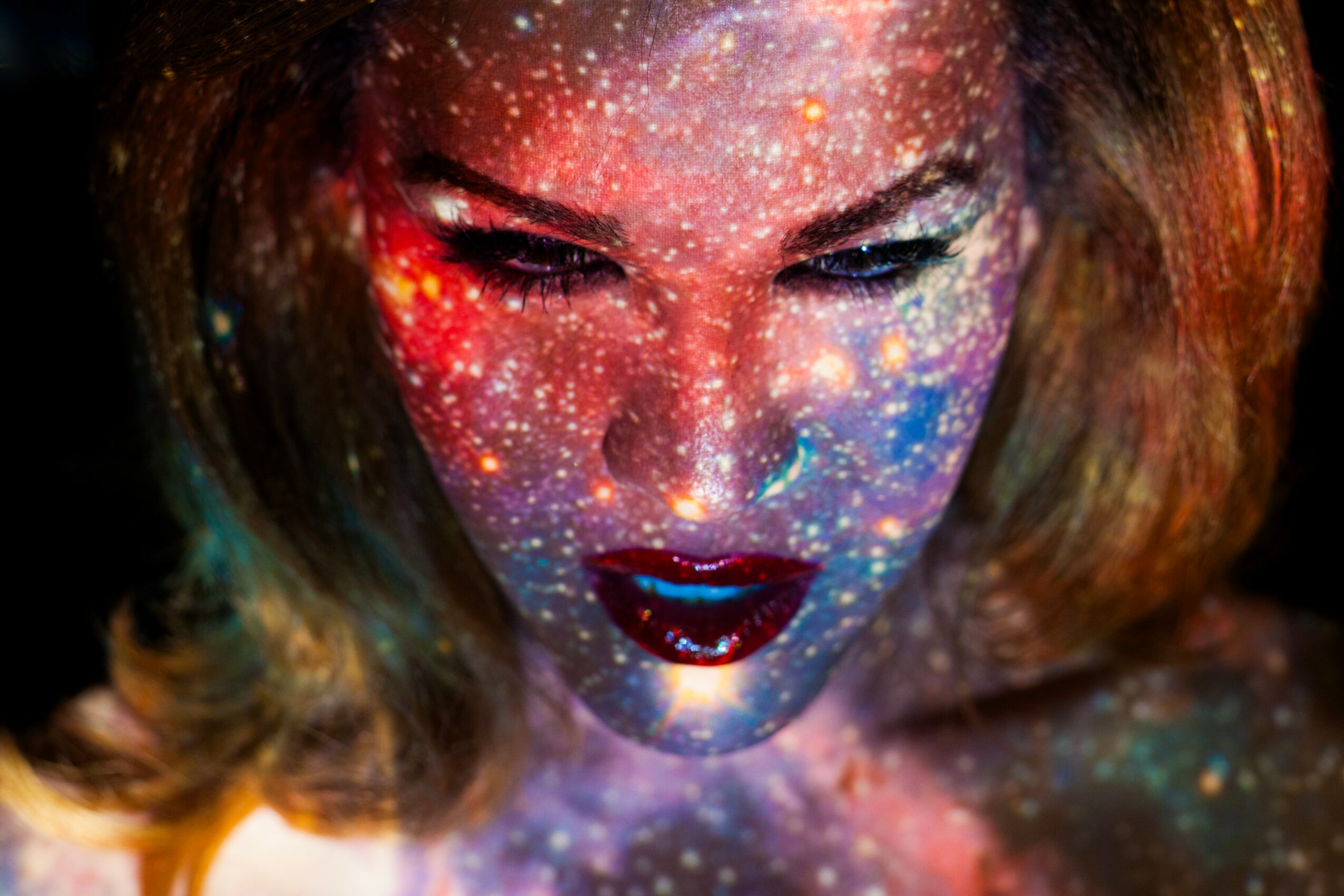
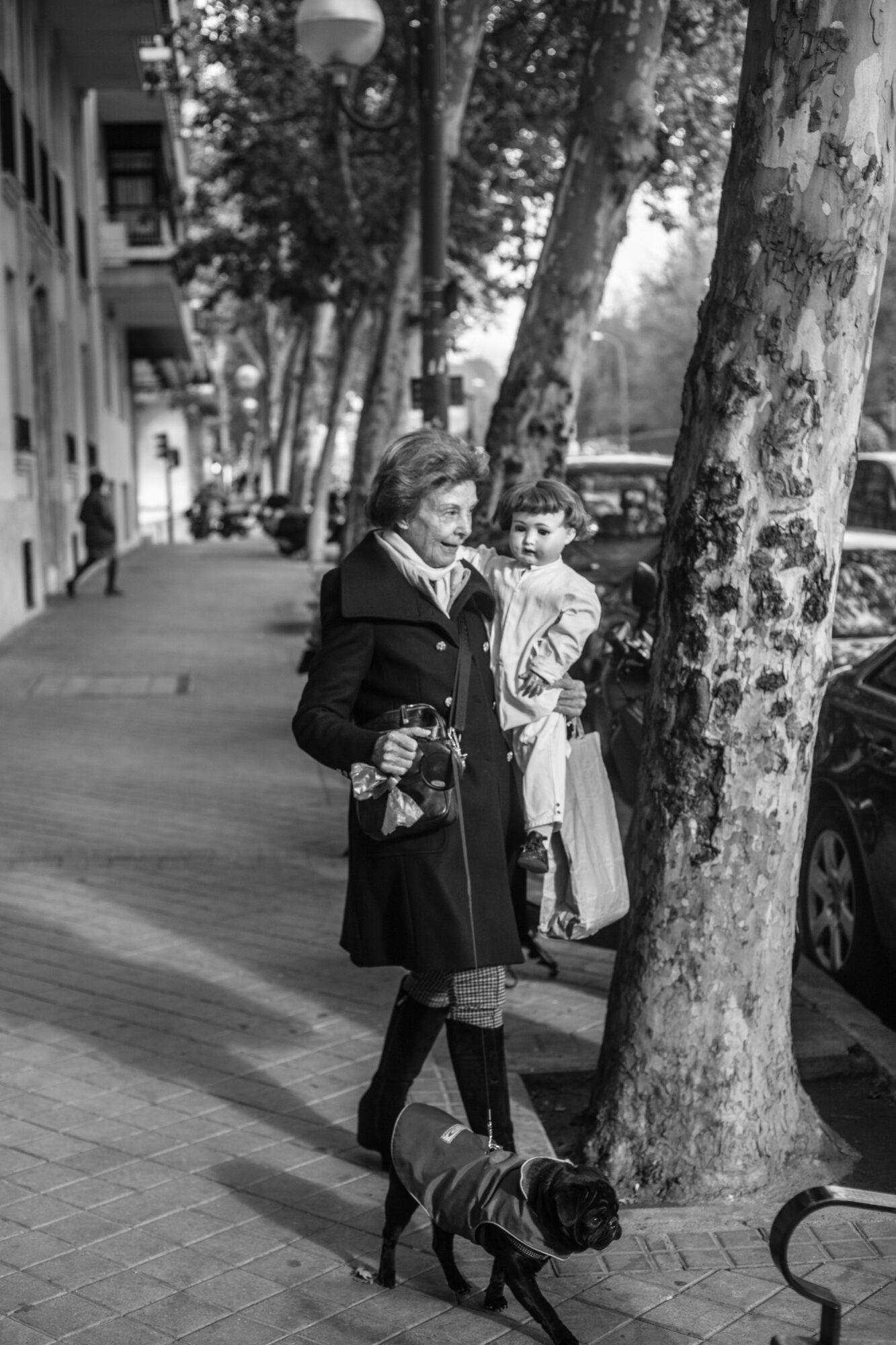
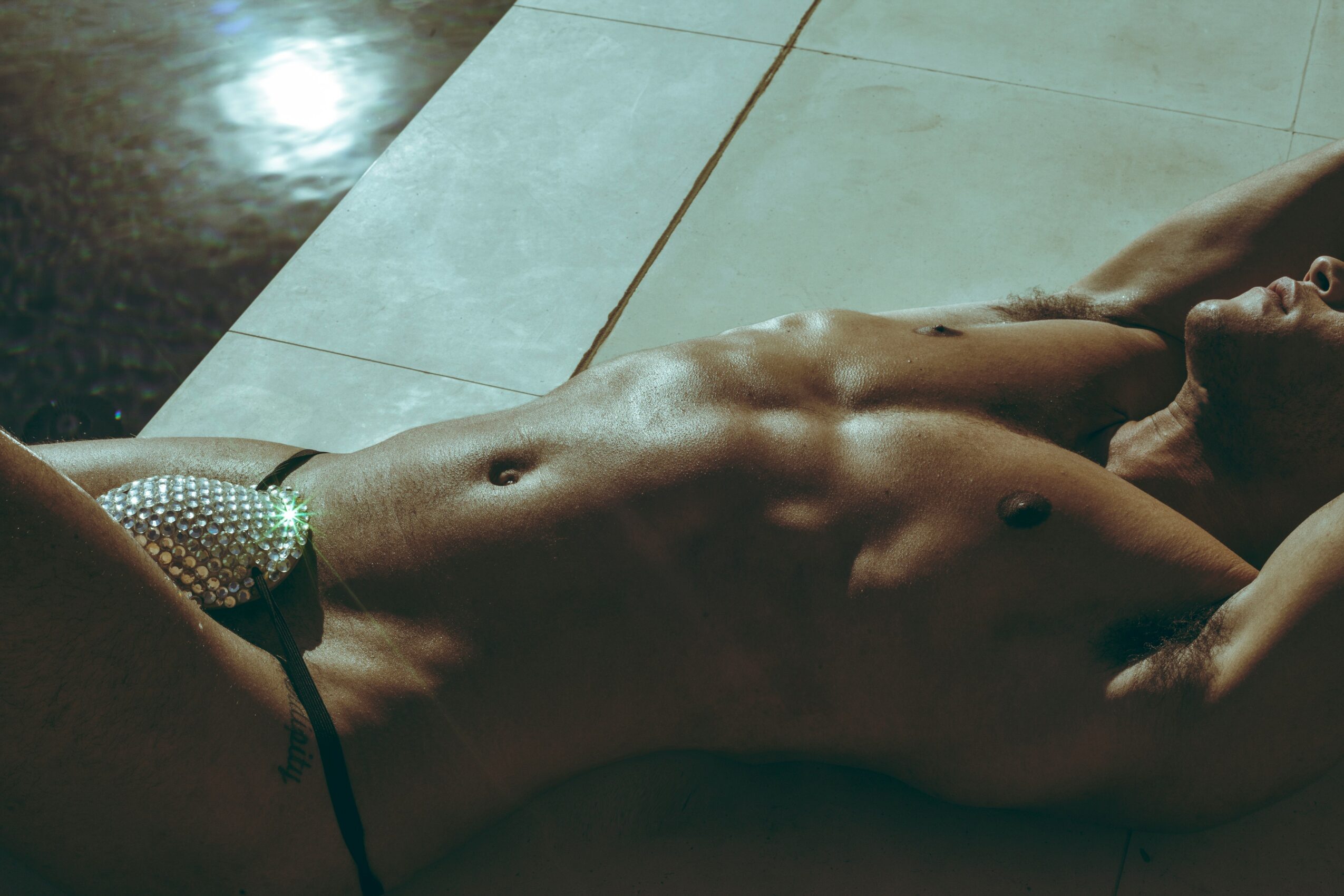
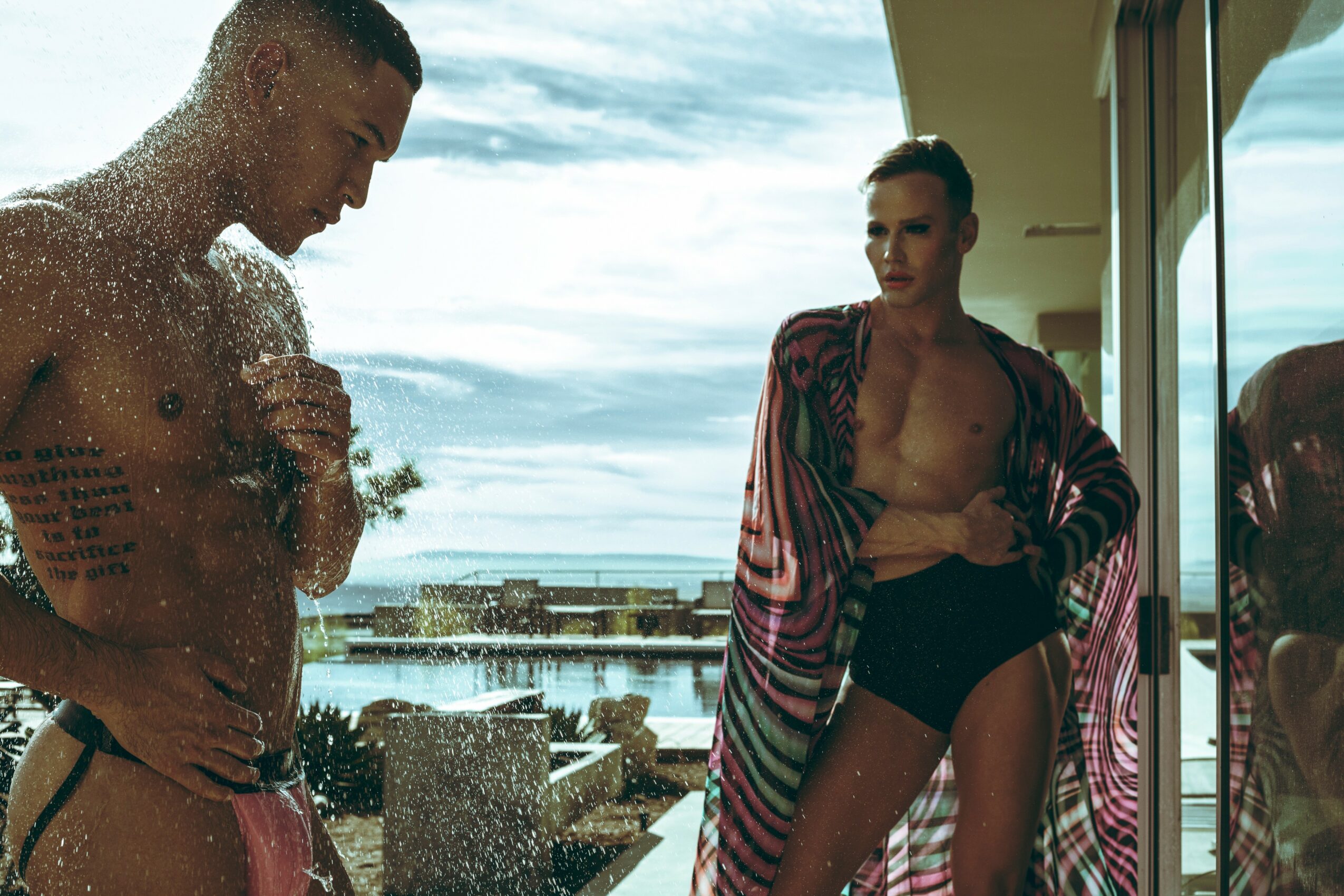
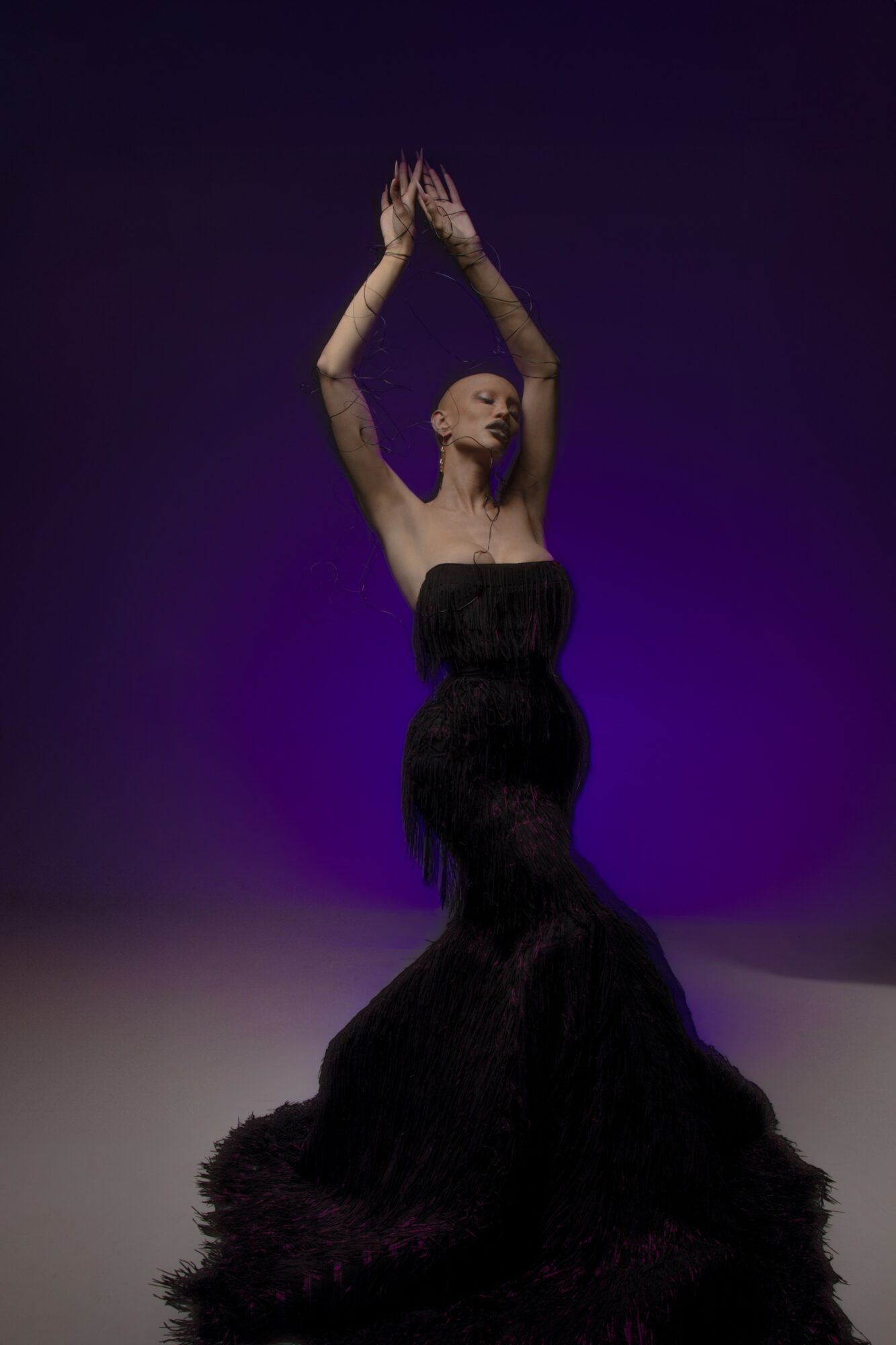
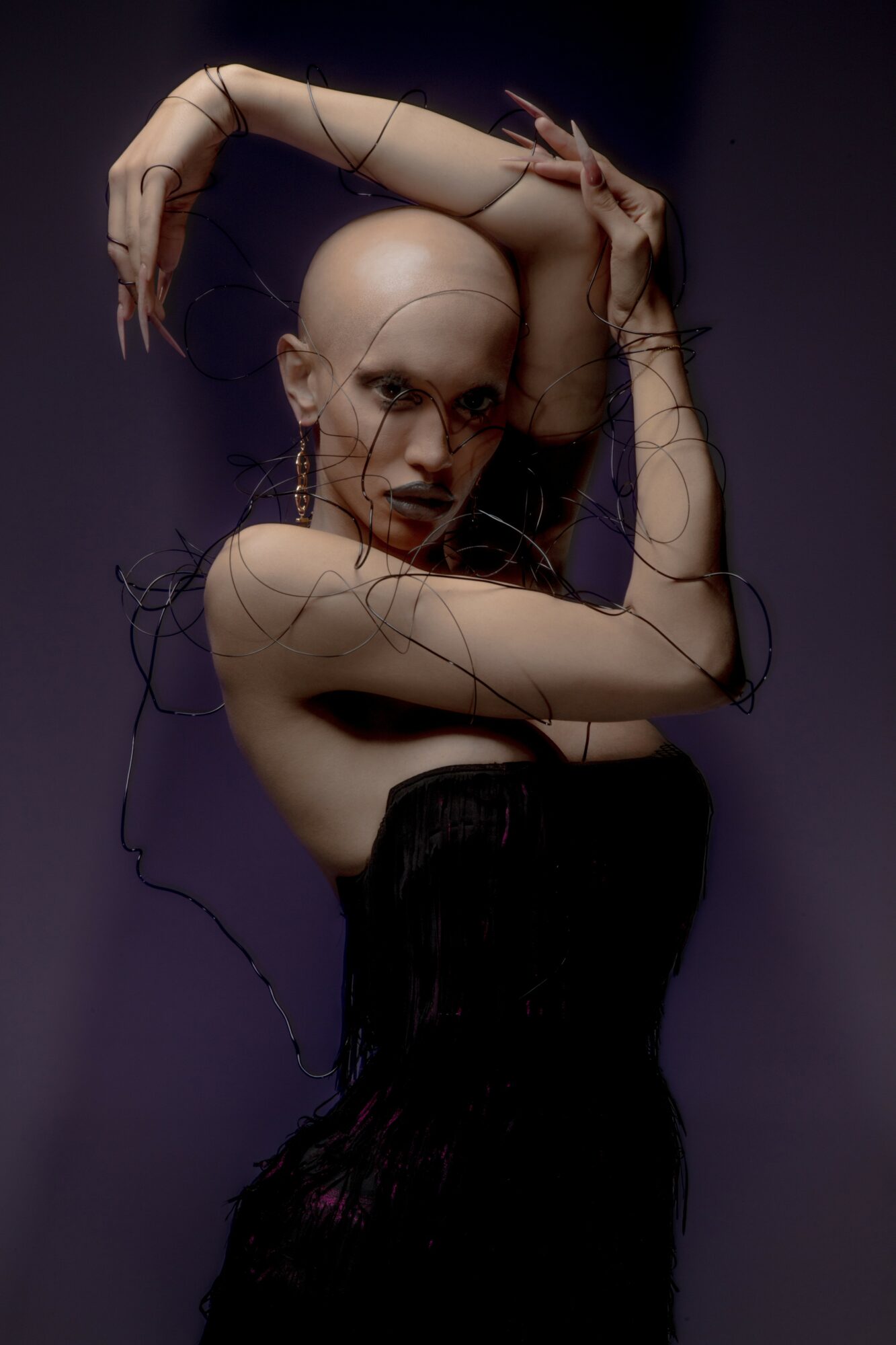
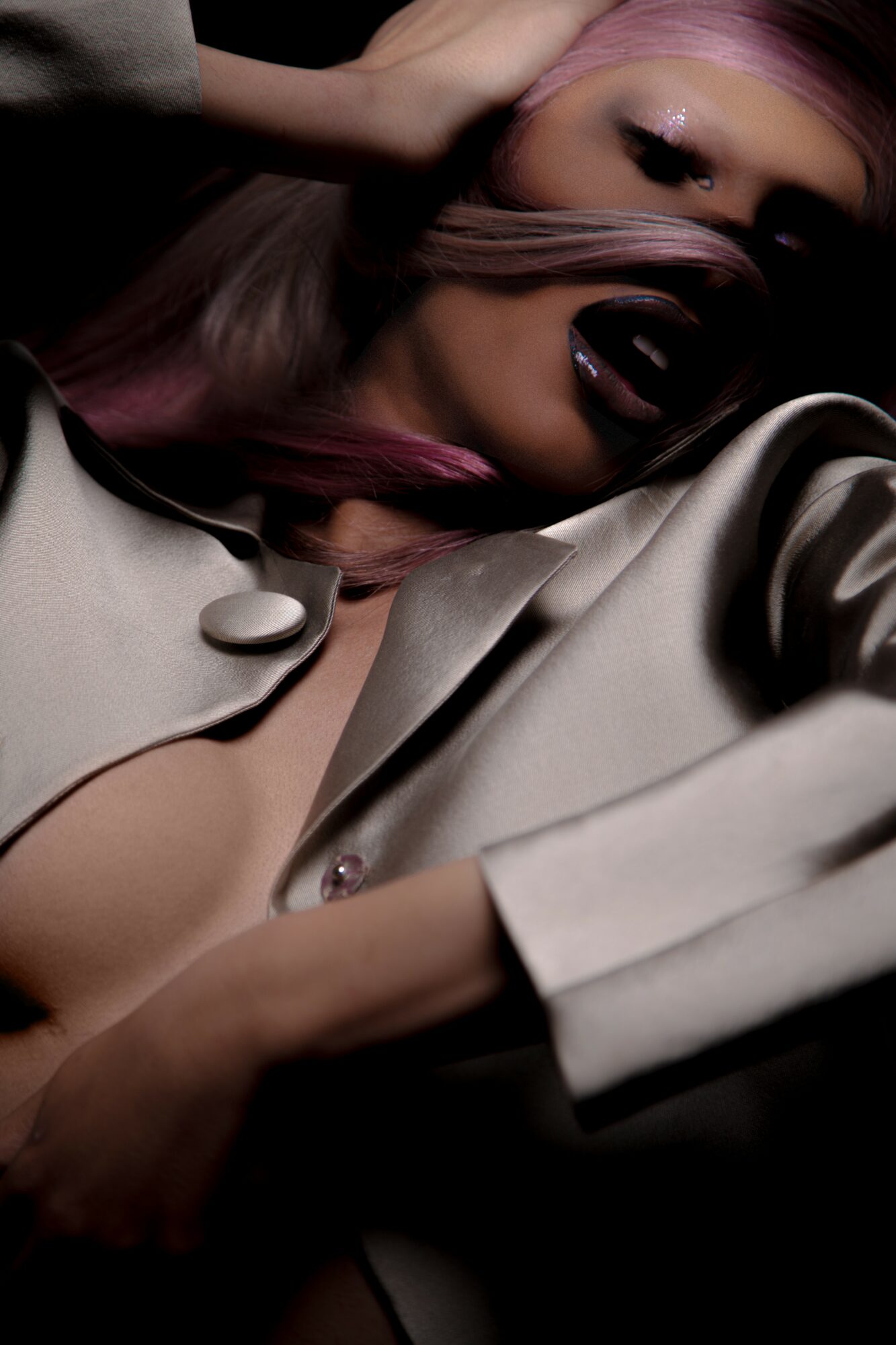
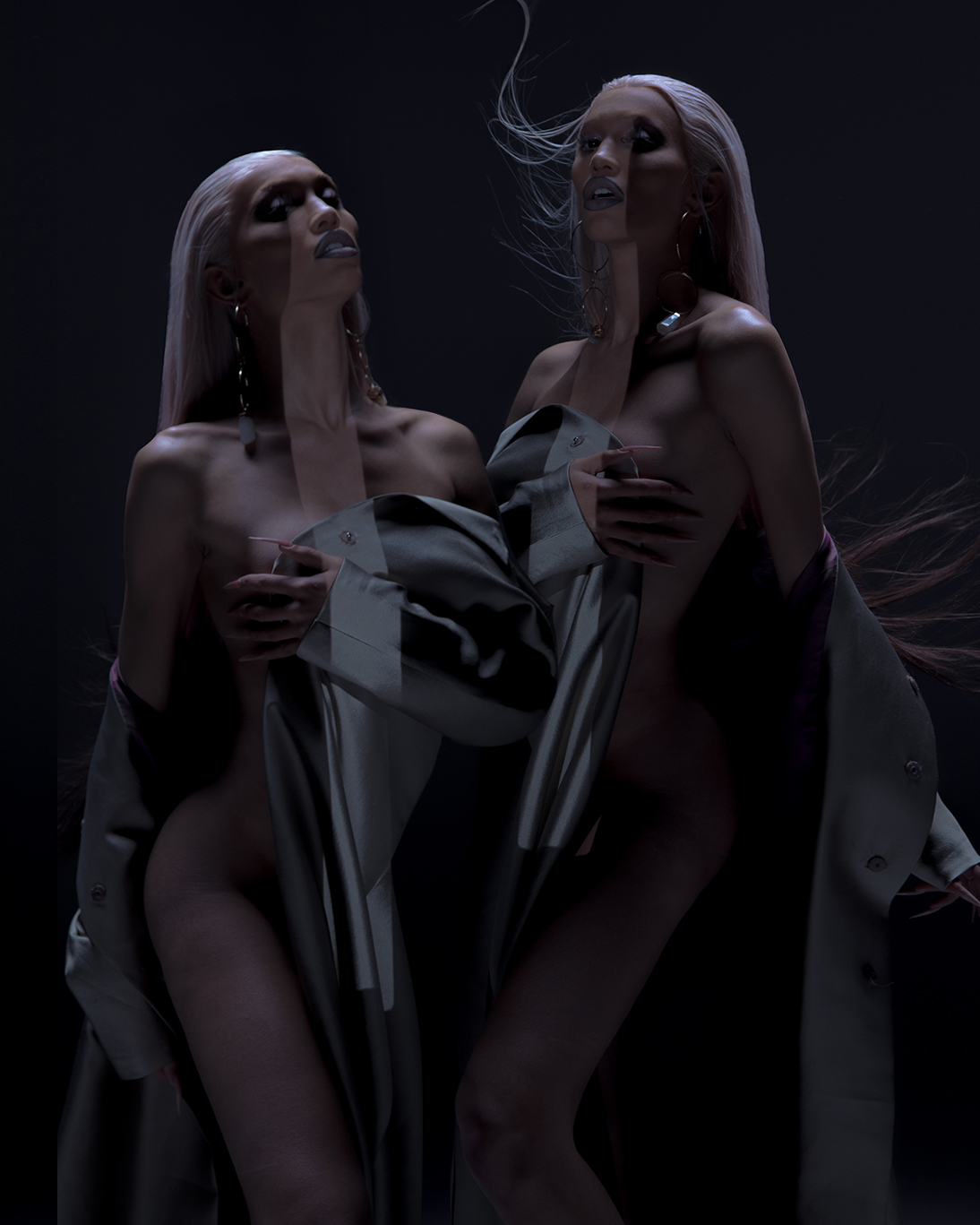
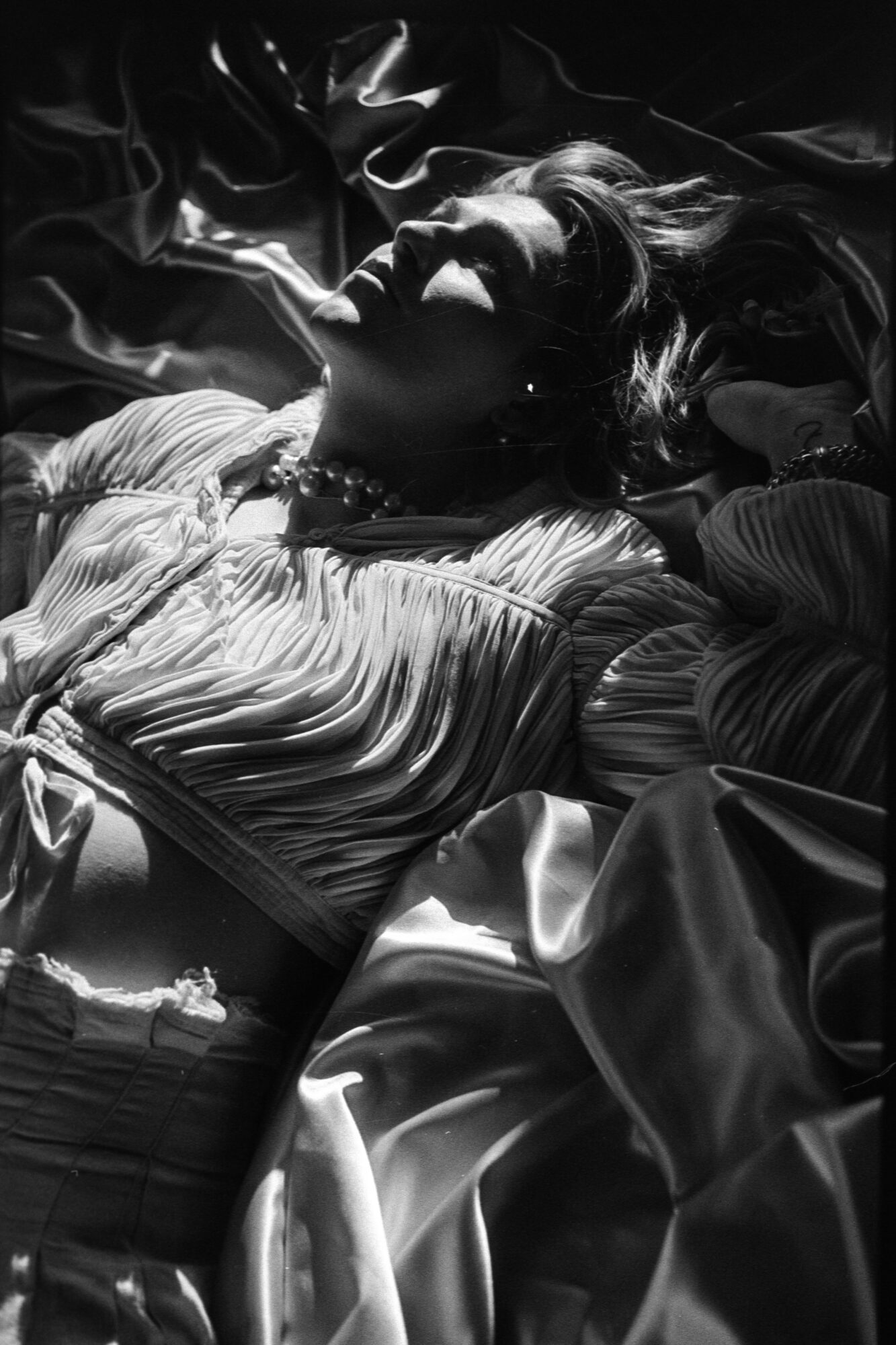
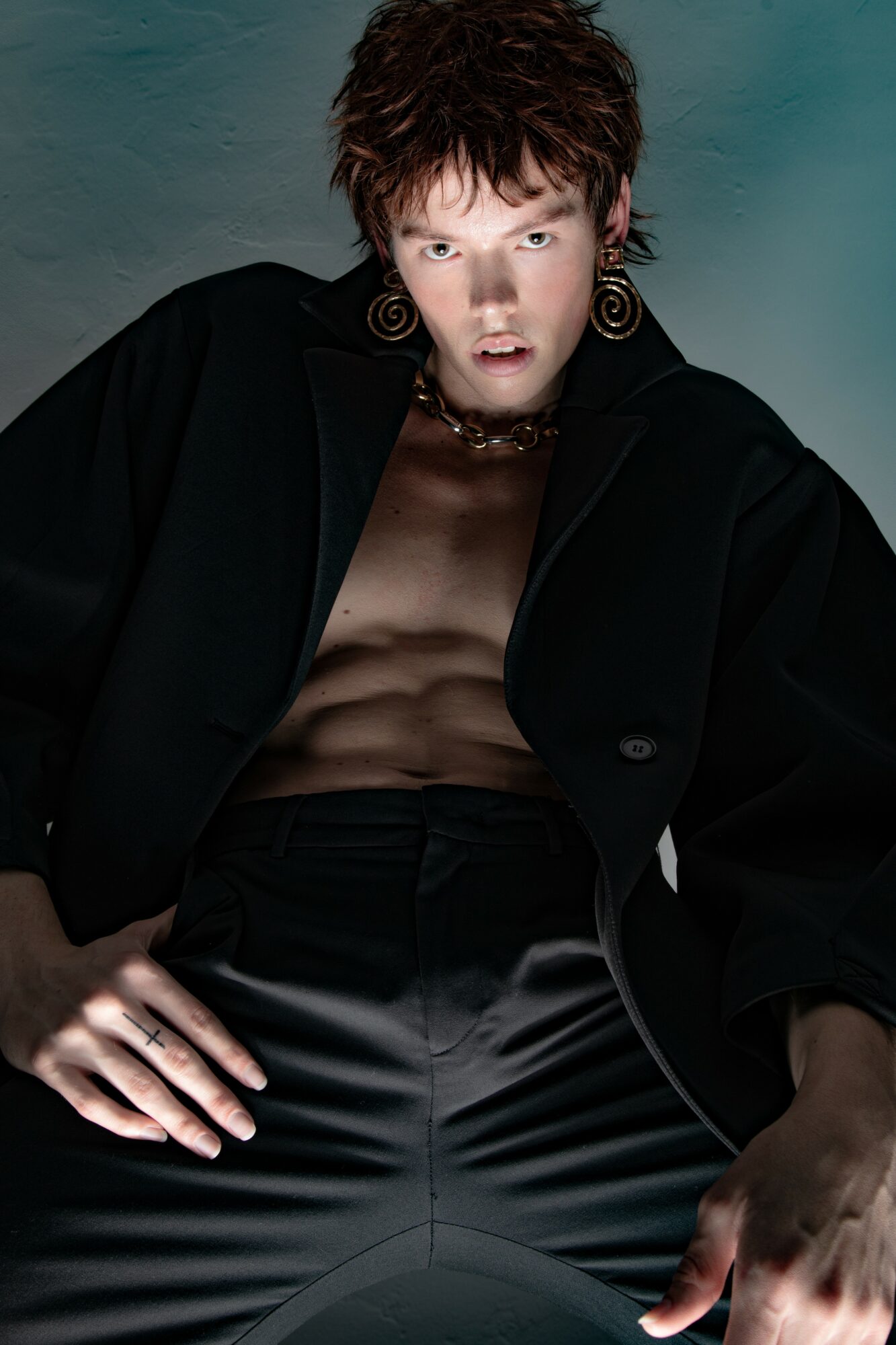
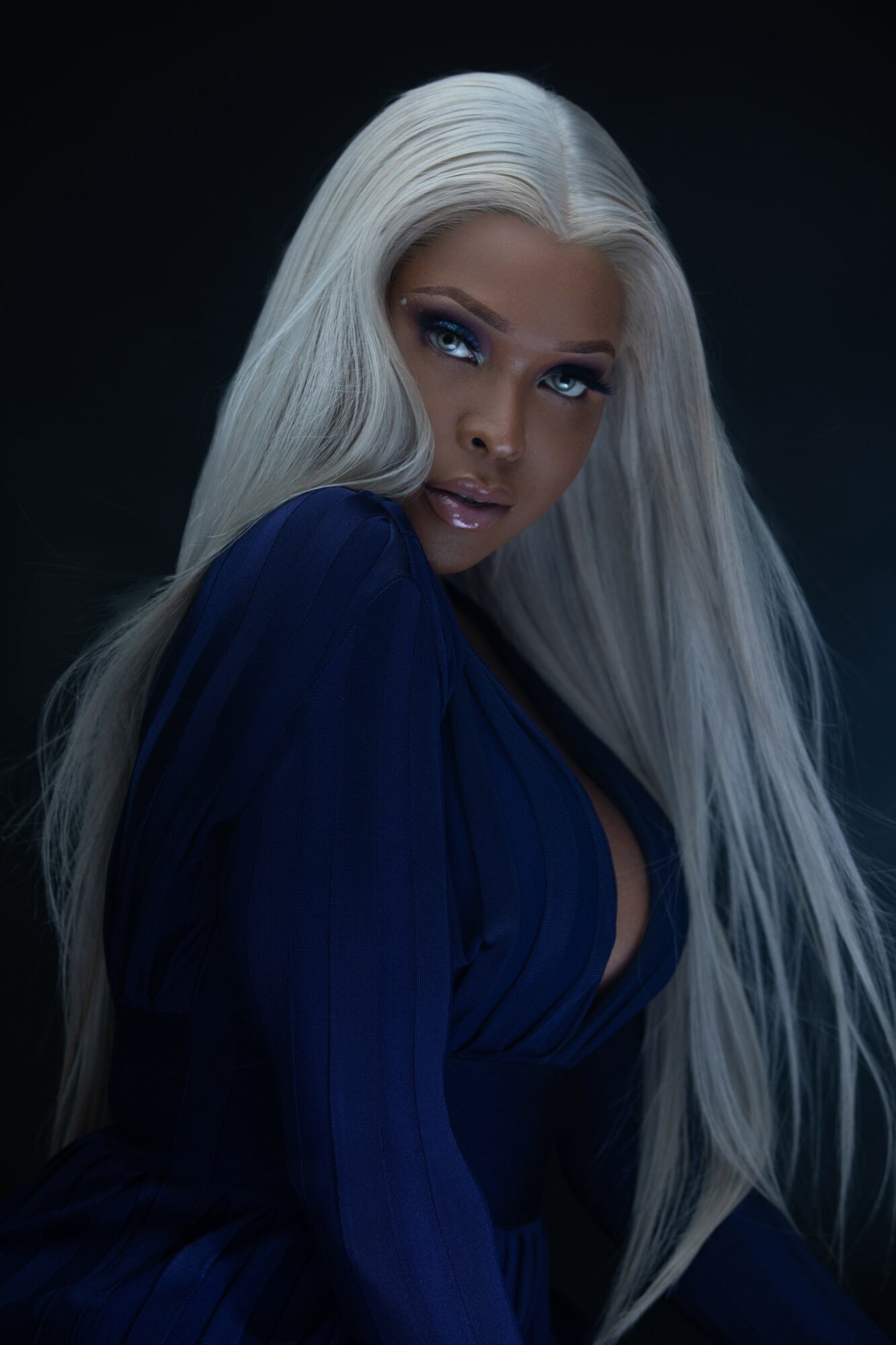
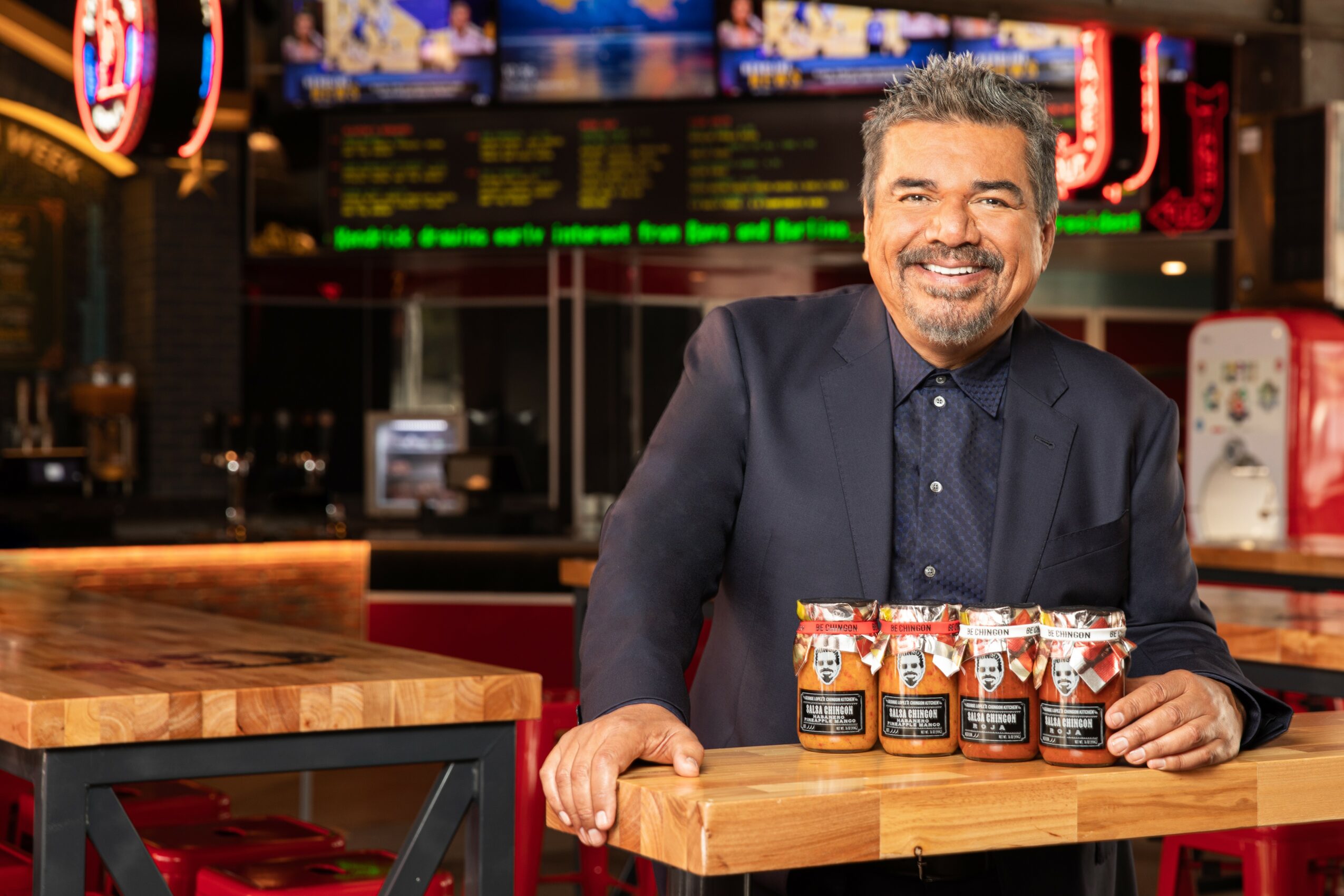

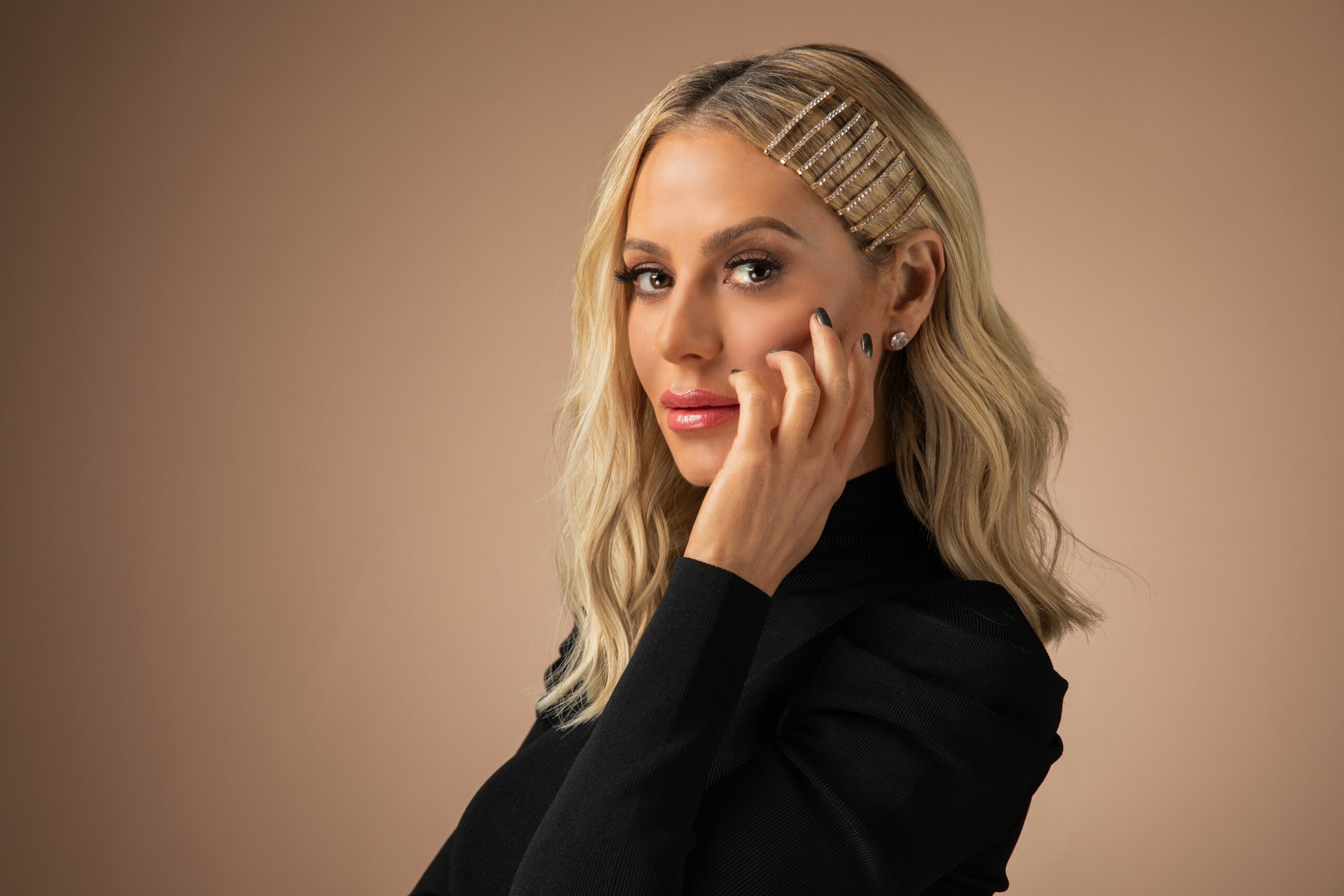
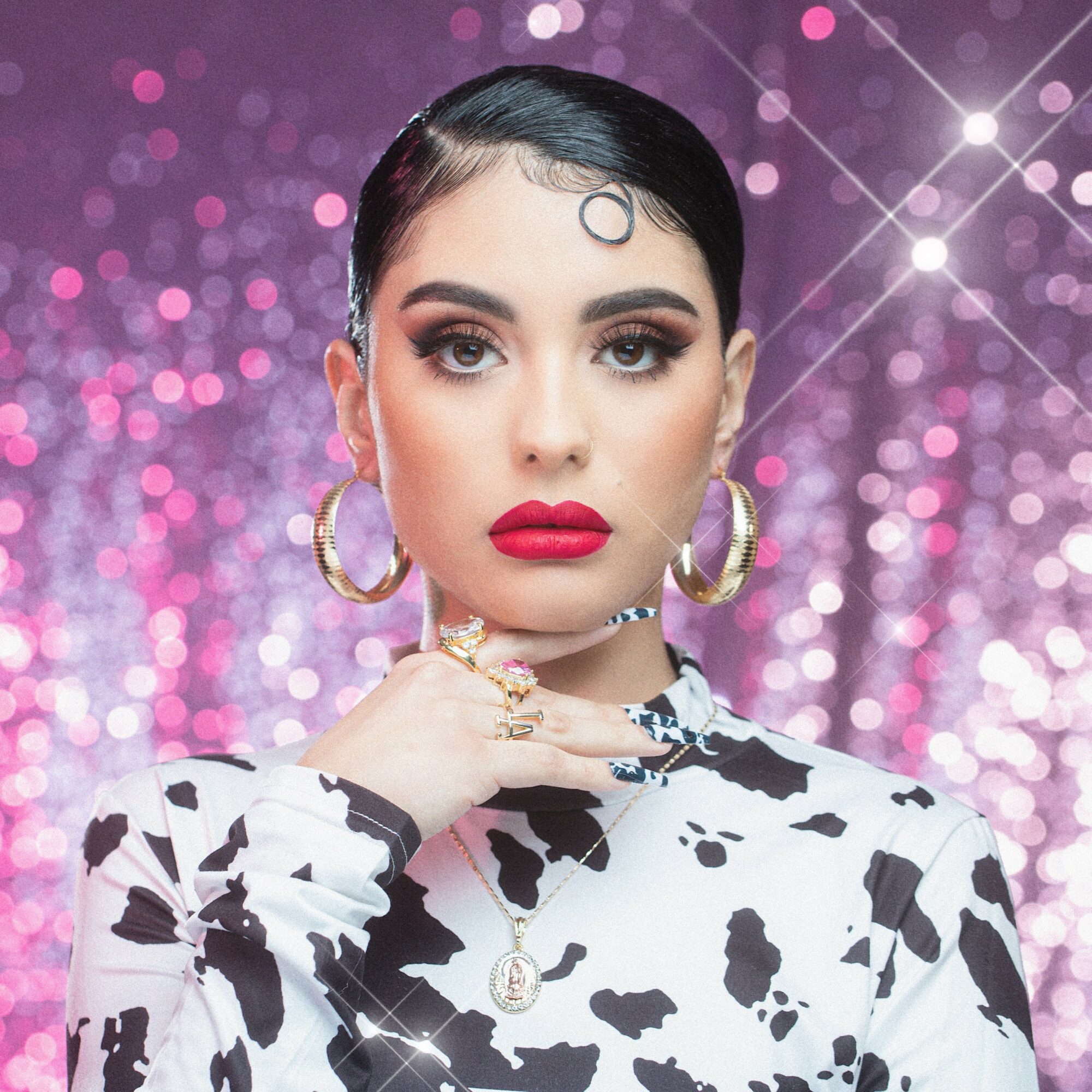
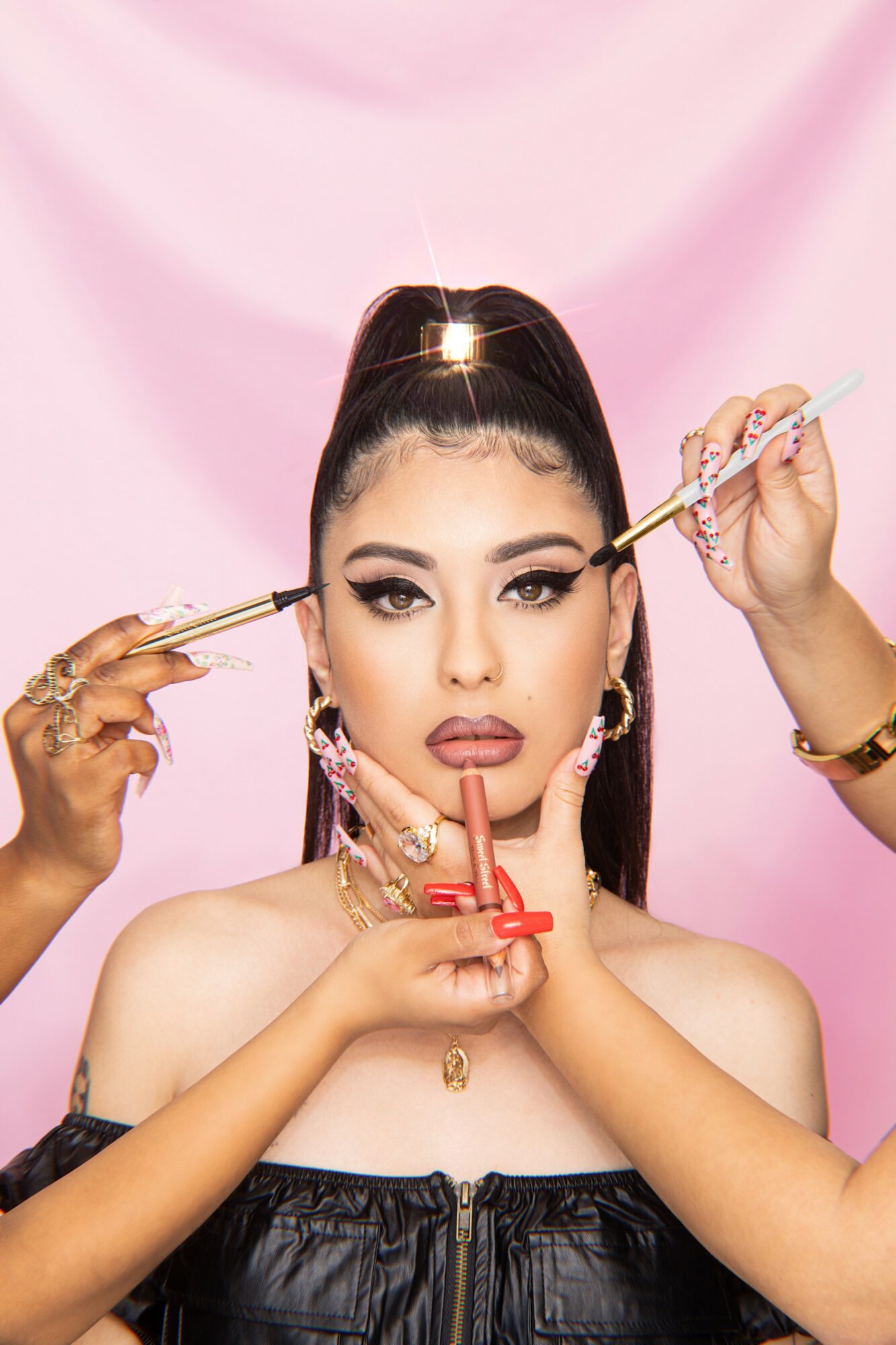
Image Credits
Kerri Colby, Alexander Jackson, Jason Wimberly, Tyson Beckford, GT’s Living Foods
Popular
-

Portraits of the Valley
-
LA’s Most Inspiring Stories
-

Matthew Hill on Turning Holiday Rituals into Haunting, Habit-Forming Storytelling with Long Winter Nights
-

Linda Villines on Releasing Stored Struggle and Reclaiming Ease Through the Body
-

Candice Swanson on Honoring the Sacred Early Days of Motherhood Through Intentional Photography
-

Michael Johnson on Telling Untold Stories of Identity and Leadership Through SQUAD


