




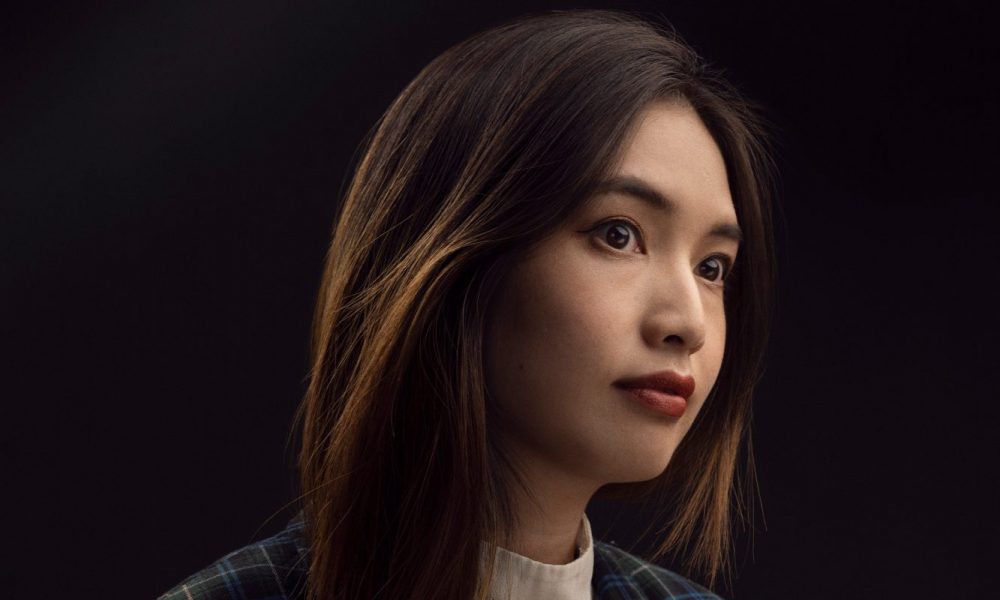
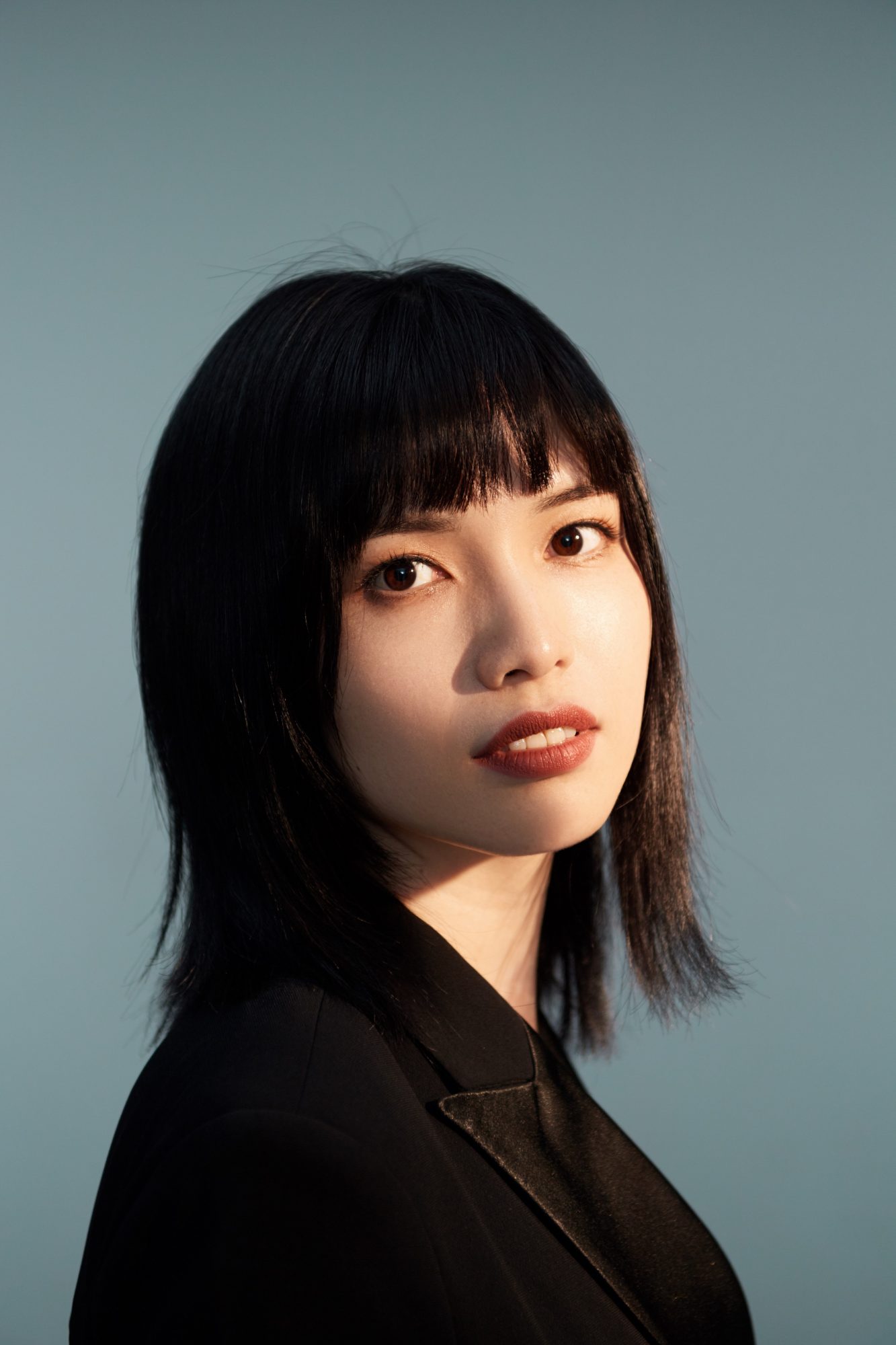
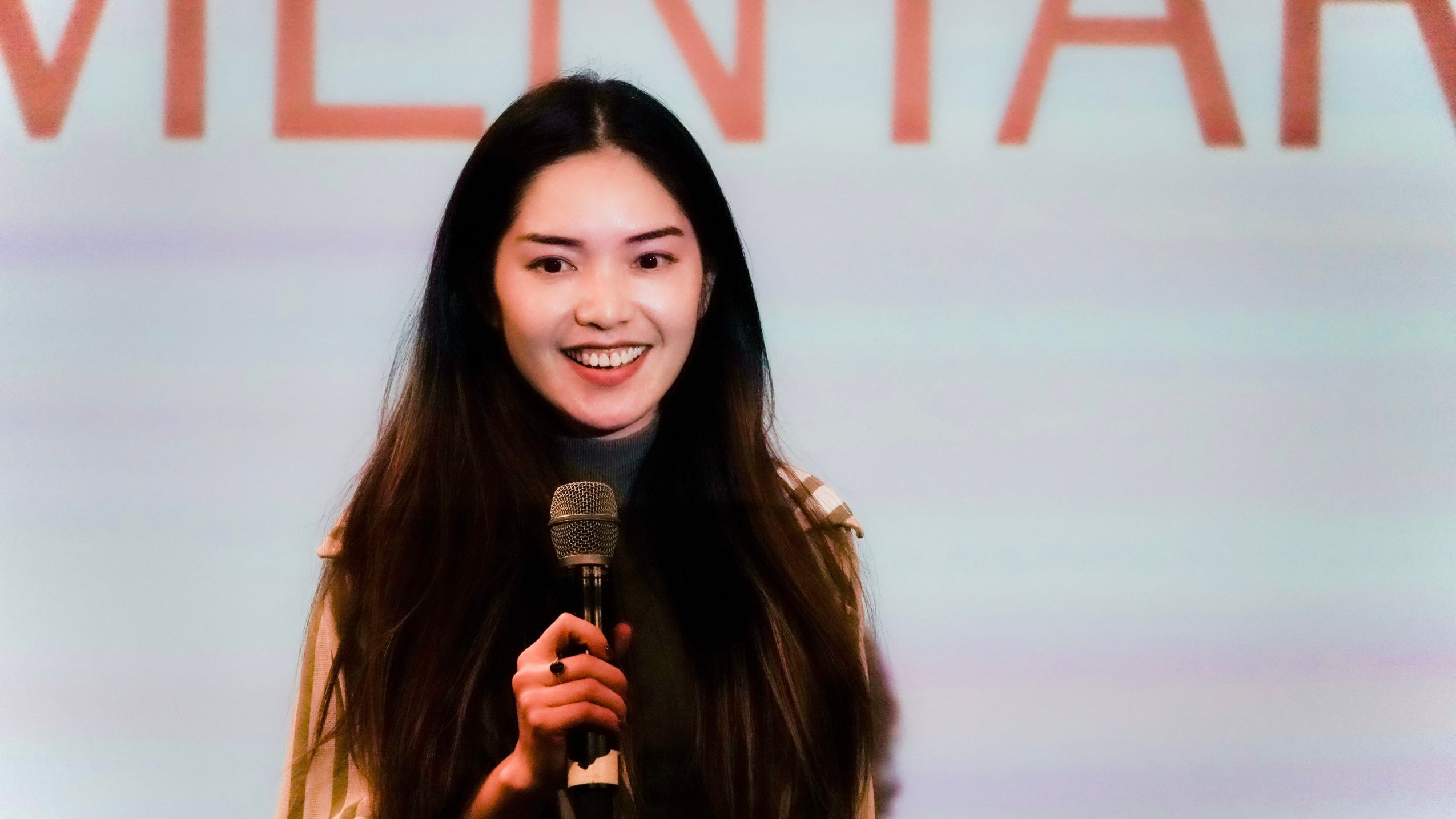
Today we’d like to introduce you to Xiaoying Su.
Hi Xiaoying, please kick things off for us with an introduction to yourself and your story.
I grew up in a small, traditional country in China; I am the youngest of four siblings. Despite my parents’ initial wish for a boy, I am grateful that they went through the trouble to bring me into this world, especially during the strict one-child policy era in 1980s and 1990s China. Having many children allowed me to experience a free-range childhood in my family, which is a great grace in retrospect. Growing up with a traditional Chinese education, which focuses on teaching “black and white” and “top-down” values and discipline, this educational approach sometimes made me feel that I was silenced by my own true voice.
It took me a long time to identify an area of research that suits both my interests and abilities. In my sophomore year, I switched to the Broadcast & Television Journalism program in the School of Communication from the Cultural Industry Management program. Motivated and passionate, I also embraced theoretical knowledge of journalism, adopting the “Wall Street style” and honing the skill of writing press releases. I remember very clearly what the journalism professor taught us in the first class at that time: “Bearing the burden of righteousness with steadfast shoulders, wielding the pen with a divine touch.” Since then, aspiring to become a frontline video journalist that can bring impact to this world has become a lighthouse of life that continually inspires me to pursue my career dreams.
Simultaneously, I developed a love for psychological studies, which led me to earn a Third-Degree Psychological Counselors Certificate. This period involved extensive reading of psychology classics like Freud’s “The Interpretation of Dreams” and Michel Foucault’s “Histoire de la Sexualité,” providing grand inspiration.
In my quest for knowledge, I chose to advance my academic journey at the Communication University of China (CUC) following my undergraduate study, majoring in Broadcast and Television. My focus shifted in part to studying movies within the theoretical framework of psychoanalysis and feminism. Laura Mulvey’s “Visual Pleasure and Narrative Cinema” and Simone de Beauvoir’s “The Second Sex” exerted a significant influence on me. A tragic systemic scandal about young girls’ sexual abuse in a kindergarten in Beijing in 2017 coincided with the release of the similarly themed theatrical movie “Angels Wear White,” inspiring me to intensify my research and study on gender consciousness in Chinese cinema. I then published two related articles. In my article from six years ago, I discussed the current state of women’s social status, noting a rapid improvement yet acknowledging the persistent historical dominance of man-centered discourse. Despite a growing appeal for female consciousness, deep-rooted male chauvinism imposes limitations at every turn. The issue of gender representation in movies remains a complex and ambiguous challenge, reflecting the ongoing contradiction in contemporary film and television works.
In 2017, I officially embarked on my filmmaking journey by co-editing the feature narrative movie “Love Story in Xiangxi,” gaining recognition at the 27th China Golden Rooster and Hundred Flowers Film Festival and garnering attention from prominent media outlets in China. This marked my inaugural collaboration with a distinguished film production team comprising over 100 members. It represented a significant milestone for me. And most significantly for me, I had the privilege of collaborating with some seasoned professionals in the industry, including director Flint-Lee. Our partnership extended beyond the initial project, leading to further collaborations on subsequent films. This collaboration not only fostered a lasting professional relationship but also established a profound fellowship that endures to this day.
In the summer of 2018, I earned the opportunity to participate in a program focused on discussing media power and international conversation at the University of British Columbia, broadening my outlook and knowledge and also strengthening my resolve to go abroad in the pursuit of freedom of expression and the creation of films with attitude. The more I learn the power of cinematic storytelling, the stronger my desire grows to stand out and make a transformative impact by leveraging the expertise I am acquiring. Visual storytelling is one of the most powerful ways to reconstruct people’s awareness and foster meaningful conversations with the world. Ultimately, this positive awareness will gradually bring about impactful changes, whether big or small, in our society.
I moved to NYC in 2021 to further study Social Documentary Film for my second master’s. In the last three years in the United States, I’ve immersed myself in its culturally rich, progressive, and liberating atmosphere, providing an ideal environment for my film career pursuits. I’ve also had the pleasure of meeting many cool people and experiencing a myriad of interesting, though sometimes challenging, moments.
I directed and produced my first short documentary, “First Saké Brewery in New York,” in 2021, which was officially selected at the DOC NYC in 2022. Further screenings at festivals, including the Maui Film Festival and Ethnografilm Paris, marked my entry into the vibrant documentary filmmaking scene. After that, I have consistently produced or co-produced several short documentaries and narrative feature films from 2021 to now, including the compelling short documentary “Cristina Demaro,” “On Track,” and the feature-length narrative movie “We Need To Be With Each Other.”
The short documentary “Cristian Demaro” portrays the redemption of a New York minstrel through guitar performances, infusing poetry and passion into the city’s streets. “On Track” is an enjoyable cooperative journey with the film director Yunhong Pu. It tells the story of Bruce, who, in his twilight years, rekindles his hobbies after retirement, spending 25 years crafting the largest model railway in the United States with his own hands. “We Need To Be With Each Other” explores an environmentalist theme and the mutual redemption between a father and a daughter. During this process, I also got the opportunity to share insights and experiences in the world of cinema as a film podcast guest.
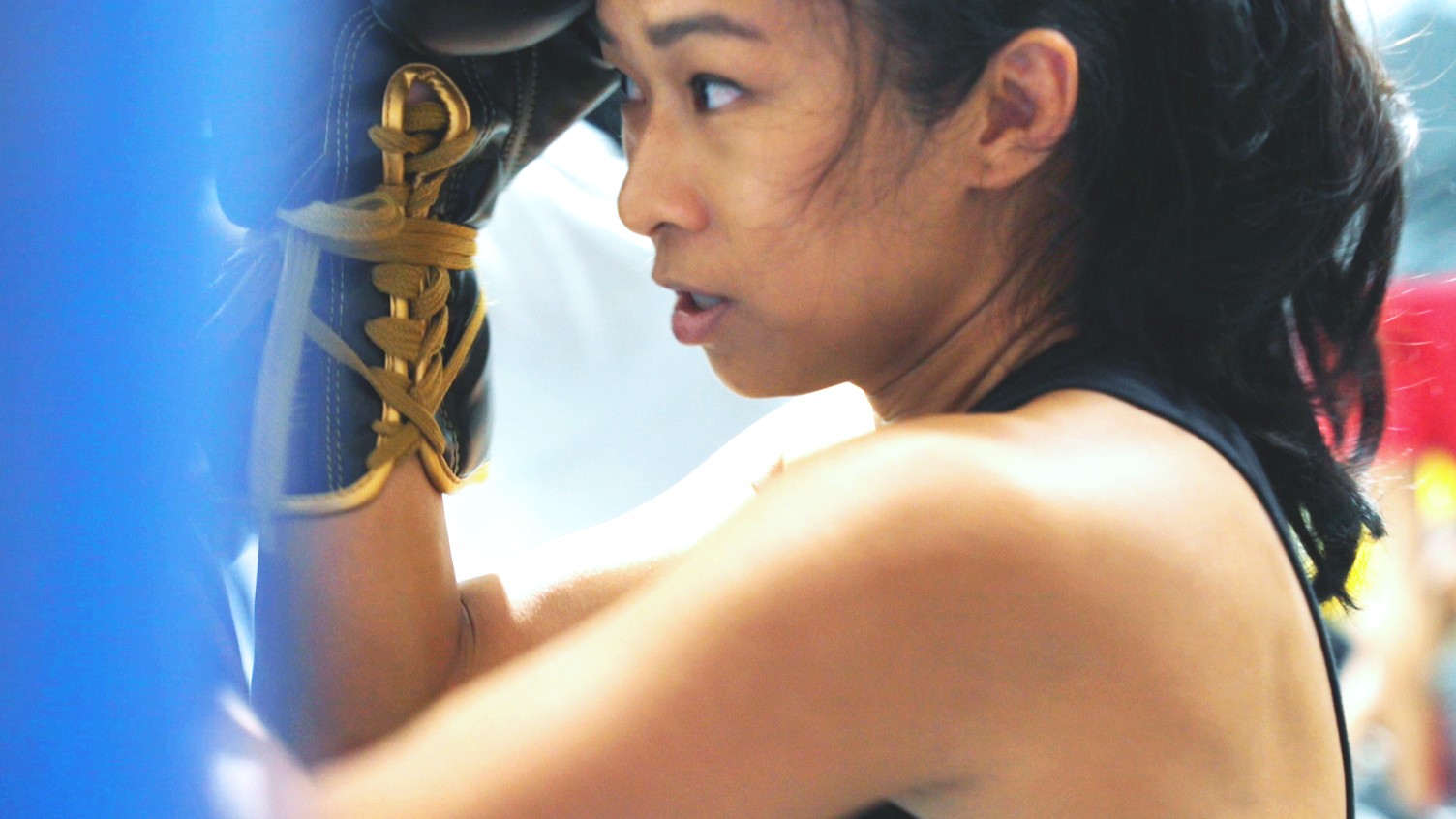
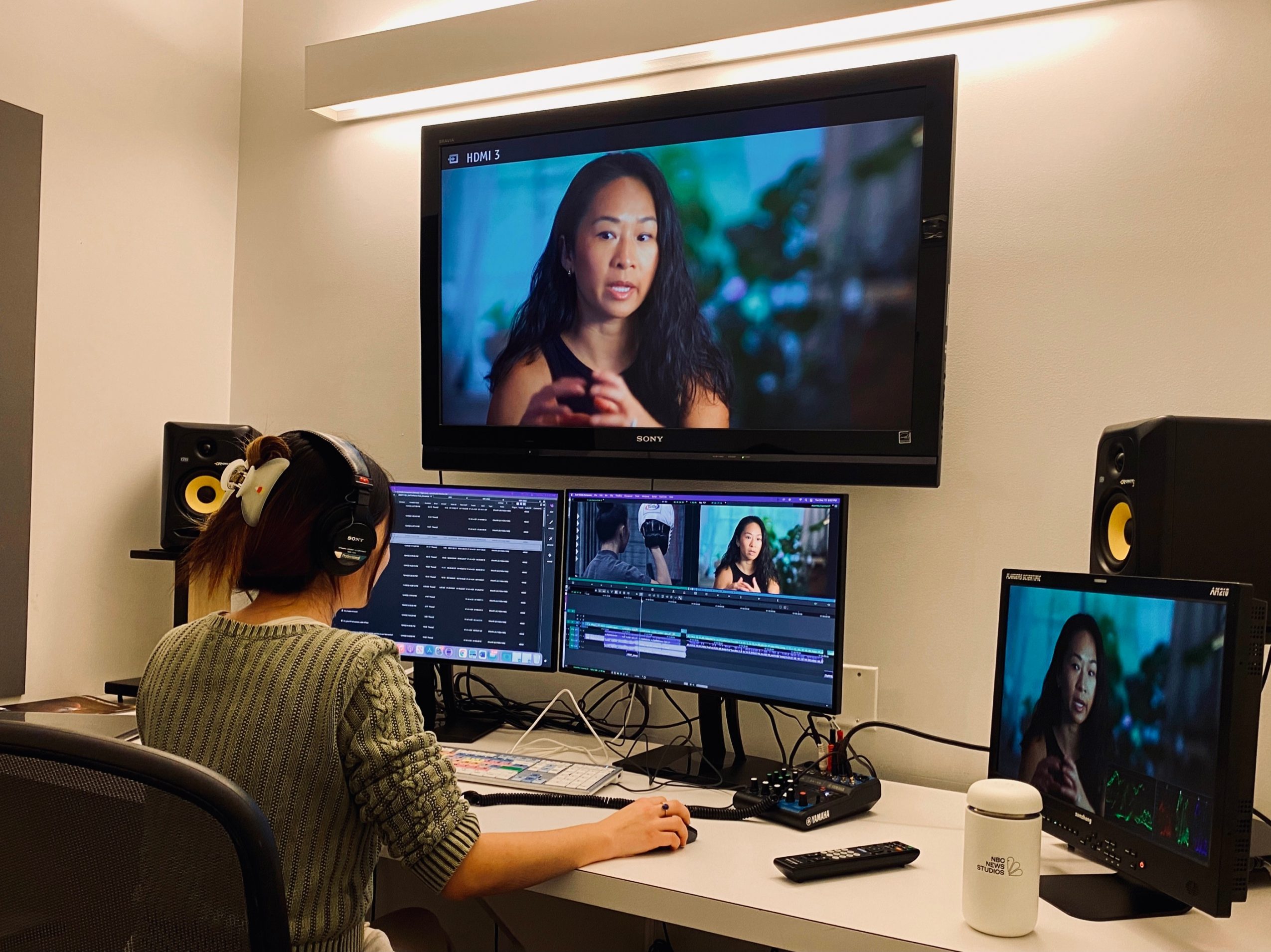
I am currently in the final stages of refining my latest documentary project, “FIGHTING BACK.” It is the result of nearly two years of dedicated and passionate work with my small and hard-working team. In 2021, I came to New York for the first time in my life. I was eager to search for my identity as an Asian woman in this international metropolis.
“FIGHTING BACK” follows Jessica Ng, a second-generation Hong Kong Chinese American, is an internationally recognized Muay Thai fighter and instructor, who was a 2017 Pan American champion. Her self-defense classes empower AAPI women and girls at a time of an alarming rise of Anti-Asian hate crimes in New York City in recent years. She navigates her identity and newfound motherhood with her husband in New York City. The film explores themes of love, energy, growth, and personal identity.
A pivotal moment occurred in early summer 2022 when I came across a New Yorker article titled “Asian American Women Fight Back.” The article featured a group of Asian women in a self-defense class. Hate incidents against AAPI have risen sharply over the past years. I was surprised to learn that there have been nearly 11,500 hate incidents reported to Stop AAPI Hate’s reporting center between March 19, 2020, and March 31, 2022. AAPI women and girls are prime targets of hate and discrimination against the AAPI community. I picked up my camera the second day I had a meeting with Jessica, the lead instructor of this series of self-defense classes. Recognizing the pressing need within her community, Jessica decided to contribute by addressing this national crisis.
The process of filming this documentary is not only a journey of recording a group of people who are suffering physically and emotionally violence but also a mirror for myself, and in turn, it gives me more energy and hope to continue making this important documentary. The journey has never been easy so far. I was frustrated by the uncertainty of the character’s life and fate, and the most struggling process is that I need to always prioritize the principle of “NO HARM SUBJECT” when I touch the inner past trauma of subjects, where I also need to keep in mind that getting access to intimacy is the key to a good story.
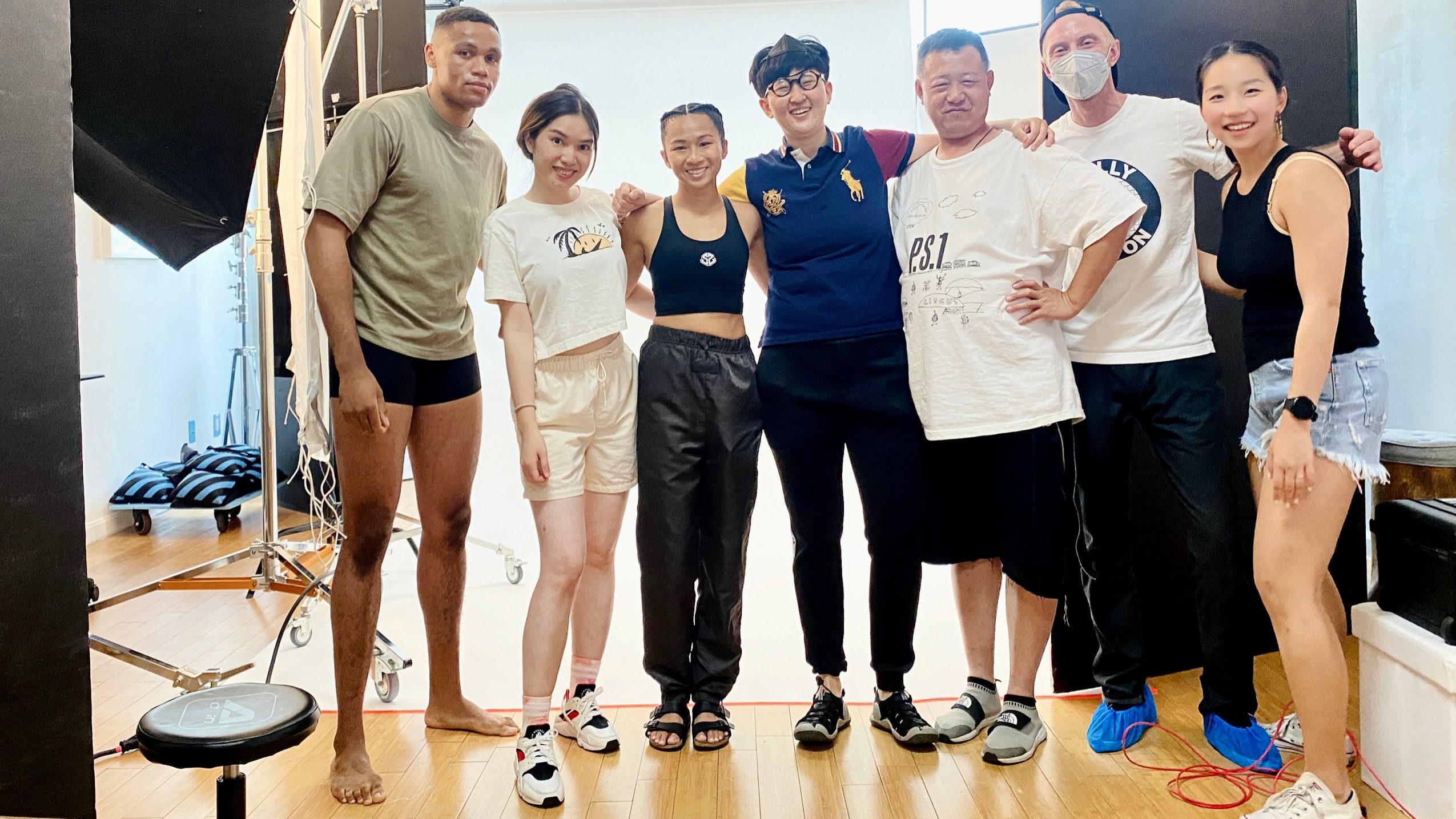
Fortunately, I’ve received timely help from experts and friends in the industry, some of whom I met at film festivals I participated in. I encountered Justin Jimmerman and his production team in Paris during an early 2022 film festival, where we established a strong fellowship and eventual allyship. Justin is currently one of the producers for the ongoing documentary ‘Fighting Back.’ We are so happy to also invite his Bricker-Down Productions as one of our allies for this film. Additionally, I met Yaakov Gottlieb, a cinematographer with a strong commitment to professionalism. I first encountered him at the DX Investigative Film Festival in DC a few years ago, where I noticed his talent during a panel session showcasing one of his projects. Simultaneously, we’re grateful to have invited the experienced film composer JOHN W. SNYDER to join our team. He has scored films and documentaries for numerous clients, including Sundance, Sony, ABC, Warner Brothers, and more.
Since we started working on “FIGHTING BACK,” we have interviewed 7 survivors and cooperated with more than 10 local non-profit organizations also combating the rising anti-Asian hate. We continue to hear from anti-Asian hate crime survivors who wish to share their story with us, and it is our hope that we can continue working on this project to expand our reach.
Creating a documentary is akin to a prolonged journey of cultivation and a lengthy physical and emotional march. What determines whether it can reach the other shore is rooted in teamwork. I always believe that everything will come together as long as you are doing something that follows your inner desire and passion, and the journey so far is rewarding. We get some screening invitations scheduled in 2024, including the Asian ERG committee at BNP Paribas, alongside local community organizations (NAAAP-NY). And the film recently had its New York sneak preview at the 12th Workers Unite Film Festival in NYC on November 2nd, 2023.
You can explore the “FIGHTING BACK” website and check out the trailer here: https://www.
I hope we can provide Asian women dealing with trauma a sense of empowerment and confidence after watching our documentary, armed with the knowledge that they are not alone. We see this film as a way of healing within our communities. Ultimately, we aim to raise awareness of the surge in anti-Asian hate crimes and its impact on the AAPI community and beyond the AAPI community.
We all face challenges, but looking back, would you describe it as a relatively smooth road?
Even though I have had a clear aspiration to become a frontline video journalist since I was a student in China, after completing my first Master’s in Beijing, I didn’t join a news studio/organization to become a journalist. I learned that the daily work of journalists in China differs significantly from my school-time perceptions. I gradually realized that what most major agencies seek is someone inclined towards political propaganda for the party. I turned down some opportunities, even ones considered “good” or “stable,” that the traditional viewpoint would appreciate. The path to becoming a true journalist in China proved arduous, given the compromises demanded by the strict censorship system and the enduring influence of a “top-down” cultural tradition rooted in thousands of years of history.
Even before venturing into a journalism career, I encountered obstacles to freedom of expression during my academic pursuits. While working on my first master’s degree at a renowned media arts school in Beijing, a defining moment occurred during my thesis project—a documentary on Beijing’s urban transformation and the living conditions of migrant workers from the lunar countryside to Beijing. Midway through filming, I received an unexpected call from our university counselor, instructing me to cancel an interview with an expert on migrant workers scheduled for the next day. The expert, a literature professor at Peking University with extensive grassroots connections, had been offering free literature classes to eager migrant workers for over a decade. The circumstances surrounding the interference remain a mystery to me to this day. My friend told me that the person I was interviewing might have been under government surveillance. Subsequently, I received directives from the department dean to alter the film’s storytelling direction. I realized that pursuing journalistic ideals in China would likely be fraught with challenges.
Looking back on this journey, I acknowledge that it has been anything but easy or smooth. I believe that challenges will always be present in our lives, regardless of who we are or what we do. Nowadays, I cherish every opportunity that allows me to “make mistakes.” Each instance of making a mistake is, in fact, a chance for positive growth, teaching you to take responsibility for and stand firm in your choices. I appreciate myself for being relatively courageous at the moment. I firmly believe that delving into visual storytelling focused on social issues is the direction I aim to pursue and emphasize in the next stage of my career. That is the direction that really follows my heart and passion.
Thanks – so, what else should our readers know about your work and what you’re currently focused on?
In addition to my life as a filmmaker, I have a passion for education. I spent over a year teaching film and filmmaking in China from 2018 to 2019 and enjoyed the feeling of inspiring the next generation. I still cherish my connection with the education field. I hope that when the time is right, I can return to the podium and continue sharing my knowledge and skills about film and filmmaking, while still continuing my film passion.
Beyond this, I am also actively engaged as an AAPI community organizer. Since 2022, I have served as the Director of Women in the National Association of Asian American Professionals (NAAAP), New York Chapter. I am grateful for the opportunity to contribute to empowering and educating Asian American women, fostering their success, and making meaningful contributions to their communities and cultures. The act of giving back brings me a strong sense of satisfaction and fulfillment, and all of these will come together to serve what I am really passionate about from the perspective of my whole life.
Any advice for finding a mentor or networking in general?
To find a mentor or network effectively, be open-minded, kind, and receptive to diverse perspectives. Stay humble regardless of your position. Embrace opportunities to learn from others, regardless of their background. Cultivate genuine connections by showing appreciation and respect. Approach interactions with humility and a willingness to grow. Establishing profound connections with others has always been one of my significant sources of happiness. This is also why I am captivated by documentary filmmaking. It demands that we maintain a childlike curiosity, consistently peering into the essence of the world.
Contact Info:
- Website: https://www.fightingbackfilm.com/
- Instagram: https://www.instagram.com/echo_xiaoying/
- Linkedin: https://www.linkedin.com/in/xiaoying-su-580ab0224
- Other: https://www.instagram.com/fighting_back_film/
Popular
-

Portraits of the Valley
-

LA’s Most Inspiring Stories
-

JordanL on ‘Breathe,’ Belief, and Building a Movement Beyond the Music
-
Megan Birney Rudert on How Access to Light Is Powering a More Sustainable and Equitable Future
-

Linda Kneidinger on Building Lasting Change Through Small Steps and Self-Compassion
-

Jolana Nika on Redefining Modern Connection Through Intentional, Real-Life Experiences


