



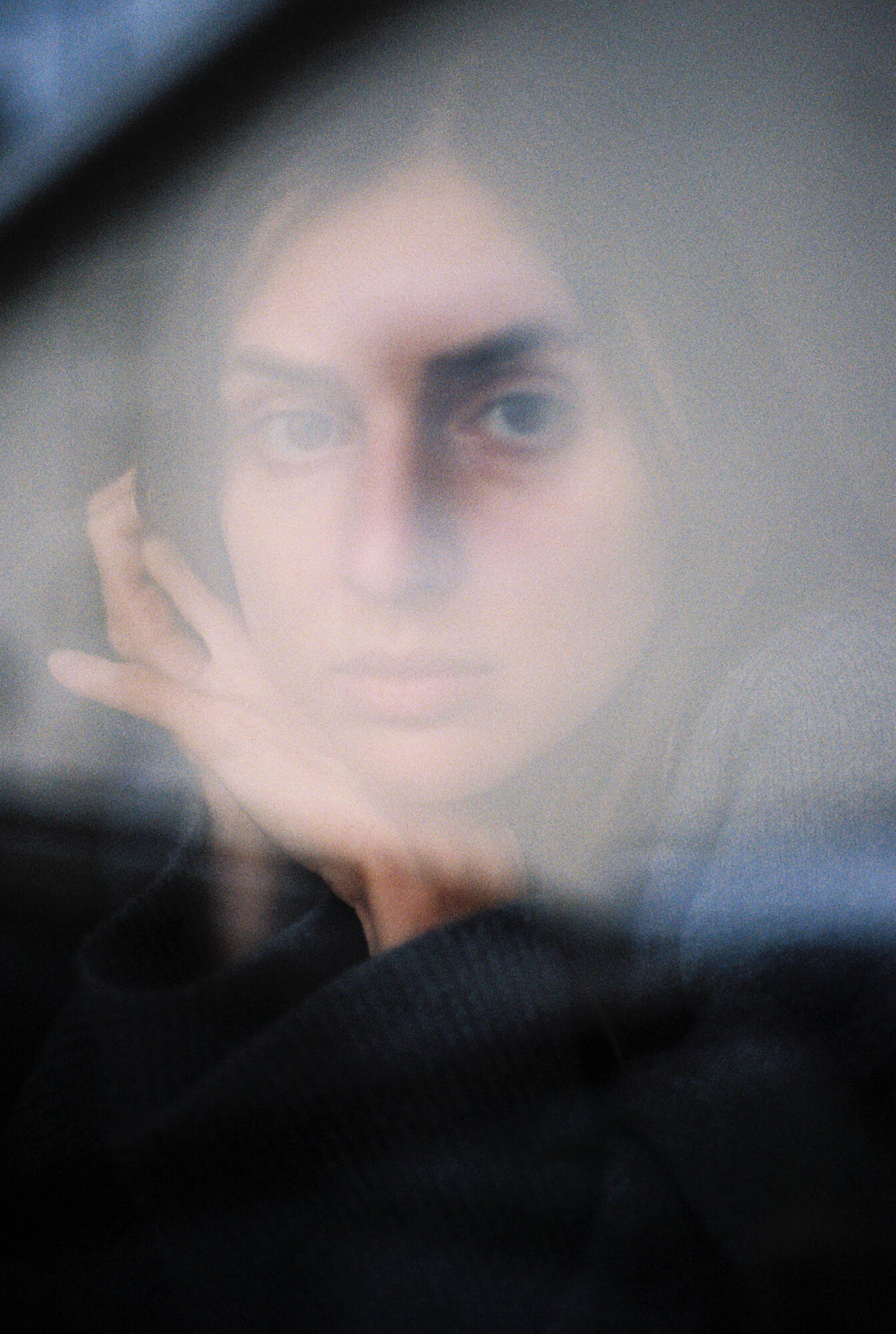
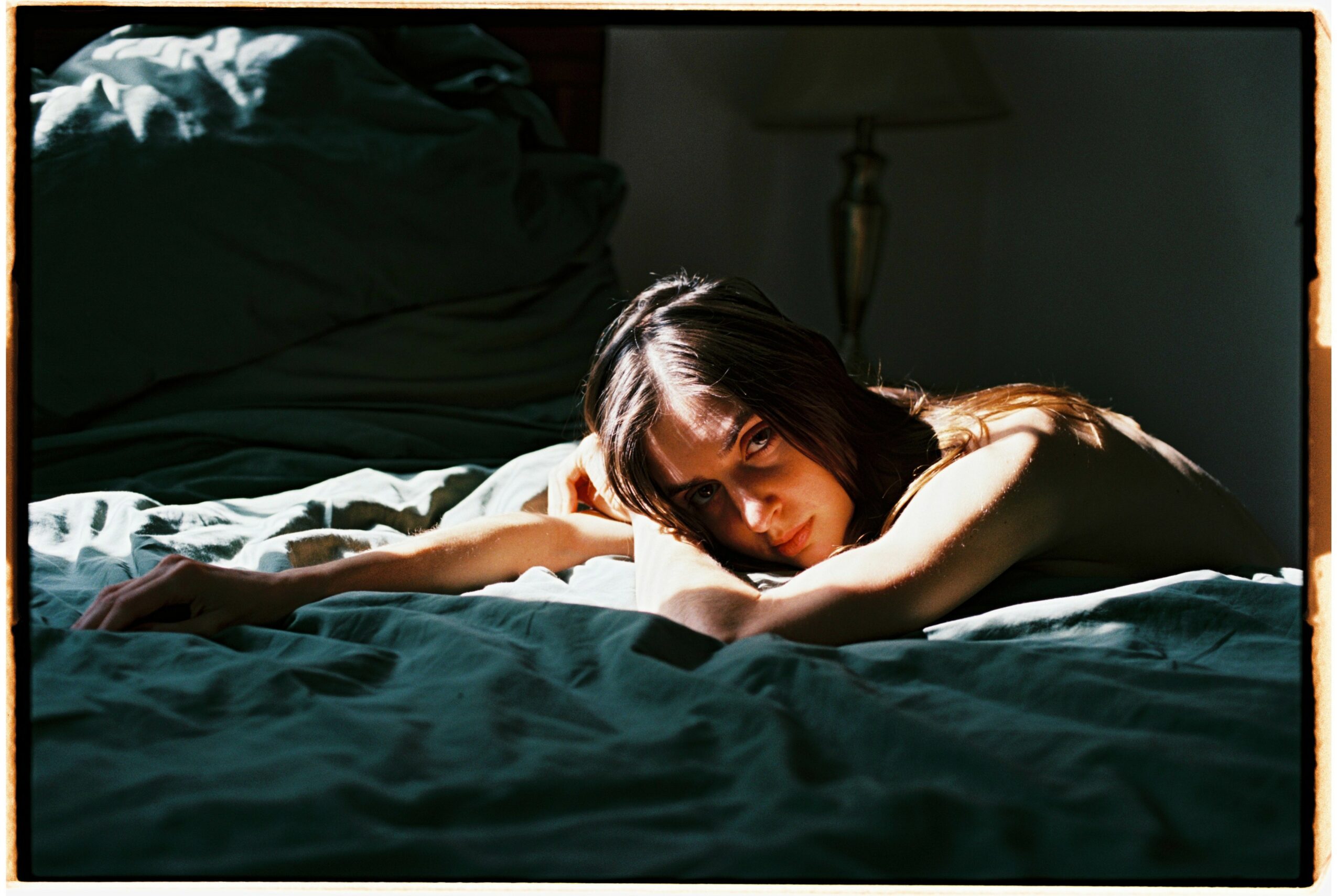
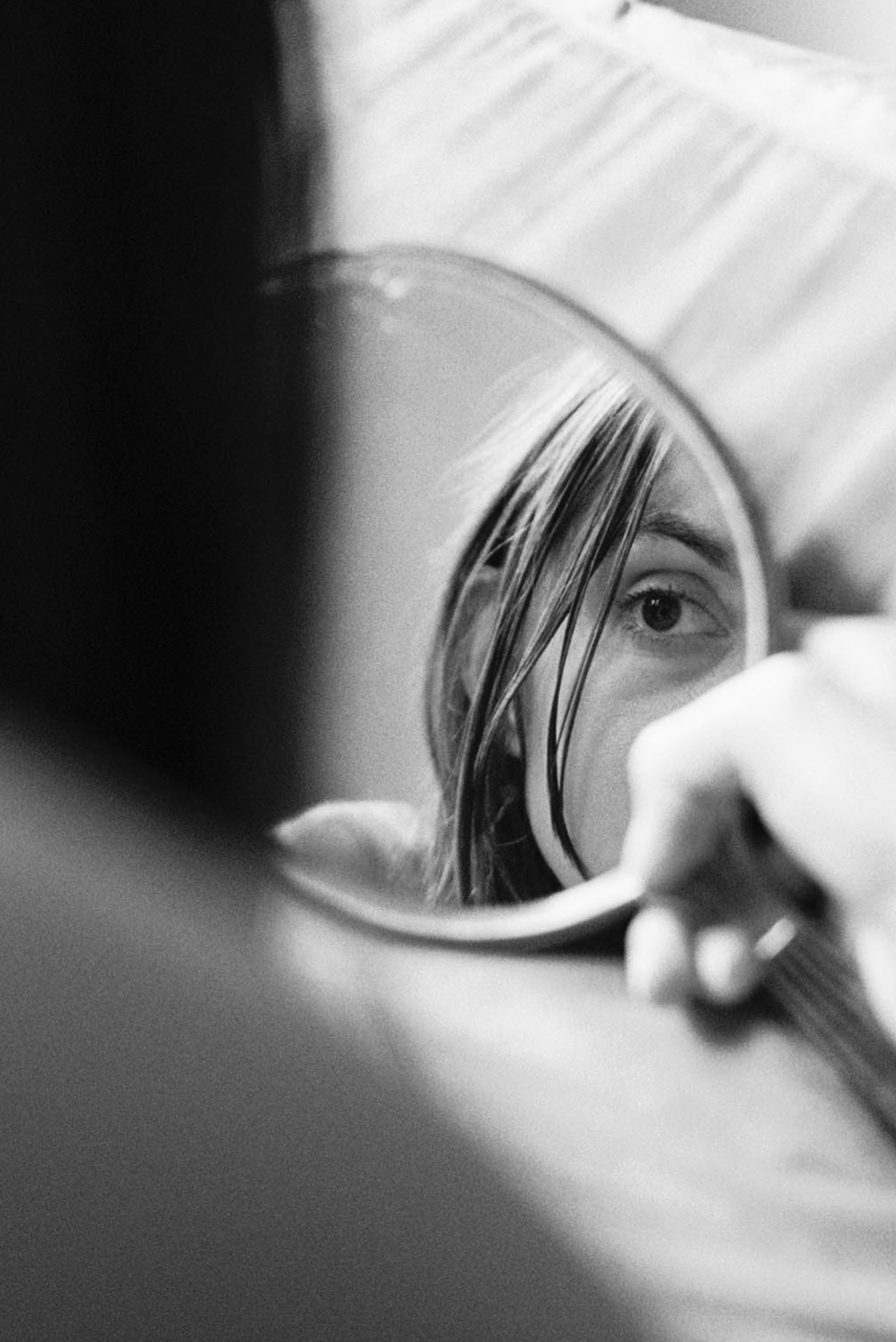
Today we’d like to introduce you to Tess Ellyn.
Alright, so thank you so much for sharing your story and insight with our readers. To kick things off, can you tell us a bit about how you got started?
At fifteen, I was diagnosed with anorexia and body dysmorphia. What followed were years of doctors’ appointments, therapy sessions, and eventually inpatient treatment. While much of that care focused on food and my body, what proved most destabilizing was how deeply those struggles seeped into every other part of my life—my confidence, my education, my relationships, my sense of possibility. As a result, I grew up believing the most defining thing about me was my illness. In my own mind, I was little more than an A—for anorexia—branded across my chest.
There was one exception: cooking.
I began to recover by doing the one thing every doctor, therapist, and expert warned my parents and me against. Cooking was discouraged out of fear it would become another form of fixation or control. My resistance, however, was less intellectual than emotional. I felt an almost physical need to cook—to connect with food as something other than danger or measurement. I wanted to feel like the girl in the kitchen with her father at six years old, making boxed cake and believing everything was okay.
So I worked against the system—slowly, imperfectly—and, in time, I proved my point.
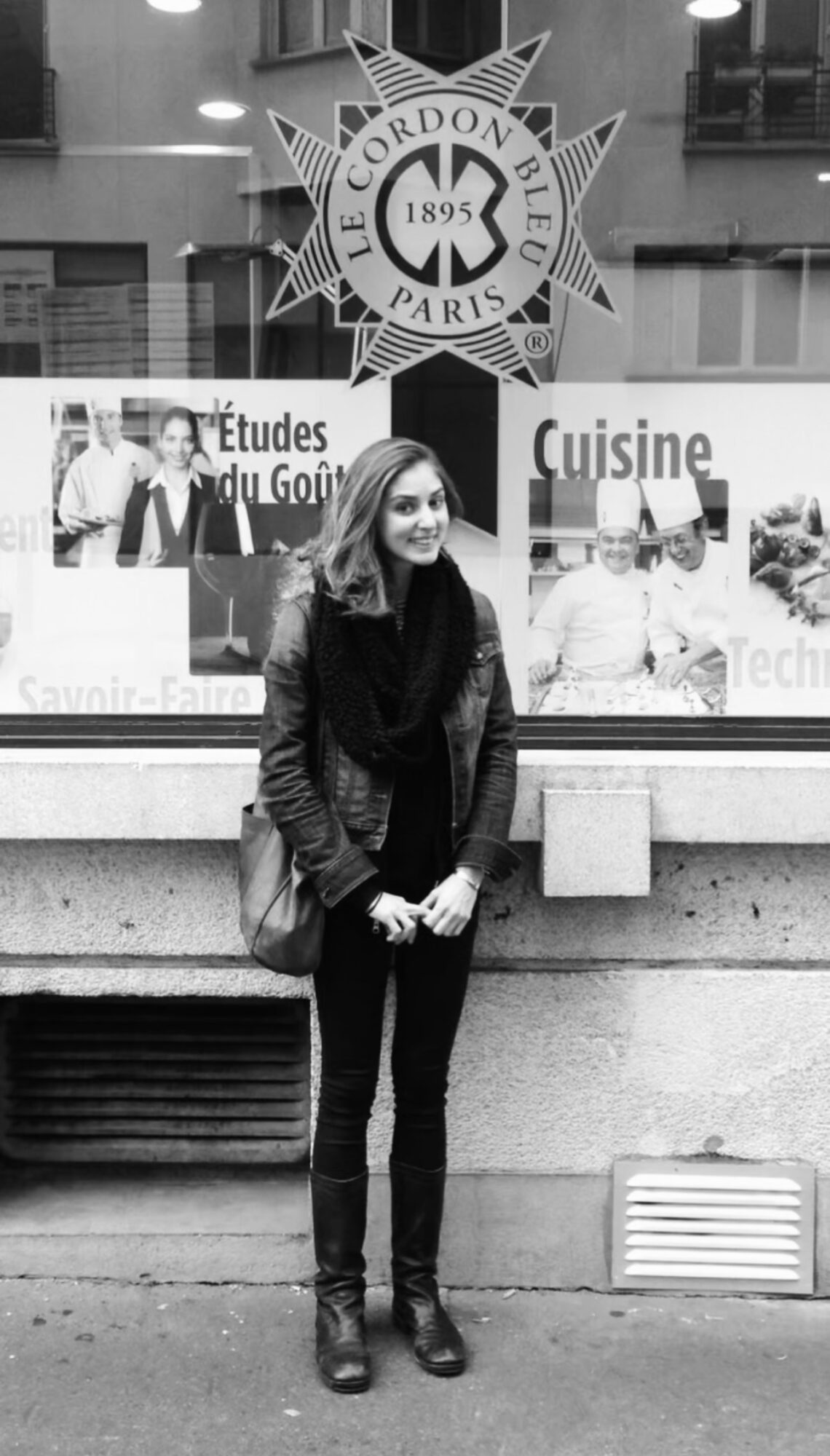
That instinct—to understand my life through emotion rather than technique—has shaped everything since. Most recently, it shaped my memoir, a project that began in 2010 as incoherent, unstructured emails to my father and now exists as a 91,000-word work of narrative nonfiction. The book explores my decision to move to Paris to attend Le Cordon Bleu, set against my earlier experience with illness. I spent more than a decade writing it, and in many ways, that’s how I learned to write.
A lot has changed since then. I no longer aspire to be a chef. I am a writer, and much of my work circles back to the body—how I’ve lived in it, against it, beside it. I often describe myself as an amateur, not out of self-deprecation, but honesty. I’m not a nutritionist or a psychologist. I’m not an eating-disorder specialist. My only expertise is myself: the sensitive, quiet girl who hated being told, “I understand this better than you.” I’m not trying to master technique so much as shape whatever is gripping me into something I can understand. My relationship to food, writing, and my body has always come from feeling first.
For a long time, I believed being emotional made me weak, unserious, or disqualified. Now I understand it was the reason I survived. It’s why I learned to cook, to write, and to live in this body without wanting to disappear from it.
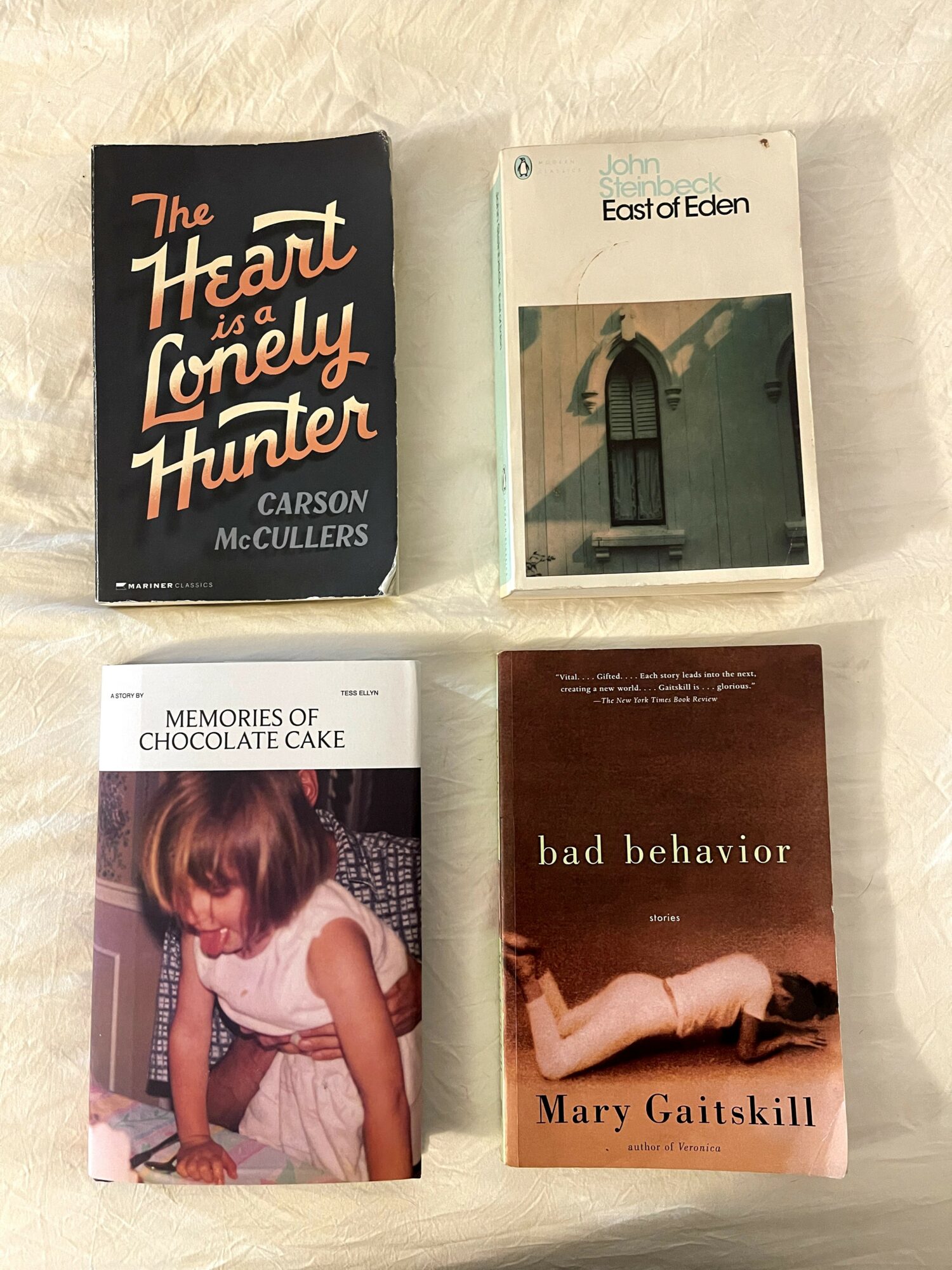
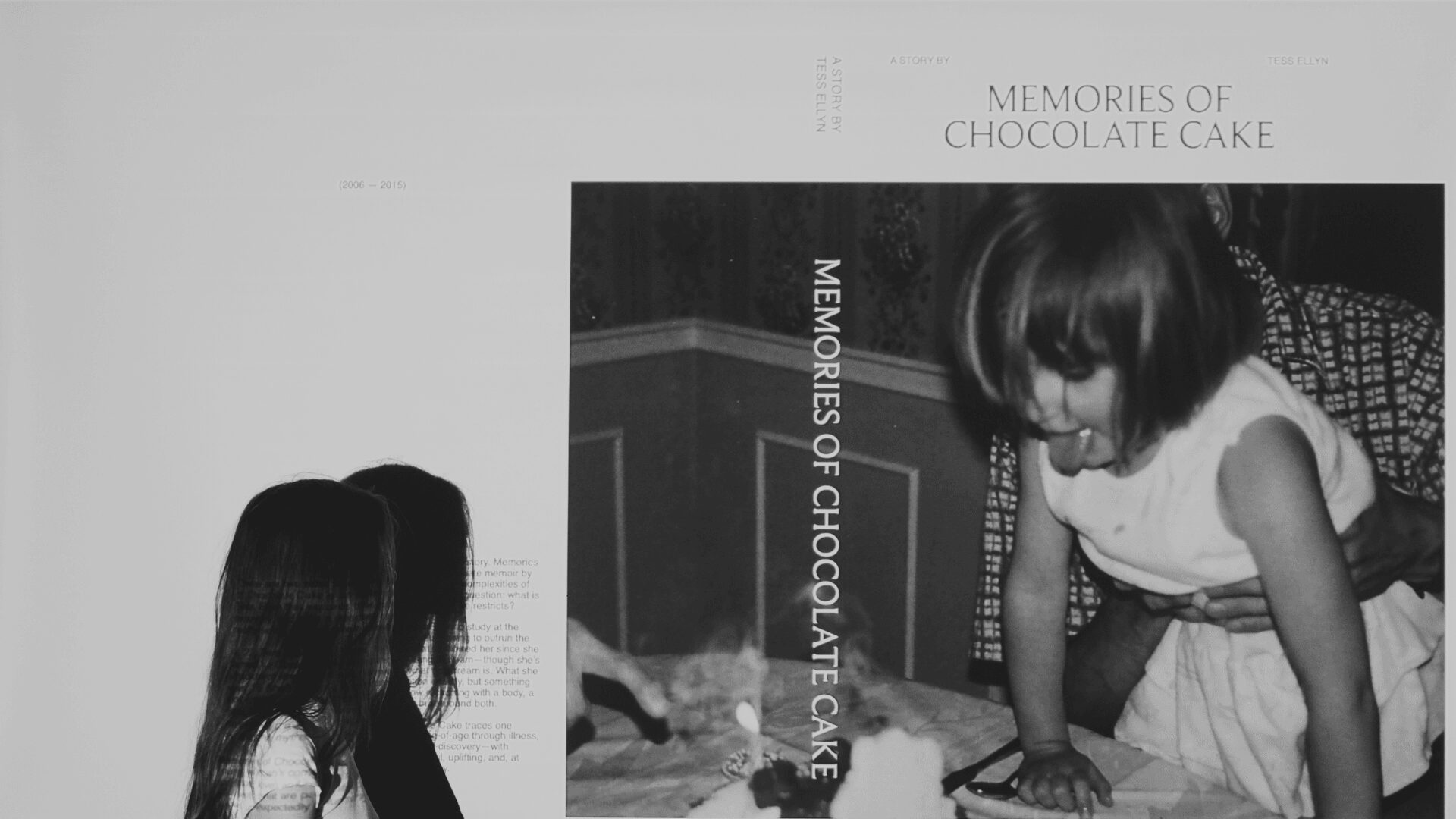
Today, my work sits at the intersection of food, storytelling, and identity. My memoir, Memories of Chocolate Cake, reflects that journey—not as a story of answers, but of attention. If the work resonates, it’s not because I’ve figured everything out. It’s because I’m willing to say the things I once buried.
I’m sure it wasn’t obstacle-free, but would you say the journey has been fairly smooth so far?
When I first expressed the desire to move to Paris to attend Le Cordon Bleu, I was met with resistance. My parents, teachers, and friends all saw it as impractical and risky—an impulsive dream with no backup plan. Everyone urged me to go to college first, to choose a safer path. What few could see was how deeply misaligned that path was for me, and how much it would ultimately set me back rather than protect me.
Even once I made it to Paris, following what I believed was the right decision, things were far from easy. The program was demanding, the hours long, and my relationship with food was constantly tested. At times, it felt as though I was still living under the same weight of the A—for anorexia—just on the opposite end of the spectrum. Food was still central and still defining my days. That said, I don’t regret going. Completing the program was the first major accomplishment I achieved entirely on my own in years. It gave me a sense of confidence and self-trust I had long denied myself, and it strengthened the narrative I had already begun to shape through writing.
Writing the book itself was another struggle. I learned to write by writing—and I’m still learning. Grammar, structure, and form did not come easily, and the subject matter made everything more complicated. I was trying to understand my own experiences while also figuring out how to make them legible to someone outside of my head. I’ve learned that deciding to write a book is one thing; making it engaging is another; making it relatable is something else entirely. And then comes publishing.
With no public profile and no built-in audience, the querying process was long and discouraging. Many agents responded positively and requested pages, but ultimately passed. Their feedback was consistent: memoir is a difficult category, especially from an unknown writer.
After years of querying, sending out countless submissions, and spending significant time learning about the publishing industry, I made the decision this year to self-publish. I didn’t want to abandon the book or let it disappear after everything I had put into it—and I knew it was good.
The decision also feels deeply symbolic. When you live with body dysmorphia and an eating disorder, you’re constantly chasing perfection. Choosing to self-publish feels powerful because I’m allowing the work to exist fully and honestly in celebration of its difference. Which really mirrors what I’ve come to stand for: just as there are no perfect bodies or quick cures, there are no perfect stories. Often, that’s where the real transformation happens.
Thanks – so what else should our readers know about your work and what you’re currently focused on?
My whole position is based on the fact that I am not presenting myself as ‘the expert,’ rather, it’s specific, sensitive personal experience that I have observed (mostly) of myself. I will not claim to be giving cures, medical advice, or undeniable facts. Rather my interest is based on how do we better relate, sympathize and connect.
It took more than a decade to complete my memoir as I traced my descent into anorexia and body dysmorphia, a journey that ultimately led me to culinary school in Paris, and along the way, I discovered that the only cure was not a cure at all, but a shift. I had to learn to approach my emotions, perceptions, and diet with humility. I came to understand that my struggles with body image extended far beyond my eating disorder, into my relationships, into my education, and into my professional life—and that many people share the same quiet suffering. Having experienced an ED, or not. That’s why my focus is shifted away from society’s impossible standards of beauty, to focus on our own. That choice to me mirrors a broader cultural reckoning. For too long, we’ve sought approval, whether from publishers, mirrors, or society itself, believing there was a “right” way to be seen. But the strength lies not in defining a new standard, but in embracing the nuance of our experiences.
What was your favorite childhood memory?
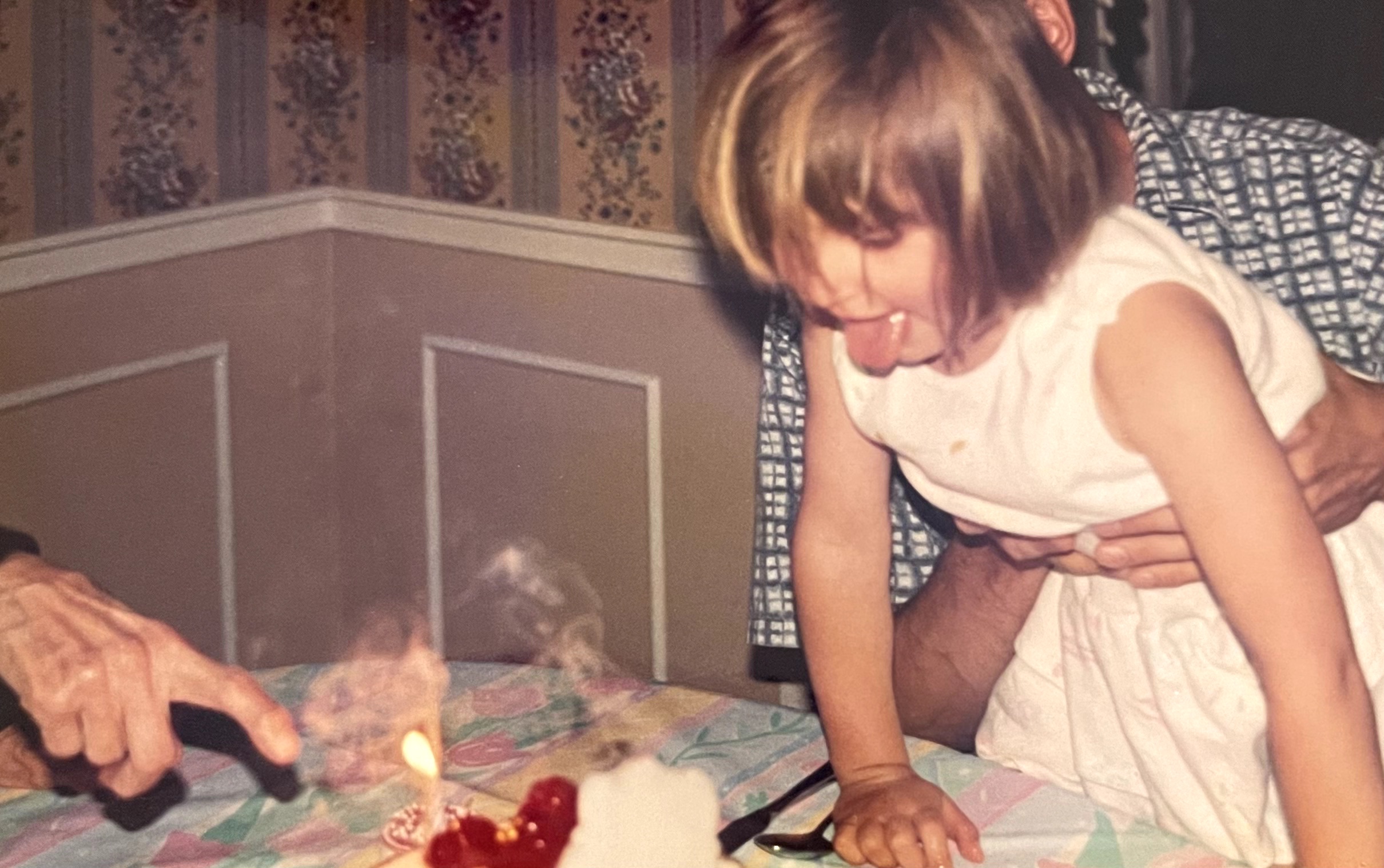
Making boxed Devil’s Food Cake with Dad and fighting with him over how much of the batter I got to lick. I wanted to lick half the batter, he gave me back the spoon.
Pricing:
- Paperback 12.99
- Kindle Edition 5.99
Contact Info:
- Website: https://tessellyn.substack.com
- Instagram: @_tessellyn
Popular
-

Que Johnson on Building Brands That Last: From Visibility to True Market Authority
-

Christina Wren Steps Into the Director’s Chair to Tell Stories That Feel Like Home
-

Portraits of the Valley
-

LA’s Most Inspiring Stories
-
JordanL on ‘Breathe,’ Belief, and Building a Movement Beyond the Music
-
Megan Birney Rudert on How Access to Light Is Powering a More Sustainable and Equitable Future


