




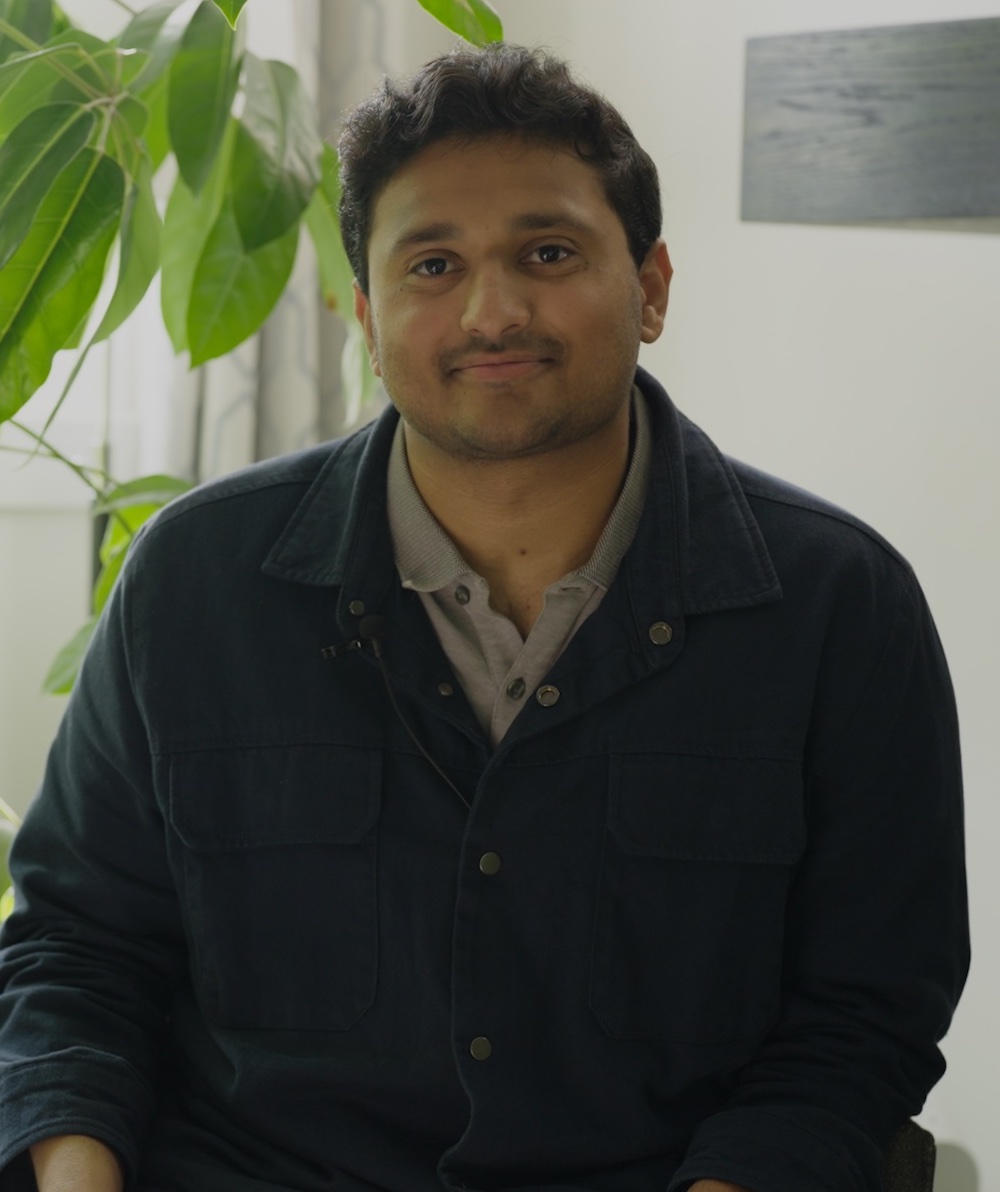
Today we’d like to introduce you to Tarun Kanakamedala
Hi Tarun, thanks for sharing your story with us. To start, maybe you can tell our readers some of your backstory.
I’m a second generation Indian-American. As far back as I can remember, storytelling has been such a big part of my life. My dad used to always share stories of him moving to the United States and my mom would chime in with her own. I remember those stories playing like a movie in my head. Movies were always on at home and we were always watching things growing up. I grew up in suburban New Jersey so the idea of making movies never truly crossed my mind because it felt out of reach. I think some people know from when they were really young but it grew organically over time for me.
My first love was music. I was always playing guitar and singing in bands with my friends. It was a really important outlet for me and helped me be comfortable with expressing myself creatively around others. When I had to start thinking about college and my future, I ended up picking a more stable route. I majored in Marketing and attended college in Philadelphia. But my creative pursuits still continued. A lot of my friends were musicians and it was around this time that I started exploring filmmaking. I sneakily took film classes at school and it instantly became the main form of creative expression for me. I started making music videos for my friends which then turned into them acting in my short films. Most of them were shot on my dad’s old Nikon DSLR.
After college, I worked in marketing in Philadelphia but continued making music videos and short films. The ideas got bigger and the technique got slightly better. There was a really DIY approach we had to everything. I used equipment that was available and had to wear a lot of different hats to finish things, from operating camera and sound to editing. It was a really fun way to work because it felt really personal.
Eventually, I wanted to gain even more from filmmaking so I left to attend film school at USC here in LA. Since then, I’ve been able to build a great community of filmmakers.
Would you say it’s been a smooth road, and if not what are some of the biggest challenges you’ve faced along the way?
Not at all. But that’s also the beauty of it all. During college and even after college, it didn’t seem like making movies was an avenue I could pursue. I grew up around people who had very conventional jobs and worked noble professions. There weren’t many filmmakers around (none to be exact.) Ultimately, being around that made me feel that I needed to choose a more linear path. But really it was about giving myself the permission to pursue what I wanted. Since I didn’t have the infrastructure or guidance to be a filmmaker, it was hard to understand what I needed to do. But the drive to create kept coming back. It led me to understand the responsibility and commitment that’s required to further your craft. I had to constantly find a lot of information for myself. I understood early on how difficult it was to be a filmmaker and the amount of knowledge you need to gain to do it effectively. It forced me to watch movies in a different way, dive into film history, and deepen my love for the entire process.
Luckily, the more I committed myself, the more people and resources revealed themselves. It’s incredible how supportive my community has been. Whenever I’m home in New Jersey or Philadelphia, everyone always gushes about movies with me now. It’s this new bond and connection we have and it’s all because of cinema.
Thanks for sharing that. So, maybe next you can tell us a bit more about your work?
I’m a director and a screenwriter. I’m really drawn to exploring vulnerable, flawed characters. I am particularly interested in showing the lives of Indian-Americans in an incredibly personal and universal way. I’ve witnessed how people from my community often repressed or avoided their struggles to maintain the status quo of their lives. Through my work, I aim to uncover the inner conflicts that define the human experience, crafting dramas that blend psychological depth and cultural origins with genre storytelling. By portraying the turmoil beneath the surface of people’s lives authentically, I hope to help people recognize and confront it within themselves.
During my time at USC, I wrote and directed my thesis film, ‘Aura’. This was the first short film where I had a sizable crew. I’m most proud of my collaborations on that project. My DP, Producers, Editor and Sound Designer were incredibly passionate about the film we made. Working with like minded people and what we were able to accomplish was incredibly fulfilling. We worked incredibly hard and enjoyed our time together. It set a precedent for how I’d like to collaborate and make films moving forward. The film is currently in the festival circuit and I’m excited for people to see it.
In terms of what sets me apart from others. That’s not really for me to say. I aim to create using my particular experiences and perspective which are unique to me. I can also share that by choosing to be a filmmaker and to tell stories, I feel in service of something larger than myself. I feel I’m in service to people and to deepen our empathy for each other. I believe that’s what cinema is truly about and I’m excited to be a part of it.
Networking and finding a mentor can have such a positive impact on one’s life and career. Any advice?
It’s tough for everyone and unique for everyone. I’m still navigating it myself. I think the goal is to find people that are like-minded and speak the same creative language as you. The things that have worked for me is to go to spaces that I feel comfortable in. That could be film school which has mentorship and a network built in. It can also mean connecting with people through things that you like – for me it was music. The best advice I received was to not hope for someone to reach down to you and help pull you up but to reach out and find your peers. Those people are the most important because they’re who you’ll create with.
Contact Info:
- Website: https://www.tarun-k.com/
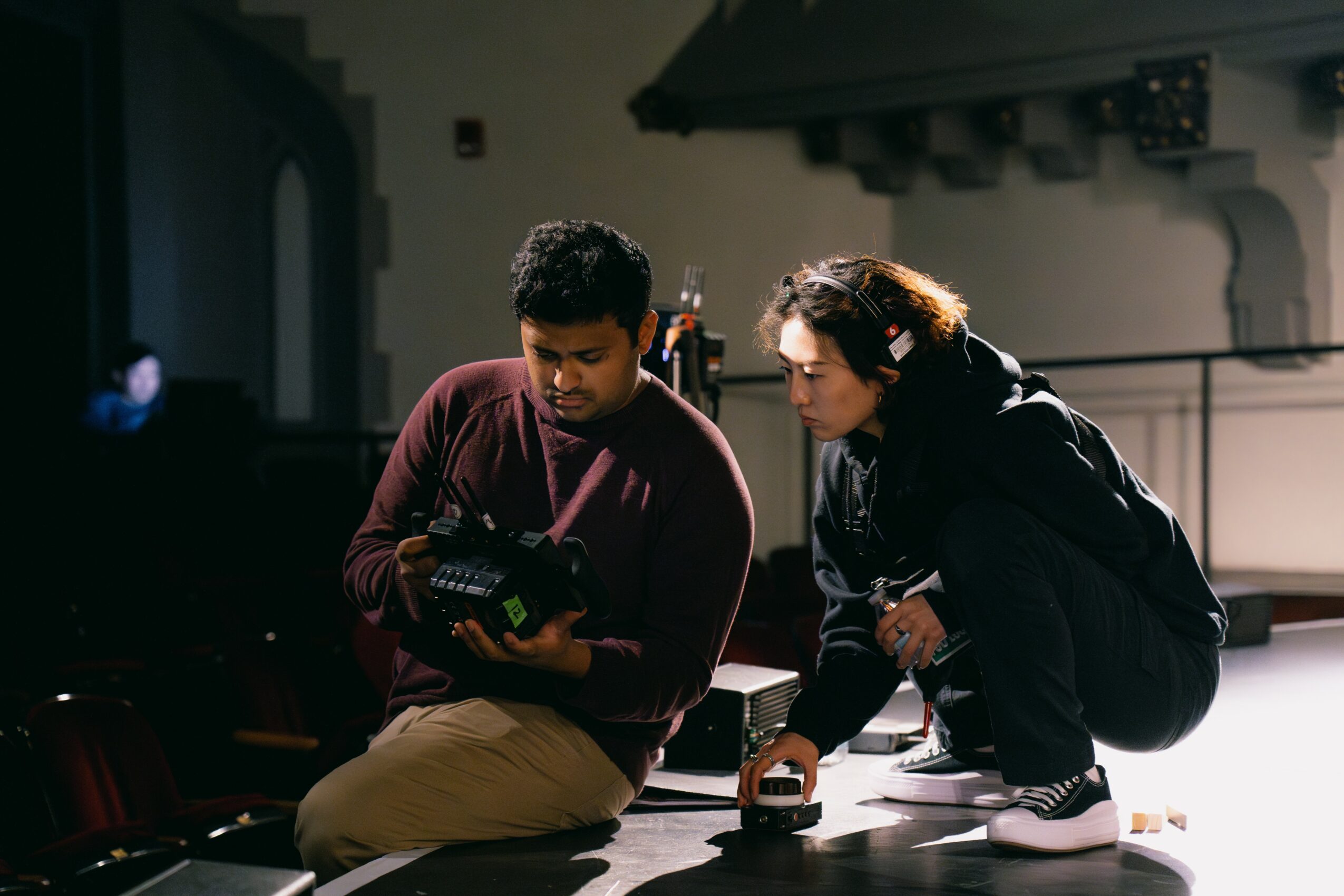
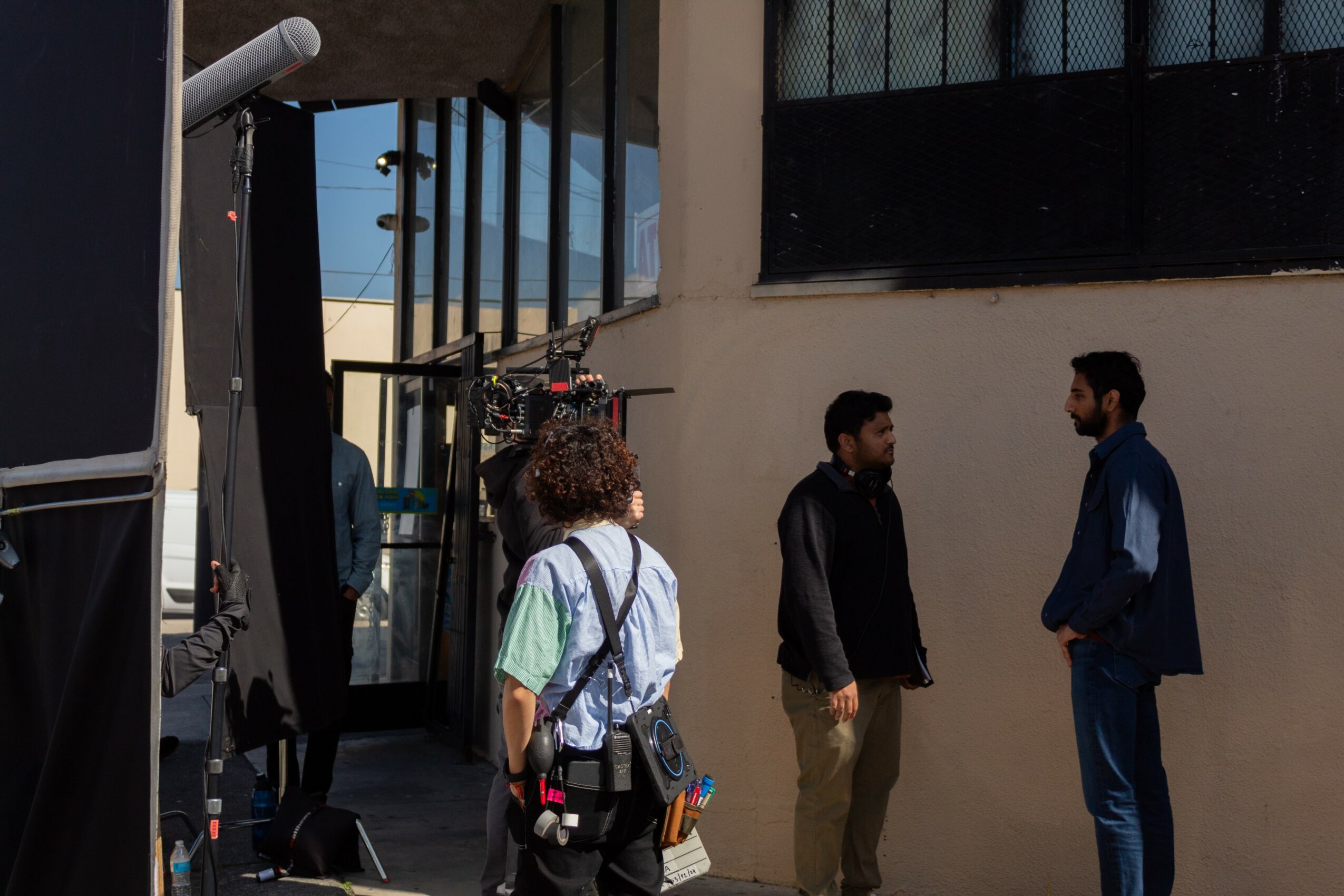
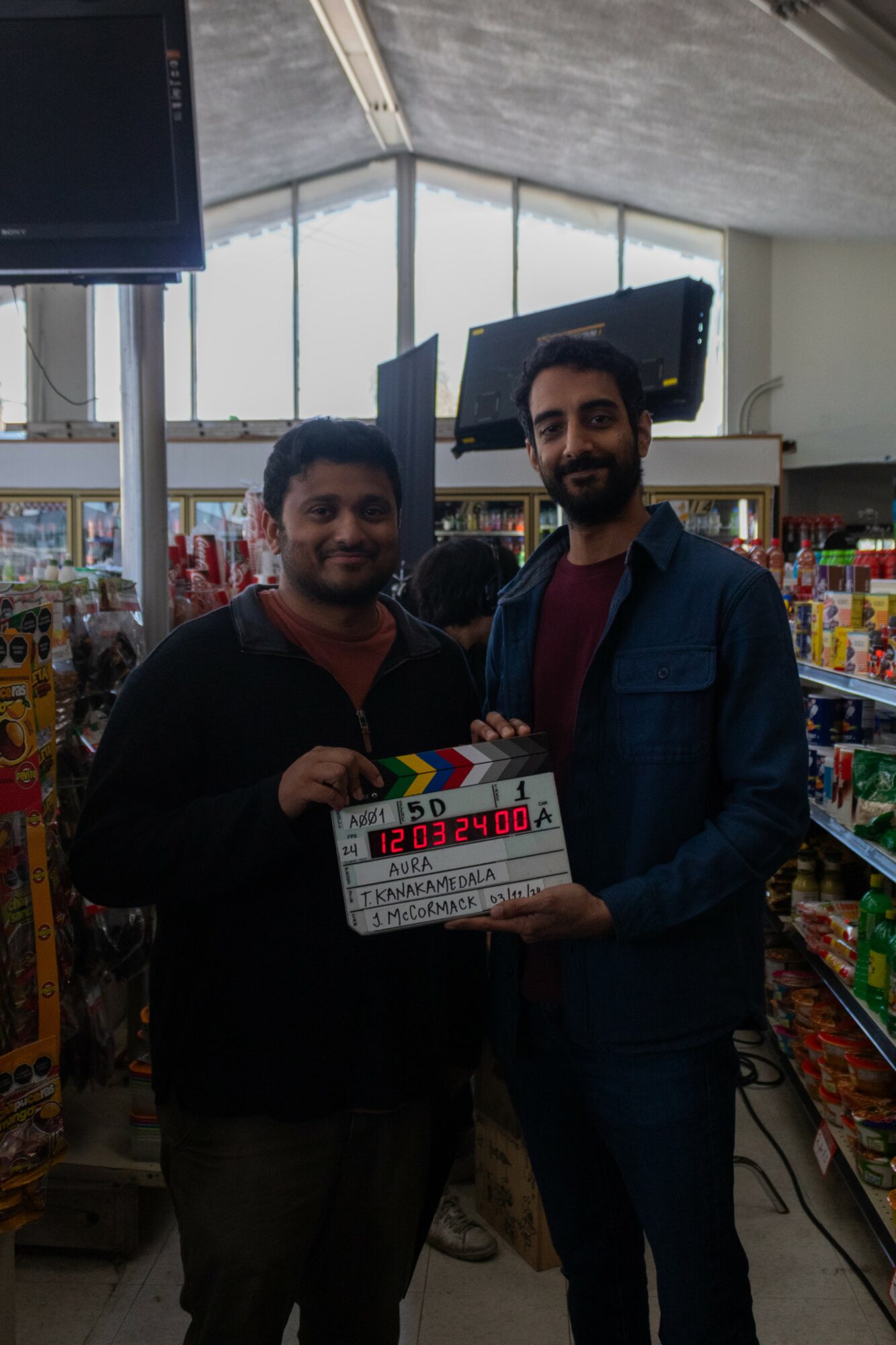
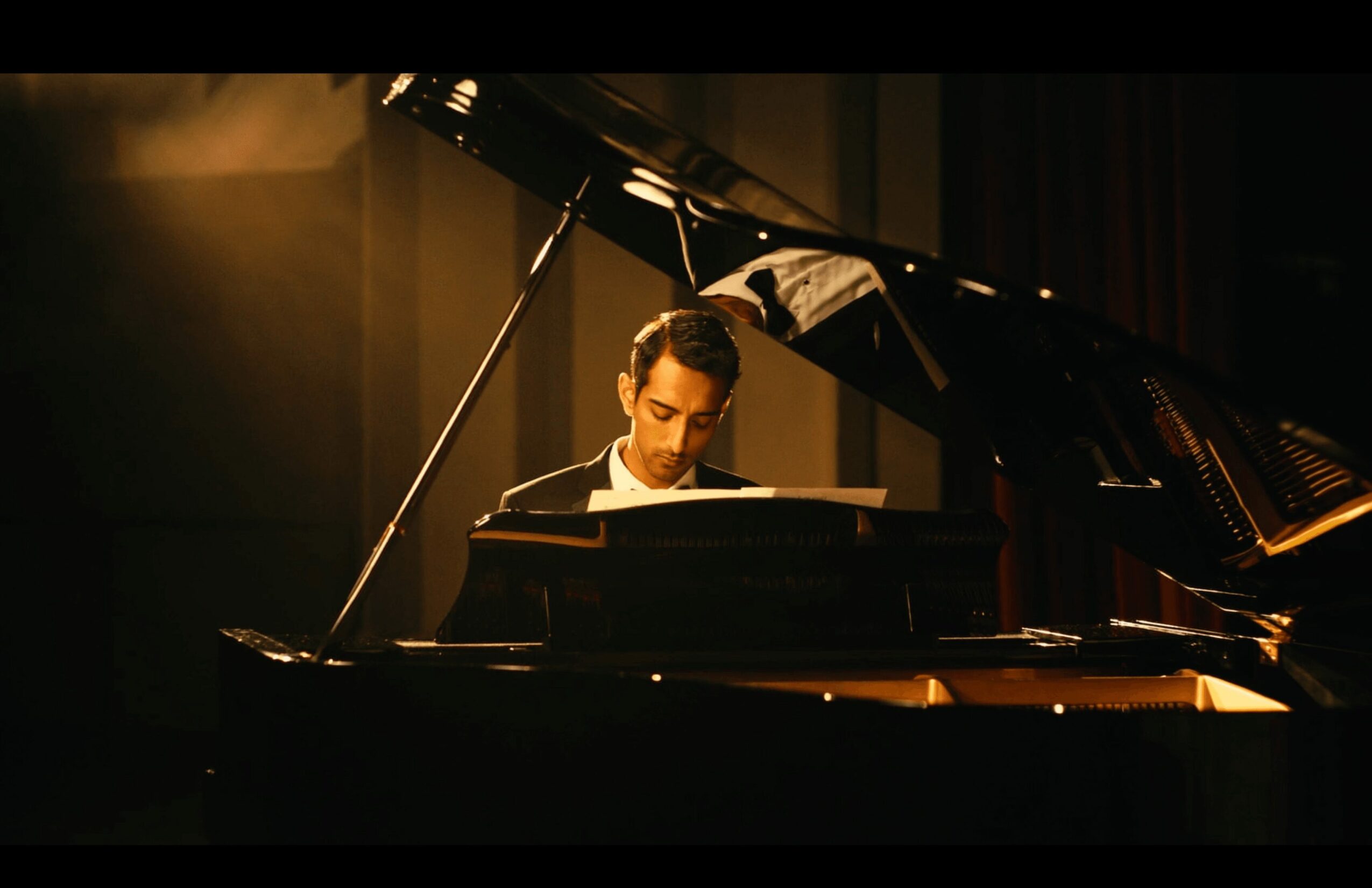
Image Credits
Eric Corona
Stephanie Reha
Ari Johnson
Jonathan McCormack
Popular
-

Que Johnson on Building Brands That Last: From Visibility to True Market Authority
-

Christina Wren Steps Into the Director’s Chair to Tell Stories That Feel Like Home
-

Portraits of the Valley
-

LA’s Most Inspiring Stories
-

JordanL on ‘Breathe,’ Belief, and Building a Movement Beyond the Music
-

Megan Birney Rudert on How Access to Light Is Powering a More Sustainable and Equitable Future


