




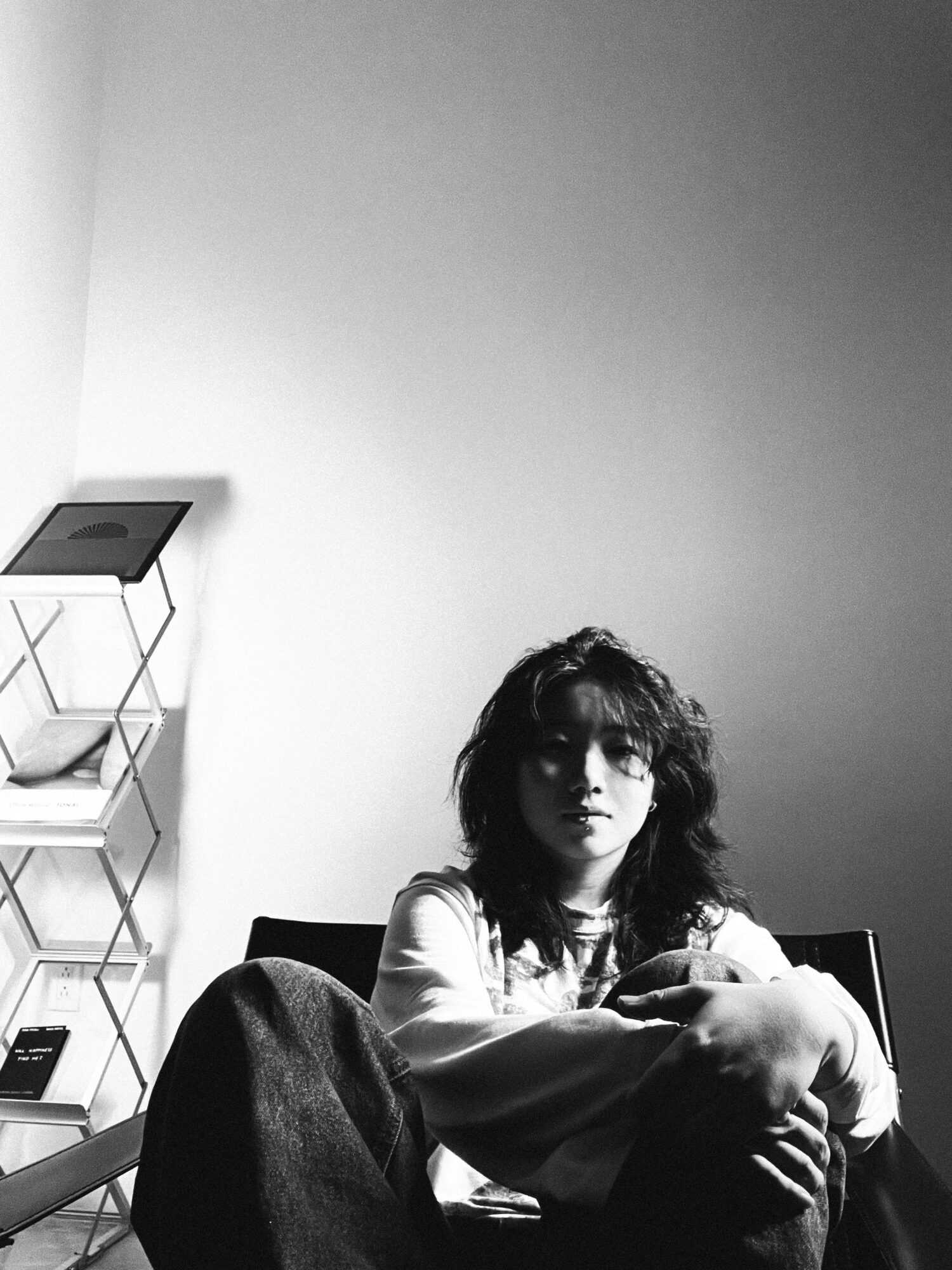
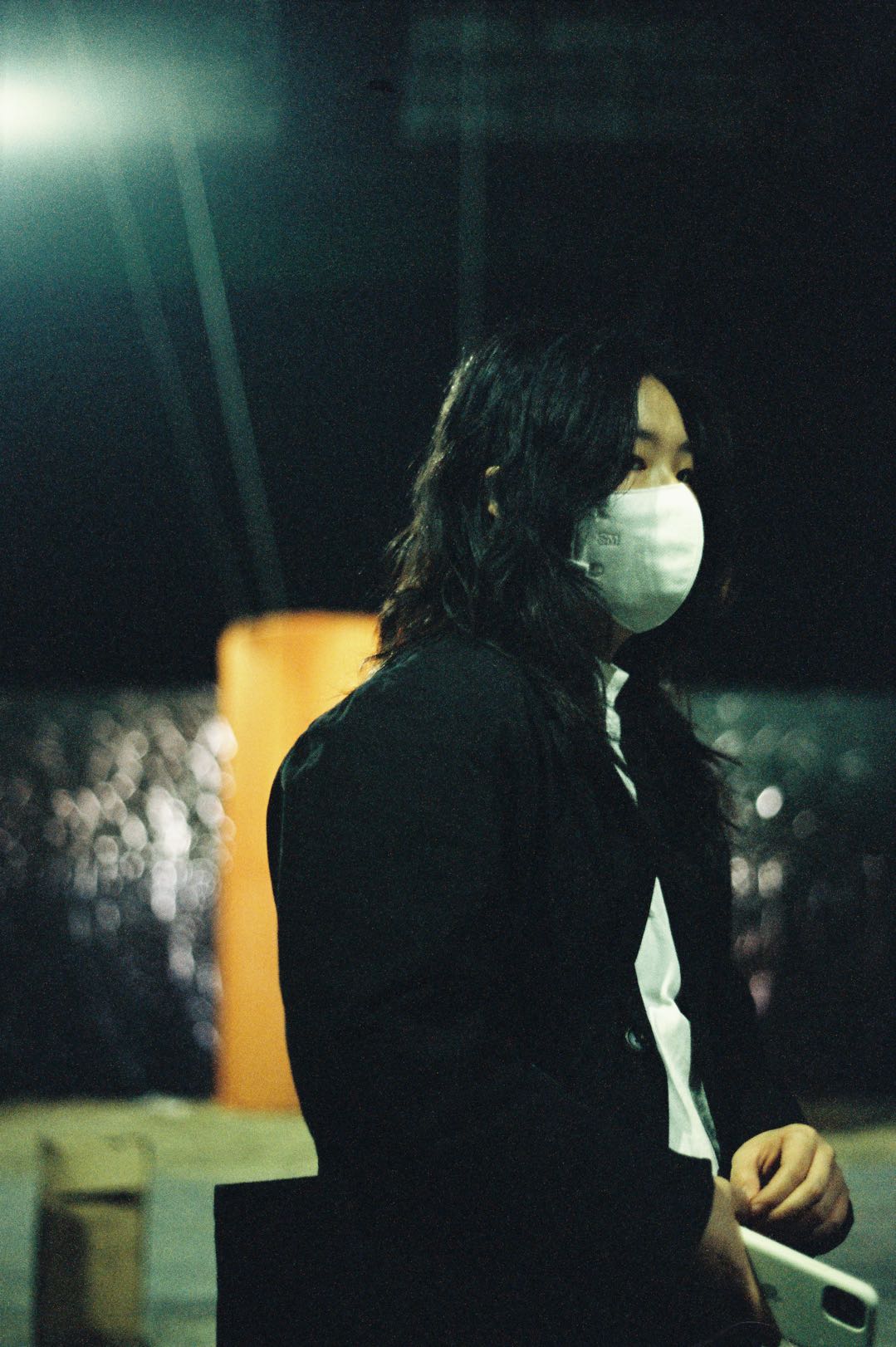
Today we’d like to introduce you to Shu Dai
Hi SHU, we’re thrilled to have a chance to learn your story today. So, before we get into specifics, maybe you can briefly walk us through how you got to where you are today?
Ever since I was in elementary school, I dreamed of becoming a director. But back then, it was more of a naive fantasy, like how kids dream of being superheroes. I didn’t know what it really meant to be a director or how to become one. Luckily, I stuck with it—maybe because being a director seemed slightly more achievable than becoming a superhero.
In middle school, I began reading books and studying film school textbooks, thinking that a director just needed to be knowledgeable. I memorized film history and studied theories, and with that, I managed to get into film school. But even in college, I still didn’t know how to actually make a film. My classmates were all using advanced equipment, focused on producing high-quality, polished work. I became obsessed with making my films “look good,” and people started to praise my work for its production value. After graduating, I built on my strong visual style and became an advertising director. But with that success came new criticism: people said my films were all style and no substance. They claimed I couldn’t tell a story, that my work lacked soul, and that all I needed was a good cinematographer—there was no need for a director like me.
That’s when I began to question myself and my approach. I wanted to figure out how to become a true director, so I sought out new knowledge. I set my sights on attending one of the best film schools to learn how to tell stories, which is how I ended up in the U.S. There, I studied three-act structures and how to create conflict. But once again, I lost my way. No matter how hard I tried, I couldn’t create the work I envisioned. I started doubting myself, wondering if I even had the talent to be a director. In a foreign country, struggling with the language, I couldn’t help but think: how could I possibly become a director?
I poured all my savings and resources into projects, yet the final results always fell short of my expectations. However, these failures brought a new understanding. I began to ask myself what I truly wanted to express. Without all the techniques and shortcuts, what was my core message? After all my attempts to figure out how to “become” a director, I came to a clear realization: being a director is just a role. Anyone can be a director if they have a genuine desire to express something from the heart. That’s all it takes to create work that moves people. I had been chasing the idea of what a director is supposed to look like, but in doing so, I lost sight of that original urge to simply tell a story.
Now, I know that I need to slow down, be honest with myself, and tell stories with sincerity.
Can you talk to us a bit about the challenges and lessons you’ve learned along the way. Looking back would you say it’s been easy or smooth in retrospect?
If life were a smooth road, it would be like playing a video game without any challenges—not fun at all.
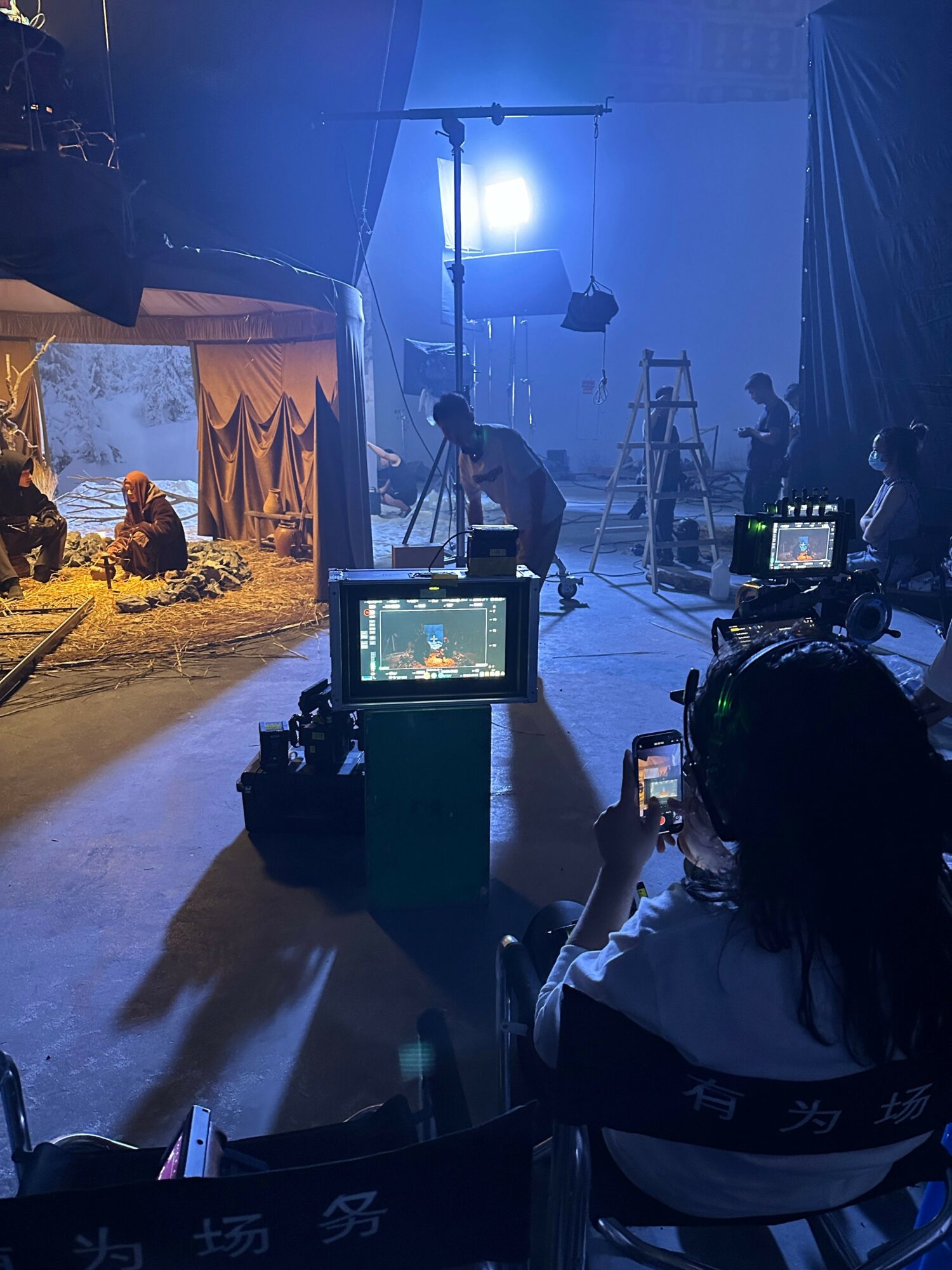
I dreamed of becoming a director as a child, but when I actually started studying filmmaking, I realized how difficult this role is. Being a director requires not only creativity but also financial investment in your own projects, strong emotional intelligence, the ability to manage various resources, and excellent communication skills. After graduation, I worked as a photographer, assistant director, and production designer before finally becoming a director. I never stopped creating, and after accumulating enough work, I was able to step into the role officially.
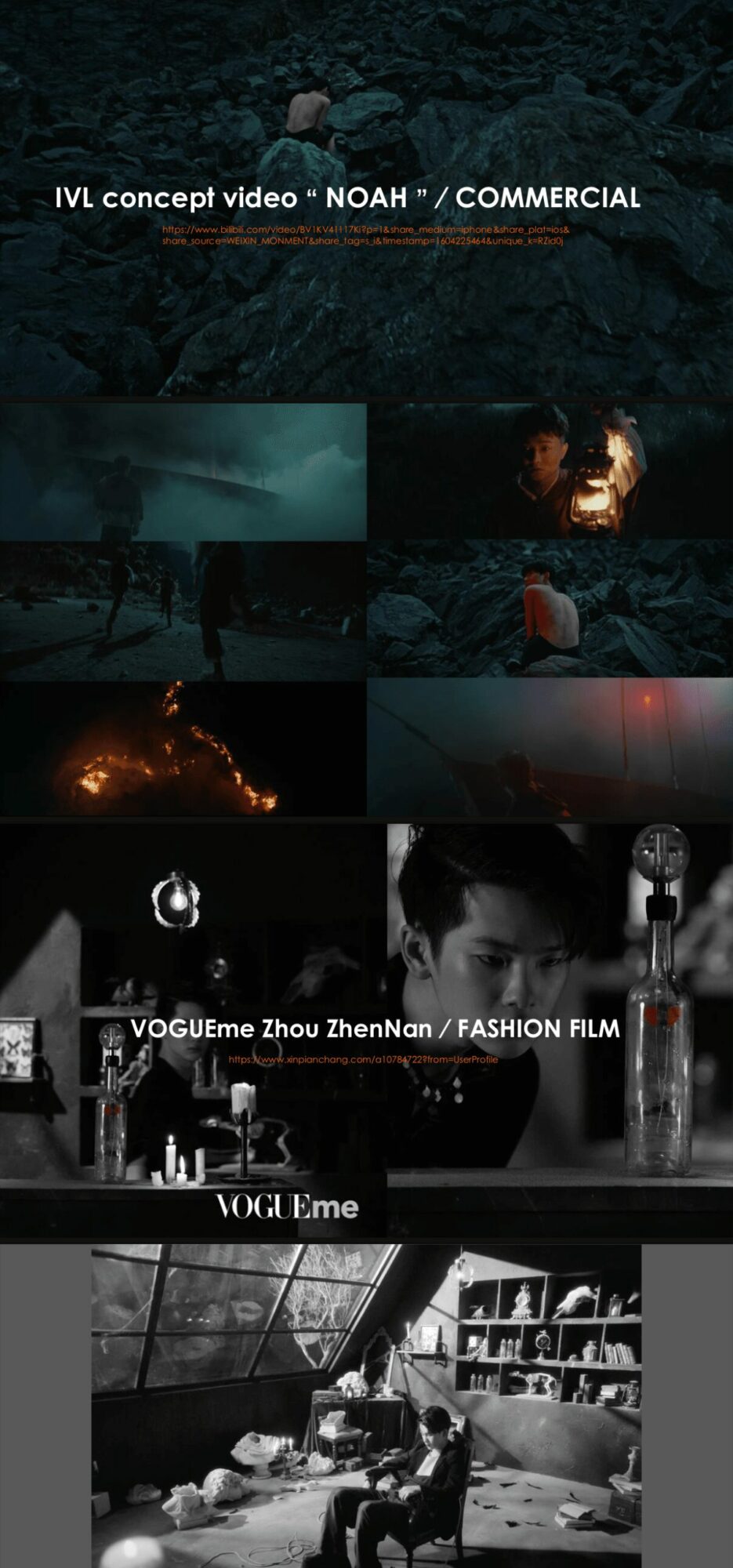
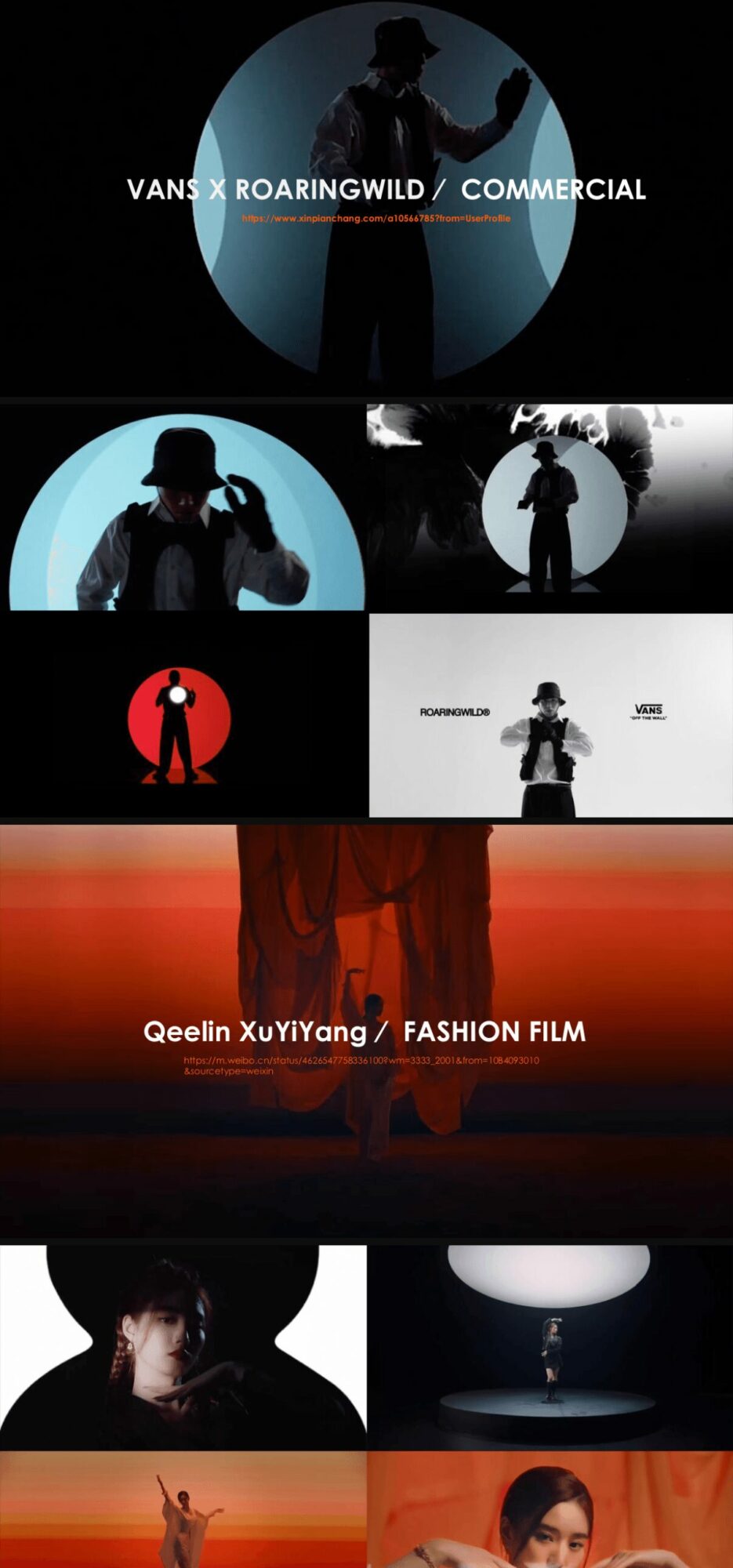
Breaking into commercial advertising as a director is even more challenging, especially when trying to land the first directing opportunity. I started by shooting fashion films, constantly thinking about how to create high-quality work with a limited budget. This approach allowed me to take on bigger projects over time. In the early stages of directing, it’s crucial to innovate, experiment, and seize every opportunity that comes your way.
Thanks – so what else should our readers know about your work and what you’re currently focused on?
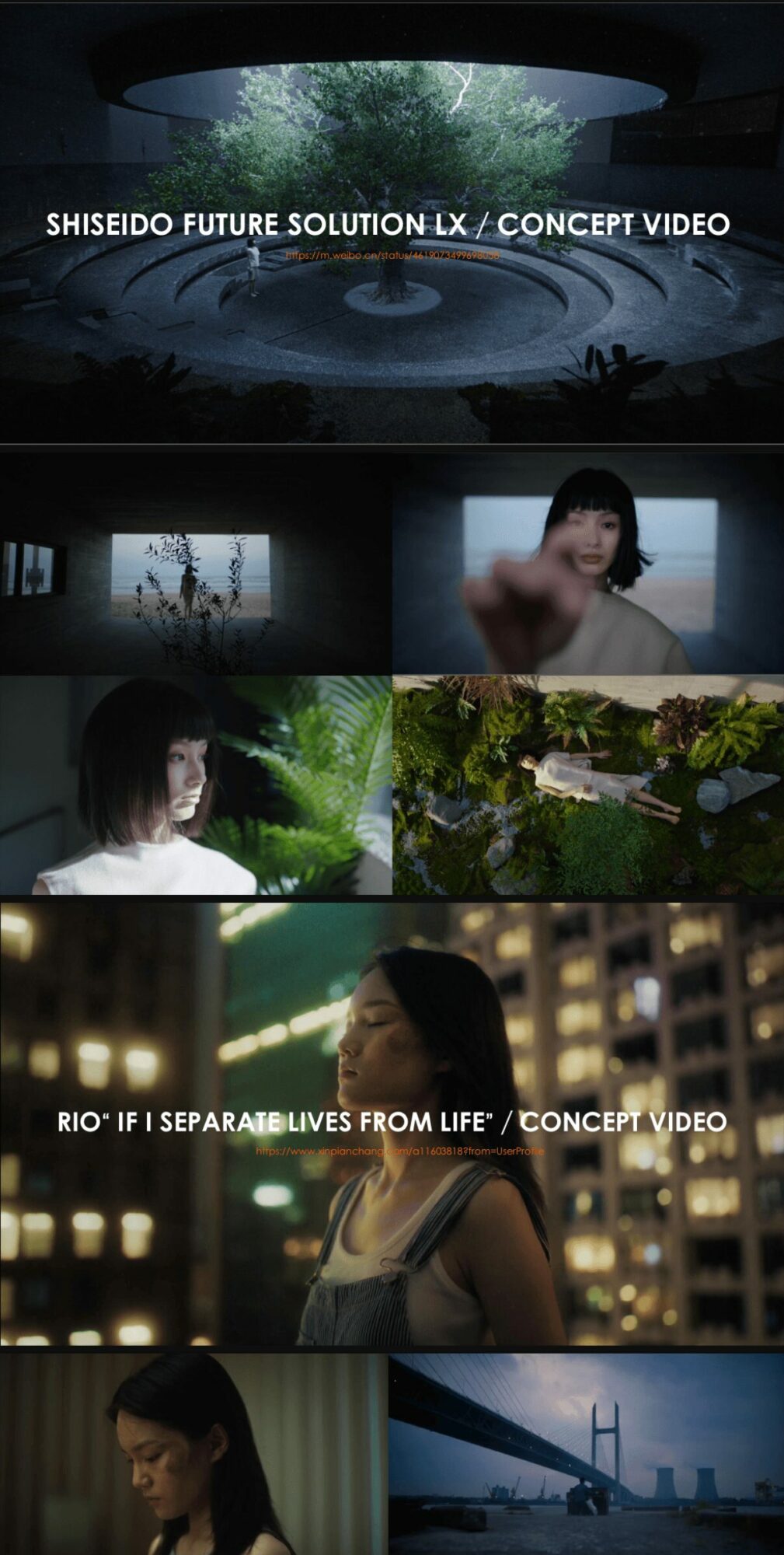
I’m a director and cinematographer, though I primarily work as a director. I’ve been in the advertising industry for about eight years now, and during that time, I’ve had the privilege of working with some incredible brands, such as Apple, Shiseido, TikTok, Rio, Vans, Samsung, Bulgari. I’ve also had the honor of collaborating with magazines like Vogue, Kinfolk, L’Officiel, and Bazaar.
One of the works I’m most proud of is the short film “Dance with Me” for Apple, which was part of their first batch of promotional films launched on Douyin (TikTok China). It received a lot of attention, and it was exciting to see how the project resonated with the audience. Another project that stands out to me is the advertising campaigns I created for Rio and Shiseido—those gained over 350,000 views and 50,000 likes on my personal platform, which was an incredible feeling.
What sets me apart, I think, is my approach to visual storytelling. I’ve always been drawn to the emotional depth in the images I create, and I like to think that the work I do isn’t just visually striking but has a layer of meaning that resonates with people on a deeper level. At the end of the day, I hope people feel something when they experience my work.
What I’m most proud of, though, is the relationships I’ve built through the creative process—whether with clients, collaborators, or the audience. It’s always a team effort, and I’m just grateful to be a part of such amazing projects.
Where we are in life is often partly because of others. Who/what else deserves credit for how your story turned out?
It would undoubtedly be to my family. In East Asian families, it’s often the norm not to express love openly, but all the emotions, all the care, are conveyed through actions, left unspoken. Perhaps through these words, I can say what I haven’t been able to say directly: I love them. They mean so much to me, even though these words would never surface in our day-to-day life. From childhood to now, my family has always supported me. I honestly can’t recall a single time when they told me to give up on my dream of becoming a director. Even when I finally became one, they admitted they never imagined their world would connect with the world of a director. They were simply supporting what I wanted to do.
To me, this represents a deep sense of respect and trust—something far more valuable than any kind of material sacrifice. And it’s because of that trust that I know I can achieve anything.
Contact Info:
- Website: https://www.xinpianchang.com/u10047836?channel=copyLink&from=webShare
- Instagram: https://www.xinpianchang.com/u10047836?channel=copyLink&from=webShare
Popular
-

Christina Wren Steps Into the Director’s Chair to Tell Stories That Feel Like Home
-

Portraits of the Valley
-

LA’s Most Inspiring Stories
-

JordanL on ‘Breathe,’ Belief, and Building a Movement Beyond the Music
-

Megan Birney Rudert on How Access to Light Is Powering a More Sustainable and Equitable Future
-

Linda Kneidinger on Building Lasting Change Through Small Steps and Self-Compassion


