




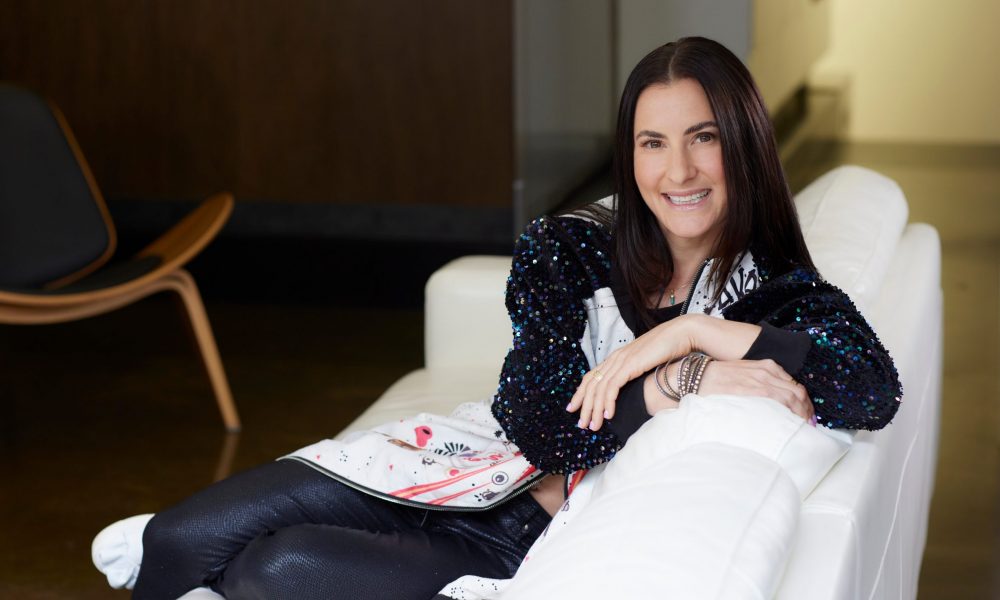
Today we’d like to introduce you to Rhiannon Kate Parker.
Alright, so thank you so much for sharing your story and insight with our readers. To kick things off, can you tell us a bit about how you got started?
In the inner eastern suburb of Hawthorn, just outside of Melbourne’s CBD, I ventured out for a night on the town with a group of friends a week after celebrating my 18th birthday, marking the end of my high school journey. Tragically, that night took a dark turn as I became separated from my friends and encountered a group of five men on the sidewalk. What began as an innocent request for a kiss quickly escalated into a brutal assault, and gang rape, leaving me battered and traumatized. Filled with shame and fear, I made a solemn promise to myself never to speak of the incident, believing that silence could somehow erase the pain.
Over the course of two years, I carried this heavy secret, which led to a downward spiral marked by the development of anorexia nervosa, severe anxiety, and post-traumatic stress disorder. I lost a significant amount of weight, withdrew from my friends and family, turned to self-harm as a coping mechanism, and even attempted to take my own life. It wasn’t until a turning point that I decided to confide in my mother about the traumatic event. With her support, I began to receive the professional help I so desperately needed.
Now age 34, I’ve navigated a challenging journey filled with hospital stays, primarily due to my eating disorder. The road to recovery has been far from easy, but with the consistent support of my medical team, I’m making remarkable progress. Weekly sessions with my psychologist and frequent appointments with my dietitian have been essential components of my ongoing recovery journey. While the scars of my past still remain, I am thriving.
Today, I have managed to graduate from university and currently work as a physical education teacher in a high school. I also play volleyball and netball, surrounded by a wonderful group of friends who support me and embrace my journey through battling my eating disorder and extreme anxiety. This loving community has played a significant role in my healing process, and together, we continue to break the stigma surrounding these issues.
I’m sure it wasn’t obstacle-free, but would you say the journey has been fairly smooth so far?
My road to recovery has been far from easy; it’s been marked by numerous hurdles and obstacles that have tested my resilience. One of the most painful aspects of this journey has been the loss of friendships. Many friends didn’t understand the depths of my mental illness and couldn’t cope with the changes it brought about in my life. This was deeply hurtful and isolating.
Furthermore, I’ve faced the heartache of losing the respect of some family members who struggled to comprehend the complexity of my struggles. It’s been a challenge to bridge the gap and make them understand the realities of mental health issues.
Living in Melbourne, Australia, I’ve encountered the harsh reality that we still have a long way to go in terms of providing proper care for those suffering from eating disorders. My hospital stays, while essential, often felt more traumatic than helpful. There was a strong emphasis on weight restoration, but very little attention was given to the underlying psychological issues and the complex relationship one has with food. Eating disorders run deep; they are not just about the food consumed.
As someone passionate about sports, my ongoing battle with fatigue and weight loss took a toll on my athletic pursuits. There were numerous instances when I was too unwell to participate in the team sports I held dearly. The constant struggle to balance physical well-being and mental health posed significant challenges.
One of the toughest aspects has been my current diagnosis of atypical anorexia, a condition that much of the medical world still doesn’t take seriously enough. Atypical anorexia is essentially the same as anorexia nervosa, but the individual is within what is considered a healthy weight range. Due to this, people often perceive you as ‘healthy enough’ not to require treatment, even though it’s just as deadly as anorexia nervosa. This lack of recognition and support adds a layer of frustration and anguish to the recovery process.
Perhaps the most significant challenge has been the stigma associated with mental illness and the weight of being labeled a ‘rape victim.’ These labels can change the way people treat you and make it difficult for them to understand how to interact with you. Consequently, I’ve lost numerous friends along the way, highlighting the unfortunate reality of the stigma surrounding mental health and sexual assault. My journey to recovery has been a complex and tumultuous one, marked by profound personal growth, but it’s a path that requires continued understanding, compassion, and support from society at large.
Appreciate you sharing that. What else should we know about what you do?
During some of the most challenging years of my life, I managed to achieve academic milestones, earning a Bachelor of Physical Education and a Master’s in Counseling. My educational journey was driven by a desire to work in a high school and become the mentor I desperately needed during my teenage years. When I graduated from school, I had no knowledge of rape or sexual assault, and I lacked a comprehensive understanding of mental illness and where to seek help.
I feel incredibly blessed to have the opportunity to work with young people, helping them navigate the tumultuous journey of adolescence. My aim is to provide the guidance and support that I wish I’d had in my own youth.
In addition to my work in education, I’m known for my passion for team sports. Even at the age of 34, I continue to play at a competitive level and savor every moment on the field. Sports have been a source of strength and joy in my life.
However, what I am most proud of is my decision, in 2022, to finally summon the courage to share my personal story with the world. I publicly disclosed my ongoing battle with an eating disorder, PTSD, and anxiety stemming from the traumatic experience of being gang-raped. This revelation has had a profound impact. It has led to people opening up to me with their own stories, creating a space for conversations about mental illness and the power of vulnerability. It’s been an incredible journey to witness so many people feeling safe to share their struggles with me.
I’m particularly excited about a forthcoming project. In January next year, I’ll be a co-author with the Imperfectly Perfect Campaign in a book where I lay my story bare, highlighting the strength in being vulnerable. It’s truly remarkable to have transformed from a victim to a survivor and be a part of changing the stigma surrounding mental health and being a survivor of sexual assault. This journey has allowed me to make a meaningful impact and offer hope to others who have faced similar challenges.
What sort of changes are you expecting over the next 5-10 years?
Over the next few years, I see my industry, which involves education, counseling, and mental health, undergoing several significant shifts and trends. One of the key areas I am passionate about is breaking down barriers to accessing help, especially for those dealing with atypical anorexia.
In the realm of eating disorders and mental health, there’s a growing understanding of the importance of recognizing conditions like atypical anorexia. The prevailing notion that a healthy weight range equates to not needing help is slowly but surely changing. I want to actively contribute to this shift by becoming a speaker and educating the world about atypical anorexia. I aim to emphasize that one’s weight should not be the sole indicator of the severity of their condition. It’s crucial to emphasize that every individual’s struggle with an eating disorder, regardless of weight, is valid and deserving of support.
Furthermore, I intend to focus on educating young people about seeking help and committing to long-term therapy if they find it beneficial. Removing the stigma around therapy and encouraging young individuals to recognize the value of professional help is essential. I firmly believe in the significance of long-term therapy as I have personally experienced its positive impact. My psychologist and dietitian have been instrumental in my journey, and I want to convey that message to others.
As part of my future endeavors, I aspire to travel and share my story with young people, emphasizing that there is help available and seeking it is not a sign of weakness but an act of courage and self-care. I want to impart the message that their voices matter, and they are entirely worthy of receiving the help they need to lead their best lives. Ultimately, my mission is to be an advocate for change, breaking down barriers to mental health support and ensuring that every individual, regardless of their condition or circumstance, can access the help they deserve.
Contact Info:
- Instagram: rhiannonkateparker


Popular
-

Que Johnson on Building Brands That Last: From Visibility to True Market Authority
-

Christina Wren Steps Into the Director’s Chair to Tell Stories That Feel Like Home
-

Portraits of the Valley
-

LA’s Most Inspiring Stories
-

JordanL on ‘Breathe,’ Belief, and Building a Movement Beyond the Music
-
Megan Birney Rudert on How Access to Light Is Powering a More Sustainable and Equitable Future


