




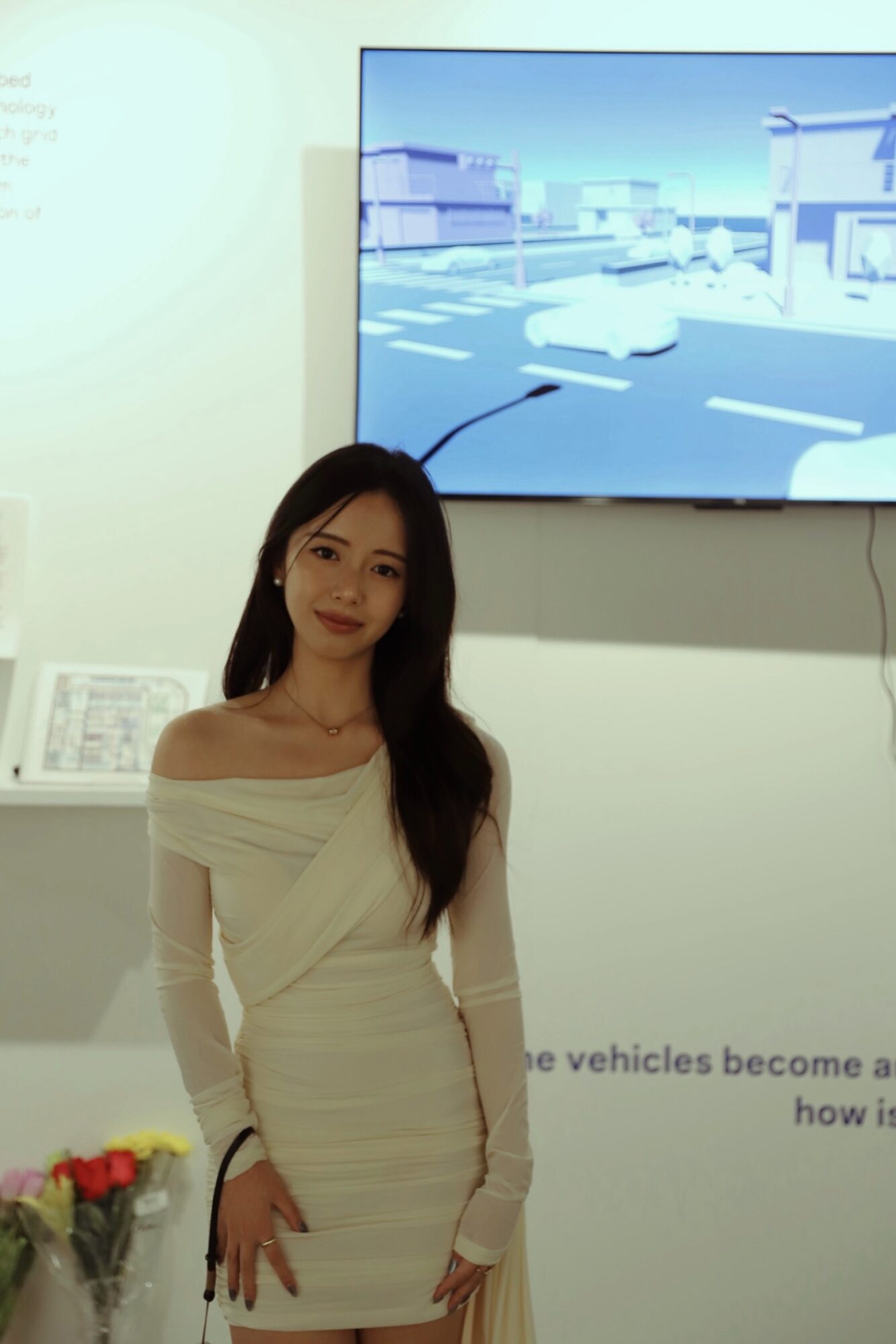
Today we’d like to introduce you to Ophelia Chen.
Hi Ophelia, please kick things off for us with an introduction to yourself and your story.
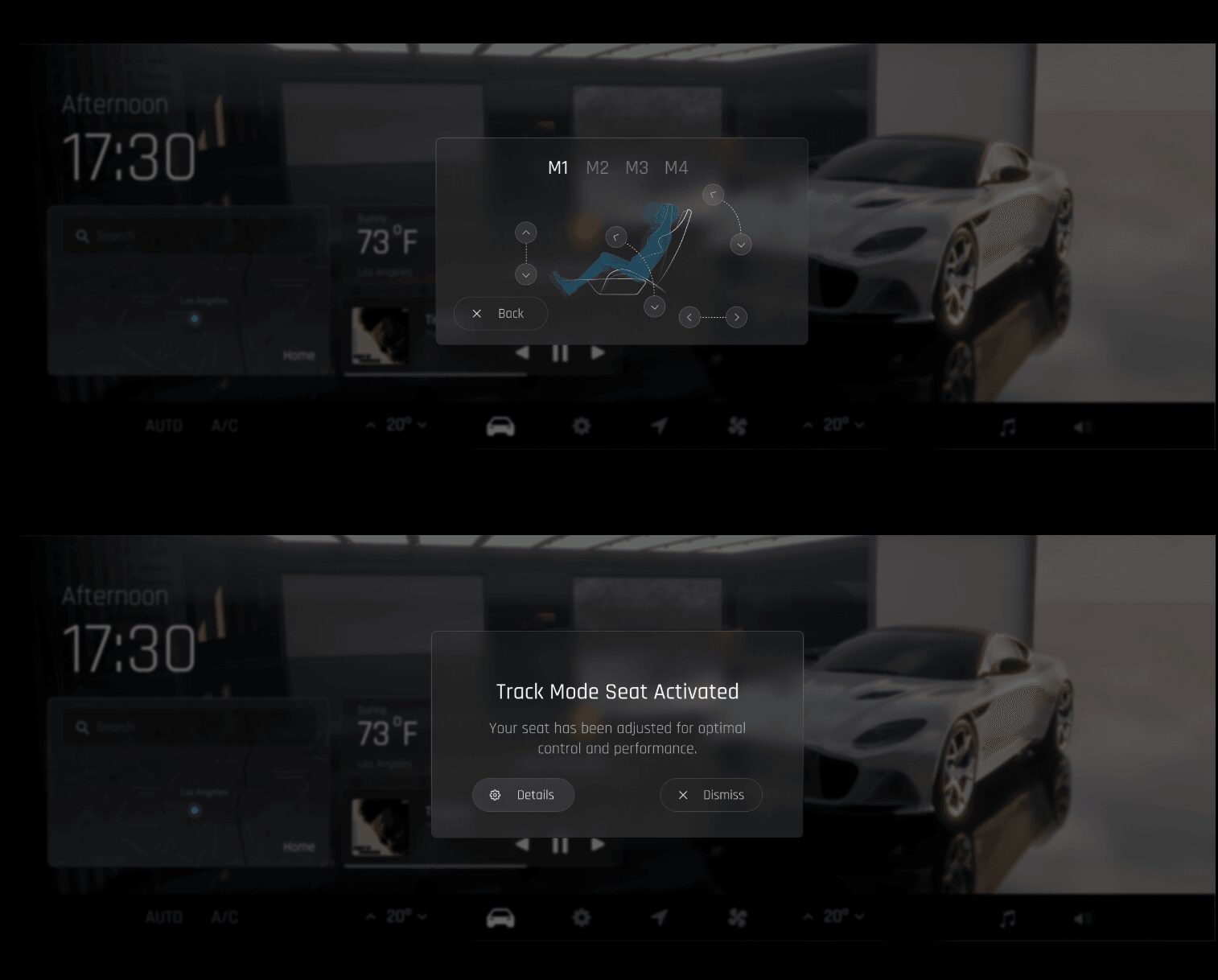
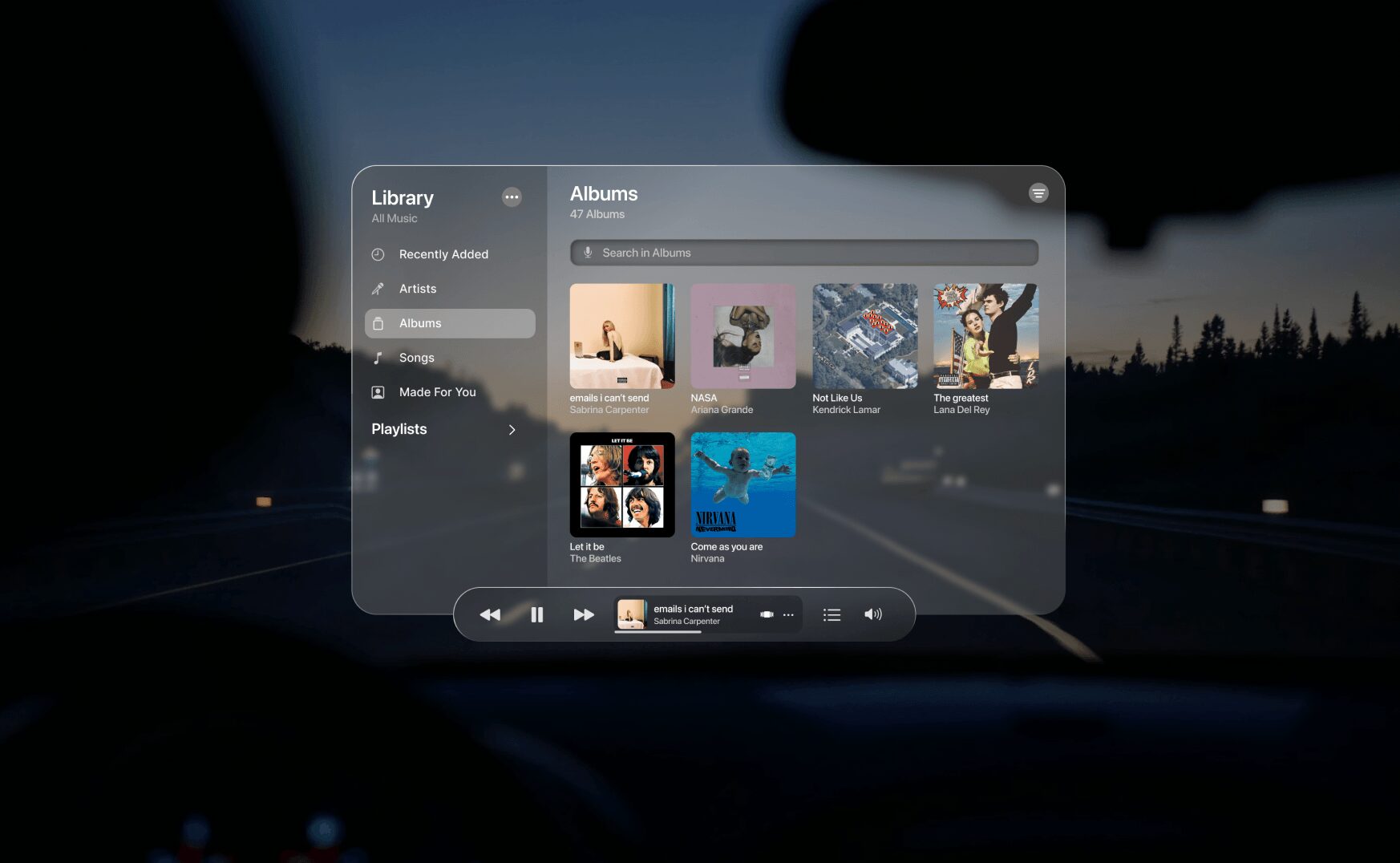
I am an interactive designer based here in Los Angeles, specializing in the convergence of UI/UX and immersive XR technologies. My passion for art and design took root at a very young age, but my professional journey has been defined by a constant evolution from the screen to the spatial world.
I spent a significant portion of my career architecting digital products and 2D UI/UX experiences for major global entities, including PwC, Delta Air Lines, and Binance. While those experiences built a strong foundation in product thinking, I felt compelled to explore the future of how humans interact with information. This drive led me to specialize in spatial 3D UI interactions within the VR and AR landscape. Los Angeles has been instrumental in this journey; the city’s unique energy and position as a hub for both creativity and technology provide constant inspiration for my work.
Can you talk to us a bit about the challenges and lessons you’ve learned along the way. Looking back would you say it’s been easy or smooth in retrospect?
The road has had its bumps, particularly because of the specific niche I chose. As a designer, my goal has always been to make technology feel more natural and human. The struggle has been bridging the gap between rigid engineering and organic human behavior. In the early days, advocating for high-quality UX in emerging fields like VR was a constant battle. The technology wasn’t always ready for the vision I had. It took resilience to keep pushing for better standards and to prove that immersive design isn’t just about ‘flashy’ visuals, but about genuine utility.
Appreciate you sharing that. What else should we know about what you do?
I specialize in Interaction Design for emerging technologies. My day-to-day involves solving high-friction problems for users in 3D spaces—taking things that are confusing in Virtual Reality and making them feel second nature. I am most proud of my recent transition from practitioner to industry advocate. Last year, I had the honor of serving as a judge for the MIT Reality Hackathon, which allowed me to help shape the next generation of XR creators. I was also selected as a speaker for AWE Asia, sharing my insights on the global stage.
What sets me apart is my ‘hybrid’ capability. I speak the languages of both design and development. Because I understand the technical constraints of Unity and XR tools, I can design solutions that are not only beautiful but actually shippable. I don’t just hand off a picture; I hand off a plan.
What sort of changes are you expecting over the next 5-10 years?
We are currently standing at the edge of the biggest shift in computing since the smartphone: the death of the screen. Over the next decade, I see the industry moving away from rectangular 2D displays and into Spatial Computing.
Right now, we still look at technology. In 5 to 10 years, we will look through it. The heavy VR headsets we use today will slim down into lightweight AR glasses, and the internet will no longer be something you ‘browse’ on a phone, but a layer of information draped over the real world.
For designers like me, this changes everything. We won’t be designing ‘pages’ anymore; we’ll be designing physics, environments, and behaviors.
Contact Info:
- Website: https://www.chocophephe.com/
- LinkedIn: https://www.linkedin.com/in/chocophephe/
Popular
-

Que Johnson on Building Brands That Last: From Visibility to True Market Authority
-

Christina Wren Steps Into the Director’s Chair to Tell Stories That Feel Like Home
-

Portraits of the Valley
-

LA’s Most Inspiring Stories
-

JordanL on ‘Breathe,’ Belief, and Building a Movement Beyond the Music
-

Megan Birney Rudert on How Access to Light Is Powering a More Sustainable and Equitable Future


