




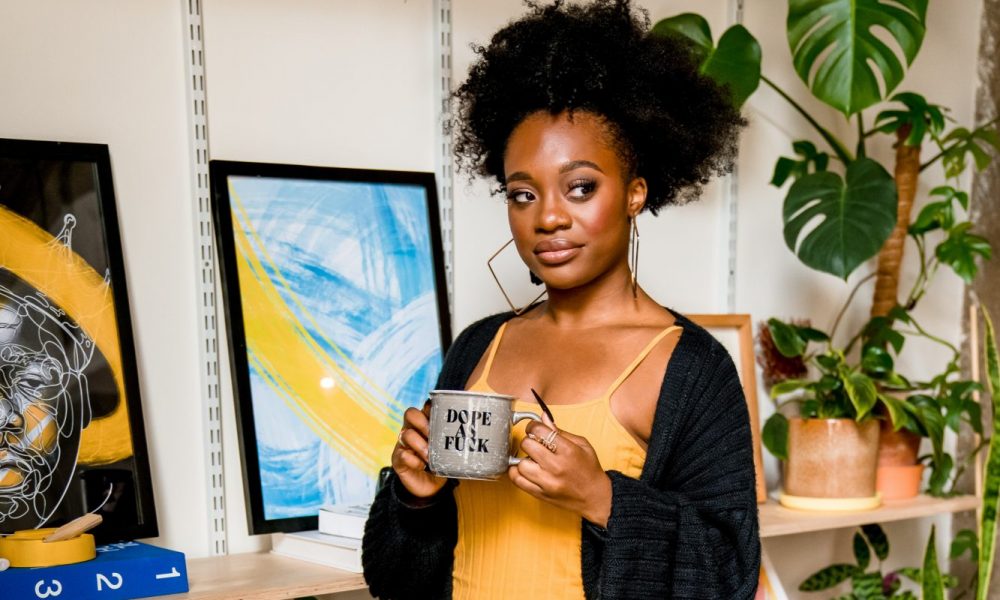
Today we’d like to introduce you to Morgan Sumner.
Hi Morgan, thanks for sharing your story with us. To start, maybe you can tell our readers some of your backstory.
I was the kid with bins and baggies of markers and pencils, a stack of art pads in the corner. I had two hot glue guns instead of one because sometimes it took a while to heat just the one up, so it’s best to have an extra in rotation so I could get to my many DIY projects. Basically, if I could create it, I would be interested in it. Drawing, building, baking, sewing, fashion, poetry, music, dancing, movies—all of it. When I was still a kid, I decided to use all of my talents and interests for good and pursue the life of an architect. I’d never met one, and I knew nothing really about it, but clearly, what I had seen on TV was enough to convince me. Most importantly though, it seemed broad enough that I could maybe do a few different things.
In 2016, I graduated with my first degree in architecture with a Minor in African, African American studies from Arizona State. My degree combination may at first seem disjointed, but it was one of the first times I noticed how perspective really changes a story. Several times I would learn about the impacts of architecture and design from both an architectural history standpoint and a social one. For instance, the story of Levittown is often taught as a model for suburban density post-war. However, my architecture history often skipped right over the parts about the clear racism written into the deeds that kept Black and brown families from homeownership in those same exact communities. I thought that was wild. I was the only Black kid in my architecture class, a position I knew to assume early. So, I stayed busy, I did all the things. Found ways to be in studio, and on the yard. I was exhausted and overwhelmed, but I graduated, moved to LA, and started my grad program at USC.
My best friend, Tobi Ashiru, and I have this whole story about how we met on the first day of architecture school. Seeing another Black girl in my architecture class sent a joy through me I thought I’d never know. We knew we needed to be friends, and we’ve been locked in ever since. It was the first time someone else knew what I knew and felt how I felt about this whole architecture thing. We love it and all, but there are some obvious pitfalls that were missing from our day-to-day in education and the profession. We both have the world’s best mentor, Amy Murphy, who was the first architecture advisor I’d had that encouraged me to draw from my Blackness with architecture, to not see it as extraneous but rather integral. Talk about a breath of fresh air. So, I named my thesis after Beyonce’s Lemonade Album “From Lemons: Robin Hood Gardens” and explored how social implications play into architectural longevity. By the time I was in my career full-time for about 8 months, I knew drawing out laboratory spaces and bathrooms was not how I was about to spend the rest of my life. I texted Tobi about this crazy little idea I had, and she was down. Not too long later, after the chaos of early 2020, we decided it was a great idea to start a business up from the ground. Poché Design Studio has been our continued breath of fresh air for 4 years this summer. My circle also encouraged me to apply for my dream Architecture job at Bestor Architecture, so I really have the best of my favorite design worlds. While I am still exhausted and overwhelmed, I’m so damn happy.
I’m incredibly thankful to feel love for all of the work I presently do. I’m doing exactly what I wanted my whole life: to get paid to draw and daydream in different ways. I’ve learned that I enjoy stories more than anything else, and that comes from this love for a changed perspective. There’s this awesomeness that happens at the intersection of culture and creativity, and I’m beyond thankful to spend all of my time there. I want to be a storyteller in as many ways as I can master.
Would you say it’s been a smooth road, and if not, what are some of the biggest challenges you’ve faced along the way?
Expectations are always the heaviest. I have always had very high expectations, and knowing how few Black Women presently occupy spaces in architecture and design, the expectations start to feel heavier. Less than .5% of licensed architects are black women, so I’ve made it a mission to add to that number. Learning to meter these expectations has been a surprisingly fun challenge. It’s connected me back to myself a lot more, helped me accept my failures as lessons, and find ways to give grace to myself and others. Expectations are great for motivation; I love mine, but I regularly have to check and realign them for my own peace.
I’m so timid; it’s hilarious. Most people don’t believe me, but I’m terribly introverted. I started forcing myself to be social when I moved to LA. “Just say what’s on your mind” is what I would yell at myself over and over. Now, you might catch me in soliloquy if you find me at the right time. I’m still figuring out what it means to be both introverted and a leader.
I’ve always felt like I’ve been in a time deficit; finding time to do everything is very difficult. I worked several jobs throughout school, and I was one of a few architecture students who did. At one point, I had three part-time jobs, was president of my sorority chapter, served on three other executive boards for organizations, had a boyfriend, and was still cute. I remembered thinking how much not having time for myself sucked, but it had to happen, so I did my best. I still do a lot, but I manage my time much more deliberately now. I have similar time constraints, but I believe life is lived through experiences, so I love a busy schedule. Living in two professions is not for the faint of heart; it’s the best exercise in humility. Time management, decision-making, and firmness are all a Founder’s best friend, and I’m trying to get in good.
I’ve had to prove myself in these spaces, as most of us have. It feels constant at times (a nod to those expectations), but I’ve learned to trust myself as I’ve gotten older. I’ve learned to validate myself and my interests when others question their relevance. Finding a community of like-minded people has been a challenge in itself, but it’s been one of the most rewarding parts of the journey. There’s a trust that the culture has already been considered in the conversations. Context is so critical to success.
As you know, we’re big fans of you and your work. For our readers who might not be as familiar, what can you tell them about what you do?
At Bestor, I’ve been fulfilling my dream of designing dream homes for families. The people I get to work with are so talented. I’m thankful to know a workplace that does actually care about the quality of work. There’s a high level that rings from the projects, and I’m in disbelief that I’m learning from actual leaders in the industry. Commercial architecture is so alluring, and I love the complexity of the projects, however, residential is the deliberate injection of personalities and preferences into someone’s home. I’ve spent the past few years surrounded by some kick-ass designers. I secretly look at architecture through a fashion lens, my first love. It’s interesting to see how much designers just can’t hide who we are, from the way we draw our elevation to the pop of color sock several of us are known for. For me, that’s the part I have always been most interested in. In the same way, there are intersections in being a Black Woman Designer, there are intersections between personality and the way we design. I’ve learned how architecture is experience, how beauty can be scaled, and to stay in love with design.
I can speak more about our work at Poche, where we create dope design for dope people. Our original idea has grown and become this multifaceted business that tells the stories of some really amazing do-gooders. We take pride in being a team of seven Black women, fully remote and highly talented. We take pride in our message and our values; our mission is to continually invest in creating visual stories that serve our communities and help push the culture forward. Our collection of work has a wide range, which speaks to our flexibility, something we really brag about. We built a team that has a diverse skillset so that we can each find ways to do what we want, enjoy ourselves while we create, stay relevant, and build a community of dope movers and shakers. Our work often looks like logos+branding, websites, social media buildout, strategy, and publication design. We’ve recently started to move into built space through installation install and Interiors by Poche. The space we’ve created, which we call the Poche Party, is truly safe. We enter rooms as listeners and problem solvers first, and designing outside of an ego is one way we operate differently. We see ourselves as tools for storytelling, and our clients have the best things to say, so we truly hustle for them. We’re proud that our client list has largely been built off word-of-mouth. We pivot, we grow, and we get to be completely ourselves. The Poche Party is the best place to be and that makes me most proud.
What matters most to you?
Inclusion. Stories are controlled by those who tell them and further controlled by those who document them. We need to add more voices to the role of the narrator. My experience has always felt foreign in the larger scope of architecture and design, but that’s because the lens I’ve historically viewed through has been hyper-focused. Designing in these two spaces simultaneously disrupts the singular perspective of experience. My goal on this journey is to bust the door wide open behind me for all the storytellers who have something different to add.
Contact Info:
- Website: bypoche.com
- Instagram: by_poche, morgancamille
- Linkedin: https://www.linkedin.com/company/poche-design-studio , https://www.linkedin.com/in/morgancsumner
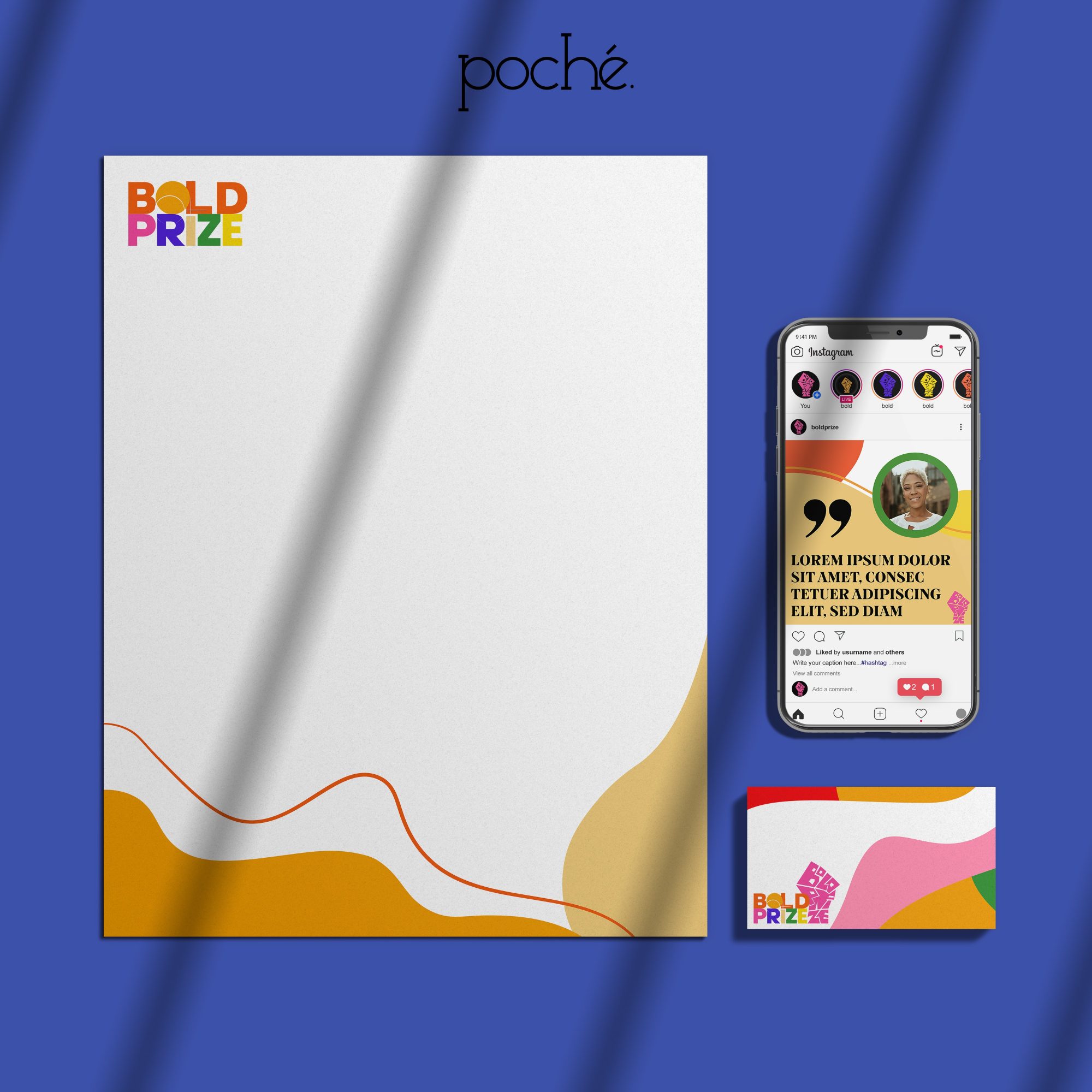
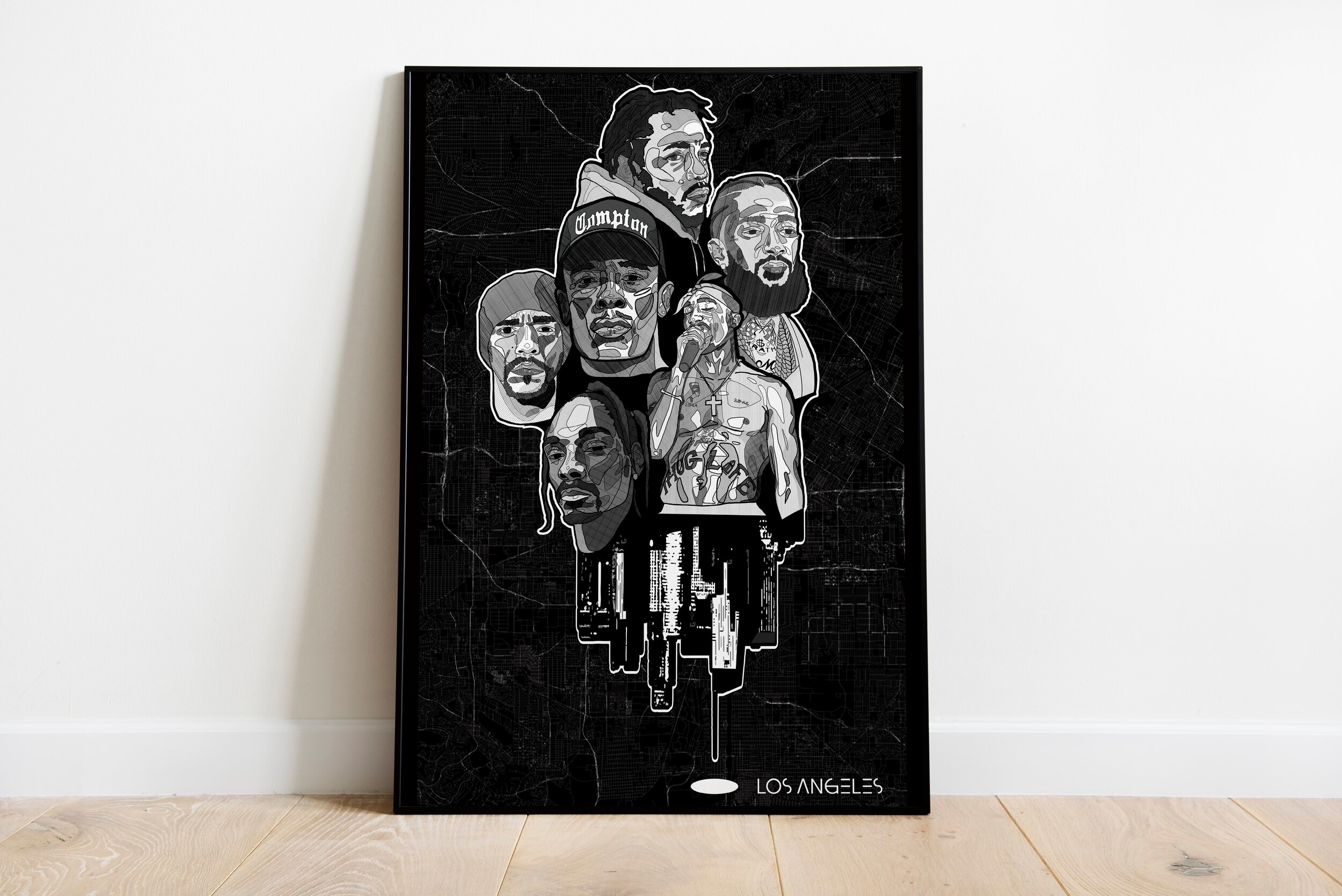
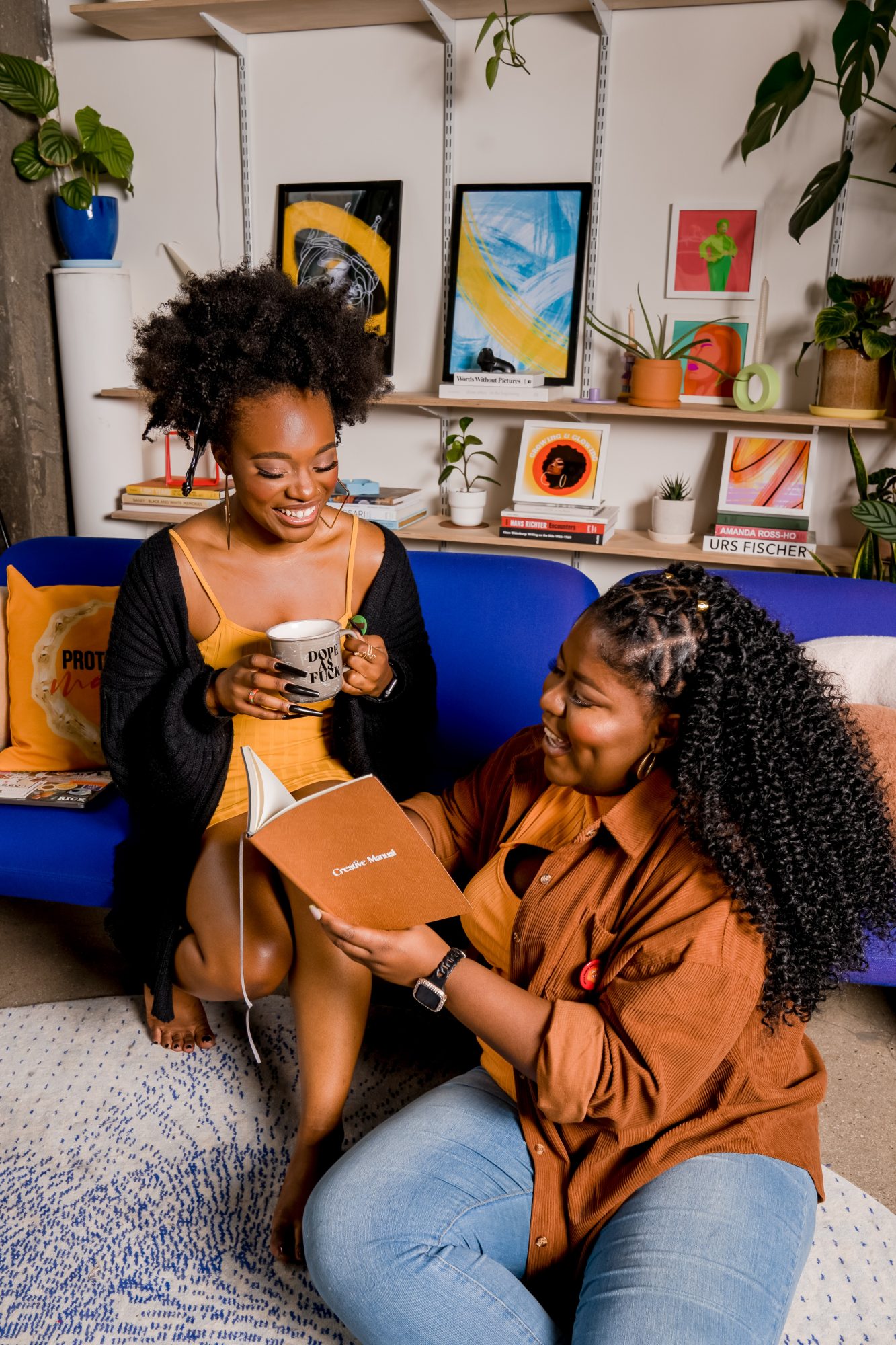
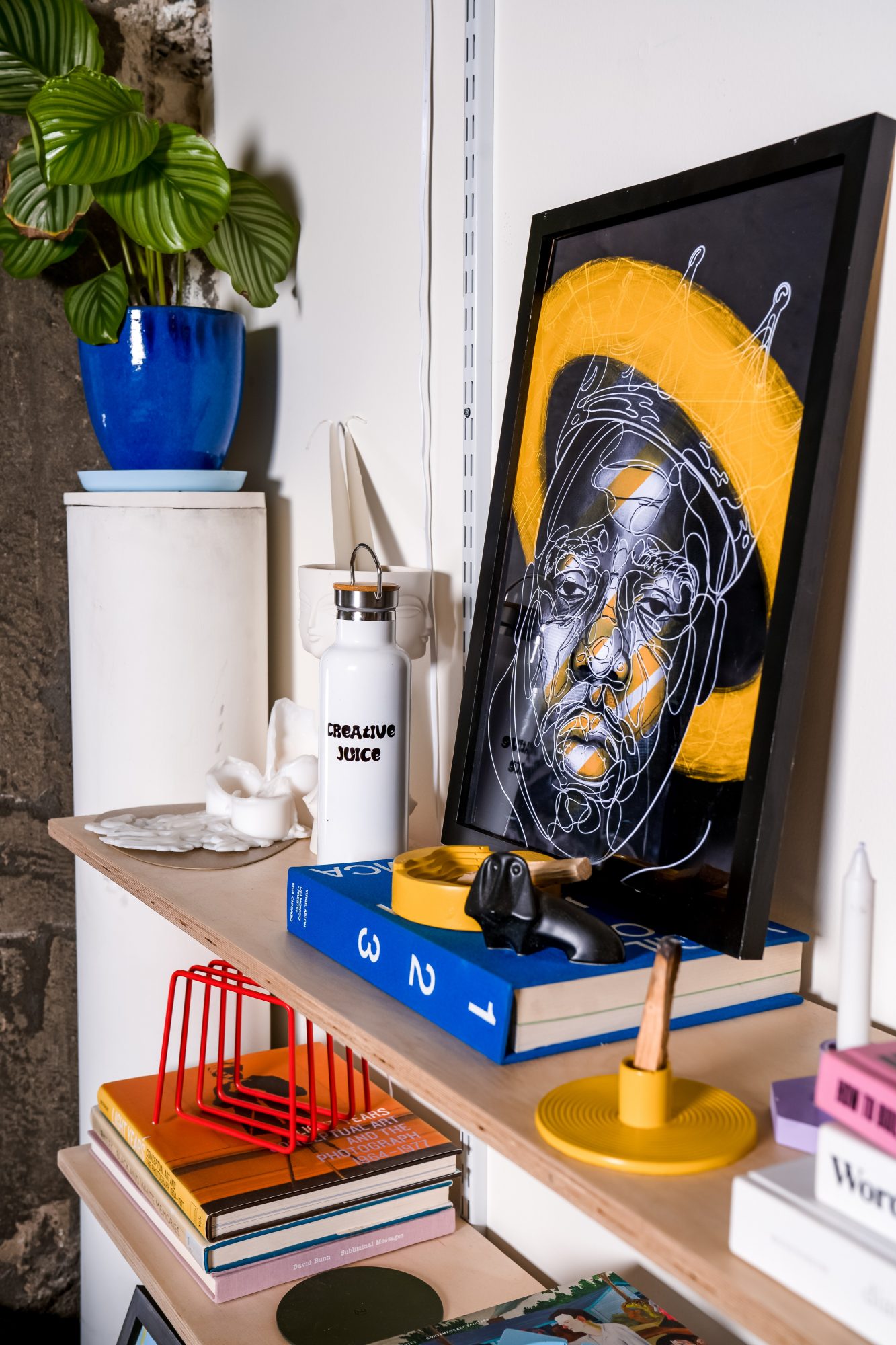
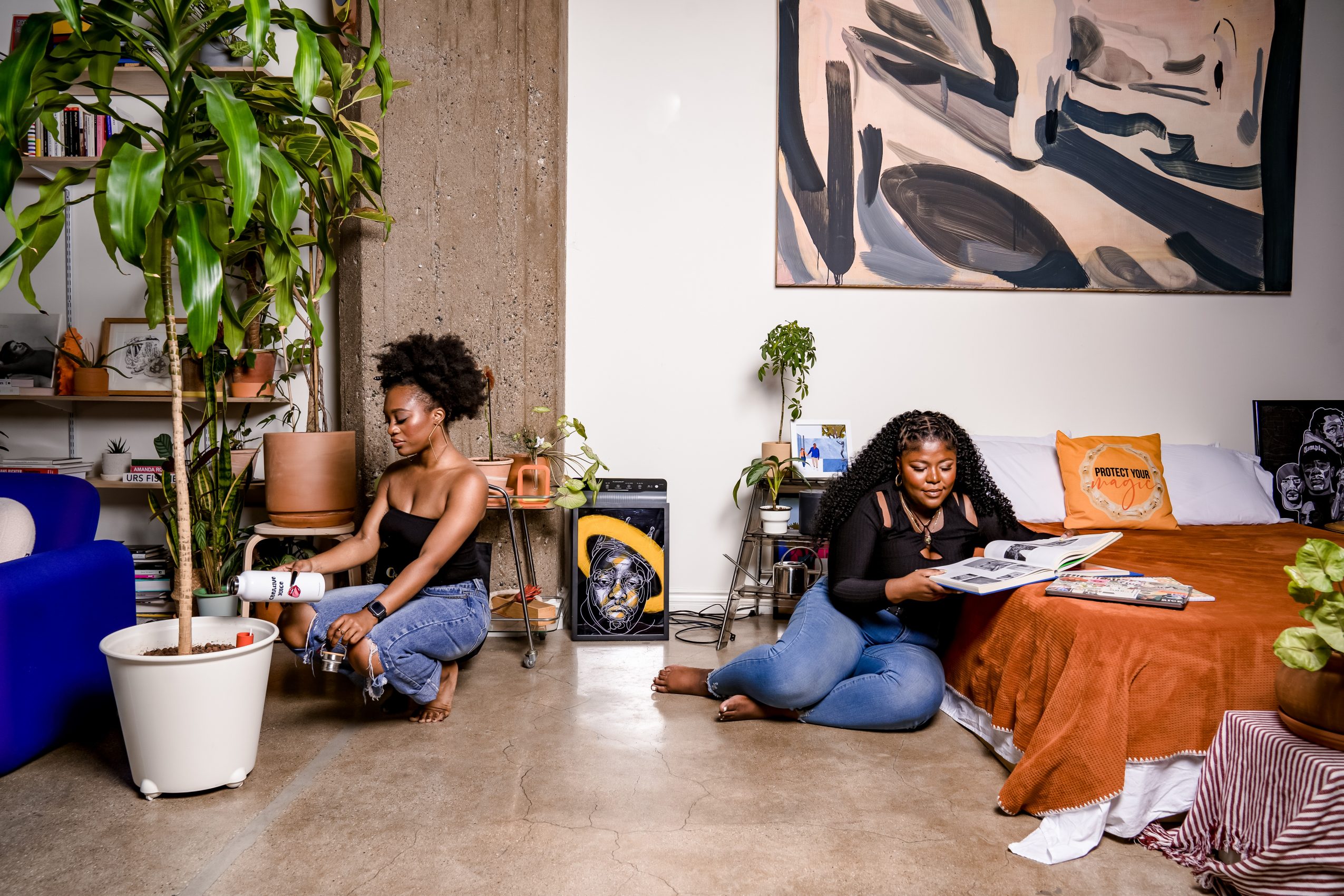
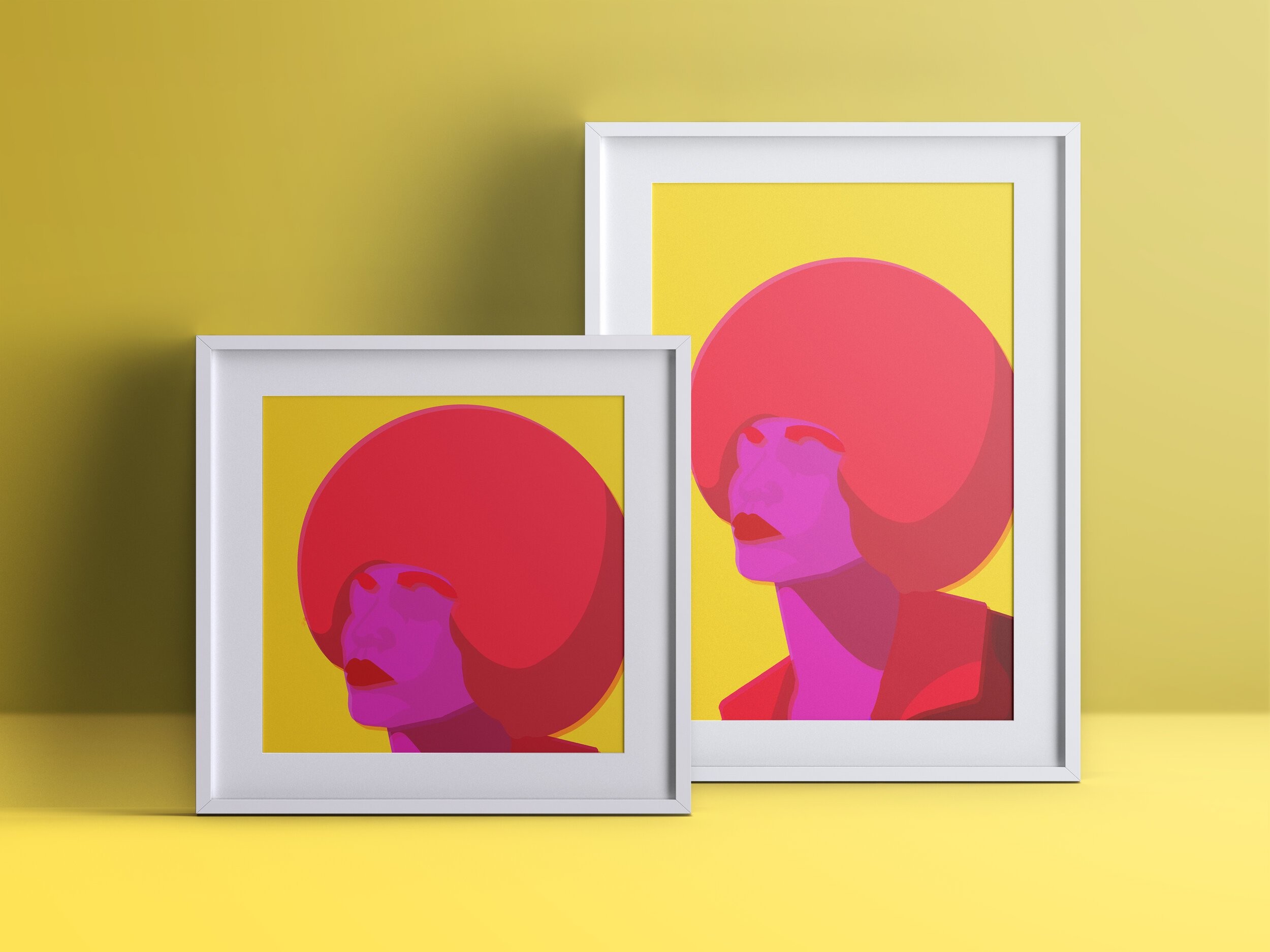
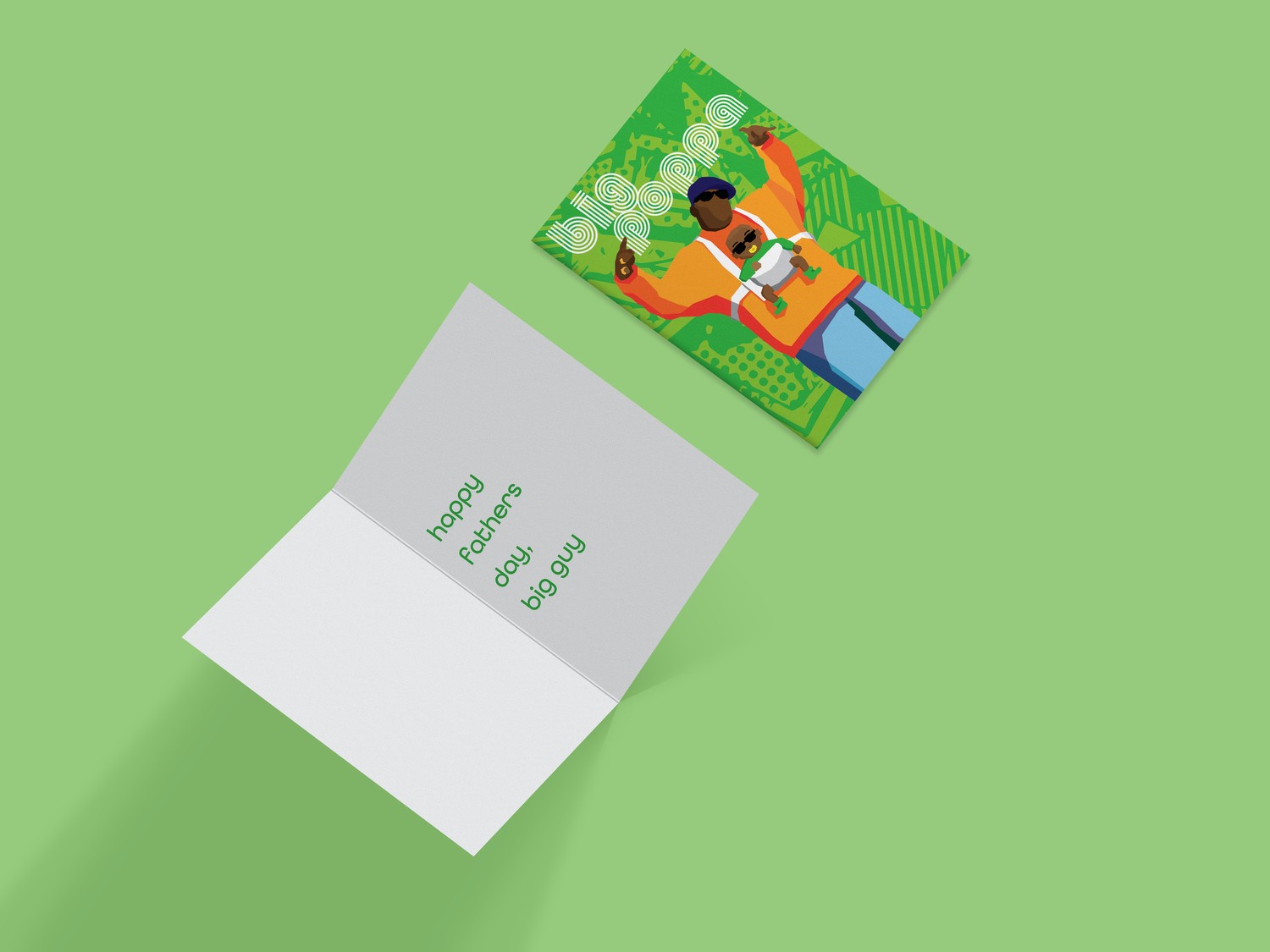

Image Credits
Kaye McCoy
Popular
-

Cedar Boschan on Elevating Black Music Rights and Driving Urgent Conversations Around Credit, Equity, and Artist Protection
-

Portraits of the Valley
-

LA’s Most Inspiring Stories
-

Robin Olive on Building an Inclusive Performing Arts Movement and Expanding Opportunities for Every Student
-

Que Johnson on Building Brands That Last: From Visibility to True Market Authority
-

Christina Wren Steps Into the Director’s Chair to Tell Stories That Feel Like Home


