




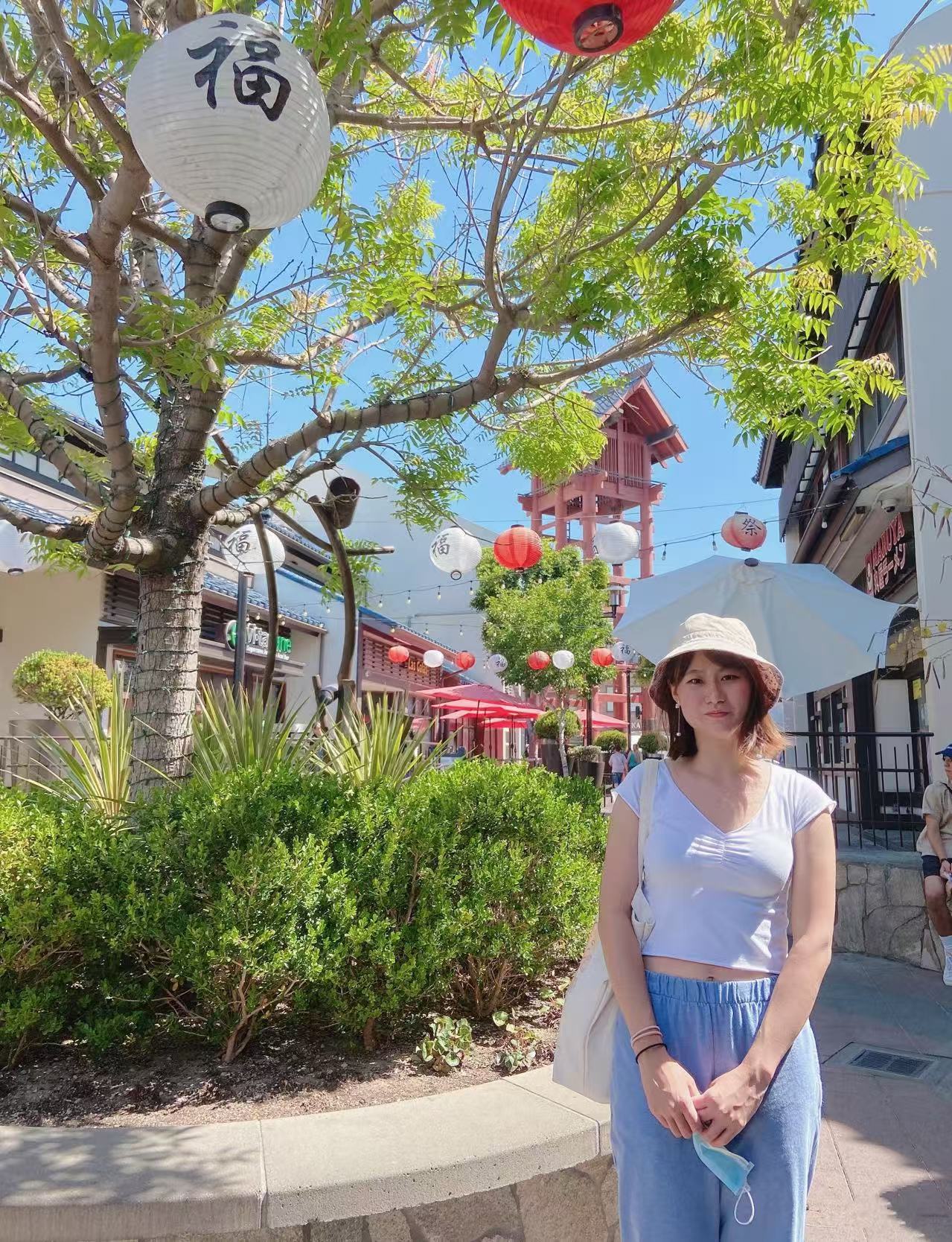
Today we’d like to introduce you to Minghui Ma.
Hi Minghui, we’d love for you to start by introducing yourself.
My journey as an interior designer has been deeply influenced by the different places I’ve lived and worked, each of which has shaped the way I understand design.
I was born and raised in China, where I developed a strong appreciation for the country’s rich cultural and architectural heritage. What has always fascinated me about traditional Chinese architecture is the thoughtful relationship between people, space, and nature. From the layered experience of traditional courtyards to the careful balance of materials, proportions, and natural elements, there is often a sense of harmony and intention behind every detail. Growing up surrounded by these cultural influences shaped my appreciation for design that goes beyond aesthetics, where spaces can carry meaning, reflect traditions, and create emotional connections.
My early professional experience took me to Hawaii, where I worked on residential and hospitality-related projects. Hawaii introduced me to a very different culture and way of life. What stood out to me most was the warmth of the people and the genuine sense of hospitality that seemed to be part of everyday life. People were welcoming, interactions felt personal, and there was a strong sense of connection between people, their communities, and the natural environment. That experience gave me a deeper understanding of what hospitality really means. I began to see it as more than just a design sector, but as a way of making people feel comfortable, welcomed, and connected to a place. It strengthened my interest in creating spaces that are not only beautiful but also warm, inviting, and memorable.
I later moved to Chicago, where I continued developing my career at Gensler and, more recently, Wright Heerema Architects. Chicago introduced me to another side of the design industry, with a fast-paced, business-driven environment and opportunities to work on larger-scale commercial projects serving clients with a global presence. While my time in Hawaii deepened my understanding of the human experience of design, my work in Chicago has expanded my perspective on how design responds to complex organizational, functional, and business needs.
Working on workplace projects has been particularly rewarding. I’ve learned to approach design not only from an aesthetic perspective but also by understanding a company’s culture, business objectives, and the diverse needs of its employees. For global organizations, a workplace needs to support different ways of working, encourage collaboration, and create an environment where people from different backgrounds can feel connected and productive.
I’ve also had the opportunity to participate in the renovation and repositioning of commercial buildings in downtown Chicago. Working with existing architecture has given me a deeper appreciation for the city’s architectural identity and the ways buildings can evolve to meet changing needs while maintaining their connection to the past.
Looking back, I feel fortunate that each place has offered me a different perspective on design. China gave me a foundation in culture and aesthetics, Hawaii taught me the importance of warmth and human connection, and Chicago has challenged me to think more broadly about the relationship between design, business, and the evolving needs of people. Together, these experiences continue to shape the kind of designer I hope to become—someone who creates thoughtful, meaningful spaces that connect people to their surroundings and to one another.
Alright, so let’s dig a little deeper into the story – has it been an easy path overall and if not, what were the challenges you’ve had to overcome?
I wouldn’t say my career journey has always been smooth. One of the biggest challenges has been learning how to find my place and grow in different cultural and professional environments.
Growing up in China and later moving to the United States, I had to adapt not only to a new language and lifestyle but also to different ways of communicating and working. In the design industry, having good ideas is important, but being able to clearly communicate those ideas, explain the thinking behind design decisions, and confidently contribute to team discussions is just as essential. These skills didn’t come naturally overnight. I developed them gradually through project meetings, presentations, and collaborations with colleagues and clients.
Moving from Hawaii to Chicago was another significant transition in my career. The two places have very different lifestyles, cultures, and market demands. In Chicago, I began working on larger-scale commercial interior projects that involved more complex client expectations, technical requirements, and coordination across different disciplines. This pushed me to expand my knowledge and skills while learning how to balance creativity, functionality, budget, and real-world constraints.
Over time, I’ve realized that one of the biggest challenges in design isn’t necessarily coming up with creative ideas, but finding ways to bring those ideas to life. Sometimes that means rethinking a design direction, adapting to unexpected limitations, or finding common ground between different priorities. These experiences have taught me the importance of communication, flexibility, and attention to detail.
Looking back, I’m grateful for the challenges I’ve encountered along the way. Experiencing different cultures has taught me to understand people from different perspectives, while working across different projects and professional environments has helped me develop a more well-rounded approach to design. I’m still learning and growing, but I’ve become more comfortable embracing change, stepping outside my comfort zone, and seeing new challenges as opportunities to grow both personally and professionally.
Can you tell our readers more about what you do and what you think sets you apart from others?
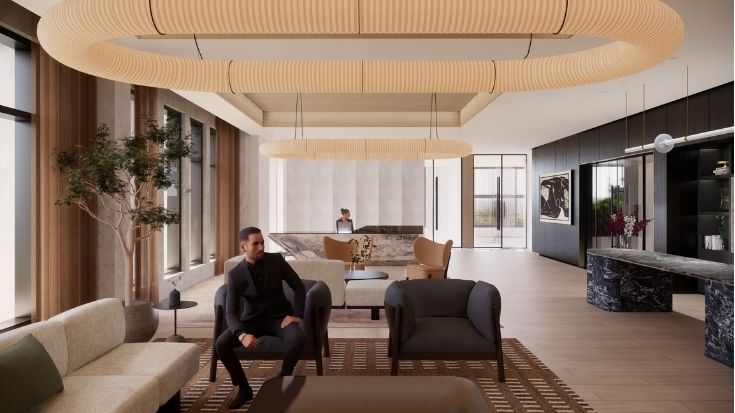
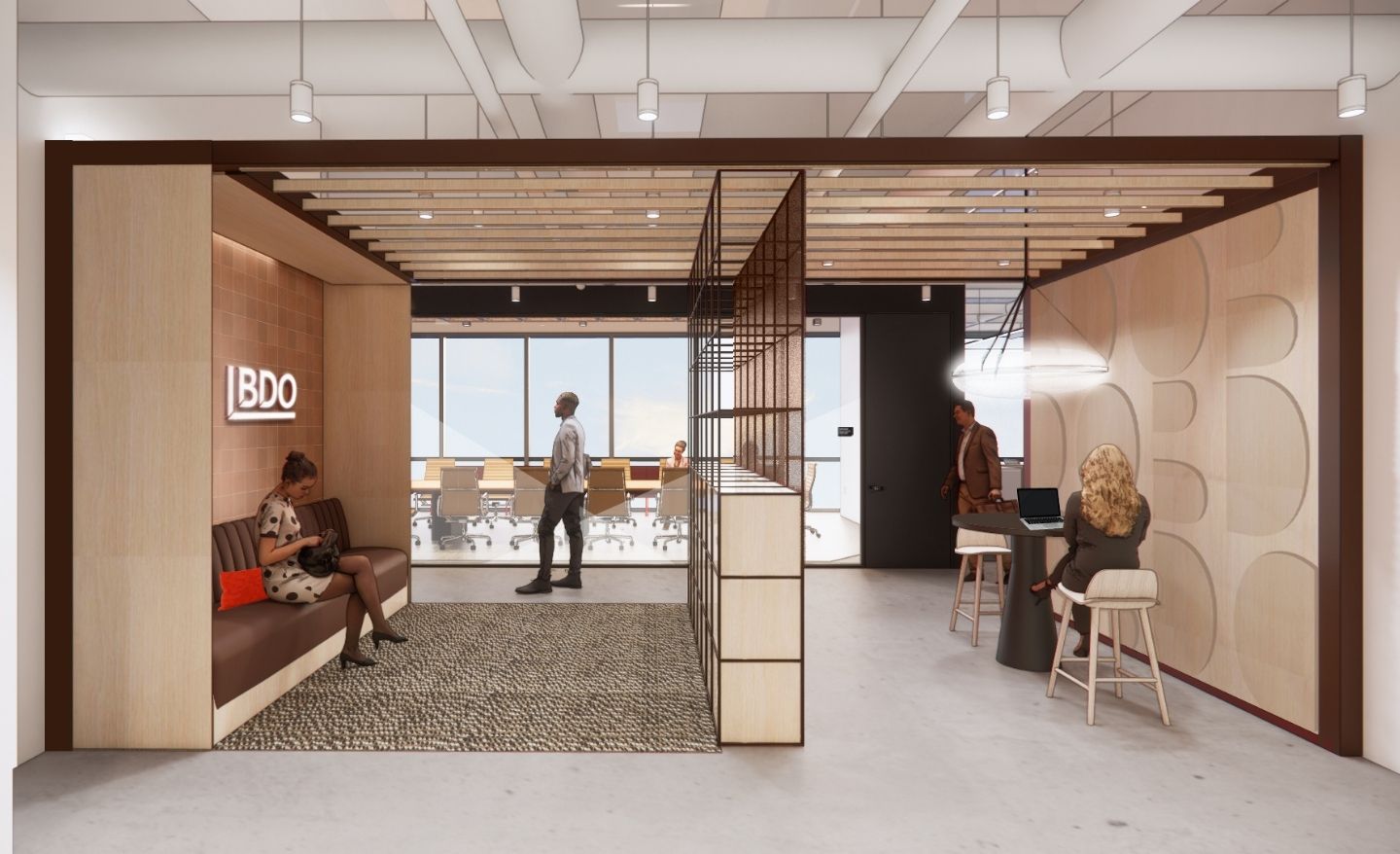
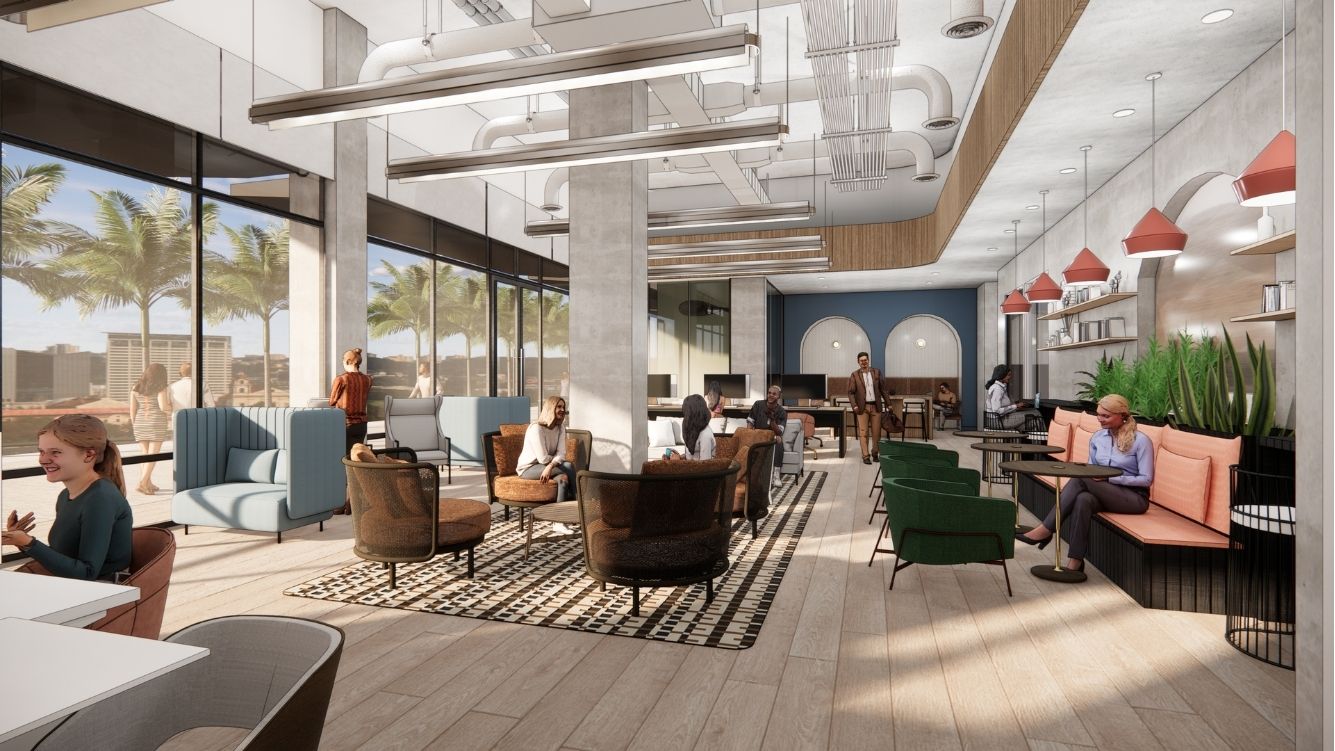
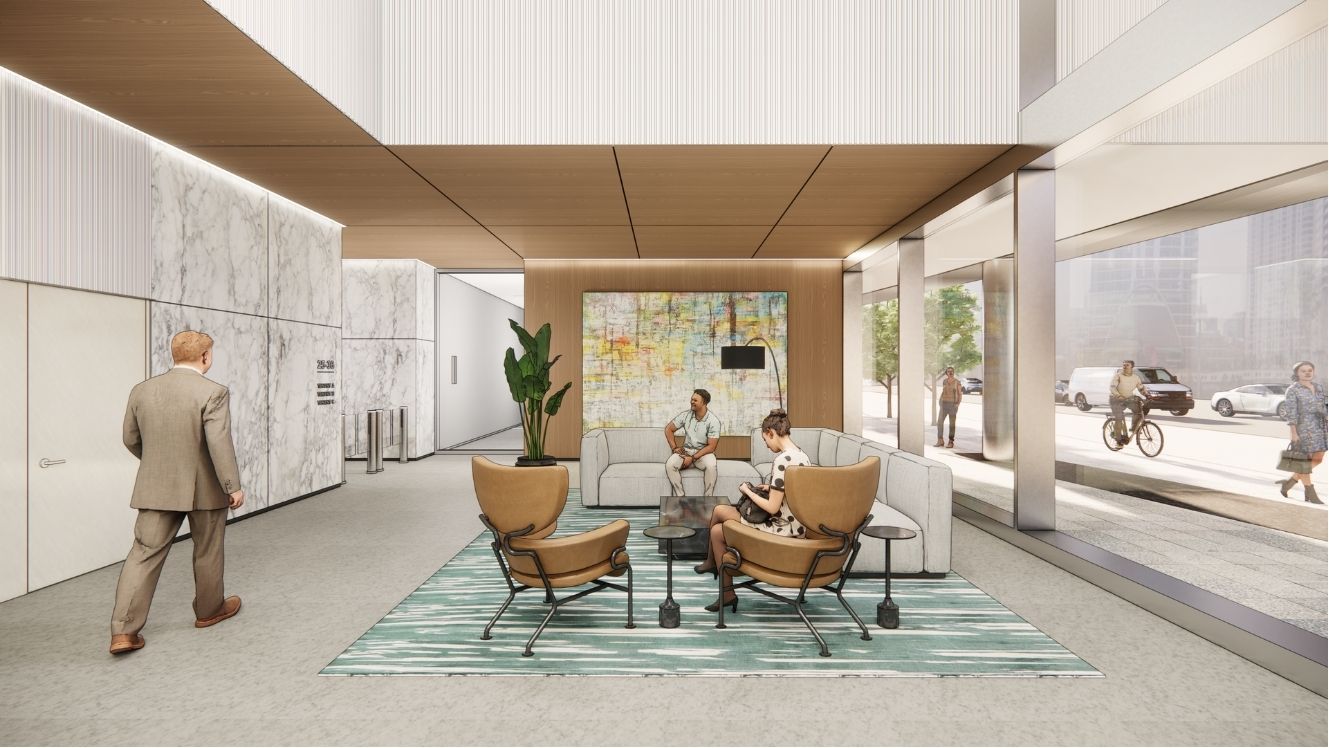
I currently work in commercial interior design, with a focus on workplace design, building repositioning, and amenity spaces.
Throughout my career, I’ve had the opportunity to work on a variety of projects, ranging from residential and hospitality spaces to large-scale commercial offices. These experiences have gradually shaped my design philosophy. I believe that good design should not only create beautiful and inviting spaces but also consider functionality, user experience, and practical feasibility. I especially enjoy being involved in the entire design process, from initial concepts, space planning, and material selection to design development and execution, seeing an idea gradually come to life.
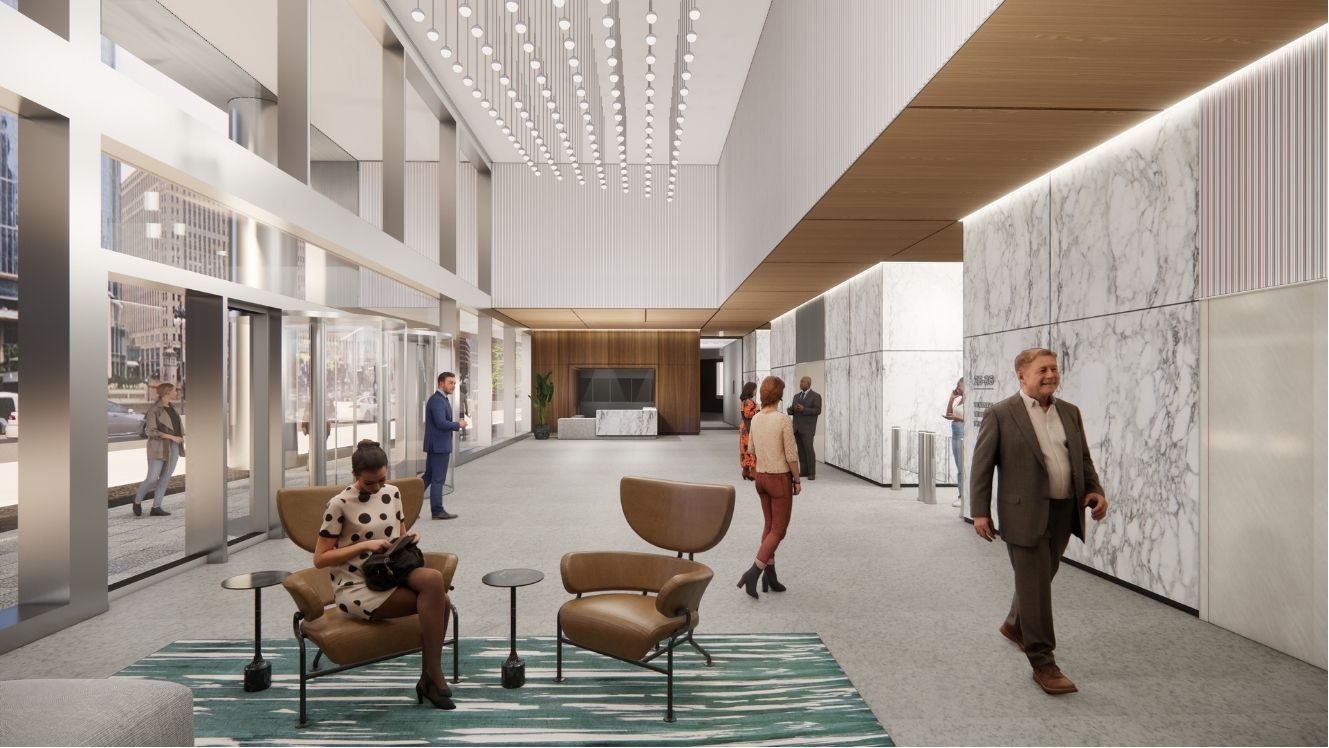
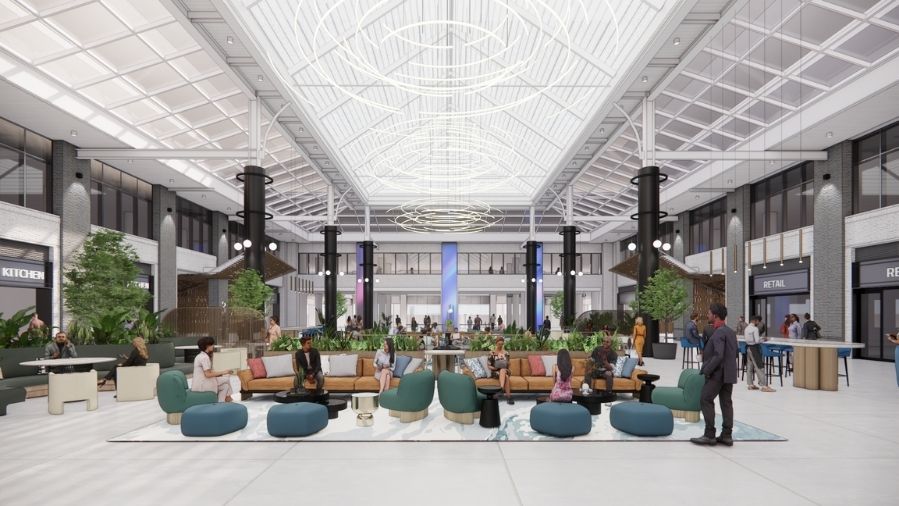
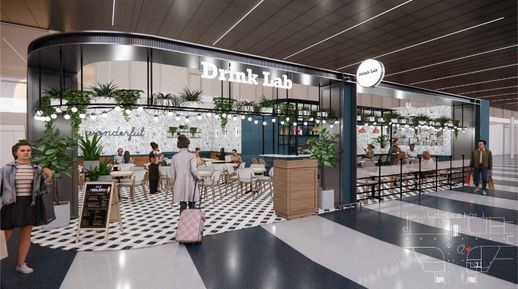
One project I’m particularly proud of is ‘333 W Wacker Drive’ in downtown Chicago, a building repositioning project that I was involved in from the early design stages through the later phases of development. Unlike new construction, repositioning an existing building requires a thoughtful approach to reimagining its function and value while respecting its original architectural character. The goal is to respond to the evolving needs of modern tenants, enhance the overall experience, and strengthen the building’s appeal in the commercial market.
Working on projects like this has also deepened my connection to Chicago. The city has a rich and distinctive architectural history, and I enjoy being part of the ongoing evolution of its buildings through design. It’s rewarding to help existing spaces adapt to changing workplace needs and urban lifestyles while preserving what makes them unique. To me, that’s what makes building repositioning so meaningful. It’s not simply about changing how a space looks, but about giving an existing building new life and allowing it to continue contributing to the city’s future.
Are there any important lessons you’ve learned that you can share with us?
The most important lesson I’ve learned throughout my journey is the value of listening to others and always keeping an open mind.
Living and working in different countries and cities has given me the opportunity to meet people from diverse cultural and professional backgrounds, each with their own experiences and design perspectives. I’ve come to realize that everyone approaches design differently. Rather than simply judging whether a design is good or bad, I find it more meaningful to understand the thinking, reasoning, and experiences behind it. These conversations have continuously broadened my perspective and encouraged me to look at my own work from different angles.
I believe that as designers gain experience, we naturally develop our own aesthetic preferences and ways of approaching design. However, I never want those experiences to limit my creativity or make me too attached to one particular style or philosophy. Design should never be static. It should continue to evolve with the times and respond to different cultures, environments, and the changing needs of the people who use those spaces.
To me, being open-minded doesn’t mean not having a point of view. It means being confident in my own judgment while remaining willing to listen, learn, and sometimes challenge my own assumptions. I hope to always maintain that sense of curiosity and continue growing through collaboration with others, creating designs that reflect my own perspective while thoughtfully responding to the unique context and needs of each project.
Contact Info:
Popular
-

Portraits of the Valley
-

LA’s Most Inspiring Stories
-

Greg Hex Is Turning the Everyday Kitchen Knife Into a Modern Design Object
-

Rick Norris Learned That Building a Successful Business Means Building a Life You Actually Want to Live
-

How Olivia Rush Turned Survival Into a Mission to Help Others Keep Going
-

How Bibi Goldstein Is Helping Entrepreneurs Reclaim Their Time by Embracing the Power of Delegation


