




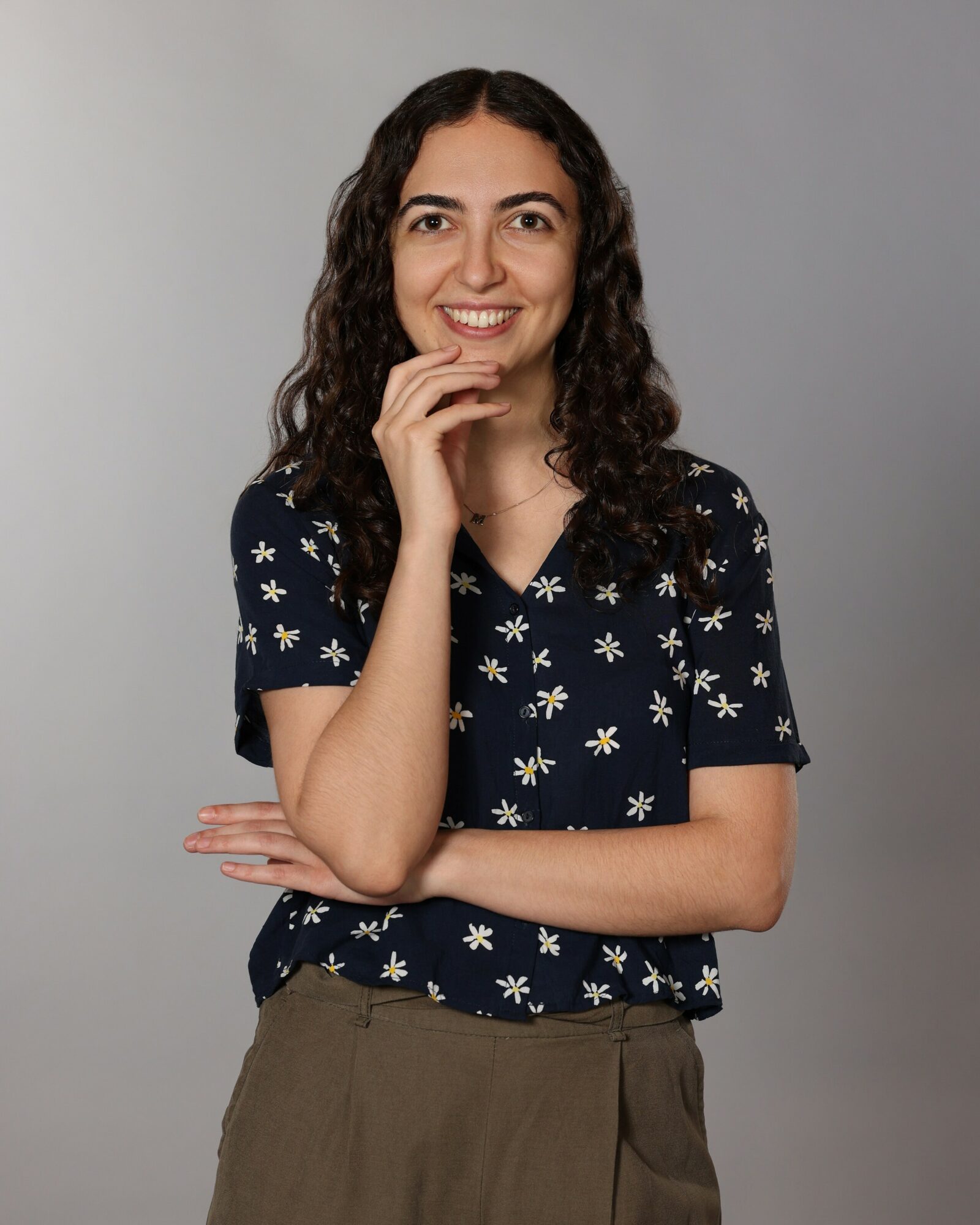
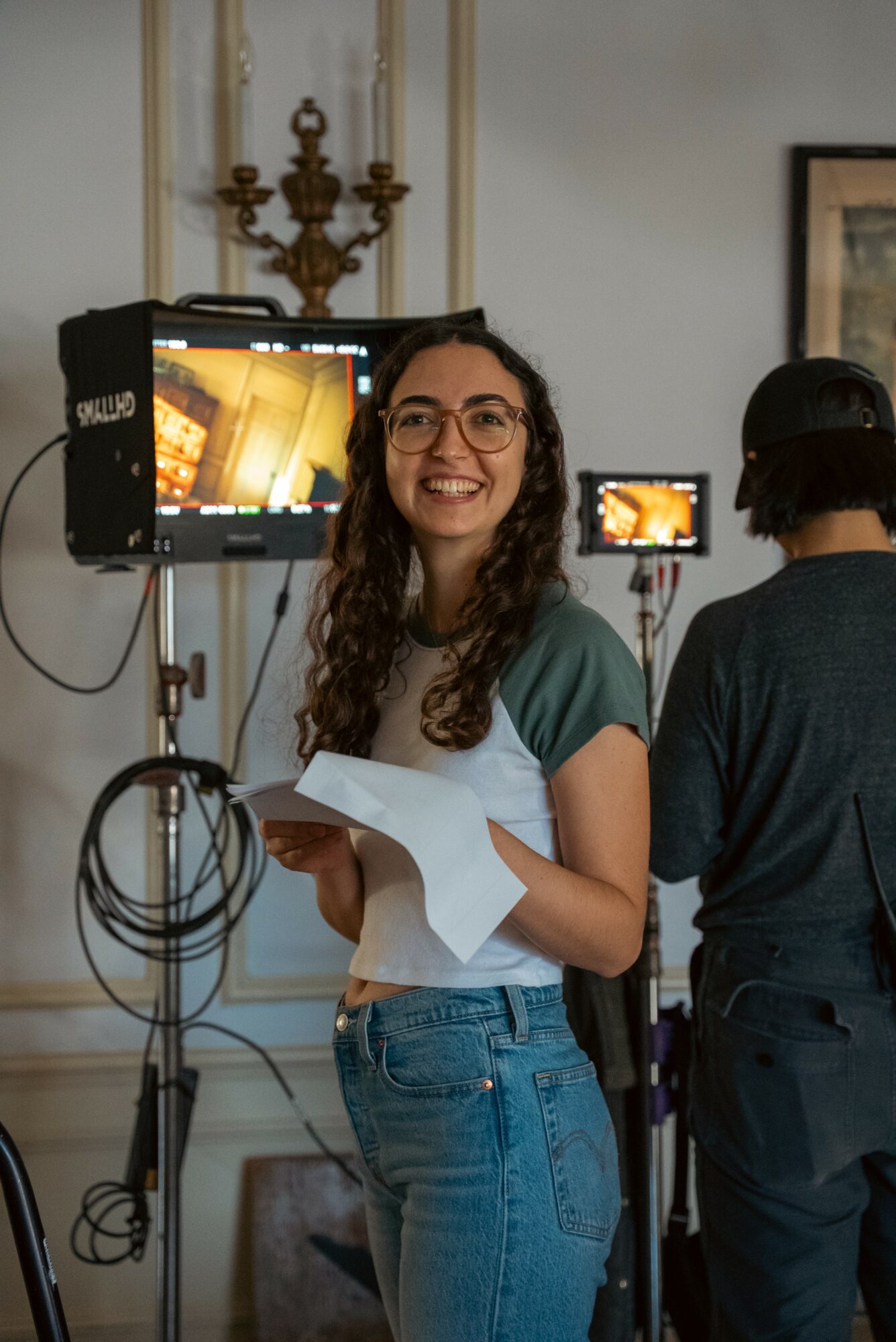
Today we’d like to introduce you to Maria Del Pilar Castro.
Hi Maria del Pilar, thanks for sharing your story with us. To start, maybe you can tell our readers some of your backstory.
I grew up in Buenos Aires, Argentina, in a suburban city called Pilar. I originally studied Communications because I thought I wanted to be a journalist and then, after graduating, my career led me into consulting, where I worked for three years.
However, right after the pandemic, I had the kind of realization many people had: I couldn’t keep doing something that didn’t excite me. Cinema had always been in the back of my mind, but I kept pushing it aside because it felt too risky and unrealistic.
So I made what was probably the most impulsive, and honestly the best decision of my life. I moved to New York to do a one-year screenwriting program, mainly to prove to myself whether this was truly what I wanted. And I fell completely in love with it. For the first time, I felt like I was on the other side of that line: the one where you stop envying people who know what they want, because now you’re one of them.
I stayed another year in New York, worked as a development intern at Killer Films and Braven Films, and applied to MFAs in Screenwriting. Now, two years later, I’m in my second year at The American Film Institute in Los Angeles, completing my MFA in Screenwriting and fully committed to building a career as a writer.
I’m sure it wasn’t obstacle-free, but would you say the journey has been fairly smooth so far?
Not at all. If anything, I feel like I’ve always somehow picked the harder option.
One of the first big moments was when I was seventeen and tried to study abroad. I did everything necessary (TOEFL, SATs, the applications) got accepted, and then still I couldn’t go. That was my first real lesson that working hard doesn’t automatically mean things will work out. It was frustrating, but it also forced me to grow up fast and understand how much your family and circumstances can shape your life, even when you have other plans.
Another struggle was identity. When I moved to the U.S., I suddenly became “Latina,” and at first I didn’t really connect with that label because I associated it with stereotypes that didn’t feel like me. But experiences within the Latino community are so different from each other, and over time I learned to embrace the label, not as something generic, but as a synonym for warmth, optimism, and the kind of tenacity that only a country full of delirium, passion, and self-inflicted pain can instill in you.
And then there’s the practical side of starting over in a new country and trying to break into an industry where rejection is constant. It’s not easy, but I do think growing up in Argentina gave me a tolerance for uncertainty. I learned to adapt, and keep going, even when nothing feels stable.
Alright, so let’s switch gears a bit and talk business. What should we know about your work?
I am a screenwriter and I gravitate toward stories about complex family dynamics, female friendship and the way the world looks through a child’s eyes. I also enjoy experimenting with different genres. During my time at The American Film Institute, I’ve written sci-fi, thrillers and supernatural teen dramas.
Furthermore, I’m passionate about contributing to Latino diversity by telling authentic South American stories. My TV pilot, On Neighbors and Tombs, explores revenge and economic struggle in Argentine society, and is deeply influenced by Argentine filmmaker Damián Szifron. I admire his use of comedy as a balm that provides relief to a helpless society and his ability to read a context and immerse it in his stories almost as another character.
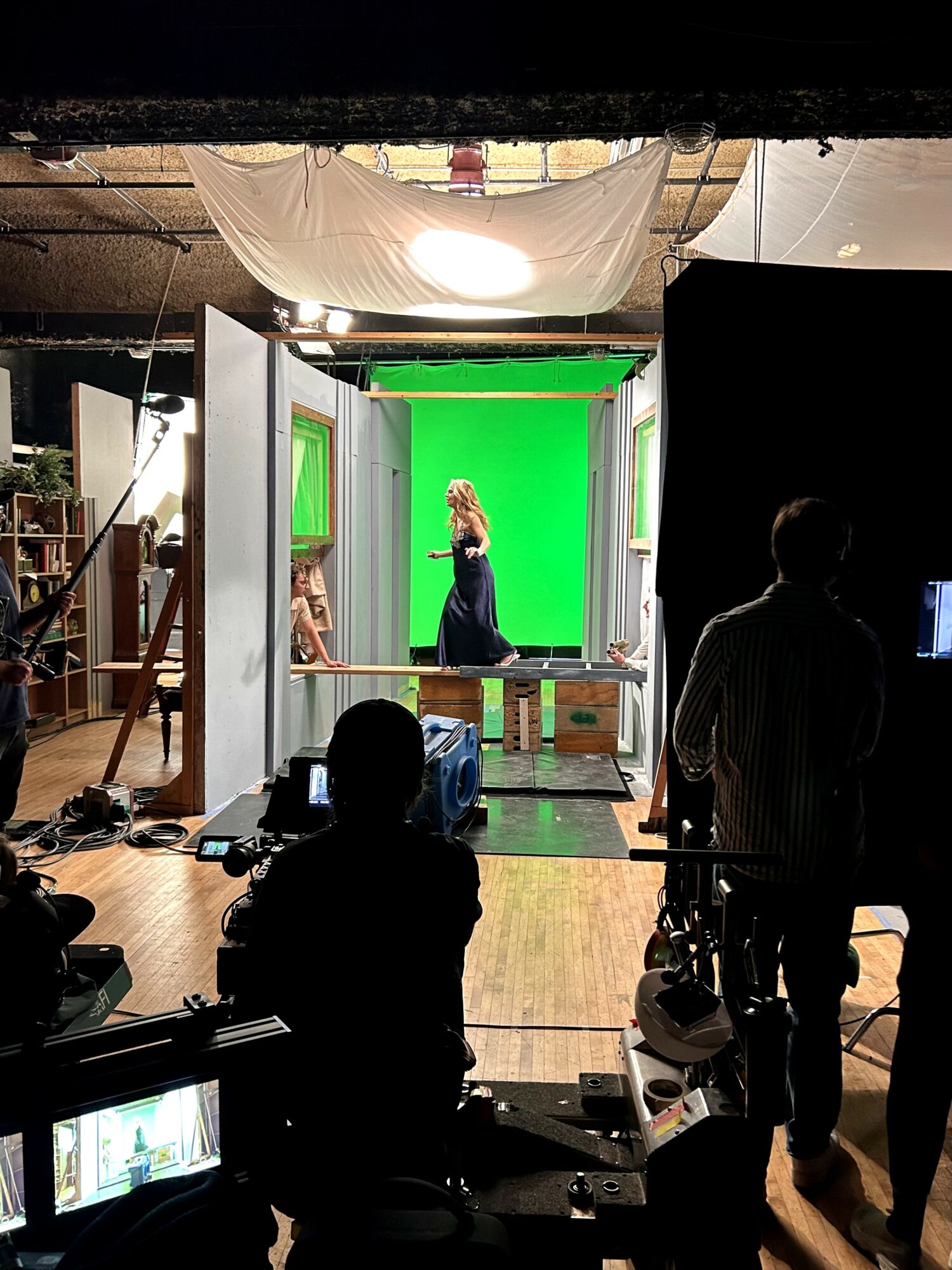
One of the things I’m most proud of is my ability to collaborate. During my first year at The American Film Institute, I wrote three short films with three different groups of fellows from all over the world, which pushed me to explore different genres: a dark comedy, a screwball comedy, and a coming-of-age story. This year, I’m working with a group of fellows, mostly from Latin America, on our thesis film, You Know I Love You, about a nine-year-old girl who accidentally fires her grandfather’s gun during a family gathering, exposing the silent violence of a patriarchal household.
What quality or characteristic do you feel is most important to your success?
Resilience, paired with a sense of humor.
I’ve learned that if you want to survive constant rejection, uncertainty, and instability, you just have to keep going, keep creating, and keep rewriting your scripts until they’re better than you ever thought they could be.
Growing up in Argentina also gave me a kind of emotional endurance that taught me that I can still find joy, ambition, and meaning even when the future feels unpredictable.
Contact Info:
Popular
-

Christina Wren Steps Into the Director’s Chair to Tell Stories That Feel Like Home
-

Portraits of the Valley
-

LA’s Most Inspiring Stories
-

JordanL on ‘Breathe,’ Belief, and Building a Movement Beyond the Music
-

Megan Birney Rudert on How Access to Light Is Powering a More Sustainable and Equitable Future
-

Linda Kneidinger on Building Lasting Change Through Small Steps and Self-Compassion


