




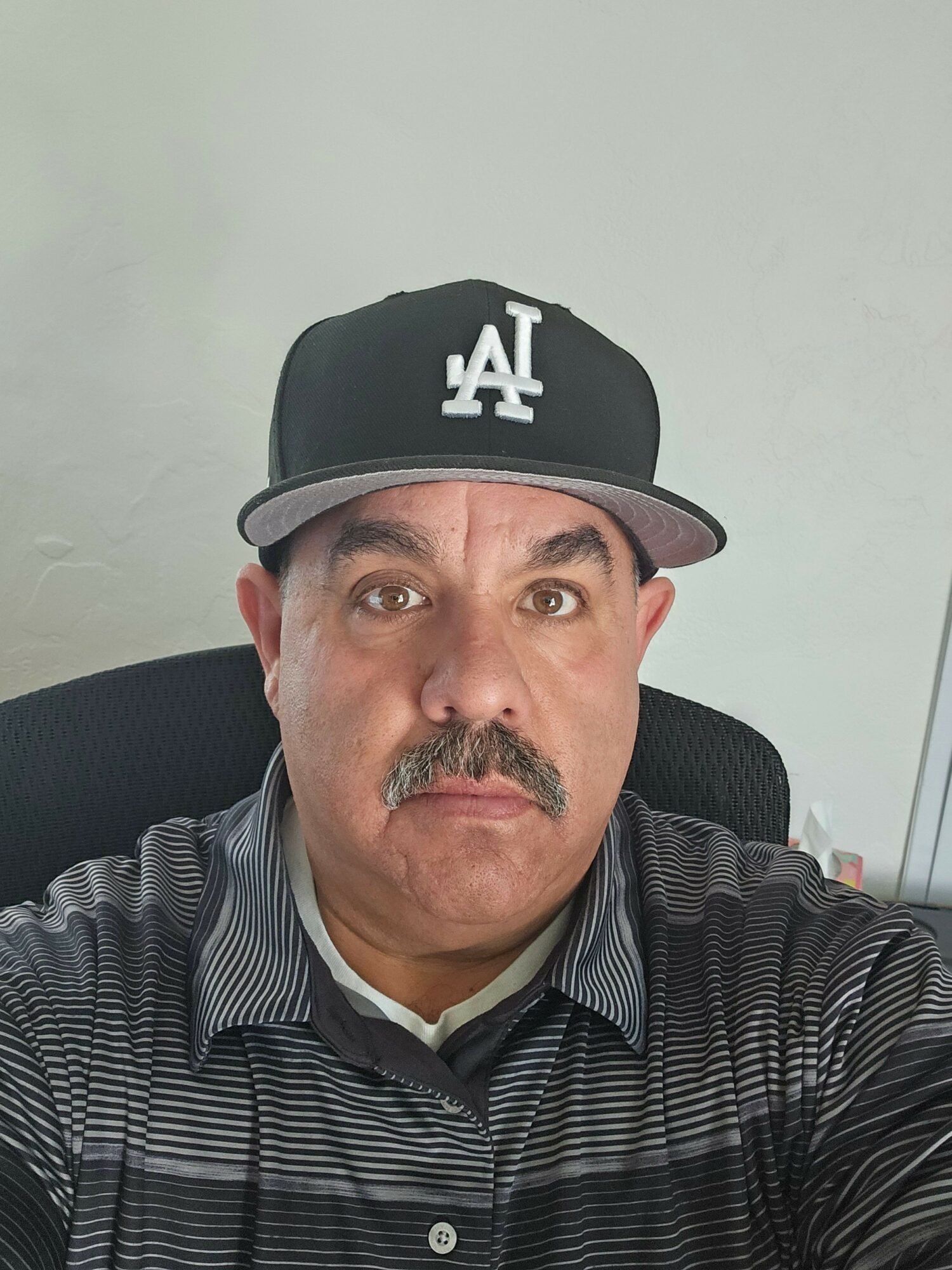
Today we’d like to introduce you to Manny Flores.
Hi Manny, so excited to have you with us today. What can you tell us about your story?
I was born and raised in Los Angeles by parents who instilled strong values and modeled exemplary conduct. They taught me respect, responsibility, and care for others. I grew up in the church, surrounded by guidance, structure, and a clear sense of right and wrong. Yet despite that foundation, I still became what many would call a stereotype—a gang member who caused real harm to my community, to families, and to myself.
That contradiction is something I’ve had to sit with honestly. I didn’t lack guidance; I made choices. Those choices led to a 20-year prison sentence—time that forced me to slow down, take a personal inventory, and confront the consequences of who I had become. Prison stripped away the distractions and excuses. In that space, I made life-altering decisions: to take responsibility for the damage I caused, and to intentionally return to the person I remembered from my youth—the one shaped by values, compassion, and a desire to belong in healthy ways.
During my incarceration, I committed to education, faith, and self-reflection. More importantly, I decided that if I was ever given another chance, I would use my lived experience not as a badge of shame or bravado, but as a tool for healing. I knew I wanted to serve the very communities I had once harmed—because accountability, to me, means repair, not just regret.
North Valley Caring Services gave me that opportunity. NVCS didn’t see me only as my worst decisions; they saw my potential to contribute, to lead, and to serve with integrity. Through that trust, I found purpose. I found a way to turn lived experience into leadership, and pain into service. Every day, my work is informed by where I’ve been and guided by where I never want to return.
I am living proof of what happens when people are given a second chance—and when that chance is met with responsibility, hard work, and a commitment to give back. My story is not about redemption in the abstract; it’s about what’s possible when communities choose restoration over disposal, and when individuals choose to do the work to become worthy of that trust.
I’m sure it wasn’t obstacle-free, but would you say the journey has been fairly smooth so far?
The path has not been smooth, and service has come at a real personal cost. In 2016, there was an attempt on my life by a community member who was dissatisfied with decisions I made in my role. That moment forced me to confront the reality that leadership—especially in vulnerable, high-need communities—can place you at risk. Even when intentions are rooted in care and accountability, not everyone will agree, and sometimes disagreement turns dangerous.
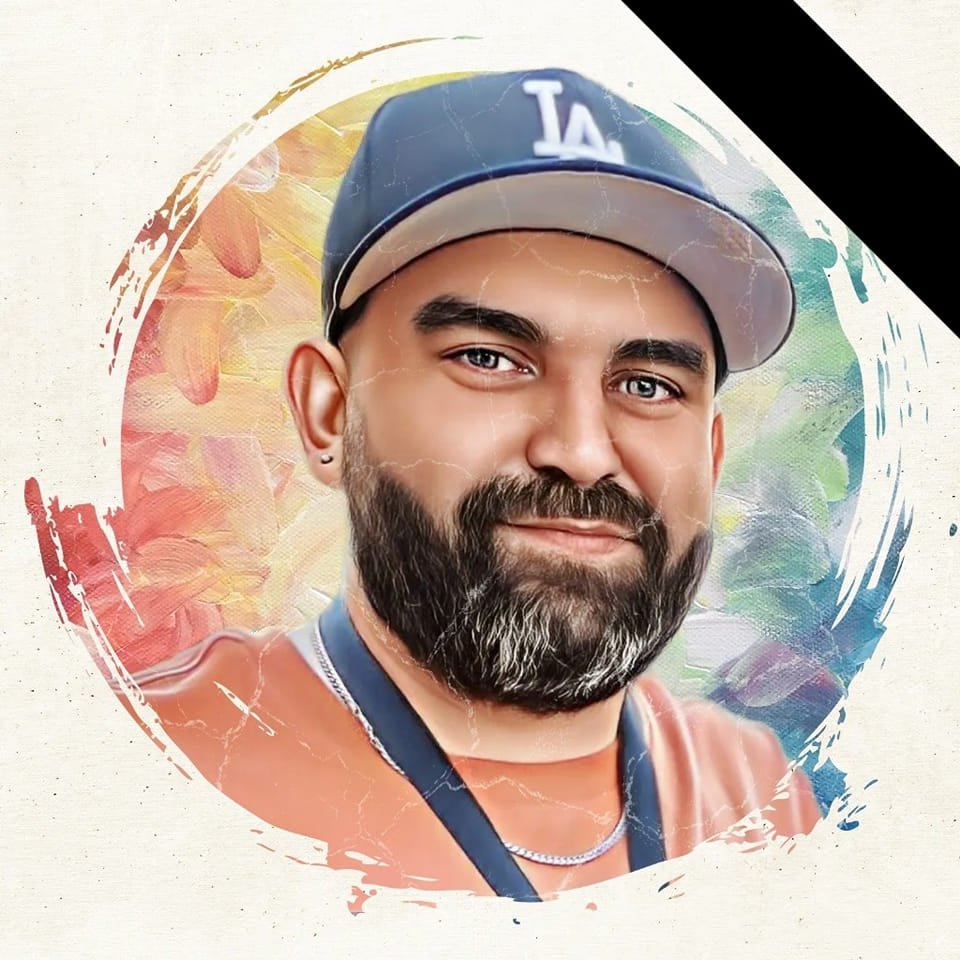
More recently, in 2023, my son Joseph—who was also an employee of NVCS—passed away. His loss is something I am still living with every day. Grief does not follow a timeline, and leading while mourning has been one of the hardest things I have ever done. There are days when showing up feels heavy, but I continue because this work, and the people we serve, matter deeply—to me and to the legacy my son was a part of.
Working in community means living in a constant tension: one day you are embraced, trusted, and celebrated; the next, you are criticized, questioned, or even rejected. I have learned that this swing is not personal—it is part of what happens when you stand in difficult spaces, make hard decisions, and refuse to abandon people when things get uncomfortable.
These experiences have not hardened me, but they have grounded me. They have taught me humility, perseverance, and the importance of staying anchored in purpose rather than popularity. I continue this work not because it is easy or affirming, but because I believe deeply in restoration, in second chances, and in showing up—especially when it hurts.
My life and leadership are shaped by loss, accountability, and resilience. I remain committed to serving with integrity, even when the road is painful, because real community work is not about being loved—it is about being faithful to the mission.
Alright, so let’s switch gears a bit and talk business. What should we know about your work?
Much of my lived experience—and a significant part of my education—came from navigating environments shaped by criminal elements where power, politicking, and manipulation were routinely used to advance the interests of a few at the expense of many. I learned firsthand how influence is built, how narratives are shaped, and how people are moved—sometimes in destructive ways.
Today, I intentionally draw on that hard-earned understanding and redirect it toward positive ends. I use those insights to motivate, influence, and challenge people to act in ways that benefit themselves, their families, and their community. What was once used to harm, divide, or exploit, I now use to build trust, accountability, and collective good.
This means meeting people where they are, understanding their fears and incentives, and helping them see their own power differently. It is not manipulation for personal gain—it is strategic leadership rooted in lived experience, designed to interrupt harmful cycles and replace them with opportunity, dignity, and shared responsibility.
In that way, my past does not define me—but it does inform my work. I know how systems of influence operate, and I choose every day to use that knowledge in service of restoration rather than destruction.
How do you think about luck?
I don’t believe in luck. I believe in grace and providence—a life of discovery in which we slowly come to understand that God has already outlined opportunities for us to grow, to serve, and to become more fully who we were created to be.
I believe those opportunities invite us to reflect God’s image in practical ways: to be His hands and feet in our communities. Not through perfection, but through presence. Not through words alone, but through action—showing up for people who are hurting, overlooked, or written off.
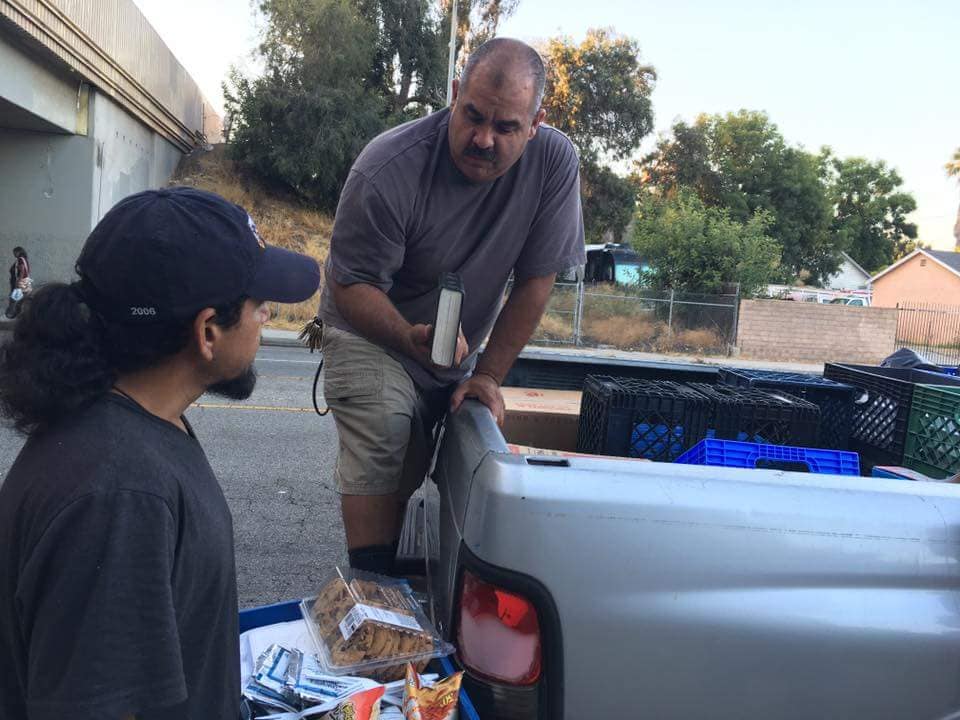
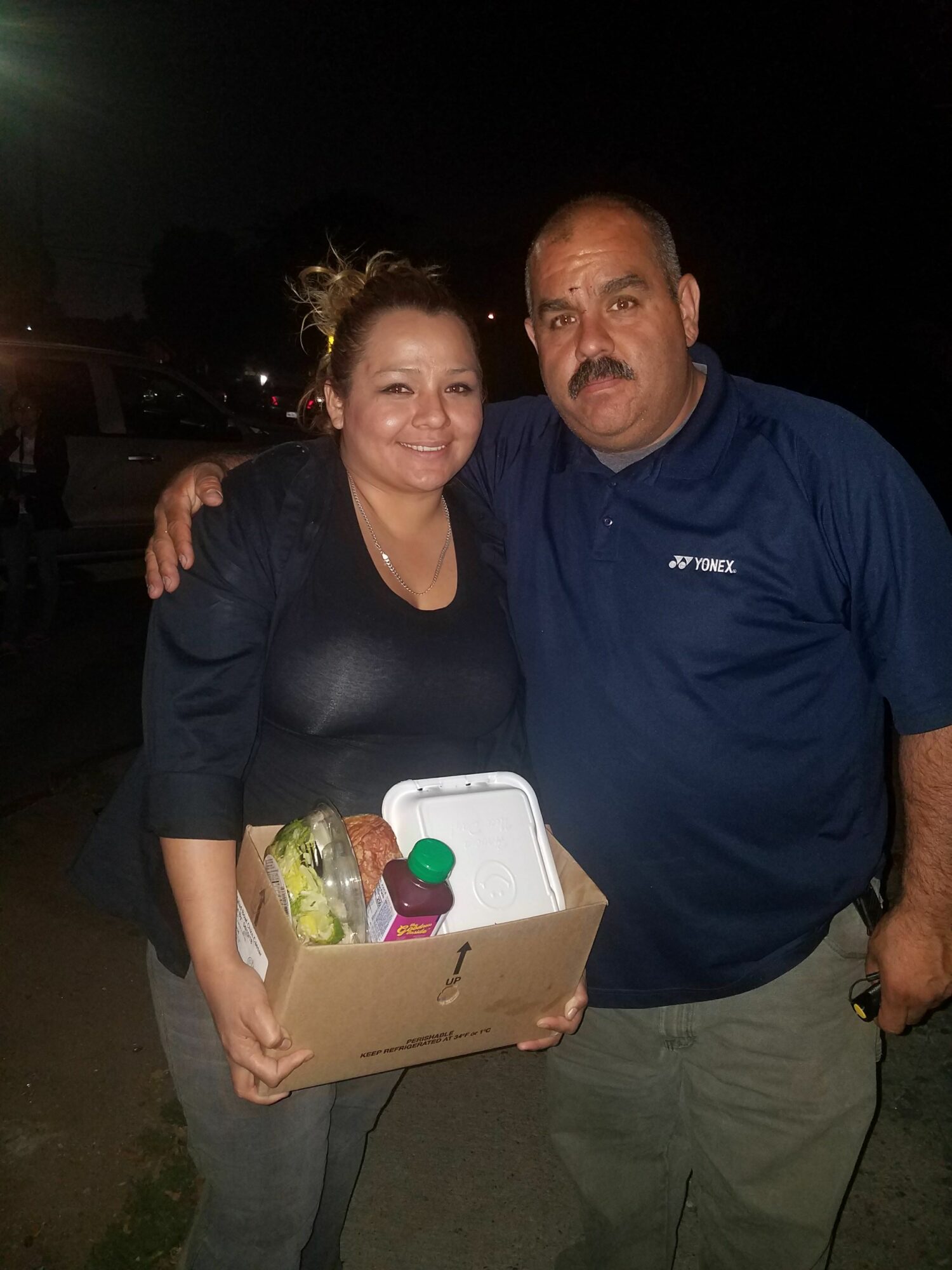
For me, faith is not abstract. It is lived out in food lines, in hard conversations, in second chances, and in the daily choice to serve with humility and compassion. Providence doesn’t remove hardship; it gives it meaning. Grace doesn’t erase the past; it redeems it for something greater.
My life has been a journey of discovery—learning to recognize those moments of invitation and choosing, again and again, to step into them. That is how I understand calling: not as luck or coincidence, but as faithful response.
Contact Info:
- Website: nvcsinc.org
- Facebook: Nvcsinc.org
- Youtube: North Valley Caring Services
- Email: [email protected]
Popular
-
Cedar Boschan on Elevating Black Music Rights and Driving Urgent Conversations Around Credit, Equity, and Artist Protection
-

Portraits of the Valley
-

LA’s Most Inspiring Stories
-

Robin Olive on Building an Inclusive Performing Arts Movement and Expanding Opportunities for Every Student
-

Que Johnson on Building Brands That Last: From Visibility to True Market Authority
-

Christina Wren Steps Into the Director’s Chair to Tell Stories That Feel Like Home


