





Today we’d like to introduce you to Łukasz Czajkowski.
Łukasz, we appreciate you taking the time to share your story with us today. Where does your story begin?
IntrusiveOCDmemes- I didn’t start this as a project — I started it because I felt completely alone.
For years, I struggled with OCD without even knowing what it was. Intrusive thoughts, constant doubt, checking, fear of losing the people I love — it took over my life and my relationships. I was functioning on the outside, but internally it was chaos, anxiety, and shame. Like many people with OCD, I thought I just needed to “try harder” or “fix myself.”
Everything shifted when I finally understood what I was dealing with.
I started therapy in 2023 and began combining different approaches like ERP, mindfulness, and ACT. But at the same time, I realized something bigger — there were thousands of people out there feeling exactly like I did, thinking they were broken, weird, or alone. My wife doesn’t understand what I’m going through every day fighting with my own mind. She told me that OCD is thing between me and my therapist and she doesn’t want to listen about it. I needed space to share my feelings and struggles.
That’s how @intrusiveocdmemes was born.
At first, it was just a way for me to express what I couldn’t say out loud. I started creating memes about OCD — raw, honest, sometimes dark, but real. And suddenly people started responding. Messages from all over the world: “This is exactly what I feel,” “I thought I was the only one,” “You put into words what I couldn’t explain.” I had many messages from people looking for help, hopeless, scared, they felt isolated and misunderstood.
What started as something personal became a mission.
Today, I use my platform to raise awareness about OCD, break stigma, and show the reality behind the disorder — not the “being organized” stereotype, but the anxiety, the intrusive thoughts, the impact on relationships, and also the possibility of recovery.
I’ve collaborated with therapists, spoken with people from different countries, and created campaigns that bring voices from all over the world together. One of my goals is simple but powerful: I don’t want anyone to wait 20 years to understand what they’re going through, like I did.
I’m still on my own journey. OCD doesn’t just disappear — but the relationship with it can change. And if sharing my story helps even one person feel less alone or take the first step toward help, then everything I went through has meaning.
We all face challenges, but looking back would you describe it as a relatively smooth road?
No, it definitely hasn’t been a smooth road.
One of the hardest parts of my journey was dealing with Relationship OCD (ROCD). It doesn’t just stay in your head — it directly affects how you experience your relationship. I had intrusive doubts about my partner, about love, about whether something was “right” or “real.” Even when nothing was actually wrong, my mind kept telling me it was. That creates a constant tension between what you feel and what OCD is trying to convince you of.
At the same time, I was facing a lack of understanding at home. When I started therapy, it wasn’t seen as something positive. It was often minimized — like I was just “paying someone to talk,” or that needing help meant I was weak. There was this belief that being able to deal with everything on your own equals strength, and that seeking support is the opposite.
OCD itself was also misunderstood in a very deep way. It was sometimes seen as something exaggerated or even dismissed entirely. And when it comes to themes like POCD, the misunderstanding can become even more intense and emotional. People react strongly because they don’t understand that these are intrusive thoughts, not desires — and that creates even more shame and isolation for the person experiencing them.
That combination — intense internal struggle from OCD and lack of understanding externally — was one of the most difficult things I’ve had to navigate.
Opening up publicly added another layer. Being honest about topics like intrusive thoughts, ROCD, or POCD requires vulnerability, especially knowing how easily they can be misinterpreted. But at the same time, I knew that silence was part of the problem.
The biggest challenge, though, has been internal. Learning to sit with uncertainty, to stop seeking reassurance, and to not let OCD dictate my actions — that’s an ongoing process.
These experiences shaped everything I do today. They’re the reason I speak openly, even when it’s uncomfortable. Because I know how damaging misunderstanding can be — and how powerful it is when someone finally feels seen and understood.
Alright, so let’s switch gears a bit and talk business. What should we know about your work?
I’m a mental health advocate and content creator focused on OCD awareness.
I run the platform @intrusiveocdmemes, where I create content that combines humor, honesty, and education to show the reality of living with OCD. I mainly use memes and short-form content, because they allow me to reach people in a way that feels relatable and accessible — especially for those who might not be ready for clinical language or therapy yet.
My main focus is breaking the stigma around OCD. Most people still associate it with being organized or perfectionistic, while in reality it often involves intrusive thoughts, intense anxiety, and a huge impact on daily life and relationships. I try to show that side — the one people don’t usually see or talk about.
What I’m most proud of is the community that has formed around this work. People from all over the world share their experiences, support each other, and often say it’s the first time they feel understood. I also create campaigns that bring people together — for example, projects where individuals from different countries share their voices and experiences with OCD.
What sets me apart is that I don’t speak about OCD only from an educational perspective — I speak from lived experience. I’m still in the process, still working through it, and that honesty resonates with people. I’m not trying to present a perfect version of recovery — I show what it actually looks like.
For me, this is more than content. It’s a mission to make sure people don’t spend years feeling alone or misunderstood, and to help them realize that what they’re going through has a name — and that help is possible.
If you had to, what characteristic of yours would you give the most credit to?
I think the most important quality behind what I do is honesty — especially the kind that’s uncomfortable.
With OCD, it’s very easy to hide. Intrusive thoughts, doubts, themes like ROCD or POCD — these are things people are often afraid to even admit to themselves, let alone share publicly. So choosing to be open about them requires a lot of courage.
For me, honesty means speaking about OCD as it really is, not as people expect it to look. It means talking about the thoughts that don’t make sense, the anxiety that feels overwhelming, and the impact it has on relationships and identity. It also means being honest about the fact that recovery isn’t perfect or linear.
At the same time, another key quality is the willingness to sit with discomfort. That’s something I’ve learned through therapy, especially ERP — not escaping uncertainty, not chasing reassurance, but allowing things to be unresolved. That mindset doesn’t just apply to OCD, it applies to building something meaningful as well.
Putting content out there, sharing personal experiences, and being vulnerable in front of a large audience is uncomfortable — but that’s where connection happens.
I think people resonate with my work because it’s real. I’m not speaking from a finished place, I’m speaking from being in the process. And that honesty creates trust.
Contact Info:
- Instagram: https://www.instagram.com/intrusiveocdmemes?igsh=MWdpZHBhN3JseHZhdA==
- Youtube: https://youtube.com/@intrusiveocdmemes?si=YhfWUhHhSNleax-7
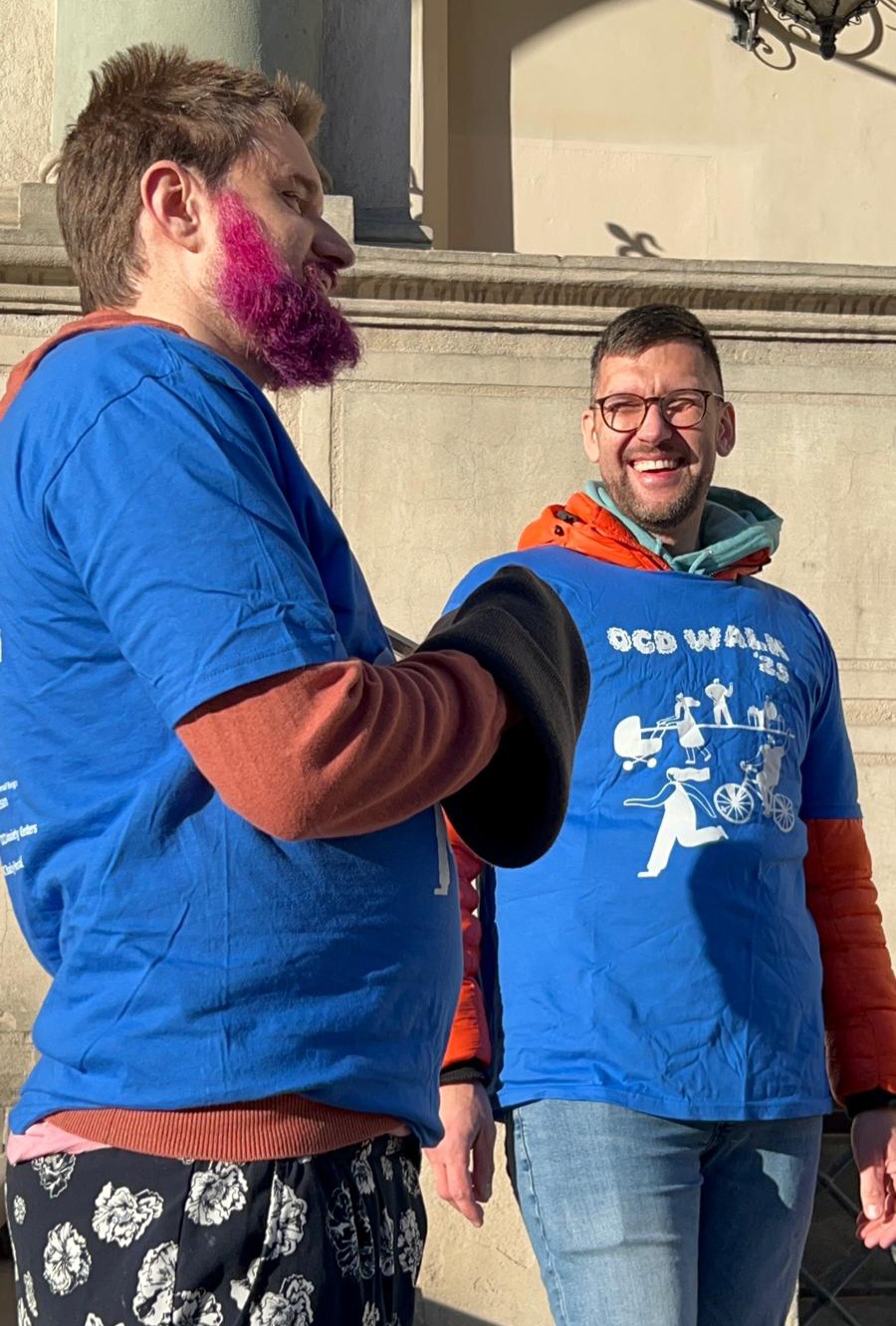
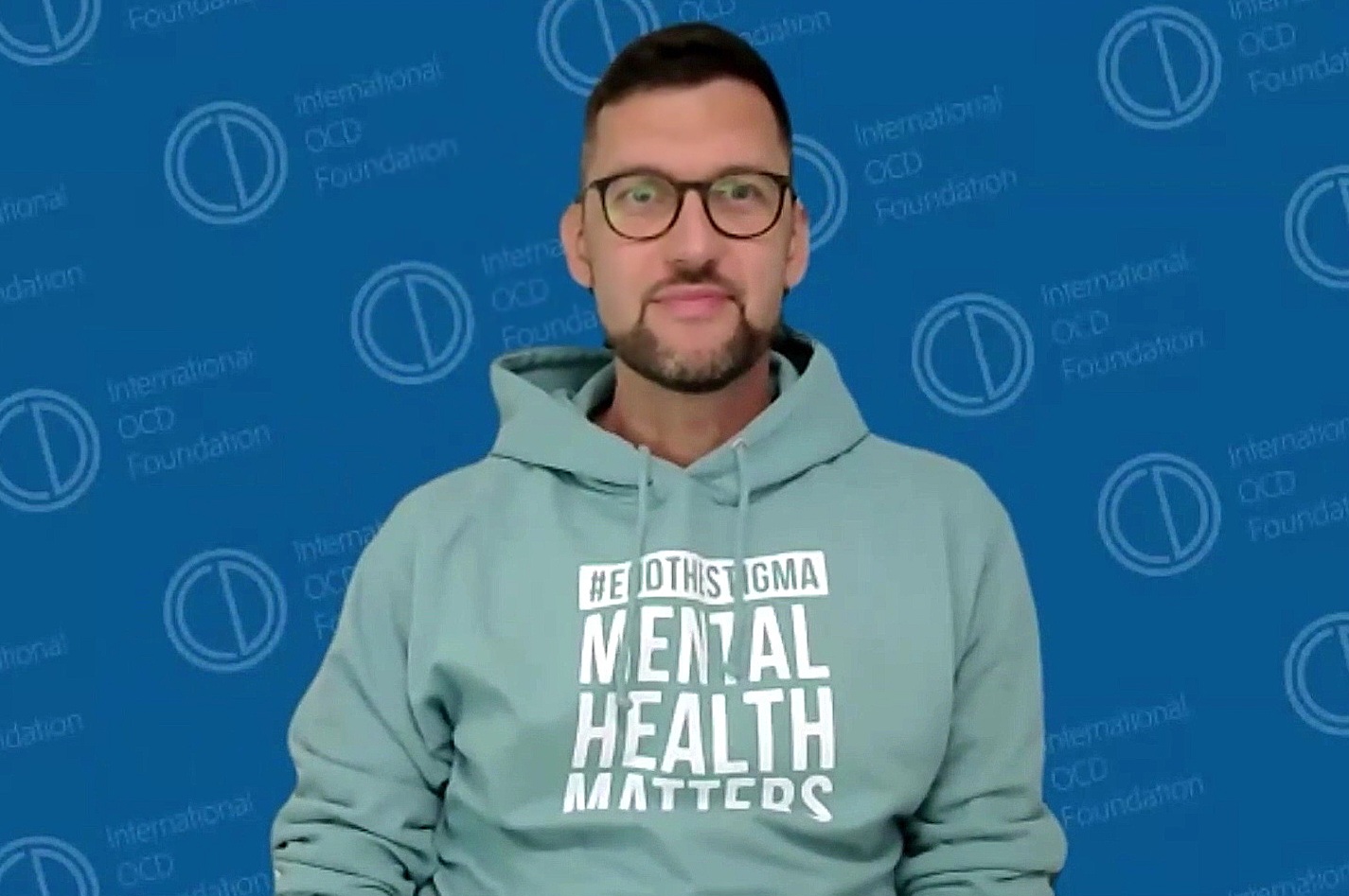
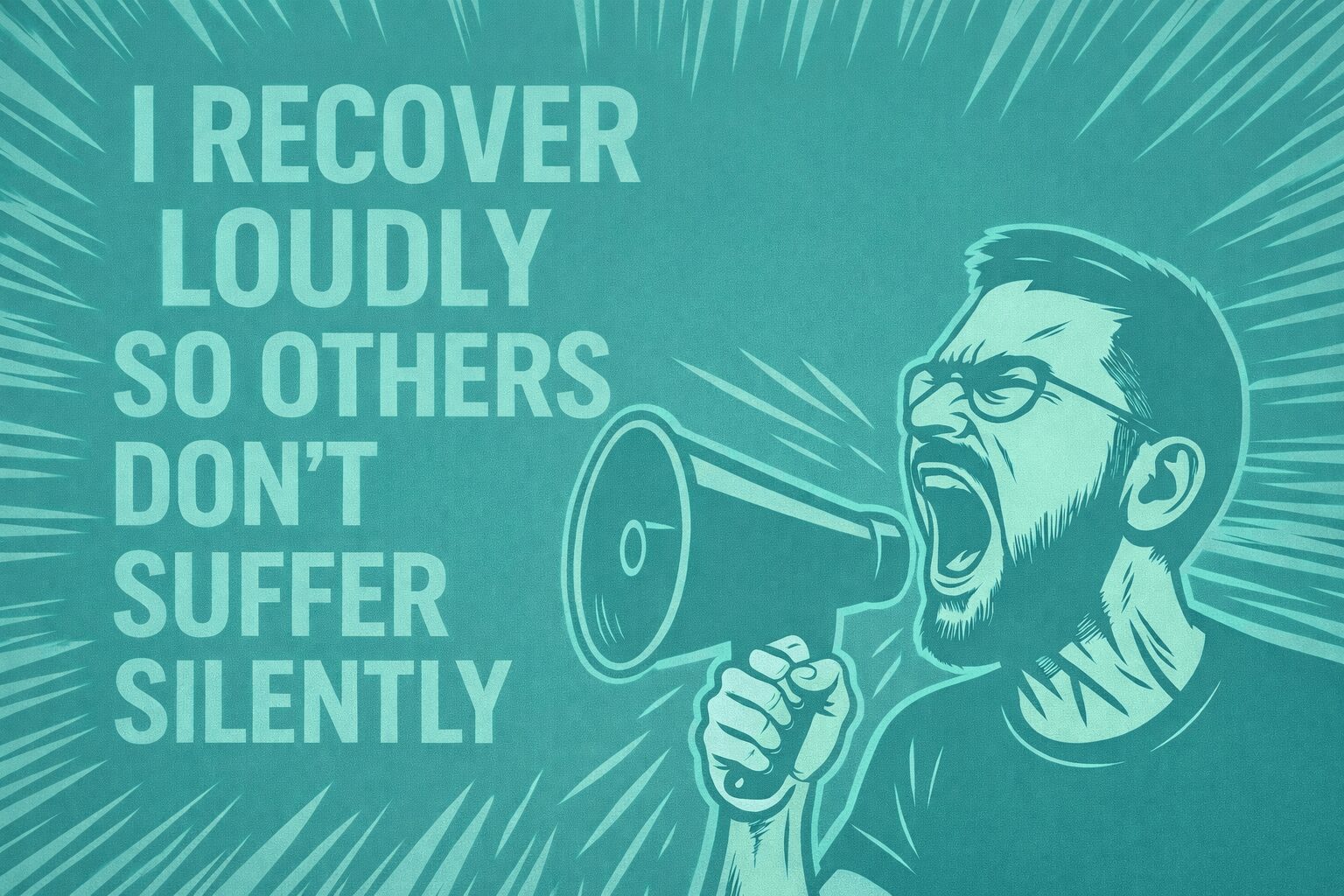
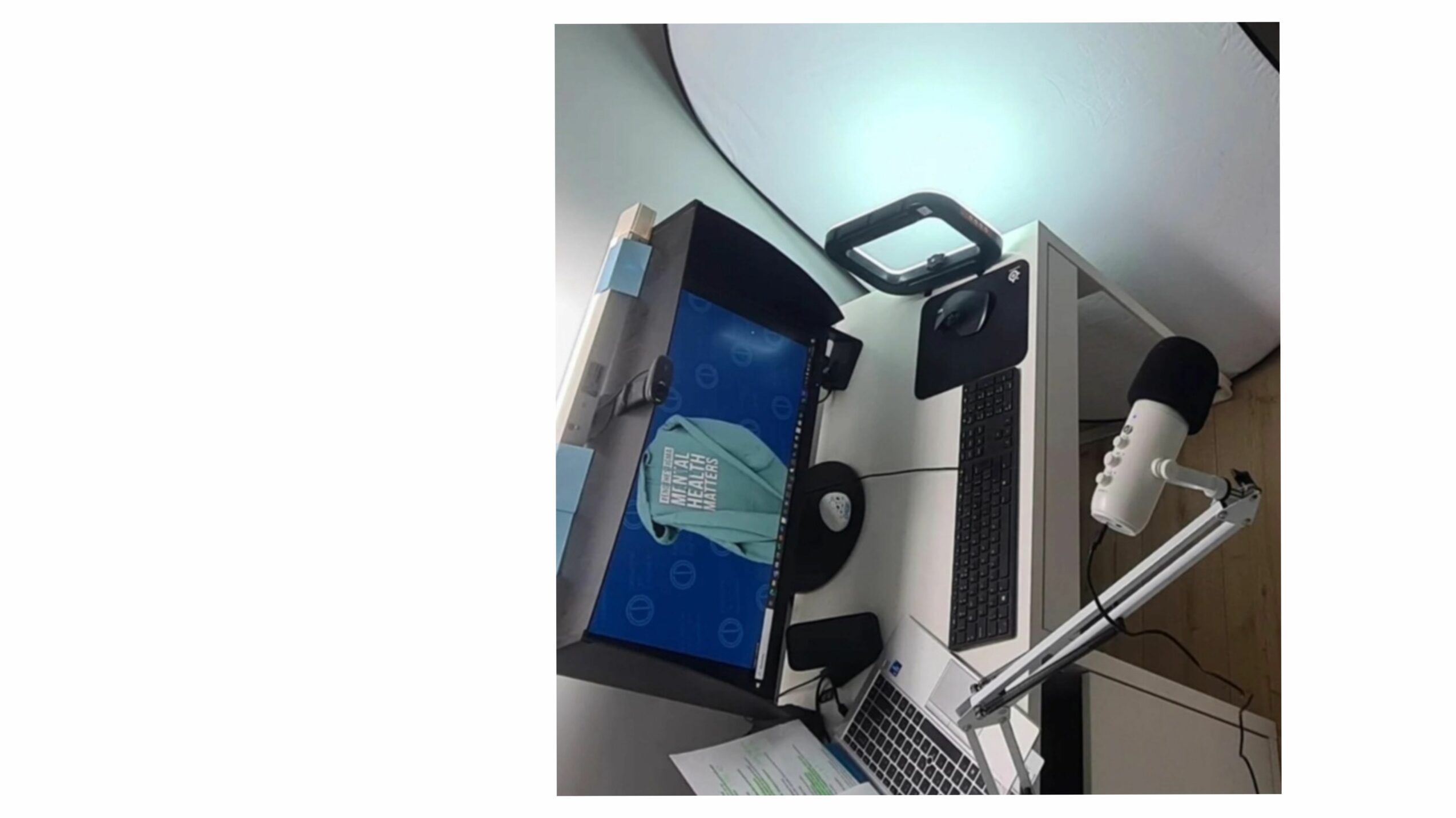
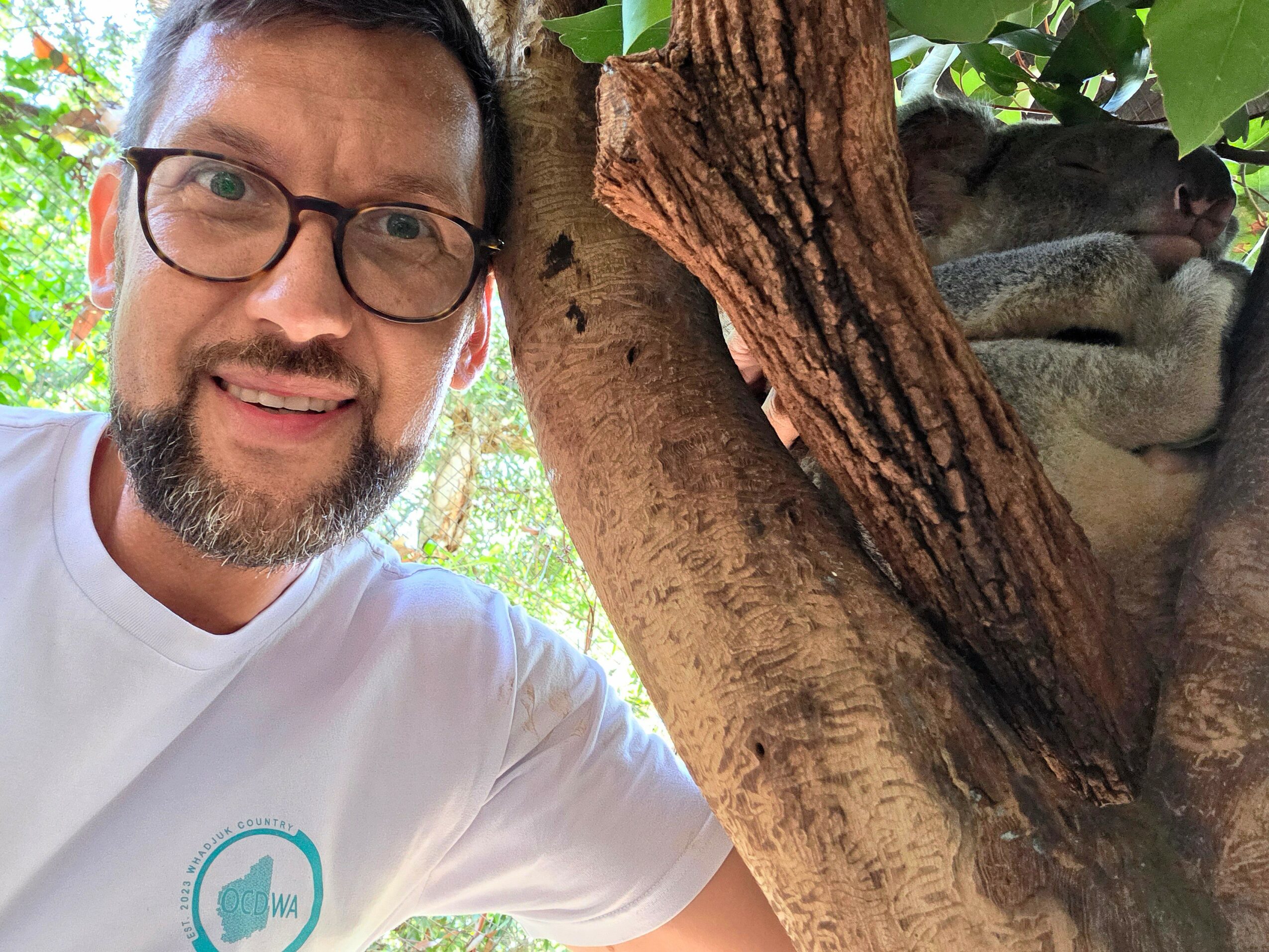
Image Credits
Łukasz Czajkowski
Popular
-

Portraits of the Valley
-

LA’s Most Inspiring Stories
-

JordanL on ‘Breathe,’ Belief, and Building a Movement Beyond the Music
-

Megan Birney Rudert on How Access to Light Is Powering a More Sustainable and Equitable Future
-

Linda Kneidinger on Building Lasting Change Through Small Steps and Self-Compassion
-

Jolana Nika on Redefining Modern Connection Through Intentional, Real-Life Experiences


