




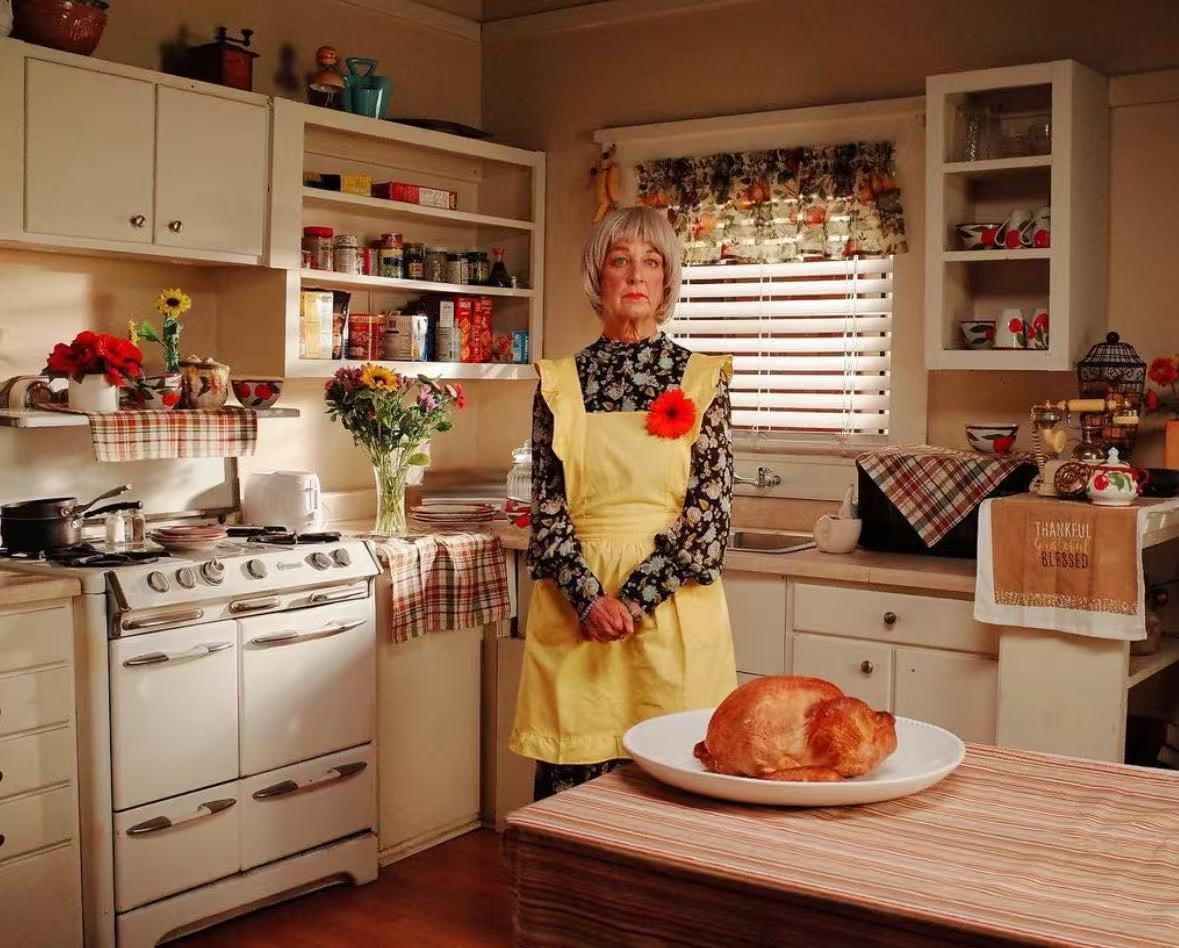
Today we’d like to introduce you to Klein Li.
Hi Klein, can you start by introducing yourself? We’d love to learn more about how you got to where you are today?
I make films because, honestly, it’s the one thing I never seem to get tired of. I like making imaginary things feel real, and real things feel a little imaginary. On screen, reality is negotiable. I like that.
But I didn’t arrive at filmmaking in one neat, decisive moment. As a teenager, I became very curious about what went on inside people’s heads. So I went off to study psychology. A few years later, I realized I wasn’t particularly interested in becoming a therapist. I wanted to wander around inside other people’s minds, and my own, and come back with stories.
So, naturally, my next stop was game design.
Then, around 2020, I ran into something rather obvious: games need players. And players need to participate. A perfectly reasonable arrangement, just a slightly inconvenient one for the stories I wanted to tell.
I wanted people to step into something I’d made and experience it. Then, afterward, they could go off and have their own thoughts, interpretations, little existential crises—whatever came out of it. Something of their own. I wanted to leave that space open, but I wanted it to come after the experience, rather than be woven into how the story itself unfolds.
Eventually, I realized film was where I wanted to be.
So I became a film director. It made sense to me.
Can you talk to us a bit about the challenges and lessons you’ve learned along the way. Looking back would you say it’s been easy or smooth in retrospect?
For the most part, yes. There’s usually some new idea keeping me interested. Inspiration has been fairly kind to me. Geography and paperwork, slightly less so.
China isn’t exactly the easiest place to work as a young Asian lesbian director. The stories I want to tell, and the way I want to tell them, often have trouble getting past censorship. Working in the U.S., meanwhile, comes with its own collection of visa and immigration complications. So there’s the practical side of things.
Creatively, I’ve had stretches of several months where I couldn’t keep writing because I simply couldn’t work out where a character should go next.
I tend to treat my characters as real people. Which sounds lovely until one of them has no idea what they’re doing with their life and takes the entire screenplay hostage.
But people get lost. You can talk things through with someone, try to help them make sense of what they’re feeling, but you can’t do their figuring-out for them. I feel the same way about my characters. I can’t just hand them a decision because I’d quite like to finish the script.
So I wait. Not particularly gracefully. Essentially, I’m waiting for someone I invented to get back to me.
Thanks – so what else should our readers know about your work and what you’re currently focused on?
I make a lot sorts of things. I paint in oils, make films, sculpt little things out of clay. Recently, I’ve started carving wood, too. Apparently, the list wasn’t long enough.
But my main work is screenwriting and directing. I’m better at directing, I think. Stories usually arrive in my head as images rather than words, so writing a script involves watching whatever’s playing in there and translating it back into sentences. Directing feels more natural.
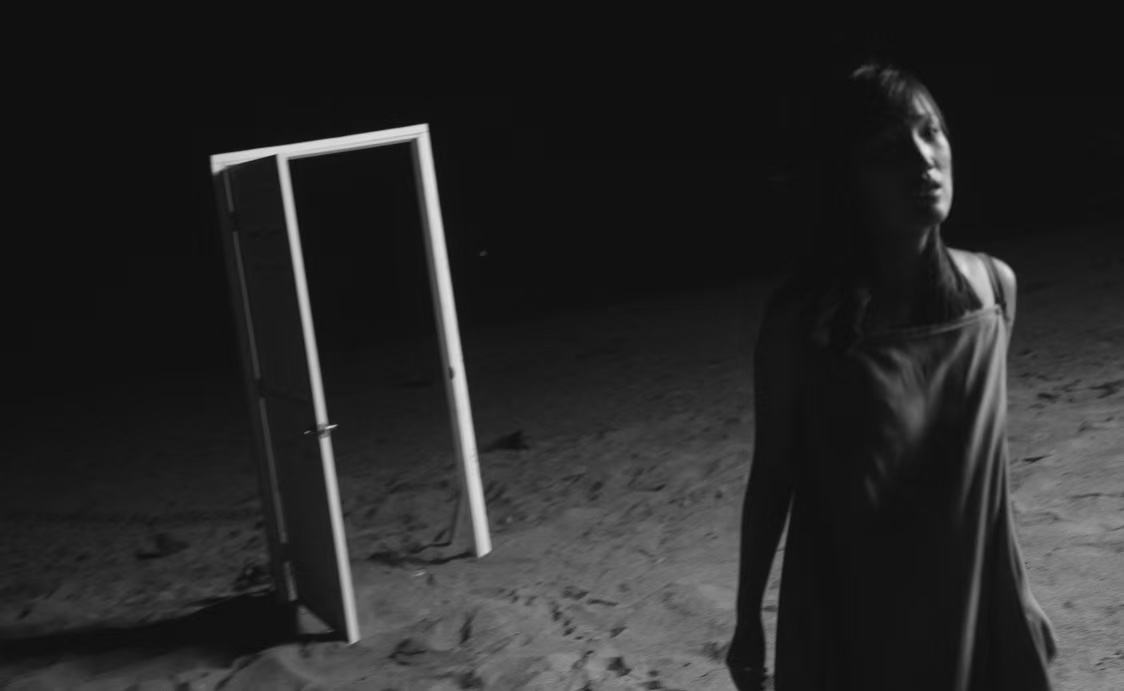
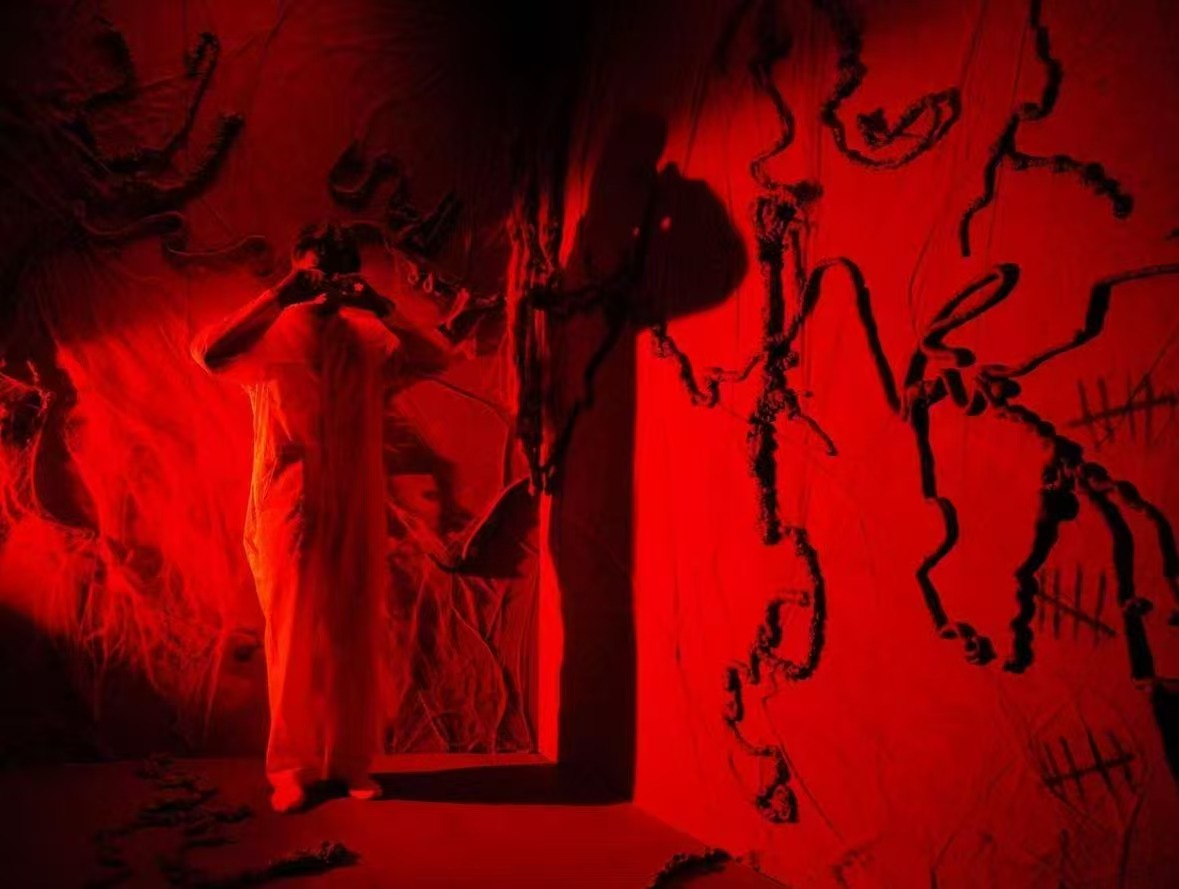
People tend to remember my stories because they haven’t seen anything quite like them elsewhere. They’re strange, often grotesque, and quite happy to offend common sense. That’s also what I’m proudest of: telling a story that feels like its own peculiar creature.
I’m fascinated by how dark and twisted the human mind can become. What takes someone there? And what happens afterward? I like looking at the little things my characters do—the things any of us might consider perfectly ordinary—and following them far enough to see what grows. Sometimes you end up with a tree full of very diseased apples. Naturally, I want to know how that happened.
When it comes to human nature, I’m in the “we’re born bad” camp. I think both the good and the evil in us have an enormous capacity to grow, given the right conditions. The evil that comes out of good intentions interests me especially. Someone means well, perhaps very deeply, and still manages to produce something terrible.
There’s a particular kind of emotional dislocation and pain in that. It seems to me that you need a fairly complex emotional life to get yourself into such a predicament. To care, to want to do good, and somehow arrive somewhere monstrous.
Those extremes of human nature are where my curiosity tends to wander. And then, unfortunately for everyone involved, I start writing.
Can you share something surprising about yourself?
That’s a fun question, because I actually have a great desire to tell poetic, dreamlike stories. Something along the lines of “dying in warm sunlight.” I’ve been trying to do that for a while, which is why some of my stories look as though they came from entirely different filmmakers.
I love Shunji Iwai’s *Swallowtail Butterfly*. I also love *Raw*. My taste apparently sees no reason to pick a lane.
Something else people might not know is that I have bipolar disorder. On set, though, I’m very calm. Even when things go wrong, I’m able to stay composed and keep my emotions under control. Apart from close friends, most people I work with wouldn’t know.
Maybe it’s because I love making films so much. Whatever happens, I tend to think of it as another experience to have. Even when things get difficult, some part of me is still going, “Well, this is a part of director’s life.”
Pricing:
- Rates vary depending on the scope of the project. Please get in touch for a tailored quote.
Contact Info:
- Website: https://vimeo.com/817217176/60fed8b11f?fl=ip&fe=ec
- Instagram: https://www.instagram.com/_dietblue?exln=am9mOHJqbjZpeDBo&utm_source=qr
Popular
-

Portraits of the Valley
-

LA’s Most Inspiring Stories
-

Greg Hex Is Turning the Everyday Kitchen Knife Into a Modern Design Object
-

Rick Norris Learned That Building a Successful Business Means Building a Life You Actually Want to Live
-

How Olivia Rush Turned Survival Into a Mission to Help Others Keep Going
-

How Bibi Goldstein Is Helping Entrepreneurs Reclaim Their Time by Embracing the Power of Delegation


