




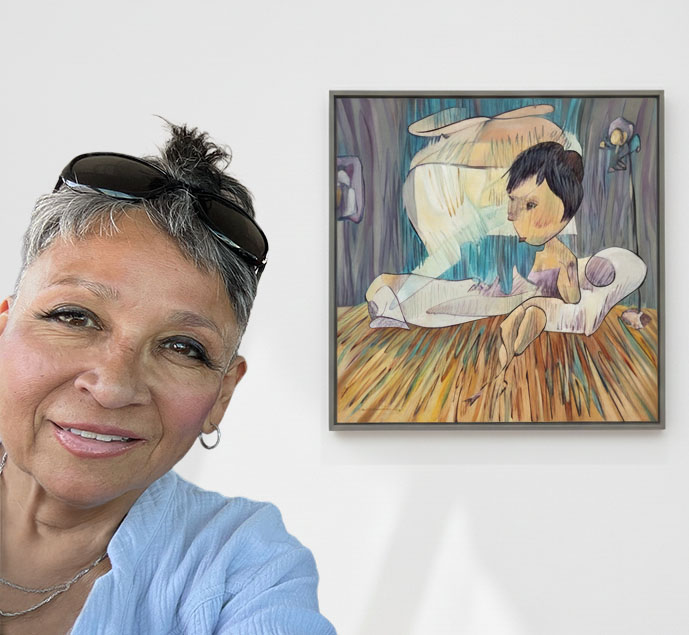
Today we’d like to introduce you to Julie Rico.
Hi Julie, thanks for sharing your story with us. To start, maybe you can tell our readers some of your backstory.
My dad usually worked several jobs at a time. He did whatever he could to support us. The biggest gift he gave our family was our house in a small Michigan community, directly across the street from the schools. We were one of only two Mexican families in the area. In many ways, we grew up like white Midwestern kids—except we were Mexican. Living near Detroit meant the surrounding communities were diverse enough that I learned just as much from my African American and Italian American friends as I did at home.
As soon as I was old enough to read, I started my first business selling Burpee seeds door to door. I did surprisingly well collecting quarters from neighbors and thought, even then, that I might grow up to be a businessperson. But Detroit shapes you early. The idea of work—real work—burrows deep. Wanting to be a manager or a white-collar worker was often frowned upon. That culture was hard to fight, so I did what most people around me did: I went to work.
I started young—an ice cream truck, then mostly restaurants. By 13, I was working and making my own money. After burning out in the restaurant industry, I landed a job at the Bronco Truck Plant working for Ford Motor Company in a small town outside Detroit. When mass layoffs hit, President Carter instituted the Trade Readjustment Allowance, which paid displaced factory workers full wages to go to college. That program changed my life.
While I was in college, I was given an opportunity to work at the world headquarters of General Motors in public relations. That transition—from the assembly line to corporate headquarters—was a turning point. It showed me how differently systems operate depending on where you stand within them.
I went on to study journalism and psychology, which gave me tools to observe, question, and communicate more deeply. After college, I knew I had to leave Detroit. Millions of workers were being laid off, and I was exhausted by the way labor was treated. I moved to Los Angeles, where my first job at the Los Angeles Times gave me a wide-angle view of the city and its power structures.
At the time, my husband Jean Bastarache—an artist—was still back in Michigan, working on the assembly line. I knew I had to get him out. Through a painter named Spandau Parks, I was introduced to a massive, neglected warehouse at the edge of Little Tokyo. I took over 12,000 square feet for ten cents a square foot. I spent four months cleaning it myself. There was no heat, no hot water—just a bed and a space heater. Eventually, that space became the Rico Gallery.
Thousands of people passed through that gallery. It was raw, underground, and alive. I didn’t know anything about the art world when I entered it, but I knew my husband’s work didn’t fit the traditional mold—and neither did many of the artists around us. That realization stayed with me. I learned early on that most systems are not built to include people who don’t already fit the template.
That understanding is what shaped the rest of my life’s work.
Today, community to me is wherever you live. I live in Chinatown, and for the last several years my work has been deeply rooted there. I’ve been involved in advocacy around a low-income housing project with over 300 apartments and mixed-use retail, including a planned creative center where the community can come together to learn, collaborate culturally, and grow individually. I’m far less interested in creating another gallery than I am in creating space—space where people can actually thrive creatively.
I love investing in the people around me. My creative world has expanded exponentially because of that philosophy, leading me to work with one brilliant collaborator after another. Right now, that includes producing the documentary Kids Got Rights with Mews Small, an extraordinary creative partner. The project reflects everything I’ve been working toward—voice, agency, and making sure people are seen before systems erase or silence them.
The artists themselves continue to keep me motivated. I’ve worked with Jean Bastarache for decades, and every time he makes a painting, I fall in love with art all over again. His work is humorous, political, and completely outside the box. Every show I produced for him sold out, but more importantly, he reminded me that original thinking is worth protecting.
Coming from Detroit, from ten-hour days on the assembly line, to building multiple art spaces and producing hundreds of exhibitions in Los Angeles has not been easy. I’ve had to overcome poverty, naysayers, and an art world that was never set up to include someone like me. Even now, I still get pushed out.
What keeps me going is intention. I meditate. I walk long distances. I consciously invite positivity into my mind every day—even toward those who would do me harm. If you focus on anger or resentment, it will pull your life off course. We all have a responsibility to lift each other up, every single day.
That belief—rooted in labor, community, and creative survival—is what connects everything I do, from Detroit to Chinatown to Kids Got Rights.
We all face challenges, but looking back would you describe it as a relatively smooth road?
When I first touched down in Los Angeles, I was a traveler without a map, a family, or a safety net. I had spent my life navigating between different worlds, but I quickly realized that LA isn’t a place that encourages fluid movement. It is a city of invisible borders—socially, economically, and culturally polarized.
Early on, a UCLA Urban Studies professor told me that Los Angeles was among the most divided cities on earth. He recounted being stopped by police just for walking in Santa Monica—an indignity he hadn’t faced in any other global city. I didn’t fully grasp the weight of his warning then, but over the decades, that polarization became the defining challenge of my life. It brought emotional turmoil, business setbacks, and painful encounters with the abuse of power. I had to learn, through trial and fire, how to wield the law to protect myself and navigate a system designed to be opaque.
With no family to fall back on, my leanest years were sustained by bowls of beans and rice. That isolation was harsh, but it forged a titanium independence. Along the way, I discovered that LA is a city of extremes: you will meet “angels” who carry you, and predators who seek to destroy you. To survive, meditation became my lifeline. It isn’t just a practice; it is my connection to the universe. It provides the protection and perspective I need to stay open-hearted in a city that can often feel hostile.
As you know, we’re big fans of you and your work. For our readers who might not be as familiar what can you tell them about what you do?
For decades, I lived in the shadow of the word ‘artist,’ never dare applying it to myself. I built the galleries, produced the shows, and championed the genius of others, convinced that my only role was that of a facilitator. I had forgotten—or perhaps suppressed—the ten-year-old version of myself who wrote stories with effortless wonder. Even though that memory remained, I never reached for it as a passport into the creative world. I was a worker, born into a family where ‘writer’ wasn’t a career—it wasn’t even a person you knew. Yet, the moment I began to walk among writers and artists, the recognition was instant. I wasn’t just their supporter; I was home. I credit this self-discovery to a brilliant writing teacher Jack Grapes.
Can you talk to us a bit about happiness and what makes you happy?
Today, my greatest happiness comes from synchronicity. I no longer want to live a fragmented life. I find peace when the borders between my worlds vanish—when my home life, my productions, my writing, and my friendships all begin to rhyme. When everything is in sync, I am no longer just navigating a city; I am finally at home within myself.
Contact Info:
- Website: https://www.juliericogallery.com
- Instagram: @julierico
- Facebook: https://www.facebook.com/juliericoartgallery/about/
- LinkedIn: https://www.linkedin.com/in/juliericola/
- Youtube: https://www.youtube.com/@KidsGotRights-r4w
- Other: https://kidsgotrights.com
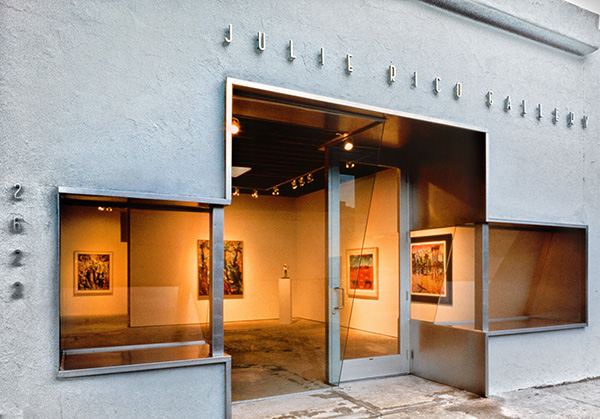
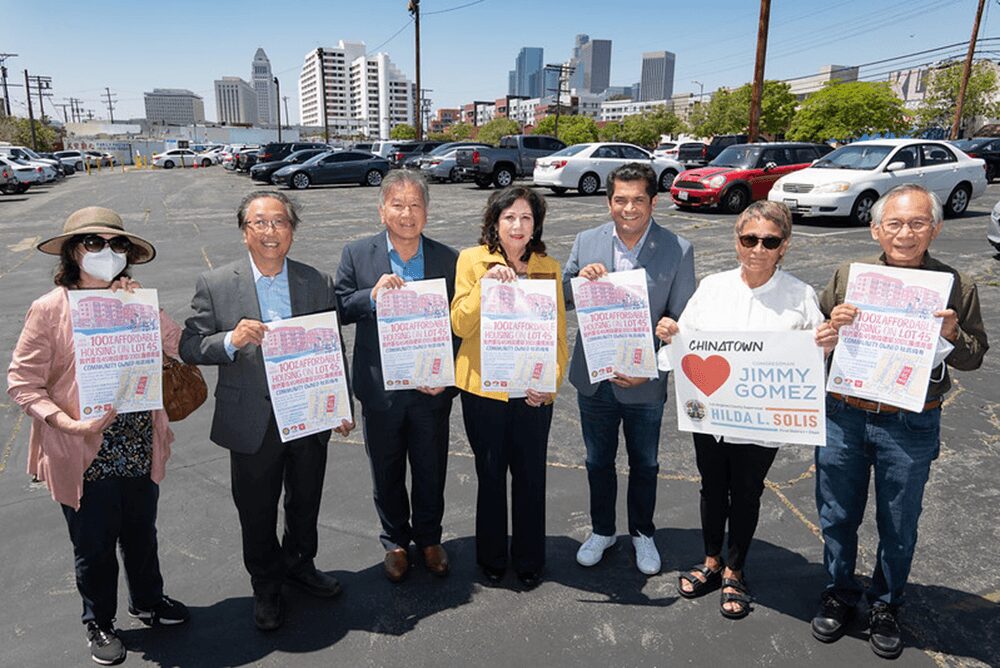
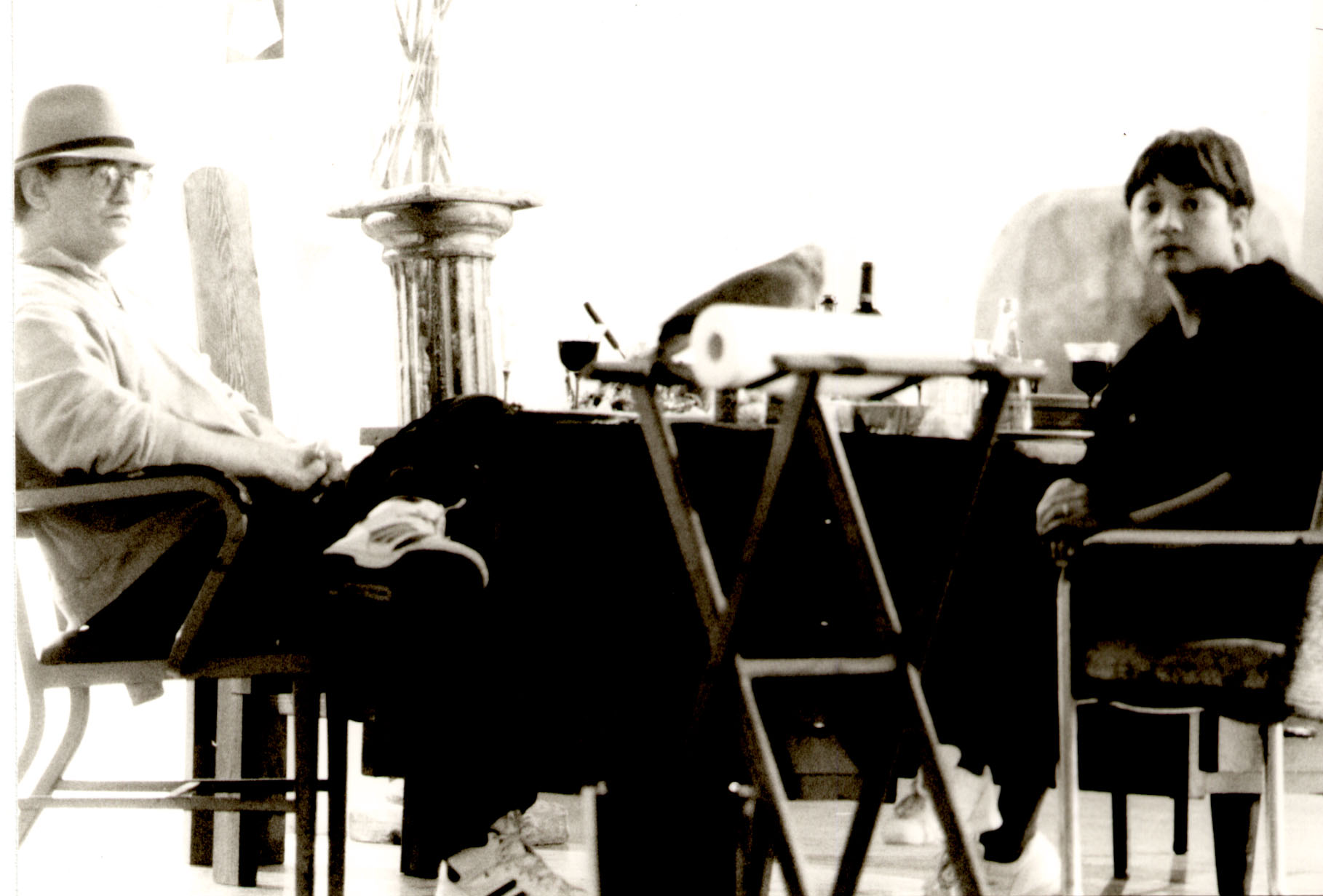
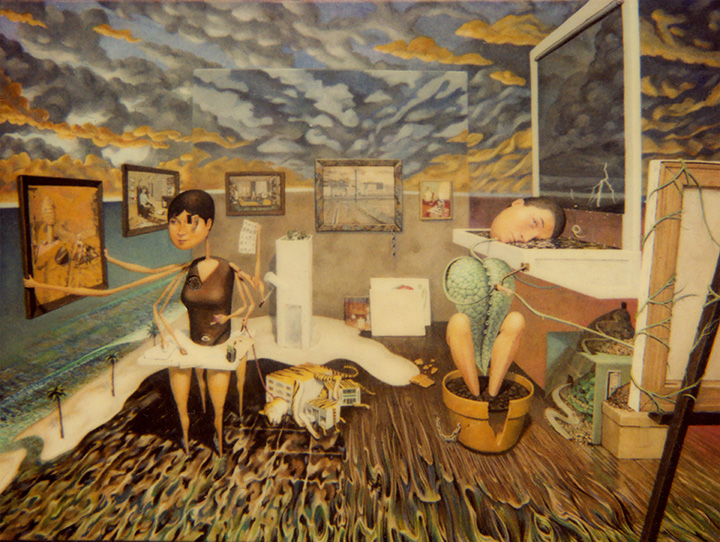
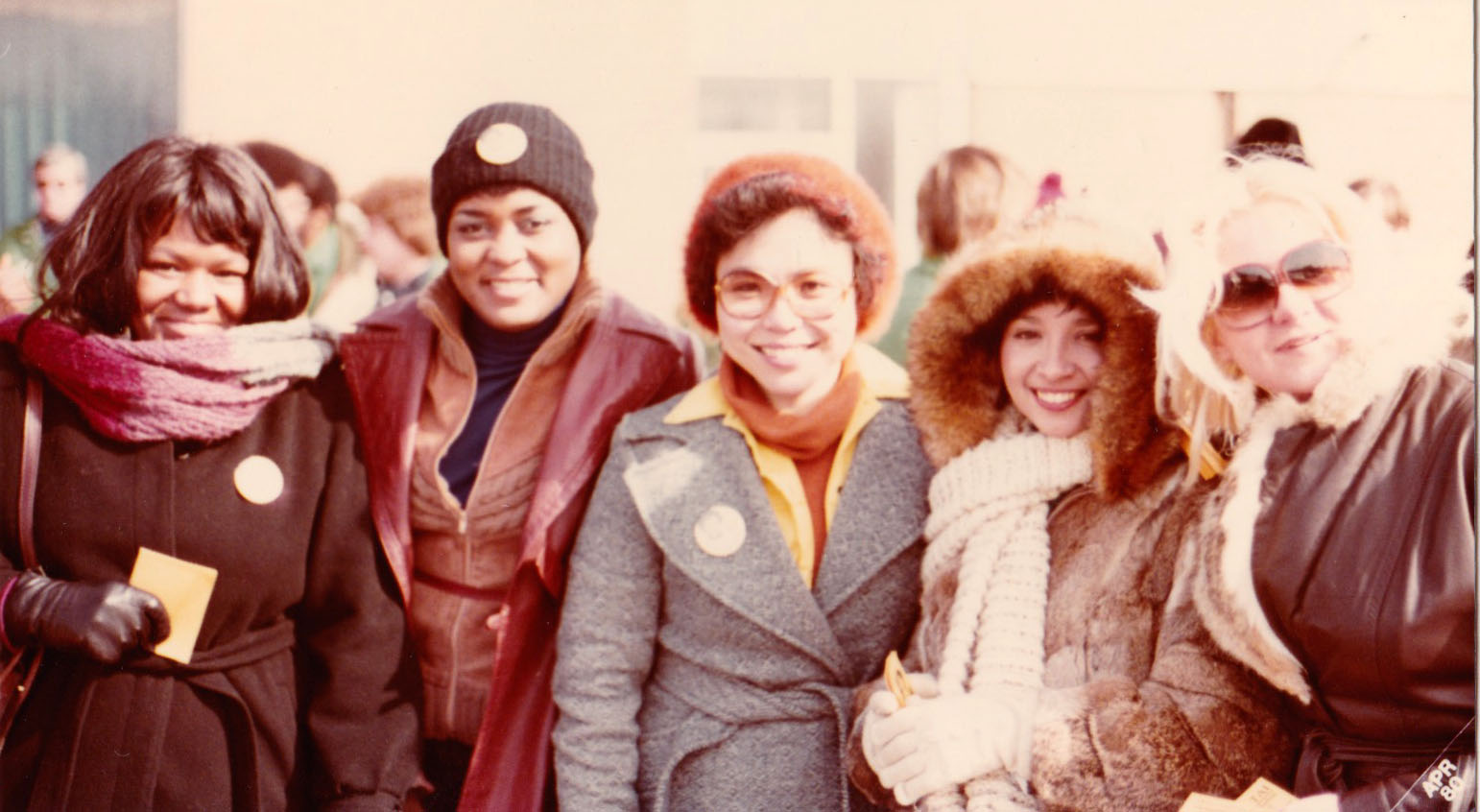
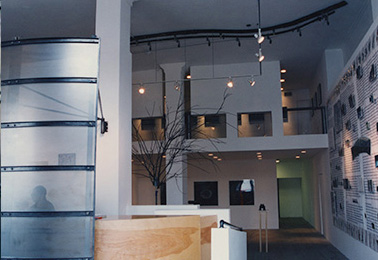
Image Credits
Julie Rico
Popular
-

Que Johnson on Building Brands That Last: From Visibility to True Market Authority
-

Christina Wren Steps Into the Director’s Chair to Tell Stories That Feel Like Home
-

Portraits of the Valley
-

LA’s Most Inspiring Stories
-
JordanL on ‘Breathe,’ Belief, and Building a Movement Beyond the Music
-
Megan Birney Rudert on How Access to Light Is Powering a More Sustainable and Equitable Future


