




Today we’d like to introduce you to Josh Goldman & Dina Voorhees.
Hi Josh and Dina, it’s an honor to have you on the platform. Thanks for taking the time to share your story with us – to start maybe you can share some of your backstory with our readers?
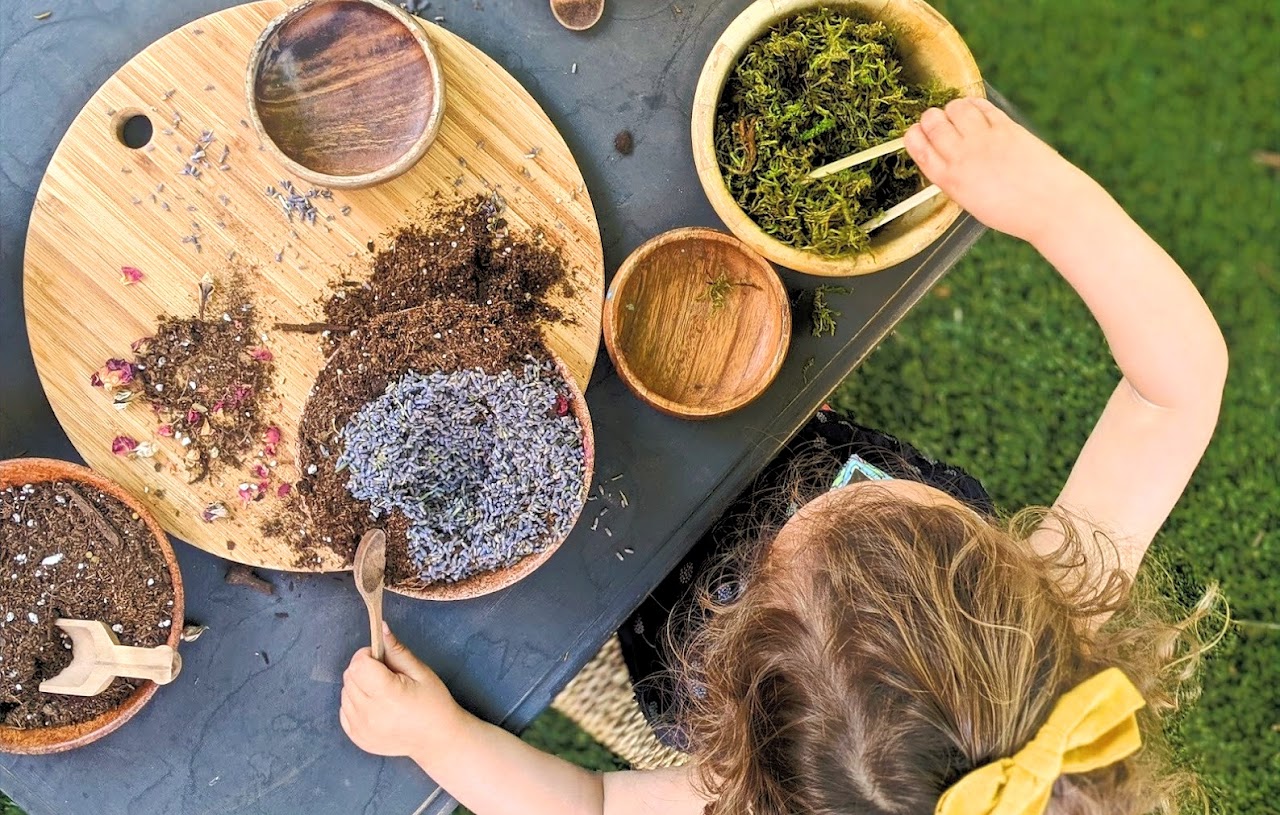
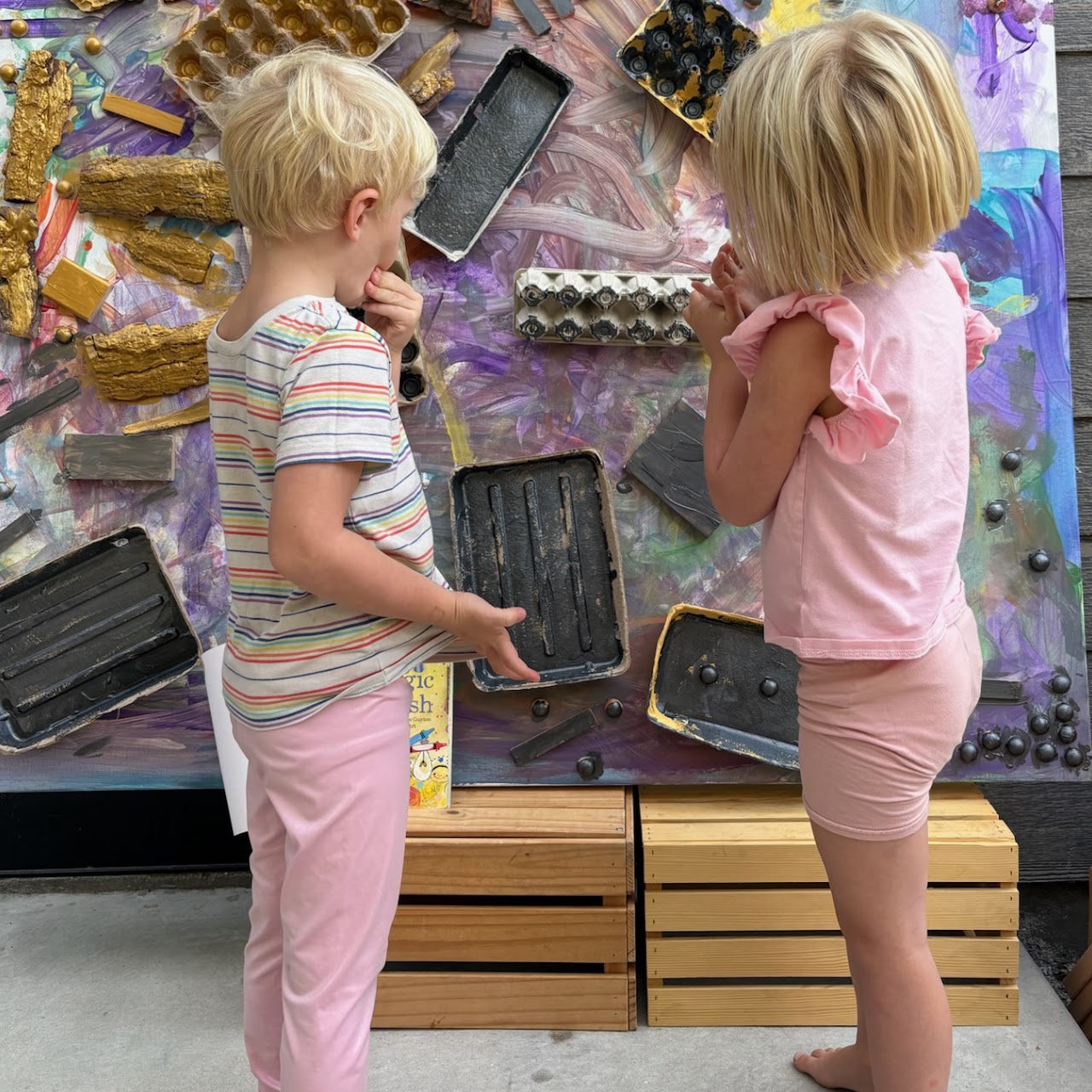
Josh: River East School was born out of Dina’s experiences in school, which really do echo the experiences that so many of us faced. Dina: I learned differently. And growing up in traditional preschool settings, it was as if there was no room for that. There wasn’t room for big, messy, sensory play. There wasn’t room for creativity. You either fit in the box, or you didn’t.
Josh: And we weren’t taught social-emotional skills. They were definitely put aside as something that we could deal with later, when we were older, with a therapist. But the fact is that early childhood is exactly when you want to teach these important skills and concepts. Wait, did we mention that we’re brother and sister? Because we are. So we had very similar experiences in certain ways that we were raised, but also very different experiences and reactions, because we’re very different people.
Dina: And to clarify, it wasn’t like we were neglected or unloved. We were very loved. But at the time, there just wasn’t an emphasis on teaching empathy, emotional regulation, or self-confidence. And that left me (and so many like me) vulnerable to the stories that others would tell about us, the boxes they would put us in. So fast forward to adulthood, I became a Health & Wellness Specialist, going into different schools and foster care settings to teach yoga, food, and nutrition, really focusing on a way to create positive associations with food and teach emotional regulation. From there, I cofounded River East School as a program to foster social-emotional development.
Josh: I’m an actor and writer, and like so many of us, I believe in having parallel careers. Careers that complement each other. So a couple years into River East, I joined as a sub, and then basically decided to stay. I then became an assistant teacher, really at the ground floor of what it takes to become an educator. And, with time (and going back to school to get Early Childhood Education credentials), I became a lead teacher; I was even the chef for a bit of time. And then I decided that I wanted to be the director, and it was kind of perfect because Dina and I have a real shorthand, and an understanding of who each of us is.
Dina: It took us a while to get there, but we did.
Josh: I think our parents’ biggest pride is that we work together the way we do, but I think it’s also their biggest surprise.
Alright, so let’s dig a little deeper into the story – has it been an easy path overall and if not, what were the challenges you’ve had to overcome?
Josh: Working together was its own challenge! Dina: But that’s what family is, and that’s what we hope to teach the friends. I think we had to find our rhythm as director and creative director, coworker and sibling. I know our relationship has really evolved as we’ve worked together, and we’ve been real supporters of each other.
Josh: Absolutely. Aside from that, the pandemic was pretty tough. We were a really young school at the time of the lockdowns, much smaller even than we are now, and it was a real struggle to stay open. So many schools closed. And then following that with the WGA and SAG-AFTRA strikes… It really affected a lot of the families in the community. And then of course the political landscape, the fires…
Dina: When you work with children, every traumatic or stressful event reverberates. No matter what parents do to keep their children from it, they may not know exactly what’s going on, but they do feel it. But that’s our goal, to turn those things into emotional resilience.
Josh: That’s a good reframe. It’s been a hard time for the entire early education field. The landscape of childhood has changed so much, just in the last six years. The rollout of Universal TK, while a wonderful step towards social justice, hit private preschool especially hard. But we used it as a way to set us apart. We were able to adapt and create a play-based TK program in-house, utilizing our philosophy to teach important TK skills so that our graduates are going into kindergarten with a strong foundation of academic knowledge, bolstered by an even stronger social-emotional foundation.
As you know, we’re big fans of you and your work. For our readers who might not be as familiar what can you tell them about what you do?
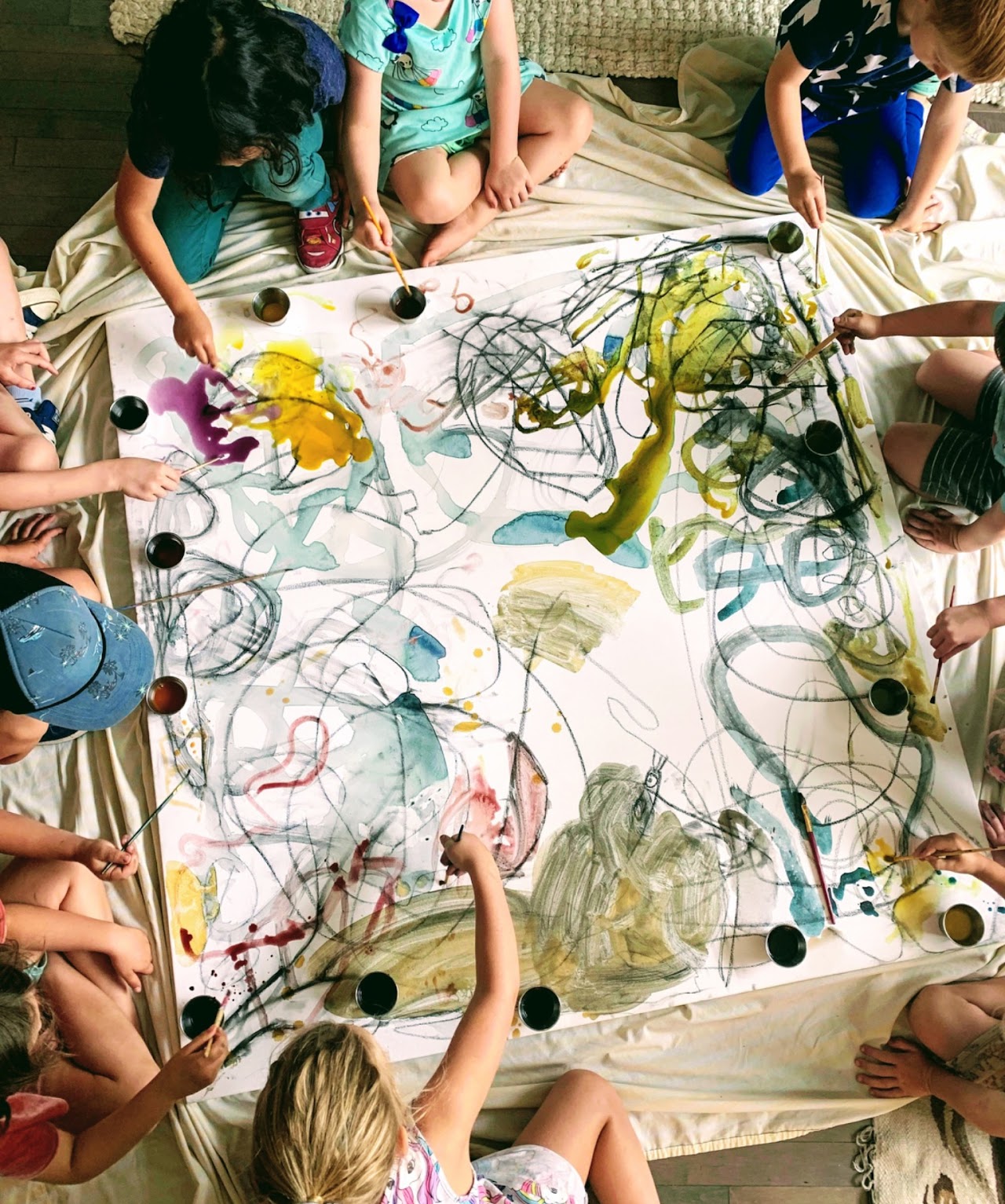
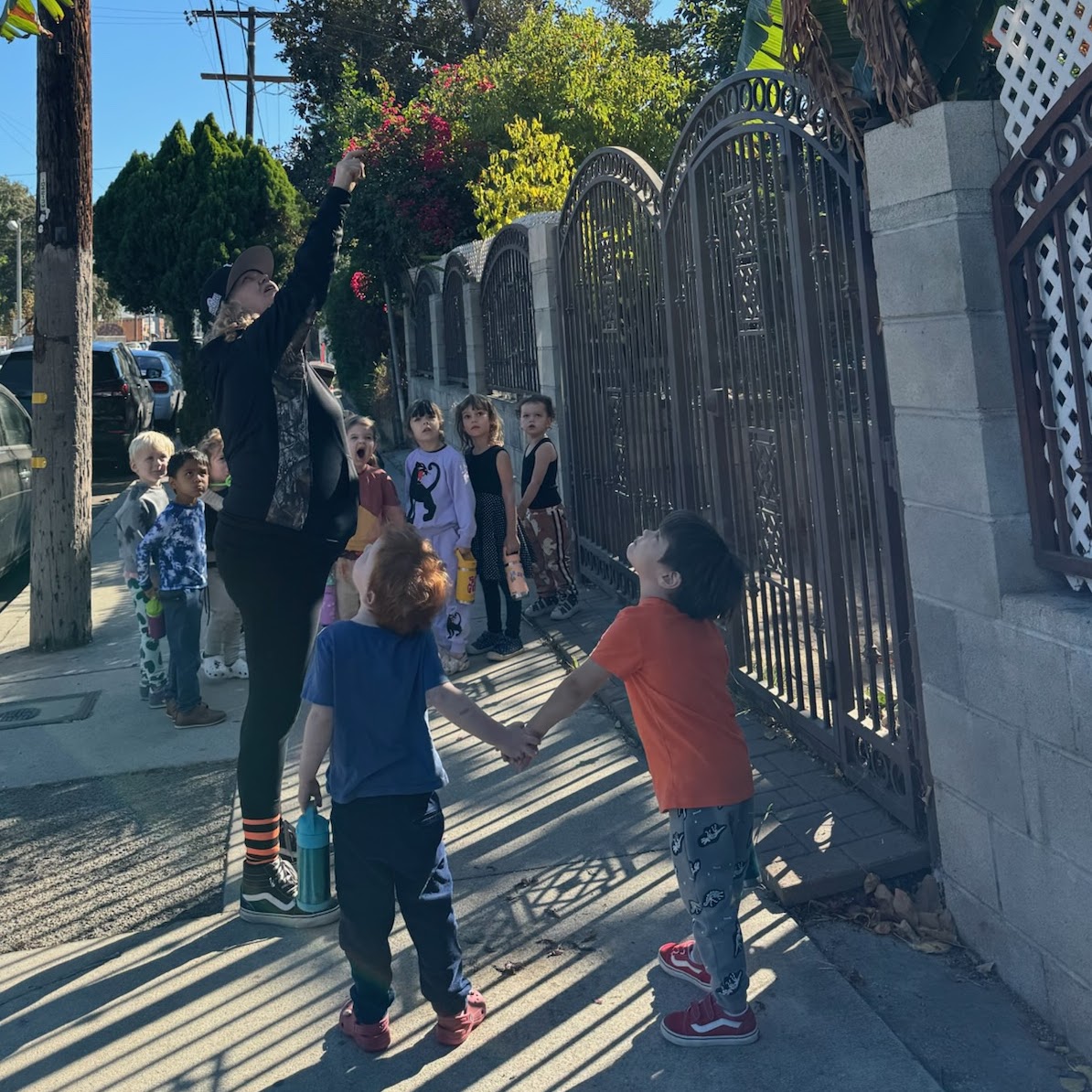
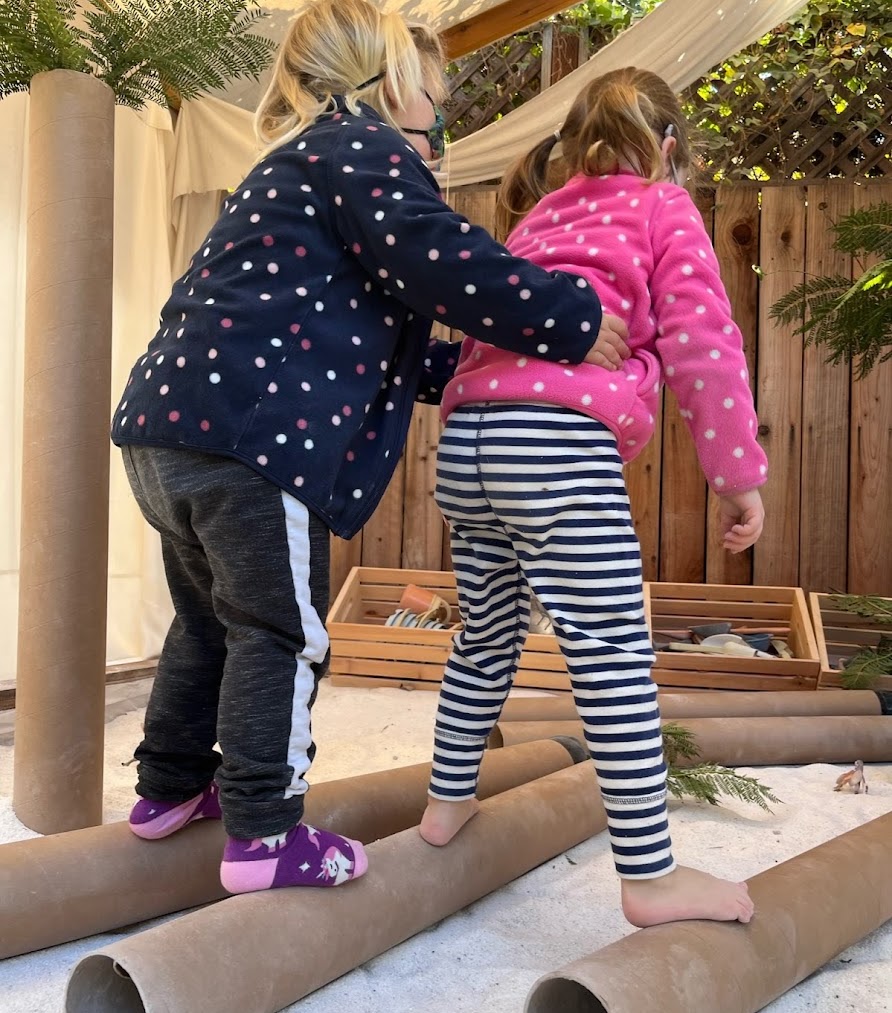
Josh: River East School is a boutique mixed-age preschool, heavily inspired by the Reggio Emilia approach and Constructivist philosophy. Our greatest goal is to help the friends (that’s what we call our students) become lifelong learners who go out into the world with a foundation of empathy and a set of tools that they can use to regulate their emotions through what life throws at them. We use art, yoga, health & wellness, and food & nutrition to help each friend figure out WHO they are, and how they fit into the larger tapestry of their community, all on a level appropriate for the developmental stages of our 2-5 year olds. Dina: As for what sets us apart, it’s our heart. Our community. The families that make up our program are truly incredible, and we’ve walked through so many truly traumatic and destabilizing experiences together. It’s incredible to see the community rally around each other to help, to support, and to celebrate together. In a city of transplanted people, we’ve been able to form a really beautiful community.
Josh: And the food program. Don’t forget that. I mean not many preschools have a chef on staff making the kind of homemade, gourmet, organic food that we provide.
Dina: My background is in food and nutrition–I went to culinary school–and I really wanted to create a menu that helps the friends expand their palettes progressively throughout the year, using organic ingredients and helping them create core memories around food that are rooted in comfort and community.
Josh: And don’t forget our TK program. Sorry, I can talk about River East all day long.
Dina: That’s why you’re the director!
Josh: True, true. So we know that California rolled out Universal Transitional Kindergarten, which, from an equity standpoint, is great. Although there are real things they need to figure out so they can ensure it doesn’t create an even bigger equality gap, which is what they’re unfortunately finding. From a childhood development perspective, 4 year olds are very different than 5 year olds, but often the UTK programs teach in a very standardized way with academics prioritized over play, sacrificing how children learn organically. There’s also use of screens and worksheets that are simply not appropriate for this age group. But of course, programs like that change the landscape of early childhood education. There are now different comparisons being made to what a new kindergartener should come in having already learned. And it’s been really devastating to the play-based preschool community, as our 3 and early 4 year olds are forced to “graduate” before they are ready to do so. It hurts the children, and it hurts the schools themselves. So many of our peers have been struggling to fill spots, and some have even been forced to close. To meet our families where they are, we worked in-house to create a play-based TK program that works within our open-flow groups to teach the friends the academic, regulatory, and social skills they will need for kindergarten, while keeping their excitement to learn burning bright. The feedback we’ve received from our graduates and their families is so positive, even from the schools they graduate into.
Dina: Our graduates go into kindergarten not only with the academic knowledge expected, but also with the ability and confidence to advocate for themselves and their friends, and to continue the empathy we’ve taught them. That really gets solidified in their last year here, when they’re the oldest friends.
Josh: Another reason to stay for their TK experience. Why take them out once it’s their opportunity to actually put it into practice? That’s how young children learn best.
What was your favorite childhood memory?
Dina: We grew up in a family that really revolved around food. All the time, we’d have these big gatherings of friends and family around the table, all sharing food, and having these big lively conversations. Brunch, Friday night dinner, weekend barbecues, holidays… any excuse to gather, eat, and talk. Josh: I think that’s mine too. It was a big part of what created our love for community, sharing space, and talking–even debating–over food. The talk was never small talk, it was always intimate and deep. So yeah, I’ll use that as my favorite childhood memory too. But I’ll add another favorite memory: eating the leftovers the next morning.
Contact Info:
- Website: www.rivereastschool.org
- Instagram: @rivereastschoolla
- Yelp: https://www.yelp.com/biz/river-east-school-los-angeles?osq=river+east+school
Popular
-

Christina Wren Steps Into the Director’s Chair to Tell Stories That Feel Like Home
-

Portraits of the Valley
-

LA’s Most Inspiring Stories
-

JordanL on ‘Breathe,’ Belief, and Building a Movement Beyond the Music
-

Megan Birney Rudert on How Access to Light Is Powering a More Sustainable and Equitable Future
-

Linda Kneidinger on Building Lasting Change Through Small Steps and Self-Compassion


