




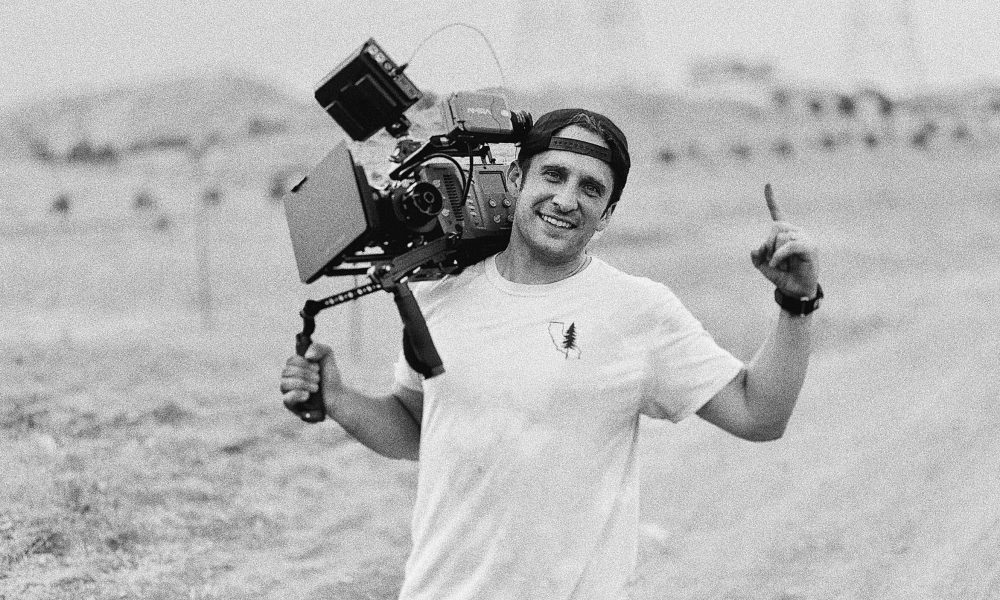
Today we’d like to introduce you to Joe Katches.
Joe, we appreciate you taking the time to share your story with us today. Where does your story begin?
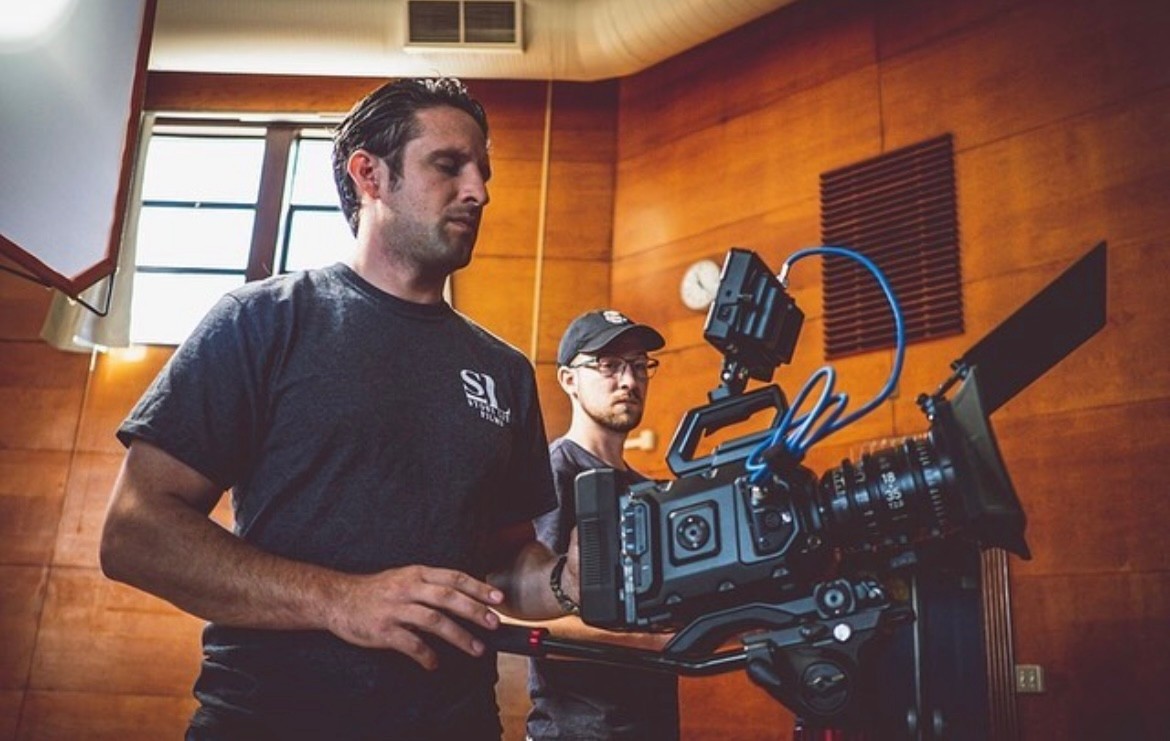
Growing up the first two movies I ever saw was Jaws and Batman. Jaws traumatized me, and Batman empowered me. The way both movies used images to tell a story had me thinking from a young age that “making movies” is what I wanted to do. When I was in High School my dad bought my brother and I our first camcorder where we made dozens of short films and would distribute them through our school on a VHS tape. I also got my first job as a VHS repairman. I’d fix broken films. In college, I started doing theater because the college I attended didn’t have a film program. So I learned a lot about lighting and working with teams through theater and stage production. Shortly after that, I met my wife, we helped out at a Bible camp in Alaska and then moved to one of the Alaskan villages to help run a youth program there. But due to some severe black mold, we had to leave our home there. Upon moving back to California, I jumped back into filmmaking and having been working full time as a cinematographer (sometimes I gaff and cam operate too).
We all face challenges, but looking back would you describe it as a relatively smooth road?
It definitely hasn’t been a smooth road. It’s more like the roads in LA, bumpy and full of potholes. When I moved back from Alaska, I had no job, no network, I felt old at age 30, and there was a ton of new equipment and technology to learn. It was daunting to try and step in somewhere. I prayed, asking God for help and for open doors. Sure enough, I was able to connect with some folks and start working on set. At first a lot of the work was low to no pay. But being able to just be on set and learn cameras and lighting was invaluable. After putting in years of work, I went full-time freelance as a cinematographer and God answered those prayers by opening doors and continues to open doors. Also having a wife who is a superstar support and encourager has lifted me out of many valleys along the way.
Can you tell our readers more about what you do and what you think sets you apart from others?
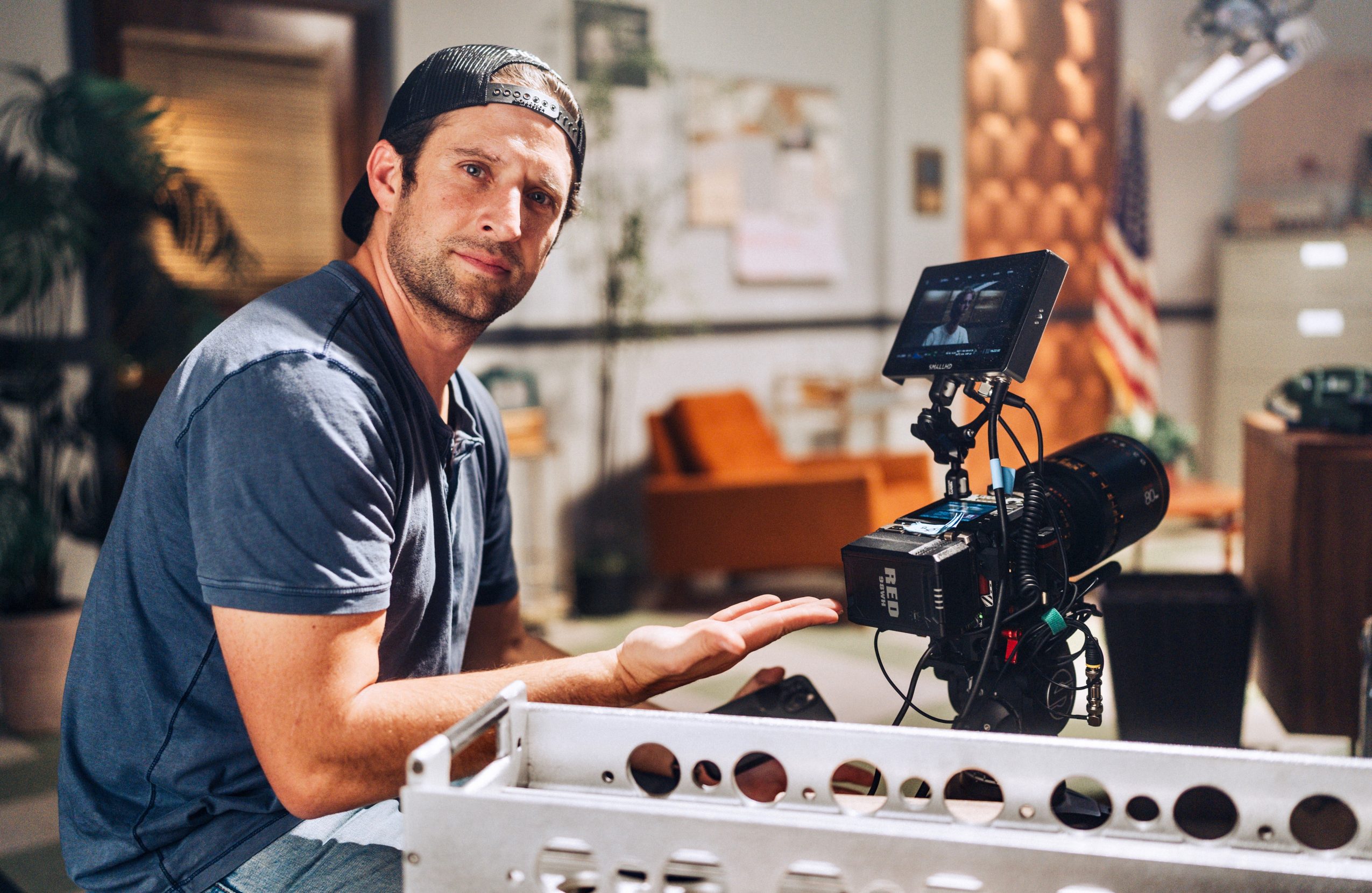
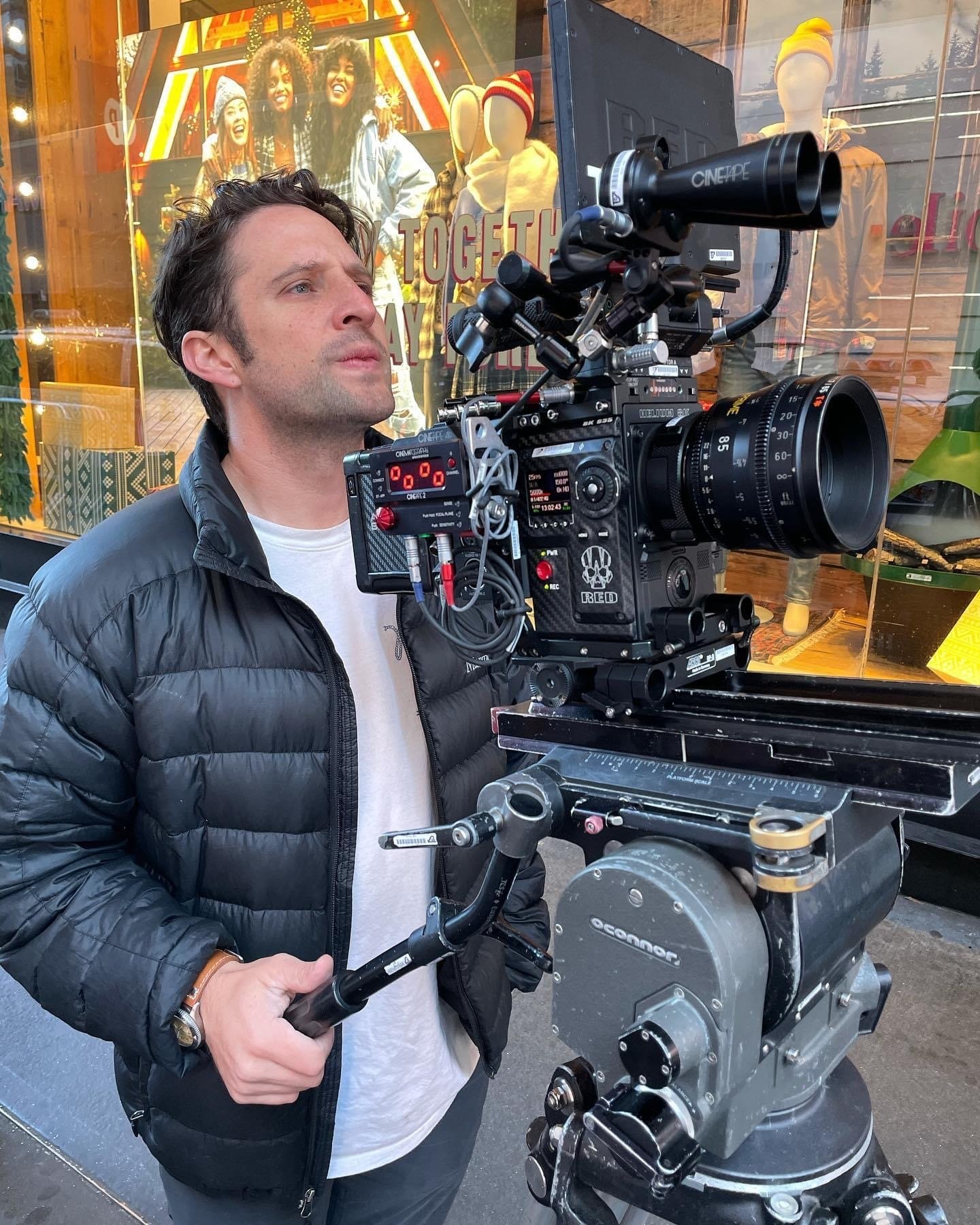
Cinematography is what I do, and it’s like conducting an orchestra. In cinematography, you have to oversee and work with different areas of the team, like camera department and lighting department. There’s a lot of management involved, which may sound boring to people, but it’s thrilling. You get to work with some of the most talented and creative people. Every cam op, ac, gaffer, and grip team I’ve been able to oversee, I’ve made great friends with and have a learned a tremendous amount from them.
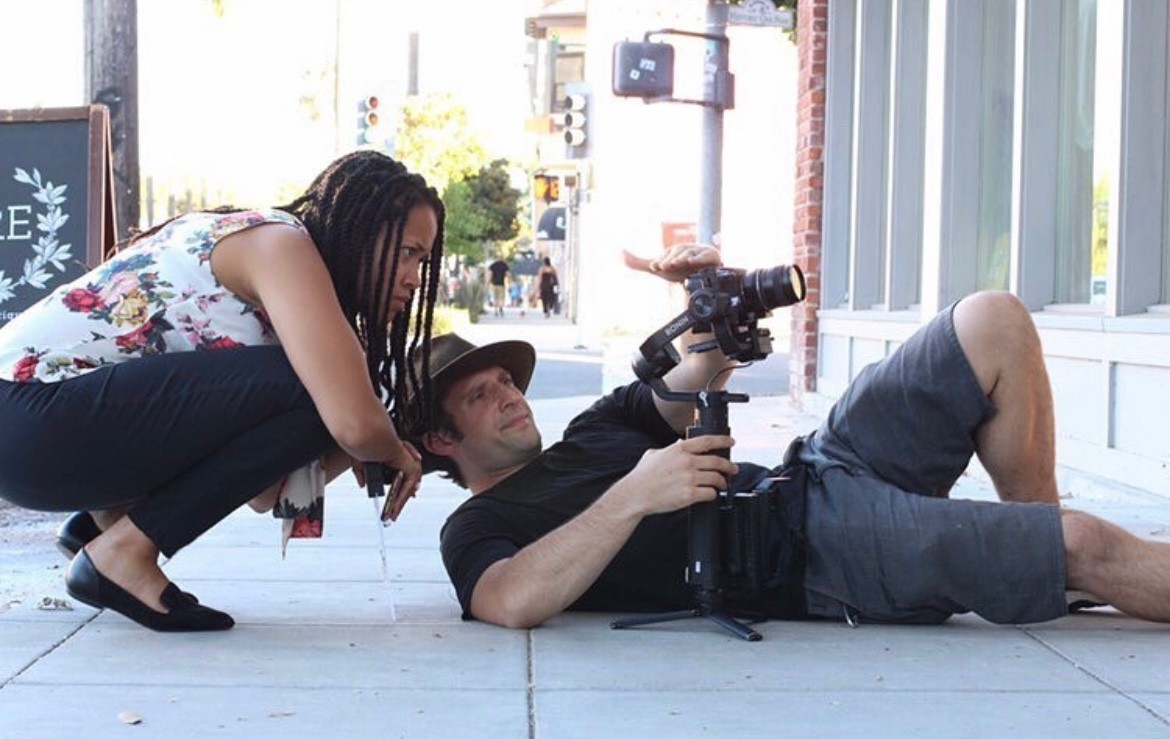
In terms of my work, I shoot a lot of narrative content. My work is a mix of feature films, short films, commercial work, and documentaries. I can’t boast of work on any mainstream movie in theaters, but I’m very proud of the short narrative films I’m able to make. Sometimes even the smallest projects that have low budgets yield the greatest reward because of the creative process it took to get there. If you’re like me then getting use a camera on any set is always a joy!
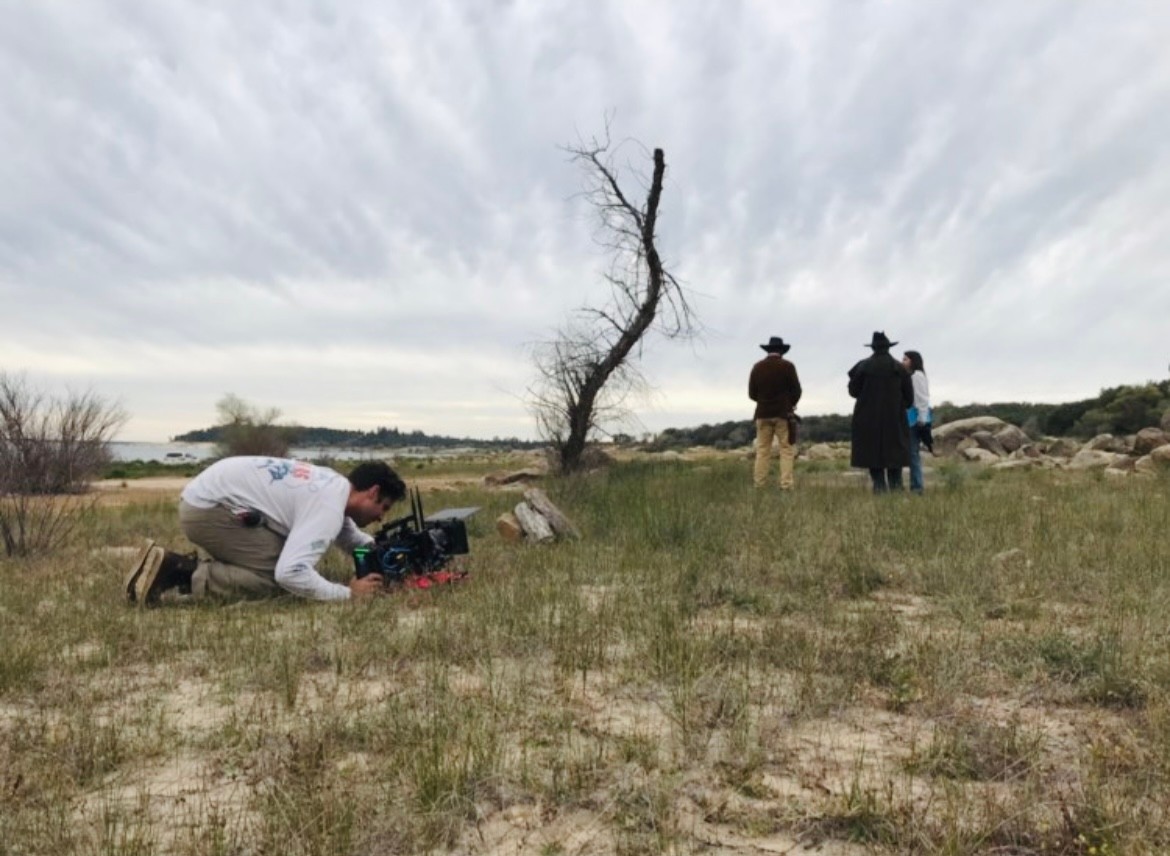
One project I’m particularly proud of was a short film I shot on the Alexa mini and atlas Orion anamorphic lenses called “The Greys.” It was a low-budget film, but it required a lot of talented creatives coming together, working in a tough, hot, loud desert environment and telling a story we were all proud of.
Risk taking is a topic that people have widely differing views on – we’d love to hear your thoughts.
I think anyone who has worked freelance is a risk taker. You don’t have the mirage of a 9-5 job or a set salary. You have to step out in faith and hope that you will find work. It can be scary not knowing when your next job is coming. It can also be scary to work with new people on new projects. You don’t always know what to expect. I’ve learned to just embrace that fear and go for it! Early on I would wrestle with fear and insecurity a lot. Insecurity is a big big thing people struggle with on film sets. Because you want to appear like you have the answers and don’t ever want to appear like you don’t know or are a failure on set. At some point, I had to tell myself, “I’m done being afraid” and I just embraced that it’s okay to say “I don’t know” or to try something and to fail. Once I broke through that barrier, it allowed me to be myself on set and to have more creative confidence. I always tell people “Be yourself, forget yourself.” Or as one friend told me that working in freelance we get to sit in front row in the theater of God’s providence. I like that, and it’s true.
Contact Info:
- Website: www.storylitfilm.com
- Instagram: @storylitfilms
- Facebook: Storylit Films
- Youtube: @storylitfilms4048
- Other: Vimeo: Story Lit Films
Popular
-

Christina Wren Steps Into the Director’s Chair to Tell Stories That Feel Like Home
-

Portraits of the Valley
-

LA’s Most Inspiring Stories
-
JordanL on ‘Breathe,’ Belief, and Building a Movement Beyond the Music
-
Megan Birney Rudert on How Access to Light Is Powering a More Sustainable and Equitable Future
-
Linda Kneidinger on Building Lasting Change Through Small Steps and Self-Compassion


