




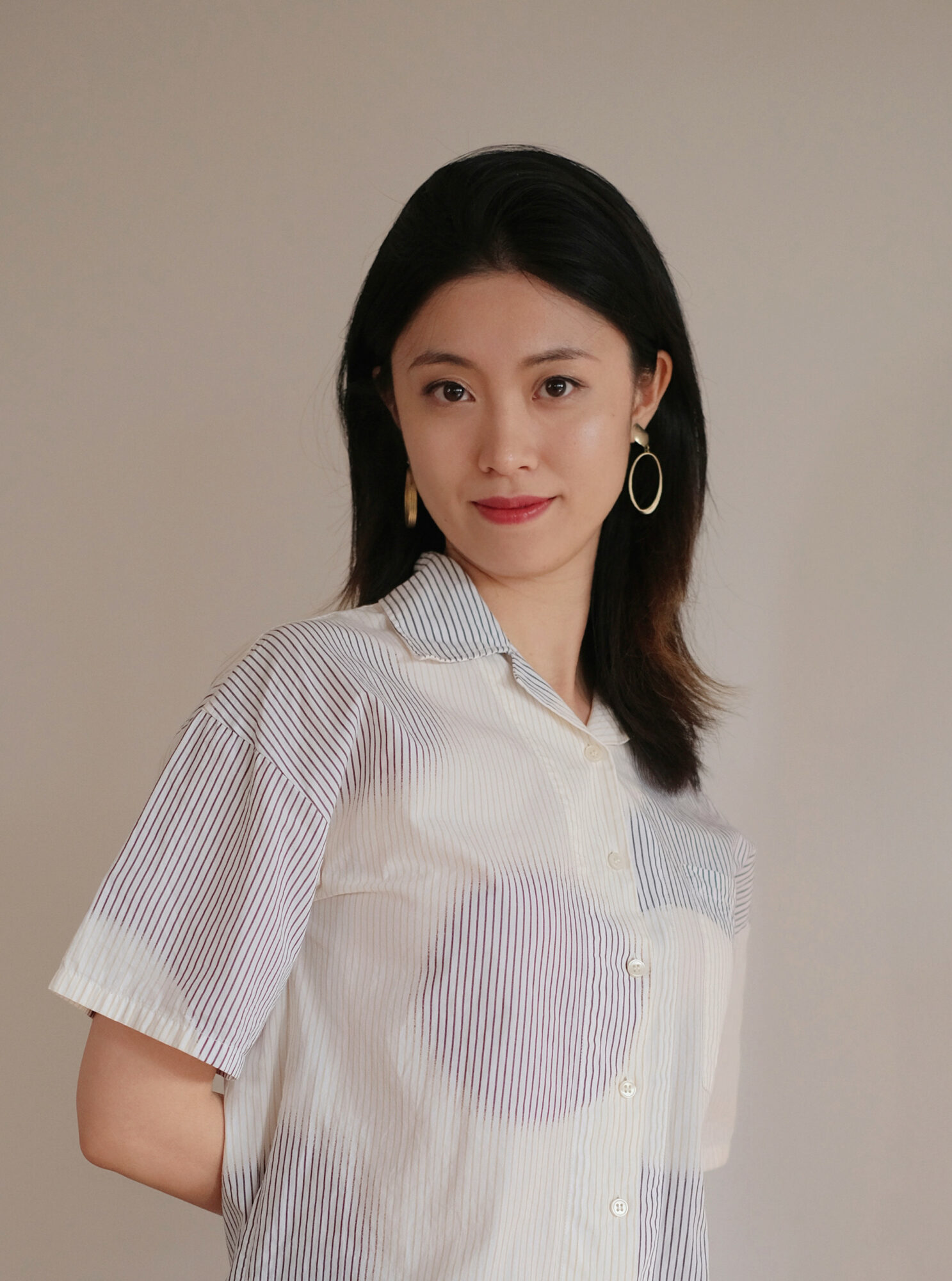
Today we’d like to introduce you to Jiafeng Li
Hi Jiafeng, we’re thrilled to have a chance to learn your story today. So, before we get into specifics, maybe you can briefly walk us through how you got to where you are today?
My journey in architecture began with a deep fascination for how spaces shape human experiences. Studying at Columbia University and the China Academy of Art, I was fortunate to learn from visionary mentors like Pritzker Prize winners Wang Shu and Arata Isozaki, who encouraged me to think critically about architecture’s cultural and social impact.
Through my work at Allied Works, Dorte Mandrup, and TAO, I gained diverse international experience, contributing to projects that ranged from landmark cultural buildings to community-driven spaces. My passion for architecture as a medium for storytelling and social change led me to projects like the Met Cloisters renovation, where we redefined the role of a museum, and a maternity center in Senegal, where design served as a bridge for healthcare accessibility.
Today, I continue to explore architecture’s potential beyond aesthetics—whether through cultural institutions, public spaces, or humanitarian projects—always seeking to create designs that resonate with people and place.
Alright, so let’s dig a little deeper into the story – has it been an easy path overall and if not, what were the challenges you’ve had to overcome?
Architecture is rarely a smooth road—it’s a profession that constantly tests resilience, adaptability, and problem-solving skills. Every project comes with its own set of challenges, from design constraints to logistical and budget limitations. The long timelines, iterative processes, and coordination with multiple stakeholders make architecture a field that requires patience and persistence.
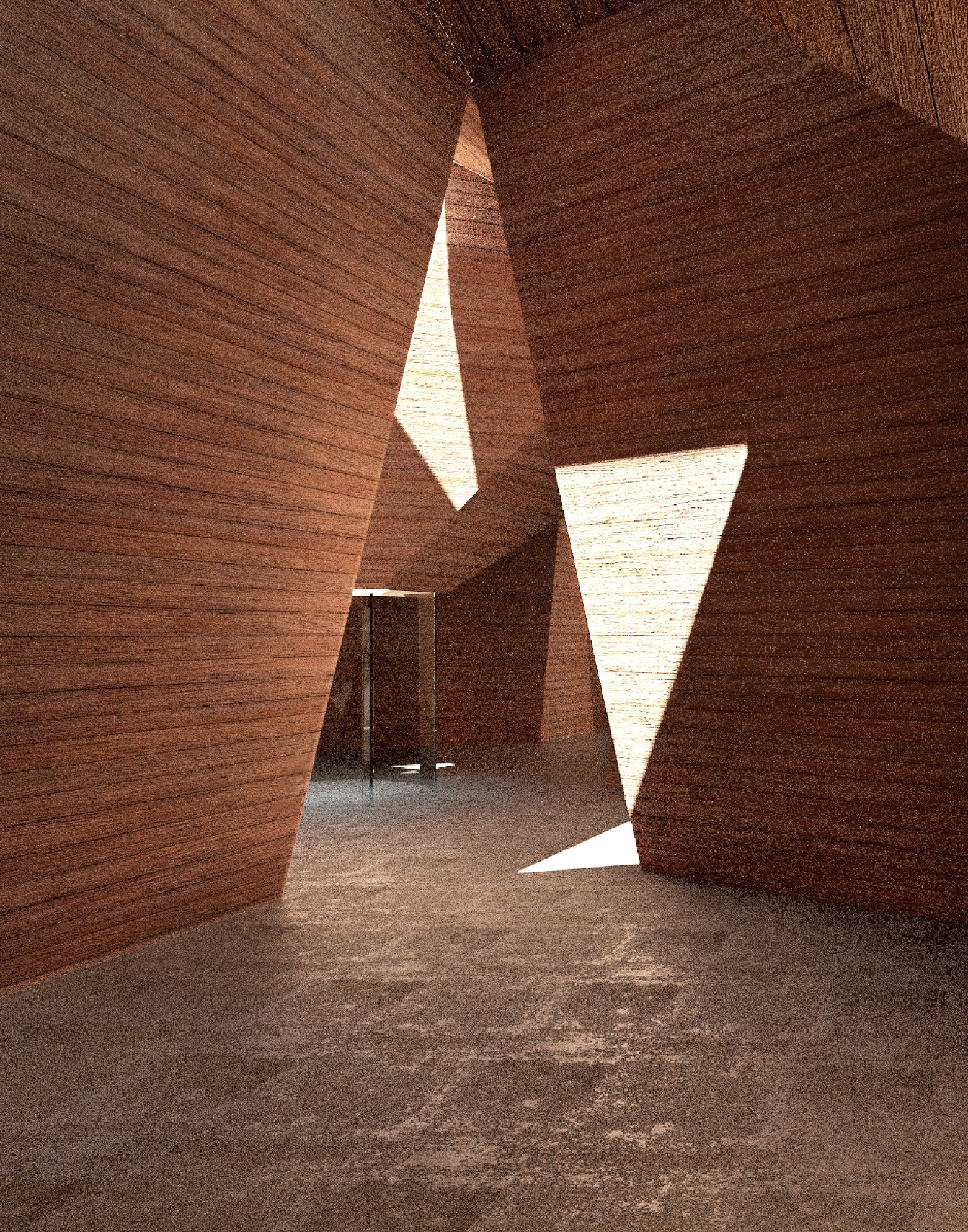
One of my biggest challenges has been navigating the complexity of projects that blend architecture with cultural and social narratives. For instance, while designing the Ramapough Culture Museum for the Ramapough Mountain Indians, the project won 2024 London Design Award Silver Winner. I had to create a space that not only preserved indigenous heritage but also served as an educational and community hub. The challenge was to translate traditional wigwam structures into a sustainable, modern framework while respecting the cultural and historical significance of the site. Balancing cultural authenticity, environmental responsibility, and contemporary functionality was a complex yet rewarding process.
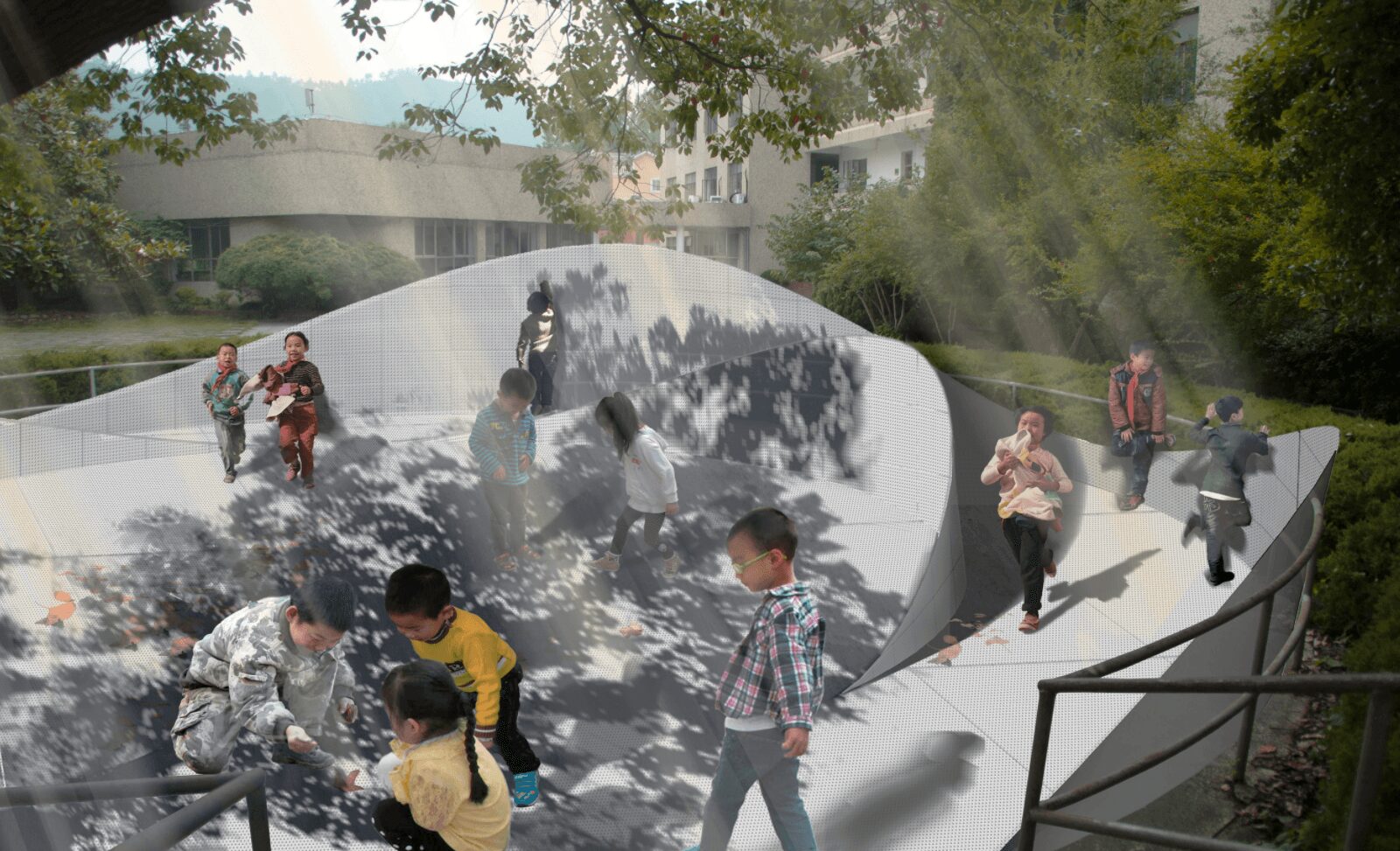
Another challenge has been ensuring that architecture remains accessible and inclusive. In a project for a school for the visually impaired, my team and I designed an interactive light-sensitive installation that allowed blind children to experience shifting daylight patterns through touch. This project, which won the VELUX Architecture Competition Global Winner, reinforced for me how architecture can go beyond aesthetics to become a medium for social impact and inclusivity.
Despite these challenges, I see them as essential to the architectural process. Each obstacle is an opportunity to push creative boundaries and develop solutions that are both meaningful and impactful.
Alright, so let’s switch gears a bit and talk business. What should we know about your work?
My work lies at the intersection of architecture, cultural preservation, and social impact. I specialize in designing spaces that not only serve functional needs but also tell stories, foster inclusivity, and engage deeply with history and community. My projects range from museums and cultural institutions to humanitarian architecture, always with a focus on creating meaningful spatial experiences.
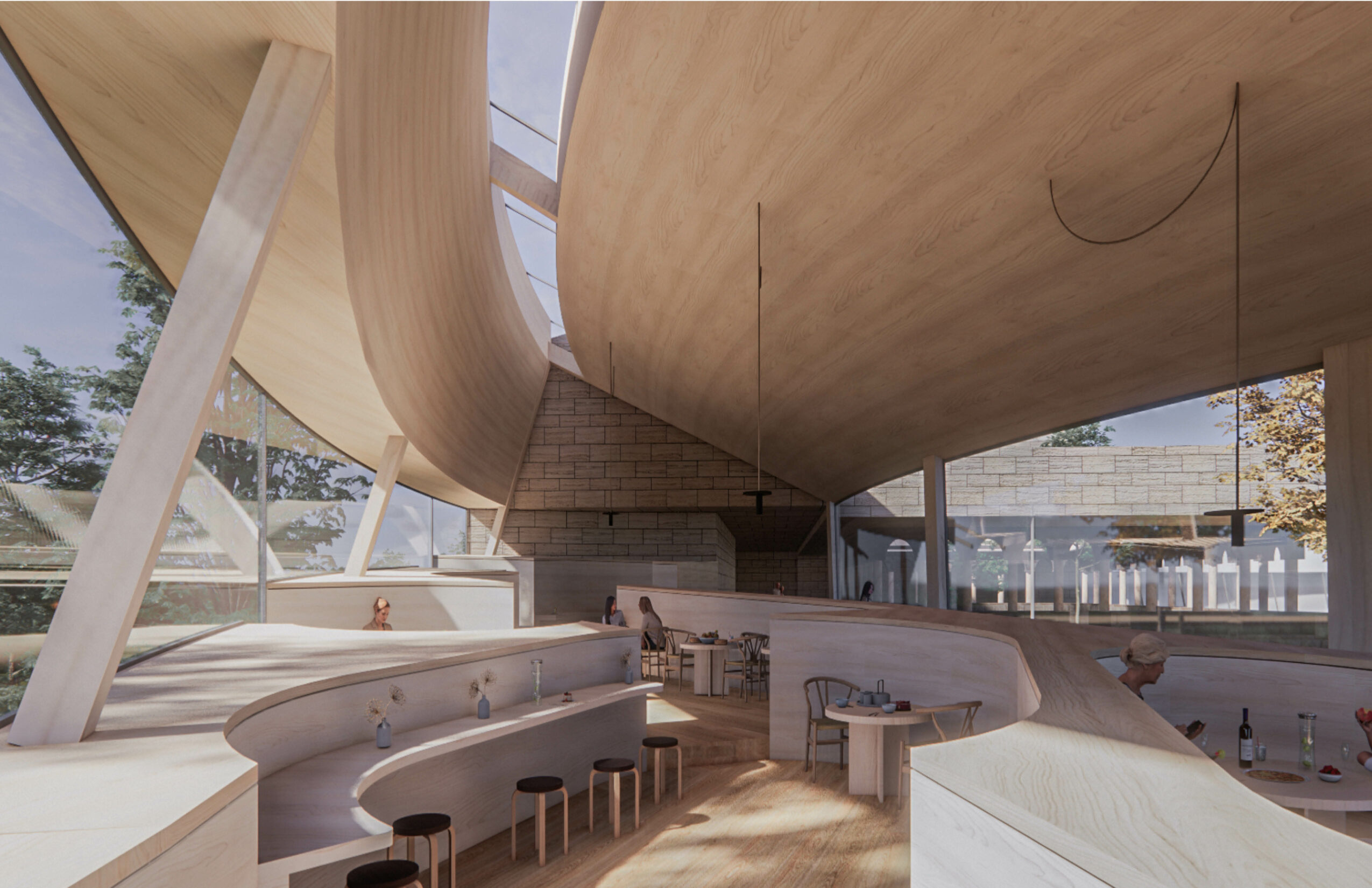
One of my most defining projects is the Met Cloisters renovation, where I challenged the traditional role of a museum by introducing artist residency spaces and community programs, transforming it into an interactive and evolving cultural hub. This project was recognized with the 2024 MUSE Design Award and an Honorable Mention at the Architecture MasterPrize for its innovative approach to museum design.
Another project I’m particularly proud of is the interactive light-sensitive installation for blind children, which won the VELUX Architecture Competition Global Winner. This installation allowed visually impaired students to experience shifting daylight patterns through touch, redefining how architecture can engage with non-visual senses. I was honored to present this project at the World Architecture Festival in Berlin, where I shared insights on inclusive design in architecture.
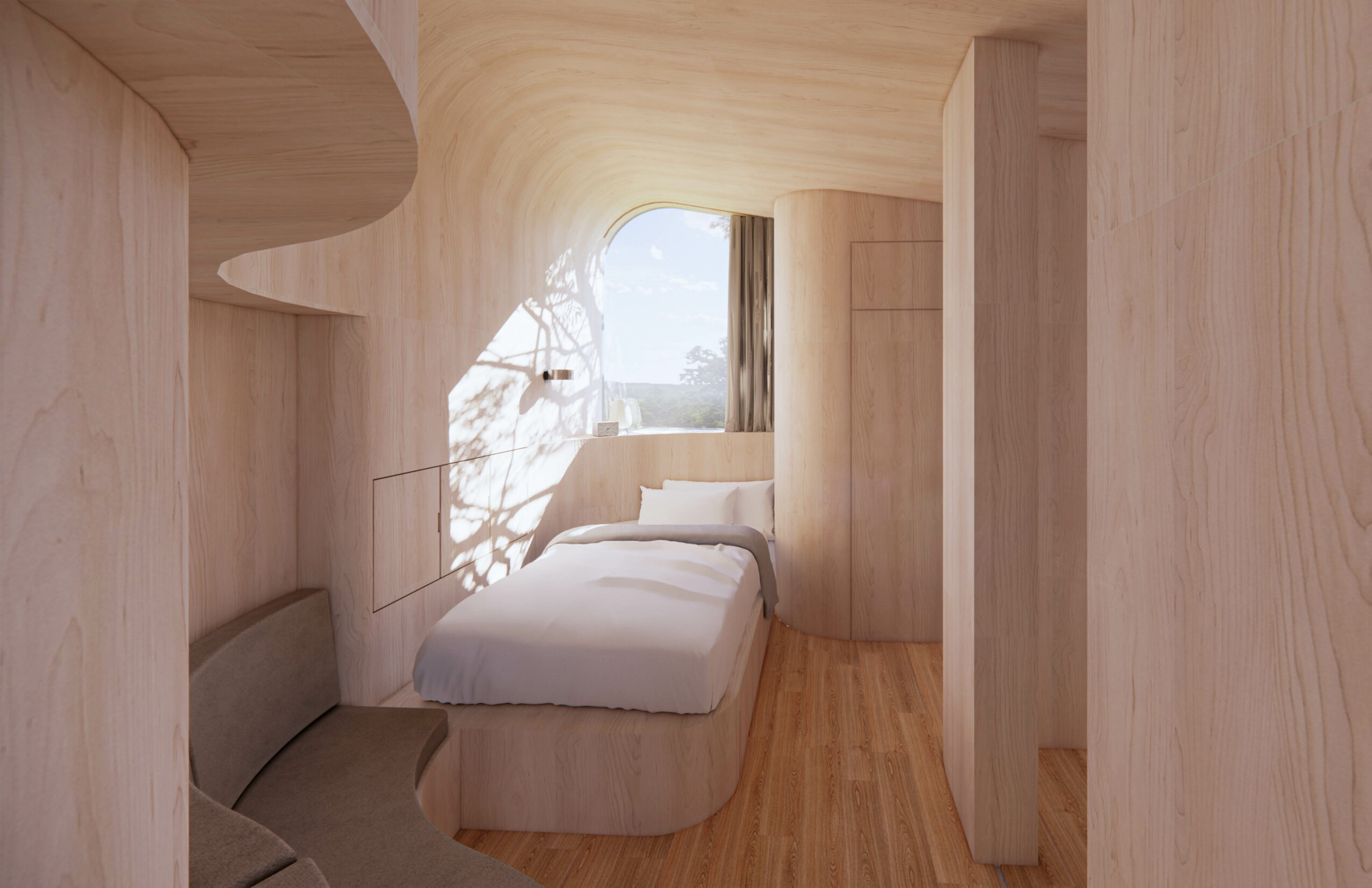
My work also extends to humanitarian projects, such as the Senegal Maternity Center, where we created a sustainable birthing facility with local materials and modular courtyard designs to enhance comfort and functionality. This project was a finalist in the KAIRA LOORO architecture competition, demonstrating how architecture can address critical healthcare challenges in underserved regions.
What sets my work apart is my holistic approach—I see architecture not just as the design of physical spaces but as a medium for cultural dialogue, social change, and environmental responsibility. Whether working on a museum, a humanitarian shelter, or a public installation, my goal is always to create spaces that are deeply connected to their context and the people they serve.
Let’s talk about our city – what do you love? What do you not love?
Los Angeles is a city of creative energy and cultural diversity, which I truly appreciate. The blend of historic architecture, contemporary design, and natural landscapes makes it an inspiring place for architects. I also admire its growing focus on sustainability and adaptive reuse projects.
If I had to pick a challenge, it would be urban sprawl and public transportation accessibility—there’s great potential to create more walkable, connected spaces that enhance community interaction. But overall, LA’s architectural landscape is dynamic and constantly evolving, which makes it exciting to be a part of.
Contact Info:
Popular
-

Que Johnson on Building Brands That Last: From Visibility to True Market Authority
-

Christina Wren Steps Into the Director’s Chair to Tell Stories That Feel Like Home
-

Portraits of the Valley
-

LA’s Most Inspiring Stories
-

JordanL on ‘Breathe,’ Belief, and Building a Movement Beyond the Music
-
Megan Birney Rudert on How Access to Light Is Powering a More Sustainable and Equitable Future


