




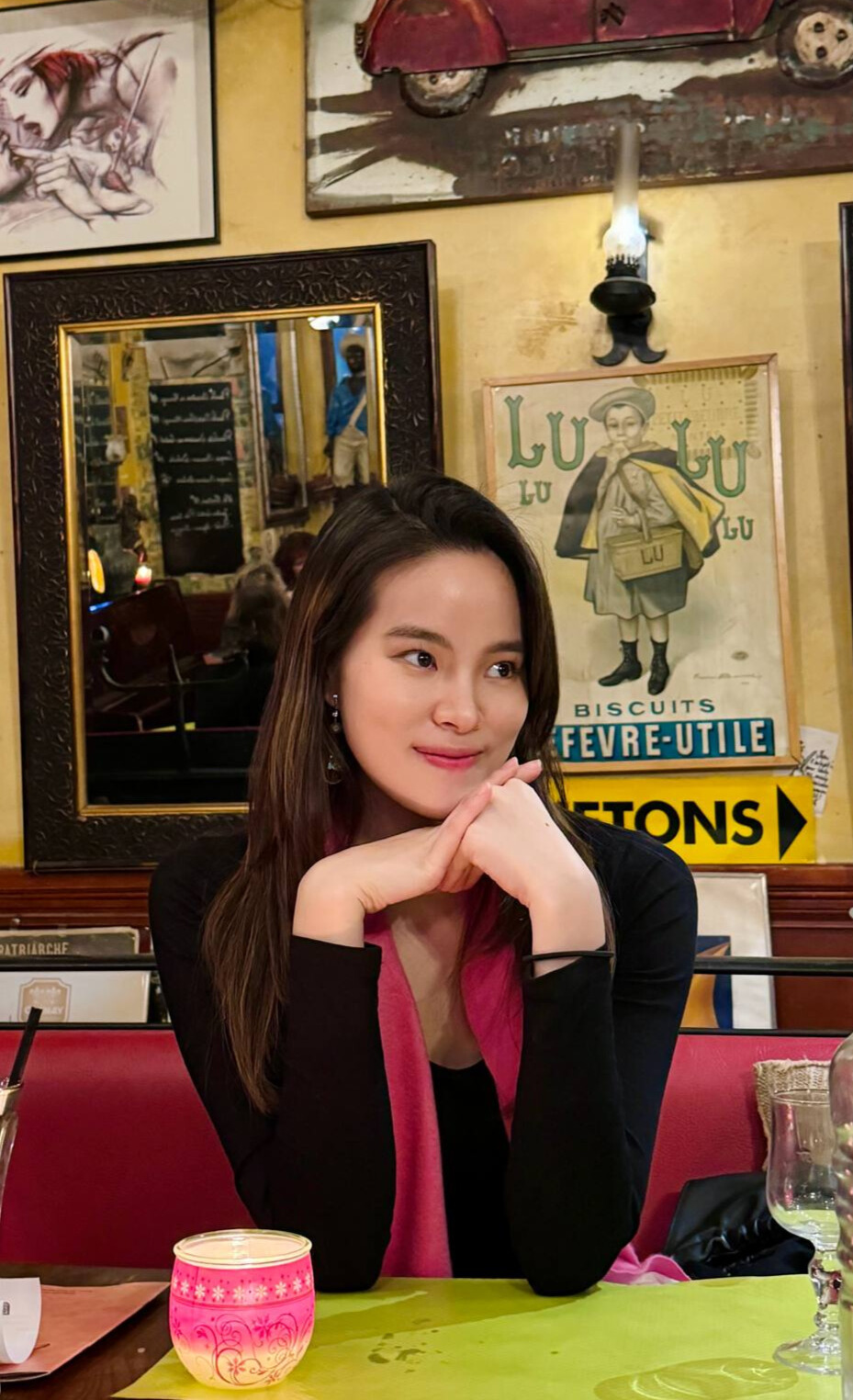
Today we’d like to introduce you to Gin Lin.
Hi Gin, please kick things off for us with an introduction to yourself and your story.
My path into the art world has been anything but linear, shaped by both personal heritage and professional curiosity. Although I was originally trained in business and finance, I was always drawn to the cultural narratives that art makes visible. Seeking to align my passion with my career, I left corporate banking to pursue opportunities in the arts. I began working across institutions —first at TANK Shanghai, where I organized their inaugural Art Festival, and later at Art Taipei, where I helped emerging artists build connections with galleries and international audiences. These experiences underscored the importance of making contemporary art more accessible and resonant.
To deepen my knowledge, I pursued an MA in Contemporary Art at Sotheby’s Institute of Art in New York, which provided both a strong theoretical foundation and an international perspective. Most recently, I worked as a researcher in the Post-War and Contemporary Art department at Christie’s in New York. There, I honed my skills in provenance and exhibition history research and writing, while also gaining insight into how blue-chip artists build and sustain their markets. Alongside this, I have continued my independent curatorial practice, with a particular focus on contemporary Asian and Asian diaspora artists. My most recent exhibition, Between Shores: Reimagining Formosa, recontextualized the work of the non-profit organization Formosan Association for Public Affairs through the lens of art, featuring work by sixteen Taiwanese artists.
Today, I see myself as both a researcher and a curator—someone who moves fluidly between institutional rigor and experimental openness, always seeking to bridge cultures, histories, and communities through art.
Would you say it’s been a smooth road, and if not what are some of the biggest challenges you’ve faced along the way?
It hasn’t been a smooth road, and I don’t think it ever is when you’re trying to carve out a career in the arts. Transitioning from finance into the art world meant starting over—I had to prove myself in an entirely different field, often taking on junior roles despite my prior experience. As an international professional, navigating visa processes and cultural differences has also added layers of complexity.
At the same time, those challenges pushed me to be resourceful and adaptable. They taught me how to balance risk with persistence, how to connect across different communities, and how to see value in having a non-linear path. Every setback has shaped how I approach both research and curation today—with patience, creativity, and a long-term vision.
Appreciate you sharing that. What else should we know about what you do?
I curate independently with a focus on contemporary Asian and Asian diaspora artists, creating exhibitions that bridge cultures and foreground underrepresented voices.
I am most recognized for projects like Between Shores: Reimagining Formosa, which celebrated Taiwanese identity and migration through a group exhibition and community programs in New York. I’m proud to amplify voices from my region—particularly in contexts like New York, where Taiwanese artists remain underrepresented in the broader contemporary art discourse. I’m drawn to artists whose practices explore the nuances of identity, memory, and belonging—concepts I also navigate personally as a cultural worker in the diaspora.
What sets me apart is my ability to bring together two worlds: my background in business and finance equips me with strategic and organizational skills, while my curatorial vision enables me to foster dialogue and connection through art. This balance of rigor and creativity allows me to realize projects that are both conceptually rich and practically executable.
Can you talk to us a bit about happiness and what makes you happy?
What makes me happiest is seeing art create meaningful connections—between artists and audiences, between cultures, or between histories and the present. I find fulfillment in curating projects where underrepresented voices are amplified and where viewers leave with a deeper sense of empathy or awareness.
These moments affirm why I chose this path: art has the power to transcend boundaries, spark dialogue, and cultivate understanding. Playing a role in facilitating that exchange is what brings me the greatest sense of purpose and joy.
Contact Info:
- Instagram: https://www.instagram.com/gin01234i/
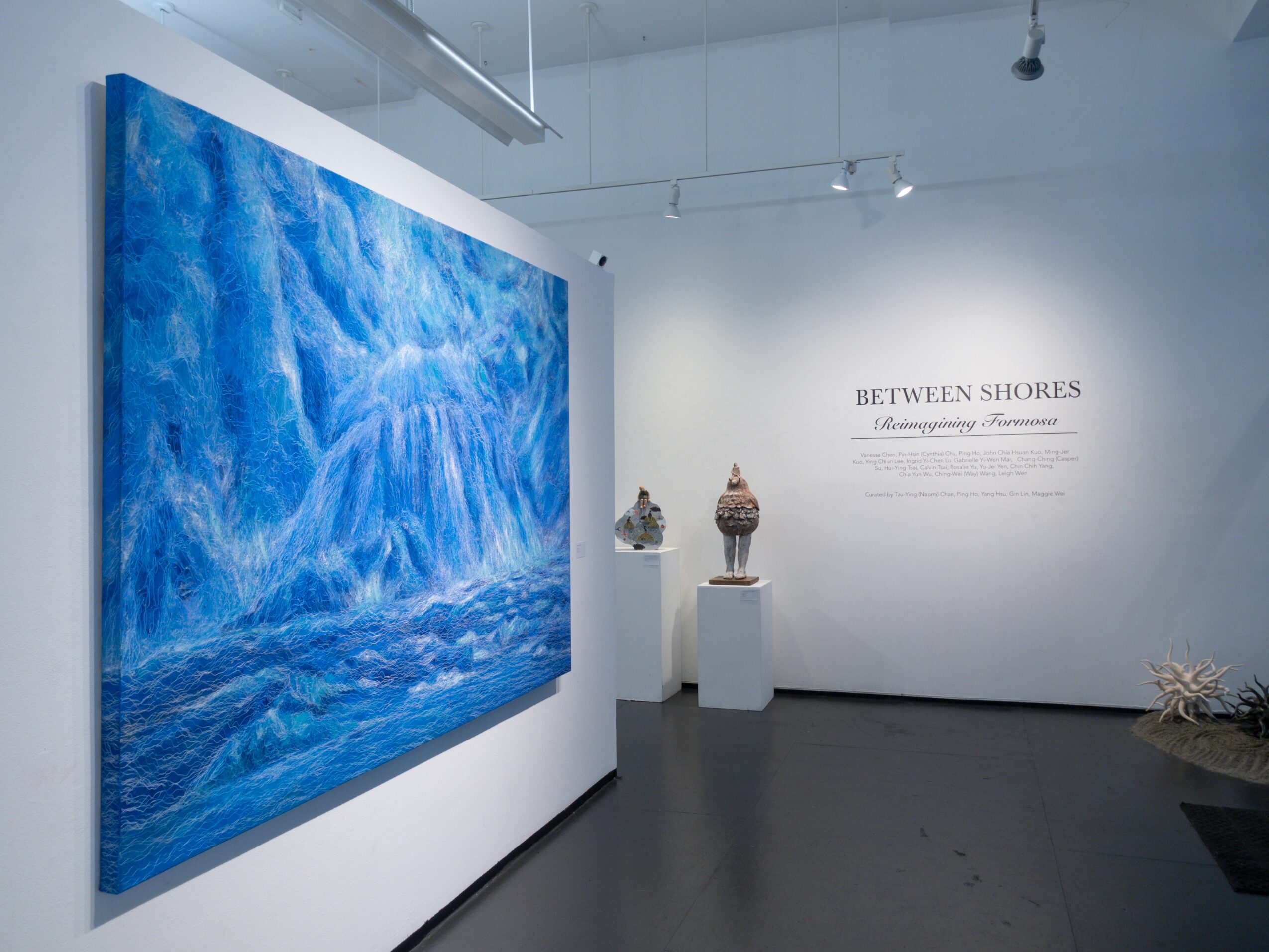
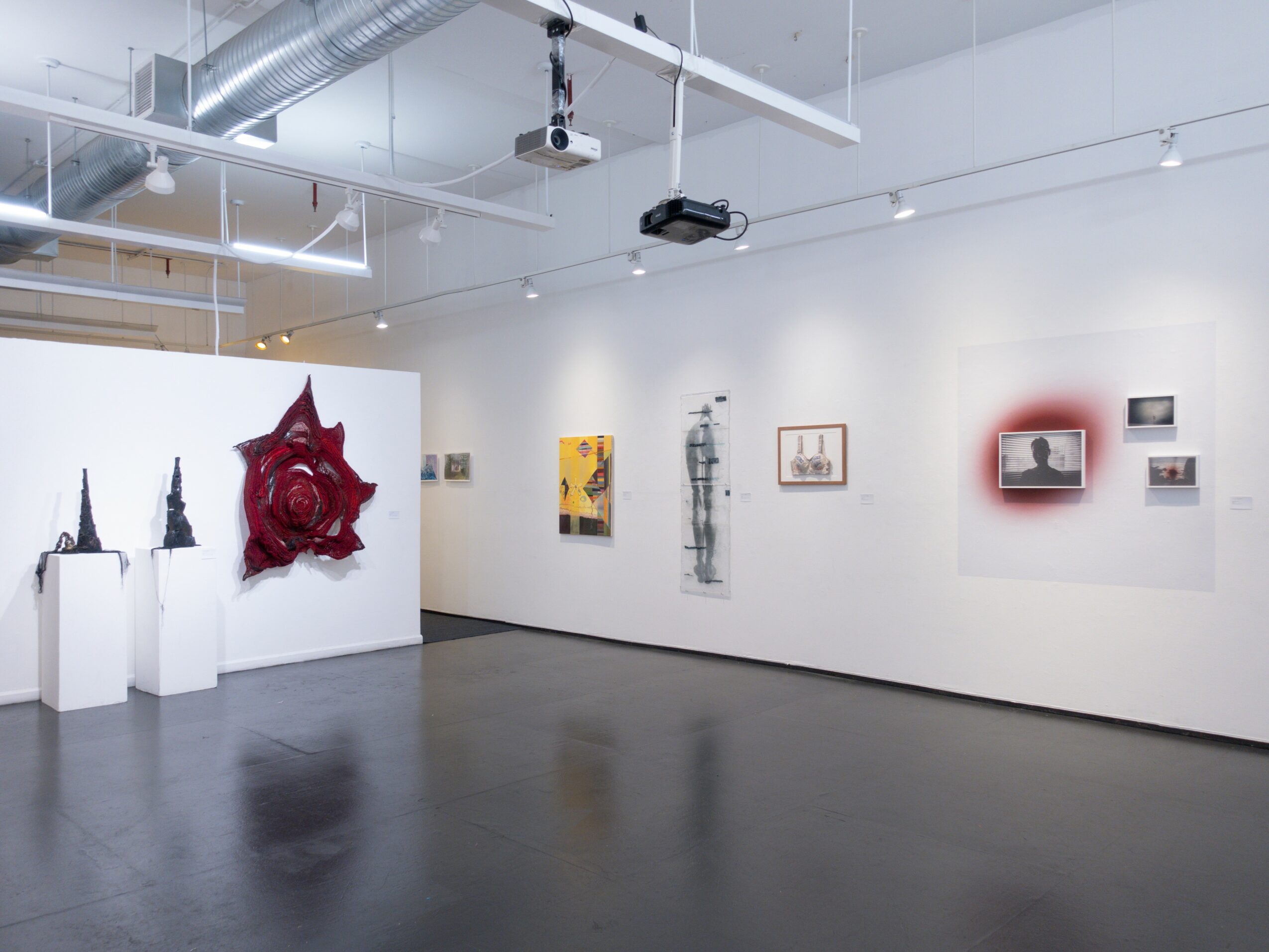
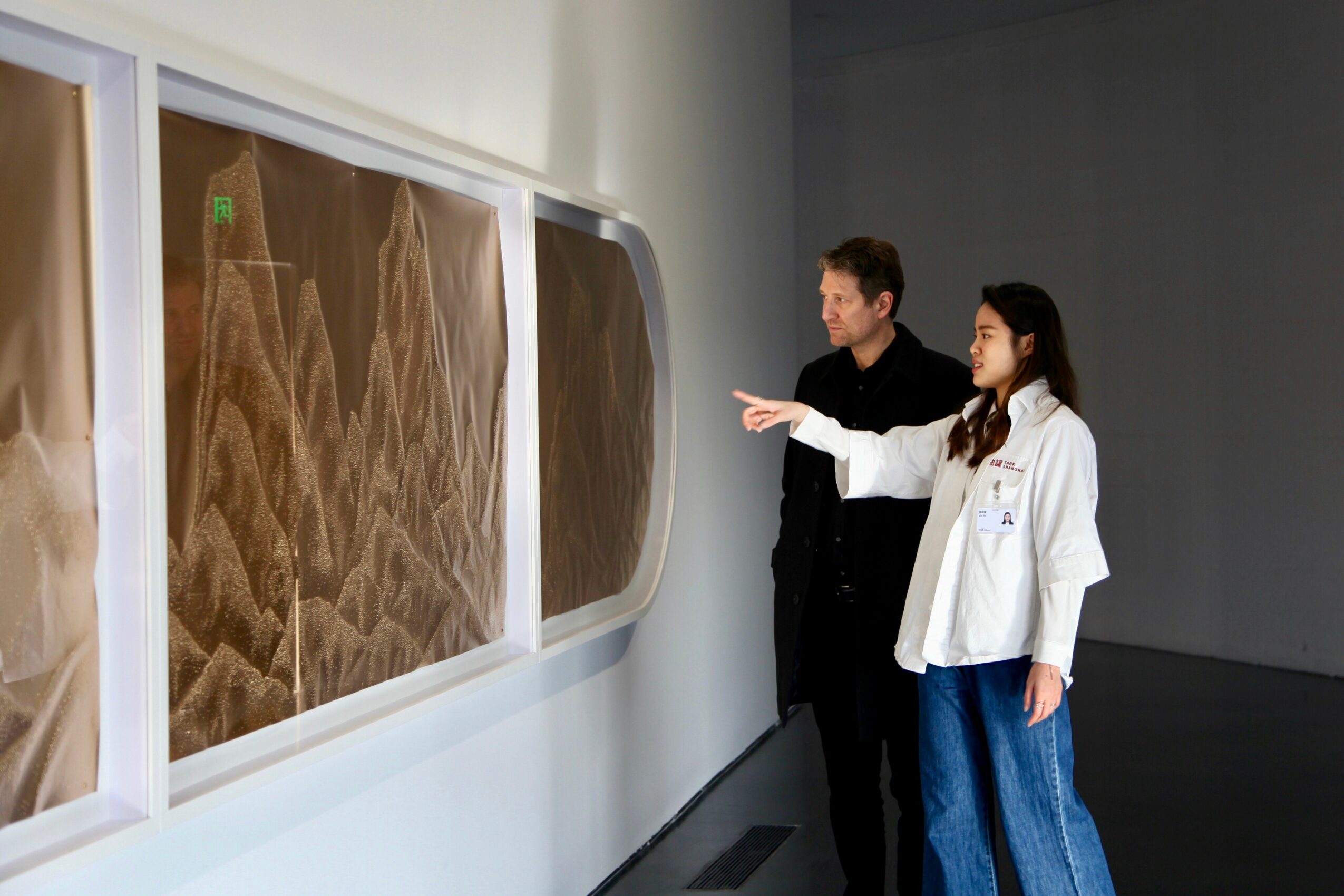
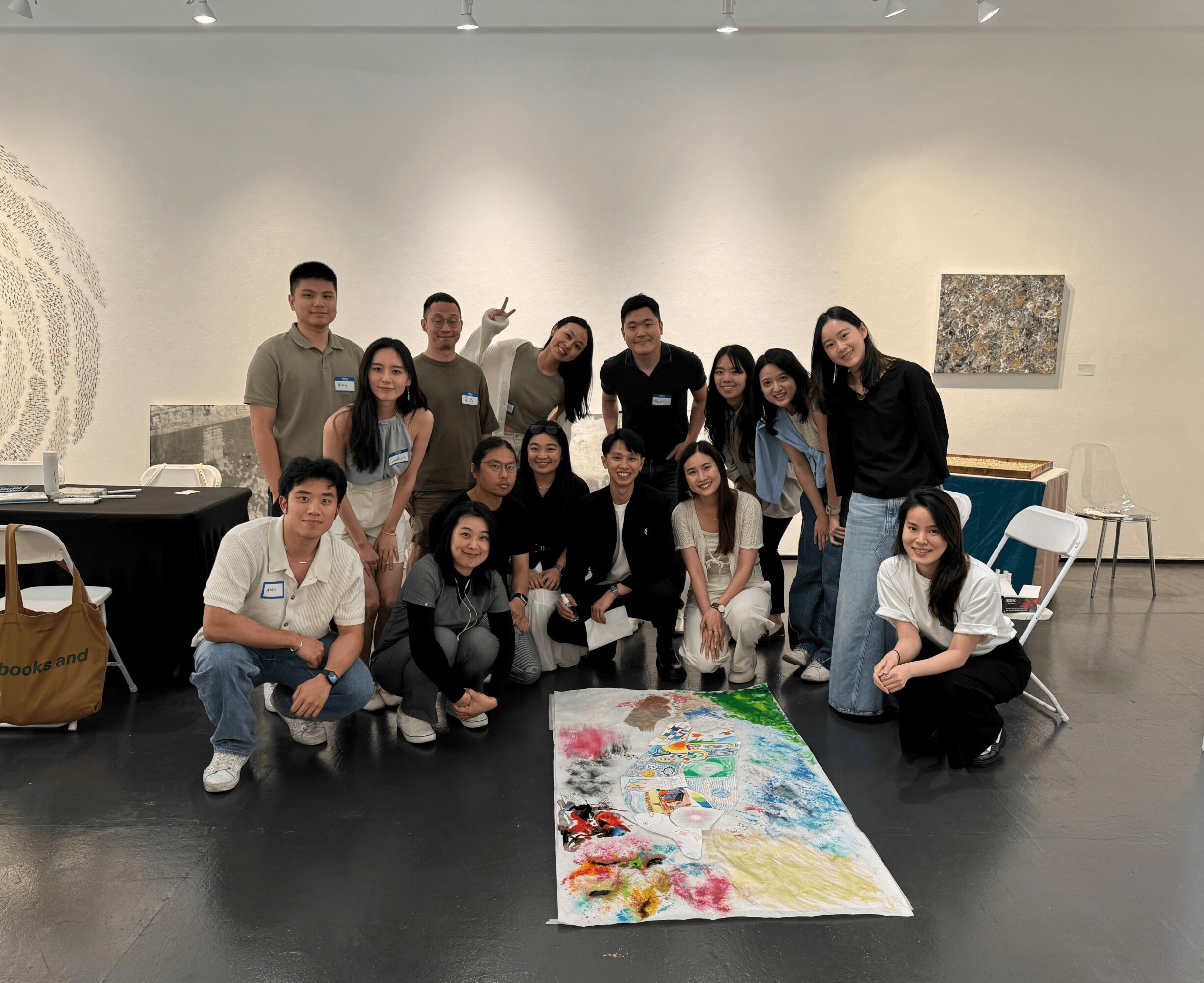
Image Credits
Ping Ho
Trissy Punzalan
Popular
-

Christina Wren Steps Into the Director’s Chair to Tell Stories That Feel Like Home
-

Portraits of the Valley
-

LA’s Most Inspiring Stories
-

JordanL on ‘Breathe,’ Belief, and Building a Movement Beyond the Music
-

Megan Birney Rudert on How Access to Light Is Powering a More Sustainable and Equitable Future
-

Linda Kneidinger on Building Lasting Change Through Small Steps and Self-Compassion


