




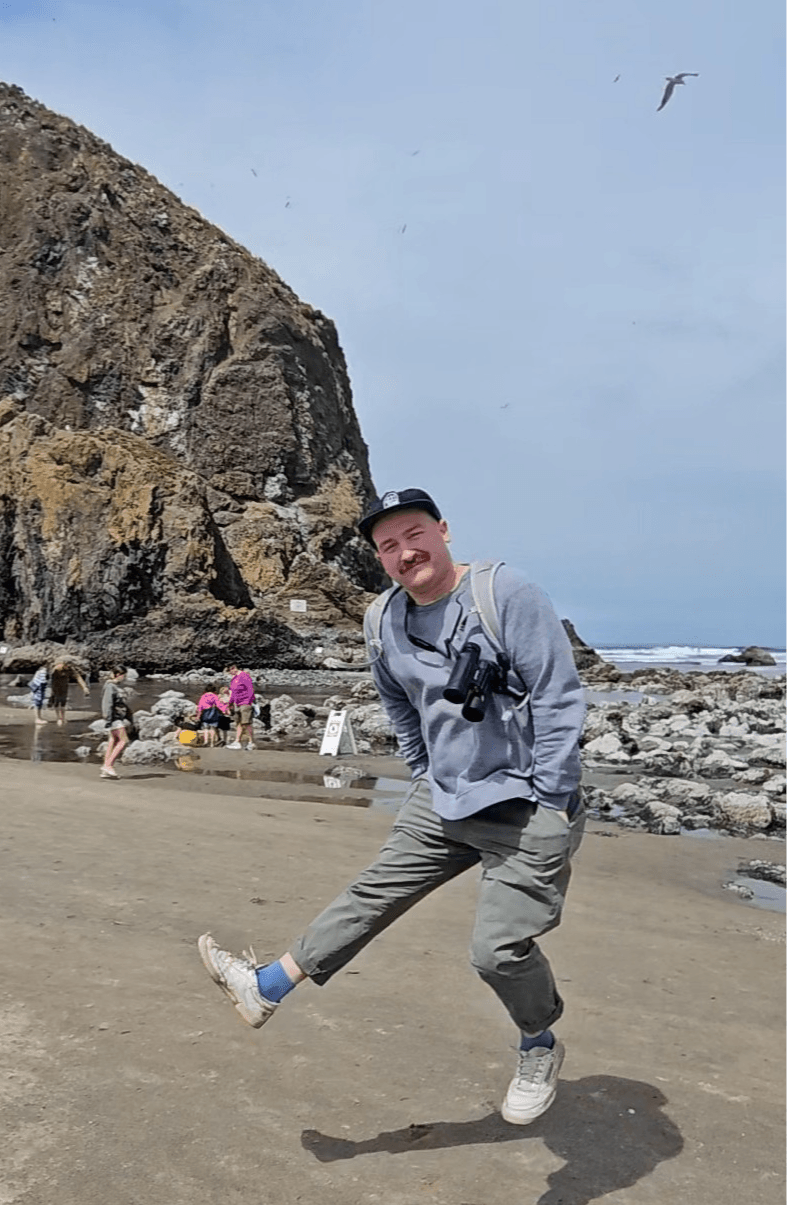
Today we’d like to introduce you to Ethan Marler.
Alright, so thank you so much for sharing your story and insight with our readers. To kick things off, can you tell us a bit about how you got started?
Sure! It seems like a lot of artists know what they want right out of the gate, but that’s not really my story. All the ingredients were there; I loved drawing, writing, and movies, but it took me a while to connect the dots.
I had two buddies in high school, and we were always running around my hometown, Sugar Land, Texas shooting short films and doing bad improv. That was a formative experience, but when college came around I ended up going into journalism and philosophy.
I think I was kind of scared to go after what I really wanted. It’s scary to have dreams, it’s vulnerable because you care how things turn out. It wasn’t until the end of college that I looked back and realized all my articles and essays were about movies, and all my text books were full of drawings in the margins. So I knew I wanted to do something with those two things but still didn’t really know what that would be.
I figured I should just surround myself with creative people, and maybe if I did that long enough I would find my place. So after college, I moved to Austin, Texas with those same movie friends from high school. It was one of those difficult periods in life that you can be romantic about in retrospect. I worked a lot of awful jobs, and immersed myself in writing and working on my draftsmanship.
After about 2 years of that, the company I worked at went through layoffs and I was one of the people that got cut. I distinctly remember my manager telling me I could do better and I really took that to heart. I was scared but also really excited about the potential of finding a job doing something I loved.
I was unemployed for about 6 months, and I pretty much blew through all my savings. I think I had about $17 in my bank account. I got a call on a Sunday night from a producer in the animation department at Rooster Teeth. I had a friend that worked there and he had passed my name along.
I started as a render wrangler but It was here that I finally actually saw some storyboards. I was instantly hooked. It was like that moment when a stereogram comes into focus, like, “oh my god it was right in front of me the whole time!” I worked on the render farm for about 3 months, but my contract was about to end. I just went to the producer and said, “look, I want to be here. I’ll do anything.” He asked if there was a department I was interested in, and I showed him some of my storyboards. He said, “what else would you like to do?” My draftsmanship just wasn’t quite there yet, but I knew I could get there if I could just stick around long enough to get my skills up, so I bounced all over filling in whatever gaps in the animation pipeline I could find.
Eventually I landed in the 3D layout department, but any free time I had, I would go to the story artists for advice and get feedback on my work. In 2020 I moved into the story department full time, and I really don’t think I would be where I am now without their support and direction. The key to growing and developing as an artist is community. We show each other blind spots that we never would have known to look for on our own. We also inspire each other.
I knew I had won the lottery by getting to be a part of this team and learn from these other artists. It made me want to work twice as hard to do everything I could to earn it retroactively.
I had always had a plan to move to LA but it was never the right time. In late 2023 I was kind of at a crossroads. I had gone through some personal and professional disappointments, and that’s around when the industry took a turn for the worse. I was so burned out, I really wasn’t sure if I wanted to stay in the industry, but I decided to take a risk and double down so I made the move. It’s been hard at times, but I am so glad I did it. I don’t know what the future holds for our industry, but I know I want to keep growing and getting better at this for the rest of my life.
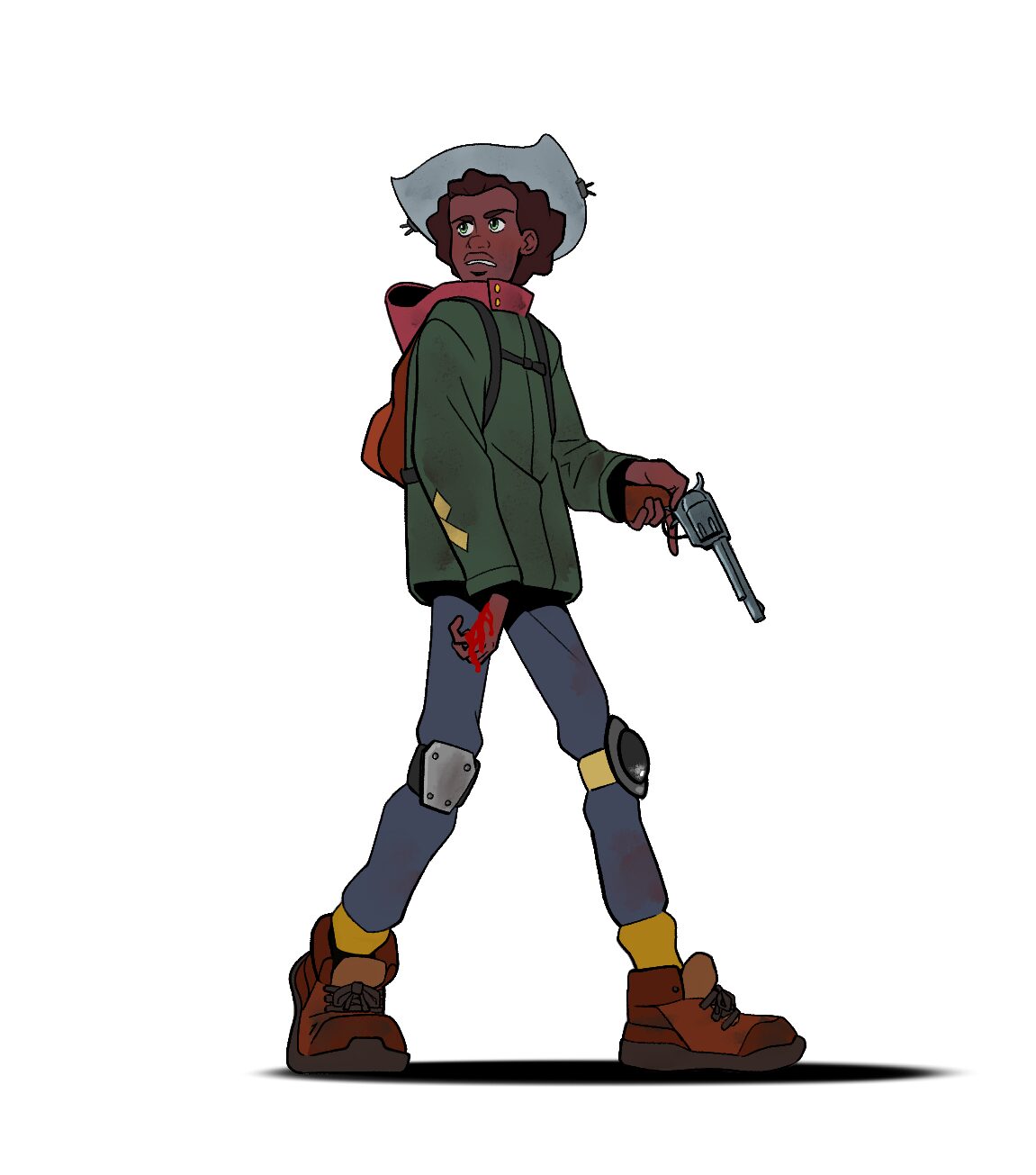
Some of the highlights of my career have been Gen:LOCK, Justice League x RWBY (both available on HBO MAX), Barbie Mysteries: The Great Horse Chase on Netflix and The Opioid Trilogy on PBS. I’m currently working as a story artist at Catface.
Can you talk to us a bit about the challenges and lessons you’ve learned along the way. Looking back would you say it’s been easy or smooth in retrospect?
I don’t think it would be a very good story if it was smooth sailing. I think in general the last few years have been really hard for most of us in the animation industry. Everything took a downturn right after I broke in as a story artist. It kinda felt like I got to the party just as everyone was going home. The weird upshot of it all for me is it really made me get to the root of why I want to make art. It’s really easy to get caught up in accomplishment and comparison, but having to detach the work from those distractions has really made me remember how much I just genuinely love the process of creating.
Thanks – so what else should our readers know about your work and what you’re currently focused on?
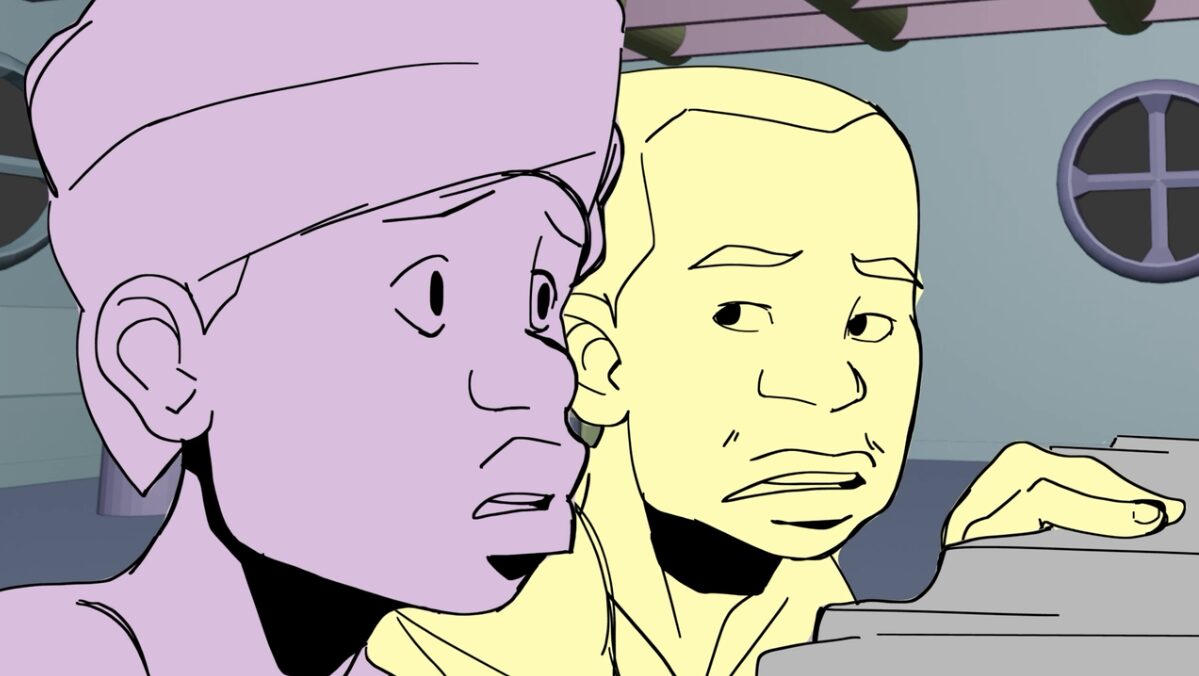
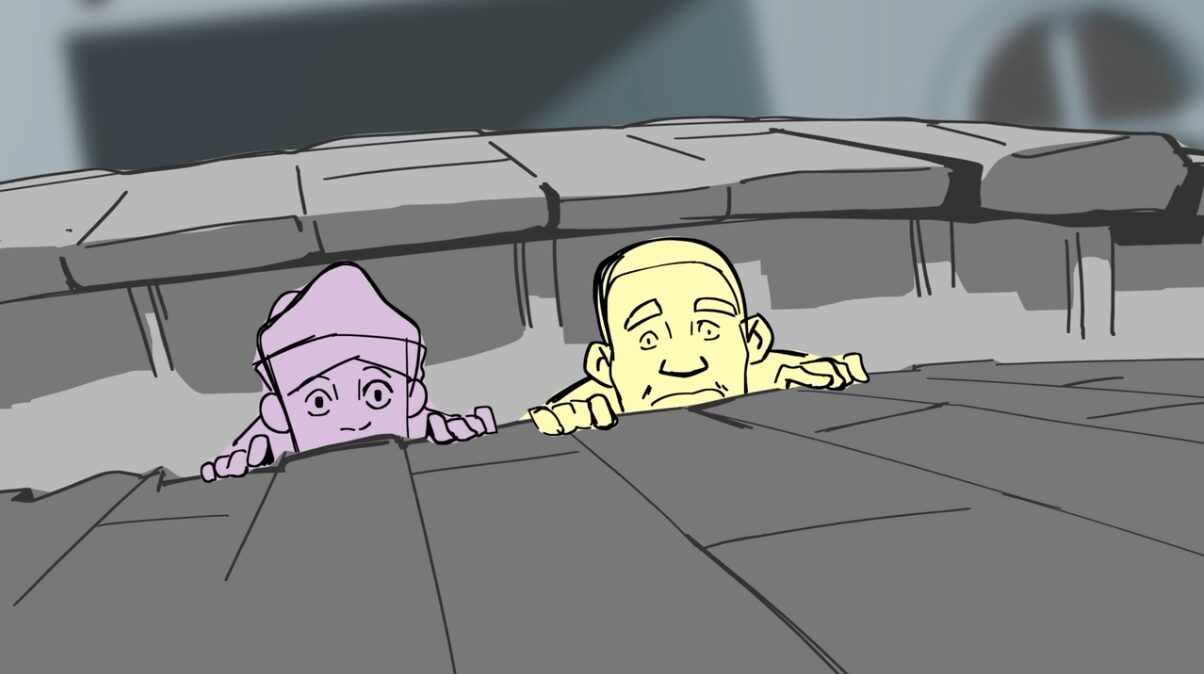
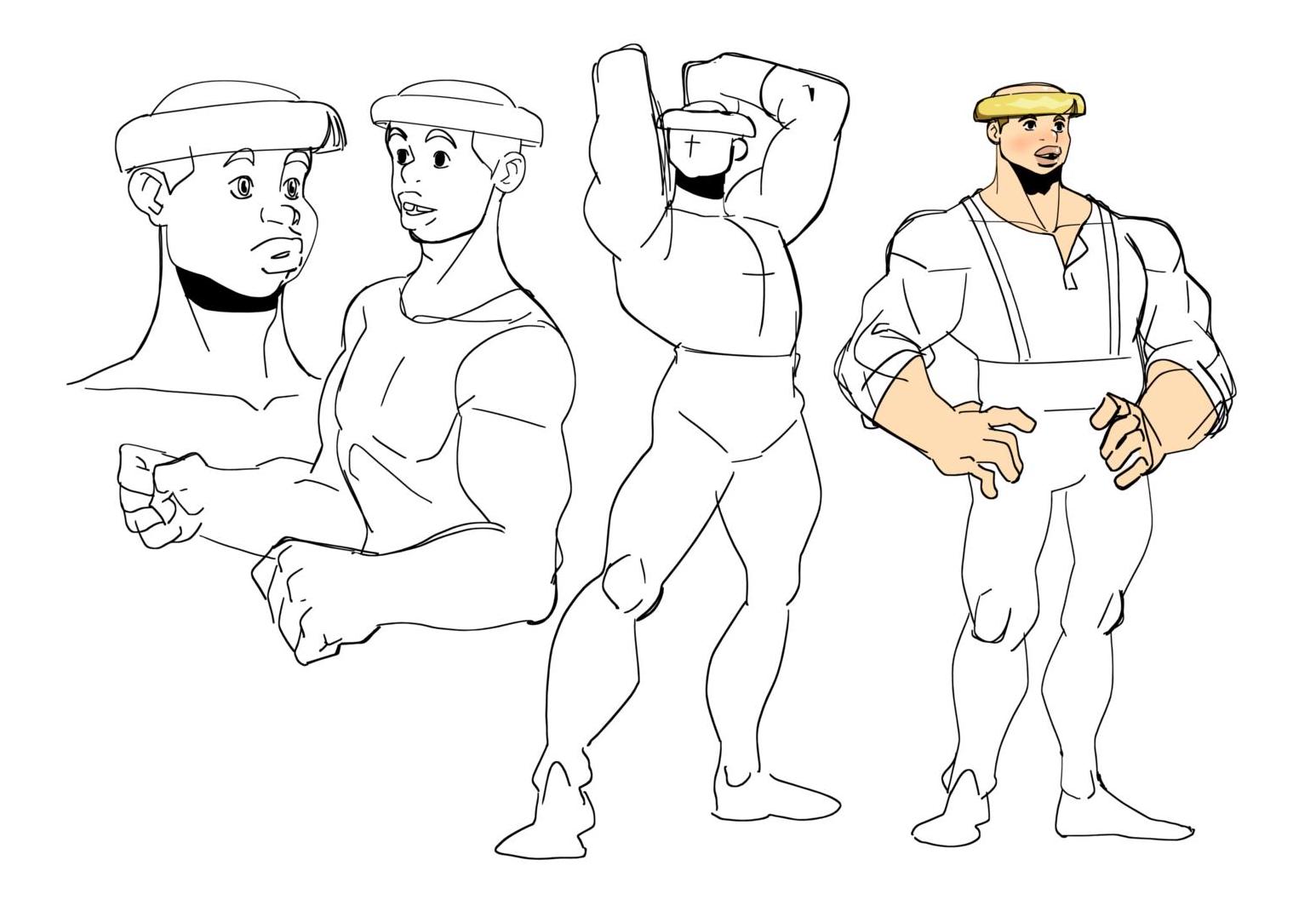
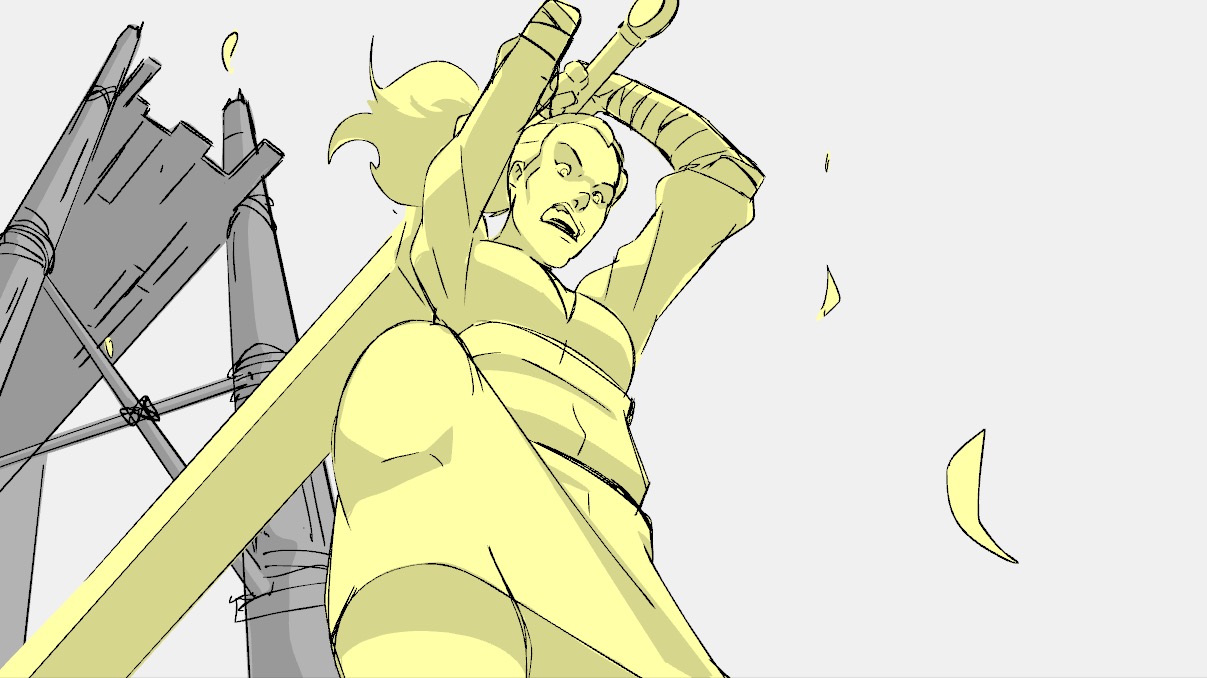
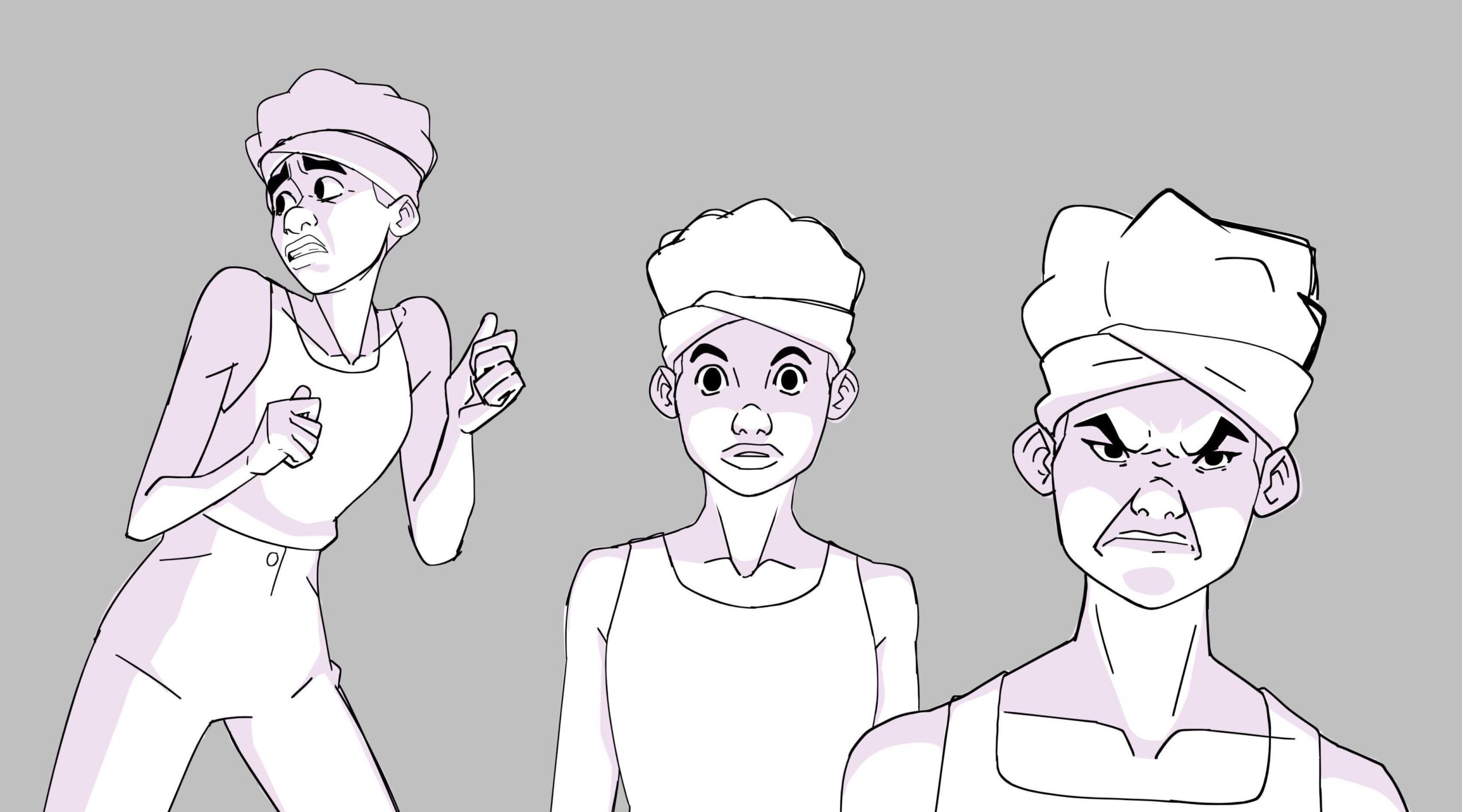
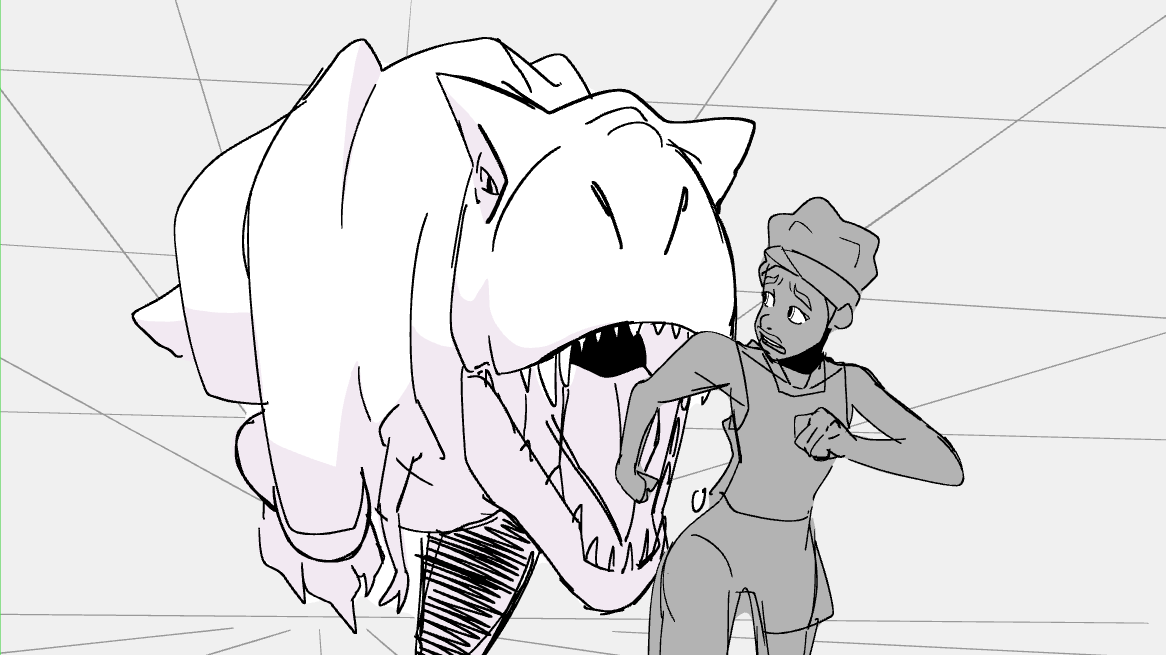
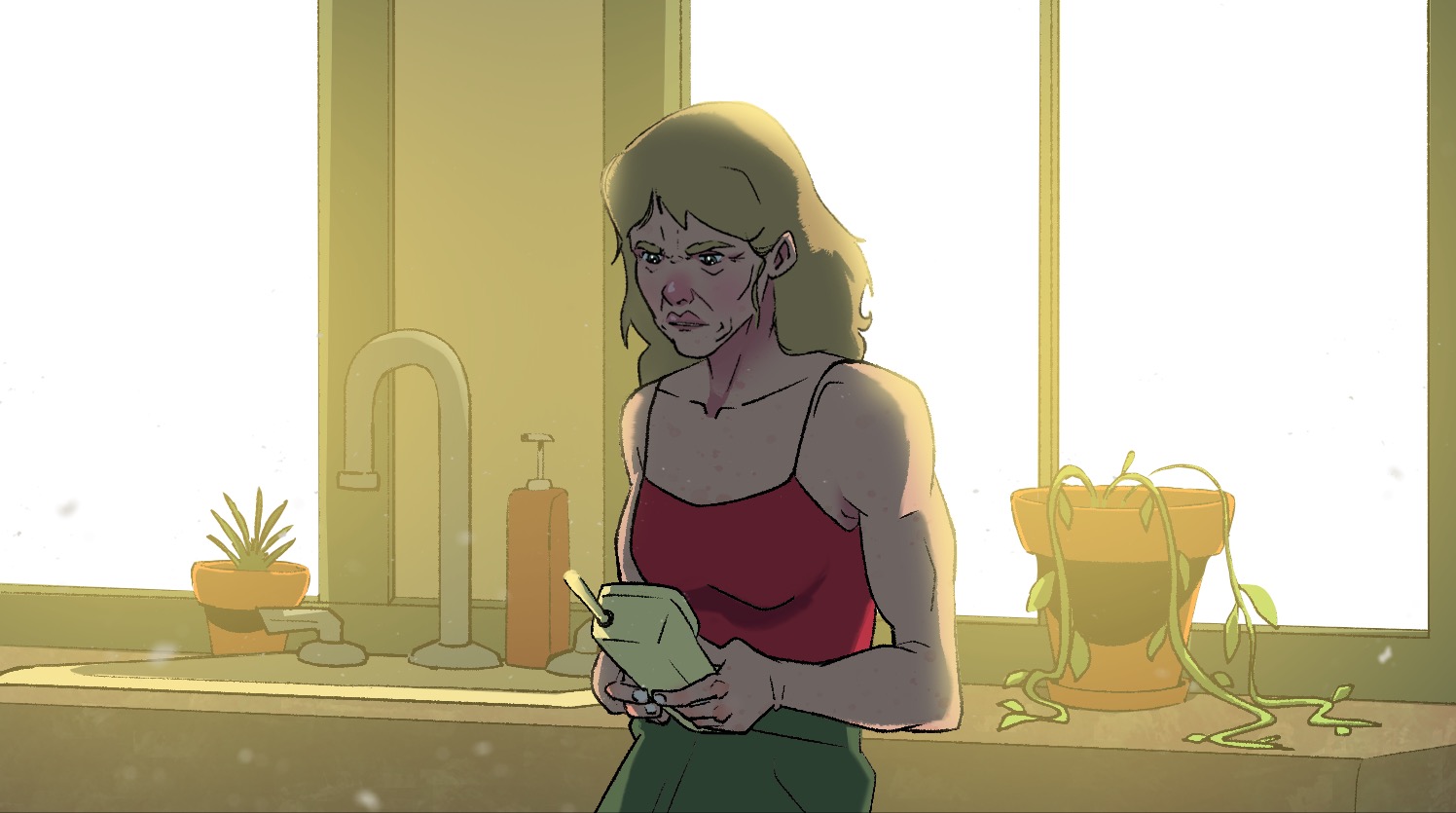
As a story artist my job is to interpret the story into visuals. The goal is to take the subtext of the story, the character’s goals and feelings, and put those on the screen in a way that lets the audience empathize with the character’s predicament.
Boarding is a little bit of everything–shot design, choreography, acting, rough animation, etc. It’s impossible to get bored when you’re BOARD-ing. I’m so sorry.
I tend to gravitate towards sequences that have a lot of movement. I really love doing action, but over the last few years it has become clear to me that there’s really not that much of a difference between drama, comedy, and action. The techniques may vary, but the end goal is the same: showing the characters goals and struggles in a way that emphasises what the story is telling us about life.
I like to think the circuitous route I took finding my way into the animation industry has given me a lot of valuable life experiences that have been a huge asset when it comes to storytelling.
Is there anything else you’d like to share with our readers?
I’d just like to encourage any young artists reading this to hang in there. Being an artist can be tough, but I think it gets a lot better if you stick it out. Try to surround yourself with people who are passionate about the same things as you.
Also, keep an eye on my social media–there are a few projects I’m working on now that I’m excited to share!
Contact Info:
- Website: https://ethanmarlerart.com/
- Instagram: https://www.instagram.com/ethanmarler/
- LinkedIn: https://www.linkedin.com/in/ethan-marler-art
Popular
-
JordanL on ‘Breathe,’ Belief, and Building a Movement Beyond the Music
-

Megan Birney Rudert on How Access to Light Is Powering a More Sustainable and Equitable Future
-
Linda Kneidinger on Building Lasting Change Through Small Steps and Self-Compassion
-

Jolana Nika on Redefining Modern Connection Through Intentional, Real-Life Experiences
-
What did suffering teach you that success never could?
-
Who saw you clearly before you could see yourself?


