
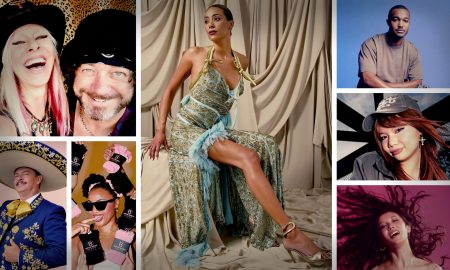



Today we’d like to introduce you to Daniel Pineda.
Hi Daniel, it’s an honor to have you on the platform. Thanks for taking the time to share your story with us – to start maybe you can share some of your backstory with our readers?
“When it comes to creativity, my ideas are interesting. I’m not.” That’s something I typically tell myself, which is why I tend to hide behind the things that I make. I was an average kid growing up in Los Angeles. I drew dinosaurs and Ninja Turtles with colored pencils like any other kid. My earliest memory of my creativity was watching my dad drawing portraits of my Mom after dinner when I lived in the Valley of Canoga Park.
Later, I moved with my parents and two younger brothers to Lancaster where I grew up in a suburban neighborhood on a cul-de-sac. I remember the improv shows that I would perform using action figures. My brothers found it amusing. At school, I befriended the smart kids, and the bullies, which later became a common occurrence of fitting in with people of many social makeups. This was the origin of appreciating that wisdom could come from unlikely sources and circumstances.
In high school I was that “guy that draws.” Just a few of us would go on to compete regionally in art contests through an AP class. There was a stretch I charged friends for drawing huge portraits of celebrities like Tupac and Snoop, but I mostly drew freely because it gave me access to friendship and validation, so it only motivated me to get better.
I took that talent and secured several Pell Grants for The Art Institute of California in Santa Monica. The school is closed today, but at the time I chose game design. At this time I was still drawing concept art by hand and not auto generating images in DALL·E 3 or Luma. From 2003-05, I banded together with a group of friends to run an independent marketing and branding studio. While holding down many odd jobs, we designed graphics, made music from commercials, product packaging, and 3D animation. We did a lot in that early time of digital art.
My talents stayed static but the economic environment changed with the arrival of the iPhone and the mortgage crisis of 2008.
There I was standing in my father’s living room helping fill boxes as he was forced to move out of his home. The adjustable rate of his mortgage was the type that left consumers facing massive increases in their mortgage payments.
By this time I had designed my first app to help my father with his credit score. The process of learning about passive income while helping a real cause was attractive.
I brought my design skills to the iTunes App Store with my first mobile app.
Turns out designing each step is what I now know as user experience design and event modeling. I thought it was easier to plot out each step and visualize what I saw in my mind. Works the same with images for animation, sounds for music, and now processes for apps.
The spark wasn’t born entirely out of creative pursuit, it was a response to a personal event.
My dad wouldn’t ask the questions of how mortgages could be packaged as a collateralized debt obligation and priced as a AAA rated security. It was out of character. How did a hard working responsible man who never missed a payment or a day of work to raise a family of 3 sons, suddenly find himself in financial risk? It wasn’t the world we were promised. My dad would not do the research to understand the financial system and he wasn’t delusional like me in thinking he could offer a real world solution.
There had to be a way to help this environment. Stoic as he was, my dad was not one to research The Fair Credit Reporting Act, which is the law that states the rules for disputing your credit. If you dispute your credit electronically: the burden of performance for carrying out your own due diligence was on the consumer. But if you printed and sent your dispute via “snail mail” the burden to prove that you own a debt shifted to the credit bureau, making it easier to remove old items from your credit and improve scores. There had to be millions of other people going through the same thing.
With my father as my first investor, I was able to create the first credit repair app on the iTunes.
I hired a product manager and developer to bring an app to the App Store. We were thinking we were going to make big bucks, we didn’t. But it was cool to see some downloads and payments come in while I slept. That was my first exposure to connecting creativity to passive income.
I used my research, branding, and design to create something that somebody actually paid for. I failed to set up infrastructure, so that ship sailed shortly after a year. Just like before, creativity returned to a static place. No real movement between working at a law firm in Beverly Hills, to working at a startup for legal tech, and political fundraising. Raising money for Hillary Clinton’s senatorial campaign in the morning while switching the phone systems to shilling for the Heritage Foundation afternoon. That was an interesting glimpse into the money world of politics. Having exposure to legalese and understanding the machinations of managing class action lawsuits for pharmaceuticals created new interests for the mind to explore. As Mark Cuban puts it, I was still a “wantrepreneur.” My interests in tech always held an emotional charge that carried on with my growing collection of app designs that no one would see.
At most, on my first failed app I learned how mobile ad networks function and how keyword markets on Google’s AdSense work.
I’m not much for social media. But if I have a chance to promote a creation I can hide behind, then I care. That time arrived where I would have my most powerful idea fully funded and promoted at levels I couldn’t see possible.
When it rains it pours, but when it shines, it shines bright.
It’s not often people’s dreams come true. Mine did and there is still some left over survivor’s guilt. Mine was the idea of being recognized for my skills or ideas. I got it from the smart kids who were inculcated with a competitive spirit where knowledge was the vehicle for validation in the group.
By 2015 I had already amassed more designs for my apps, but as you know investing in apps is risky. In researching Bitcoin I came across Bitshares A decentralized exchange. It was run by a special app called a smart contract. I know these are fancy tech terms, but before NFTs and the shitcoins, I was trying to find a way to fund my apps as a bundle.
Yet again I had a real life problem. I knew I could get my apps funded. I needed a platform where two sides of a market could meet for a peer to peer loan. I never imagined that decentralized loans and pools would become the cesspools they are now. I was never a crypto bro. We needed conditional payments to trigger a loan controlled by smart contracts.
By then I had more than finance apps and I was participating in game jams over the years. I got a chance to introduce my niece to the game making process at one of these jams. It was just fun and hobbies. But in the back of my mind I was still chasing that viral app hit. I needed a new narrative to fund my portfolio of apps.
By removing myself from the picture, I asked “who could benefit from this?” Maybe it’s a throwback habit to my sales days, if there’s no need then there’s no point. It became a nagging question: “Can a portfolio of apps compete with traditional assets like stocks and real estate?” A “stock market of apps” could benefit millions of other app publishers who want funding, not just myself. With tech peer Jeffrey Meyers and designer Brian Duffy we brainstormed for months. During this period, I lived in a commune in LA where we chipped in to pay for items and repairs around the property. The idea of “pitching in” is what added flame to the idea of a group of apps pitching in to raise funds.
In 2017 we made a little splash on Forbes with the project Apptrade.io, we were also in the first wave of ICOs. I managed to wrangle several million dollars with a creative idea of tokenizing factory agreements. The company that helped raise the money was OpenLedger, and Ronny Boesing was in there at the time. The twist was bundling apps into a portfolio with a mutual fund model. Ironically the nature of the Apptrade became the suggested strategy I gave my investors. My mentor and investor Ronny Boesing passed on the suggestion to the other investors to bundle the short list of blockchain apps they had internally and do a bundle raise publicly. It worked, but it came with a set of new challenges.
The findings in that situation revolved around securities and utility. It didn’t matter if you were creating an art market, selling clothing with Bitcoin attached to the tag, or developing a food delivery app. If you touched cryptocurrencies in 2016, you were seen as some financial kingpin or, at minimum, a money services business. Crypto regulations are friendlier now than they were in 2017.
We wanted factoring agreements, and proceeds from inventory are not the same as proceeds from an enterprise. We should’ve been cleared as a utility.
Long story short the fourth prong of The Howey test has more to do with the method of soliciting your apps versus the technical nature of the app itself. News to me and all of us at the time. The Howey test is the standard that determines what is a security like stocks and what is a utility like Bitcoin. We couldn’t launch without more compliance costs. It became economically unfeasible to launch that type of platform in that environment.
With blockchain regulations being unfriendly, I chose to extend this lifestyle of R&D by investing in more compliance research and getting into making games.
Finance and productivity apps are common now but no one could’ve anticipated that games would dominate App Stores over time.
With a knack for designing markets, tokenomics became a new domain along with games that kept the artist edge sharp.
Games are a high art because it involves storyboarding, concept art, writing. I grew up watching my cousins play Final Fantasy and I was blown away by the cinematics. In elementary they taught us to “think different”; you may remember the Apple branded posters in class of Albert Einstein and Thomas Edison. I took that seriously to walk the uncommon path.
With that spirit, I made the choice to stretch my dollars. I took my golden parachute and I moved to Southeast Asia where I could continue taking big risks after the Apptrade saga.
2019 – 2023: I found myself doing light consulting and branding. Crafting the same narrative I did that got me funded to help other private groups raise funds. A chip on the shoulder had formed when the royalties that were promised never arrived for the 80 AI apps I made since October 2023.
In the iOS days it was easier. We had access to keywords and shared in revenue with ad networks. AI companies are keeping those marketing dollars to themselves while hiding key prompts behind the blackbox. Looking around AI I noticed two main paths: the commercial productivity path and entertainment with video and 3D generation. AI video generation was fascinating because I could make cinematics. Remember those games where to choose your own adventure? I want that but in 3D VR.
Making games is a team effort, and I was riding solo by the time the AI video and editing bug bit me. I got into mini biographies putting AI generated scenes to words for Marcus Luer’s podcast series in the sports marketing world. At the same time I was consulting on blockchain liquidity strategies to private interests, one included the finance minister of Malaysia. Tech never eclipsed the art.
In the middle of all this a friend in Los Angeles was working with a team of indie filmmakers who were trying to finish their latest movie “Icarus Falls.”
They needed an editor and little did they know they were getting sound design, VFX, and original scoring. But the change in role meant a drop in station. It was humbling because I had to learn to operate within a creative process.
Tech is easier because there’s no emotion or politics. No massaging egos to get a point across. It either works or it doesn’t. That doesn’t work with film. In film, like the art I’ve been dealing with over the years, there are many ways it can “work.” And that is okay.
I’m entering the film world at an interesting time. From a tech point of view, when you know how the sauce is made, it’s not as threatening. AI reduced our VFX costs in the film The Evangelist, so we are not as threatened. We can talk to the GPU unit without Unreal or Unity involved. Credit to director/producer Benito Ornelas and Antonio Bastidas for having an open minded nature to permit experimentation. Not common in Hollywood when people are justifiably concerned about AI “stealing” their works. Anger is justified only it is misplaced. The people who would know how to protect books, films, music, don’t care about art. The whole world of AI exists after training with little concern for the source of data. The environment this time is moving in our favor as I’ve discovered crowdsourcing royalty friendly data sets using the blockchain. We would move to a cost per input model where generating art, photo, video was paid in micropayments by the users. The incentive is that anyone who helps us grow the data sets, would earn from those micropayments. What does this have to do with art or film? Everyone will have to settle for a digital clone of their skills while setting a premium on human originality. Creatives would have access to building their own ontologies for training their own local AI models. This translates to having more leverage in the IP licensing negotiations because we can ask for the bulk one time fee and cost per input, which means paid per input.
I don’t know why Silicon Valley negates Hollywood, I don’t know why blockchain programmers and AI programmers are opposing camps. Why are we wasting energy answering the same question millions of times? It took an artist, turned blockchain developer, turned filmmaker to create the necessary technical tools for protecting IP from unwarranted data scraping. We can’t stop it, but we can monetize scraping. It is a tall task speaking to tech, legal, and creative communities in one go about data governance and decentralized data processing. I want to reassure them that the tech I have is personal, compliant, and artist friendly.
I still draw, make music for films with LACoastMusic’s Nelson Tynes, and write screenplays. But what world are we entering where our existence will be scraped without payment? Brands aren’t bothered by scraping and tech, they are bothered by the fact they haven’t figured out how to get the payment in perpetuity. IP law fails where labor attribution might succeed because of this feature. The idea is that creatives, or IP owners, would get paid anytime AI trains and performs outputs influenced by their data. We can monetize latent space, or the space where AI learns about our styles. I support cost per input or paying 1/1,000 of penny for triggering the AI to use energy with the chance of adding new data to the registry. At the same time, I’m ruminating on a data center that would only train on our human-curated, royalty-backed data under the SIG-566 license for semantic labor. As I’m entering film under the moniker of Seraphine, I’m happy to hear there are minds in Hollywood that get the AI trajectory. Ben Affleck and Darren Aronofsky earn high marks for not just riding the wave but having a driving hand in the direction of AI at the highest levels of art and business.
Over the last three years, we’ve had back-to-back festival appearances with Icarus Falls and The Evangelist. Finally people get to see something I had a big part in making. There are two full-length features ahead of us with In The Land of Smiles and an action comedy anime First Destiny.
I expect to dive deeper into entertainment making cinematic roleplaying games and micro dramas, while staying prepared for a potential funding event for the semantic labor initiative. Someone has to do something about the royalty situation in creative data.
It took me a lifetime to merge my art with technology, but artists and publishers of today may not have the same luxury of time to get comfortable with tech. Don’t worry though, the future of AI is still very human.
We all face challenges, but looking back would you describe it as a relatively smooth road?
The tension between personality and personal ability has been a through line all my life. I would ask people to judge me on my personal abilities, but it seems more often people are either getting more intolerant or more sensitive to curtness and directness. I can’t tell the difference sometimes. Especially transitioning from tech to film, there is more human interfacing, on set and in post, so I have to be more amicable. It is easier if we focus on the work because I build the strongest rapport when I’m tackling challenges side by side with others.
Alright, so let’s switch gears a bit and talk business. What should we know about your work?
I’m probably best known for Apptrade.io, which featured on Forbes in 2017 during the first wave of ICOs. The idea was to bundle apps into a portfolio using a mutual fund model where app publishers could access funding and investors could diversify risk.
What I’m most proud of is that the idea came from a real problem I was trying to solve for myself. I have privately raised tens of millions of dollars for others since then and made a small mark on the blockchain space. I’m curious about making a bigger impact with film, not just in production, but in putting the “box office on the blockchain.” Tokenized ticketing or decentralized data processing are potential pursuits outside of film.
We’d be interested to hear your thoughts on luck and what role, if any, you feel it’s played for you?
Luck favors the prepared. That is all I can say about luck. Being prepared and keeping your door open is key.
Contact Info:
- Website: https://Apptrade.io
- LinkedIn: https://www.linkedin.com/in/daniel-pineda-a7039415
- Other: https://new.express.adobe.com/webpage/JTDtpY8vnmFk3
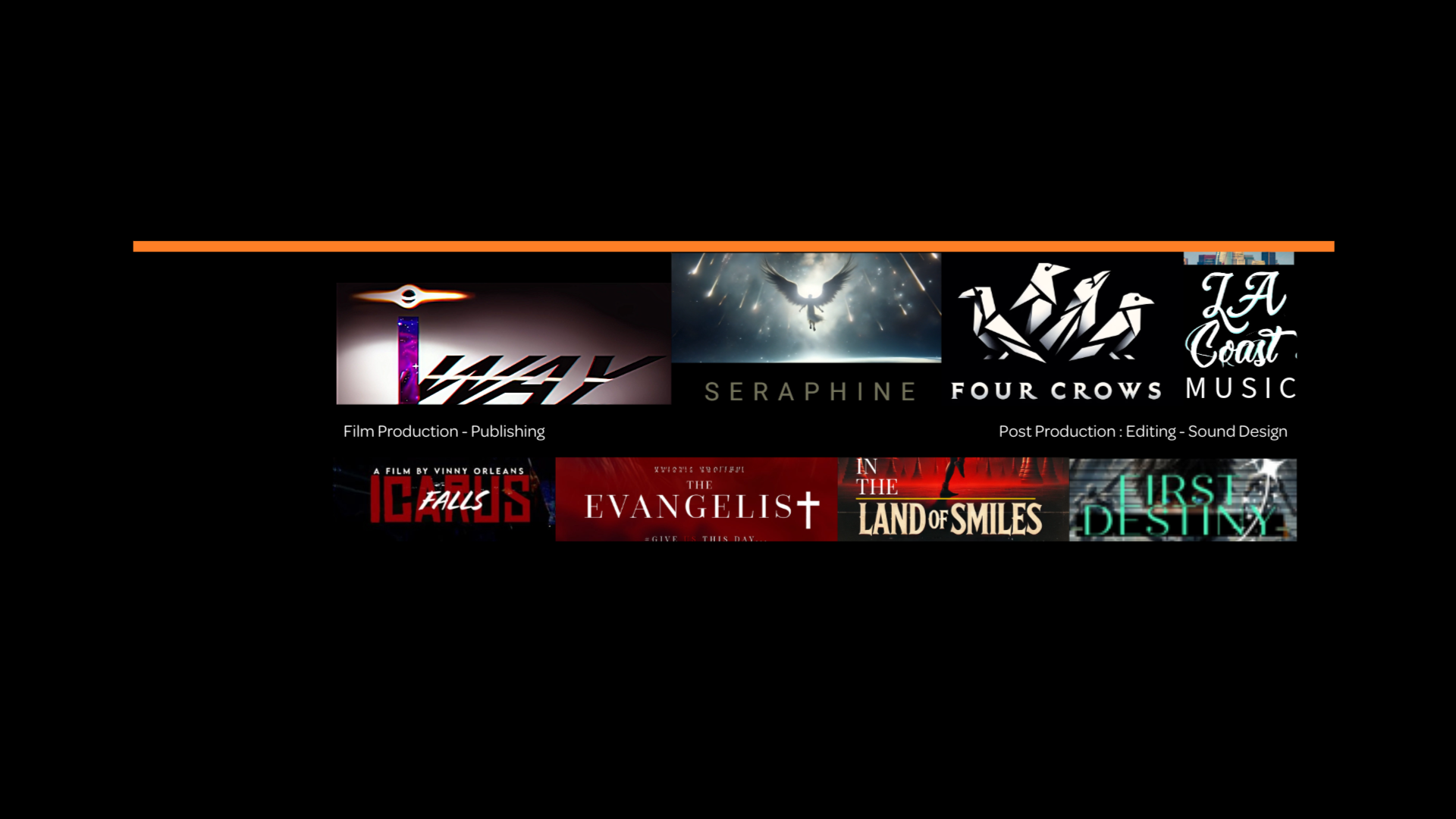
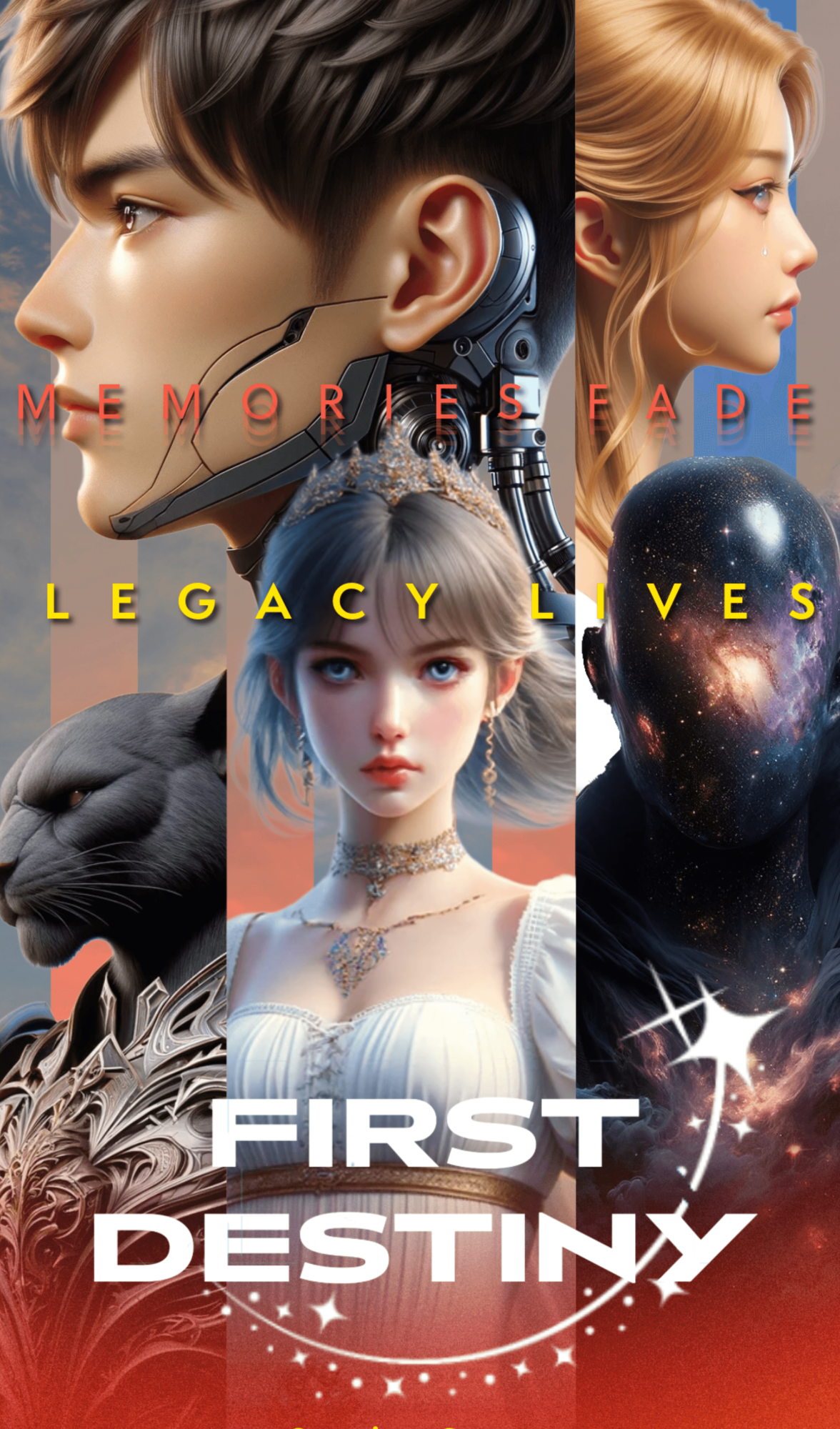
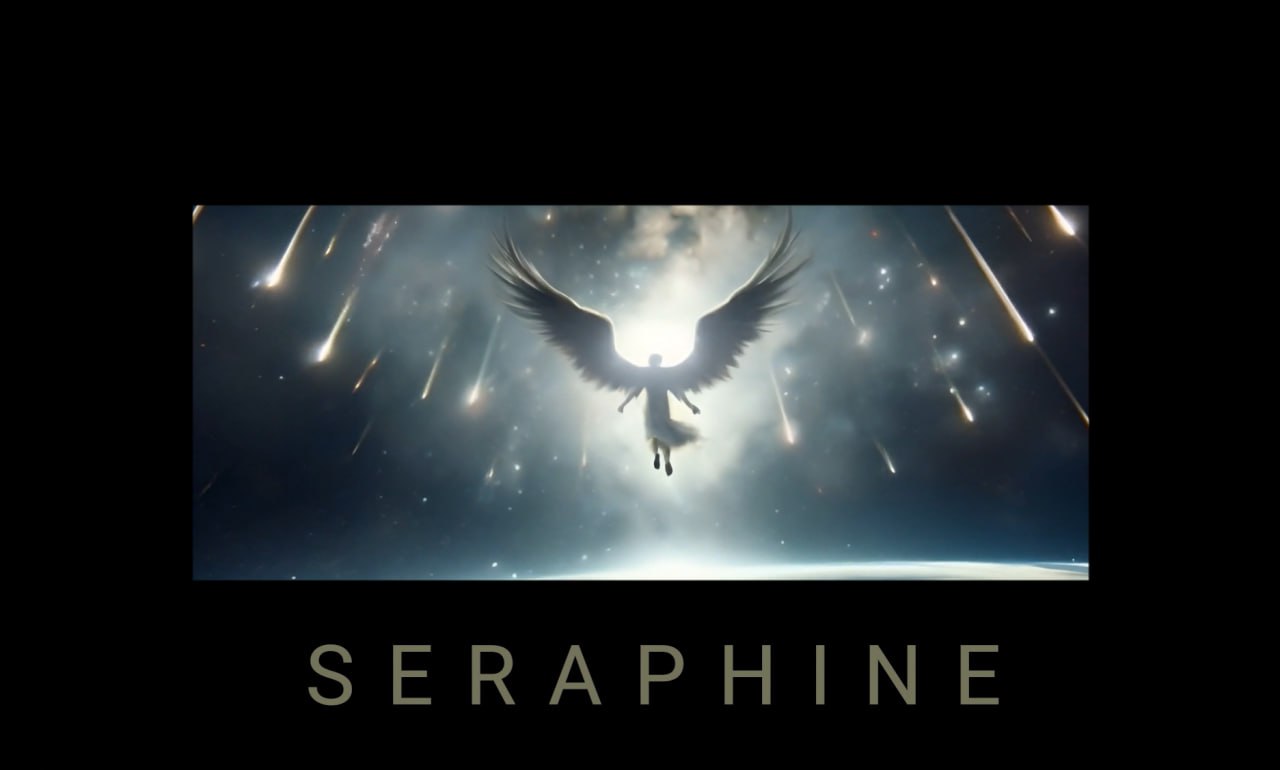
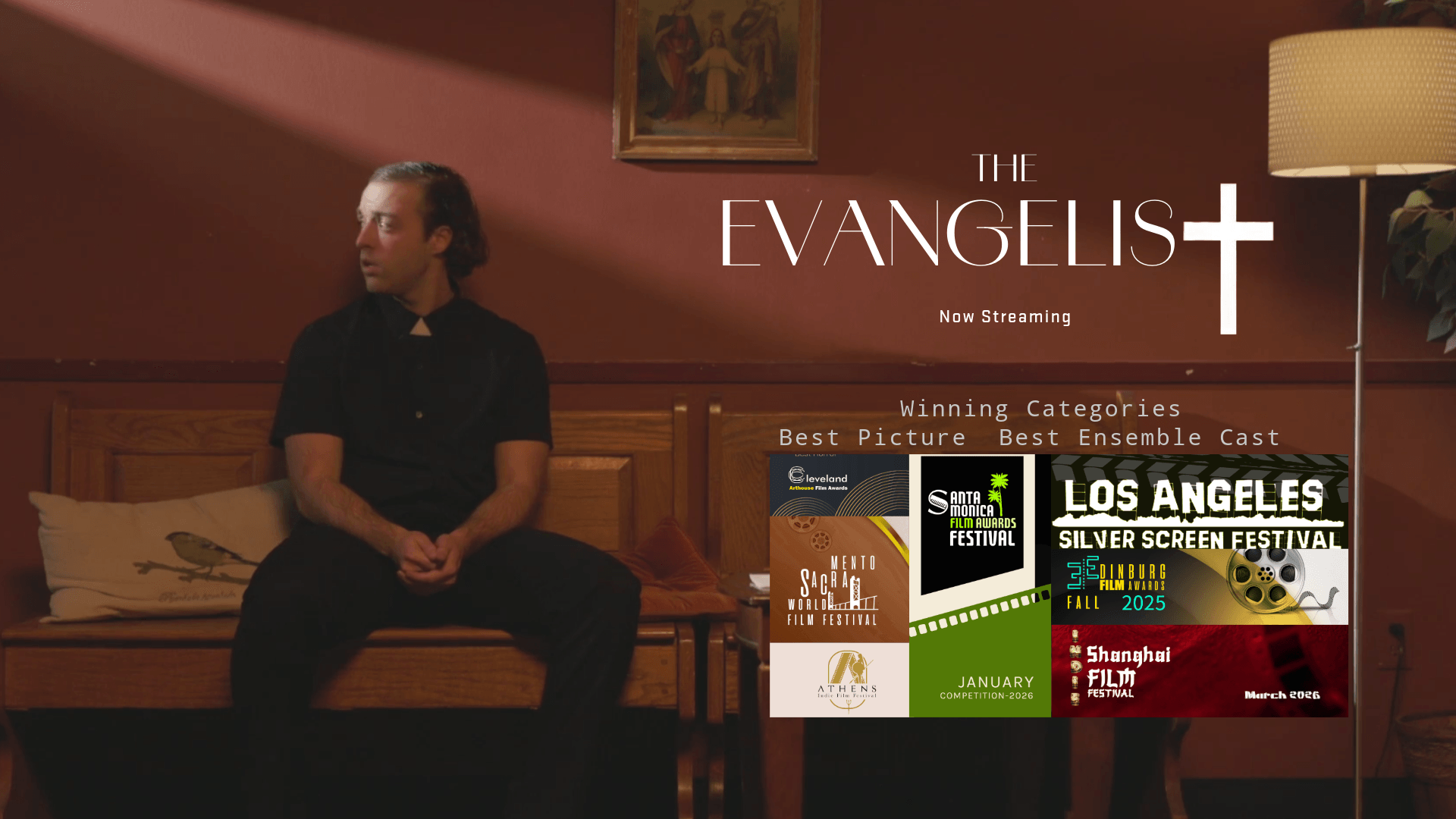
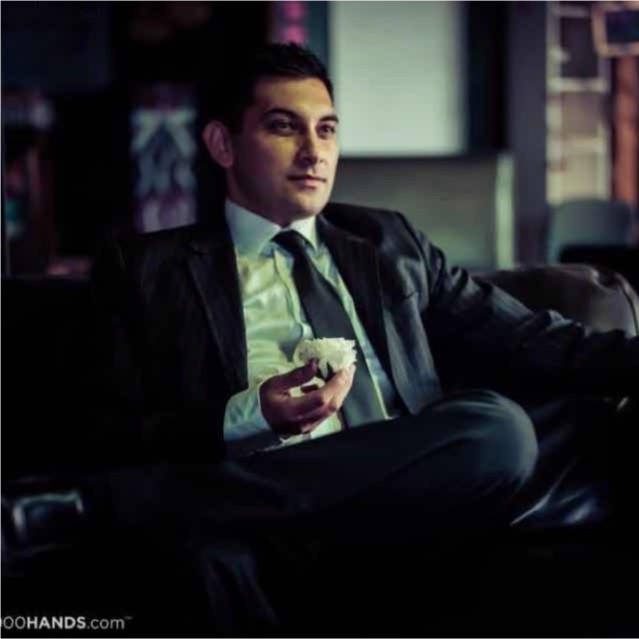


Image Credits
Seraphine Studios, I-Way Productions, Four Crows Cinema, Apptrade.io
Popular
-

Portraits of the Valley
-

LA’s Most Inspiring Stories
-

Greg Hex Is Turning the Everyday Kitchen Knife Into a Modern Design Object
-

Rick Norris Learned That Building a Successful Business Means Building a Life You Actually Want to Live
-

How Olivia Rush Turned Survival Into a Mission to Help Others Keep Going
-

How Bibi Goldstein Is Helping Entrepreneurs Reclaim Their Time by Embracing the Power of Delegation


