



Today we’d like to introduce you to Chet Yeary II.
Hi Chet, it’s an honor to have you on the platform. Thanks for taking the time to share your story with us – to start maybe you can share some of your backstory with our readers?
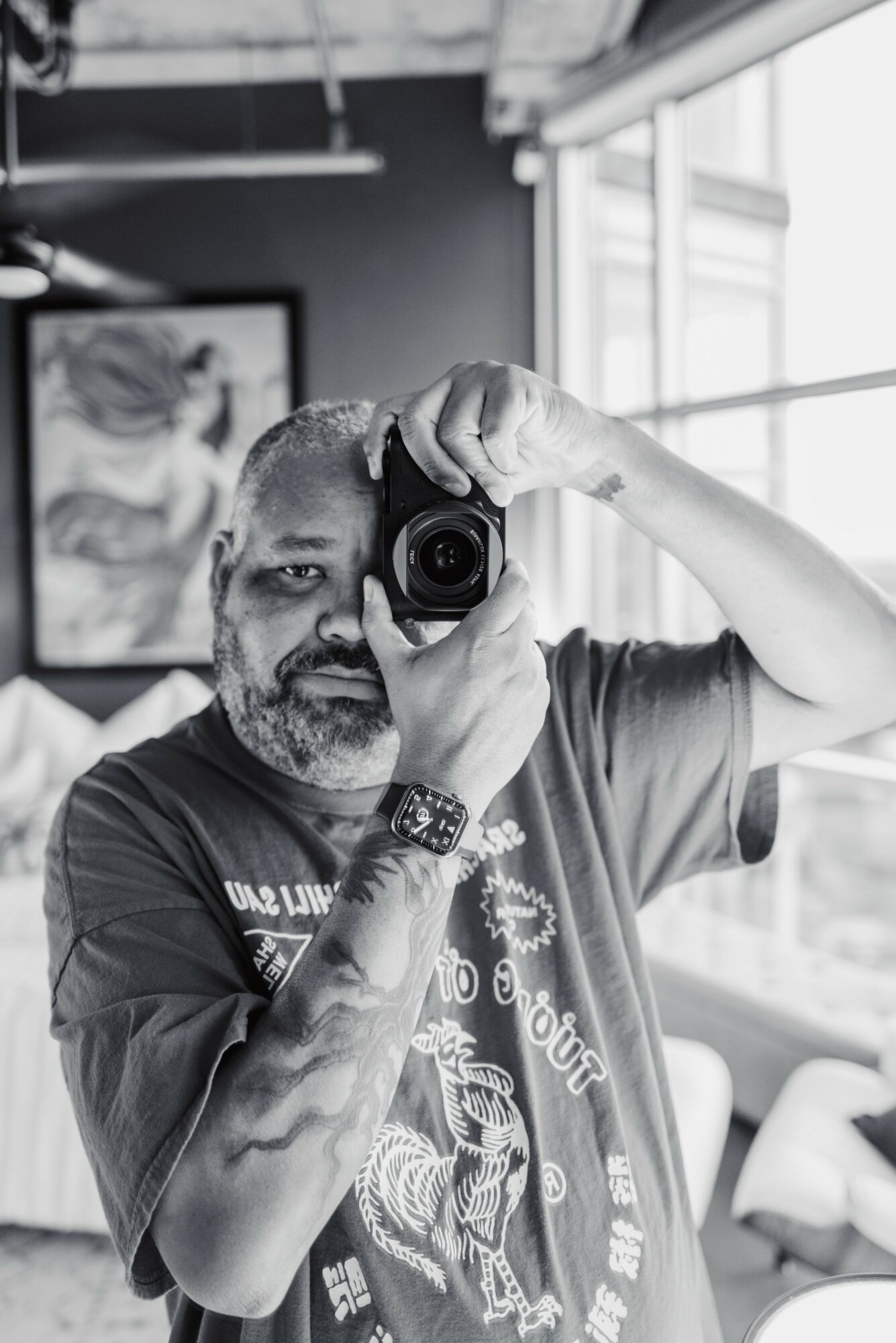
I got introduced to photography while getting my architecture degree in the late eighties and early nineties. It started as a tool — documenting spaces, studying light, understanding how form and shadow interact. But somewhere in those years it became something more personal than that.
I’ve been drawn to visual storytelling my whole career — I spent over two decades in design and digital strategy after school, and photography was always running alongside that work as a personal discipline. But at some point the two stopped feeling separate.
I shoot primarily portraiture and editorial work, and my aesthetic has always pulled toward the dramatic — deep shadows, high contrast, that chiaroscuro quality where light feels like it’s doing something intentional. Helmut Newton, Paolo Roversi, Peter Lindbergh — those are my touchstones. I’m not interested in pretty. I’m interested in tension.
My kit reflects that sensibility. The Leica Q2 Monochrom is my primary tool for serious work — shooting natively in black and white changes the way you see a frame before you take it. The Fujifilm X100VI brings a different energy, more intimate and spontaneous, with film simulations that suit my muted, analog-leaning palette. And I shoot on my iPhone more than most photographers would admit — it’s taught me to find the image in whatever moment I’m standing in.
My work lives at the intersection of fashion, fine art, and editorial — dark florals, male portraiture, mood-driven compositions. I’ve been developing that voice more deliberately over the past couple of years, and it’s the most creatively alive I’ve felt.
Alright, so let’s dig a little deeper into the story – has it been an easy path overall and if not, what were the challenges you’ve had to overcome?
Not entirely, no. The biggest tension has been that photography was never my job — it was always the thing I did alongside my career. And for a long time I think I let that relegate it to a hobby in my own mind, even when the work I was making didn’t feel like hobby work.
There’s a particular kind of discipline required to take your own creative voice seriously when no one is paying you to. You don’t have a client, a deadline, or an audience holding you accountable. You have to generate all of that internally. That’s harder than it sounds, especially when you’re pouring most of your creative energy into someone else’s brand all week.
The other struggle has been finding my aesthetic and being willing to commit to it. Early on I think I was too influenced by what was popular, what was getting attention. It took years of shooting — and honestly, years of looking at the photographers I truly admired — before I stopped hedging and leaned fully into the darker, moodier, more cinematic direction that actually feels like me.
The architecture background gave me a strong foundation — I’ve always understood light and composition at a structural level. But translating that into a distinctive photographic voice took longer than I expected. I’m still refining it. I think the best photographers always are.
Appreciate you sharing that. What else should we know about what you do?
My work sits at the intersection of portraiture, editorial, and fine art. Thematically I’m drawn to mood over moment — I’m less interested in capturing something that happened and more interested in constructing something that feels. There’s a difference between a photograph that documents and one that unsettles you a little, and I’m always chasing the latter.
Aesthetically I work in a pretty defined register — chiaroscuro lighting, deep shadows, muted tones, a palette that feels more like film than digital. Dark florals appear in my work a lot, not as decoration but as a kind of psychological prop. There’s something about the tension between beauty and decay that keeps pulling me back.
What I specialize in is male portraiture and editorial composition — creating images that have a strong point of view without announcing themselves too loudly. The influence of Newton, Roversi, and Lindbergh is real, but I’m not trying to recreate their work. I’m trying to internalize what made it work and find my own version of that.
What sets me apart, I think, is the design and architecture background. I don’t just point a camera — I build a frame. I think about negative space, about the weight of shadow, about what the eye does when it enters an image. That structural thinking is baked into how I see, and I think it shows in the work.
What I’m most proud of is that my photographs look like mine. That sounds simple, but it takes a long time to get there. I have a voice now that I didn’t have ten years ago, and that feels like the thing worth protecting.
What are your plans for the future?
The honest answer is that I’m in the middle of a real shift right now — from someone who has always made photographs to someone who is building a body of work with intention.
The immediate focus is developing a cohesive fine art editorial series. I’ve been exploring the intersection of portraiture and dark botanicals — constructing images that feel cinematic, psychologically loaded, with that tension between beauty and something slightly uncomfortable. I want to push that into a project substantial enough to show, submit, and publish.
I’m also deeply interested in the creative possibilities that AI image generation is opening up — not as a replacement for the camera, but as an extension of the visual development process. Using it to explore lighting concepts, mood boards, and compositional ideas before a shoot. I think photographers who figure out how to integrate those tools thoughtfully are going to have a real creative advantage.
On the longer arc, I’d love to see my work in print — editorial placements, gallery shows, a monograph eventually. Those feel less like destinations and more like markers that tell me the work is resonating beyond my own hard drive.
But honestly what I’m most looking forward to is the shooting itself. I feel like I’ve arrived at a creative clarity I didn’t have before — I know what I’m after now — and there’s something energizing about having that kind of focus. The best work feels like it’s still ahead of me.
Contact Info:
- Website: https://chetyeary.com
- Instagram: https://www.instagram.com/chetyearyphoto/
- Facebook: https://www.facebook.com/chetyearyphoto/
- LinkedIn: https://www.linkedin.com/in/chetyeary/
- Twitter: https://x.com/chetyearyphoto
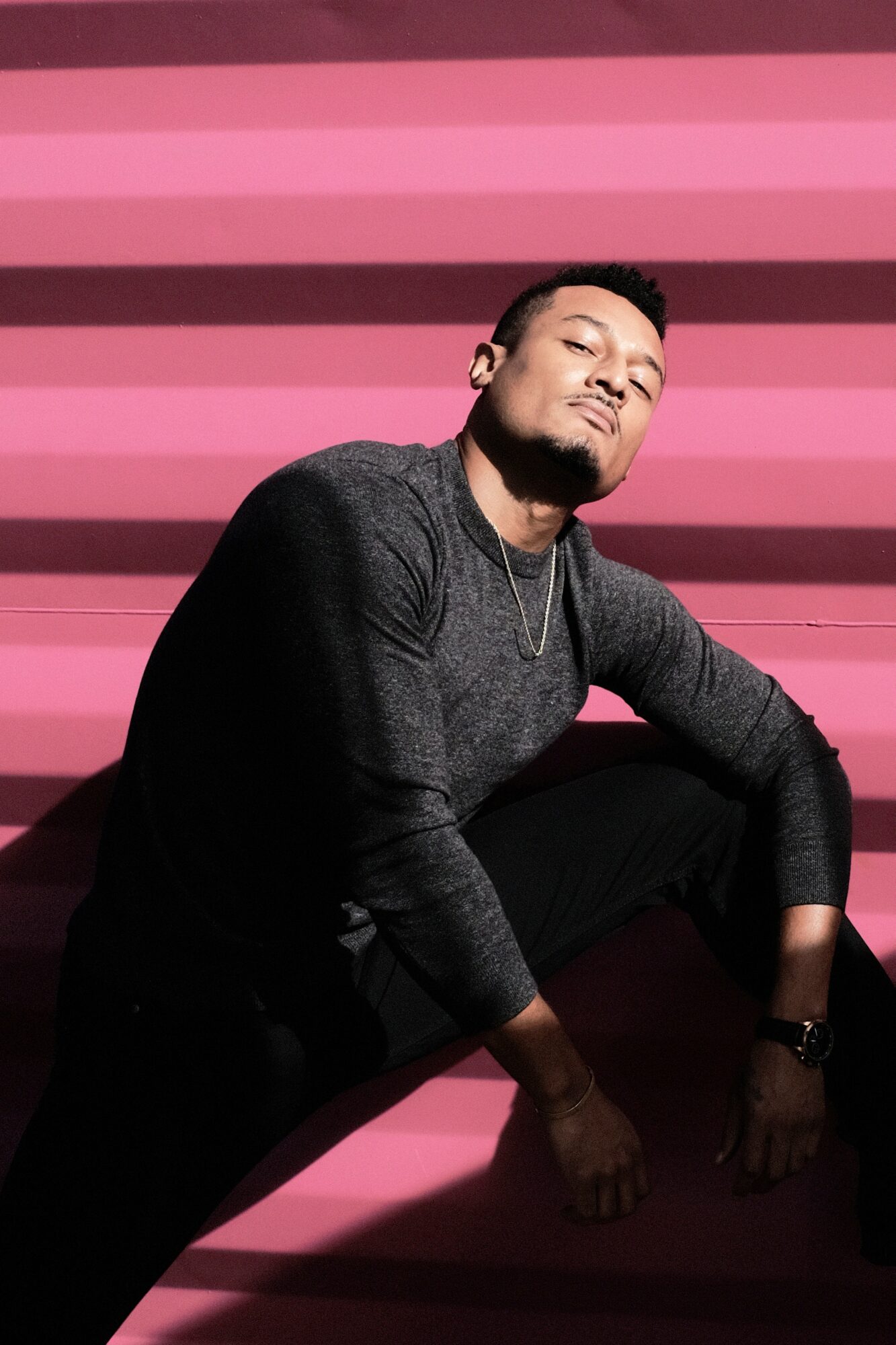
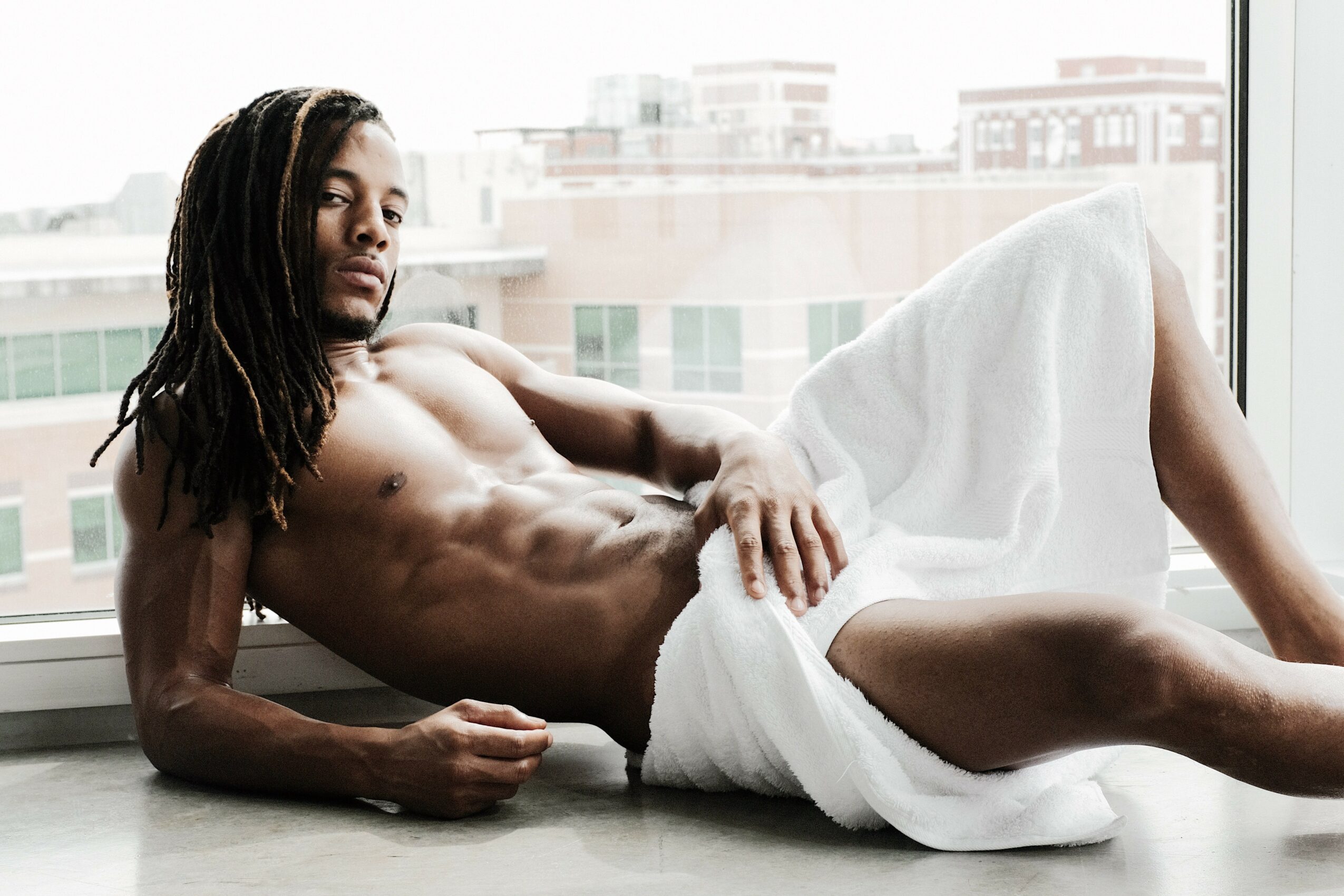
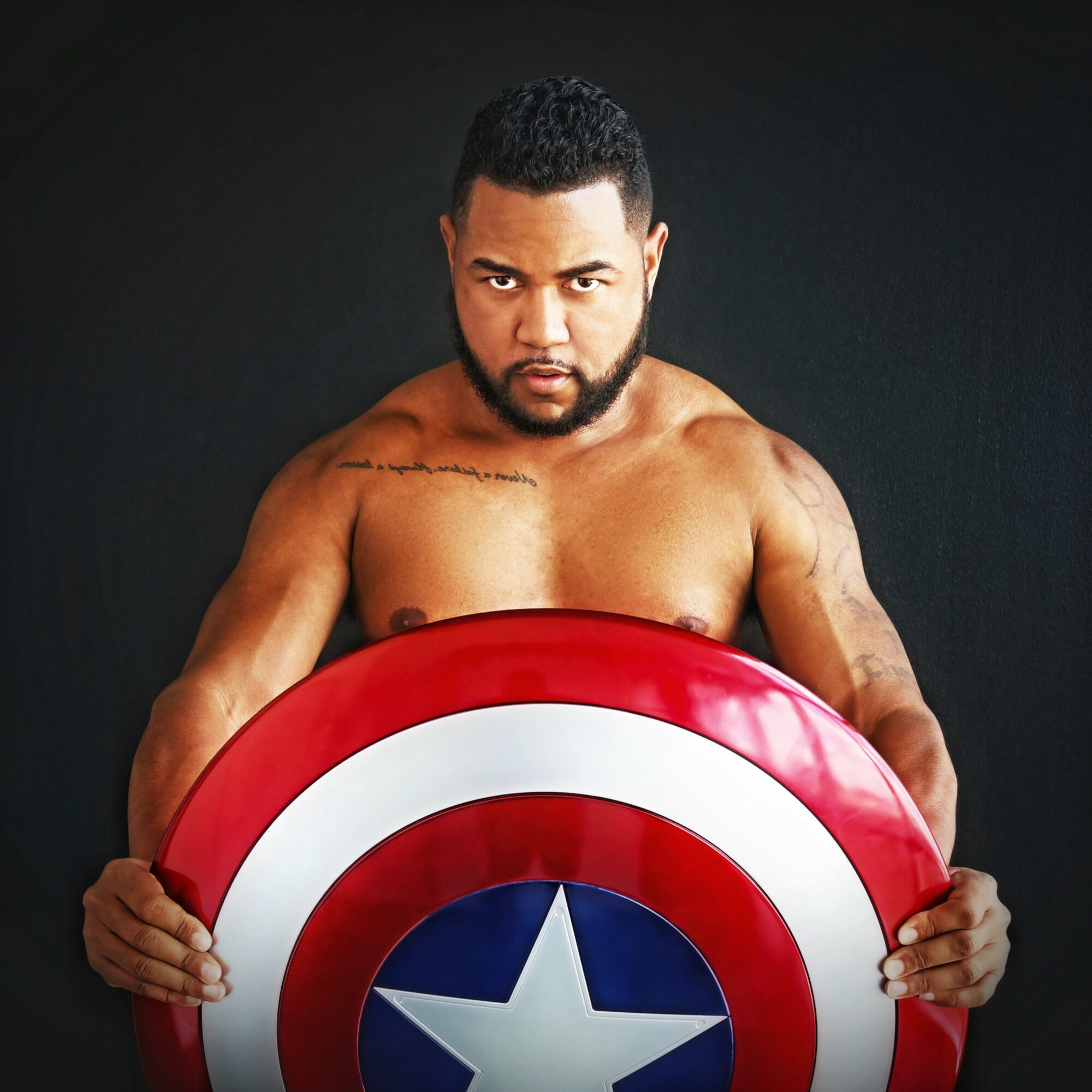
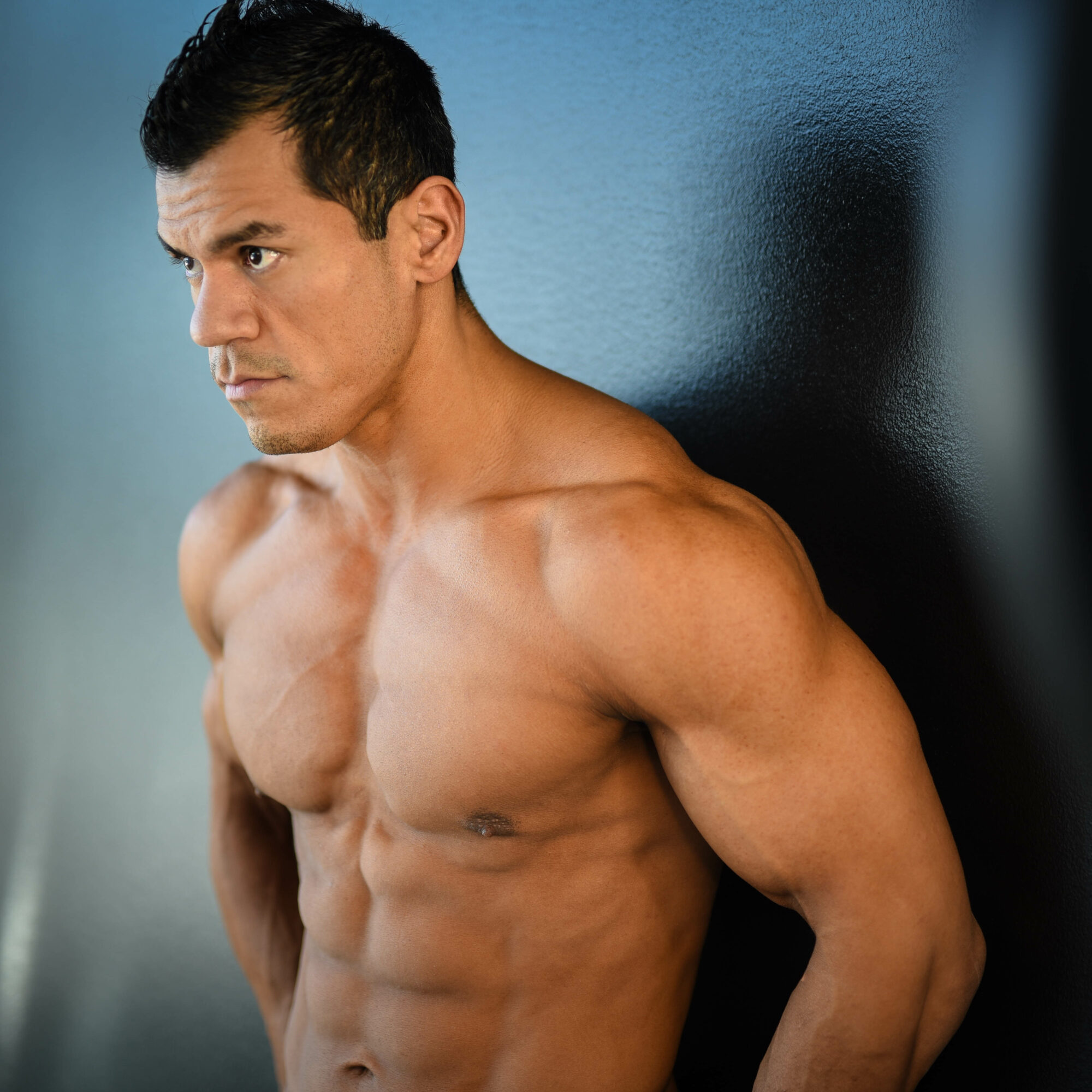
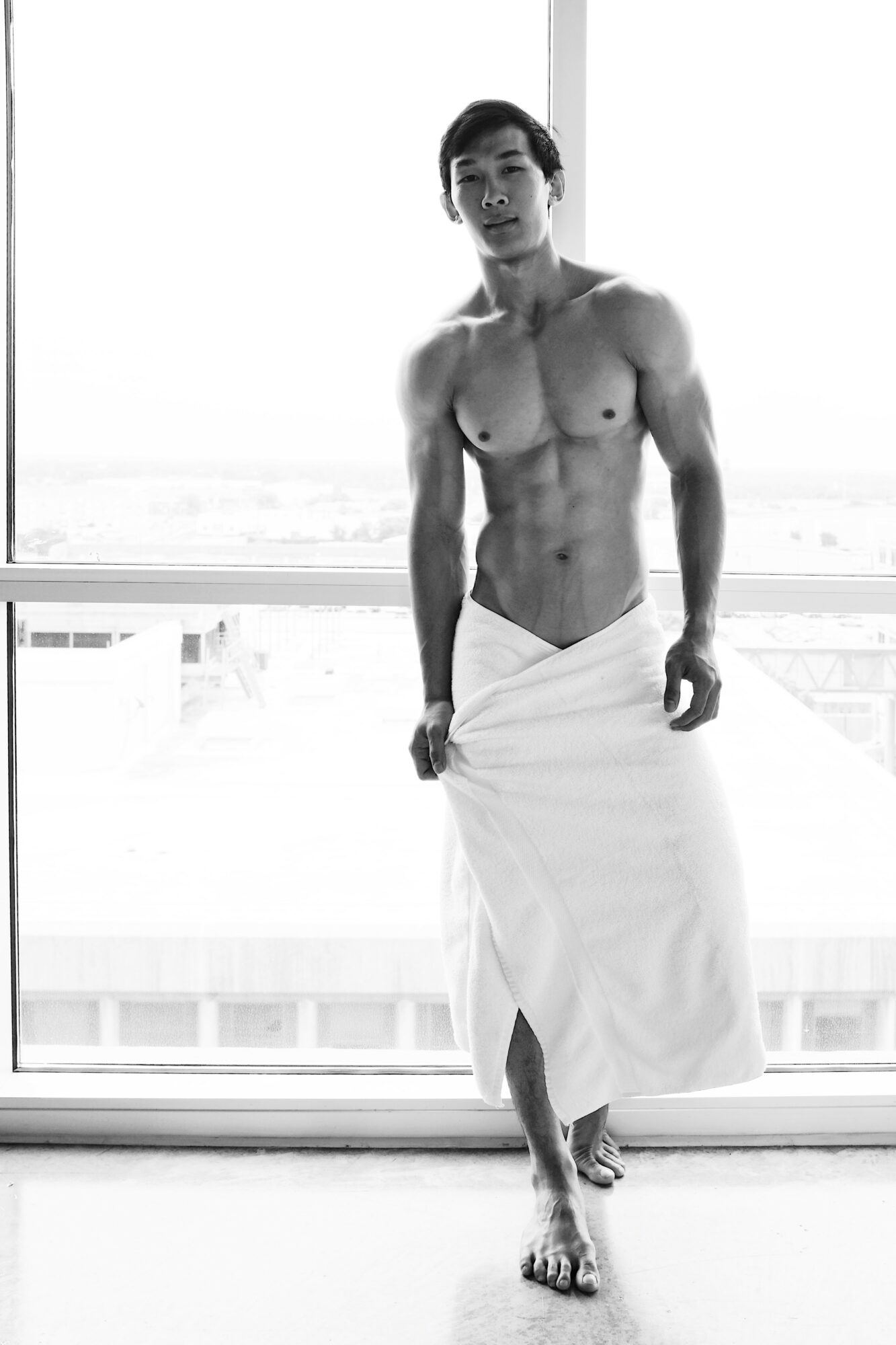
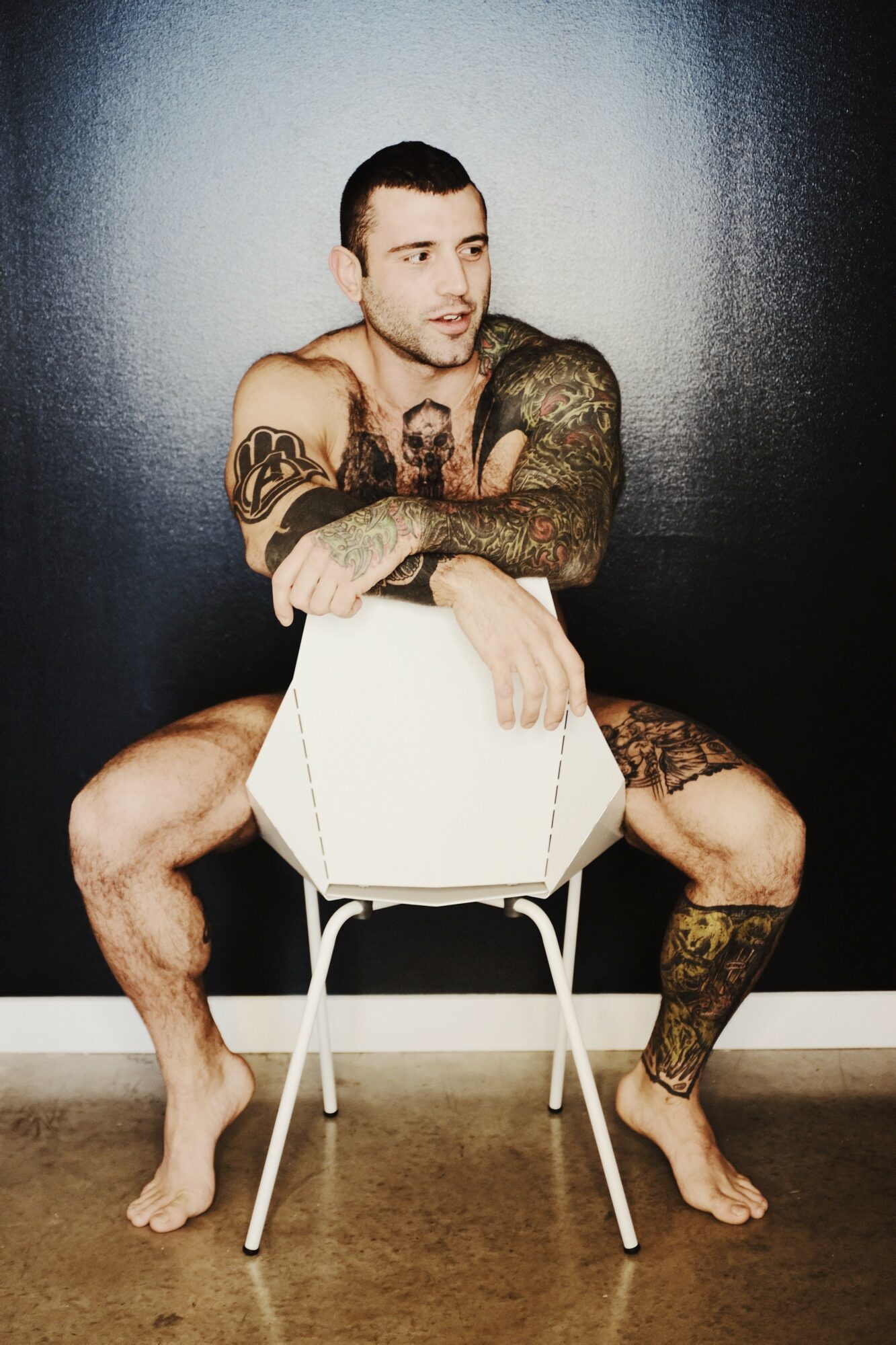
Image Credits
Al, Braylon, Geo, Jesse, Randy, Simon
Popular
-

Que Johnson on Building Brands That Last: From Visibility to True Market Authority
-

Christina Wren Steps Into the Director’s Chair to Tell Stories That Feel Like Home
-

Portraits of the Valley
-
LA’s Most Inspiring Stories
-
JordanL on ‘Breathe,’ Belief, and Building a Movement Beyond the Music
-
Megan Birney Rudert on How Access to Light Is Powering a More Sustainable and Equitable Future


