



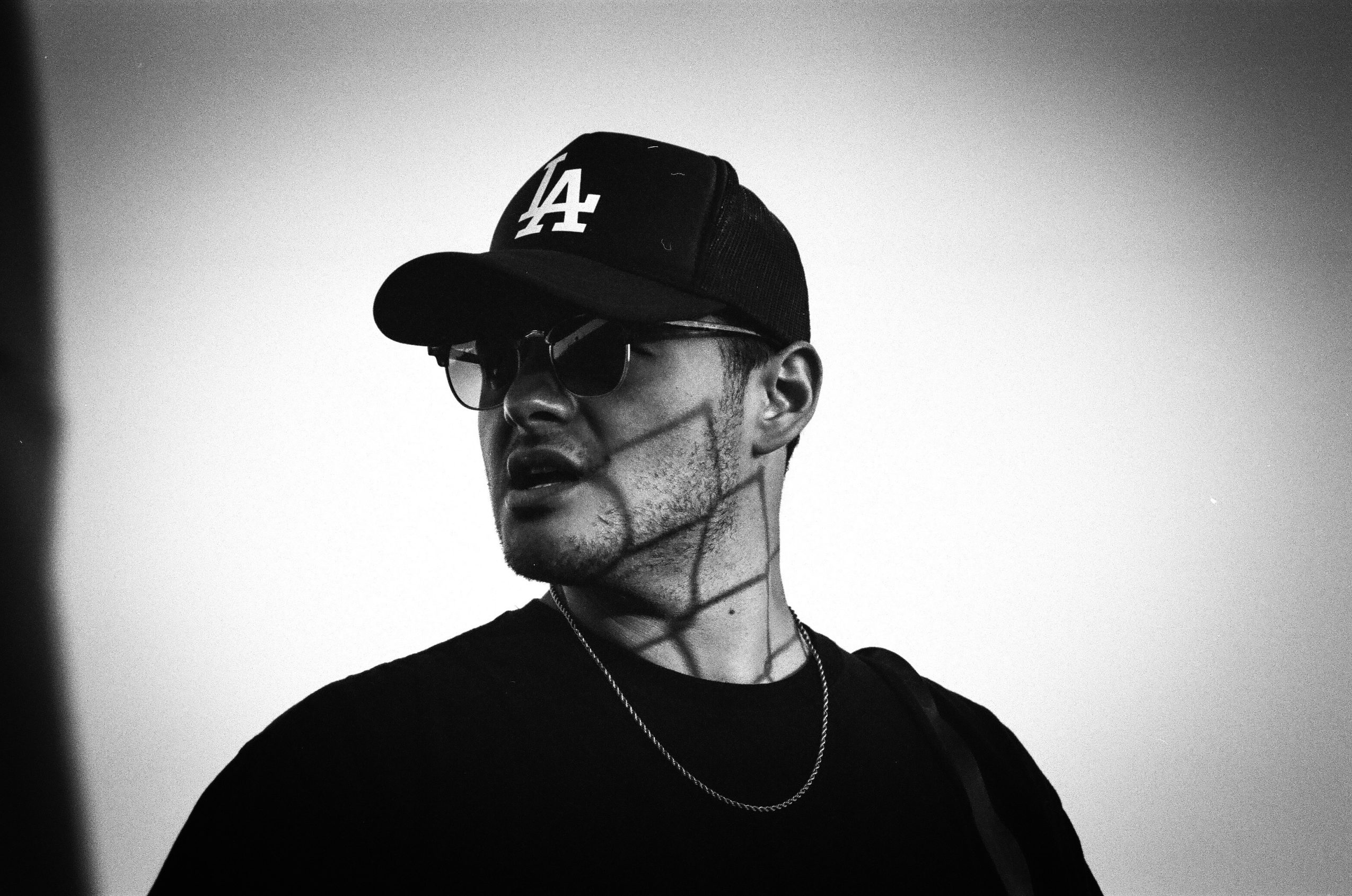
Today we’d like to introduce you to Rob Mojica.
Alright, so thank you so much for sharing your story and insight with our readers. To kick things off, can you tell us a bit about how you got started?
I grew up in San Jose, CA. Since I was a kid, film has always been a huge part of my life. The first things I ever shot were just me with a camera filming my Batman toys and telling stories. Eventually that led to my family and I making skits and short films on our camcorder whenever we could. My dad would direct the shorts and then at one point I started directing them — using my siblings and friends as actors.
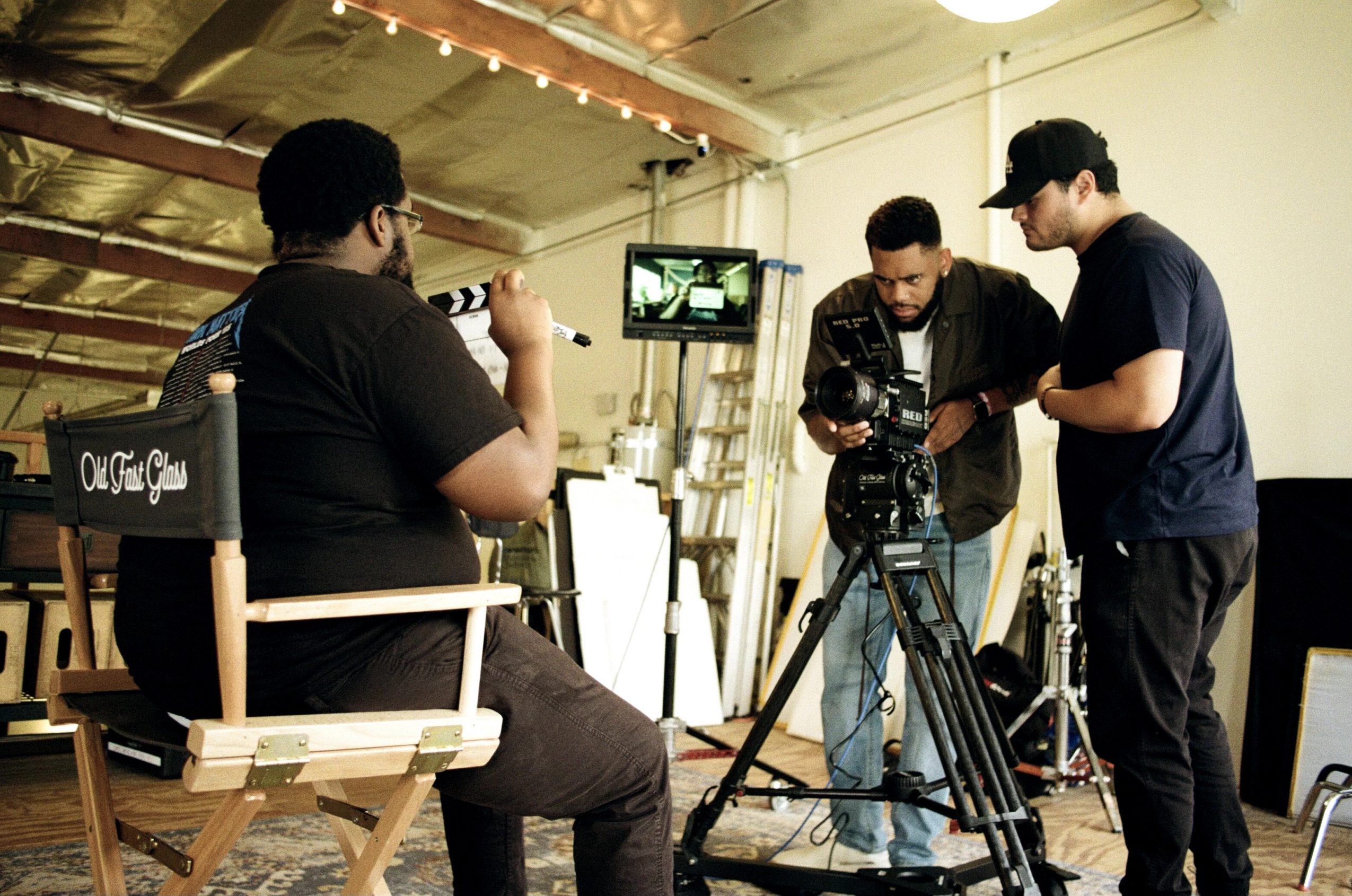
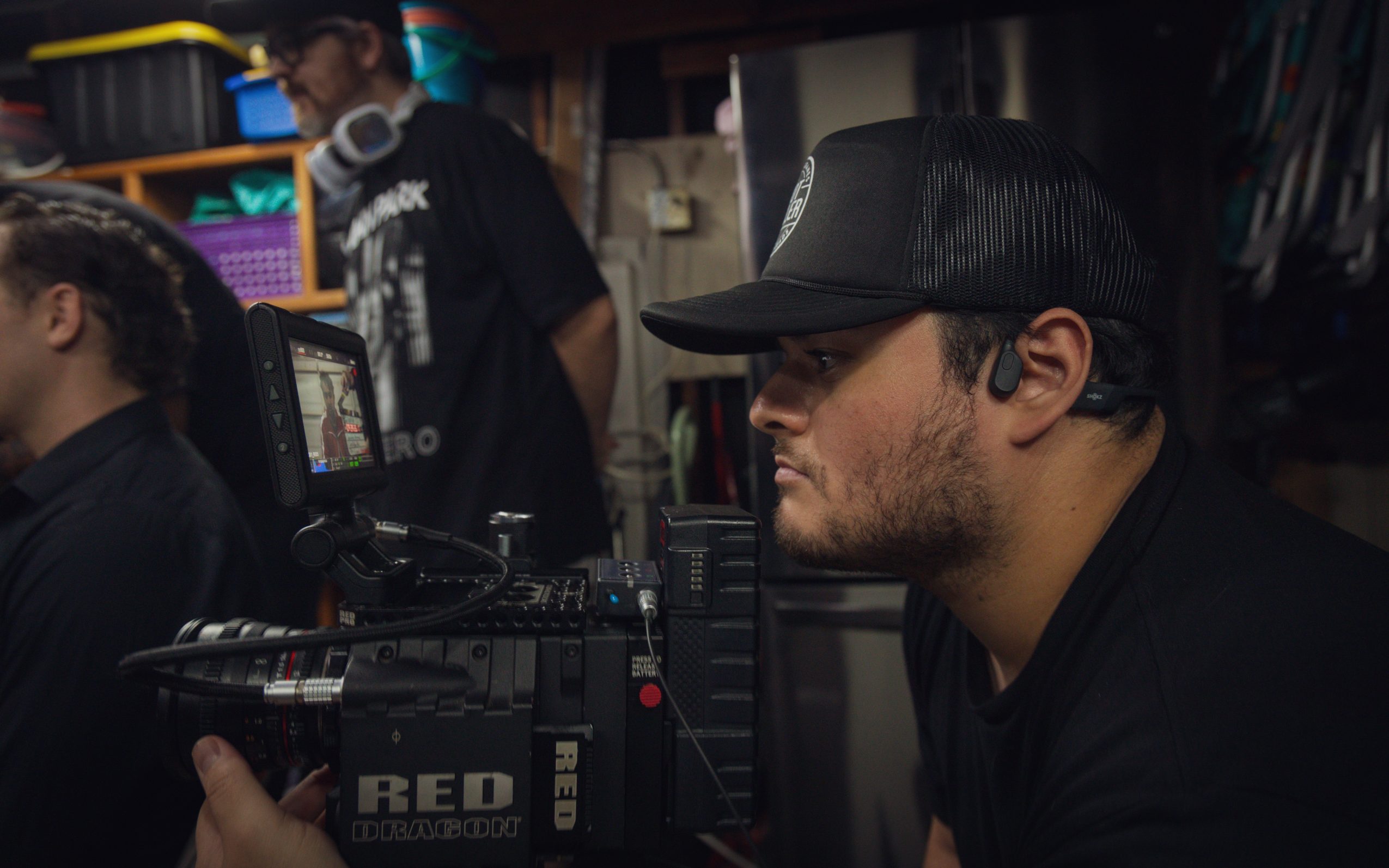
My interest continued to grow as I looked to get better at telling stories. That’s when I discovered editing. I started out editing Oakland Raiders highlight videos in Sony Vegas and posting them on YouTube. I continued to learn and grow and did it all just for fun, not realizing that it was a career I could have. Once I figured that out after high school, I started as an Editor and Cinematographer, spending the first 10 years shooting and editing everything I could — music videos, short films, commercials/promos. I eventually started directing music videos as well, working with some of my favorite artists in the Bay Area. These opportunities eventually led me to writing and directing my own narrative short films. At this point I have two “official” short films that I’ve directed, but the truth is I’ve been directing films since I was a kid and have countless shorts I’ve made as practice.
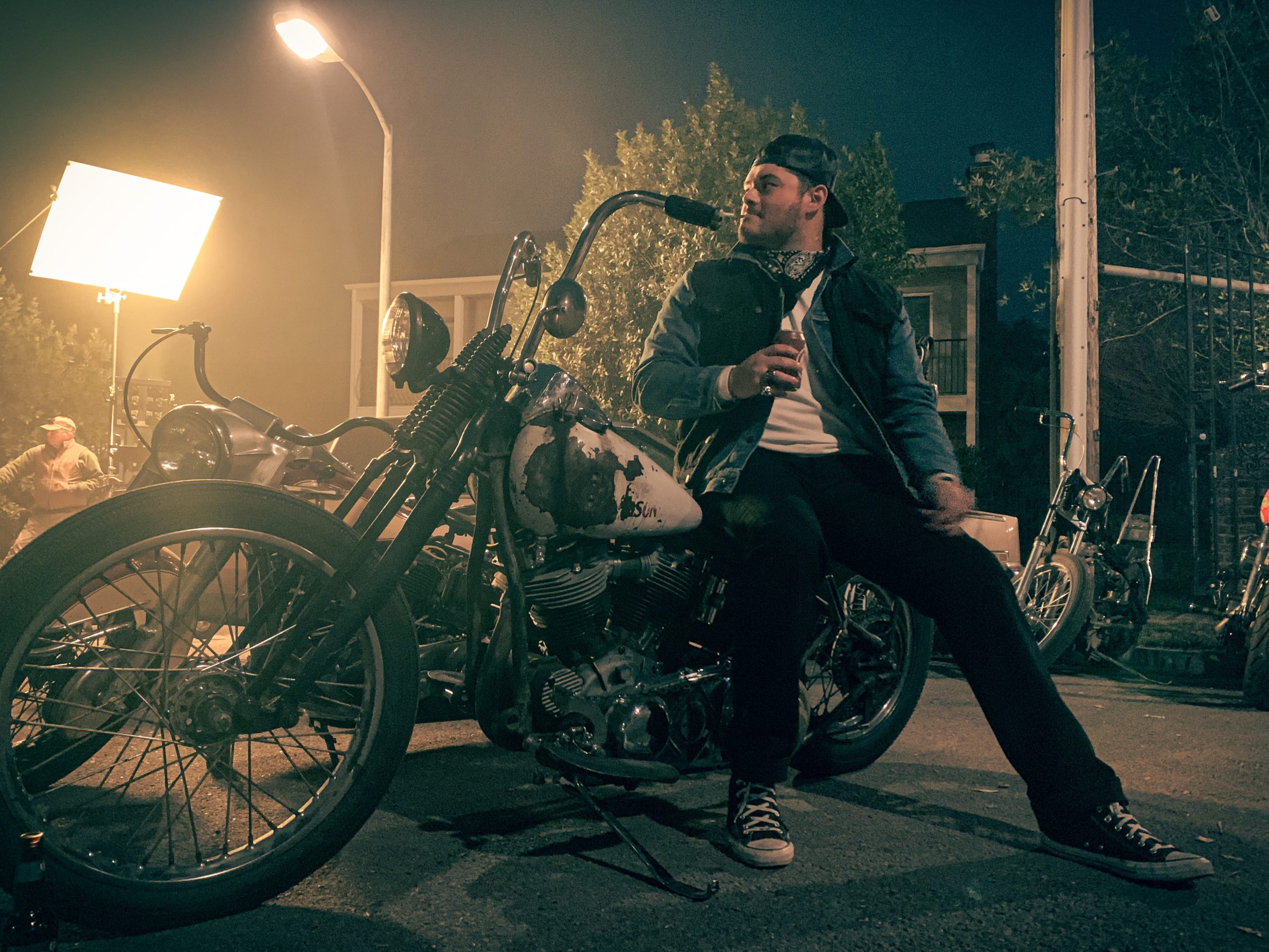
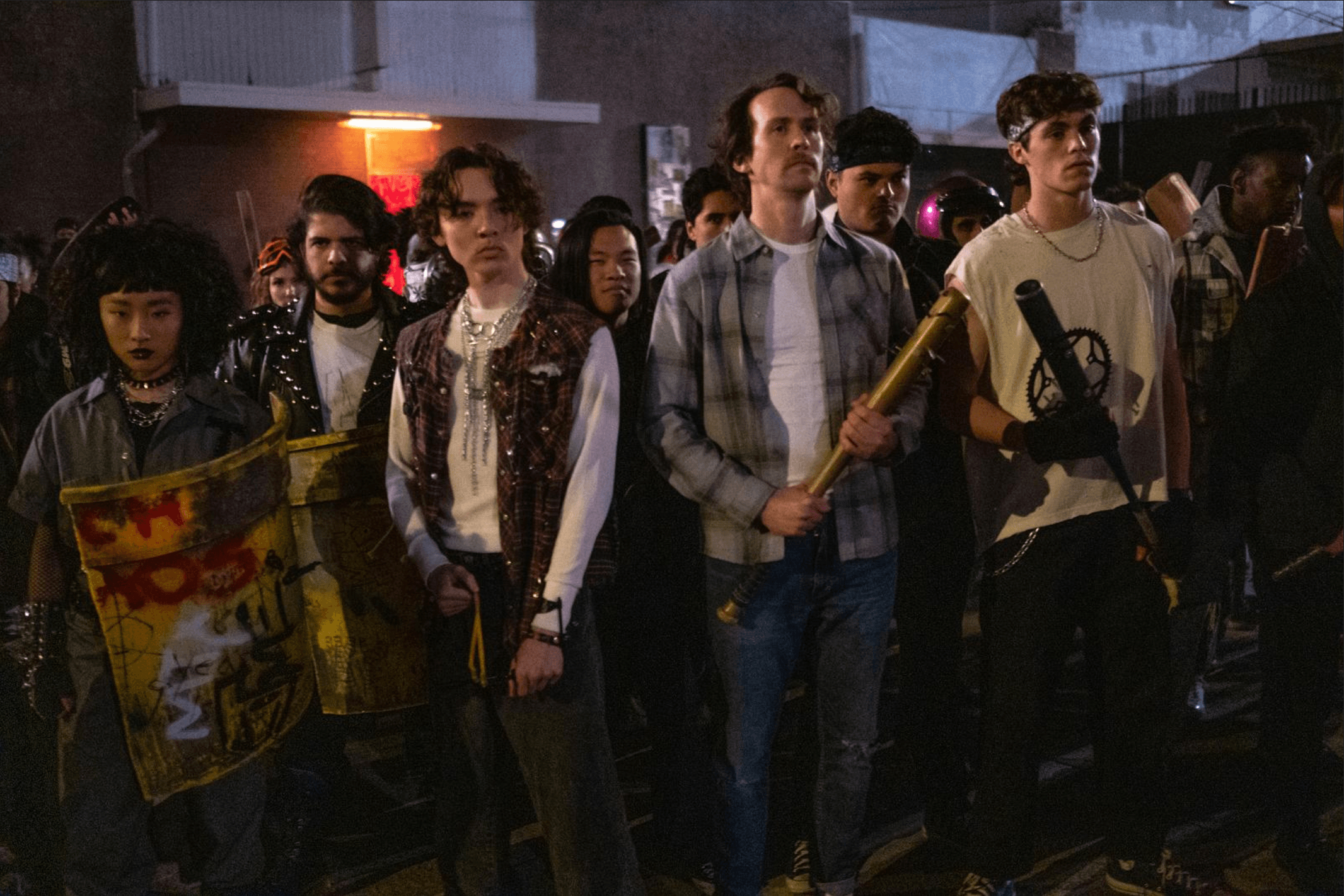
My love for film continued to grow, so I eventually moved to Los Angeles in 2019 and have loved it here from day one. I’ve met so many great people which led to me working on so many cool projects. Recently, I was able to work on a feature film in Oakland called “Freaky Tales” starring some of my favorite actors, where I worked in the Stunt Department and even ended up on camera, something I had never done before. Being able to work on that film and even help edit the final climactic fight scenes was a dream come true.
As of now, I’m writing multiple feature films and looking to shoot another short film sometime soon. I’m hoping to write and direct a feature soon as well, something I’ve been preparing for my whole life. For long term goals, I’m aiming towards a few, including having my films play in IMAX and being able to write and direct a film for a few of my favorite IP’s: Resident Evil being the first I’d love to take on (I’m calling my shot now, look back at this article in the future). I’m excited to see what comes next — it’s been a long and challenging journey, but I’m certain the best parts are still to come.
We all face challenges, but looking back would you describe it as a relatively smooth road?
It’s been overwhelmingly difficult. I’ve been poor my whole life and had zero connections in the industry when I first started. I was also often not taken seriously on set because of how young I was. I was frequently the youngest on set for many years and it became clear pretty quick that people older than me were not excited to work under me — despite me having more experience. I am also Mexican-American and there are not a lot of us in this industry, so things like grants, fellowships and internships are hard to come by. Along with all that, I am neurodivergent which has made normal daily tasks much more difficult than they are to most people. It has been an intense and unrelenting journey, but I’m grateful for every part of it because it shaped me into the person and storyteller I am today. I know that no matter what comes my way, I’ll be able to take it on and keep moving forward to my goals.
Can you tell our readers more about what you do and what you think sets you apart from others?
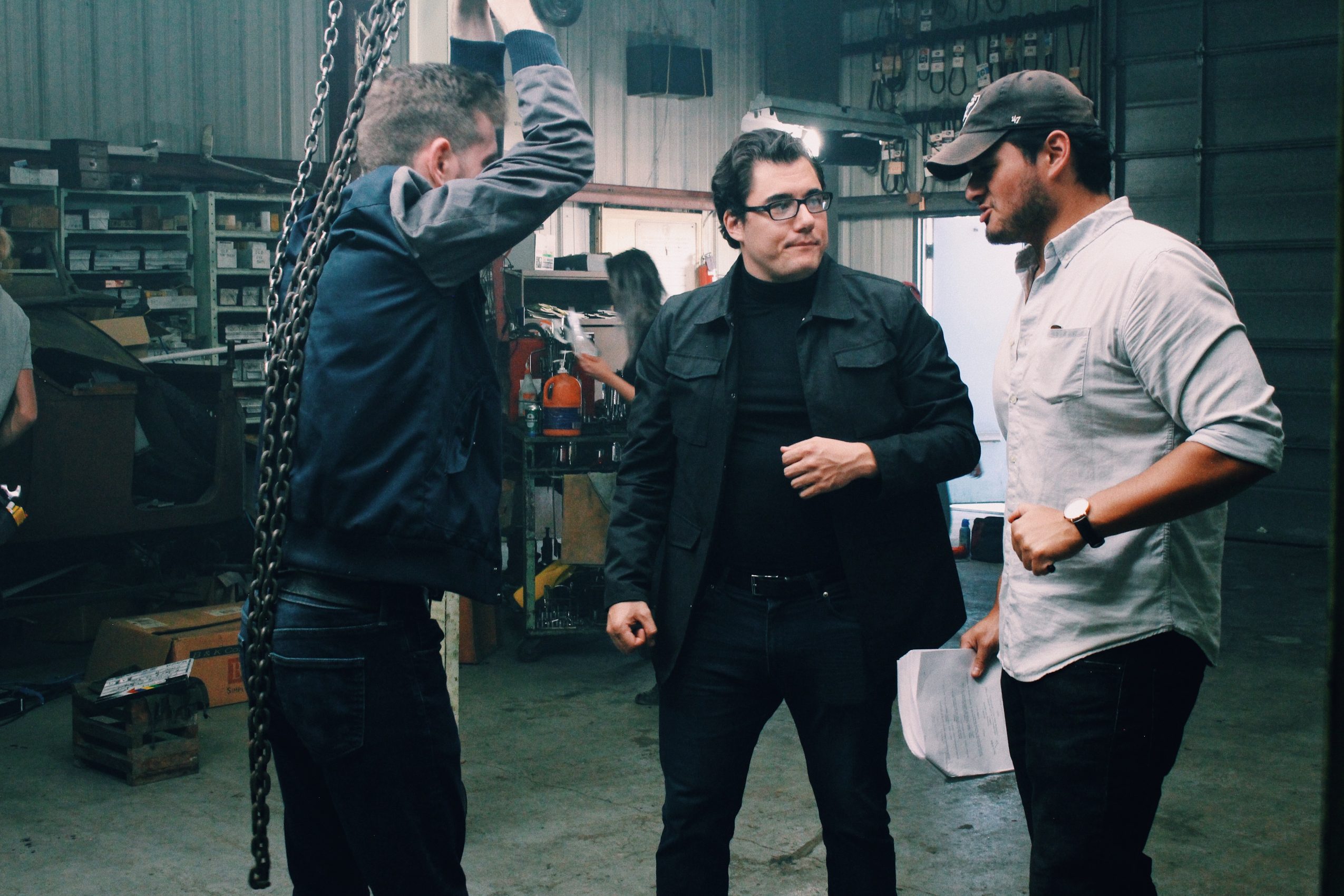
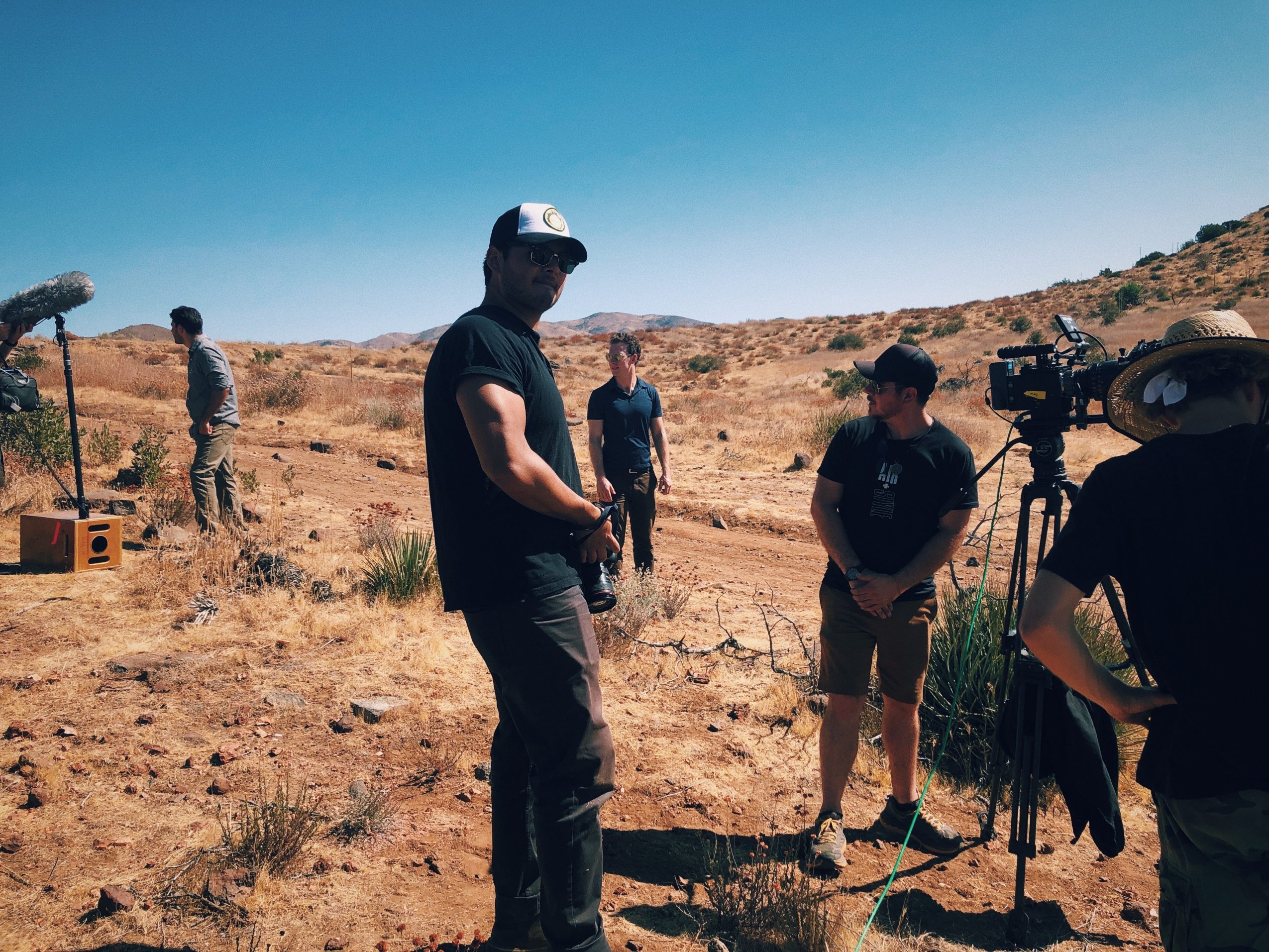
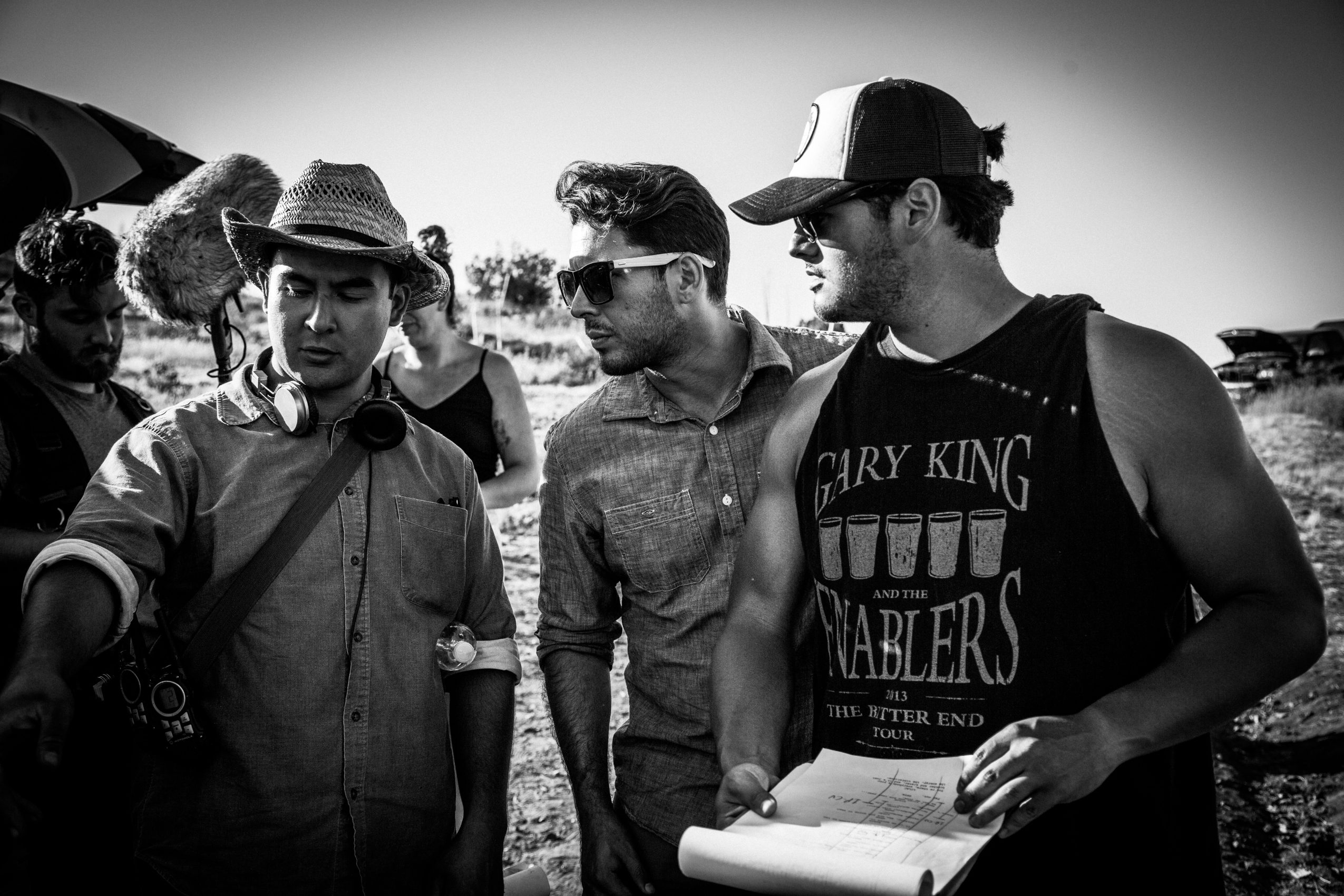
I am a Writer/Director who has also been working as a Cinematographer and Editor since 2010. I am most proud of my ability to do anything on set. Having so much experience doing so many different jobs on set, I’m able to help in countless ways on many friends’ projects and help them create their vision whether that’s in pre-production, on set or in post-production. I am also a very quick learner so I’m able to learn new skills and apply them very quickly. As an indie filmmaker, you have to learn every job you can and be able to do whatever it takes to help get your film done and seen. Every time a new skill is needed, I dive in and learn as much I can — improving with every new project.
How do you define success?
For me, success is being better than you were previously. That works on both a large and small scale. I always say that my next project is my best project. The goal always being to improve. Getting better just by a little bit each day is my constant goal that keeps me moving forward.
Contact Info:
- Website: https://robmojica.myportfolio.com
- Instagram: https://www.instagram.com/robmojica_
- Youtube: https://www.youtube.com/@RobMojica
Popular
-

Portraits of the Valley
-

LA’s Most Inspiring Stories
-

Greg Hex Is Turning the Everyday Kitchen Knife Into a Modern Design Object
-

Rick Norris Learned That Building a Successful Business Means Building a Life You Actually Want to Live
-
How Olivia Rush Turned Survival Into a Mission to Help Others Keep Going
-

How Bibi Goldstein Is Helping Entrepreneurs Reclaim Their Time by Embracing the Power of Delegation


