




Today we’d like to introduce you to Richy Mike.
Alright, so thank you so much for sharing your story and insight with our readers. To kick things off, can you tell us a bit about how you got started?
I grew up in Wisconsin, and my path to becoming an actor has been anything but linear. I moved around a lot growing up and experienced a lot of instability, which made me learn early how to observe people, read a room, and adapt to different environments. For a long time, I think I was more focused on figuring out where I fit than on figuring out what I wanted to do. I remember the one safe space in my household was when we all collectively gathered together every weekend to either go to the cinema or video store, and that was where my love for storytelling began.
Performance eventually became the place where I felt most like myself. I was 6 when I participated in my first school musical and from there I started discovering theatre, singing, and comedy, and realized that I had a natural curiosity about people, their contradictions, their insecurities, the things they say versus the things they actually mean. Acting gave me a way to explore all of that.
I trained in theatre, comedy, and on-camera technique, including training with East West Players, taking class at Second City Chicago, studying Meisner with Elizabeth Mestnik, and performing with the UCB comedy community. I performed in productions ranging from Rent to Degrassi Parody Musicals. Although musical theatre became an unexpected and meaningful part of my life after moving to Los Angeles, I had always been drawn to film and on-camera storytelling. When theatre opportunities began presenting themselves, I decided to follow them and see where they took me.
That eventually became part of what brought me deeper into the Los Angeles creative community. The transition hasn’t always been easy. I’ve worked jobs outside of acting to support myself, navigated periods of self-doubt, and had to learn an industry where there isn’t always a clear roadmap. But those experiences have also taught me that building an acting career isn’t just about getting cast. It’s about continuing to train, creating your own opportunities, developing relationships, and becoming more confident in the artist you’re bringing into the room.
That’s where I am now. I’m continuing to train, audition, work on sets, make creative work, and build my own voice as an artist. Recently, I’ve started seeing some of the things I’ve been working toward become tangible, from background work turning into a small speaking role on camera to developing my own film ideas and writing stories that explore identity, loneliness, queerness, family, and the strange experience of trying to be seen while also trying to figure out who you are.
I don’t think I have a perfectly “straight” career story, and honestly, I’m not sure I want one. A lot of what has shaped me, the instability, the detours, the jobs, the theatre, the comedy, the years of figuring myself out, has become part of what I bring into a room as an actor.
Would you say it’s been a smooth road, and if not what are some of the biggest challenges you’ve faced along the way?
It definitely hasn’t been a smooth road. One of the biggest challenges has been building a creative career while also figuring out who I am and learning how to trust that person. I’ve had to support myself through jobs outside of acting, navigate periods of uncertainty, and learn an industry where there isn’t always a clear path forward.
Work has been a major part of that challenge. I’ve had to balance pursuing acting with taking on jobs that provided stability, even when they weren’t directly connected to my creative goals. That meant managing demanding schedules, making time for auditions and training, and continuing to show up for my career even when I was tired, discouraged, or unsure when the next opportunity would come. It has required discipline, patience, and a willingness to keep working toward something before there was any guarantee that it would pay off.
Another challenge has been navigating the industry as a multiracial queer person. I don’t really see myself as someone who fits neatly into one category, but the entertainment industry often wants to understand people quickly, to know what box they belong in, what they can be cast as, and how an audience will perceive them. I’ve often felt the tension between being a person who wants the freedom to explore different sides of myself and an industry that can sometimes define you by the easiest thing to recognize about you.
That has made demanding space for myself an important part of my journey. I don’t want to have to choose one part of my identity in order to be understood or marketable. I want to be able to play characters who are complicated, contradictory, masculine, feminine, queer, straight-presenting, funny, dramatic, vulnerable, or completely unexpected. I’m interested in the freedom to be a whole person rather than a type.
There have also been internal challenges. I’ve struggled with confidence and with feeling like I need to prove I belong in a room before I’ve even walked into it. Moving to Los Angeles intensified some of that because comparison comes very easily here. But I’ve gradually learned that I can’t wait until I feel completely confident to take up space. I have to keep training, keep showing up, keep creating, and allow the work itself to build my confidence.
The road has been much less linear than I imagined, but I’m beginning to see that as a strength rather than something I need to hide. The experiences that have challenged me have also shaped the kinds of stories and characters I’m drawn to, people who are trying to be seen, understood, and loved without having to make themselves smaller to fit someone else’s definition of who they are.
Can you tell our readers more about what you do and what you think sets you apart from others?
I’m an actor and singer based in Los Angeles, working across theatre, comedy, and on-camera performance. Comedy has always felt very intuitive to me, while musical theatre was something I had to work much harder to develop. That contrast has taught me to value both instinct and discipline as an actor.
I’m drawn to work that allows humor and vulnerability to exist alongside each other, and I’m interested in characters who reveal more complexity the longer you spend with them. I’m less interested in fitting neatly into a type than in discovering what makes a specific person feel real.
I’m also proud of the perspective I bring as a multiracial queer actor. I’m part Hmong, and I want that heritage to be part of my visibility and the stories I’m able to participate in. Not as the sole definition of who I am, but as one part of the perspective I bring to my work.
What I’m most proud of is that I’m building this as a lifelong career rather than chasing one particular version of success. There are still so many skills I want to develop, technically, creatively, and personally, and that’s something I genuinely enjoy about this profession. Every new class, role, set, or collaboration gives me another opportunity to learn something I didn’t know before.
I think that curiosity is one of the things that sets me apart. I’m not trying to arrive at some finished version of myself as an artist. I want to keep expanding what I’m capable of and give myself the freedom to grow into whatever kind of actor the work ultimately asks me to become.
Is there anyone you’d like to thank or give credit to?
There are a lot of people who deserve credit for where I am today, because this career has never been something I’ve built entirely on my own.
Conundrum Theatre Company deserve a huge amount of credit for taking a chance on me for Rent. It was my first performance after COVID, and at that point I had really lost my spark. I wasn’t sure if performing still felt like it belonged to me. Being given that opportunity helped reconnect me with the part of myself that had been missing and reminded me why I loved performing in the first place.
Elizabeth Mestnik has also had a huge impact on me. Studying with her through the Meisner Conservatory taught me more about acting and the craft than I realized I was capable of learning. It challenged me to look beyond simply “performing” and to really understand what I was doing, why I was doing it, and what it means to be truthful in the work. That training fundamentally changed the way I think about acting.
My theatre community deserves credit too. The people I’ve worked with, performed alongside, and learned from have given me opportunities, challenged me, and created a sense of belonging that has been incredibly important to me. A lot of my growth has happened because I’ve been surrounded by people who are also willing to take risks and keep learning.
And then there are my friends outside of acting, who I think deserve just as much credit. They keep me grounded and remind me that there is a whole life outside of performing. Acting is incredibly important to me, but it isn’t the entirety of who I am. Having people in my life who remind me to laugh, experience things, and simply be a person has helped me keep perspective.
I’m grateful for all of those people because they’ve each given me something different: an opportunity, a craft, a community, or perspective. I think that’s part of what makes this feel like a lifelong career to me. I’m still learning, and I know there are so many skills I haven’t even developed yet. I’m excited by that rather than intimidated by it. I want to keep growing, keep learning, and stay open to the people and experiences that shape the artist I become.
My favorite quote from the late great Joan Rivers – “I was smart enough to go through any door that opened.”
Contact Info:
- Instagram: https://www.instagram.com/richymike?stkn=cjR4Z3MxM2MycmQ1&utm_source=qr
- Youtube: https://youtube.com/@richymike1?si=K8pV9bAcqZ5lqbLE
- Other: https://www.imdb.com/name/nm13429888/?_ssoLoop=1

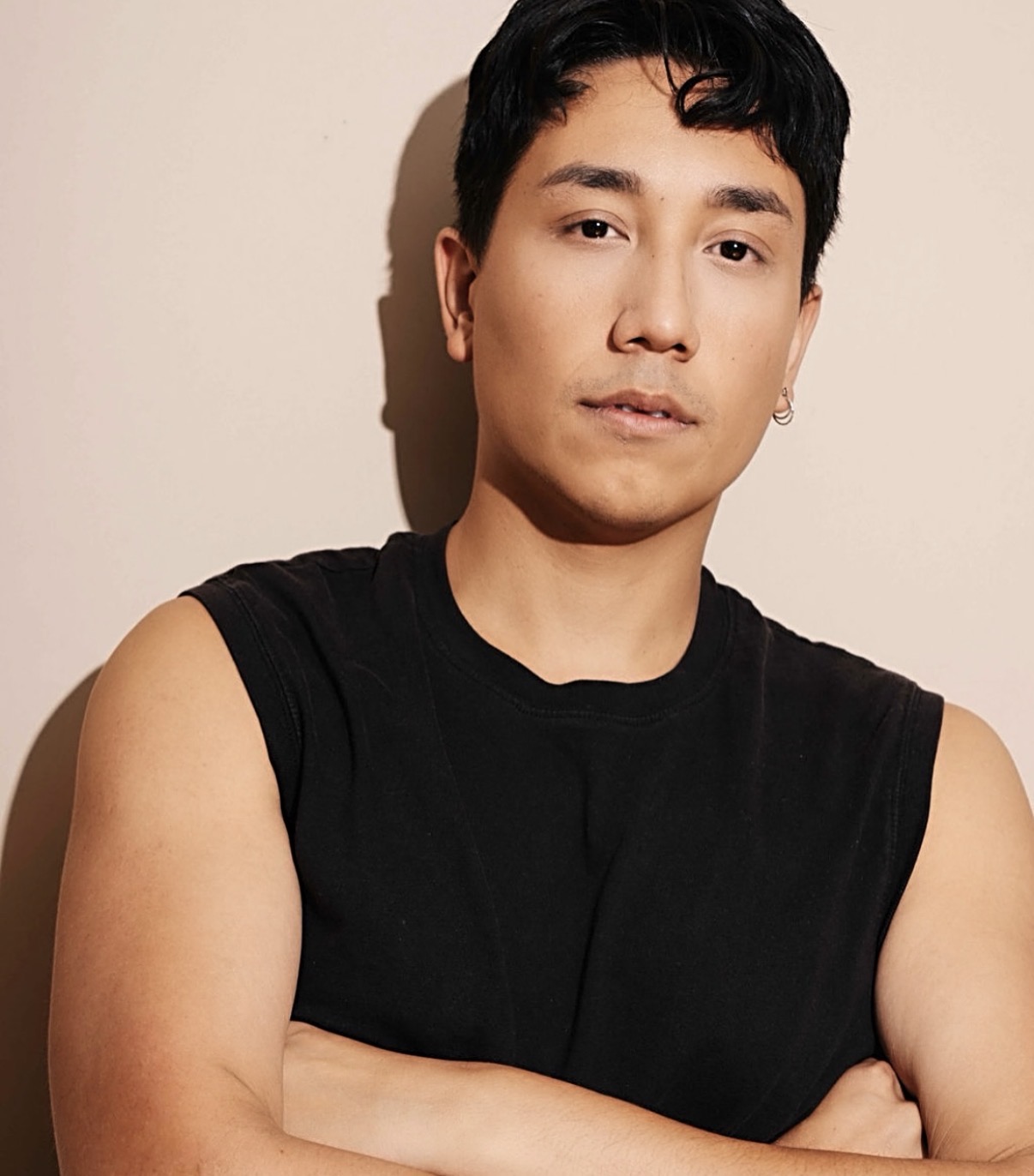
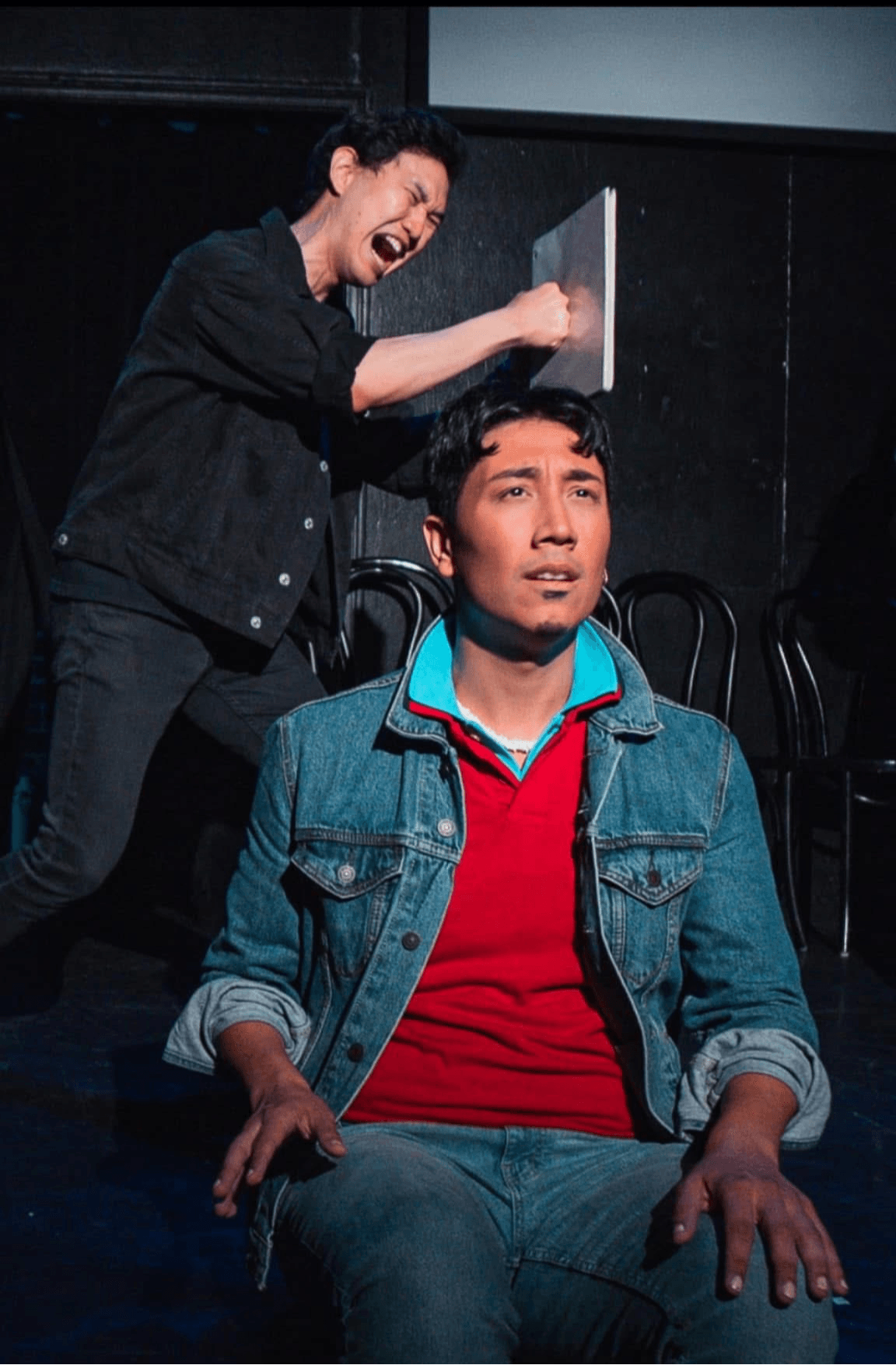
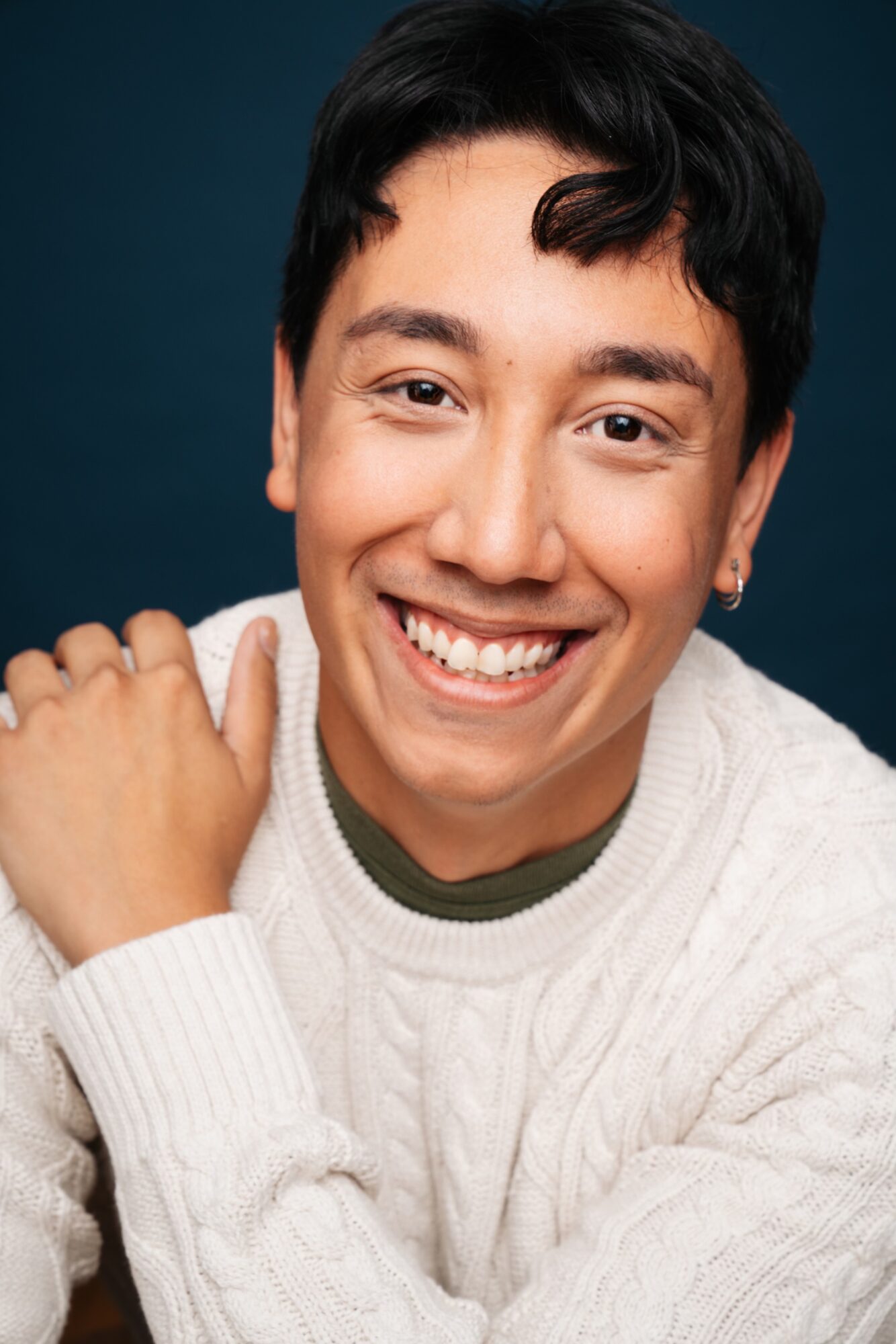
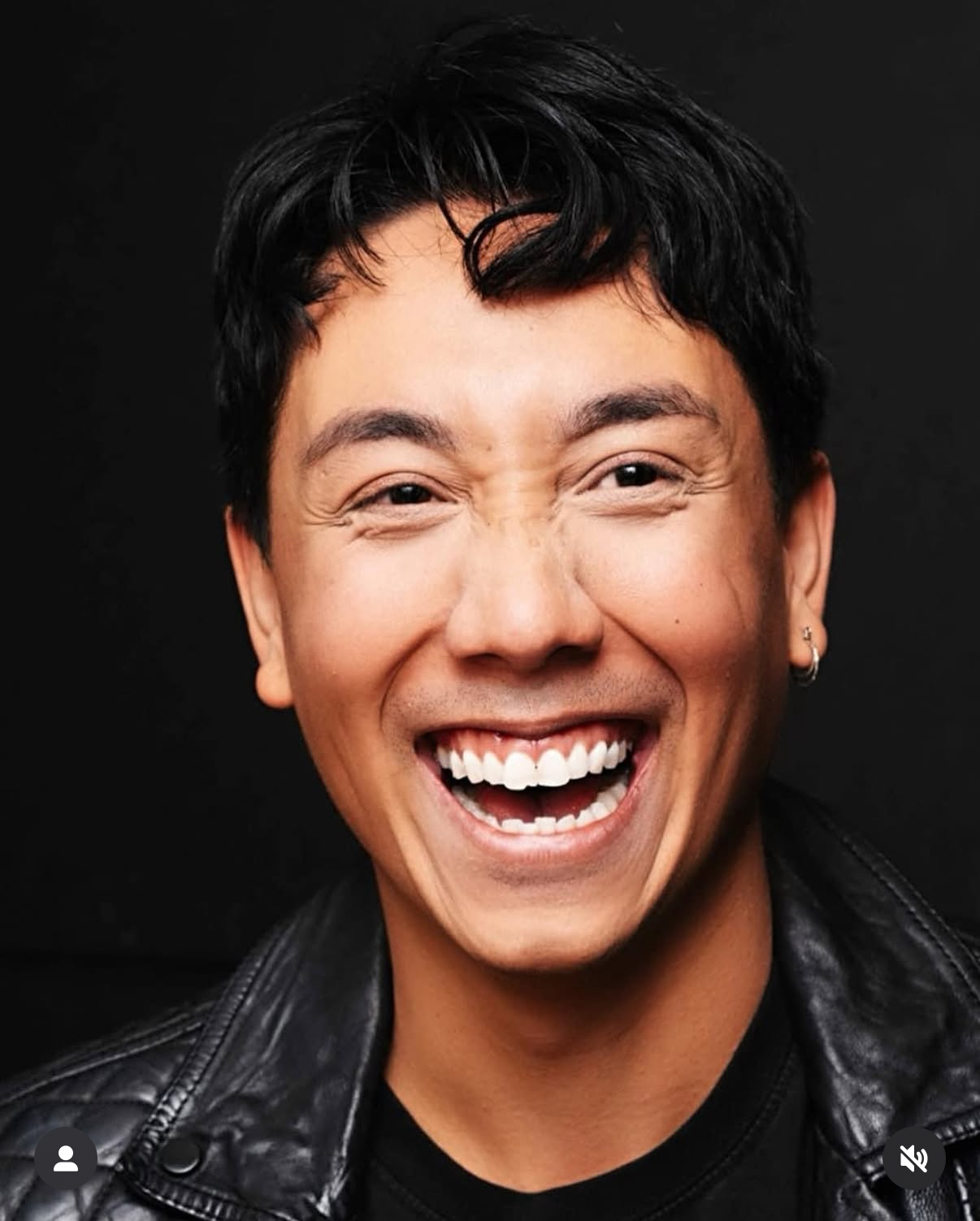
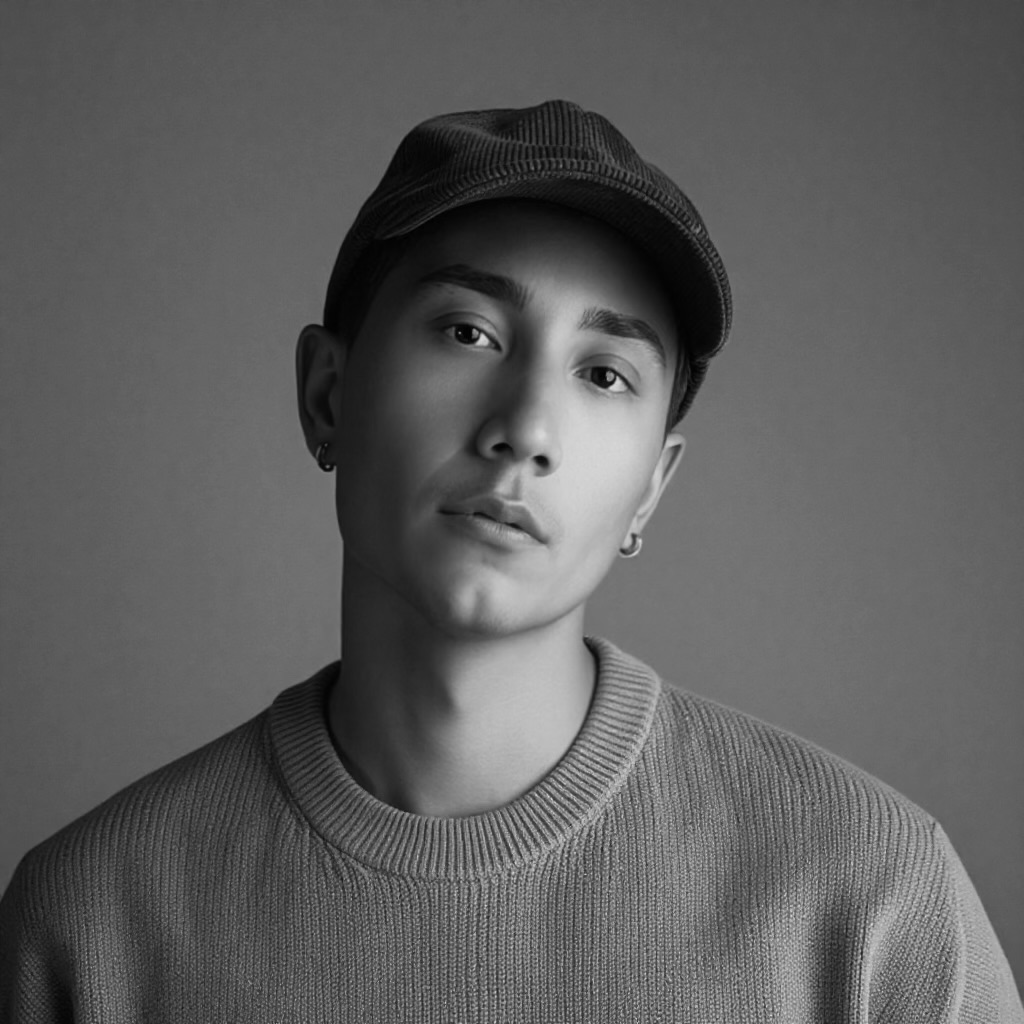
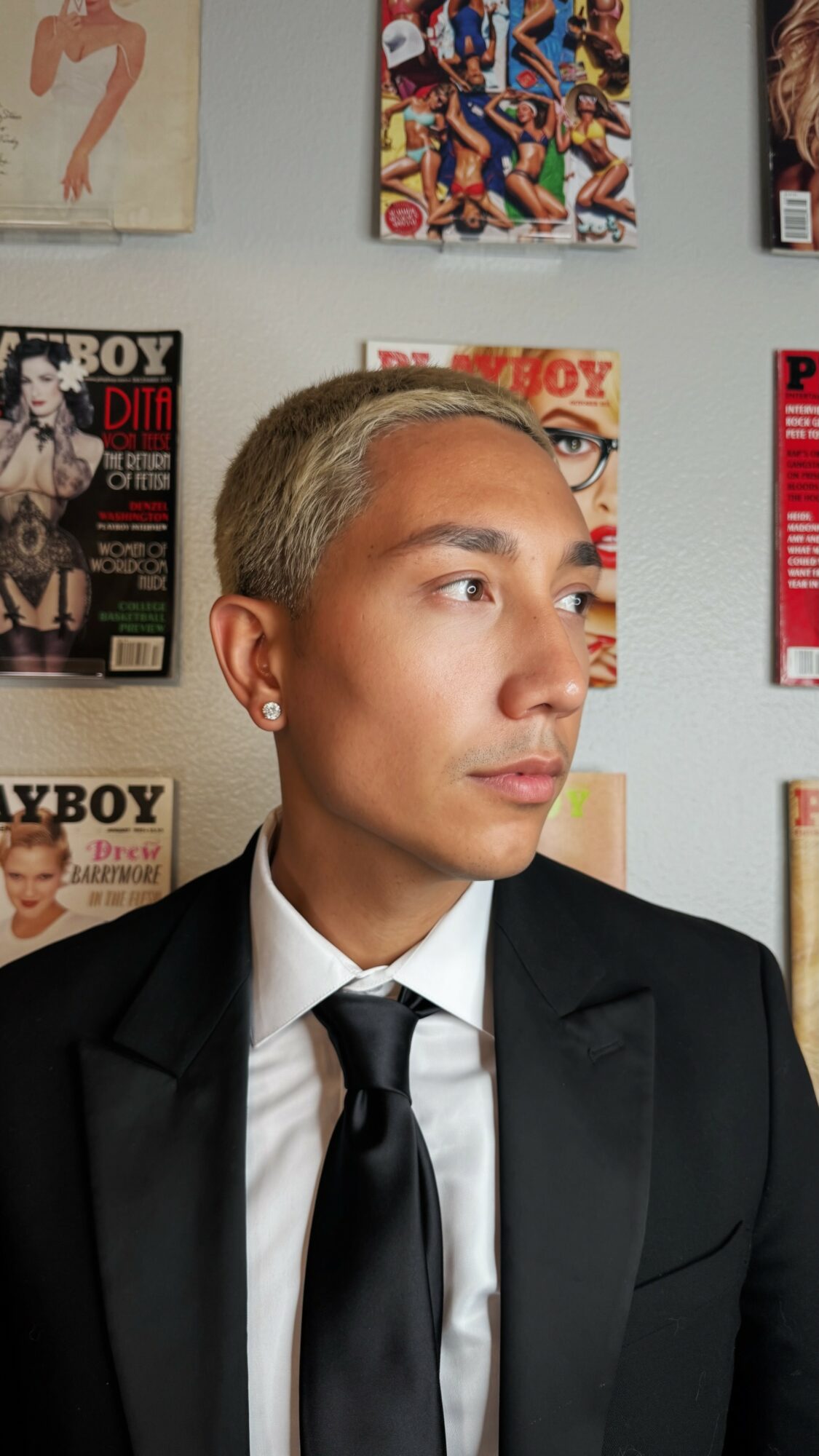
Image Credits
Matt Roukes
keoniphotoco
Vida Robbins
Popular
-

Portraits of the Valley
-

LA’s Most Inspiring Stories
-

Greg Hex Is Turning the Everyday Kitchen Knife Into a Modern Design Object
-

Rick Norris Learned That Building a Successful Business Means Building a Life You Actually Want to Live
-

How Olivia Rush Turned Survival Into a Mission to Help Others Keep Going
-

How Bibi Goldstein Is Helping Entrepreneurs Reclaim Their Time by Embracing the Power of Delegation


