



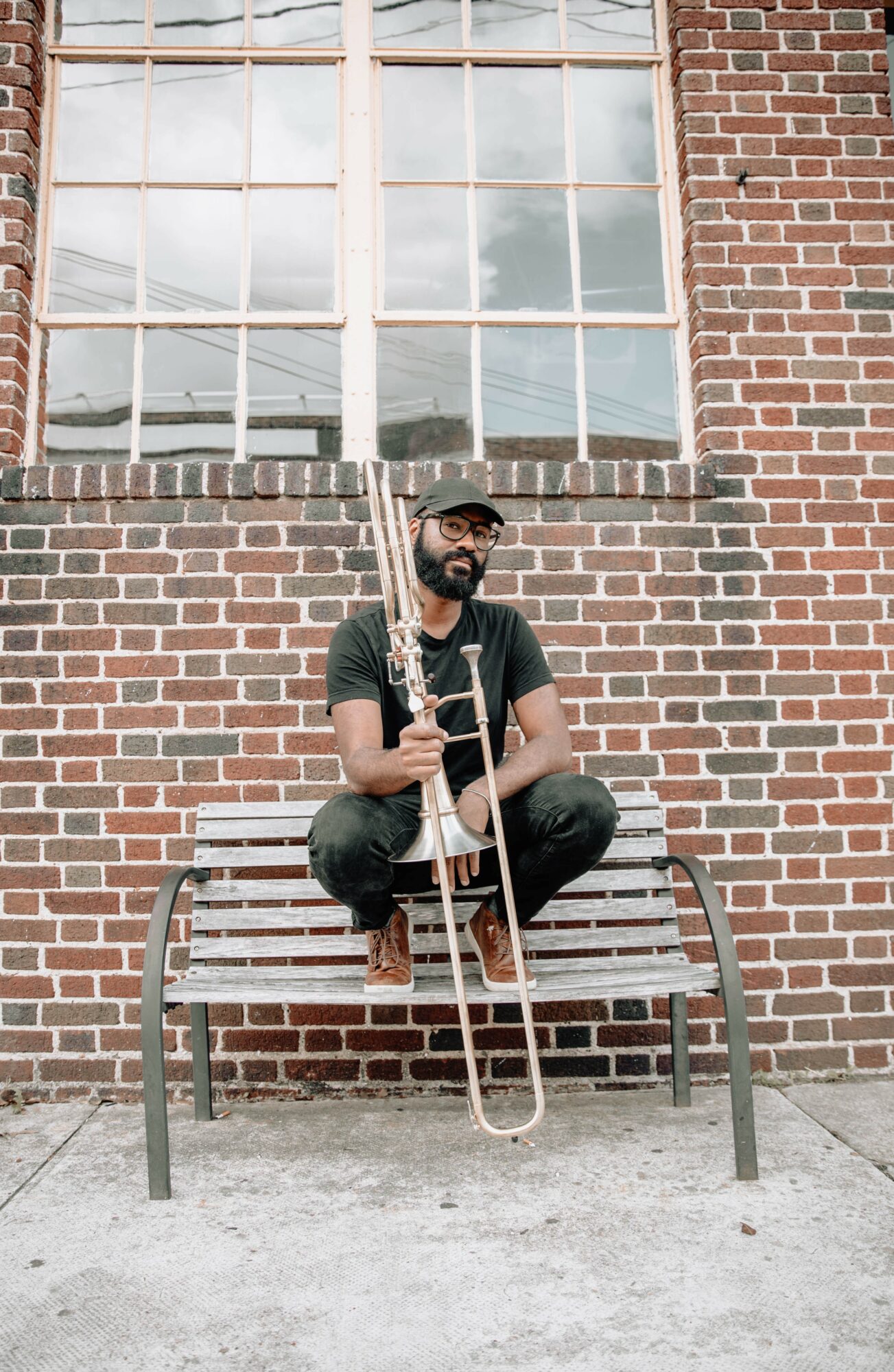
Today we’d like to introduce you to Reginald Chapman.
Alright, so thank you so much for sharing your story and insight with our readers. To kick things off, can you tell us a bit about how you got started?
I started on clarinet, actually. In seventh grade, my band director gave me a trombone. A rebuilt version of that same horn is still part of my working life.
I grew up in Williamsburg, Virginia, playing with the choir at church. That was an early experience of music being something you contributed to, with people who already meant a lot to you. It’s still a big part of how I think about playing.
Richmond opened things up for me. I studied classical bass trombone at Virginia Commonwealth University and helped start No BS! Brass. I was also a barista, playing gigs, writing and recording in the independent music scene. Sometimes we’d be the only brass players at a festival. We couldn’t assume the audience cared about the same things that would excite a room full of trombone players. The music still had to connect immediately without losing what made it ours.
I went on to study with Jim Pugh at the University of Illinois, where I earned my master’s and doctorate in jazz bass trombone. Then came New York, touring, recording, and performing with artists including Lucky Chops, Foxygen, Miley Cyrus, Lainey Wilson, and RAYE. I’ve also played with Jazz at Lincoln Center, and my Broadway work includes Some Like It Hot and Cabaret. I like having to listen and figure out what each situation needs from me.
I’ve kept making my own music alongside that work. Prototype came out in 2018, followed by Accretion in 2023. Pressure Fit developed both as a live band and through production. Those experiences feed into Chaphouse, my Brooklyn-based ensemble, and our album Chronotape.
I’m still drawn to that variety of work. Doing more of my own hasn’t made me enjoy other people’s music any less. But Chaphouse is getting more of my attention now, and I’m excited to see what we do with it.
I’m sure it wasn’t obstacle-free, but would you say the journey has been fairly smooth so far?
Not exactly! When I got to Illinois, I had already been improvising, writing music, and playing gigs. Then I sat down in the jazz ensemble with chord changes in front of me and realized I didn’t know how to deal with them. I’d learned a lot by ear. This was a different skill.
That was humbling. I needed to connect what I could hear to a part of music I hadn’t really studied yet. It didn’t mean the music I’d already made was worthless, but it did mean I had to be a student again. I was still touring with No BS! Brass while I was there, so learning and working kept happening alongside each other.
There was also the question of what I actually wanted to do with all that training. I loved playing the instrument, but I had interests that didn’t fit neatly into one career path. It took time to stop treating that as a problem I had to solve by giving something up.
These days, the challenge is making room for my own music while working in other people’s projects. Writing a piece doesn’t organize the band, keep the charts and recordings in order, or get people to a show. I used to resist that administrative side. I’m starting to enjoy it more because I can see what it lets us keep doing. I’m still figuring out how to give it enough time.
As you know, we’re big fans of you and your work. For our readers who might not be as familiar what can you tell them about what you do?
I’m a low brass player, but my work has grown beyond playing the instrument. I compose, arrange, produce, teach, and sometimes work as an actor-musician. One day I’m building horn arrangements in a DAW. Another day I’m playing tuba in a theater piece while singing and moving. The details change, but I’m always thinking about what the music needs and where I can be useful.
That work has taken some unexpected forms. Music from Prototype appeared in FOX’s Empire. I performed on the Grammy-winning original Broadway cast recording of Some Like It Hot. In My Joy Is Heavy at New York Theatre Workshop, I played trombone and tuba, sang, and became part of the physical world of the show.
Lately, I’ve also been thinking about the music I grew up around, especially gospel, and how it can move through a brass-band setting without losing what makes it specific. I’m interested in songs that people from church recognize in their bodies, while somebody else might simply hear a strong melody and groove. That space between familiarity and discovery is exciting to me.
I think that is the thread connecting most of my work. I like moving between different musical worlds and carrying something useful from one into the next. Producing changes how I arrange. Theater changes how I think about pacing and movement. Teaching makes me explain things I might otherwise leave as instinct. I’m proud that all of those experiences have become part of the same musical life.
How do you think about luck?
Quite a bit. My first trombone was found on the side of the road by my middle school band director, Reginald Bassett. His name was Reginald too, so there were two Reginalds involved before I had even played a note on it. That horn has since been rebuilt and customized, and I’ve used it on some of my biggest professional gigs.
In high school, my band director Steve Turner handed me the bass trombone and put me on tuba for marching band, which meant playing contra. Years later, I ended up playing contra with Lucky Chops. At the time, nobody could have known where either of those decisions would lead.
Ross Walter at Virginia Commonwealth University was incredibly patient with me. I wasn’t always the most organized undergraduate, but he recognized that I was curious and serious about music. He helped me develop the discipline to support that curiosity without trying to make me into a different kind of musician.
Then Jim Pugh came to Richmond, heard me play, and offered me the opportunity to study with him at Illinois. That path eventually led to my master’s and doctorate in jazz bass trombone.
I was doing the work, but each of those teachers saw something in me and opened a door I couldn’t have opened by myself. So when I think about luck, I think about people. I try to remember that whenever I have the chance to help another musician along.
Contact Info:
- Website: https://reginaldchapman.com
- Instagram: https://www.instagram.com/regchapmanjr/
- Youtube: https://www.youtube.com/@reginaldchapman4028
- Other: https://chaphouse.bandcamp.com/album/chronotape
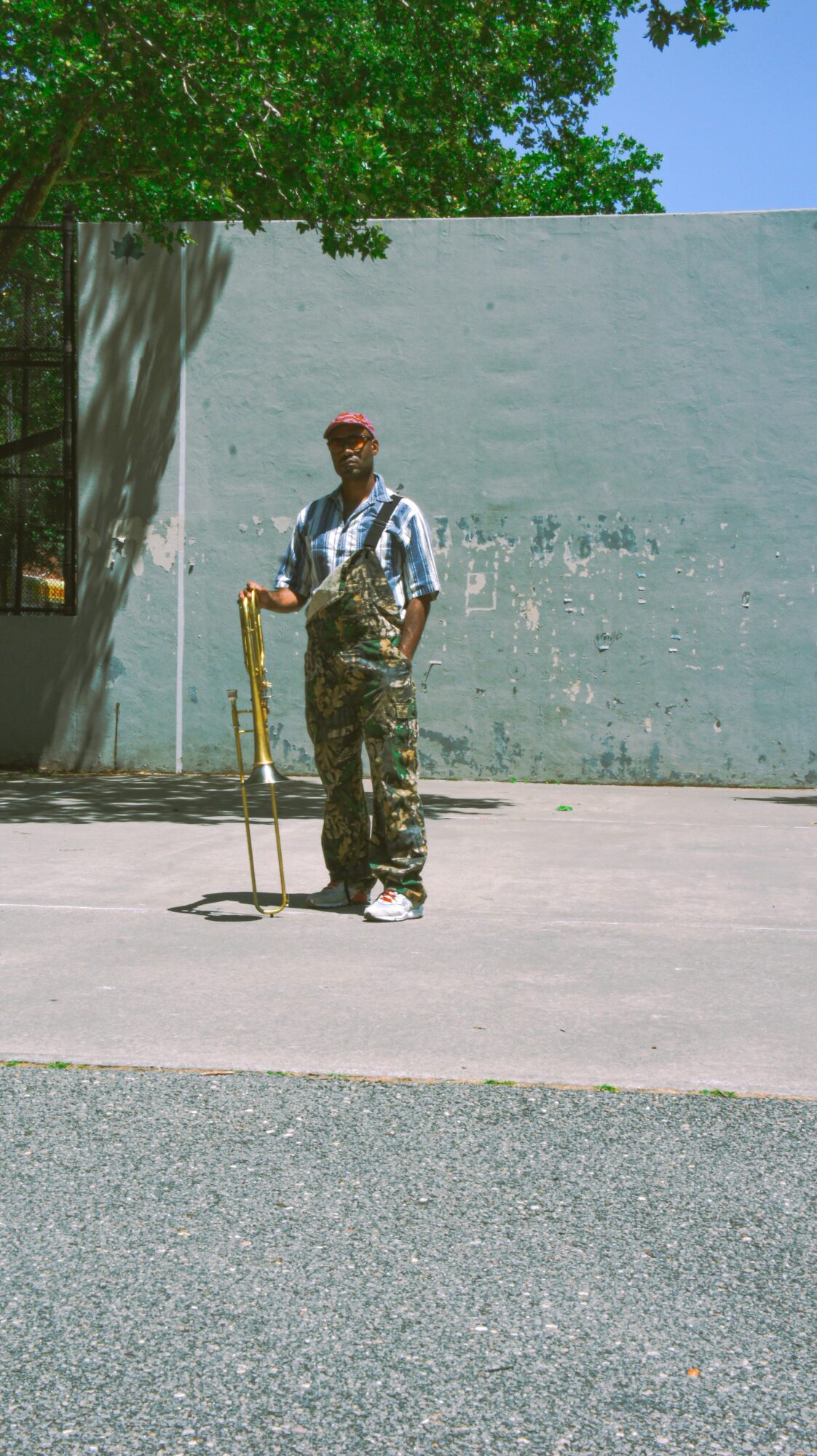
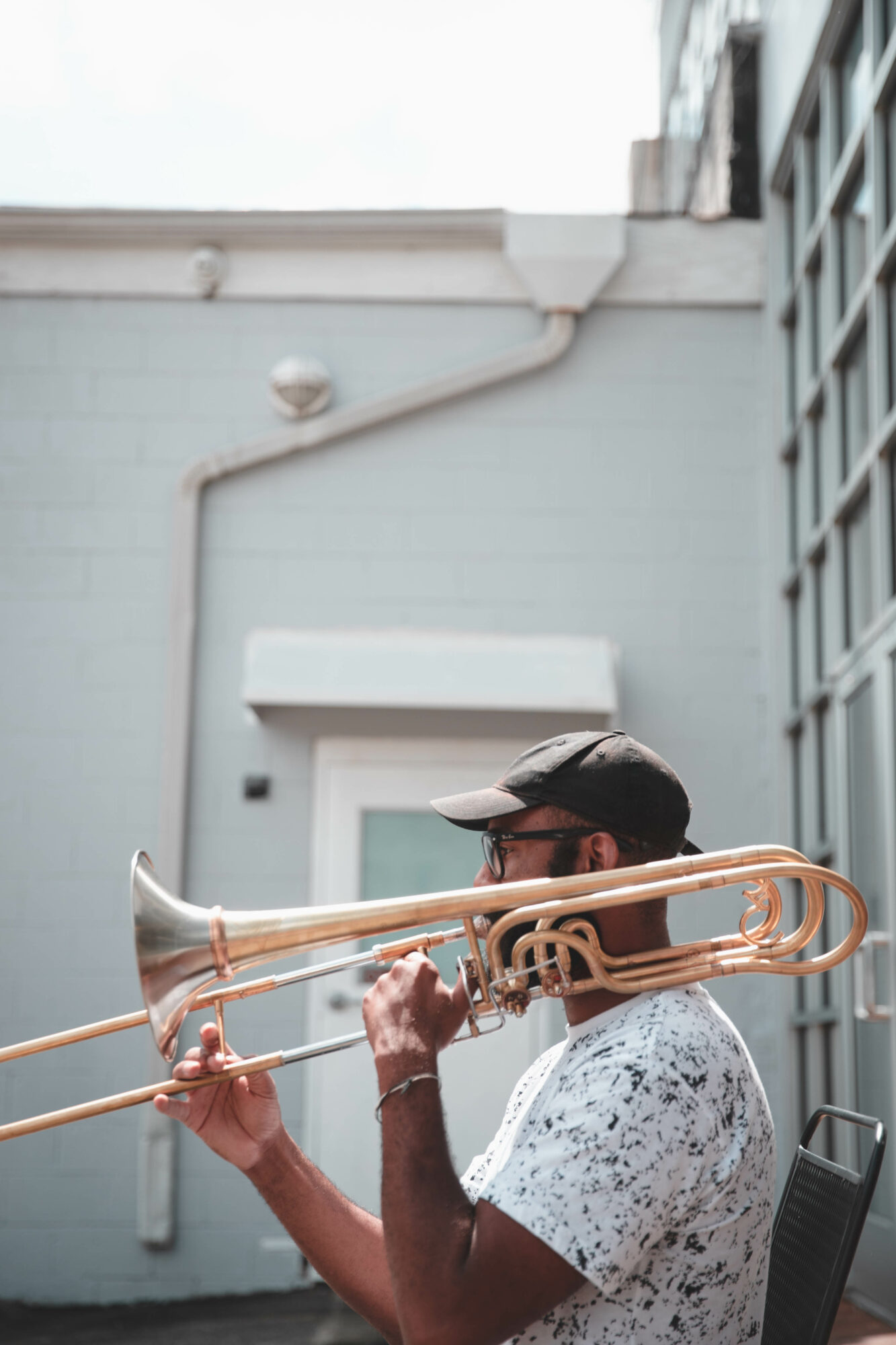
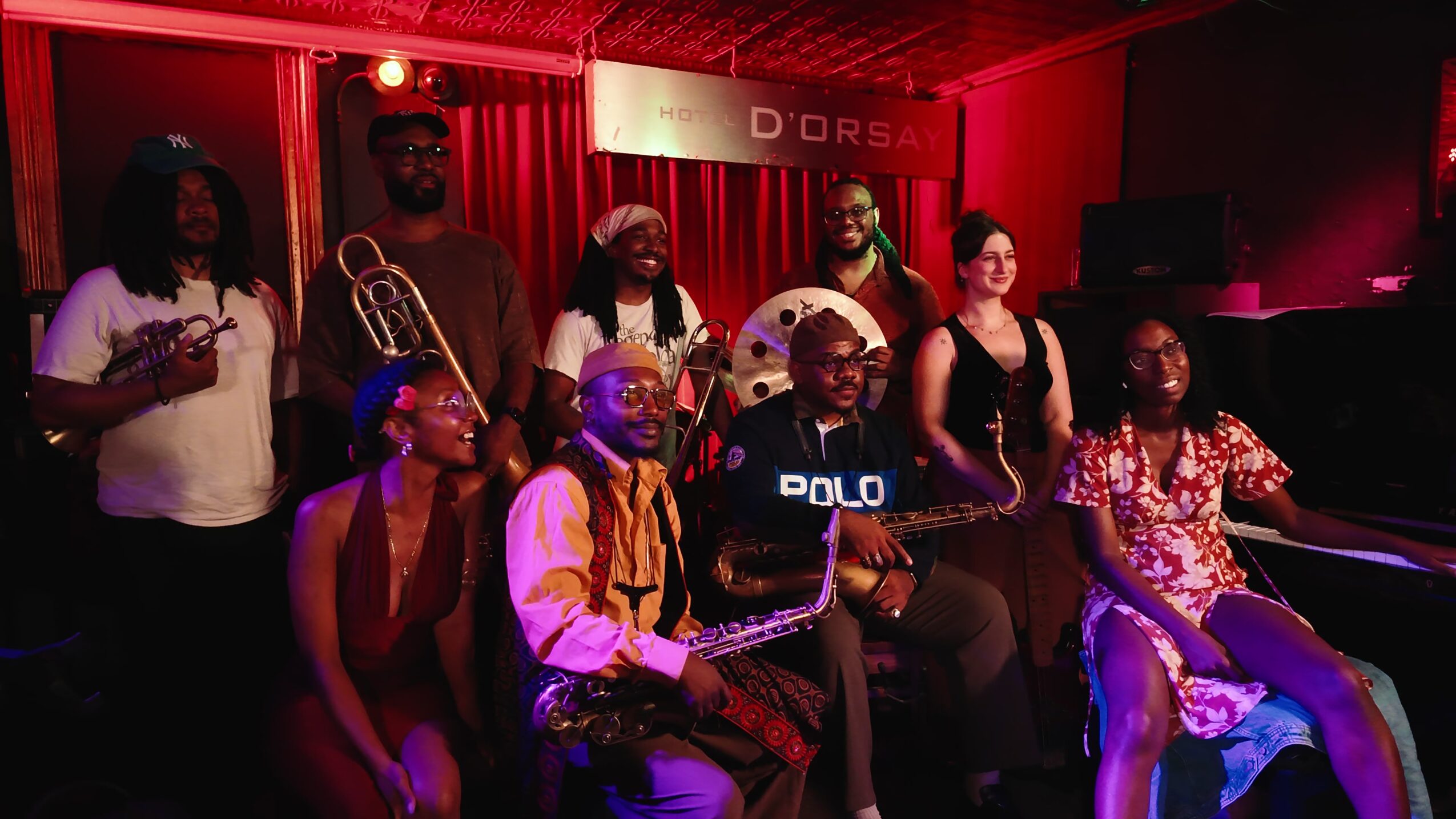
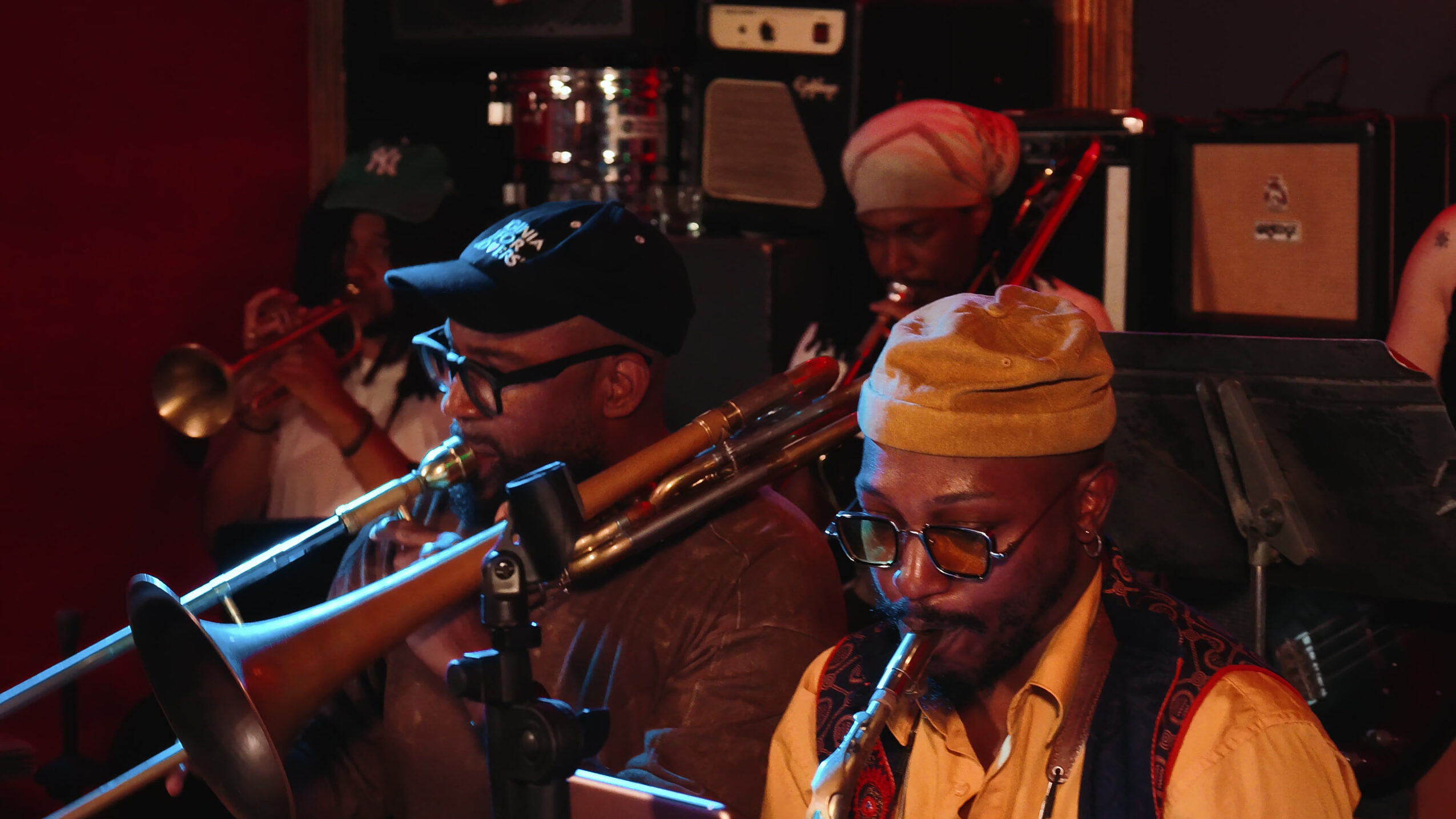
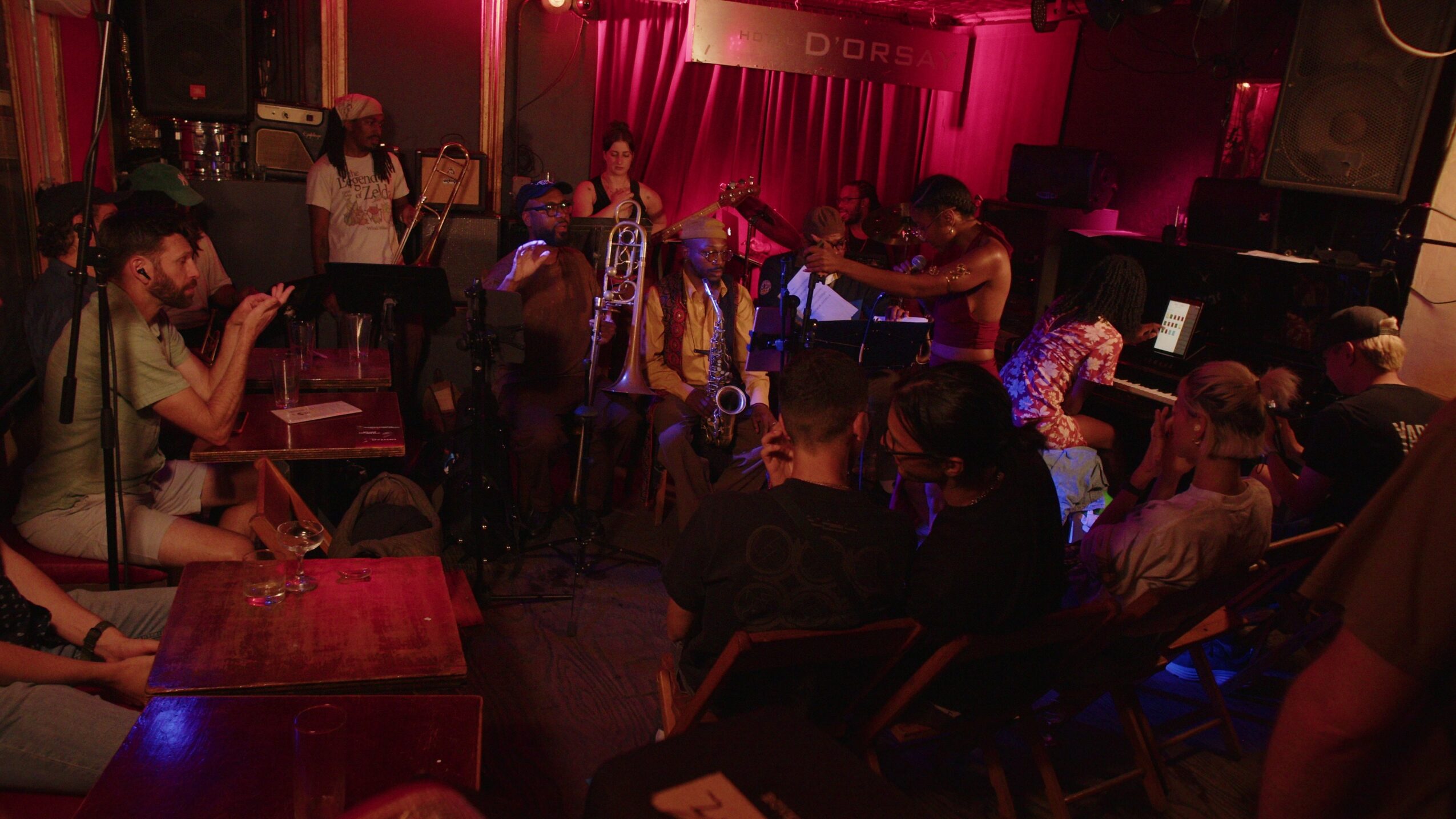
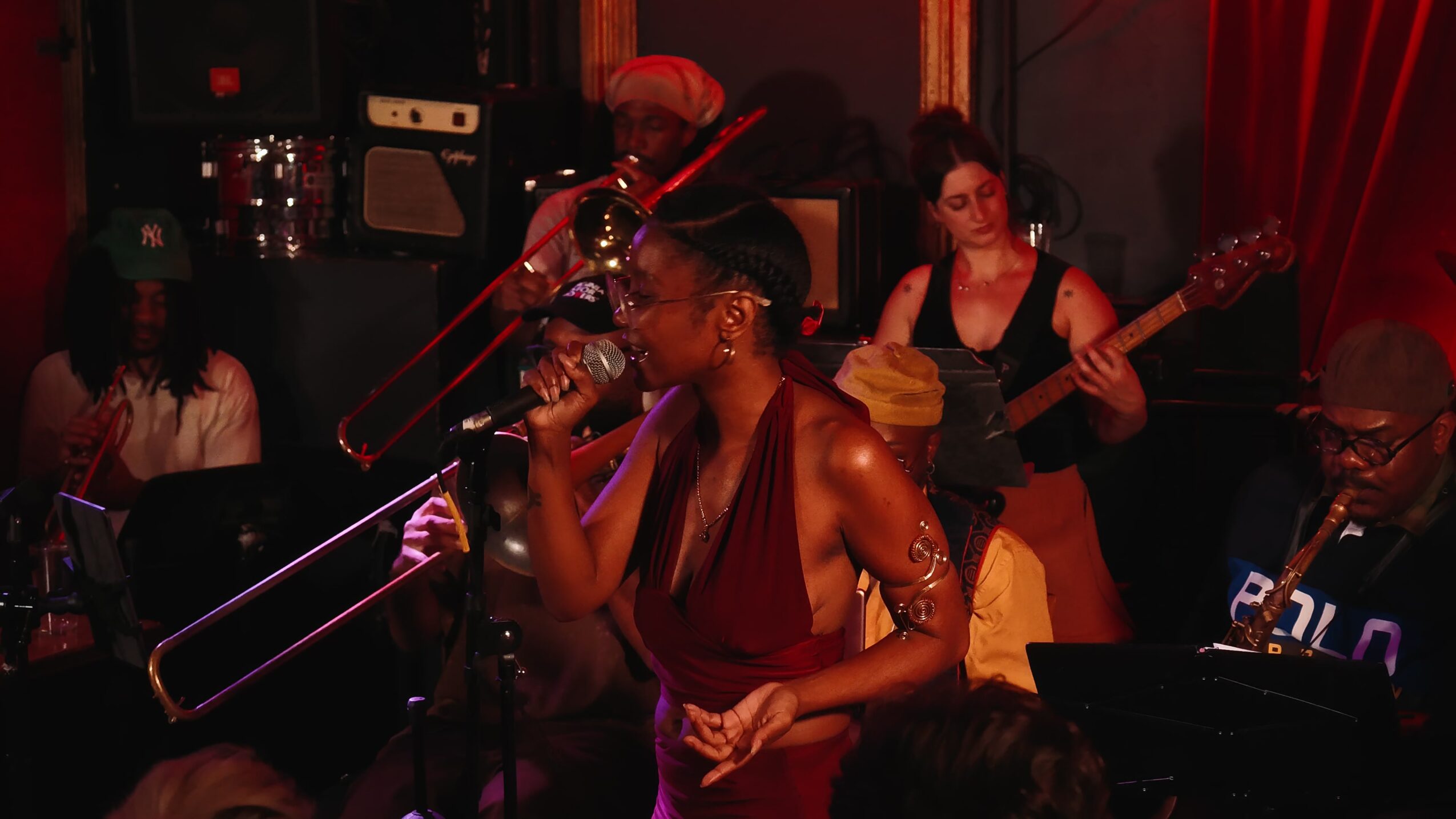
Image Credits
Nick Moore; Ryan Easter; Yardbird Entertainment
Popular
-

Portraits of the Valley
-

LA’s Most Inspiring Stories
-

Greg Hex Is Turning the Everyday Kitchen Knife Into a Modern Design Object
-

Rick Norris Learned That Building a Successful Business Means Building a Life You Actually Want to Live
-

How Olivia Rush Turned Survival Into a Mission to Help Others Keep Going
-

How Bibi Goldstein Is Helping Entrepreneurs Reclaim Their Time by Embracing the Power of Delegation


