



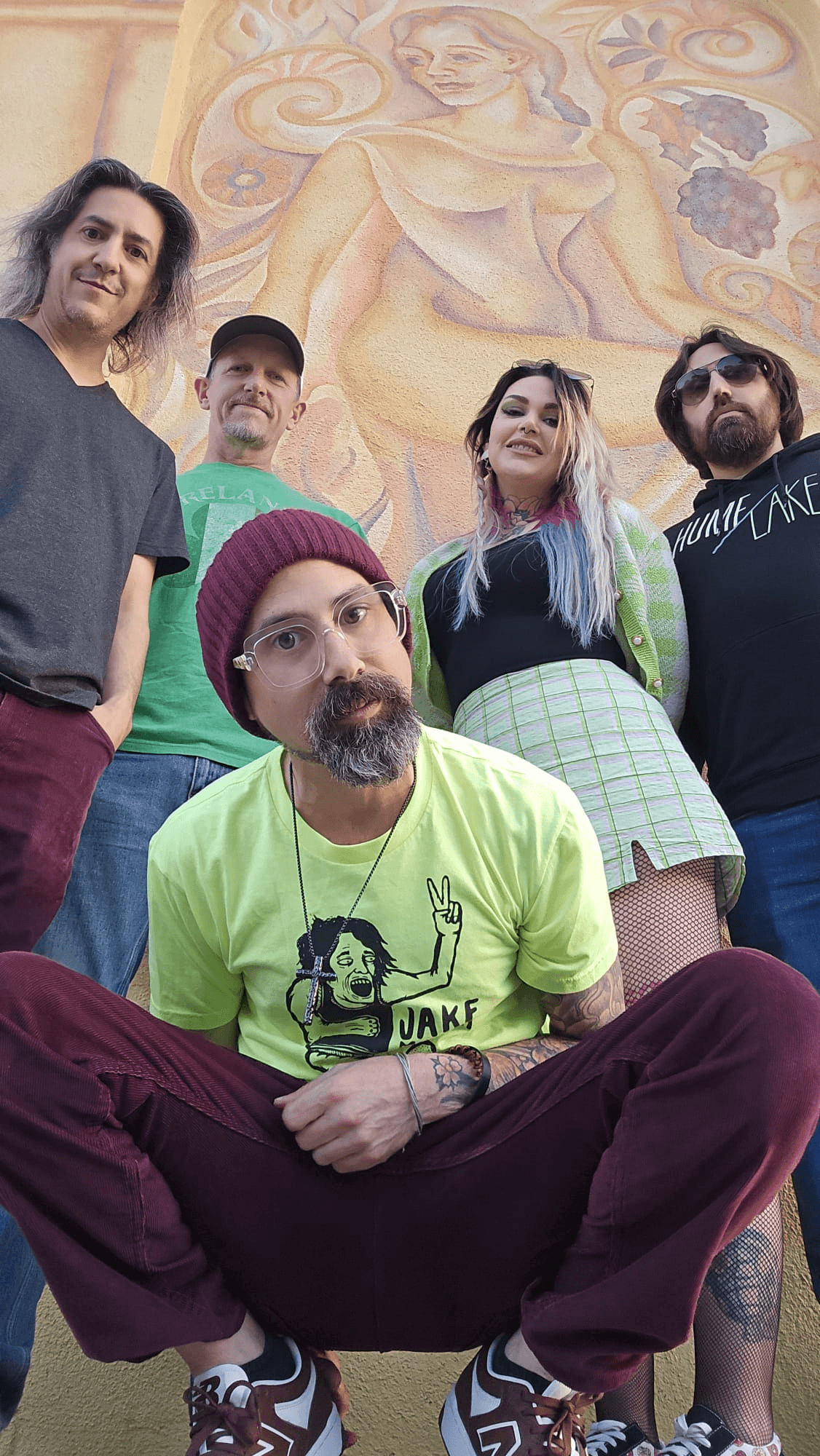
Today we’d like to introduce you to Parade Wave Wes Pagano.
Hi Parade Wave, thanks for sharing your story with us. To start, maybe you can tell our readers some of your backstory.
Parade Wave started with a realization: the songs I was writing needed to sound like me.
I had just finished writing a batch of songs for another group I was playing with. I’ve spent most of my life in bands, usually as the one bringing in the songs. I’d write the music, bring it to the players, and naturally they’d put their own take on it. A lot of times that took the songs into really cool places, but I started noticing that somewhere in the process, some of the original “Wes” inside the song could get lost.
Bands are naturally democratic, and I love collaborating, but these songs felt different. I wanted to hear what they sounded like if I followed my instincts all the way through without filtering them through anyone else.
Then COVID happened. The isolation gave me a chance to be vulnerable in a way I probably hadn’t allowed myself to be musically before. I started writing and recording what would become my first solo album, and Parade Wave grew out of that.
During that time, I also started putting on driveway concerts with a friend’s full-on concert audio gear. It was magical. The neighborhood would come out, spread out in the street, and jam with us. It was insane seeing how much people needed that connection. Music brought everyone together during such a disconnected time, and that meant the world to me. It also changed the way I look at playing live. Gave me a second chance
Parade Wave has now come full circle. For the past few years, I’ve had a solid transatlantic group of musicians behind the project who really understand the vision. They bring their own personalities to the songs without losing what was originally inside them.
Live is where we really get to have fun. We open the songs up, stretch sections, and follow wherever the moment takes us. The crowd becomes part of it, creating something intimate and unique to that room.
I released my first album, Call Me Tomorrow, played festivals including Wonderfront and the Temecula Valley Balloon & Wine Festival, and now we’re working on two new albums, with many more festivals and shows in our sights for 2027.
It’s been really cool watching something that started so personally grow into what Parade Wave is today. Honestly, it feels like we’re just getting started.
Would you say it’s been a smooth road, and if not what are some of the biggest challenges you’ve faced along the way?
Not at all, but it’s funny how things work out. A lot of the challenges have actually become part of what makes Parade Wave special.
I started the first album at home, writing, recording, and building the tracks in my studio. Once most of it was recorded, my buddy Nick, who plays keys with us live, connected me with producer/engineer Justin Ray Miller at Five Points Studio in Tennessee. Since I’m in Thousand Oaks, Justin and I worked through real-time online sessions and really went to town bringing the album’s vision to life.
The songs already had digital drums I created, and Justin suggested adding a live drummer. I’m incredibly grateful we did because the late Tim Very of Manchester Orchestra ended up playing on the album. Tim sadly passed away in early 2026, which makes having his playing on the record mean even more to me.
Distance is probably our biggest challenge. Sarah Walker on bass is from the UK, Nick Sardis on keys is in New York, Mike Georgia on lead guitar is in Northern California, Bob Peyton on drums is in Santa Clarita, and I’m in Thousand Oaks.
Because of that, we rarely get to rehearse together. If schedules line up, we get together the night before our shows; most times, we don’t. I’m incredibly grateful for the talent in this band because we somehow never skip a beat. Everyone knows the songs, trusts each other, and that connection has become a huge part of Parade Wave live.
It’s definitely not the traditional way of doing things, but somehow it works for us.
Appreciate you sharing that. What else should we know about what you do?
I write, record, and produce the foundation of the music, and it all grows off the trees of indie rock, soul, funk, synth-wave, and psychedelic sounds depending on where the song wants to go. I found it’s important to never repeat yourself.
I think what we’re becoming known for is the live experience. The recordings are the starting point, but onstage the songs open up. With the musicians I have around me, we can stretch sections, sit in a groove, improvise, and react to each other and the crowd. No two shows are exactly the same, and I love that.
That’s probably what sets Parade Wave apart for me. There’s a lot of intention in the recordings, but there’s also a looseness and trust when we play live. It can feel intimate one minute and then turn into this big wall of sound the next.
What I love is that it still feels genuine. We’ve played some incredible festivals and released our first album, Call Me Tomorrow, but I’m most proud of the connection and love we’ve built as a family through the music.
From those driveway concerts during COVID to playing festival stages, that part hasn’t really changed. I want people to feel like they were part of something, not like they just watched a band play songs.
Right now we’re working on two new albums and continuing to play live as much as we can. I’m excited because it still feels like there’s a lot of Parade Wave to discover.
In terms of your work and the industry, what are some of the changes you are expecting to see over the next five to ten years?
As we know, everything is moving incredibly fast, especially with AI. I think it’s more important than ever for artists to keep their minds fresh, stay curious, and keep creating their own ideas rather than leaning on technology to do it for them.
Technology is useful, don’t get me wrong, but as a songwriter there’s something irreplaceable about feeling something and creating a song out of nothing. It comes from a human experience, and I think that creates a connection you can’t manufacture.
Those of us who remember what records sounded like 30 years ago have watched music move from analog to digital and now into AI. Every step has brought amazing tools, but I think people still crave something human. You can hear and feel the difference in the sound.
It’s also really cool seeing vinyl and even CDs coming back. People seem to want something physical again. At the same time, I’m seeing younger kids getting excited about picking up guitars and actually learning to play, which gives me a lot of hope for where music is headed.
Social media is obviously a huge part of it too. We’re constantly being shown what everyone else is doing, what’s working, and what we’re supposed to be paying attention to. That can be inspiring, but it can also make artists start chasing what everyone else is doing instead of trusting their own ideas.
I think the next 5–10 years will be about finding that balance. Use the technology, embrace what’s new, but don’t let it replace the human part of creating. At the end of the day, people still want to connect with something that feels real.
Contact Info:
- Website: https://paradewavemusic.com/
- Instagram: https://www.instagram.com/paradewavemusic/
- Youtube: https://www.youtube.com/watch?v=zdJQvJDNT1k&list=RDzdJQvJDNT1k&start_radio=1&t=484s
- Spotify: https://open.spotify.com/artist/5p4CupquagvQYVM6NBC1Hq
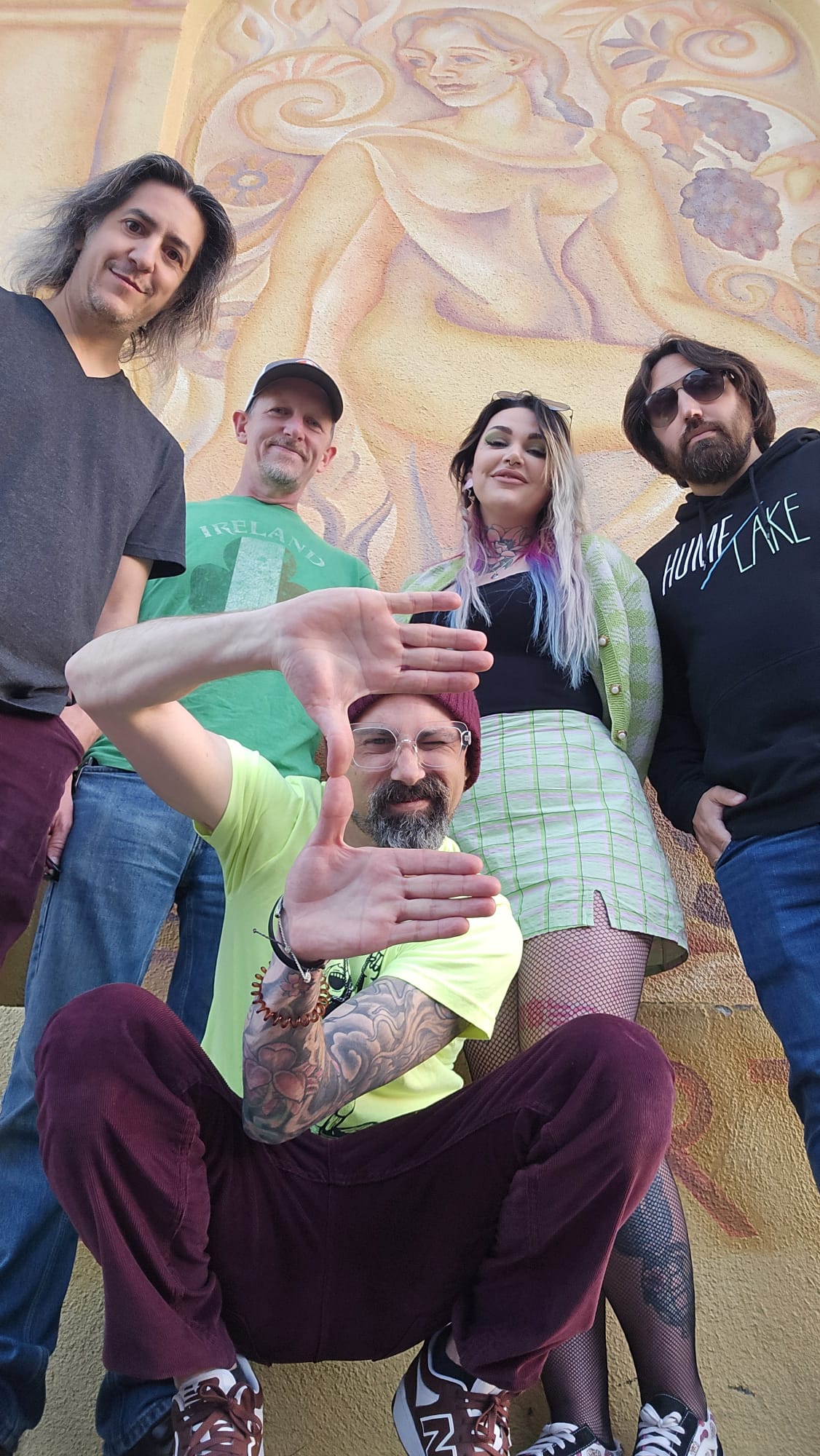
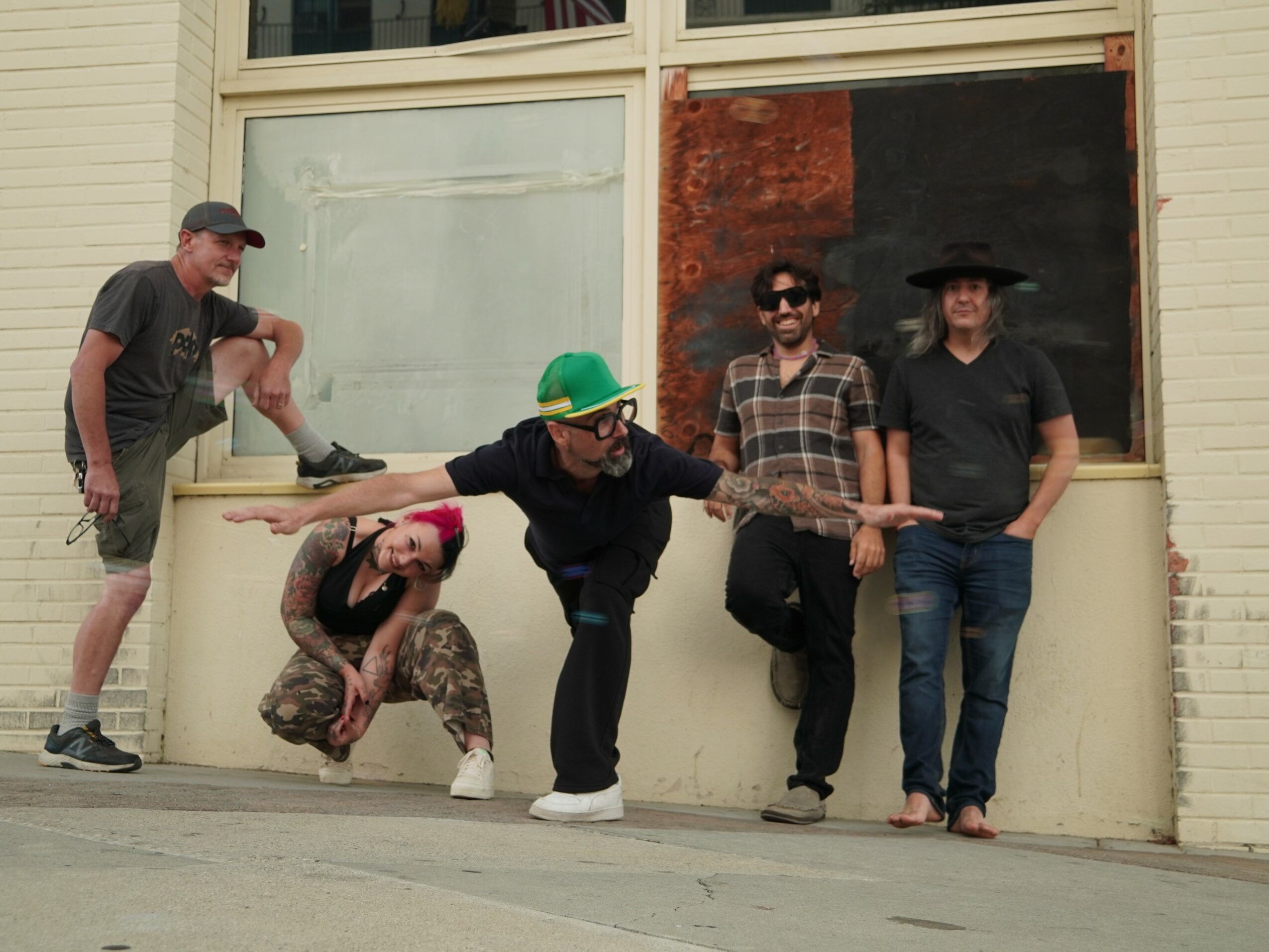
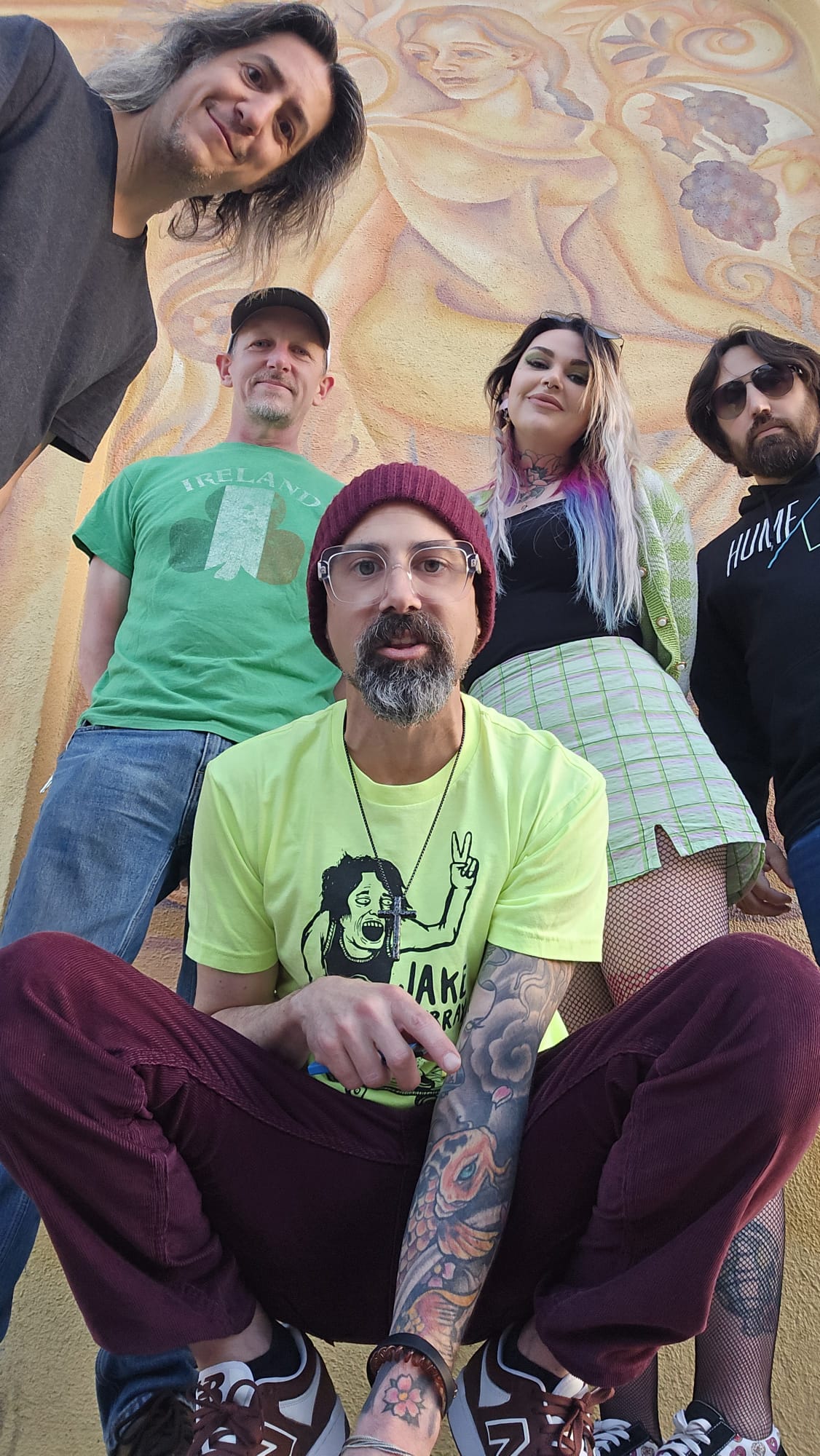
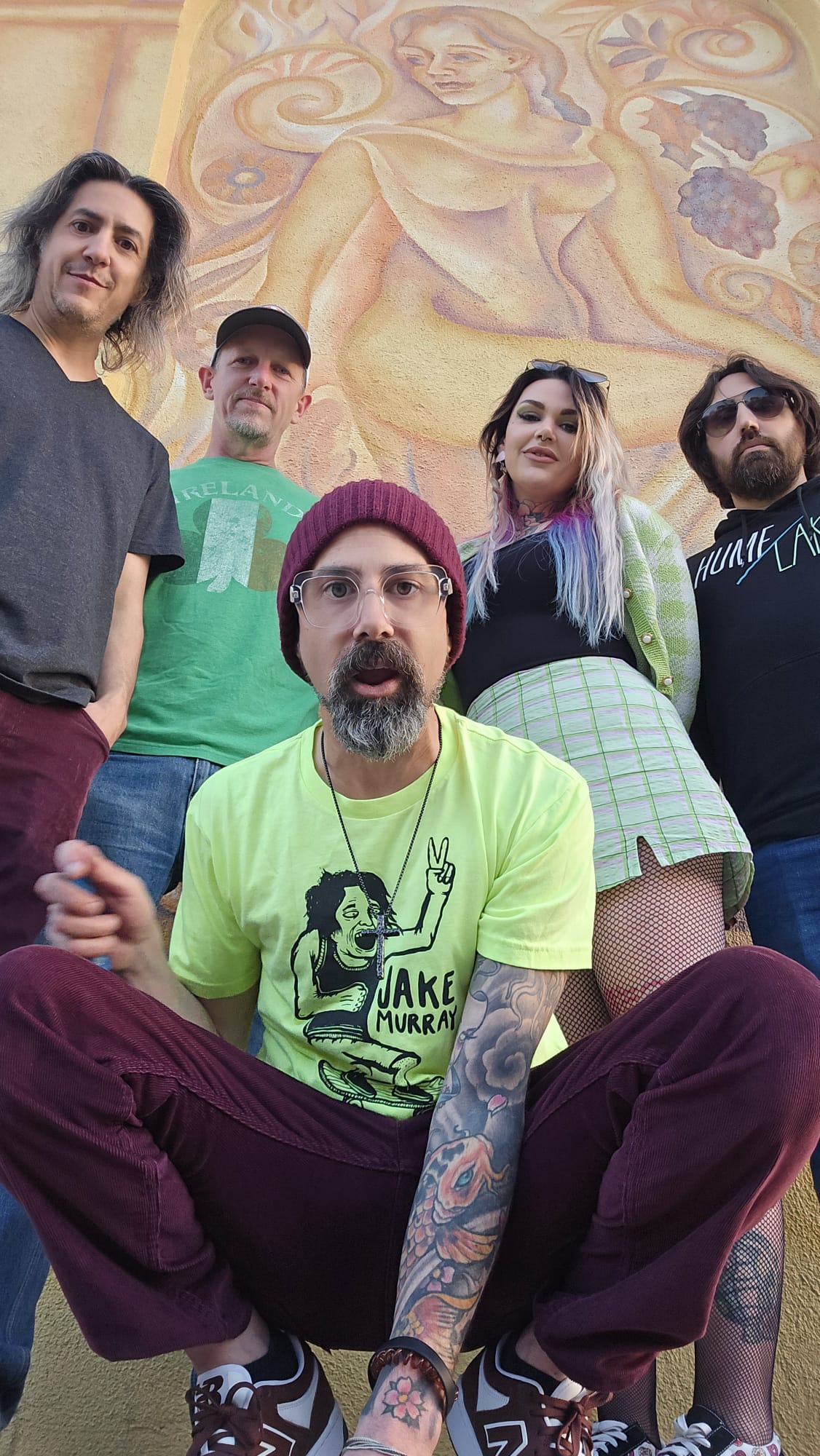
Image Credits
Neha Chakravarty
Popular
-

Portraits of the Valley
-

LA’s Most Inspiring Stories
-

Greg Hex Is Turning the Everyday Kitchen Knife Into a Modern Design Object
-

Rick Norris Learned That Building a Successful Business Means Building a Life You Actually Want to Live
-

How Olivia Rush Turned Survival Into a Mission to Help Others Keep Going
-

How Bibi Goldstein Is Helping Entrepreneurs Reclaim Their Time by Embracing the Power of Delegation


