




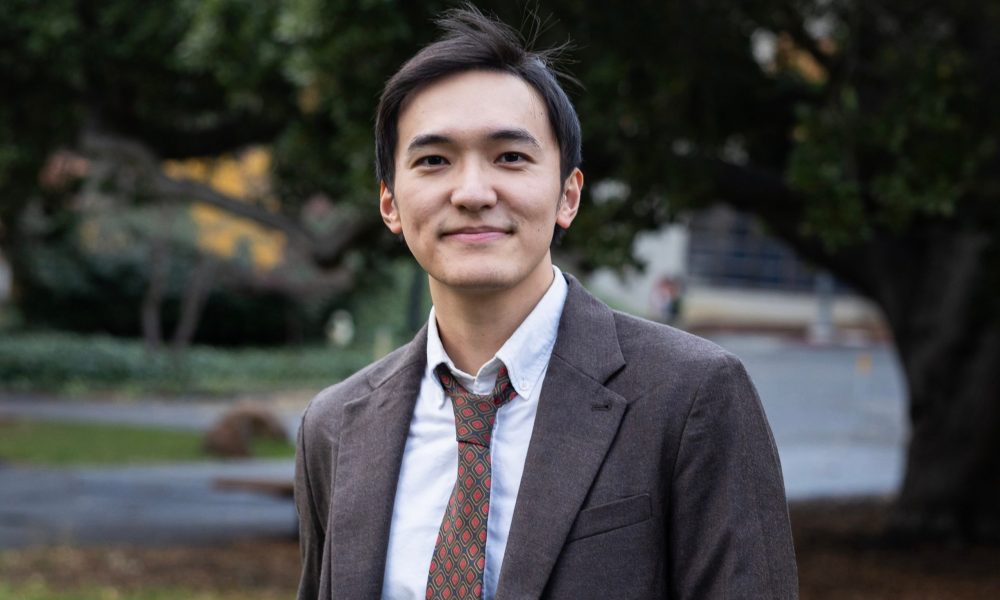
Today we’d like to introduce you to Nuoran Chen.
Hi Nuoran, it’s an honor to have you on the platform. Thanks for taking the time to share your story with us – to start, maybe you can share some of your backstory with our readers.
Hello, I’m Nuoran, a product designer and HCI researcher with a decade of extensive cross-disciplinary design training. My passion lies in design equity, specifically in finding ways to make emerging technologies more inclusive and accessible. Growing up with my compassionate Buddhist grandparents, I was inspired by my grandfather’s tinkering at his maker station, which sparked my interest in drawing, making, and crafting. This led me to pursue seven years of fine art training and eventually enroll in Architecture school for college. As my grandparents aged, I became increasingly aware of the challenges they faced moving around their home in wheelchairs. Why didn’t designers take barrier-free design into consideration at the beginning? Coming to the U.S. study design, I gradually realized how design can inadvertently privilege certain groups while excluding others, a phenomenon not limited to architecture but present in every discipline, including urban planning and product design. Over the past seven years, I’ve dedicated myself to exploring different design disciplines, researching, and creating more equitable solutions to enhance inclusiveness. This journey has involved projects ranging from landscape architecture and product design to VR/AR and academic research.
I’m sure it wasn’t obstacle-free, but would you say the journey has been fairly smooth so far?
Working in design while advocating for equity presents inherent challenges, particularly in building trust and empowering users. It can be disheartening to discover that a research project fails to address users’ real-life needs. For instance, when I published a research paper on d/Deaf issues at CHI2023 and shared it with a deaf friend, his response was unexpected. He pointed out that many solutions in the field are ego-driven, with designers often prioritizing their expertise over facilitating user needs. This mindset persists even in rigid research fields, complicating efforts to work effectively with communities such as those with physical disabilities. When collaborating with such communities, it’s essential to overcome the barrier of trust, especially if you’re perceived as an outsider. Demonstrating compassion, ingenuity, and genuine commitment to the community’s needs is key. For instance, when developing Tactile-link, a platform to enhance tactile graphic learning for people with visual impairment, I immersed myself in the community by attending blind Arduino teaching sessions at a local center regularly and volunteered at the blind center to help organize and know people’s day to day life. This allowed me to forge connections, gain insights, and ensure that the platform truly met the needs of its users.
Alright, so let’s switch gears a bit and talk business. What should we know about your work?
Much of my work centers on the concept of design equity across various contexts and using diverse mediums. This includes critical design addressing environmental justice, particularly through the lens of food colonization, as well as accessible design aimed at empowering disabled groups to engage with emerging technologies such as AI, XR, or tangible interfaces. Additionally, I explore speculative design to envision a more equitable future. In addition to my design work, I contributed to the curriculum design for the Design Equity and Justice class at UCB, where I helped educate future designers on integrating justice into their design processes. A notable recent project, undertaken in collaboration with four teammates at the MIT hackathon, is RecoVR, a VR tool utilizing EMG musical signal patterns to enable amputees to regain control of a virtual arm. This innovation not only assists amputees in managing phantom limb pain but also provides a novel way for individuals without hand access to engage with VR. RecoVR garnered three prizes at the hackathon and received significant recognition from investors.
The crisis has affected us all in different ways. How has it affected you, and any important lessons or epiphanies you can share with us?
The pandemic starkly revealed the vulnerability of our communities, particularly among disadvantaged groups. While participating in a design challenge at UPenn during this time, I discovered a significant issue: many older individuals without internet access struggled to secure vaccination appointments. Unfortunately, this realization came only after we witnessed the loss of countless lives, particularly among those already disadvantaged by existing service designs. This experience highlighted the systemic nature of equity issues, which often remain unnoticed until crises like the pandemic occur.
Contact Info:
- Website: https://www.ronanchen.com/
- Instagram: https://www.instagram.com/nuorandesign/
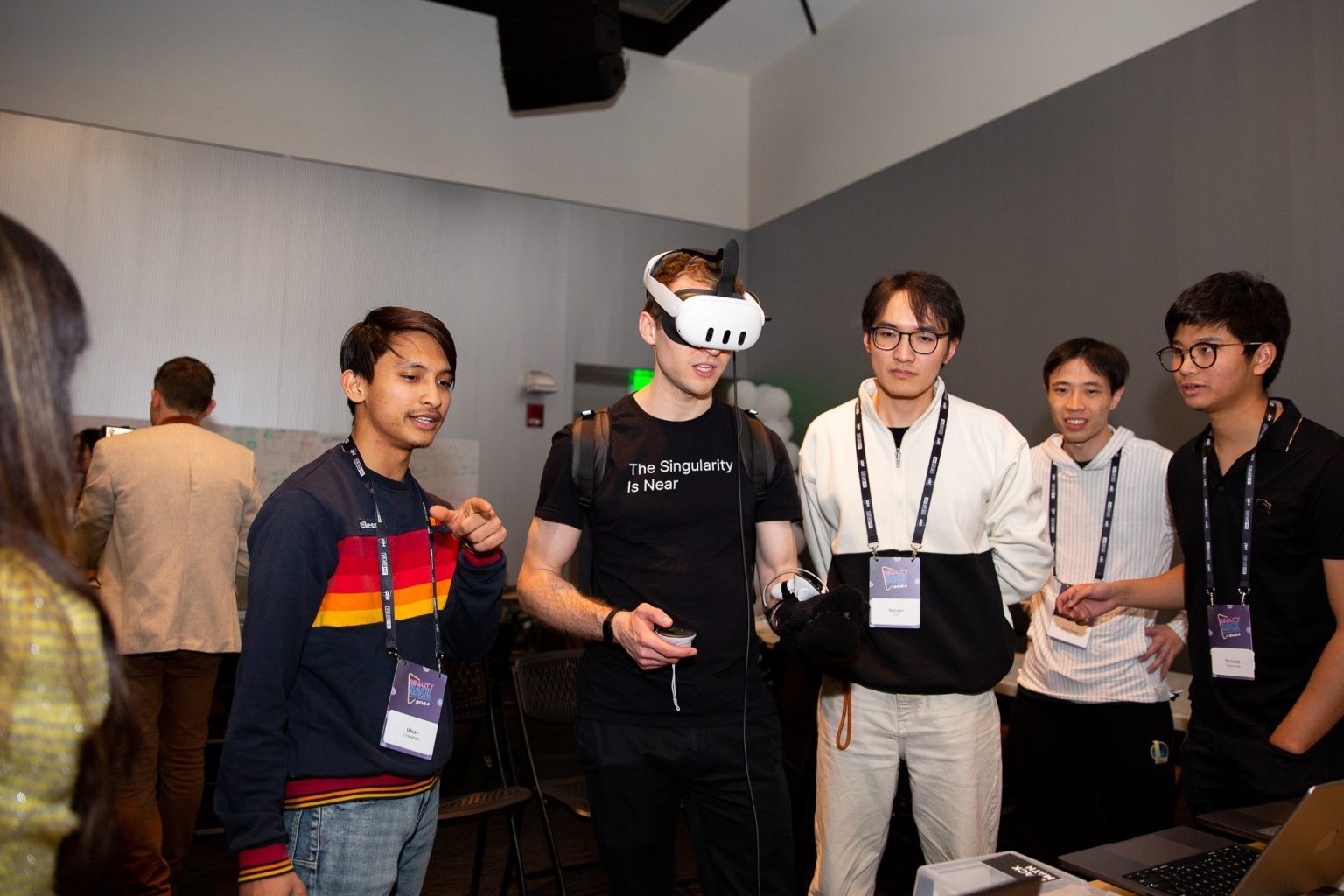
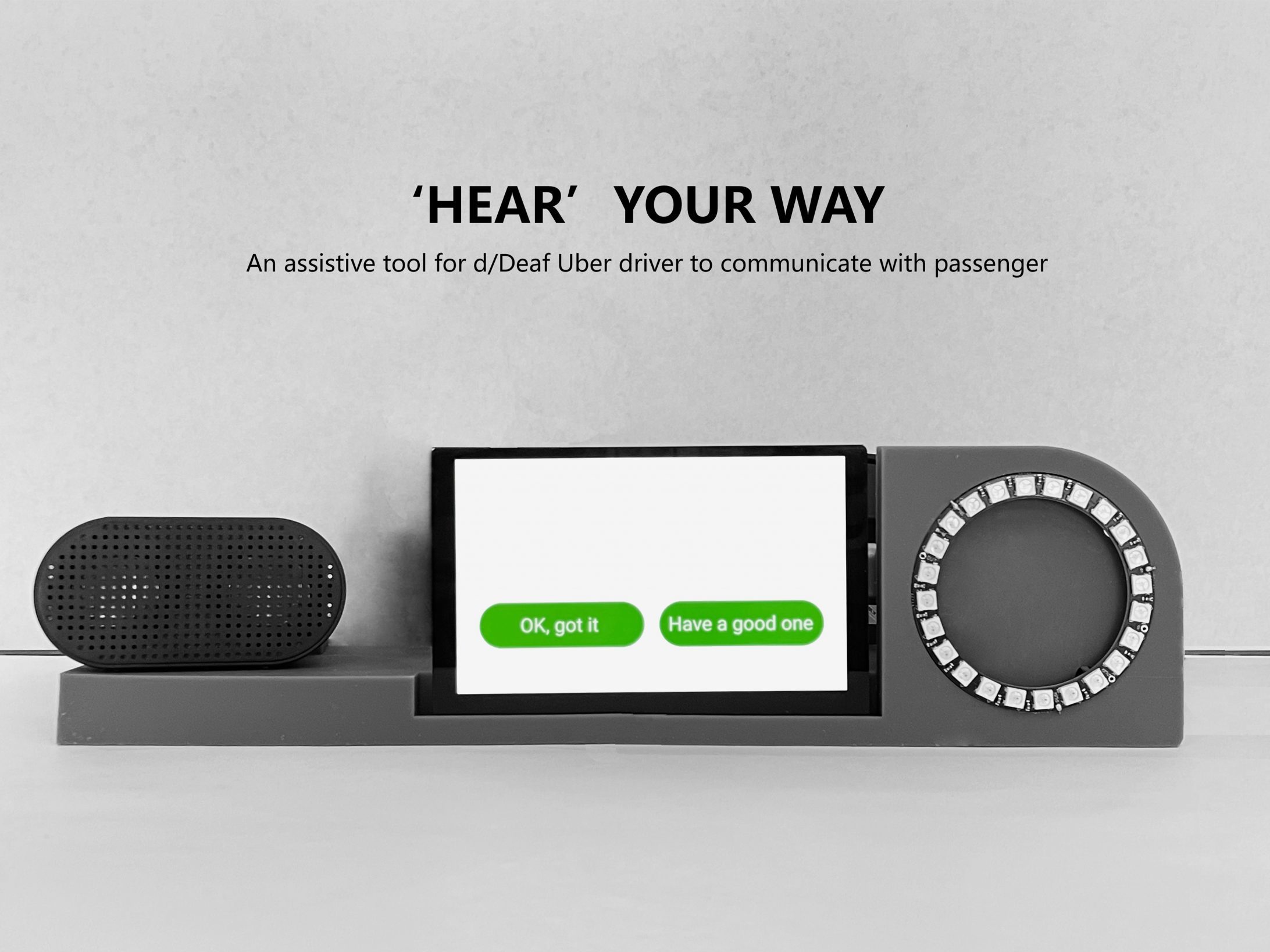
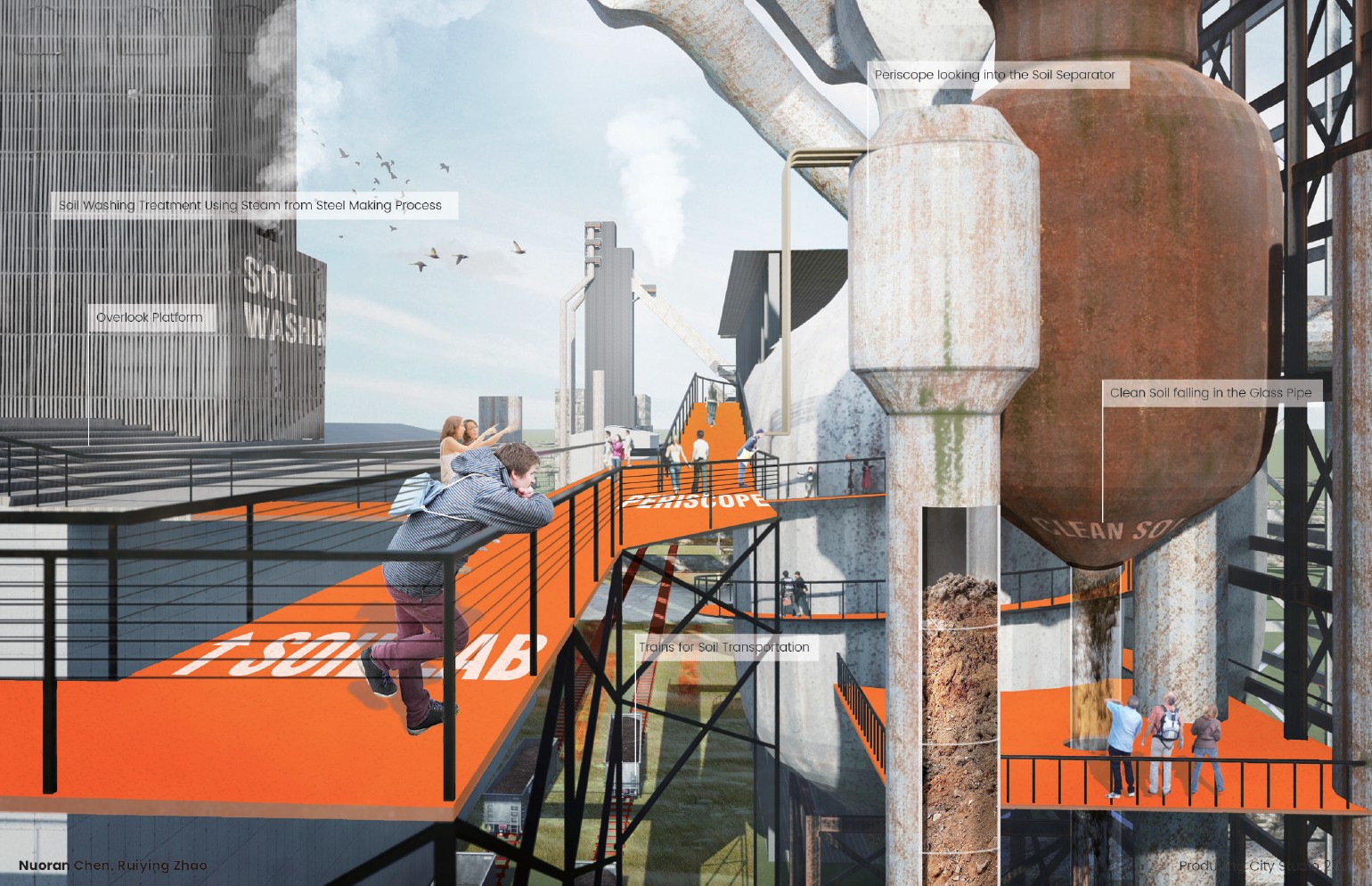
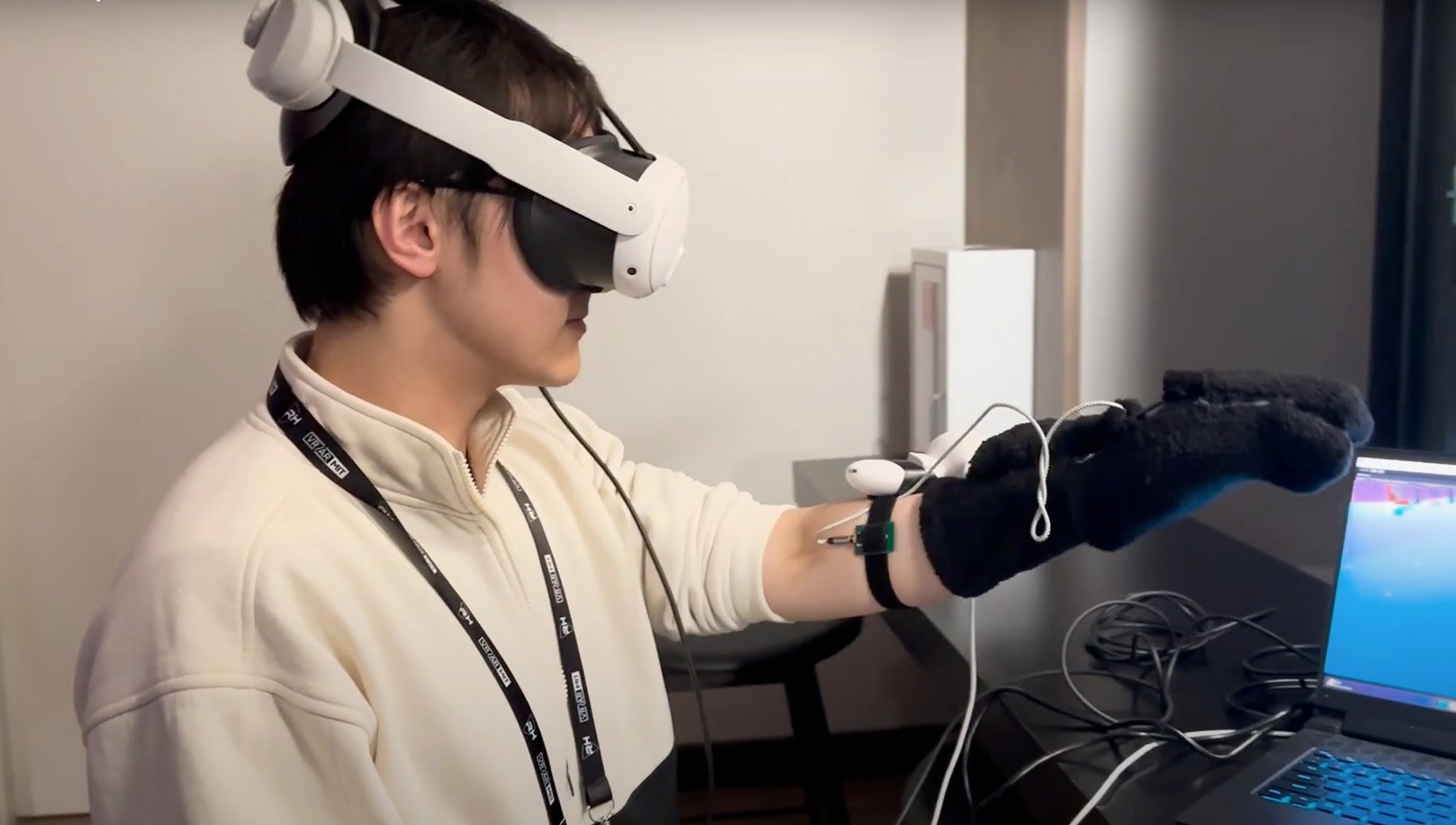
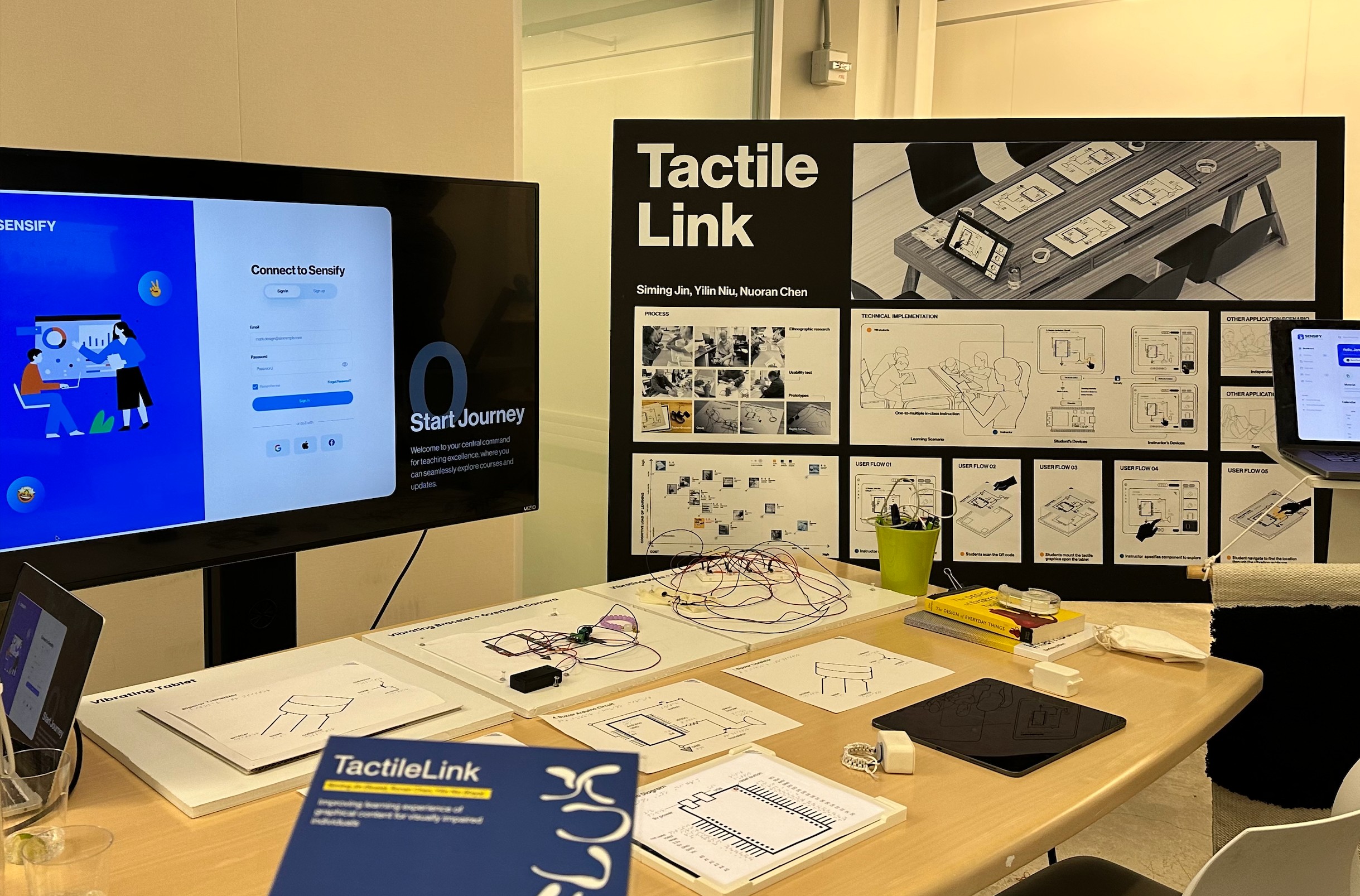
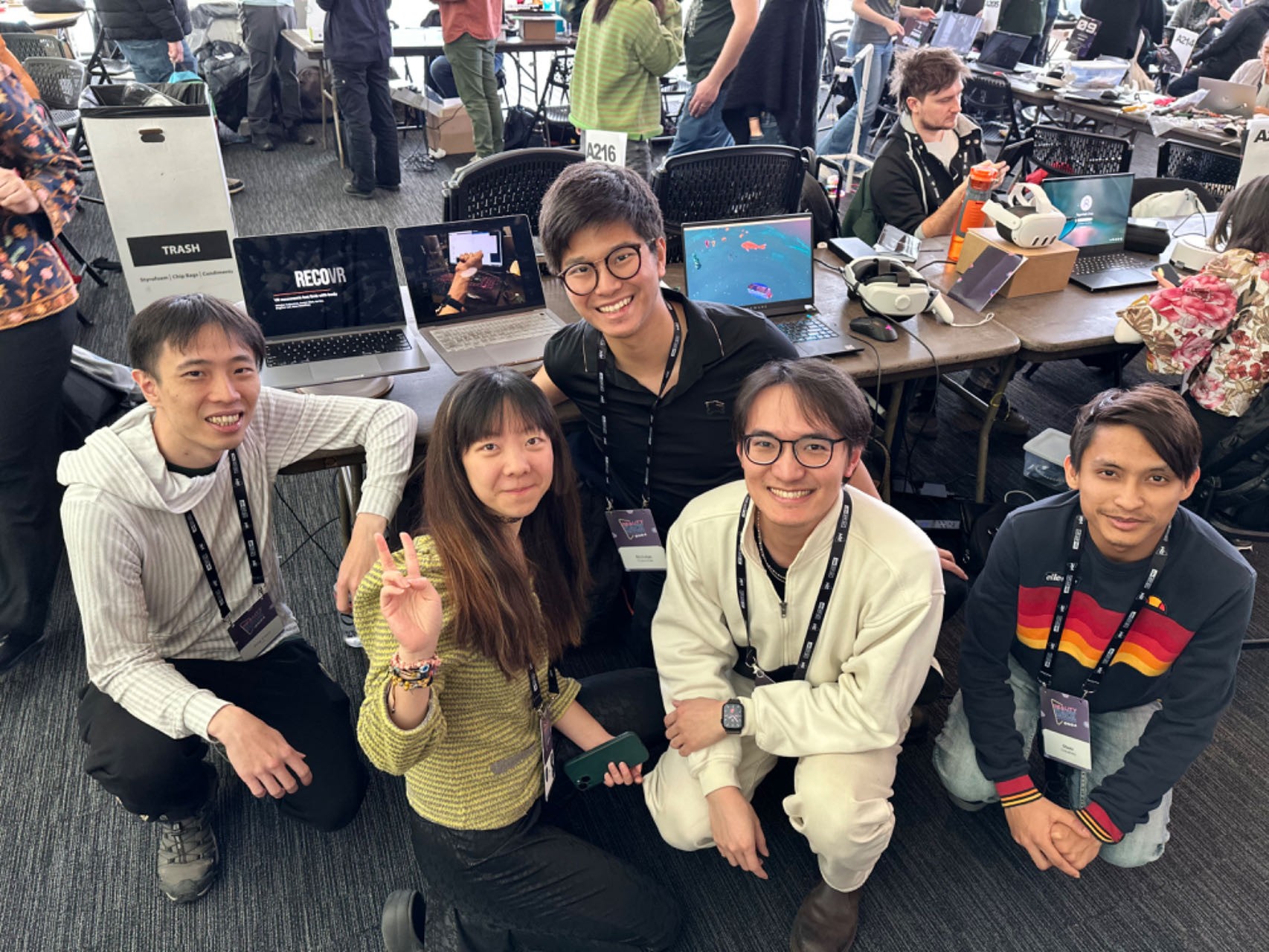
Image Credits
Sean Chee
Popular
-

Que Johnson on Building Brands That Last: From Visibility to True Market Authority
-

Christina Wren Steps Into the Director’s Chair to Tell Stories That Feel Like Home
-

Portraits of the Valley
-

LA’s Most Inspiring Stories
-

JordanL on ‘Breathe,’ Belief, and Building a Movement Beyond the Music
-

Megan Birney Rudert on How Access to Light Is Powering a More Sustainable and Equitable Future


