



Today we’d like to introduce you to Nick Cahill.
Nick , we appreciate you taking the time to share your story with us today. Where does your story begin?
I grew up spending two weeks every summer camping in Yosemite, this was our family vacation. My dad would commute back home during the week, and come back for the weekends. Those trips gave me an early connection to wild places and are a big reason I make fine-art landscape photography today. I learned early that getting outside, paying attention, and waiting for the right moment could be its own reward.
But I first picked up a camera for a much less artistic reason. I was building a racecar in my parents’ garage and wanted a way to document the process when I was working alone. This was before social media, when internet forums were where you shared progress and learned from other people. I was putting so much time and money into the car that I bought a camera and taught myself how to use it. At first, it was just practical. I wanted better photos of the build and did not want to rely on someone else to take them.
Racing was expensive, and I realized I needed a career that could support it. I enrolled at Sierra Nevada College in Lake Tahoe, where I studied and got a degree in Business Management and Digital Arts. In one of my early photography classes, I made a black-and-white 4×5 film image at Sand Harbor. Seeing that first print come to life in the darkroom changed something for me immediately. Photography stopped being only about documenting what I was doing and became a way to find beauty in everyday places.
During my final year at SNC, I landed a video-editing internship with SOFREP, which became Force 12 Media. A week later, I was on my first professional production in Las Vegas, and before graduating I traveled to Poland to film the Polish GROM special forces unit. That experience led to a full-time role as Media Director, where I spent six years filming and editing stories around the world before moving into freelance work.
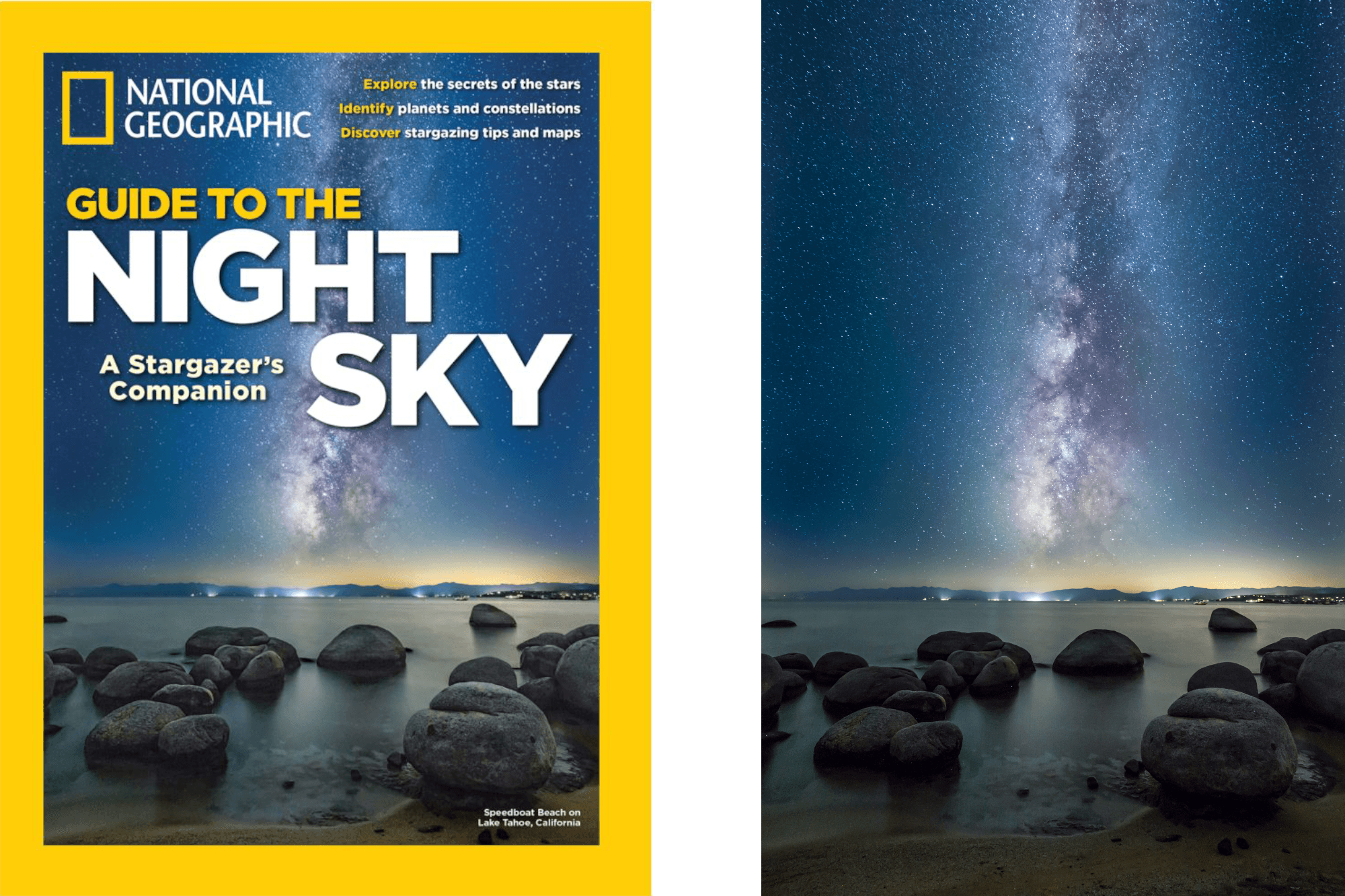
Today, I work as a director of photography and photographer for clients including The North Face, Arc’teryx, Patagonia, Red Bull, and Outside TV and many others. I have photographed a National Geographic cover and created films that have earned a few first-place awards at film festivals. I also continue to make and sell fine-art photography, often rooted in the same sense of curiosity I first found in Yosemite. The racecar is still part of the story too. I now shoot automotive work and recently completed a multi-year Pikes Peak campaign, which feels like a full-circle return to the reason I picked up a camera in the first place.
Alright, so let’s dig a little deeper into the story – has it been an easy path overall and if not, what were the challenges you’ve had to overcome?
I never picked up a camera because I had a lifelong plan to become a photographer or filmmaker. It started because I needed to document my racecar build, but I quickly fell in love with the access a camera gave me. It became a backstage pass into lives, places, and experiences I would not have otherwise seen. That curiosity eventually took me from photographing Seven Lions on the EDC main stage to spending 27 days on a self-supported glacier expedition in Alaska, documenting snowboarding and mountaineering, to shooting a speedflying film for Red Bull and working deep in the Eastern Sierra on a film for Patagonia. This year alone, I have also worked with Arc’teryx, Outside TV, and The North Face.
It definitely has not been a smooth road. I did not enter this industry with a clear roadmap or a large network. I learned by taking opportunities as they came and showing up for productions before I always felt fully ready.
The biggest challenge came while filming the Baja 1000 in Mexico. I herniated a disc and eventually needed surgery, followed by a long recovery. As a self-employed filmmaker, that meant stepping away from the field while also figuring out how to sustain myself and my business without the usual safety net of a salary or employer-provided coverage.
While I was recovering, I organized years of photographs and built my fine-art print shop, creating a way for work that had been sitting on hard drives to live on people’s walls. It also taught me to be more intentional about the projects I take on, how I prepare for them, and how I take care of myself so I can keep doing this work for a long time.
The lesson has been that the career is not only about getting the shot. It is about building something sustainable, being adaptable when things change, and continuing to find a way forward.
As you know, we’re big fans of you and your work. For our readers who might not be as familiar what can you tell them about what you do?
I am a director of photography and photographer who works across commercial films, documentary, automotive, adventure, and fine-art photography. A lot of my work happens in places where the production has to stay lean, mobile, and well prepared. I am comfortable building a small, technical specialty crew around the needs of a project, whether that means operating in the mountains, on a racecourse, in the backcountry, or in an environment where there is only one chance to get the shot.
What I specialize in is bringing a high level of visual intention to projects that are not easy to make. I care about the details before the shoot begins: the access, the weather, the equipment, the people involved, and the plan for when things inevitably change. Once we are in the field, I want the work to feel natural and unforced, even when a lot of planning made that possible.
I also like working across both motion and stills. The filmmaking side has taught me to think about character, pacing, and the bigger story. Photography has taught me patience, timing, and how much can be said in one frame. Moving between the two keeps me sharp and lets me offer a more complete visual approach to a project.
I am most proud when the finished work feels honest to the people and place it represents. The technical side matters, but trust matters just as much. My goal is to make images that are beautiful without feeling manufactured, and to bring cameras into spaces where they can help people see something they would not otherwise get to experience.
What do you like best about our city? What do you like least?
I am based in Lake Tahoe, so I do not want to pretend I know Los Angeles like a local. What I appreciate about LA is the diversity of people, the creative energy, the incredible food, and the concentration of talented people. It is a place where ambitious ideas can find the right collaborators, and many of the brands and filmmakers I respect are connected to that world. The downside is obviously the traffic.
What I like most about living in Tahoe is the access to the outdoors and the people who choose to build a life around it. It keeps me grounded and gives me space to recharge between projects. In a lot of ways, Tahoe is the inverse of LA: outside the main holiday weekends, there is very little traffic, but the food and social scene are much smaller.
Because so much of my work is travel-based, I get my city fix while I am on jobs. It is a good balance: Tahoe keeps me grounded, and cities like Los Angeles bring a different kind of energy, community, and inspiration.
Pricing:
- Fine-art photography prints are available at nickcahillshop.com, Commercial and editorial projects are quoted based on scope, crew, travel, and production needs
Contact Info:
- Website: commercial: www.nickcahill.com fine art: www.nickcahillshop.com
- Instagram: https://www.instagram.com/nicholascahill/
- LinkedIn: https://www.linkedin.com/in/cahill-nick/


Image Credits
Nick Cahill
Popular
-
Greg Hex Is Turning the Everyday Kitchen Knife Into a Modern Design Object
-

Portraits of the Valley
-

LA’s Most Inspiring Stories
-

Rick Norris Learned That Building a Successful Business Means Building a Life You Actually Want to Live
-
How Olivia Rush Turned Survival Into a Mission to Help Others Keep Going
-

How Bibi Goldstein Is Helping Entrepreneurs Reclaim Their Time by Embracing the Power of Delegation


