




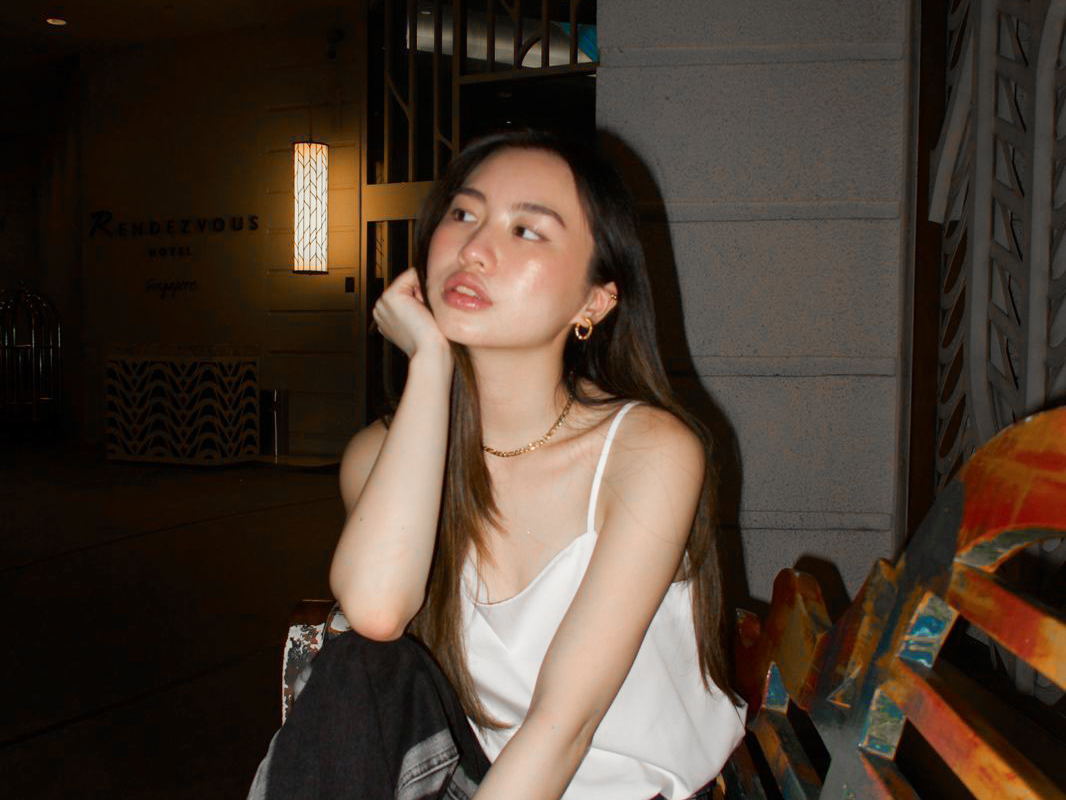
Today we’d like to introduce you to Nathania Djuhar.
Hi Nathania, it’s an honor to have you on the platform. Thanks for taking the time to share your story with us – to start maybe you can share some of your backstory with our readers?
To start the very top — I was born in Singapore to an Indonesian-Chinese family, with both a great fear and a deep fascination for the unknown and things beyond my reach. Don’t get me wrong, I’ve loved living in my tiny island city that’s so safe I can stay out 2am without a care, where the food is amazing, where I can walk everywhere. But most of my life growing up had also been a study of rules and set expectations — studying hard to get into a good school, getting good grades, and becoming a doctor or lawyer. I was never the best at the sciences at school so being a doctor was immediately out, but in another life I might have tried to pursue law.
In this one though, I was too entranced with the idea of being an explorer and imagining the unknown. Pencils and paper became my first tools of creation as I spent everyday in primary school drawing comics with my best friend. Some time later, I got my hands on a camera, and then my focus shifted to the immediate world around me — wondering how long a small flower had been growing out of a crack in the pavement, what mornings were like for the uncle who sold me ban mian in my school canteen. Being a third culture kid also played a part in that, I think — searching for stories, and my own in the process.
For a long time, that was all it was however — figments of my imagination. Singapore had a survey where people ranked being an artist as the top non-essential job, and seemingly nobody associates being a creative with success. I remember thinking that my videography attempts were always just going to be a hobby, because of course I was going to go into law or business as I was expected to. But I also remember sitting through all the credits in every film I watched and thinking about how insanely cool all those people were. We’re born too late to explore the Earth, born too early to explore space, but these people just created their own worlds to explore anyway. And I remember thinking that creating those worlds for other people would be a pretty awesome thing to do.
Fast forward, I’m now working on a MFA at USC’s Peter Stark Producing Program. I direct, produce, and do a bit of everything in between, but most of all what I want to do now is to uplift POC stories across film and TV. I still draw inspiration from a lot of far off places — the deep ocean, space, ancient history, mythology — the list probably goes on. I love spotlighting lesser seen narratives and exploring the worlds within them, especially with the amazing creatives I’m meeting everyday now around me.
Alright, so let’s dig a little deeper into the story – has it been an easy path overall and if not, what were the challenges you’ve had to overcome?
I think you’d be hard-pressed to find any creatives or artists who haven’t struggled in some shape or form along the way. There are the usual suspects of trying to find a place for yourself in a new culture, feeling like an imposter when everyone seems to know 10,000 films and actors that you don’t, but then also having to prove your own worth back home when you’re not sure if someone is pitying you for saying that you’re a filmmaker. I’d say that a lot of my struggles have centered around trying to prove myself to people, and trying to make everything I do perfect to compensate for what I felt were my shortcomings. The nice thing about growing a little older though, is learning that you can’t please everyone anyway, and that perfection doesn’t really exist either, which has made life a lot less stressful since.
As creatives who are trying to make a career out of their art, I think there’s also a lot of pressure to capitalize on everything we do, and even more so when you feel a need to prove to your society that what you’re doing can lead to success. But I don’t think we should be pushing ourselves to go at a 100 all the time — we should be able to just enjoy what we do for ourselves. It’s a difficult balance trying to make the stories that I feel connected to here, but I’ve also been finding myself pleasantly surprised by how the people around me here find ways to relate to my stories, as I do theirs. I’m slowly learning to just ideate and write for my own enjoyment — if it turns into a film that goes to festivals, great. If not, that’s also okay, and I had a great time doing it anyway.
Thanks – so what else should our readers know about your work and what you’re currently focused on?
I’m a producer, director, and sometimes a writer. My main goal with all this is to amplify POC voices and get our stories told, both in front of and behind the camera, and especially for Southeast Asian narratives. There’s a lot of talent that comes out of our part of the world that I think goes unnoticed, even back home, and I’d love to remedy that. It was something that I had first felt back in Singapore when I was making short films — there were a lot of creatives around me with cool ideas and visions, but not a lot of opportunities for them to be telling their stories. I want to create platforms for likeminded people of color, be a part of getting those stories made at the highest level, and have them recognized not just as good Asian stories, but good stories in their own right.
Beyond that, I love stories about unexpected protagonists, relationships that surprise you, and exploring the morally grey. I’m also a sucker for anything magical realism, and a lot of what I’ve done recently has drawn inspiration from different pieces of Asian mythologies. In our current media landscape where everything seems to be based on existing IP and there are remakes after remakes of recognizable stories, I find mythological stories to be the most untapped, richest source of existing tales out there. I love unassuming yet familiar characters — the grandma at the bus stop, the cashier at your grocery store — and exploring their worlds in uniquely magical or exciting ways. I’m also a big fan of animation — anything that lets me escape out of the everyday and into something new.
Is there anything else you’d like to share with our readers?
Among many things, I’m also a lover of deep sea creatures, so I’ll share one last thought — some of you may already know this, but the typical image you might imagine of a blobfish is that of a decompressed and swelled up one, far removed from its usual depths in the sea. Deep underwater, the blobfish thrives in the intense water pressure by the sea floor, and looks nothing like the bloated carcass we might imagine. It actually looks like a pretty normal (as normal as you can get in the deep sea, at least) fish, and can live to about 130 years in the right conditions. My point being — there are times when you might feel like 2013’s World’s Ugliest Animal, but maybe you’re just in the wrong place. Go look for an environment that lets you be yourself, and you’ll probably find yourself much happier. And be nice to the blobfish, he’s misunderstood. And the anglerfish, and the frilled shark, and the barreleye fish — clearly, if anyone is looking to make a deep sea story, you know who to call.
Contact Info:
- Instagram: https://www.instagram.com/nathaniadjuhar/
- LinkedIn: https://www.linkedin.com/in/nathania-djuhar
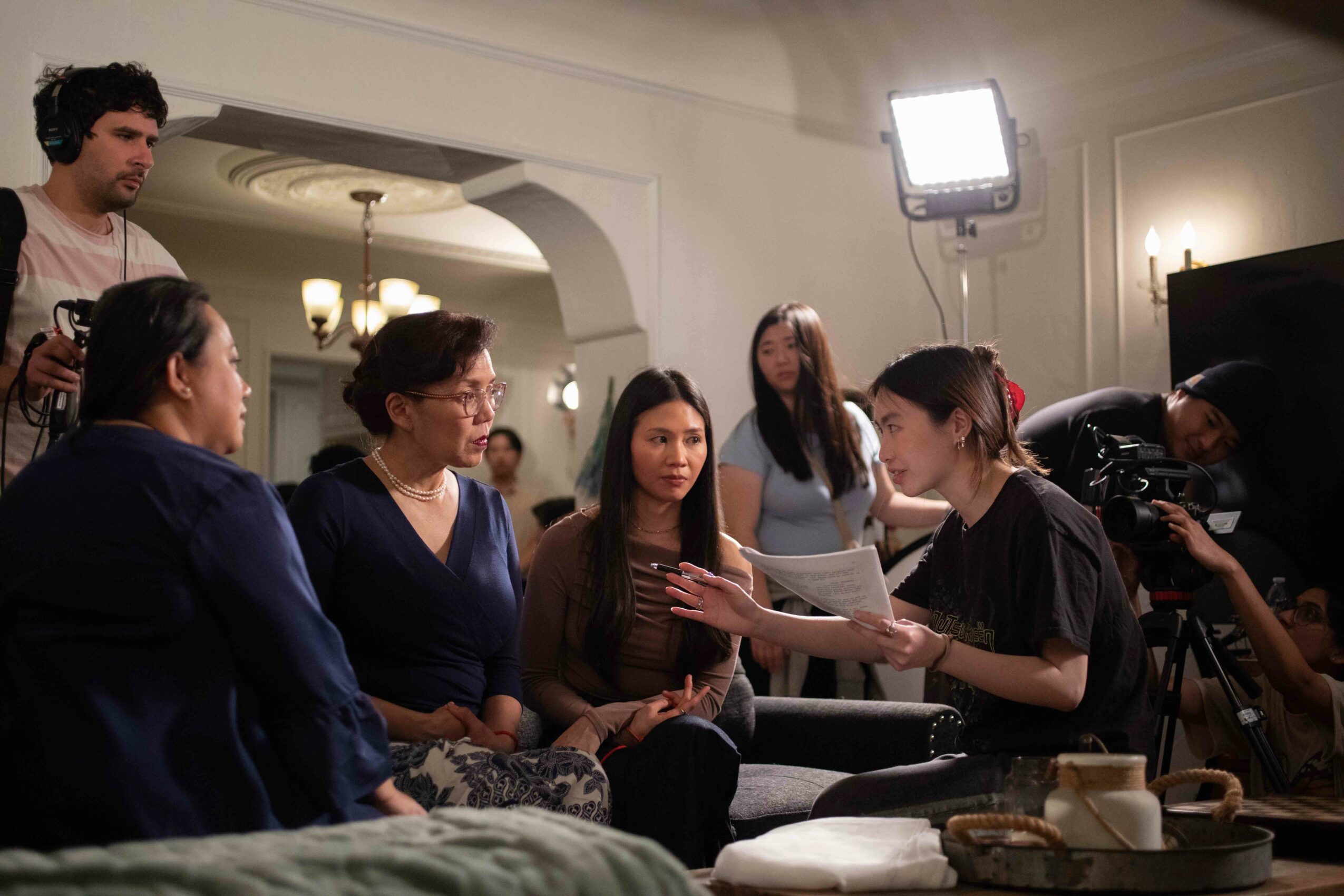
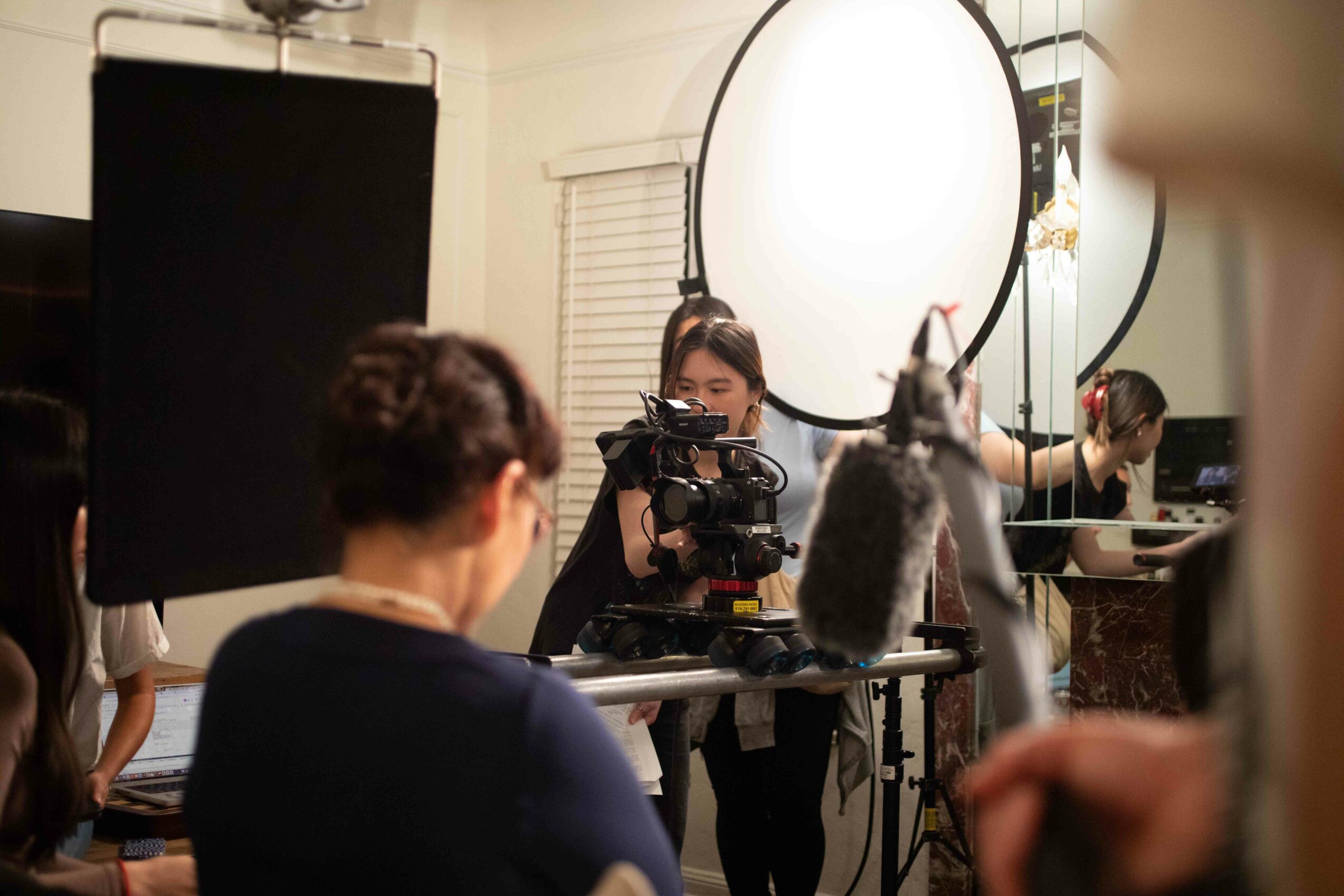
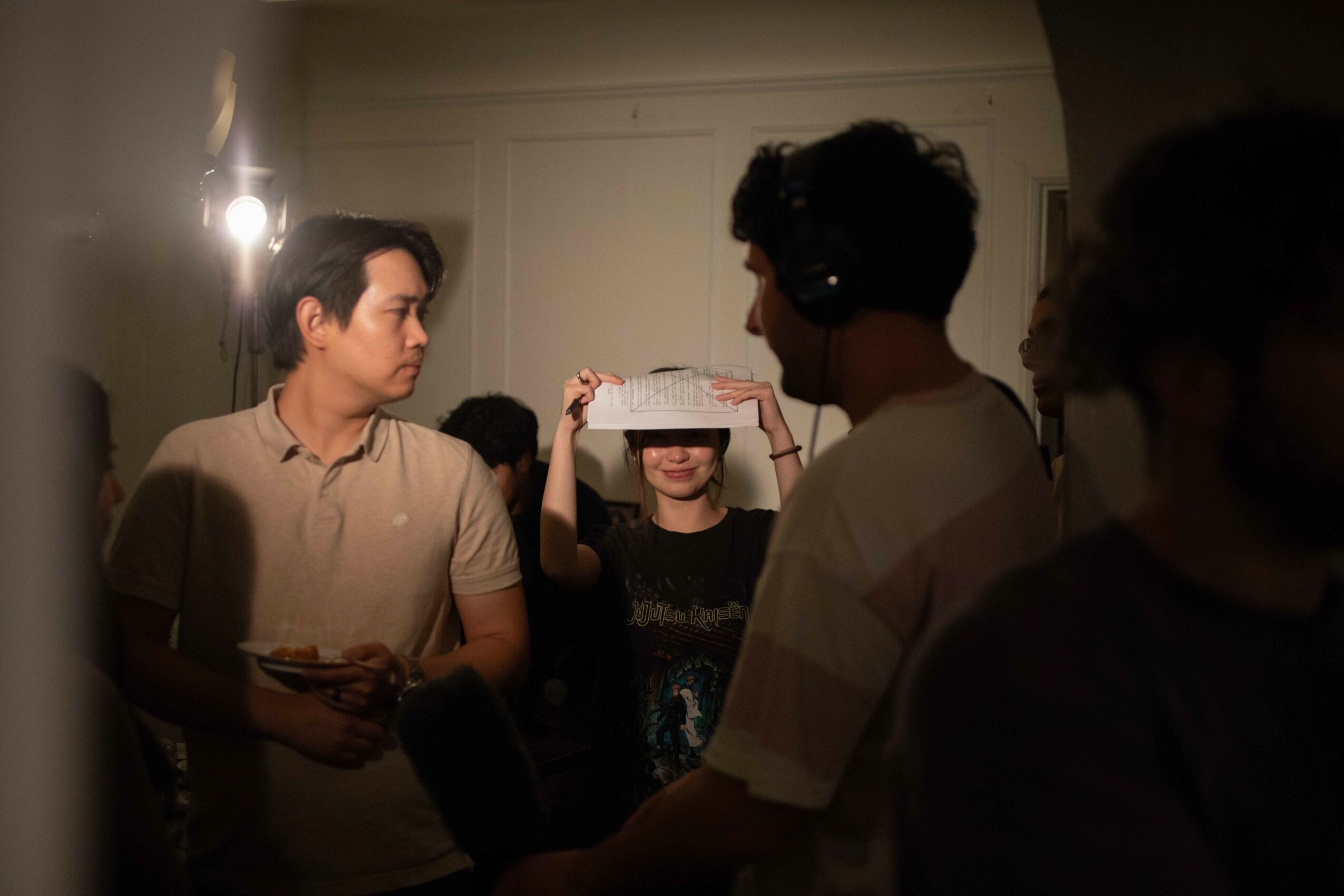
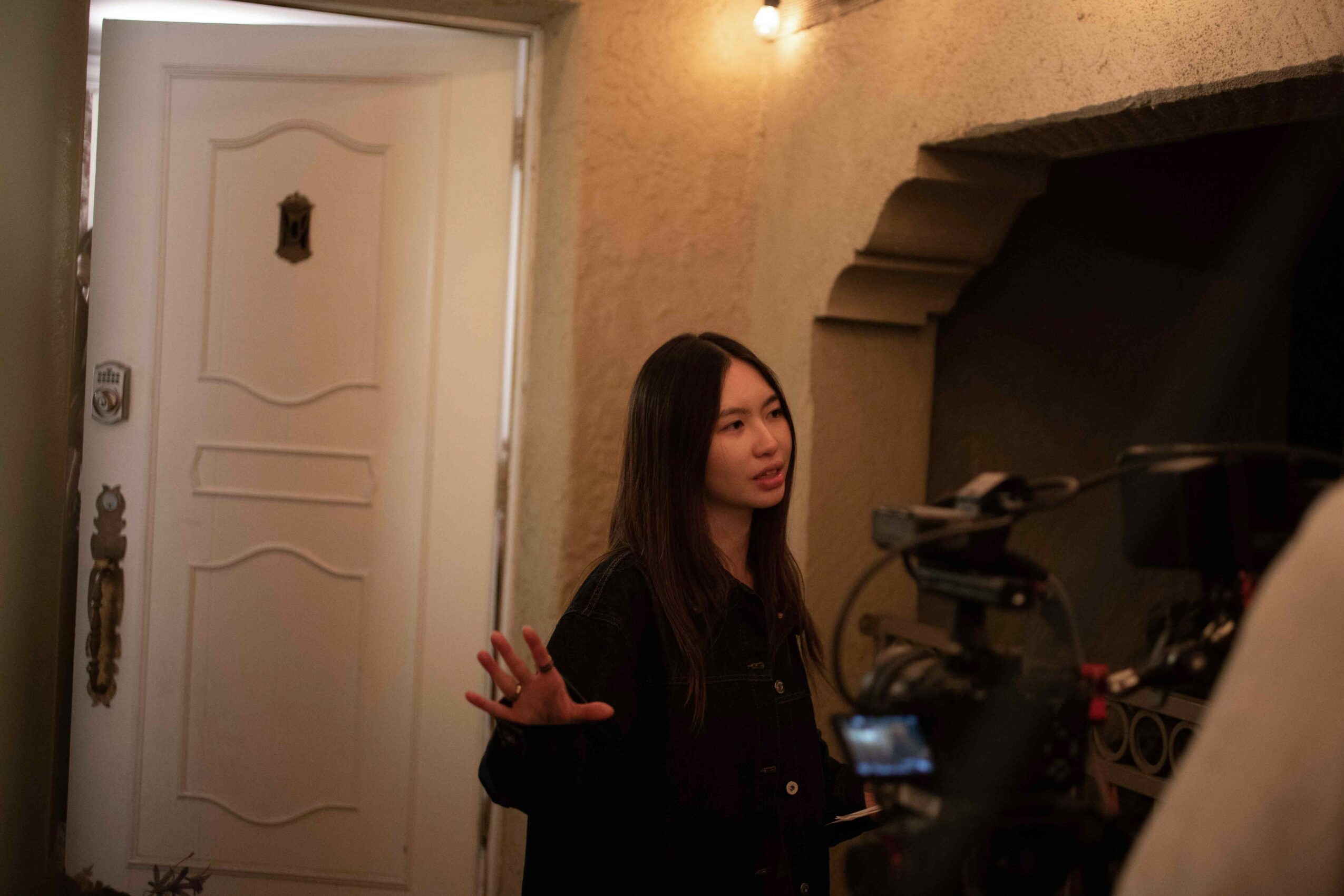
Image Credits
Szymon Gorski
Popular
-

Que Johnson on Building Brands That Last: From Visibility to True Market Authority
-

Christina Wren Steps Into the Director’s Chair to Tell Stories That Feel Like Home
-

Portraits of the Valley
-

LA’s Most Inspiring Stories
-
JordanL on ‘Breathe,’ Belief, and Building a Movement Beyond the Music
-
Megan Birney Rudert on How Access to Light Is Powering a More Sustainable and Equitable Future


