




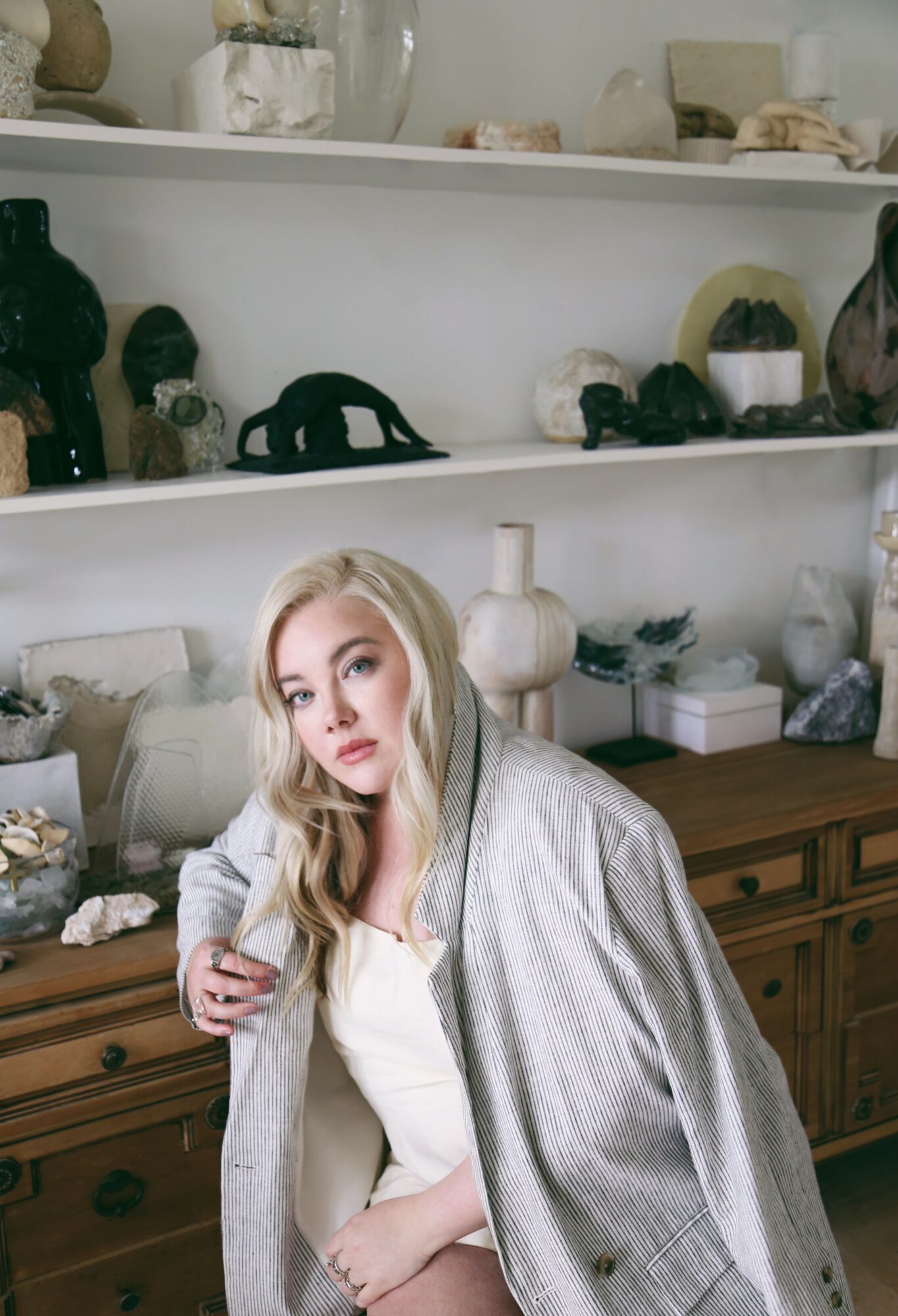
Today we’d like to introduce you to Meagan Cignoli.
Hi Meagan, we’d love for you to start by introducing yourself.
I grew up in New York and started out studying fashion design, but it didn’t stick. I bounced around between fine arts, French and Spanish, and eventually found my way to photography. That curiosity across disciplines shaped the way I see and create. I co-founded Visual Country, a production company focused on short-form storytelling, and spent years working in advertising before finally deciding to leave New York and head to Los Angeles.
By then, I was completely burnt out. I’d been living with Crohn’s and Ankylosing Spondylitis for years, dealing with chronic pain that pushed me to rethink everything. Even now, I’m still figuring out how to live with it. Sculpture probably isn’t the most practical path for someone with my body, but I love it too much to do anything else.
I began with clay, but during COVID I had to improvise with materials that could cure on their own. That’s when I became obsessed with the work of Yasmin Bawa, who builds with hempcrete—a mix of hemp herds and lime. I tried it, struggled with it, and learned a lot. After that, I gave concrete a shot. It’s heavy, messy, and kind of a nightmare to work with unless you’re pouring it, which isn’t my thing. I prefer to mold, carve, and work directly with my hands.
I’ve experimented with making my own sustainable materials, including a mix of seaweed and eggshells, but haven’t quite cracked it. I also had to stop blowing glass after developing tendinosis from the weight, which forced me to pivot again. That led me to paper pulp, plaster, and eventually fused glass. These days I move between clay, paper pulp, plaster, and glass—always chasing a new way to make something feel alive.
My process is a mix of intuition and experimentation. I let cracks show, leave bubbles where they form, and embrace exposed edges. I want the work to feel like it’s been through something.
I live and work in West Hollywood. I live and work in West Hollywood, a neighborhood I love for its beauty and people. Outside the studio, I’m usually chasing inspiration in a gallery, experimenting in the kitchen, wandering the hills, or sharing quiet moments at home with my girlfriend – sometimes together, sometimes side by side, each in our own little scroll.
We all face challenges, but looking back would you describe it as a relatively smooth road?
One of the biggest challenges in my practice is learning to stay with a piece long enough to let it become what it needs to be; without letting fear, perfectionism, or overworking derail it. I often struggle with the anxiety of production, the pressure to make something “good” can creep in and interrupt flow. Sometimes I stop too soon, afraid to ruin what’s working, other times I go too far and the piece collapses or breaks. There’s a tension between control and surrender that I’m always navigating.
I also wrestle with having too many ideas at once; an overgrowth of possibilities, which can make it difficult to focus. It’s a kind of creative overwhelm, where I second-guess what’s worth pursuing and spiral into hesitation. I’m still learning to trust that following one thread deeply is more powerful than trying to hold every thread all at once.
Alright, so let’s switch gears a bit and talk business. What should we know about your work?
My most recent series is a love letter to long-distance connection – the fast, intimate bursts of messages exchanged across oceans, time zones, and digital space. I collect fragments: words from friends, screenshots buried in camera rolls, phrases that linger. Then I slow them down. Sculpting them into bas reliefs gives these fleeting moments weight and permanence. The work sits between language and feeling, between saying something and sensing it. I’m drawn to that in-between space.
I’m maybe known for being experimental, both in form and material, and for my abstract, minimal aesthetic. I rarely use color and am naturally pulled toward earth tones and texture. So being part of Blue Blue Blue, an upcoming show in Atlanta this July, has pushed me out of my comfort zone. Working with blue has been difficult, but I like a challenge.
What I’m most proud of is my daily practice. I show up, I make things. Even when I’d rather be sculpting than posting or doing business tasks, I stay committed. That rhythm of making is what keeps me grounded.
What sort of changes are you expecting over the next 5-10 years?
Coming from the fast-moving world of advertising and production, I’ve seen how trends, platforms, and entire aesthetics can rise and fall in a matter of days. That pace shaped how I once worked; always moving, always iterating. But now, as I’ve shifted into the art world, I’m interested in something more enduring: physical presence, slow creation, and work that holds weight over time.
I think the art industry is in a moment of transformation. There’s growing tension between the spectacle of digital consumption and the intimacy of material experience. In some ways, my background in visual storytelling helps me navigate both: I understand how to communicate ideas quickly and beautifully online, but my heart is in the quiet, hands-on process of sculpture and form-making.
There’s also a wider shift happening, where artists who once worked in commercial or digital media are reclaiming slower, more grounded practices, not as an escape, but as a response to burnout, to overstimulation, and to the craving for something real. I see possibility in that tension. It feels like the future is hybrid, artists who can move between worlds, hold nuance, and resist being flattened into a single kind of visibility.
Contact Info:
- Website: https://Meagancignoli.com
- Instagram: https://Instagram.com/meagancignoli
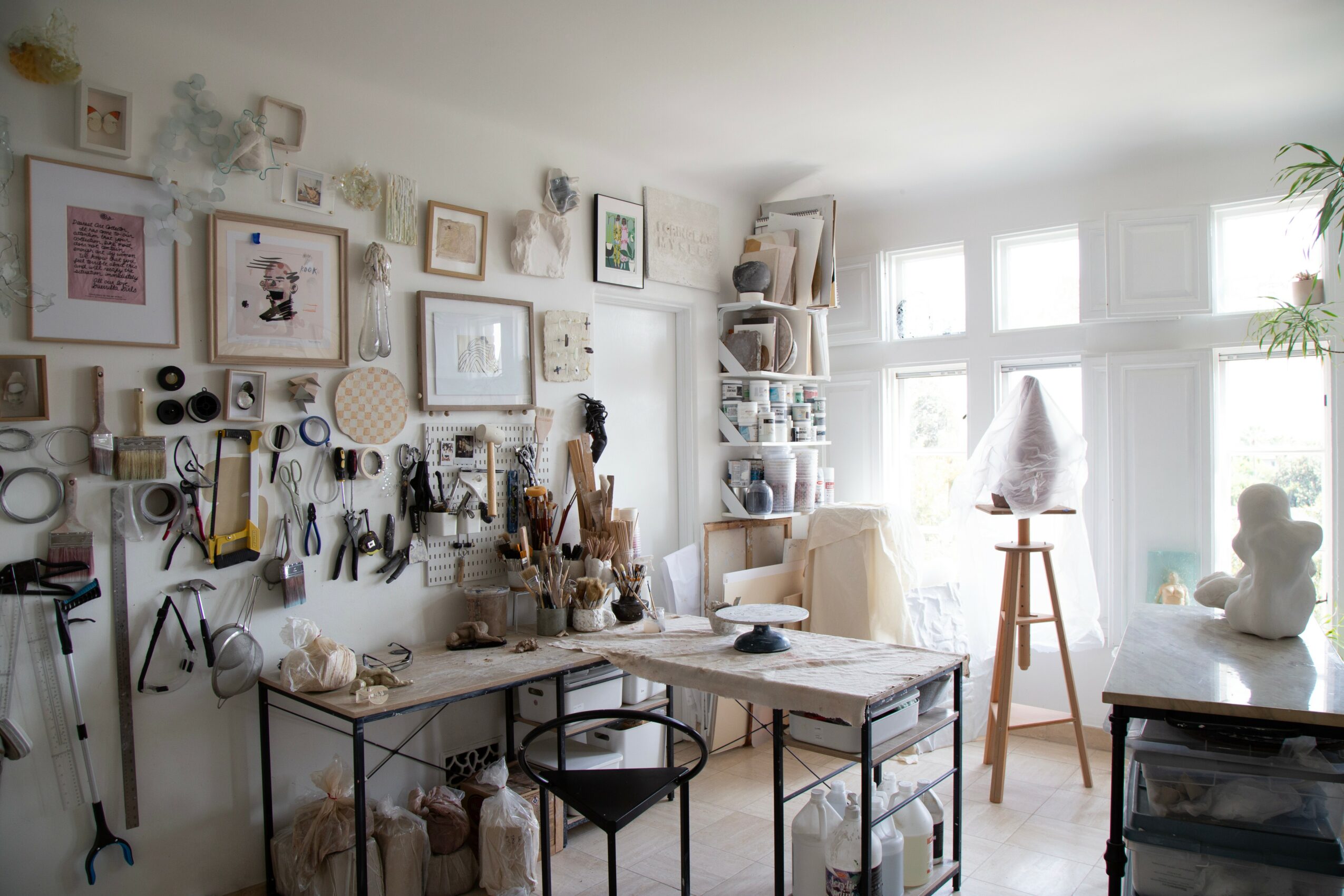
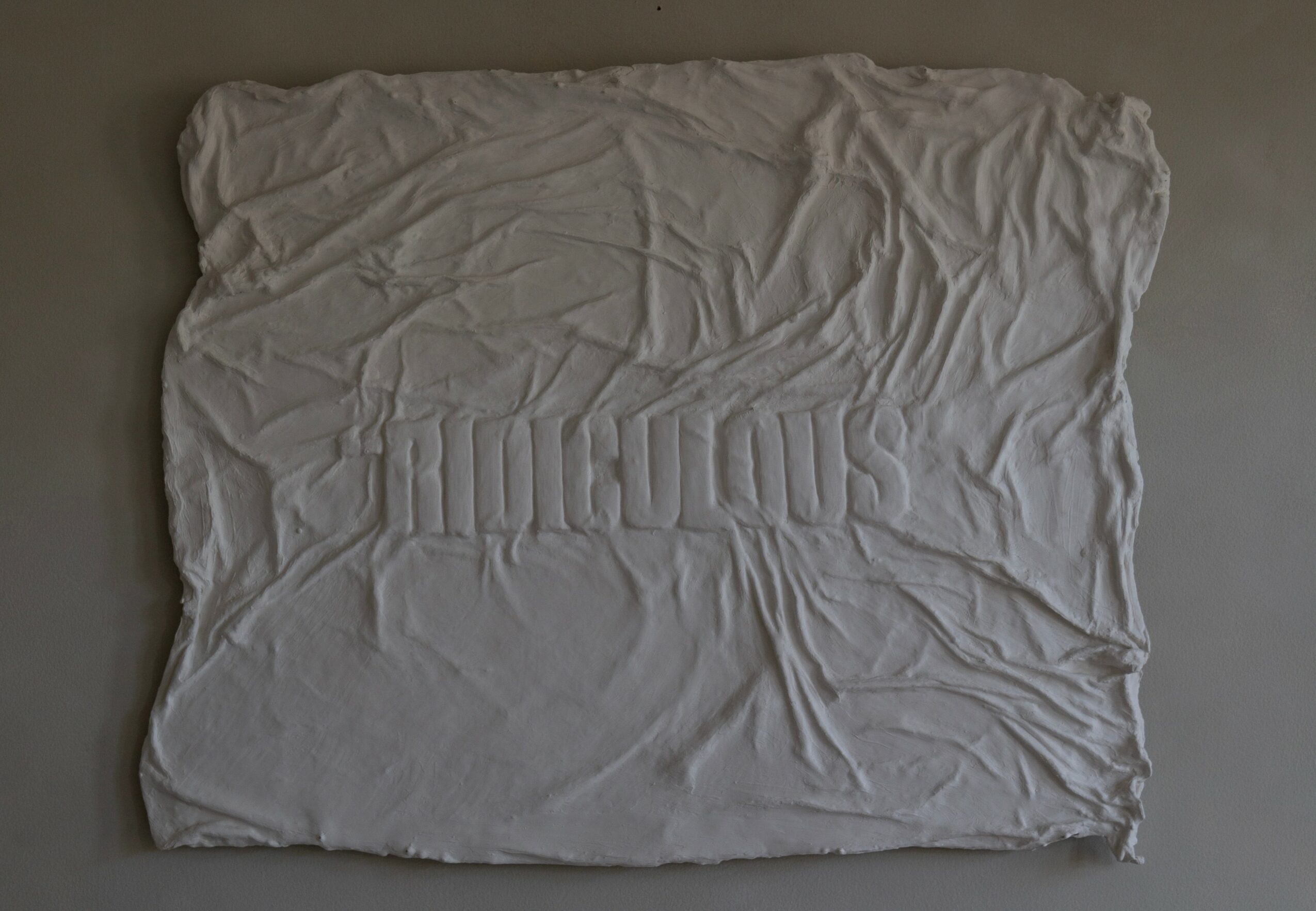
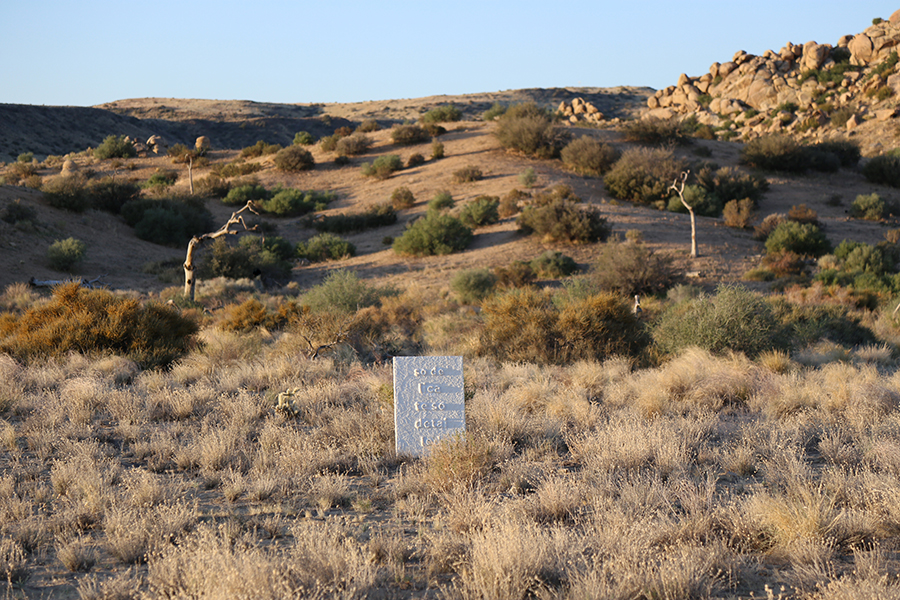
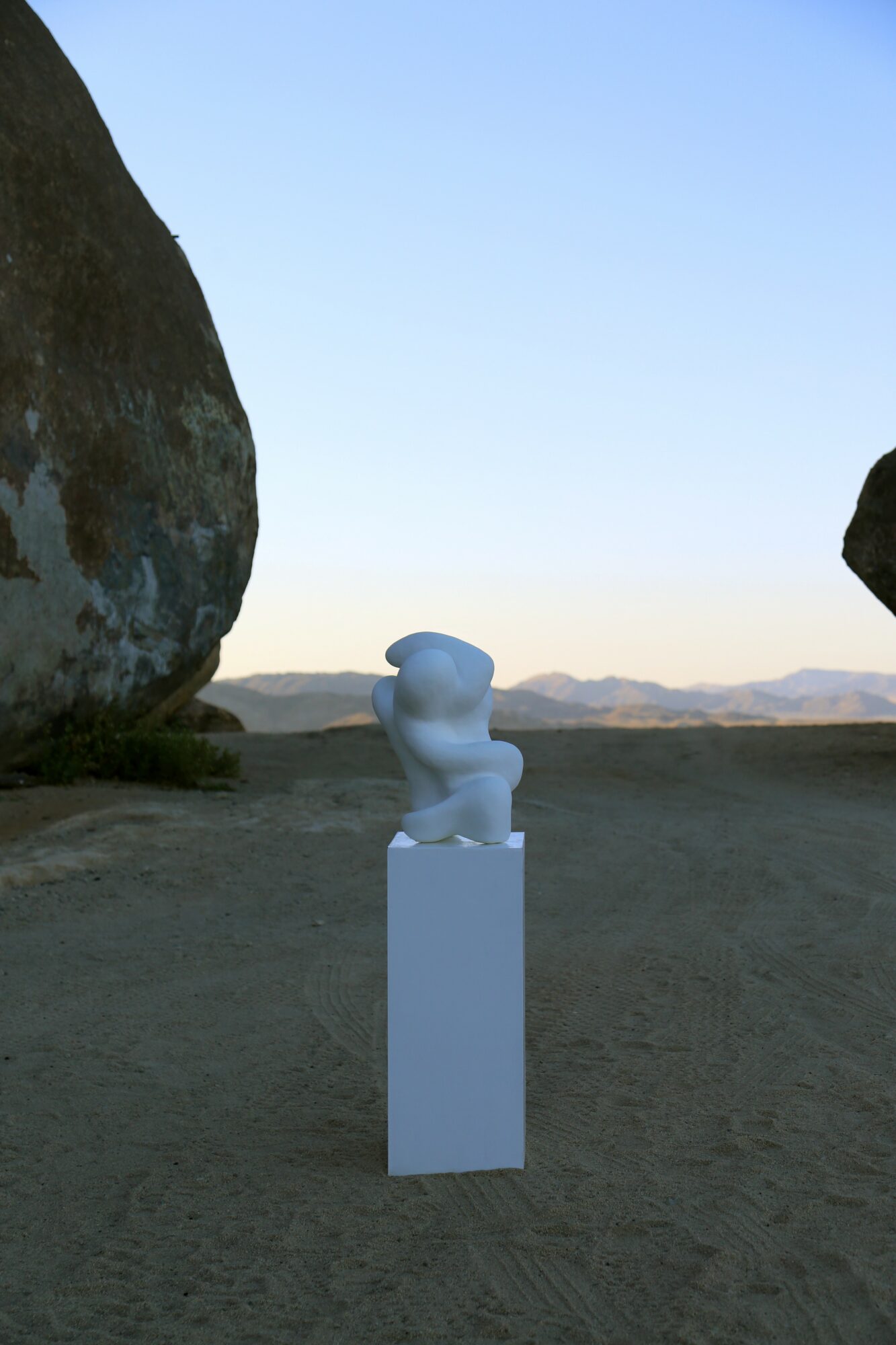
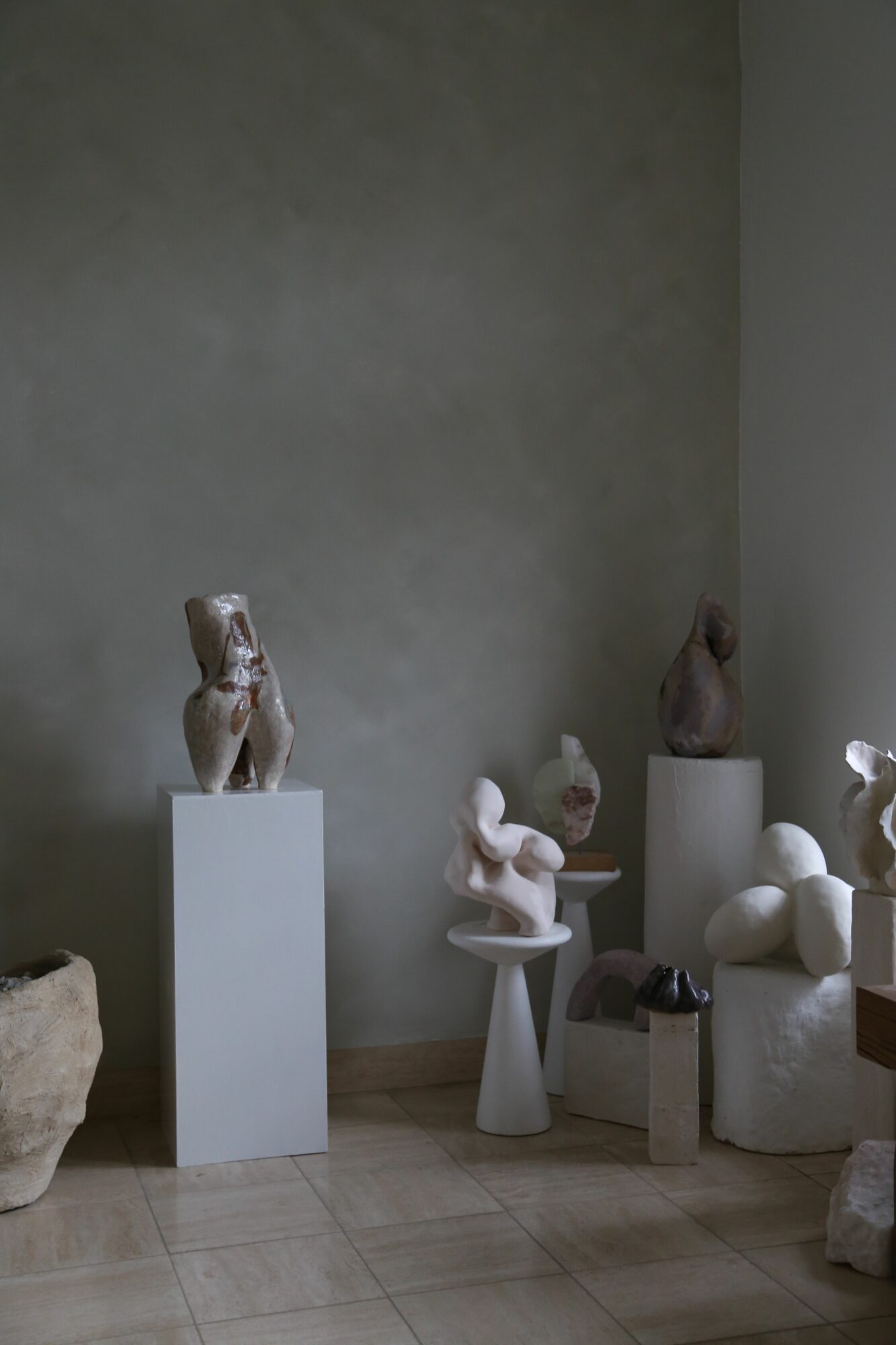
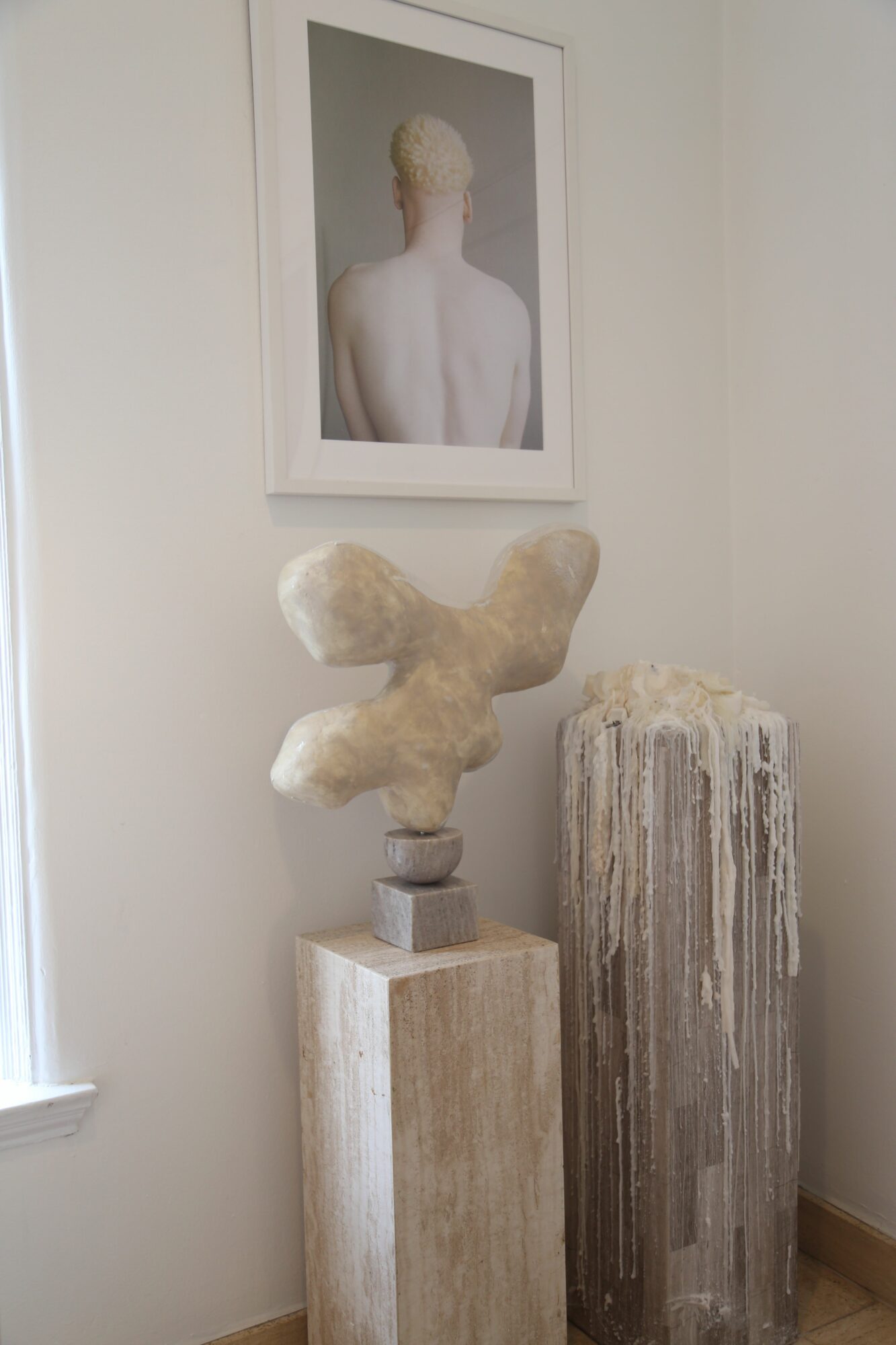
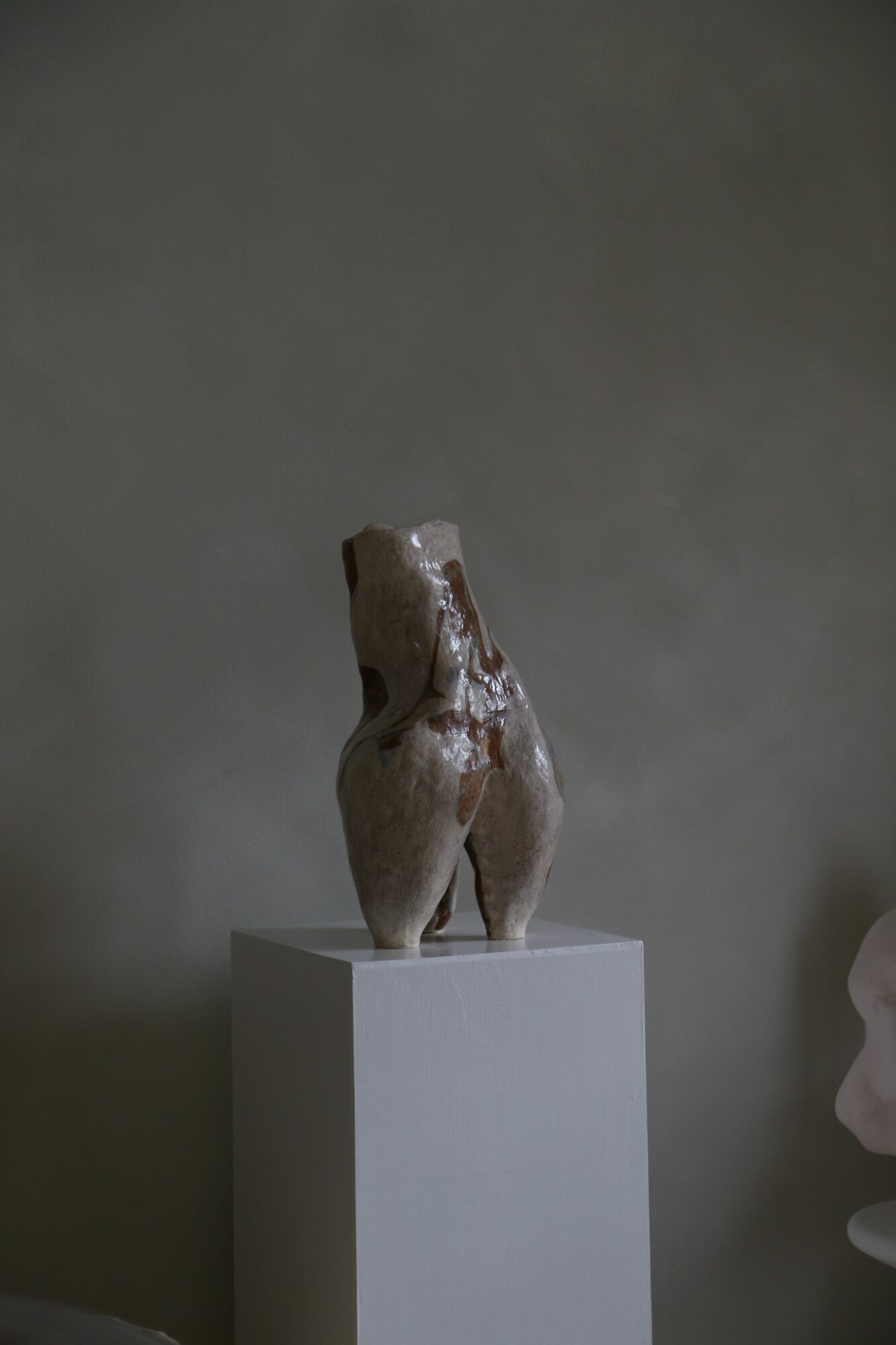
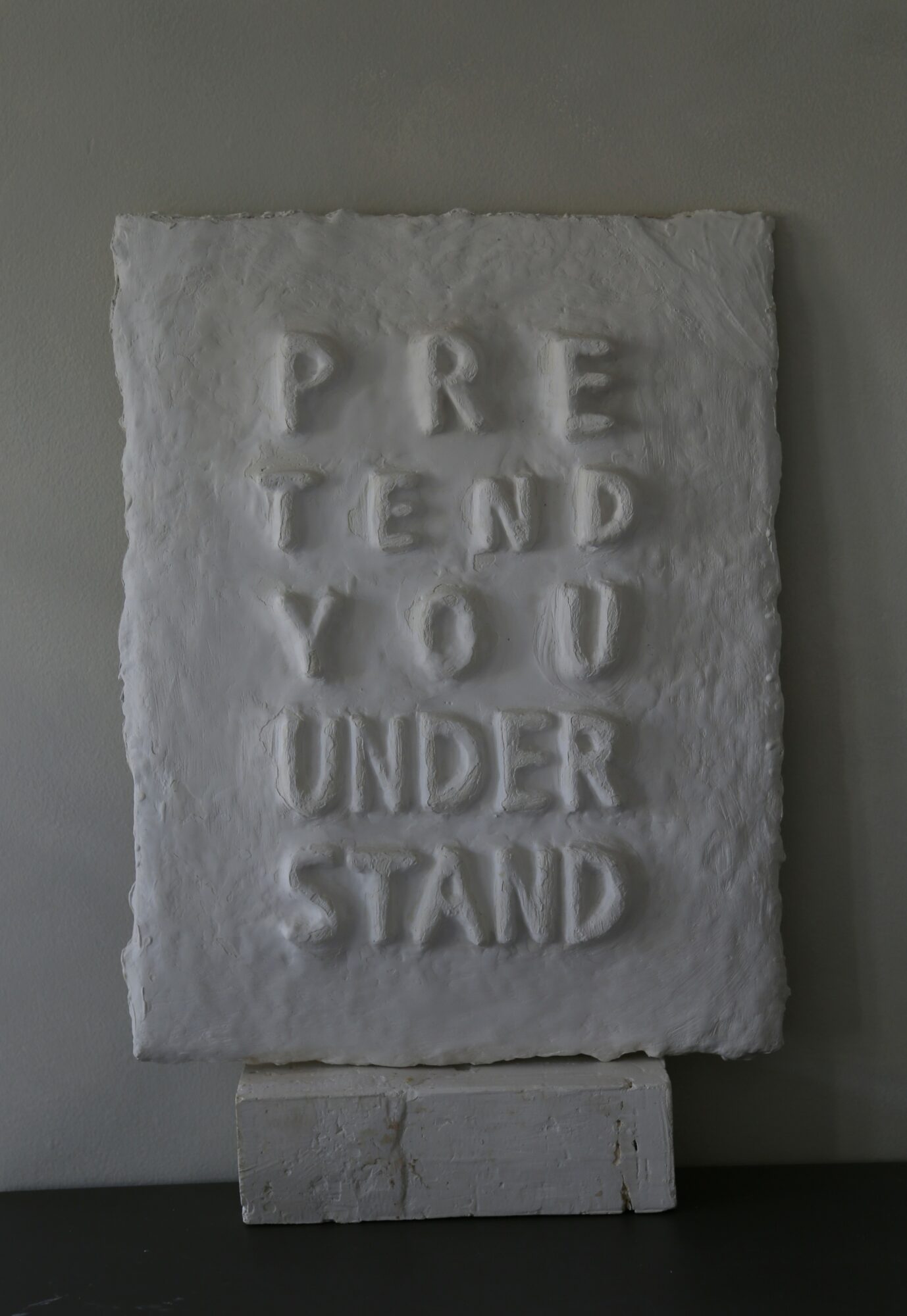
Image Credits
Isabella Mancebo
Popular
-

Matthew Hill on Turning Holiday Rituals into Haunting, Habit-Forming Storytelling with Long Winter Nights
-

Linda Villines on Releasing Stored Struggle and Reclaiming Ease Through the Body
-

Candice Swanson on Honoring the Sacred Early Days of Motherhood Through Intentional Photography
-

Michael Johnson on Telling Untold Stories of Identity and Leadership Through SQUAD
-
Owning the Narrative: Drew Dusterhoff Steps Into Power with Lincoln Must Die
-

Portraits of the Valley


