




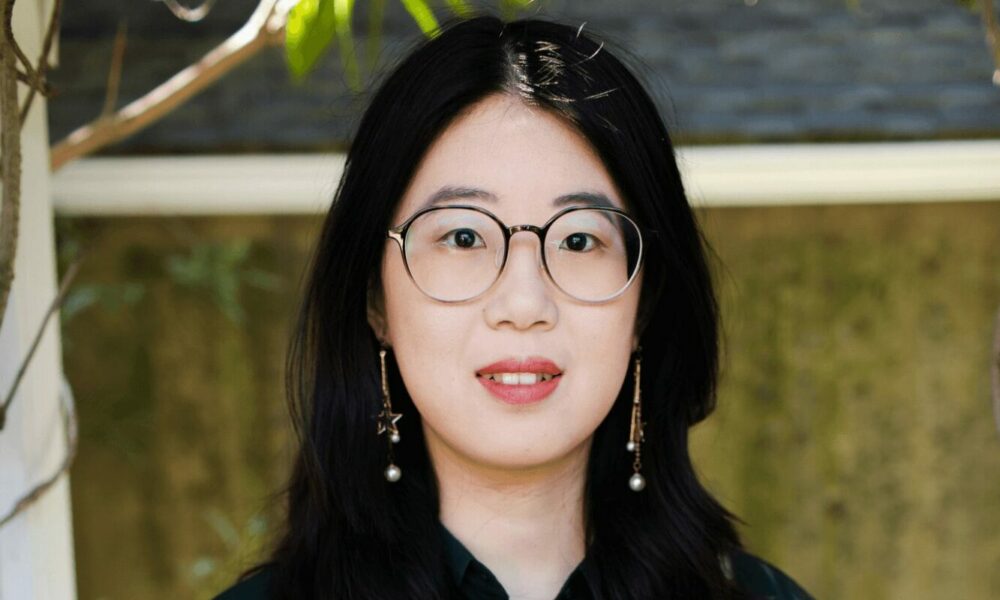
Today, we’d like to introduce you to Lucia Wang.
Hi Lucia, we’re thrilled to have a chance to learn your story today. So, before we get into specifics, maybe you can briefly walk us through how you got to where you are today.
I was born and raised in China, where I discovered my passion for editing during my college years. I initially started by editing fan videos and experimenting with reframing stories in unique and creative ways. This early experience made me realize how much I loved the craft of editing and inspired me to pursue it further.
Driven by this passion, I moved to San Francisco to obtain a master’s degree in film editing. During my studies, I honed my technical skills and developed a deeper understanding of storytelling through visual media. After completing my degree, I moved to Los Angeles, the heart of the film industry, to pursue my career.
In LA, I’ve had the privilege of working on several documentaries and short films, many of which have been selected for film festivals. These experiences have not only refined my skills but also reinforced my dedication to the art of editing. I am continually inspired by the power of storytelling and look forward to contributing more to this dynamic field.
We all face challenges, but would you describe it as a relatively smooth road?
The road has certainly not been smooth. The first year I moved to LA, I faced significant challenges in obtaining my O1 visa, which involved extensive paperwork and a complex process. During this time, I worked on the documentary Love, Antosha, which was selected by the Sundance Film Festival. This achievement brought my career to a high starting point and helped me build valuable relationships with my colleagues, which has been incredibly beneficial.
Then, the pandemic hit, making it extremely difficult to network and work in office settings. However, I was fortunate to work in a supportive environment with several Chinese girls in the editorial department. We deeply understood each other’s challenges and supported one another. We’ve maintained good contact and continue to support each other to this day.
Just as things started to stabilize, the strike happened, bringing Hollywood to a standstill. During this very difficult time, I got to know a lot of editors and assistant editors. I attended meetups whenever I could, building relationships and connections. I tried to have fun and stay positive, and it helped me realize that I wasn’t alone in this; we were all in it together. These experiences have made me more resilient and have strengthened my commitment to my career.
Despite these challenges, I reminded myself to keep moving forward, keep breathing, and continue being kind to others. This persistence has helped me navigate the ups and downs and stay committed to my passion.
Thanks – so, what else should our readers know about your work and what you’re currently focused on?
I am a film editor and assistant editor. In my role as an editor, I collaborate closely with directors to assemble footage, ensuring the storyline is smooth, and the pacing is effective. I focus on highlighting the emotions that the directors want to express, working to make the story flow seamlessly and resonate with the audience.
As an assistant editor, I support editors by preparing the shots and managing the technical aspects of the editing process. This includes organizing and syncing footage, handling project files, and troubleshooting technical issues, allowing editors to concentrate on the creative aspects of their work.
What sets me apart is my strong sense of empathy. I have a keen ability to step into the characters’ minds and understand what they are experiencing, as well as to grasp the directors’ perspectives and emotions.
This empathy helps me determine the best way to convey these feelings through editing. Additionally, I excel at understanding and accepting what happens on set, staying positive, and working collaboratively to find solutions to any challenges that arise.
Do you have any advice for those just starting?
For those just starting, my advice is to find your network and seek opportunities to shadow professionals in the field. Connecting with the right people can help you tap into job opportunities and gain insights into industry dynamics, including office politics and how to navigate them effectively.
It’s also crucial to approach feedback with an open heart. Embrace all kinds of notes and critiques without becoming defensive. Remember, feedback is often about the project’s needs rather than a personal critique. Understanding the underlying objectives and what others aim to achieve can make your work more effective and your professional journey smoother.
Contact Info:
- Website: https://www.editinglucia.com/
- Instagram: https://www.instagram.com/langyueqinyin/
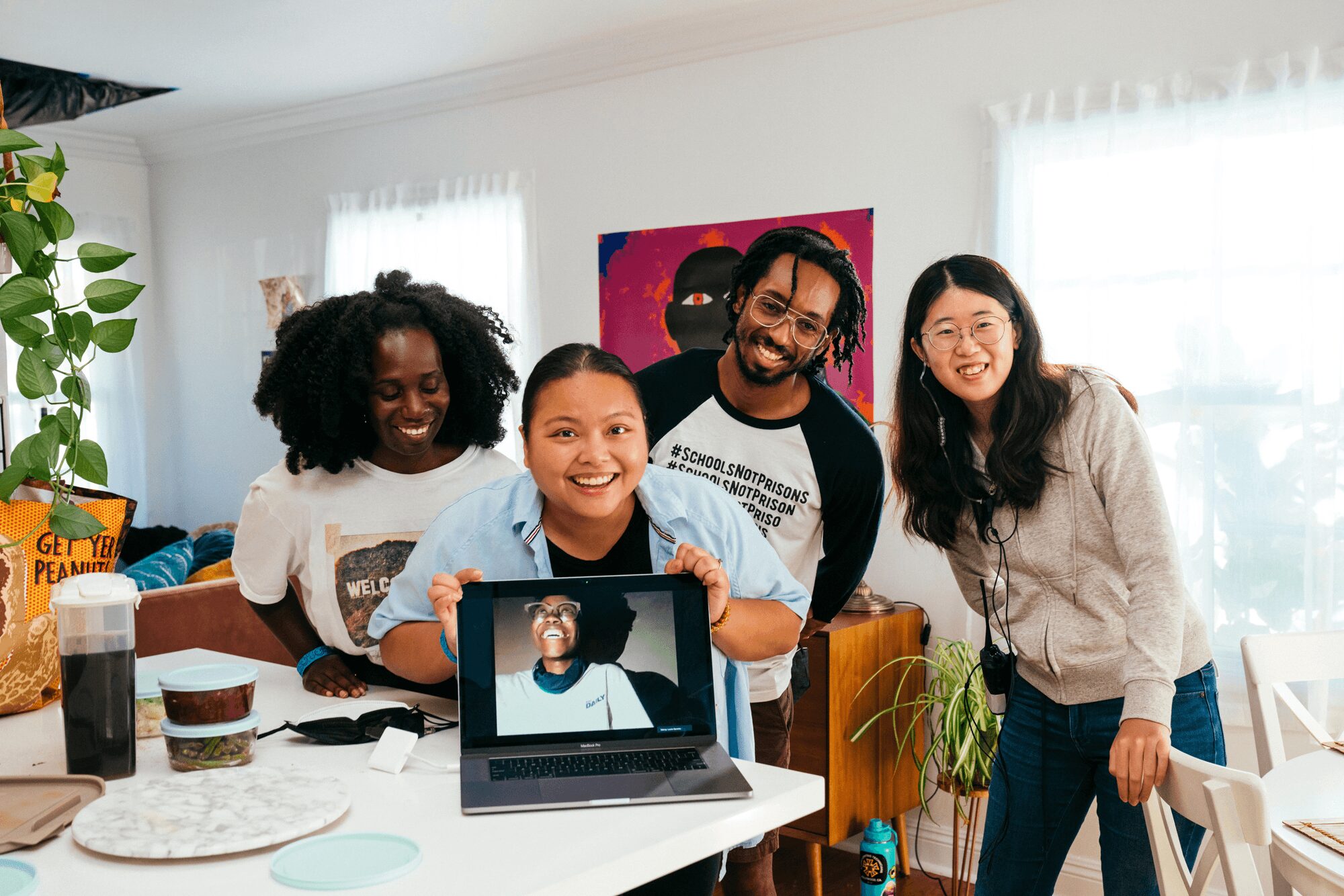
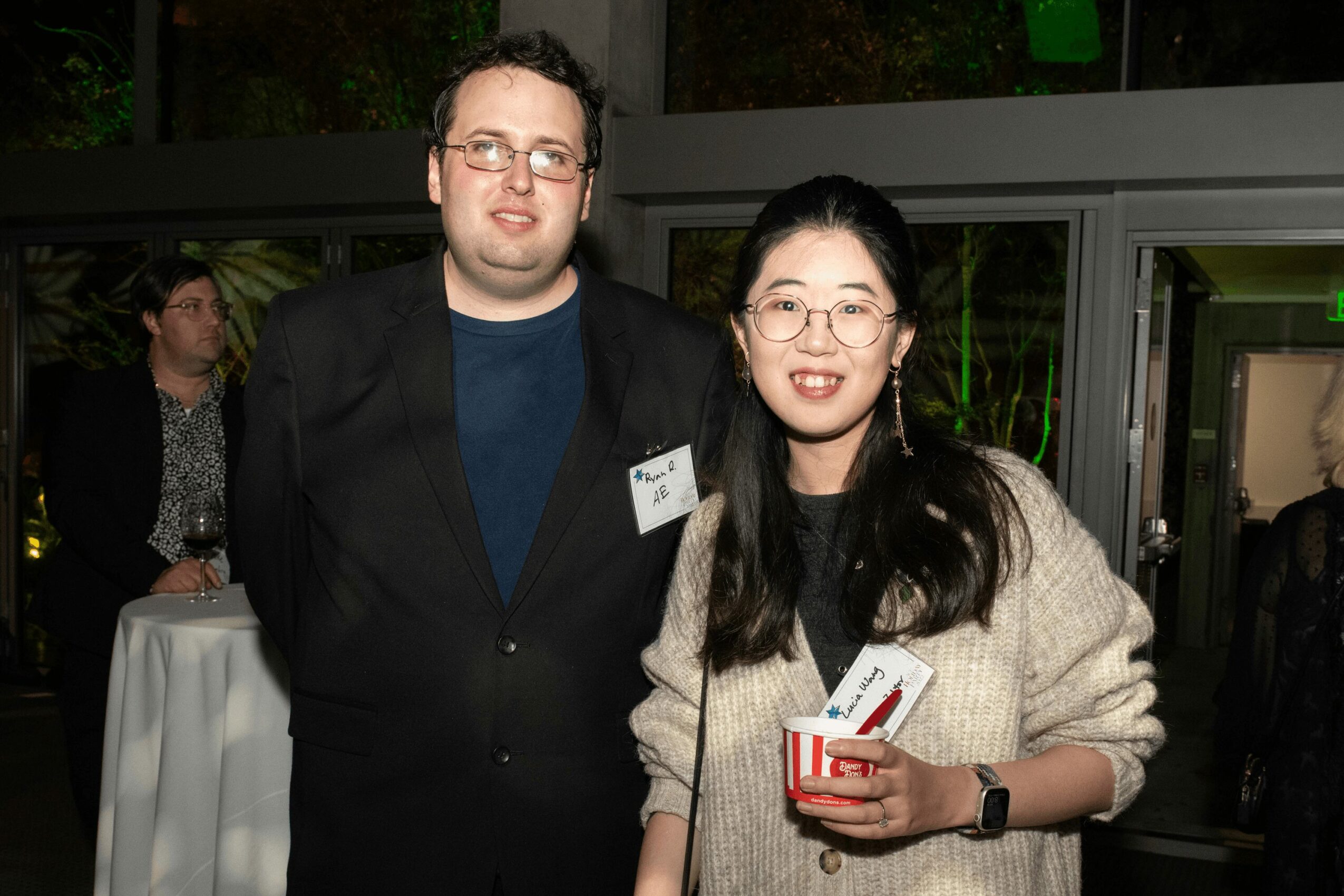 Image Credits
Kaylee Colton
Popular
-

Portraits of the Valley
-

LA’s Most Inspiring Stories
-
JordanL on ‘Breathe,’ Belief, and Building a Movement Beyond the Music
-

Megan Birney Rudert on How Access to Light Is Powering a More Sustainable and Equitable Future
-
Linda Kneidinger on Building Lasting Change Through Small Steps and Self-Compassion
-

Jolana Nika on Redefining Modern Connection Through Intentional, Real-Life Experiences


