




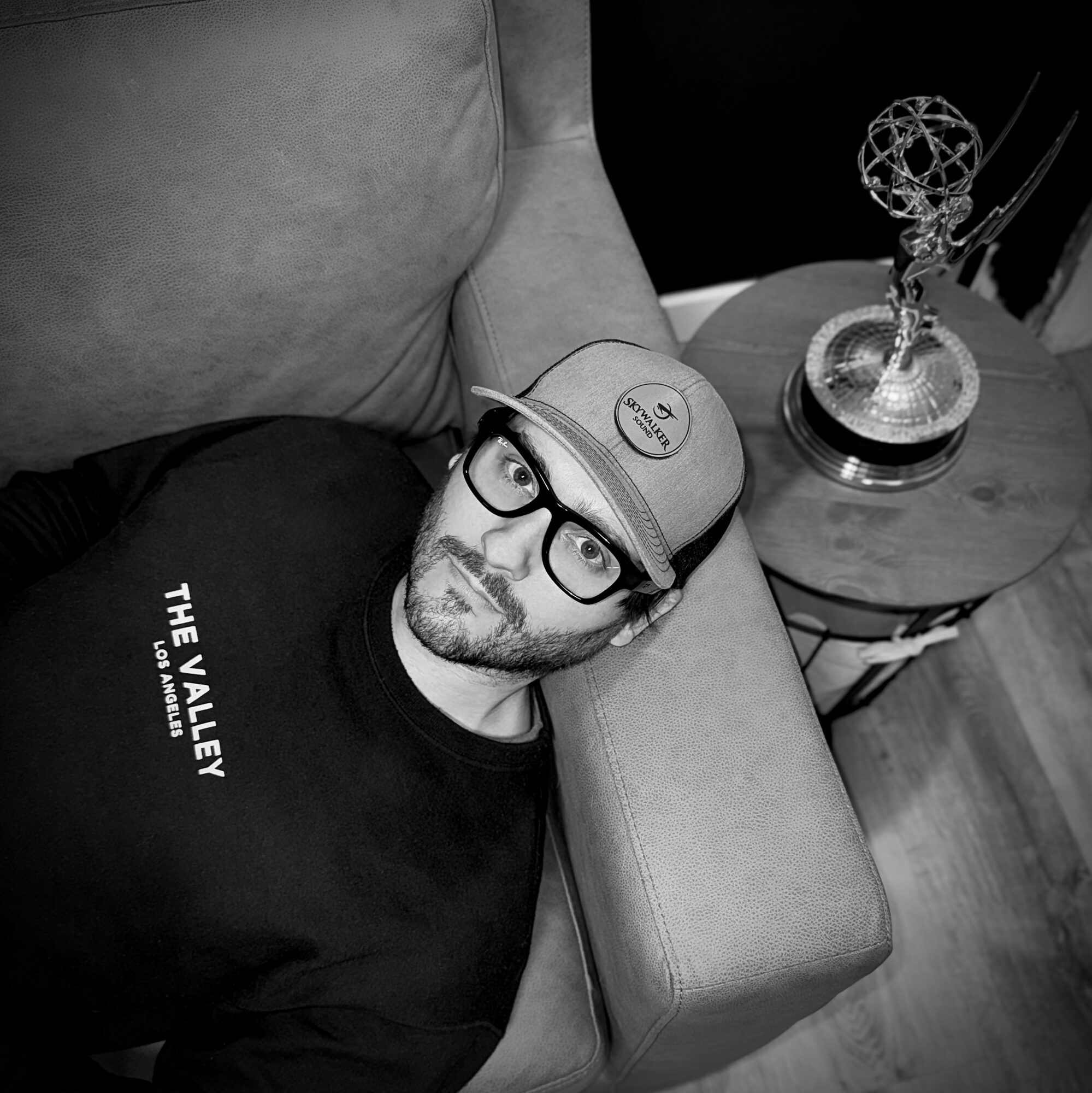
Today we’d like to introduce you to Jared Martin.
Hi Jared, so excited to have you with us today. What can you tell us about your story?
I grew up loving stories and storytelling. Being homeschooled gave me the freedom to experiment with filmmaking from a young age. It started with a stop-motion film I made using my Star Wars action figures when I was eight. I was hooked. From there, I began making films about my homeschooling community and shot my first documentary at fourteen. That film, “Lifestories: The Lost Boys of Sudan,” chronicled the journeys of several Lost Boys who traversed the Sahara as children. It screened at dozens of festivals nationwide, winning two Audience Choice Awards and the Columbine Award for Nonviolent Conflict Resolution at the Moondance Film Festival. The experience cemented my commitment to filmmaking and ultimately led me to study at the USC School of Cinematic Arts, where I earned a B.A. in Film and Television Production. After graduating, I began my professional career and found myself back in the nonfiction genre as I immersed myself in documentary filmmaking. I never consciously chose documentary, but rather it felt like it chose me.
Would you say it’s been a smooth road, and if not what are some of the biggest challenges you’ve faced along the way?
One of the biggest challenges has been the isolation and psychological weight of the edit room. For me, documentary editing is deeply immersive as you spend months, sometimes years, living inside the lives and voices of real people, often in emotionally complex or heavy material. There’s a responsibility that comes with telling someone’s story and shaping their experience on the screen, and that weight can follow you home. I’ve had to learn how to create distance from the work while still caring deeply about it. I’m still figuring that balance out, but I’ve found that when I protect space outside of filmmaking, the work itself becomes clearer and stronger.
One way I’ve navigated that tension is by writing about it. I started a Substack last year where I share reflections from the edit room and give language to what are often invisible decisions. Putting those internal processes into words has given me clarity and perspective. It allows me to step back and examine the craft instead of just living inside it. I’m still figuring out the balance, but I’ve found that when I create space outside of filmmaking, the work itself becomes sharper and more intentional.
Thanks for sharing that. So, maybe next you can tell us a bit more about your work?
Over the past decade, I’ve had the privilege of editing documentary series and features for platforms like Netflix, Amazon Studios, Hulu, National Geographic, and Disney. Editing has been my greatest education in storytelling, a kind of ongoing master class in structure, psychology, and truth. In documentary especially, the editor isn’t just polishing a finished script, we’re discovering the script and shaping it from real life stories. I often say that being an editor is like being a writer except instead of written words, I work with footage and voices. In many ways, the editor is both the first draft and the final rewrite — and everything in between. We inherit hundreds or sometimes thousands of hours of footage, interviews, archival material, and moments that weren’t planned, and we’re tasked with crafting a compelling story and finding the emotional throughline.
What I’m most drawn to is the psychological dimension of that process. As I alluded to before, I often find myself living inside the minds of the real people in the story. Their voices become familiar, their rhythms, their defenses, their patterns of speech. There’s an intimacy to that work that is sacred to me. You’re holding someone’s lived experience in your hands, shaping how it will be understood by millions of strangers. That responsibility makes me careful and intentional, but it doesn’t make me timid. I’m at my best when I can explore the deeper contradictions and inner tensions that define a person and bring them to life in a way that is honest and relatable. I’m most proud when the edit allows complexity and nuance to exist. When a story resists easy conclusions and still feels emotionally honest, then I consider that a success.
What’s next?
Currently, I’m directing and producing a feature documentary that has been in the works for more than a decade. In recent years, the story took an unexpected turn that reshaped the film in ways I couldn’t have anticipated and thrust it into entirely new territory. When you follow a story for that long, you don’t just document change, you live in it. The film has grown with me, and in many ways, it reflects different versions of who I’ve been as a filmmaker.
Looking to the future, I want to keep doing both: editing impactful, fresh stories while directing and producing projects that feel personal and creatively challenging. I’m drawn to projects that push the boundaries of form and explore how we see and interpret reality differently, and that’s true whether I’m in the edit room or behind the camera.
Contact Info:
- Website: https://www.jaredmartinedits.com/
- Instagram: https://www.instagram.com/jdmartingy
- LinkedIn: https://www.linkedin.com/in/jareddmartin
- Twitter: https://x.com/jareddmartin
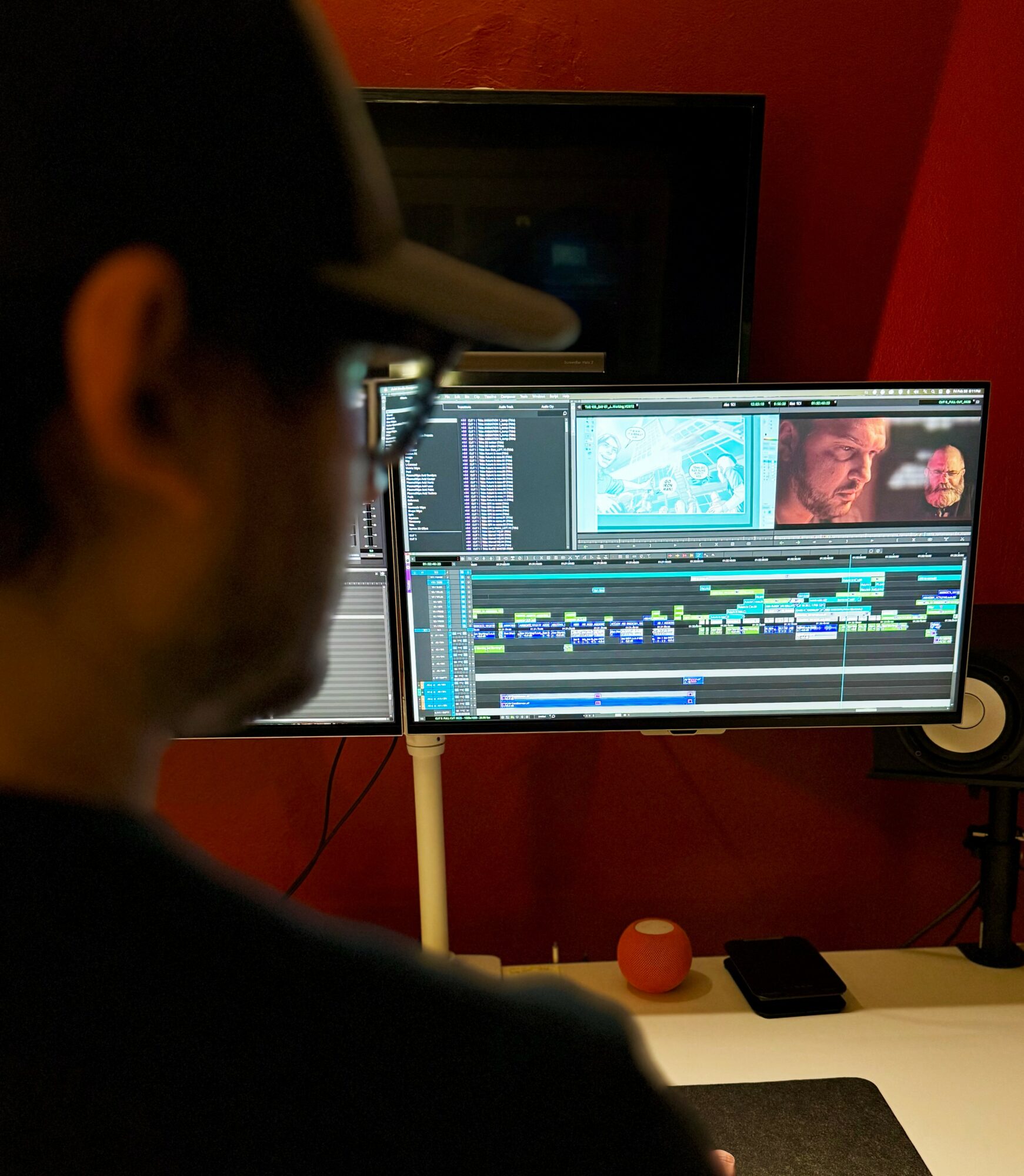
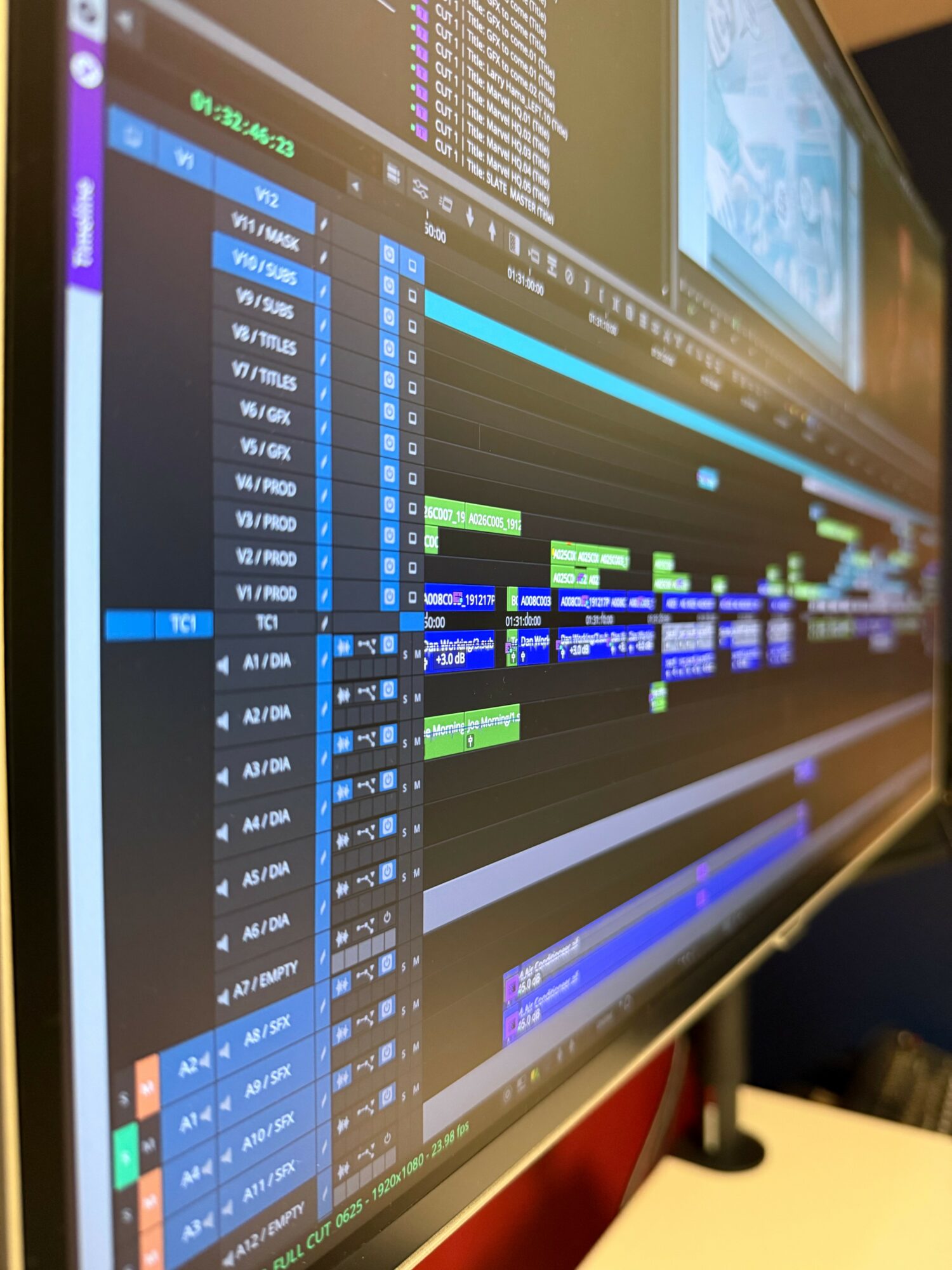
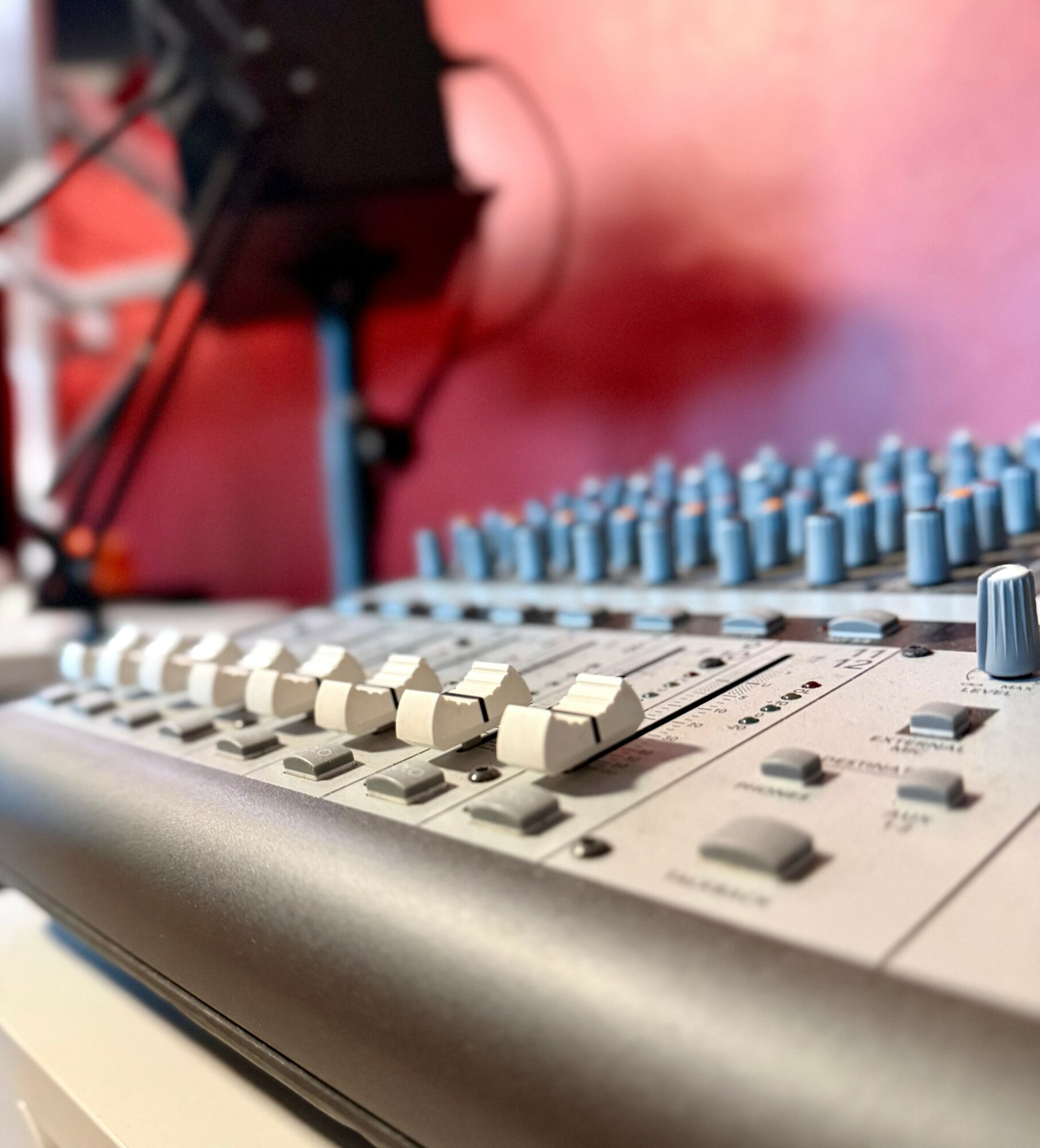
Image Credits
These are photos I took myself.
Popular
-

Linda Villines on Releasing Stored Struggle and Reclaiming Ease Through the Body
-

Candice Swanson on Honoring the Sacred Early Days of Motherhood Through Intentional Photography
-

Michael Johnson on Telling Untold Stories of Identity and Leadership Through SQUAD
-
Owning the Narrative: Drew Dusterhoff Steps Into Power with Lincoln Must Die
-

Portraits of the Valley
-

LA’s Most Inspiring Stories


