




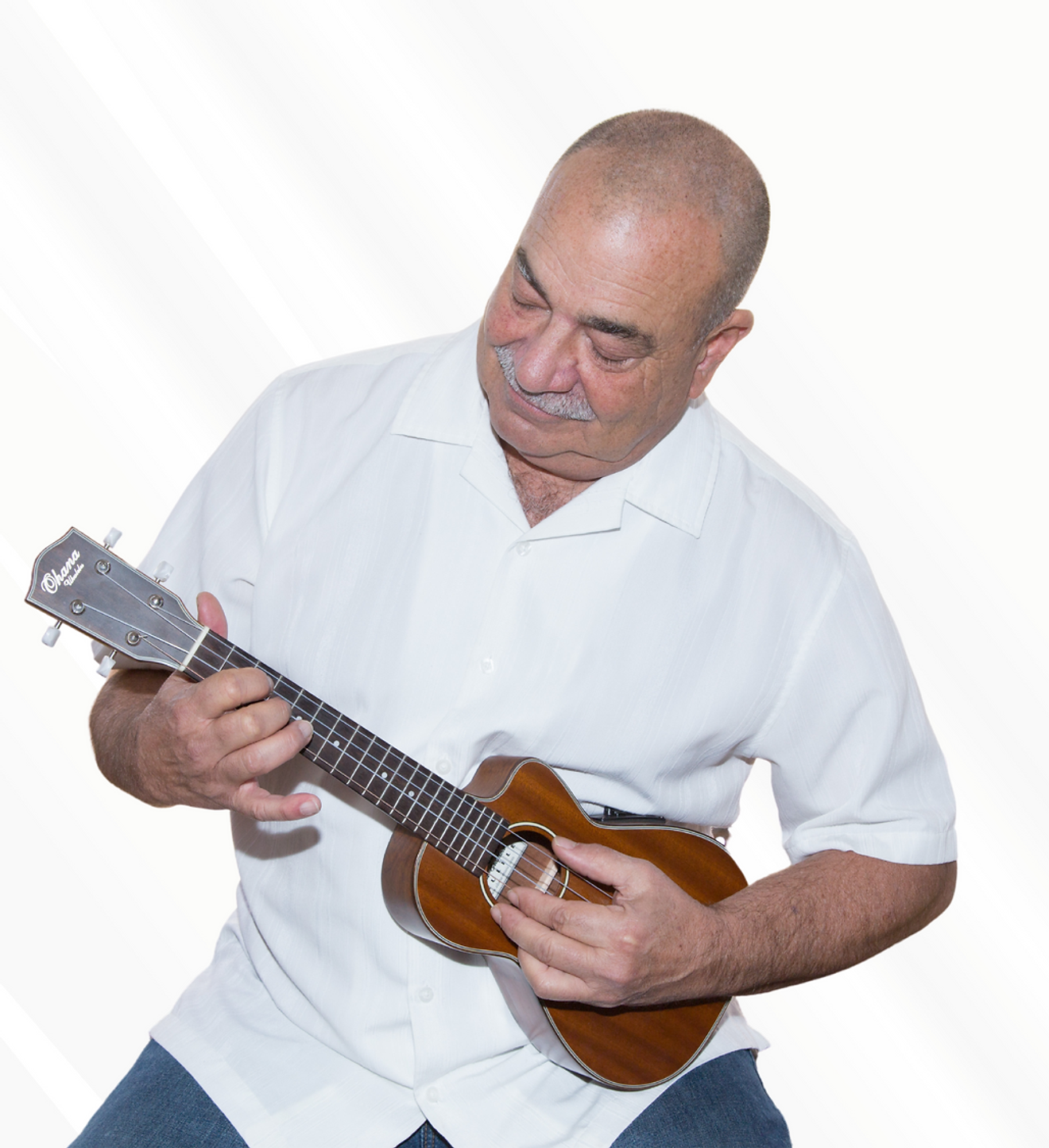
Today we’d like to introduce you to Frank Leto.
Frank, we appreciate you taking the time to share your story with us today. Where does your story begin?
My name is Frank Leto. I am a musician and early childhood music specialist who has been passionate about music for as long as I can remember.
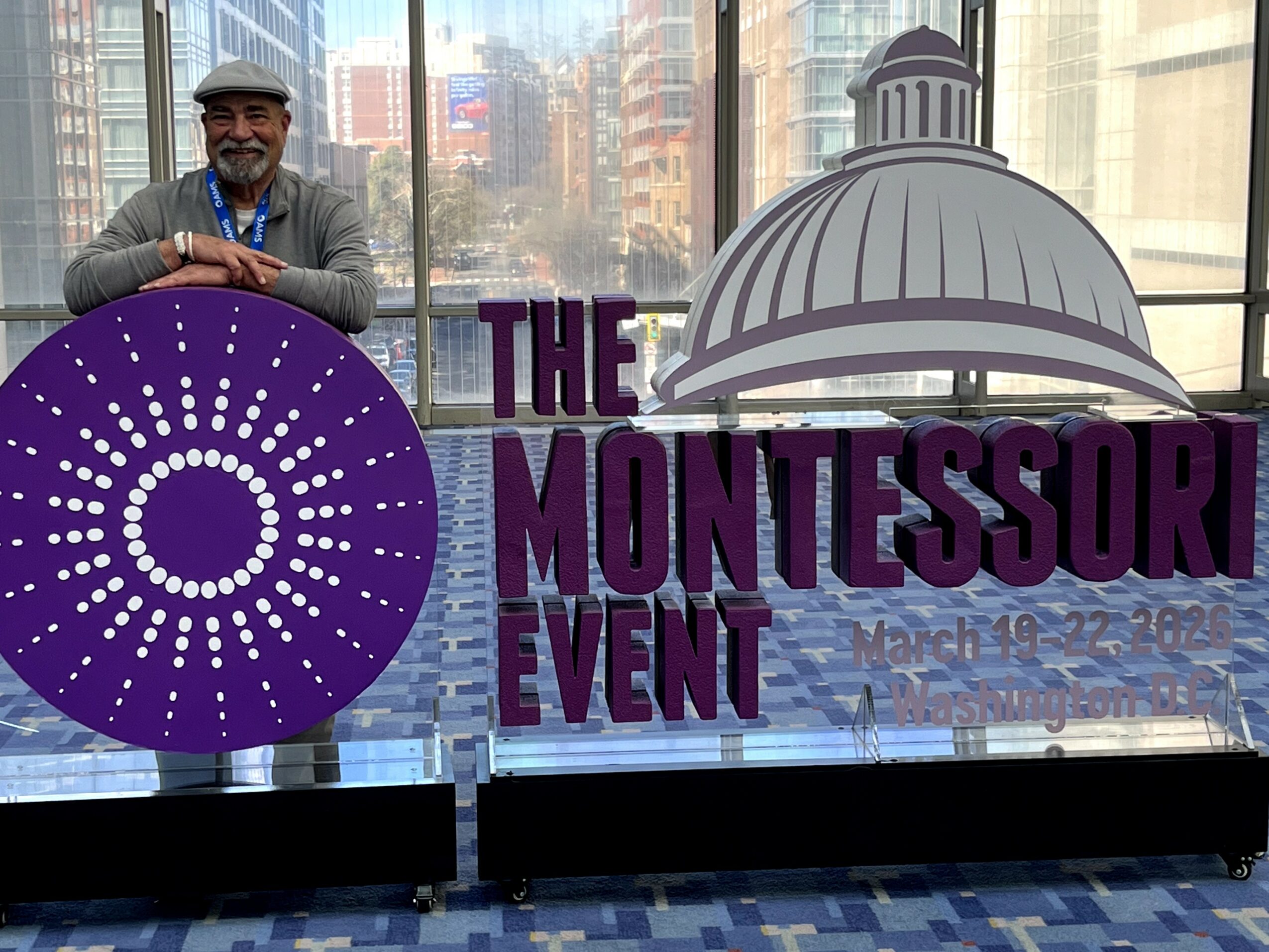
When I was 20 years old, I was searching for a “day job” and learned that a preschool was looking for a music teacher. I visited the school—a Montessori school—and immediately fell in love with Maria Montessori’s unique educational philosophy and approach, as well as the opportunity to work with young children.
Soon afterward, I received a scholarship to complete Montessori training and become a certified Montessori director. As I immersed myself in Montessori philosophy and methods, I began exploring how these principles could help me develop a more effective way to introduce and teach the language of music to young children.
Over the past 50 years, I have worked in Montessori schools across Michigan, the U.S. Virgin Islands, California, Hawaii, and New Mexico. Through years of classroom observation and daily interaction with children, I gained a deep understanding of what engages young learners and what they need to succeed musically.
These experiences inspired me to create 11 interactive CDs of original music for children, four instructional videos, five children’s books, and my curriculum guide, Method to Music, which outlines my approach to nurturing musical skills and understanding in young children.
My life’s work has been dedicated to helping children experience the joy of music while building a strong foundation for lifelong musical growth and appreciation.
Would you say it’s been a smooth road, and if not what are some of the biggest challenges you’ve faced along the way?
Creating a music curriculum that truly works for young children has always been my passion and personal goal. Learning from the children themselves and spending time in the classroom was not only enjoyable but also incredibly inspiring. Their enthusiasm, creativity, and natural love of music continually motivated me to refine my approach.
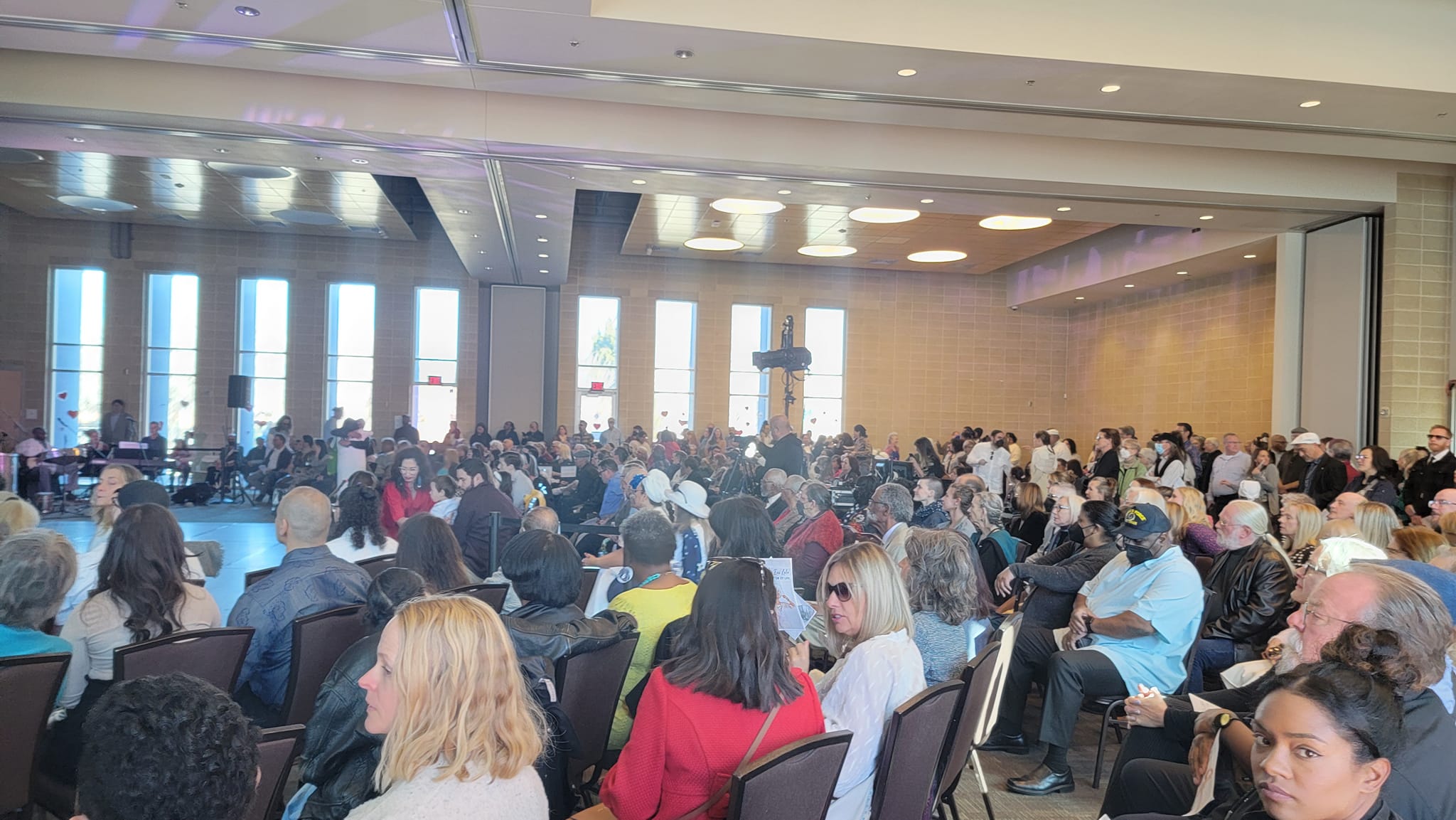
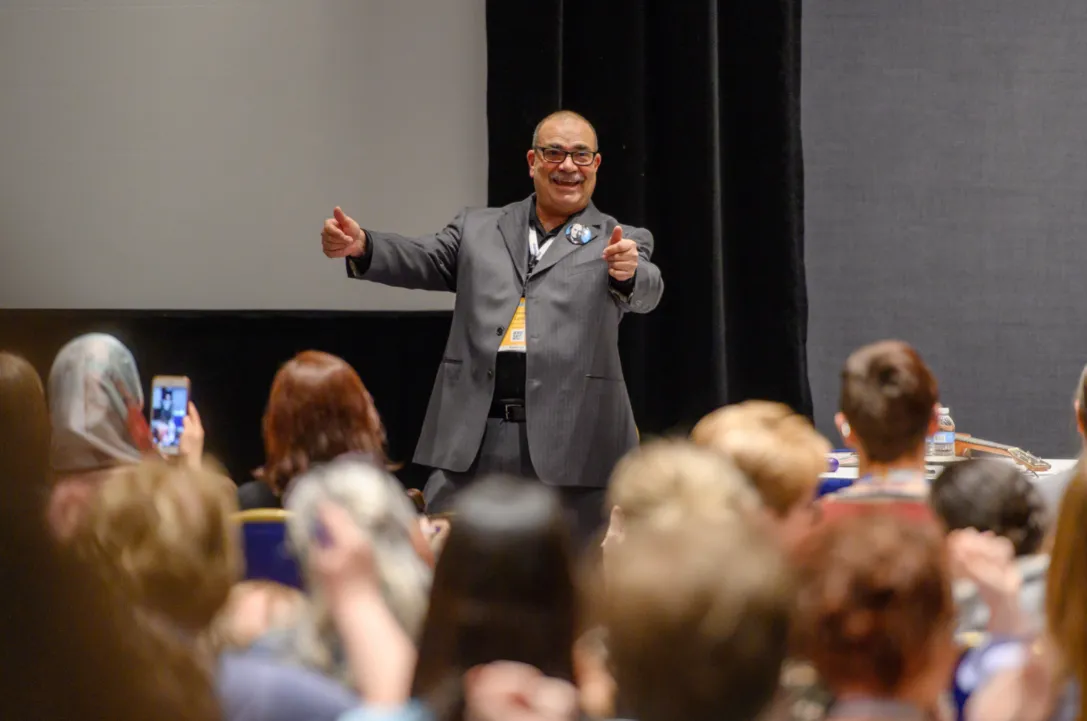
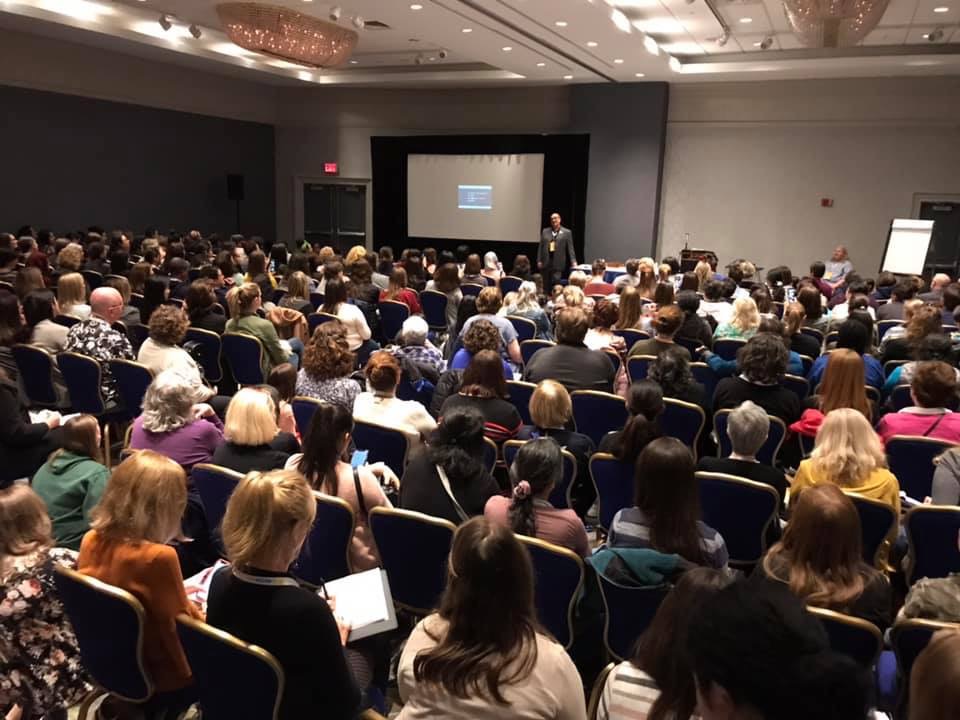
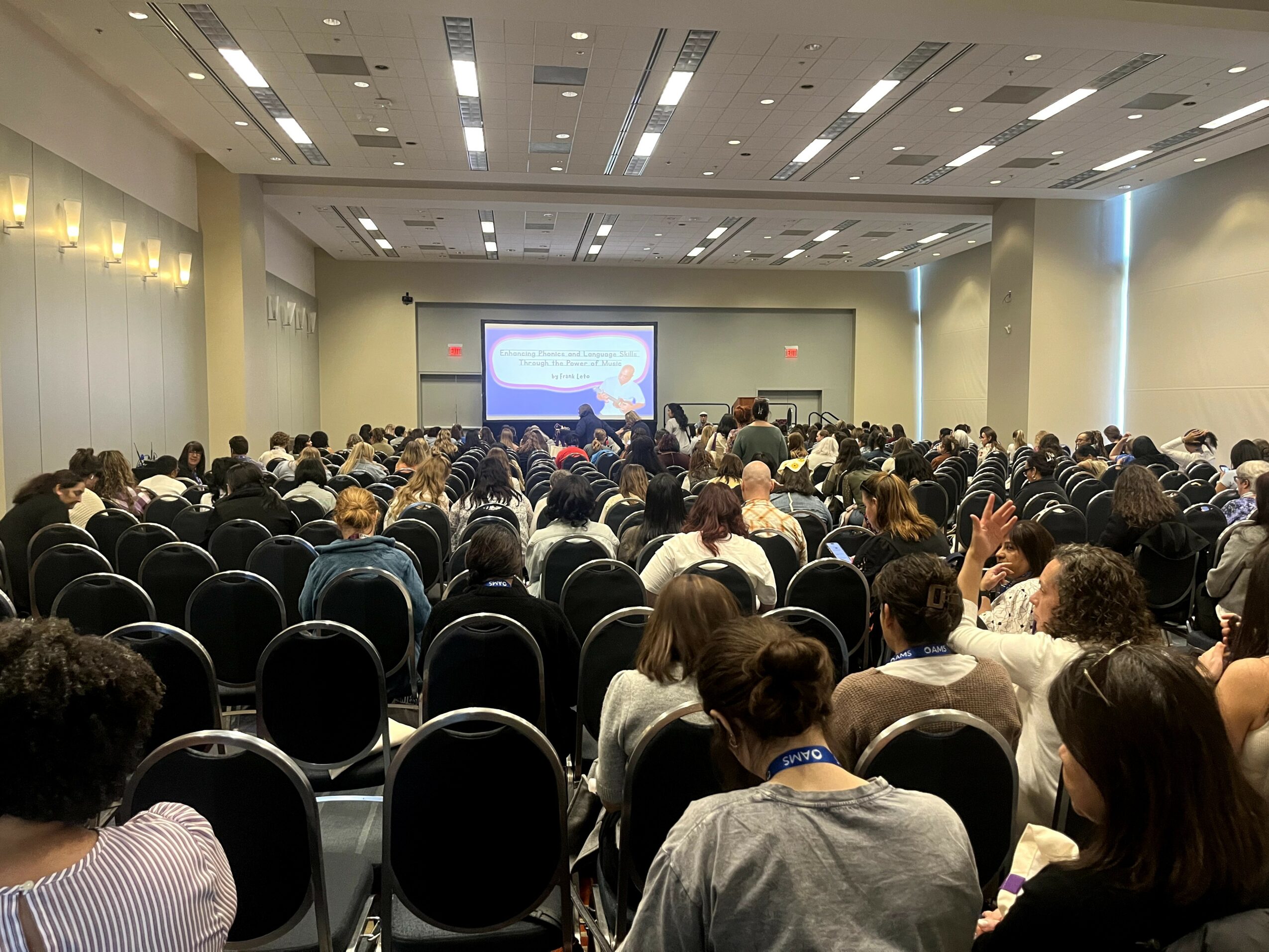
As my curriculum developed, I began sharing my songs and teaching methods with other educators. Over the years, this led to opportunities to conduct workshops and deliver keynote presentations throughout the mainland United States, Hawaii, the U.S. Virgin Islands, the Bahamas, Canada, Vietnam, China, and South Korea. I have always enjoyed sharing my insights on music education and classroom management with fellow teachers.
At the same time, there have been challenges. One of the greatest has been changing the perception that music in the classroom is simply recreational. In reality, music is a powerful catalyst for learning, especially during the early childhood years. Research and experience have shown that developing musical skills at a young age supports children’s cognitive, physical, emotional, and social development.
A significant part of my work has been helping educators recognize the vital role music can play in the classroom. Through my keynote presentations and workshops, I not only advocate for the importance of music education but also provide practical tools and strategies that teachers can use to successfully incorporate meaningful music experiences into their daily lessons.
Alright, so let’s switch gears a bit and talk business. What should we know about your work?
My approach to early childhood music education is based on the well-established understanding that young children learn through repetition. One of the most effective tools for teaching lyrics, melodies, rhythms, and movement is the call-and-response format. Many of my original songs incorporate this approach. I sing a short, simple phrase accompanied by a movement that reinforces the meaning of the lyric—for example, “wash my hands”—and the children immediately repeat both the words and the action.
This method allows children to experience success right away. Rather than focusing on memorizing an entire song, they simply follow my lead, participating naturally and confidently. I consider this a multisensory approach because it engages children on multiple levels simultaneously—they listen, sing, move, and interact with the music.
Children also learn through association. When movements are paired with lyrics, the physical actions reinforce the meaning of the words, helping children internalize and retain the information more effectively. This combination of music and movement keeps children actively engaged and sustains their interest throughout the learning experience.
Over the years, I have successfully applied this approach not only to teaching songs, but also to developing rhythm skills, introducing solfège, playing rhythm band instruments, encouraging gross motor development, and even providing an introduction to phonics. By making learning interactive, enjoyable, and developmentally appropriate, children are able to build musical skills while strengthening other important areas of growth and learning.
How do you define success?
I do not define success in monetary terms. While I have been fortunate to make a living through my music and educational work, true success for me is measured by the impact I have had on children and educators around the world.
Knowing that my songs, teaching materials, and curriculum are being used in classrooms across many countries gives me a tremendous sense of fulfillment. My goal has always been to create a more effective and engaging way to pass the language of music on to young children. Seeing teachers embrace my approach and watching children respond with enthusiasm and joy tells me that I have achieved that goal.
Success, in my view, is not about recognition or financial reward—it is about making a meaningful contribution that continues to benefit others long after the work is created. If I have helped children develop a love for music and provided educators with tools that make a difference in their classrooms, then I consider that a successful life’s work.
Pricing:
- Half Day Teacher Training Workshops start at $1,500
- Full Day Teacher Training Workshops start at $3,000
- Children’s Concerts start at $1,500
- Virtual Teacher Training Workshops also available
Contact Info:
- Website: https://www.frankleto.com
- Instagram: https://www.instagram.com/frankletomusic
- Facebook: https://www.facebook.com/frankletomusic
- Youtube: https://www.youtube.com/@frankleto
Popular
-

LA’s Most Inspiring Stories
-

Portraits of the Valley
-

Rick Norris Learned That Building a Successful Business Means Building a Life You Actually Want to Live
-
How Olivia Rush Turned Survival Into a Mission to Help Others Keep Going
-

How Bibi Goldstein Is Helping Entrepreneurs Reclaim Their Time by Embracing the Power of Delegation
-

Victoria Hasson is Redefining Voice Coaching Through Community and Collaboration


