




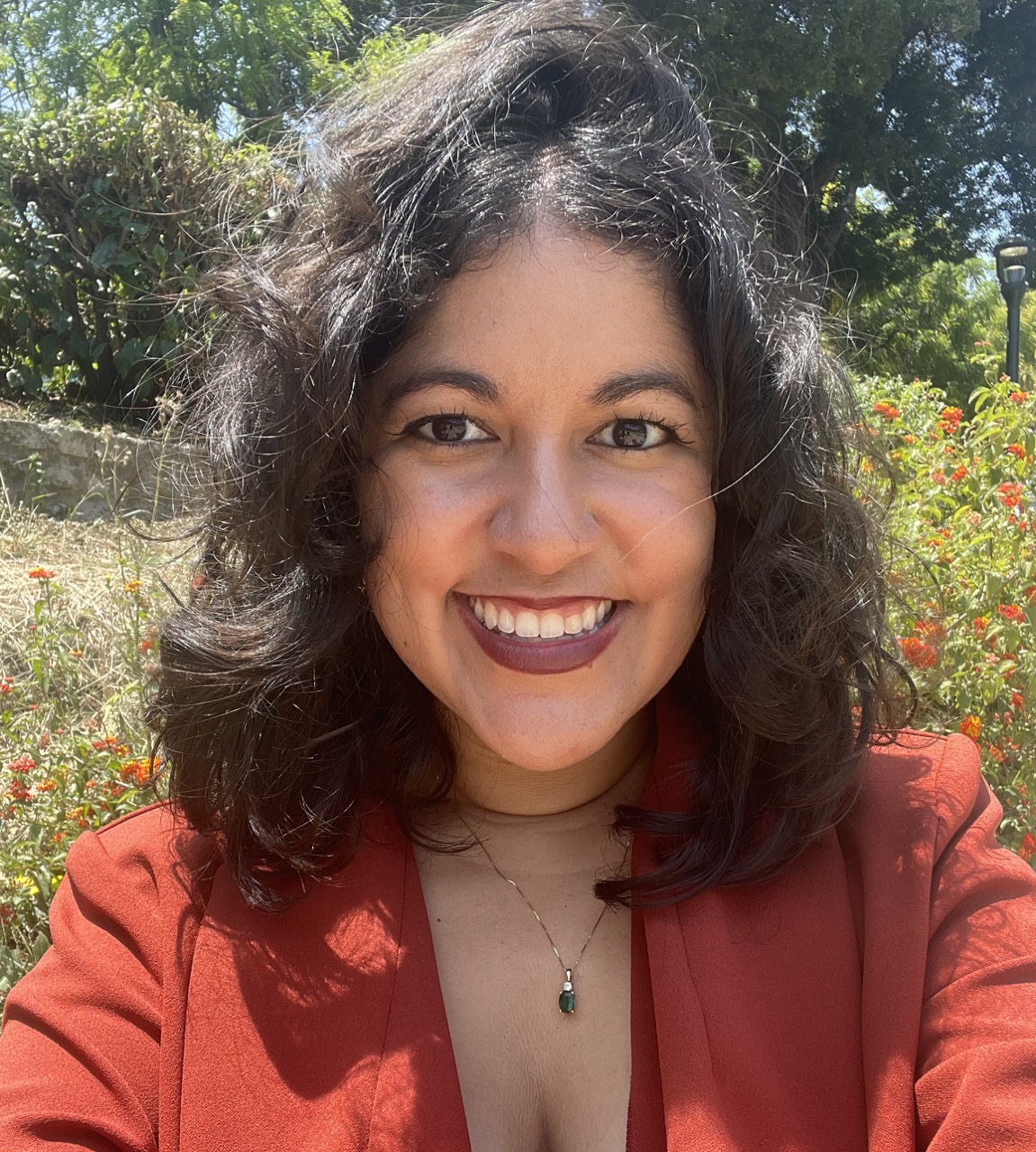
Today we’d like to introduce you to Andrea Acosta.
Hi Andrea, so excited to have you with us today. What can you tell us about your story?
Hello, my name is Andrea and I am a teacher and researcher who writes about South Korean popular media–especially K-pop! I currently work as a faculty member at Pitzer College out in Claremont, and I earned my PhD in English not too long ago from UCLA. But to be honest, as a first-generation student from a Mexican/Puerto Rican family in Texas, I didn’t actually expect to make it all the way to grad school. I would say my current life was only made possible by the mentors I encountered along the way: the teachers, TAs, advisors, and professors who (from high school all the way through senior year in college) helped me envision a PhD as a concrete possibility. Even then, I’ll admit that I didn’t actually know anything about the specifics of earning a PhD or what working in academia would actually be like–maybe if I had understood the particulars of how low grad student pay was, the labor exploitation that can attend it, and the power structures (and struggles) of the university as an institution overall, I would have made a more informed decision. But I didn’t, and I simply decided to go for it because I liked scholarship, reading, and writing enough to find these things out for myself.
I entered my PhD program as a Victorian literature scholar, and I thought that my interest in Oscar Wilde would carry me all the way to the end of the program. But it was in the middle of the program that I discovered something else: not a new area of study, per say, but instead a new community and mentorship network that would give me the courage to academically explore the media I had always consumed for fun. For years, I had been a quiet fan of Korean popular culture and media: for instance, despite telling almost nobody else in my life about it, I was incredibly involved in the organized fan efforts to break BTS into the mainstream of US pop culture from about 2014 to 2019. With other U.S.-based K-pop fans online, I was calling radio stations, writing letters to newspaper editors, advocating for their nominations at award shows, voting for the group online–the works. All of that had been, for me, an intense but deeply personal hobby.
But the friends I made in grad school, and the mentorship of certain professors, finally pulled that intensity to the fore of my scholarship. Part of making this move was my own frustration with existing English-language scholarship on K-pop and South Korean popular media that I was finding in my own literature reviews. On the most extreme end, the focus could be all economics and markets: K-pop as Korean national export, idols as money-makers for their attendant corporations, hallyu as economic stimulant for the Korean economy. For people invested in economics and global markets, this is admittedly a valuable lens. But as a K-pop fan in the U.S. around 2014-2016, I was seeing something entirely different that this economic account wasn’t capturing: a robust fanbase, made up mostly of women, femmes, and queers of color, who were connecting with K-pop and turning it into a vector of community activism, artistic support, creativity, and connection. It was Black, Asian, and Latina/x fans loving groups like BTS and turning that love into something structurally transformative for their own lives. It was also a community of fans who took seriously the specifics of the art and performance that K-pop made legible to the world, understanding a group’s artistic approach as unique and valuable rather than something easily dismissed or flattened under the label of K-pop “corporate production.”
Since then, my scholarship and writing has been motivated not just by my own love of South Korean media as a fan but by the need to address, and elaborate on, these missing accounts. I write about fans of color, about the transnational activism and community work they advance through K-pop, and about their inherent challenge to purely neoliberal understandings of K-pop. I also write about K-pop itself: the way its idols advance a genuinely compelling performance art into the world, despite the restrictions of their corporate environments. In fact, the more I write and think about idols in the K-pop industry, the more I see the solidarities between the idols-as-workers in their specific institutional contexts and us (grad students, office workers, teachers, laborers) in our own. I want to linger over these solidarities more than anything else: not just to make each legible to the other but to expand the possibilities of the activism that can happen in and through our love of K-pop.
All of this has led to the creation of MENT Magazine: a digital and print publication made to publish critical and creative work on Korean popular media along the above lines. Yin Yuan, a professor of English at Saint Mary’s College of California, was the one who approached me with the idea just before I started my own position at Pitzer College. Together, we crafted a publication animated by the idea that Korean popular culture offers insight not just into pop culture but into broader issues of gender, race, capital, labor, geopolitics, technology, and sociality. To date, we have published two issues and are planning on a third—a launchpad, we hope, to in-person and community events organized around Korean pop culture, thoughtful critique, and useful activism.
As we continue to grow and expand the publication, we will continue ask how South Korean media’s existing global impact and digital experimental forms might be recruited into our collective global struggle for justice. The pathways it offers, after all, embed not only the digital—a contemporary site of political engagement—but a potential for the transcultural, transnational solidarities our current moment demands.
[You can access Issues 001 and 002 of MENT Magazine for free at www.mentmagazine.com.]
Alright, so let’s dig a little deeper into the story – has it been an easy path overall and if not, what were the challenges you’ve had to overcome?
I think our most pressing obstacle for MENT Magazine at the moment is figuring out how to make it financially sustainable such that we can fairly pay our writers, print layout designers, and graphic designers far into the future. Embarking on a print media/magazine venture in this economy is not easy, but we’re hoping that expanding our community connections and network will lead us to a better place on this front. The energy for Korean media is absolutely there! We just need to find the money for it as well 🙂
Thanks – so what else should our readers know about your work and what you’re currently focused on?
Currently I work and teach as an Assistant Professor of Media Studies at Pitzer College out in Claremont, CA. As an academic, I work at the intersection of digital media and critical race studies, and my primary research focus is South Korean popular media–most notably K-pop and its transcultural reception.
My research work has been published in the Journal of Cinema and Media Studies and in Post45 Contemporaries, as well as in a forthcoming issue of ASAP Journal in January 2026. While most of my writing has been on K-pop and K-media, I also write about bots, AI, and the way the cultural narratives around these technologies continue to define and redefine how we imagine the “human” in a digital era.
As co-founder and co-editor of MENT Magazine, alongside Yin Yuan, I hope to bring this “academic” work to the general public: to make accessible and mainstream this kind of critical work on the K-media we love.
What’s next?
I am currently working on a full-length book on South Korean popular media that will hopefully find a home in the near future. My biggest plan is to finish that project–but my smaller plans in life include: 1. seeing Lee Taemin perform live sometime soon, 2. building stronger community connections in my current hometown of Pasadena, and 3. enjoying a new coffee shop at least once a month.
Contact Info:
- Website: https://www.mentmagazine.com
- Instagram: @ment_magazine
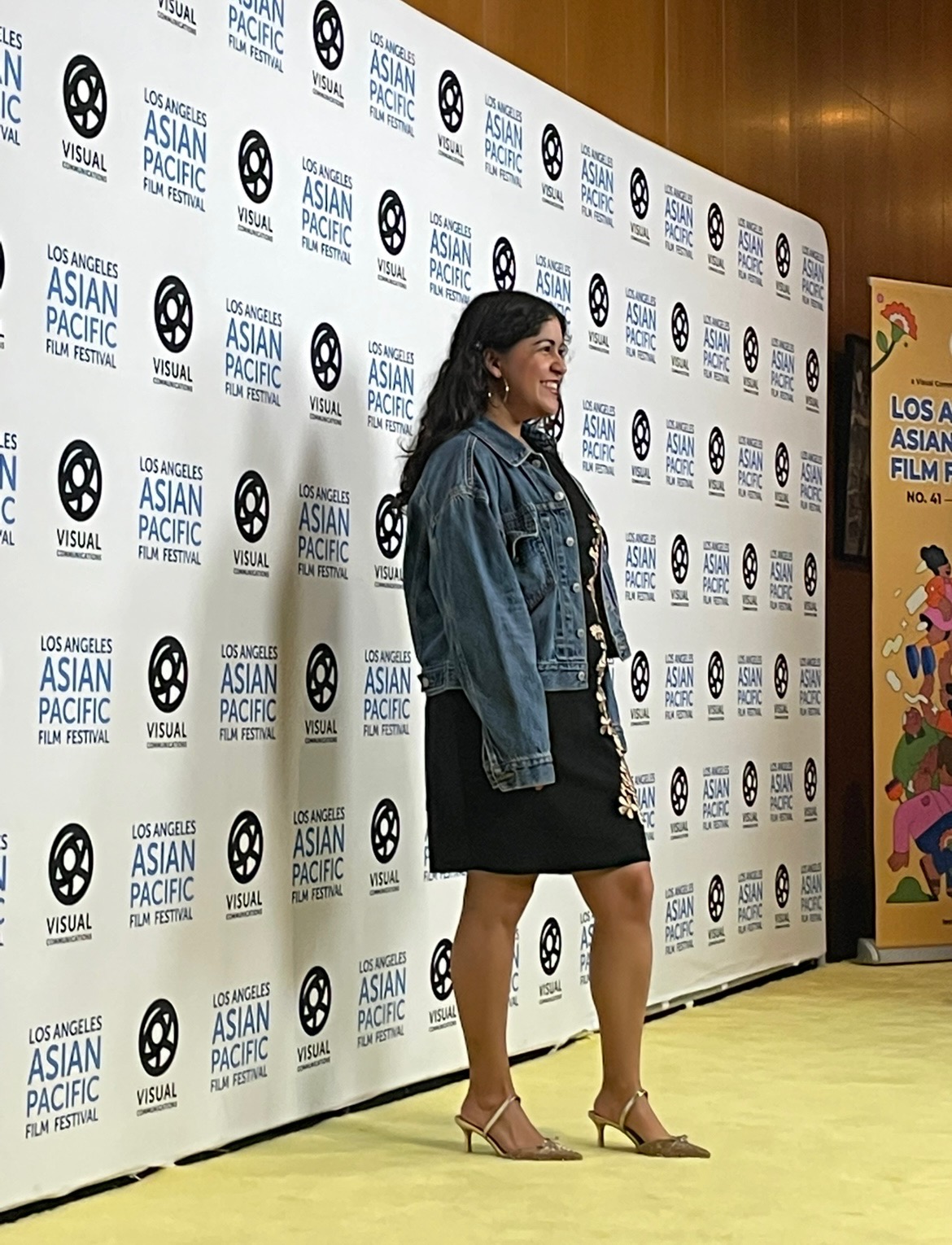
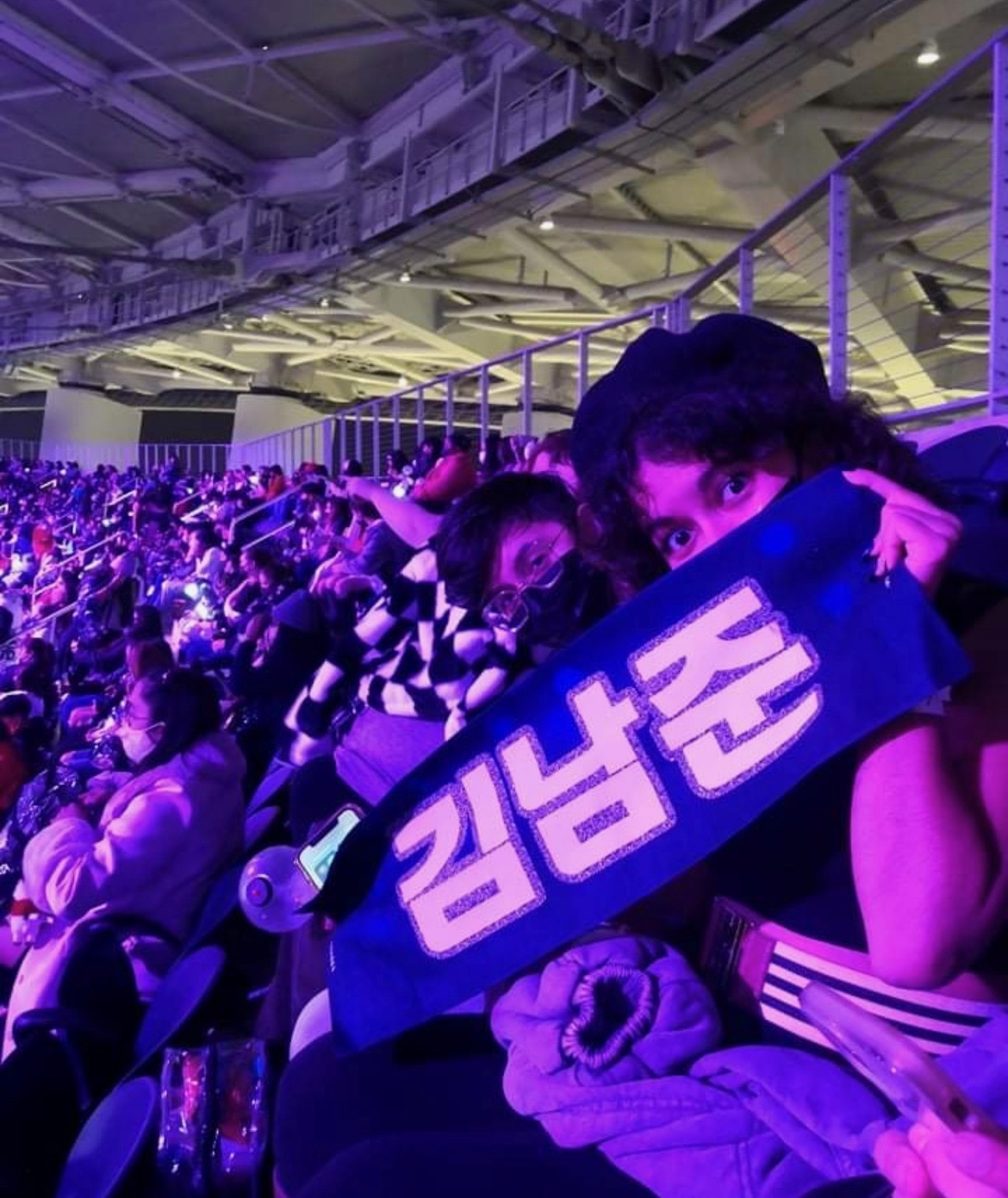
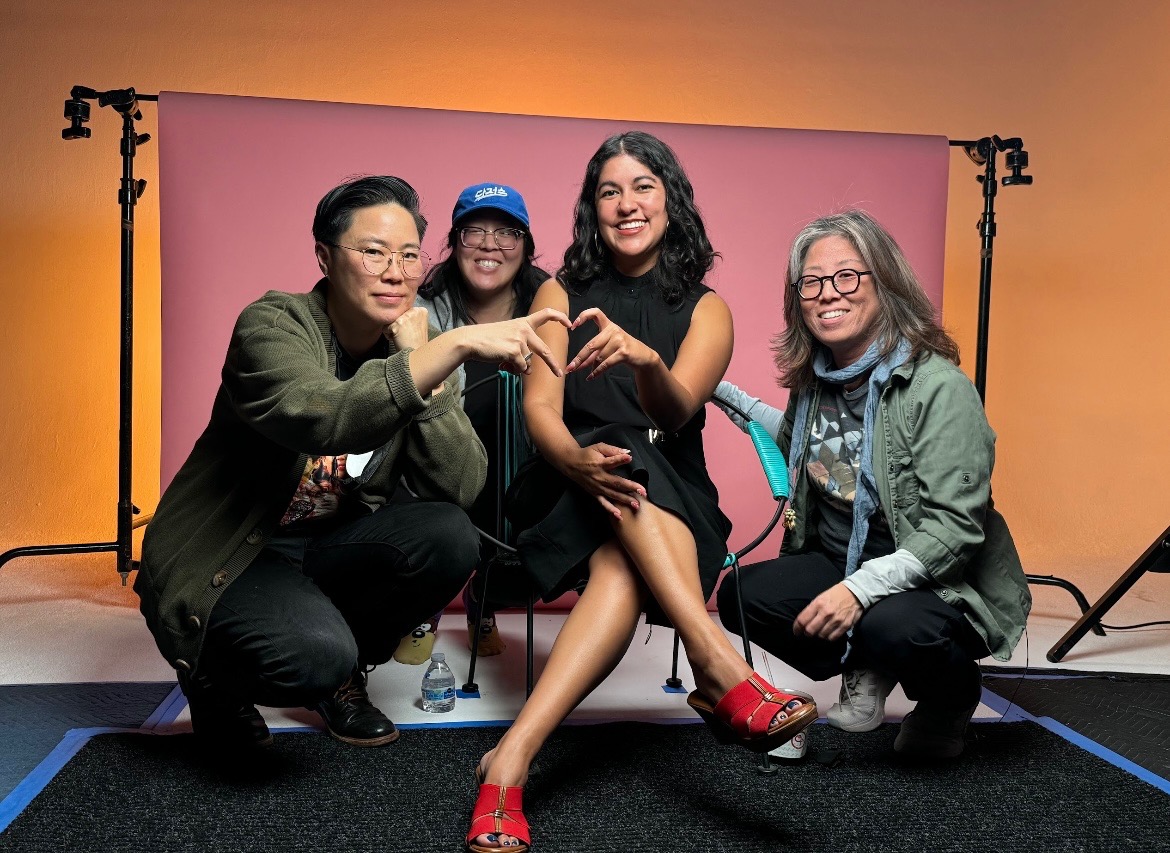
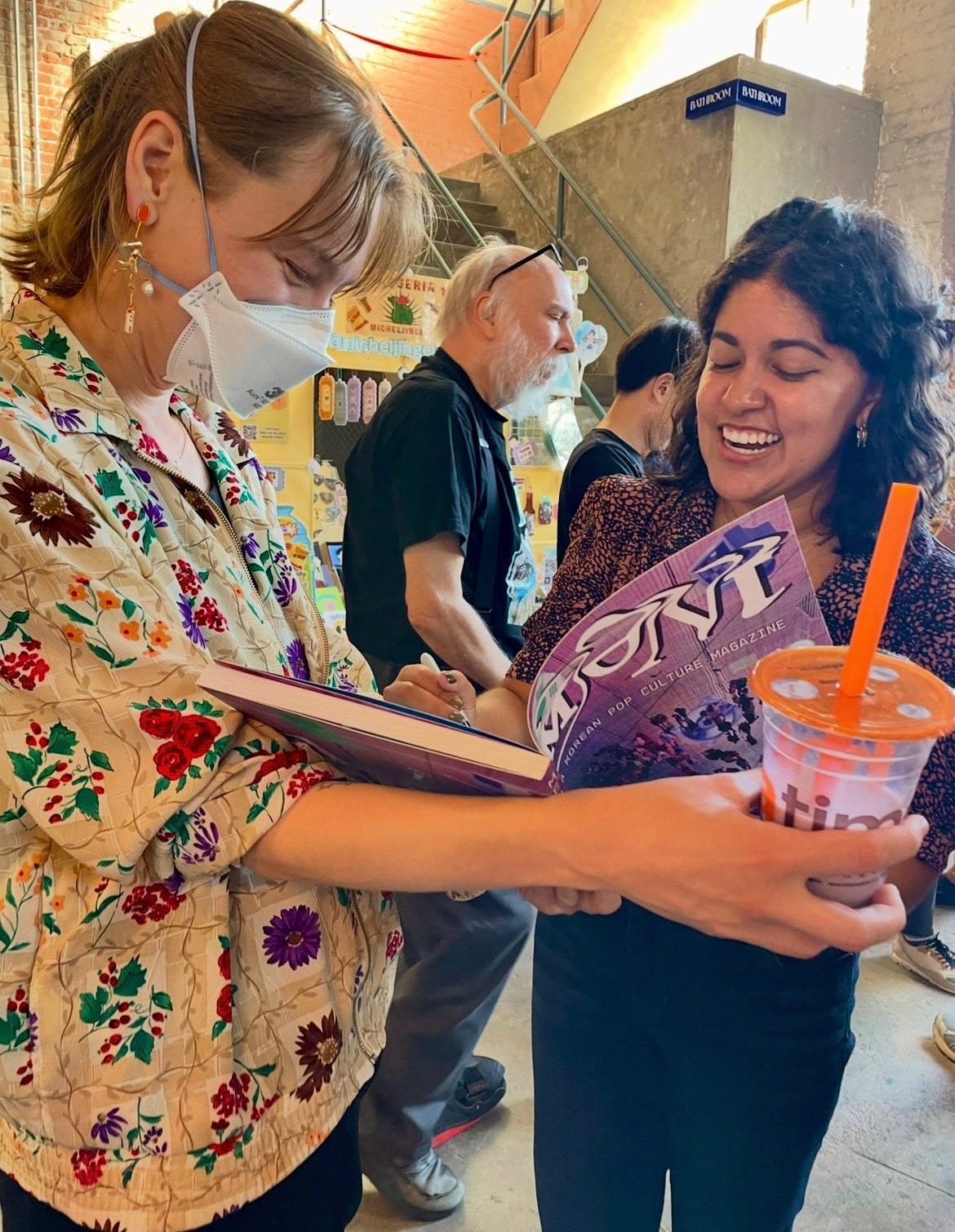
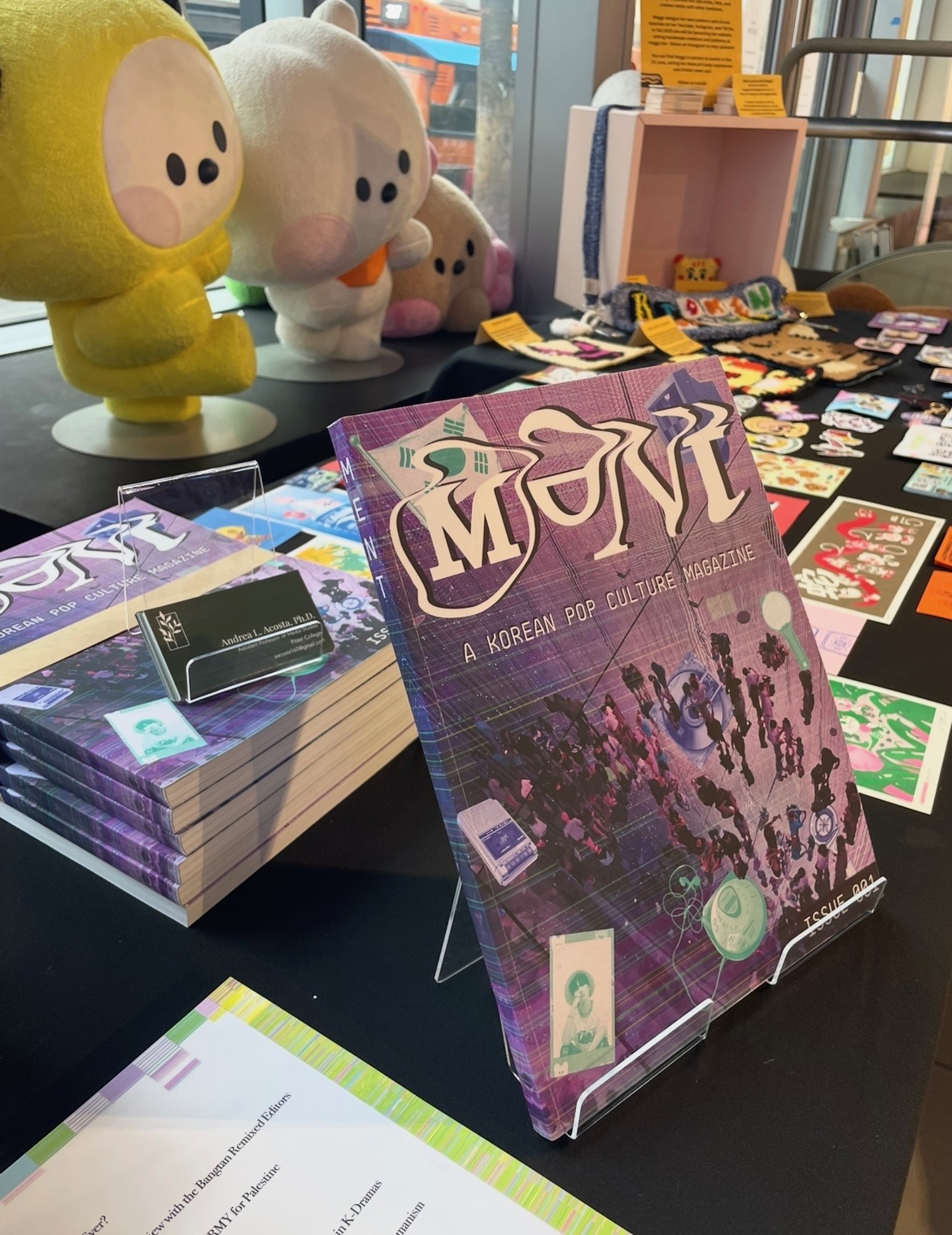
Image Credits
The image with four people can be credit to Grace Lee and Patty Ahn.
Popular
-

JordanL on ‘Breathe,’ Belief, and Building a Movement Beyond the Music
-
Megan Birney Rudert on How Access to Light Is Powering a More Sustainable and Equitable Future
-

Linda Kneidinger on Building Lasting Change Through Small Steps and Self-Compassion
-

Jolana Nika on Redefining Modern Connection Through Intentional, Real-Life Experiences
-
What did suffering teach you that success never could?
-

Who saw you clearly before you could see yourself?


