




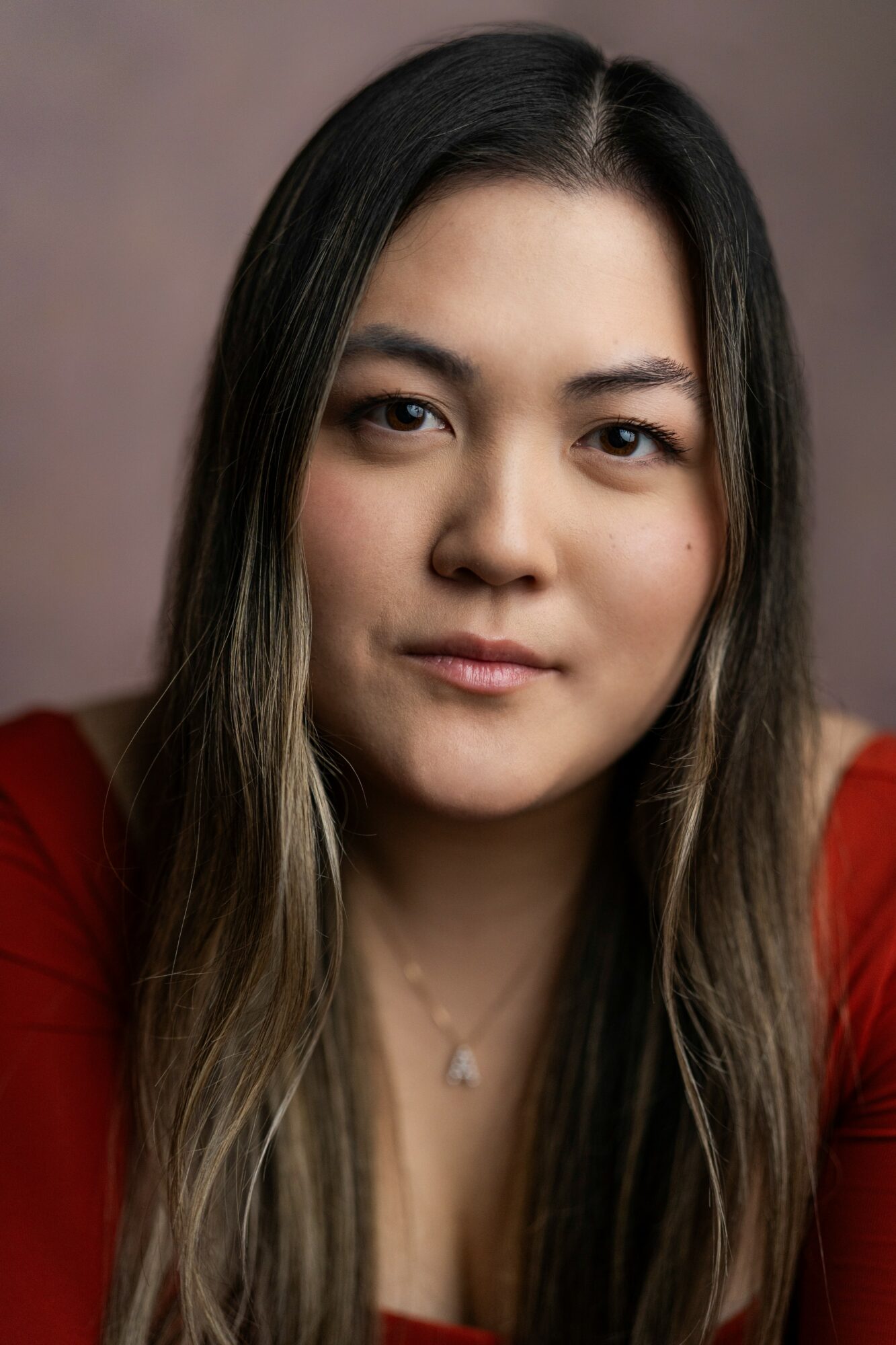
Today we’d like to introduce you to Alexis Iritani.
Hi Alexis, thanks for sharing your story with us. To start, maybe you can tell our readers some of your backstory.
My foundational training included fifteen years of diverse dance disciplines at the San Ramon Valley Dance Academy in the Bay Area. In high school, I booked my first dance job helping create a music festival set and backup dance for the musician Ellise.
Given there was nothing else I was quite as passionate about, I decided to study Dance in the World Arts and Cultures department at UCLA. This program allowed me to learn under esteemed professors such as Victoria Marks, Gracie Whyte, and Robert Een. I also had the opportunity to perform original work from renowned choreographers Kyle Abraham, Nina Flagg, and Natsuo Tomita. As an upperclassman, I was provided the opportunity to guest-instruct the intermediate departmental ballet class once a week as an apprentice under Tomita. Under her tutelage, I received feedback on how to best strengthen my articulation skills, bridging my communication with movement phrases and the energy and motivation behind them.
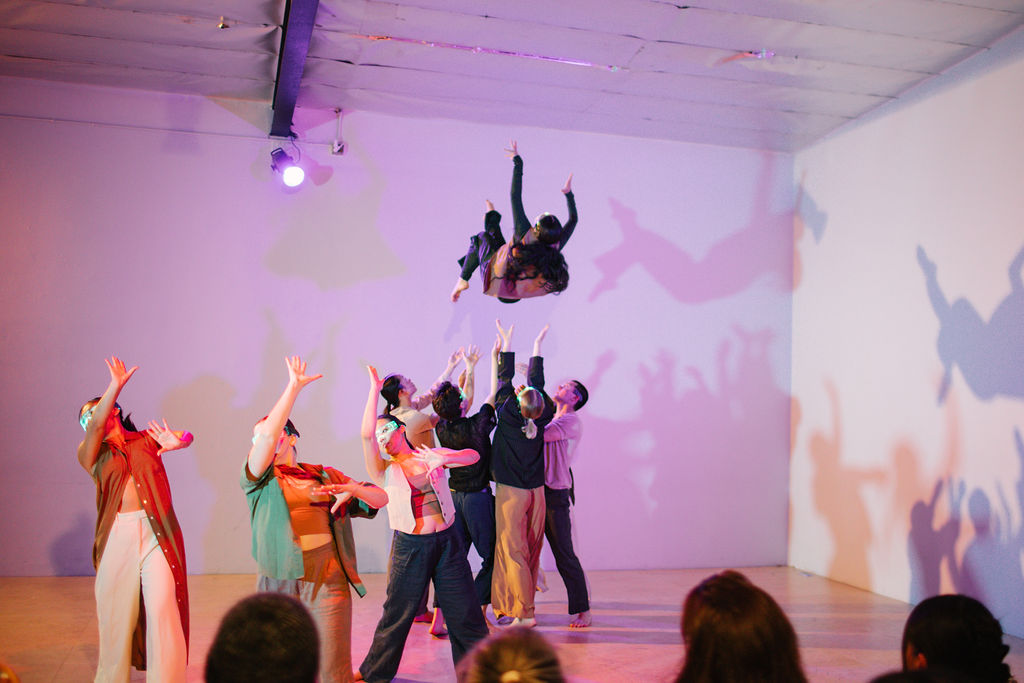
Throughout my four undergrad years, I was a company artist and choreographer of Icarus Contemporary Dance, and became a director for my final two years. Through the company, I had the tremendous opportunity to contribute choreography several times and perform a solo at UCLA’s Spring Sing. This showcase and competition is one of the university’s most beloved traditions with musical, dance, and theatrical acts performed in front of thousands.
For two years, I also served on the executive board of Movement Exchange, an organization driven to power under-resourced communities through accessible and sustainable dance education facilitated by its network of university chapters, international dance exchanges, and year round programming in both Panama and the US. Our chapter benefitted the Greater Los Angeles community, and I focused on serving the Girls Academic Leadership Academy through volunteer instructing weekly classes to middle-schoolers.
Graduating during the height of the pandemic left me feeling somewhat lost creatively, so I made the choice to forgo developing my career in LA and moved to London to pursue a postgraduate degree at the Trinity Laban Conservatoire of Music and Dance. I stayed one year longer than I initially planned to, as I found myself wanting to deepen my research for both my independent project and dissertation.
I conducted an in-depth research project in O’ahu on Hawaiian culture, Hula, and how its purpose has shifted from before statehood to present day. The responsibility to bring voices of Native and Indigenous first hand experience into my documentary was crucial. I felt a strong pull towards this subject matter due to my family’s identity. Research in higher education in Europe is far removed from Native Hawaiian culture, so I got pushback from advisors who didn’t agree with my estimation of this research’s importance. On the flipside, many possible Hawaiian sources were hesitant to agree to speak with me, skeptical that institutional research would accurately portray their culture without diluting or skewing the information. I ended up producing documentaries on Kumu Hula Lehua Bray and Kahu Rosie Khim. Community and familiarity proved to be the reason my project ended up complete and authentic.
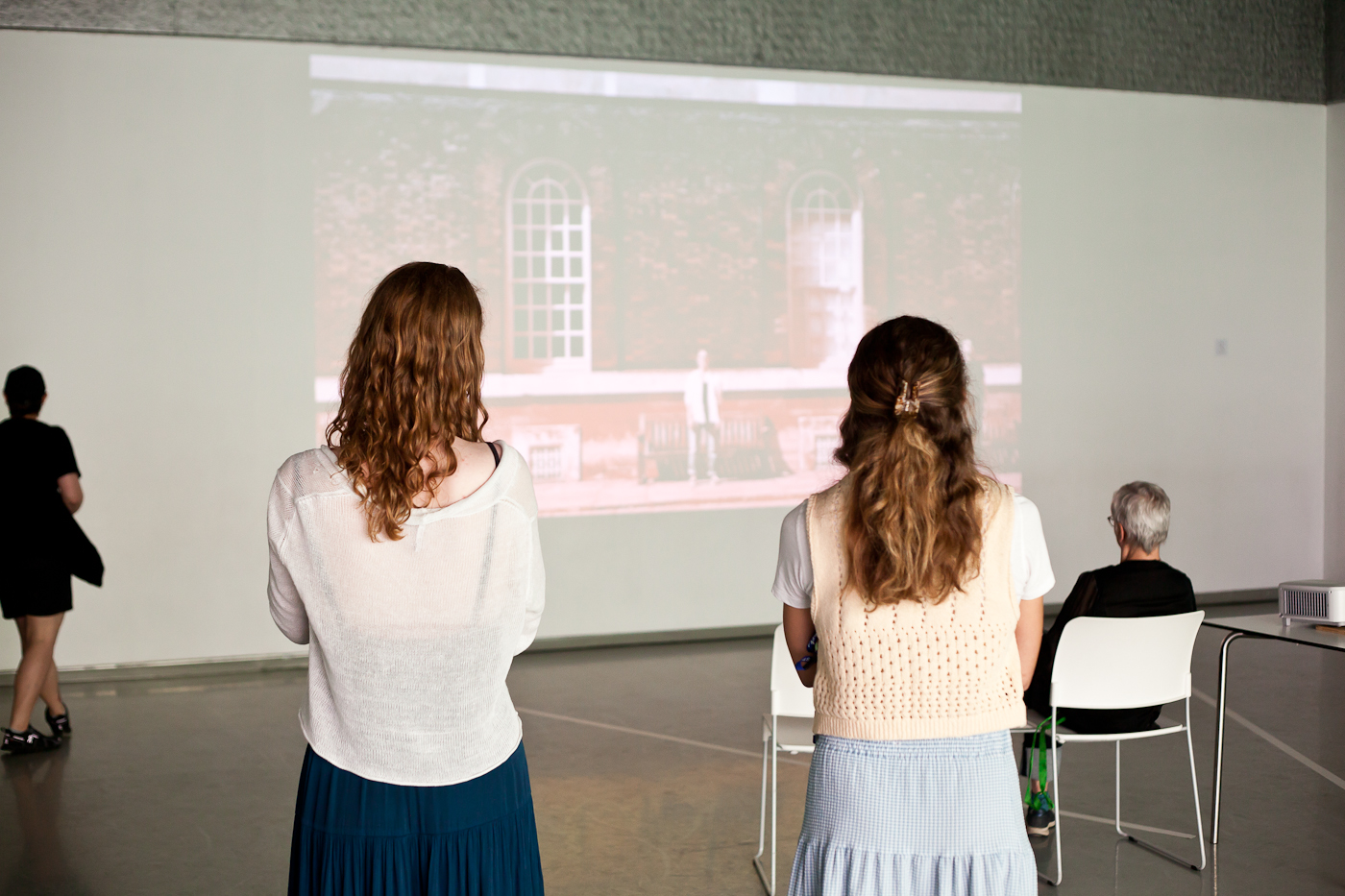
Another reason for extending my program was the opportunity to expand my dissertation. I directed three short films and traveled back to the U.S. to produce one each in San Francisco and Los Angeles. I focused on how themes of accessibility and climate have affected the screendance creation process and how that directly correlates to the products we digest in the present. From the Busby Berkeley movie musicals to viral Tiktok dance trends, I presented an immersive installation in London highlighting my research through documentaries, interview transcriptions, and printed notations of my process.
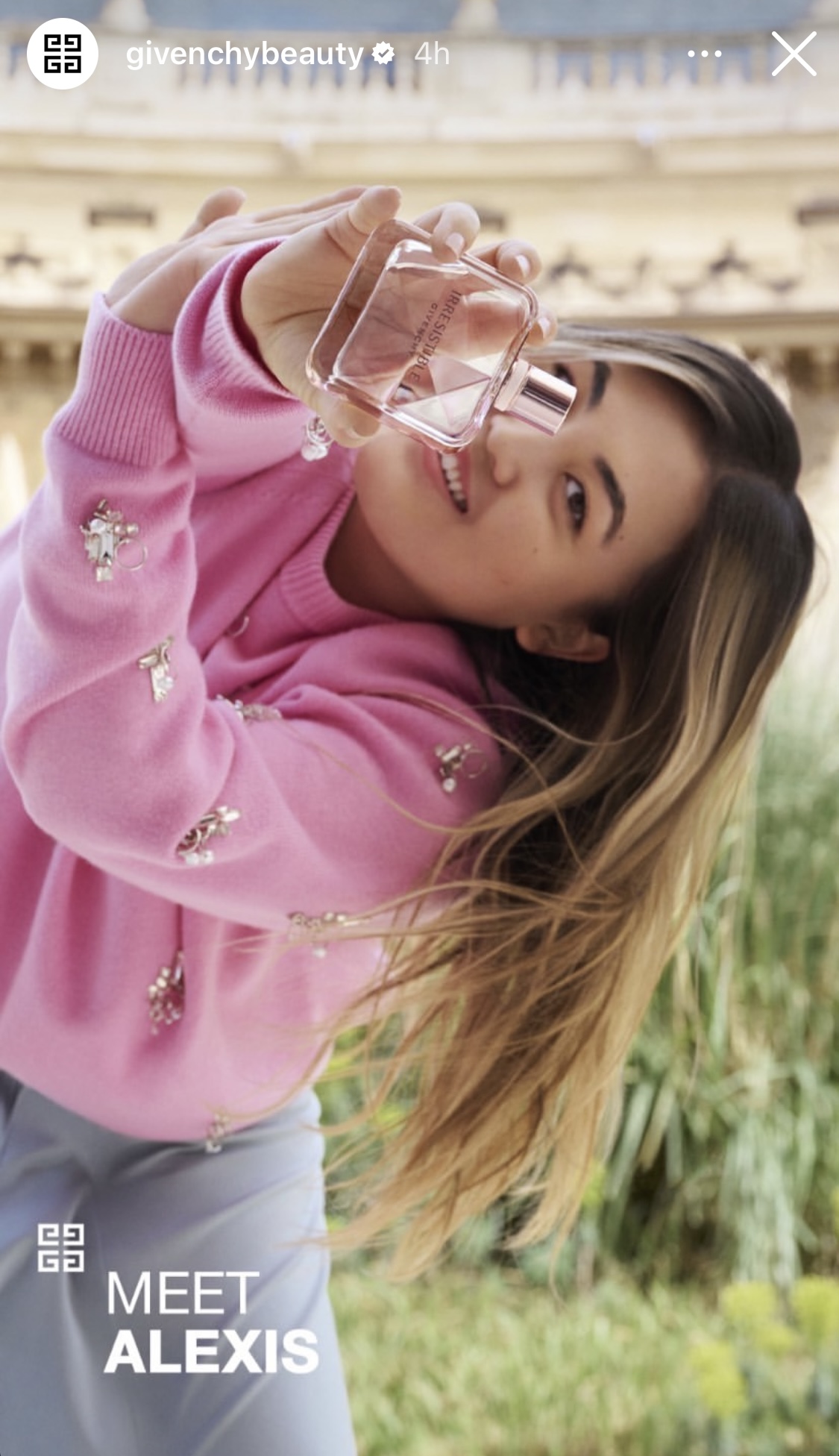
To this point, my career highlight in dance was self-booking a Givenchy Beauty global ad campaign as both a principal dance artist and contributing choreographer in Paris. With the group film using Kyle Hanagami’s choreography, I had the rare opportunity to create my own choreography for the solo portion of the ad.
I had hands-on guidance during my choreographic development from Kyle Abraham, Sorah Yang, MaryAnn Chavez, and Monika Felice Smith, to name a few. Through MaryAnn and Monika, I took part in Lume Dance Collective as both an apprentice and creative in their “Ignite” program.
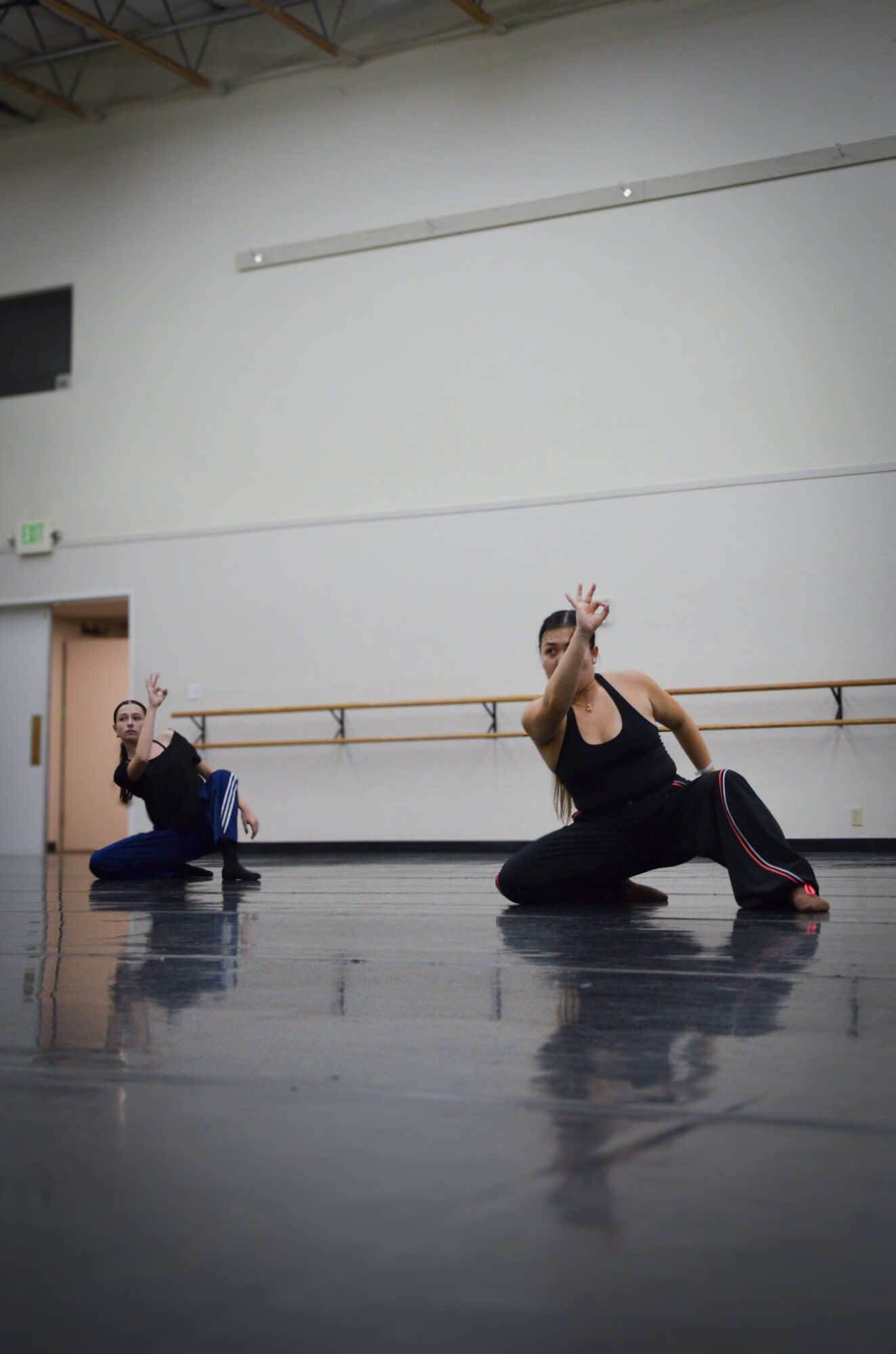
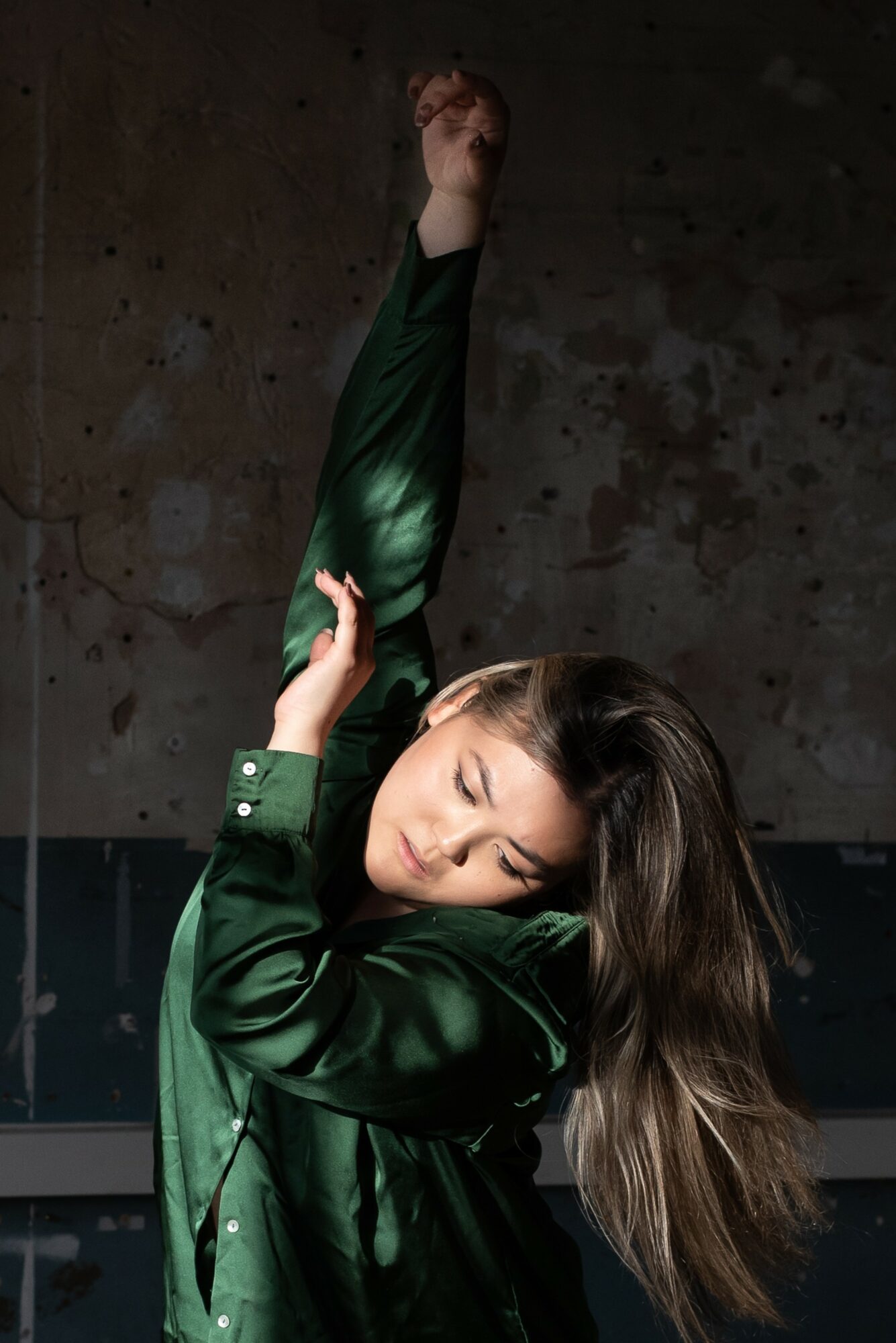
I have since shifted my primary focus towards movement directing in both industry and educational spaces. From traveling around the country to set guest work for studios and competitions to producing shorts to circle film festival circuits, I love being able to capture the human condition, create community, and share my movement with others.
Would you say it’s been a smooth road, and if not what are some of the biggest challenges you’ve faced along the way?
It is never a smooth road. I feel artists who take the leap of faith to pursue their creativity as a career have a murky understanding of the inherent challenges that come with the territory of the industry. To put your name, your work, your life out in the open for the public to criticize, there is a level of risk that fluctuates with what you choose to share. Most of my work is derived from revisiting raw emotions, past events, or commentary on our society and world. At times I struggle with my passion projects being too vague, as my taste for choreography leans pedestrian and gestural. I never want my work grounded in sensitive subject matters to be seen as cheesy or too “on the nose.”
As someone who grew up with a lack of visible role models in the media who also identified as Asian American, Pacific Islander, and female – I never felt pursuing art as a means of income was something I was allowed to do. Being culturally conditioned to view art as a hobby, while areas seen as more practical were the expected career pathways, I only felt joy and a sense of belonging when I exercised my creativity.
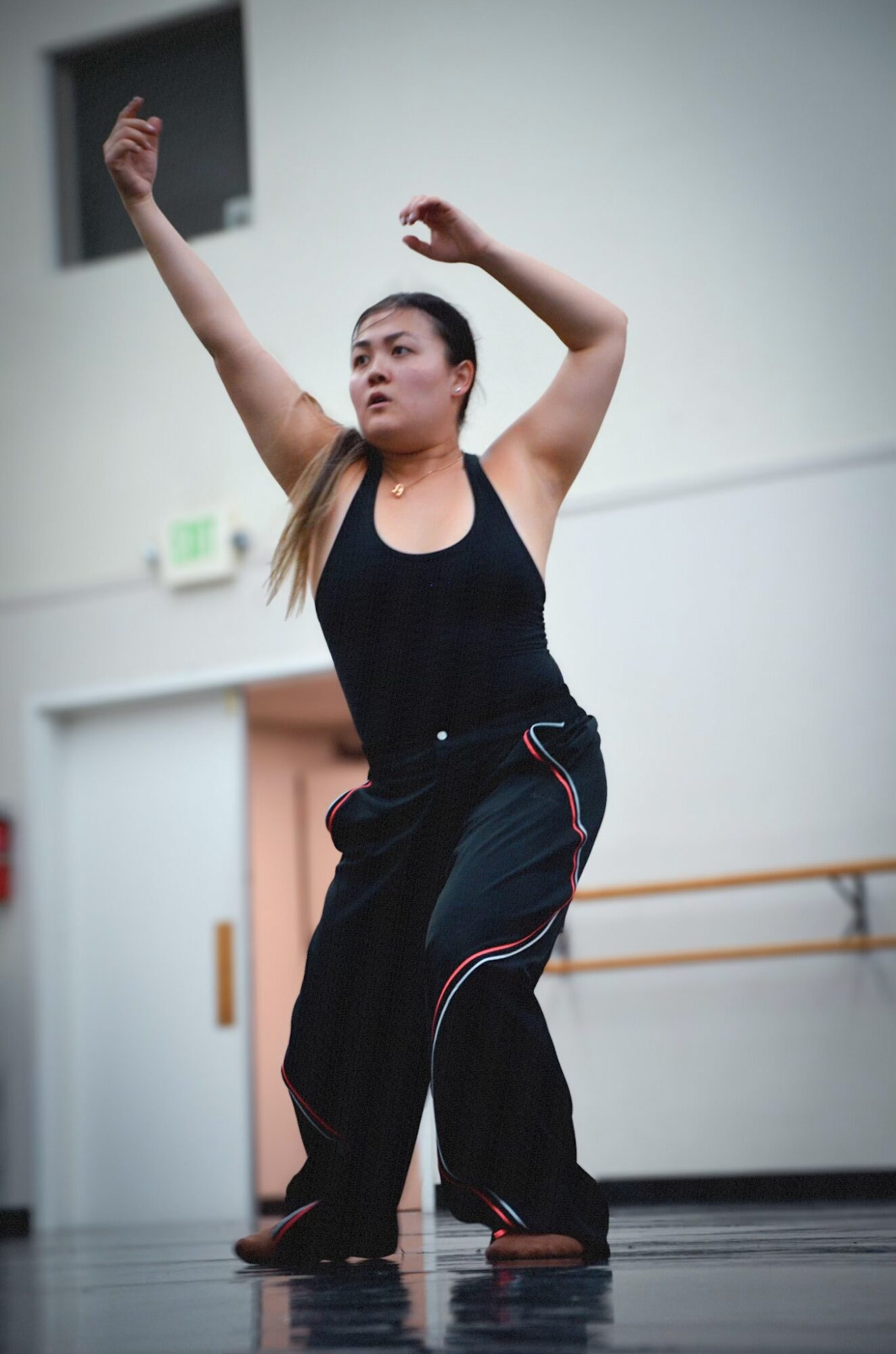
With establishing myself and finding success, I also found myself with responsibilities and navigating situations I never anticipated. I recently choreographed a contemporary dance “Pacer” on pre-professional students for their competition season. I shared clips of the piece online, and it garnered millions of views across social media. Commentary ranged, and as much as I believe in allowing public critiques, I found myself deleting any negativity directed towards my students. Leading while creating a safe and nurturing environment for those I work with is one of my most important goals, and protecting my dancers from cyberbullying was something I felt was necessary. It was a learning moment, and I now talk to my students often about the dissonance between what people say online and what is worth internalizing. It isn’t in my job description to have these conversations, but I care about my students and want them to understand their value cannot be determined by online opinion.
Thanks for sharing that. So, maybe next you can tell us a bit more about your work?
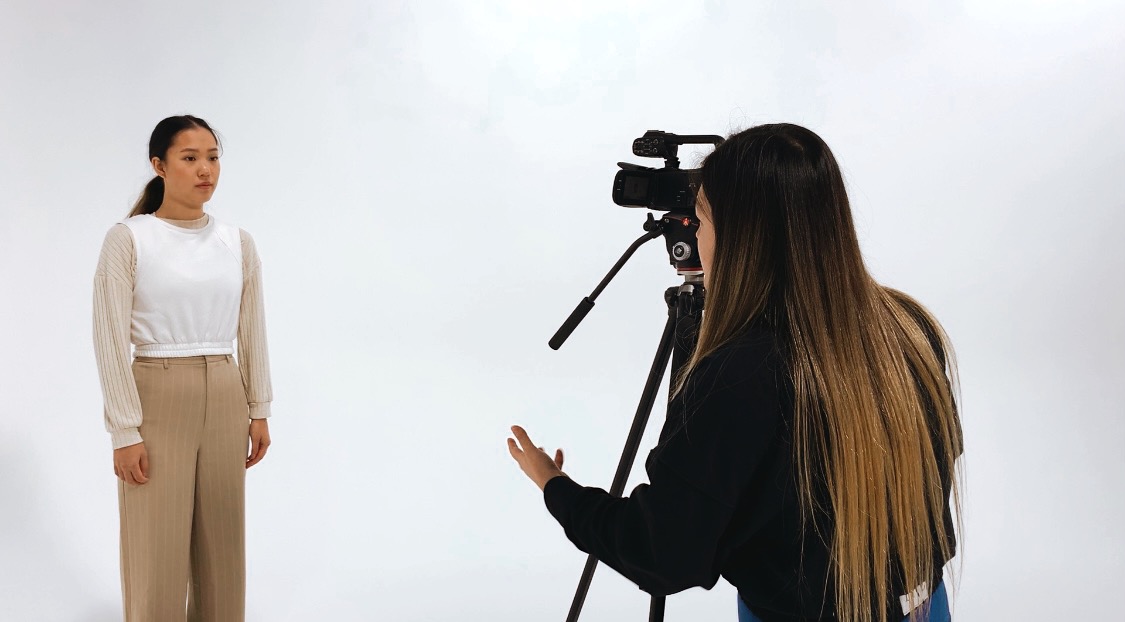
I am proud to have created my own business where I get to combine my love of education with dance and choreography. In this, I help students with both the educational and artistic sides of their college applications. This could mean editing essays, assembling portfolios, choreographing solos and filming slates (short videos where performers introduce themselves for auditions). Each element requires its own set of techniques and strategies depending on the intended audience and intention.
I love being a multi-hyphenate because none of my days are the same. I get to lean into different areas of my passion everyday, whether that be creating a commercial jazz-styled solo commission or updating materials for my consulting program to help students with their college applications. Through guest choreography, I have the opportunity to impact greater communities through setting work while meeting new faces. Filmmaking has furthered my perspective, as working with multiple mediums in a digitally charged time has influenced how dance is made and digested. Also, having the privilege to be a UCLA Scholarship Application Reviewer has helped sharpen my analytical tools and grants me the opportunity to support the alumni organization further.
All I want and hope is to help students realize their potential further than their preconceived notions. Students who don’t excel by typical academic standards are perfectly capable of succeeding and pursuing their passions. Being absent during a portion of school for college auditions left me the responsibility of picking up the pieces in missed classes. Nights that were overflowing with dance rehearsals were supplemented with academic aid in study groups and lengthy office hours. A village of trusted guidance allowed me to process information that did not come naturally. I believe assistance and support can help any student achieve beyond what they thought was possible. I was once that student who did not feel like I lived up to the standards expected of me, which is why I am so eager to be a positive influence on those in the same position I was.
I’m proud of how I have been able to guide students and provide the kind of mentorship I was missing when I was younger.
What sort of changes are you expecting over the next 5-10 years?
The field of dance, specifically in higher education, is rapidly evolving. I have witnessed a growing number of universities who have either added to their existing programs or have started completely new departments. What excites me is how we have evolved to research and include dance in ways that are increasingly accessible, inclusive, and current. The legitimacy of dance as a researched field of study strengthens each time a dissertation publishes, a new student enrolls, or another professor is integrated into the curricula.
The ones who dedicate their lives towards the dance industry and academia have allowed us to arrive at a point where dance programs have their own identities without the need to center solely around Euro-centric, Western ideals. From film production to Bharatnatyam, the range of classes offered has expanded and created a trickling effect in the amount of knowledge dance artists at the university level hold.
Additionally, I have noticed a shift in how the work is being presented. Not just in educational spaces but in commercial spaces, I have seen choreography become less rigid in terms of style, energy, and dynamics. There is such a range of dynamic in what is considered relevant and “on trend” in choreography today — to see the subsections bleeding into one another is something I am excited about. Many competition dances for pre-pro students are starting to look, stylistically, like work presented in university performances. Musical theater now includes street styles, hip-hop, contemporary, and ballet; it’s no longer just one discipline. Movement is starting to blend, and I’ve seen choreographers take on a greater diversity of work.
Relatedly, as diversity and inclusion are being recognized more in the field, the more representation there is for dance artists and choreographers of all identities. This creates a better support system for new entrants in the field. The support takes shape both financially and in what’s being made. With newfound support comes increasing challenges, and the arts are currently facing another wave of difficulties as we speak. Although this may be true, the heart and soul of artists keeps beating with every work being made with goals of sharing lived experiences, increasing visibility, and fostering connection. I am dedicated to these causes, and I want to be one of the artists driving things towards a more inclusive, forward direction.
Contact Info:
- Website: https://alexisiritani.com
- Instagram: https://www.instagram.com/alexiskiku/
- Youtube: https://www.youtube.com/@alexisiritanicreative


Popular
-

JordanL on ‘Breathe,’ Belief, and Building a Movement Beyond the Music
-

Megan Birney Rudert on How Access to Light Is Powering a More Sustainable and Equitable Future
-

Linda Kneidinger on Building Lasting Change Through Small Steps and Self-Compassion
-

Jolana Nika on Redefining Modern Connection Through Intentional, Real-Life Experiences
-

What did suffering teach you that success never could?
-

Who saw you clearly before you could see yourself?


