



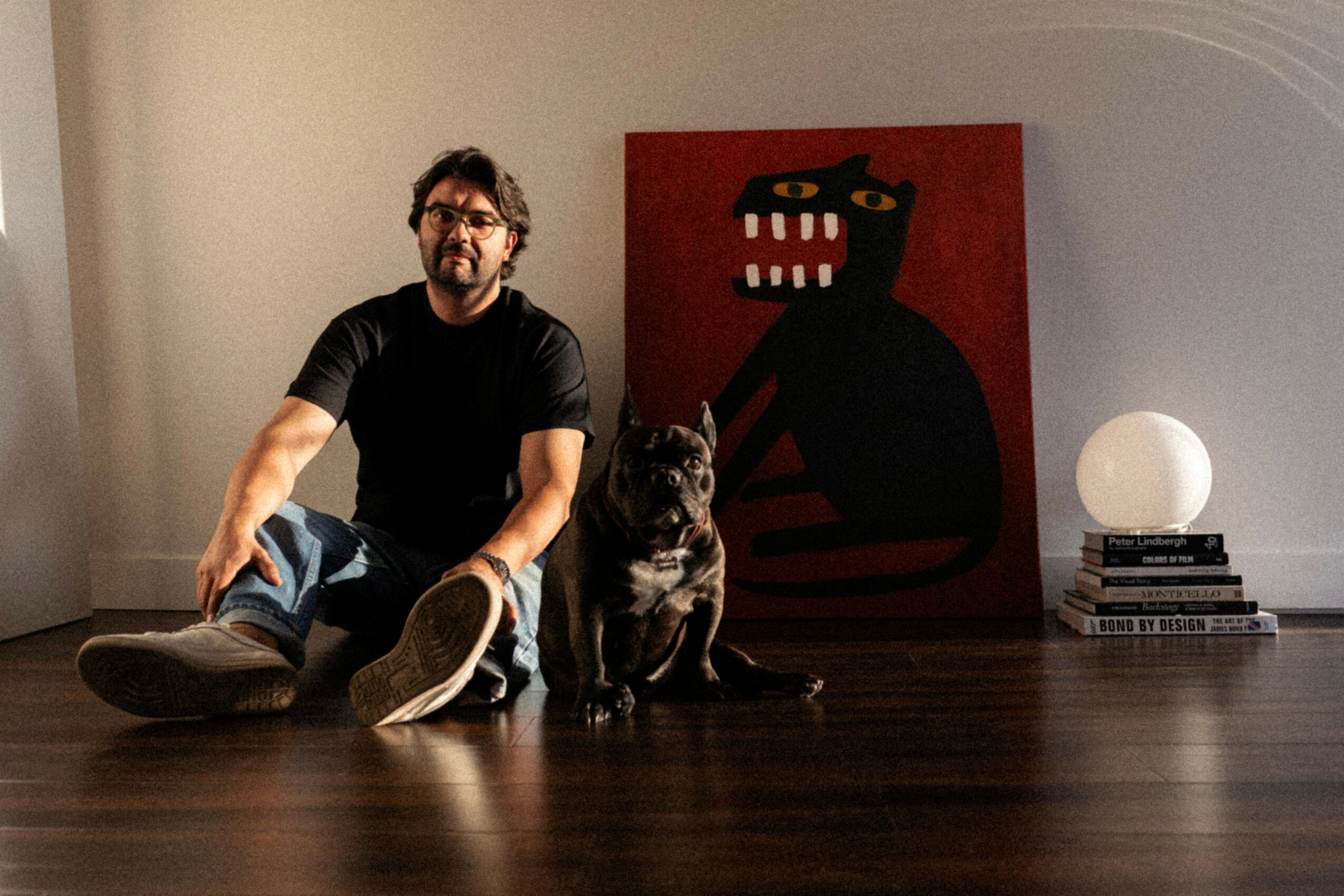
Today we’d like to introduce you to Alexander Kozlov.
Hi Alexander, we’re thrilled to have a chance to learn your story today. So, before we get into specifics, maybe you can briefly walk us through how you got to where you are today?
I was born in 1989 into a family of artists, so art was part of my life from the very beginning. My father, Igor Kozlov, is a sculptor, and as a child I spent a lot of time visiting the studios of artists who were friends of my parents. Being surrounded by artists, materials, and the process of making things had a huge influence on me and shaped my visual language from an early age.
I studied design at the Textile University in Moscow and then spent almost a decade working in cinema, theatre, advertising, and show production. I started as a set builder and scenic artist and gradually moved into production design and creative direction. That experience taught me to think about creativity not only as an idea, but as something that has to exist physically — to be designed, built, painted, and brought to life.
Alongside commercial work, I continued developing my own practice as an artist. My work has moved through different forms and materials over the years, from graphic and experimental pieces to figurative painting, sculpture, and now ceramics. I’ve always liked changing the way I work rather than staying within one technique.
A few years ago, I decided that I wanted to try my strengths in Los Angeles. It was a long journey, and eventually I earned the chance to move here. Now I’m here, and I understand that in many ways I’m starting a new chapter from the beginning again. But that doesn’t scare me at all — quite the opposite. I find it exciting and inspiring to build something new in a completely different environment.
Today, I continue working between art, design, and production. Whether I’m painting, sculpting, designing a set, or developing a visual concept, I’m interested in the same thing: turning an idea into something real. At the core of my artistic work is the idea that there is often something missing from the world I depict — detail, flexibility, possibility, and most importantly, love. For me, love is the main engine of life.
Alright, so let’s dig a little deeper into the story – has it been an easy path overall and if not, what were the challenges you’ve had to overcome?
Definitely not. I’ve never really heard a “simple” story about moving to another country and building a successful life. Usually, it takes time, hard work, persistence, and a willingness to keep going when things don’t happen quickly. I think that’s also one of the things I love about America — it was built by people who were willing to take that risk, work hard, and build something from the ground up.
My own path has been no different. Early on, one of the biggest challenges was finding my own direction while working across very different fields — from set building and scenic work to design, advertising, and fine art. It took years of experimenting, making mistakes, and simply doing a lot of work to understand what kind of creative person I wanted to become.
Moving to Los Angeles has been another major challenge. I came here after already building a career and a professional network in Moscow, so suddenly I had to introduce myself to a completely new industry and start building those relationships again. But I actually see that as an exciting part of the process. Starting over forces you to stay curious, adapt, and prove yourself again.
There have been projects that fell through, unexpected changes, periods when nothing seemed to be moving, and plenty of rejection. But I’ve learned that creative work is rarely about having a perfectly clear path. What keeps me going is that I genuinely enjoy the process of making things. As long as I have the opportunity to create, learn, and move forward, I’m comfortable with the uncertainty.
Thanks for sharing that. So, maybe next you can tell us a bit more about your work?
I work across production design, visual art, painting, sculpture, and creative direction, but if I’m being completely honest, my personal art is the work that feels closest to me.
I genuinely enjoy the process of making a painting. I enjoy the uncertainty, the doubts, even the moments when I struggle with it and don’t know where it’s going. There is something about that process that feels very real to me. And somewhere along the way, I started feeling that I’m not doing it for nothing — that there is a future in it, and that I’m building something that will outlive the moment in which it was made.
I’ve worked on more than 150 commercial productions, and I’m proud of that experience. I’ve helped create a lot of successful projects and, in a very literal sense, made a lot of money for other people. That’s simply how the industry works. In advertising, unlike film, there usually aren’t credits at the end, so very often the people behind the work remain invisible.
My paintings are different. They can end up hanging in someone’s home or in a restaurant, and people interact with them every day. They might feel joy, curiosity, discomfort, or even doubt when they look at them. I like that relationship between the work and the person experiencing it. Once I finish a commercial, the production is over. But a painting can keep having a life.
I think that is what sets my personal work apart for me. I’m not trying to make art that simply belongs to a particular moment. I want to make something that can remain relevant, continue to raise questions, and have a life of its own long after I’ve finished it.
Can you talk to us about how you think about risk?
I think it’s important to separate professional risk from personal risk.
In production design, we deal with risk and uncertainty all the time. One day you might be building a historical set, and the next you’re designing a spaceship or creating something that has never existed before. You’re constantly being asked to solve problems you’ve never encountered. There’s a saying that is well known both in Moscow and in Los Angeles: “fake it until you make it.” Our job is often to make the impossible look possible. The advantage of having a very diverse background is that you can usually find a way to figure things out — even when you’ve never done that exact thing before.
But personal risk is a completely different story.
Moving to Los Angeles was probably the biggest risk I’ve ever taken. You leave the city where you grew up, where everyone knows you and you know everyone, where you have an established career and work in your native language. Suddenly, you’re in a new country, in a new industry, and you don’t have the same margin for error. You have to build your reputation and your network again from scratch.
At the same time, I don’t think I’m naturally reckless. I’m willing to take big risks when I believe there is something worth pursuing on the other side. For me, the most important thing is not knowing that everything will work out. It’s believing that the opportunity is worth taking the chance.I think it’s important to separate professional risk from personal risk.
In production design, we deal with risk and uncertainty all the time. One day you might be building a historical set, and the next you’re designing a spaceship or creating something that has never existed before. You’re constantly being asked to solve problems you’ve never encountered. There’s a saying that is well known both in Moscow and in Los Angeles: “fake it until you make it.” Our job is often to make the impossible look possible. The advantage of having a very diverse background is that you can usually find a way to figure things out — even when you’ve never done that exact thing before.
But personal risk is a completely different story.
Moving to Los Angeles was probably the biggest risk I’ve ever taken. You leave the city where you grew up, where everyone knows you and you know everyone, where you have an established career and work in your native language. Suddenly, you’re in a new country, in a new industry, and you don’t have the same margin for error. You have to build your reputation and your network again from scratch.
At the same time, I don’t think I’m naturally reckless. I’m willing to take big risks when I believe there is something worth pursuing on the other side. For me, the most important thing is not knowing that everything will work out. It’s believing that the opportunity is worth taking the chance.
Pricing:
- 2000-16000$ for a painting
Contact Info:
- Website: https://alexanderkozlovart.com/
- Instagram: https://www.instagram.com/alexander.igorevich
- LinkedIn: https://www.linkedin.com/in/alexander-kozlov-57a865376
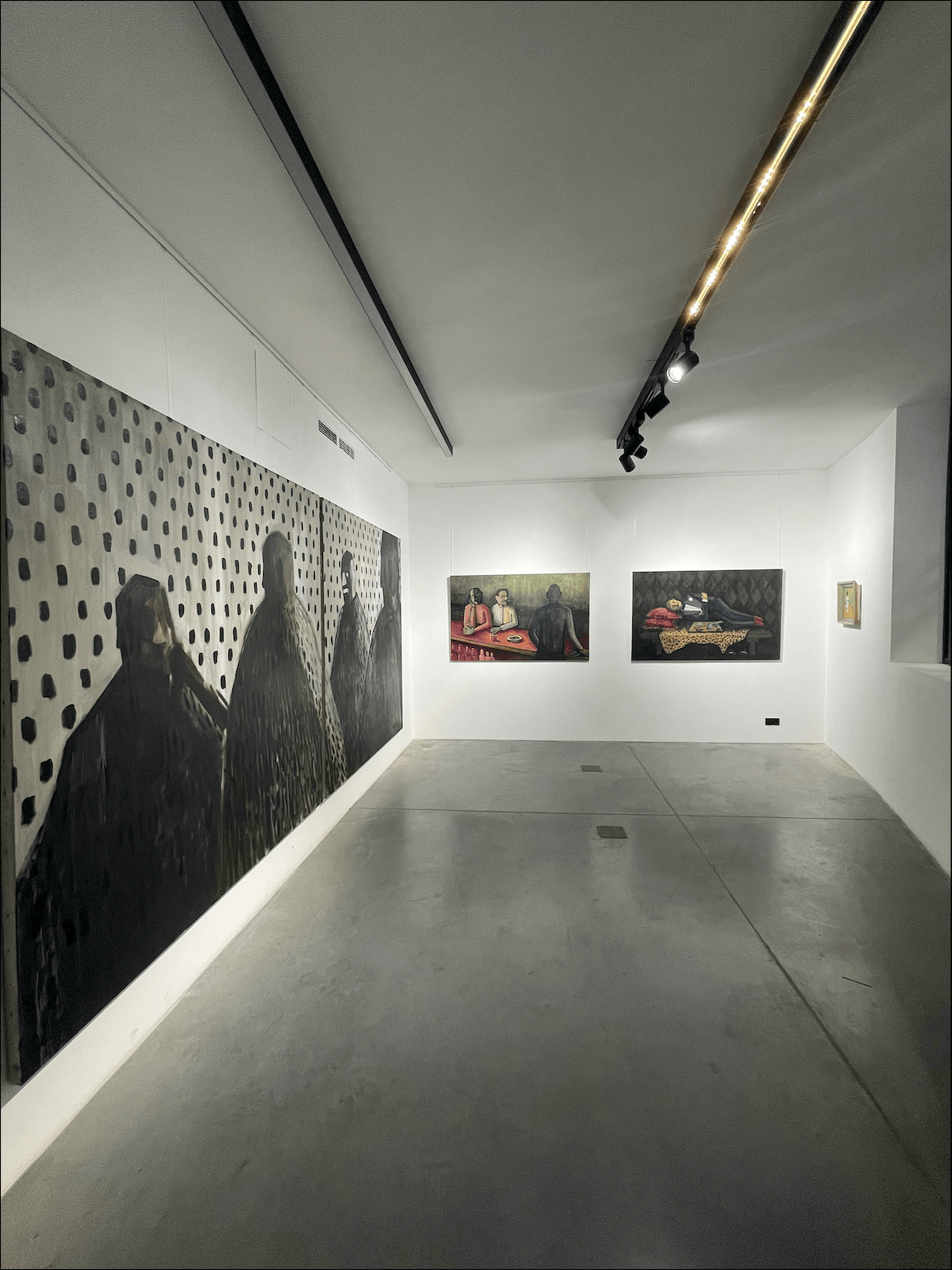
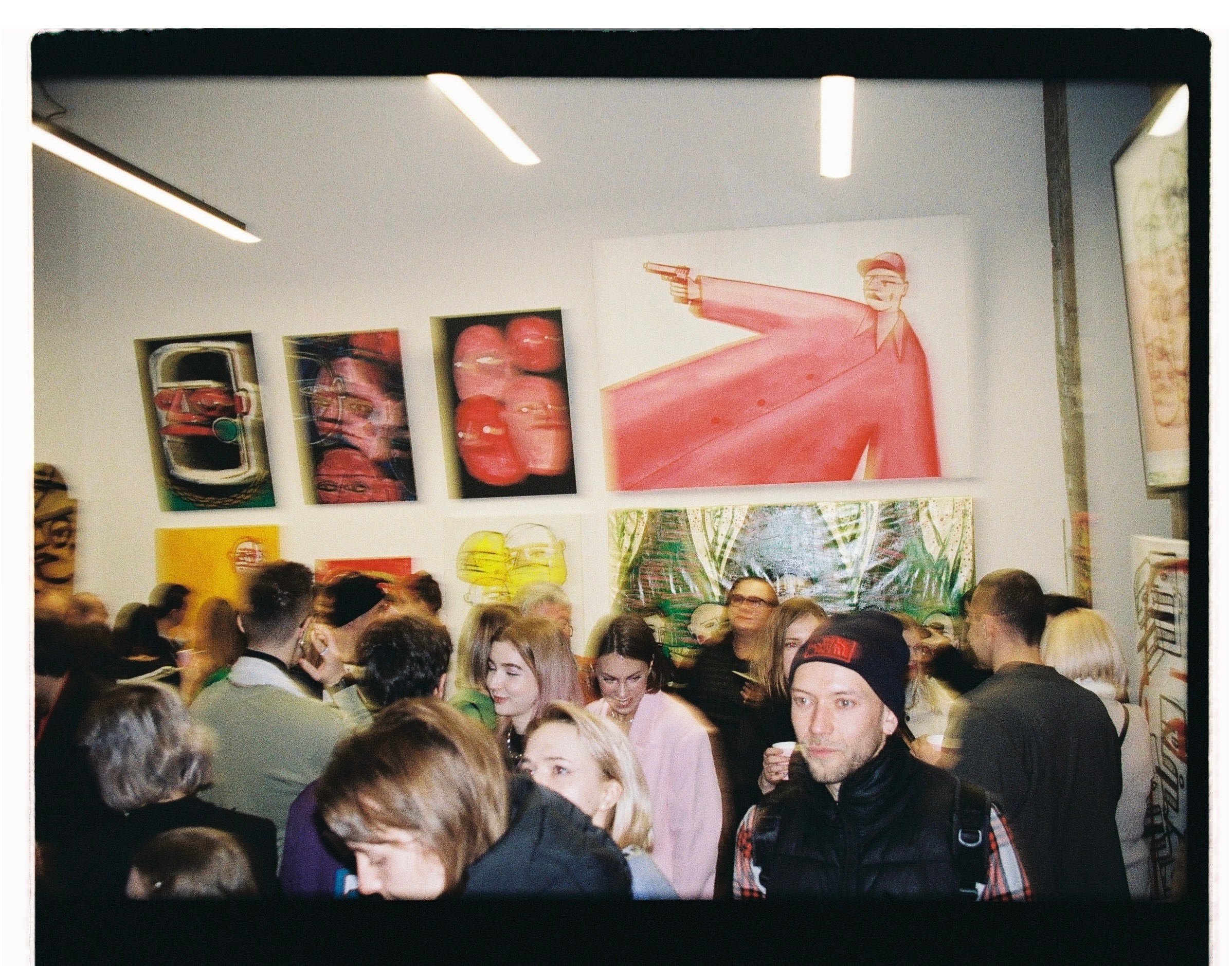
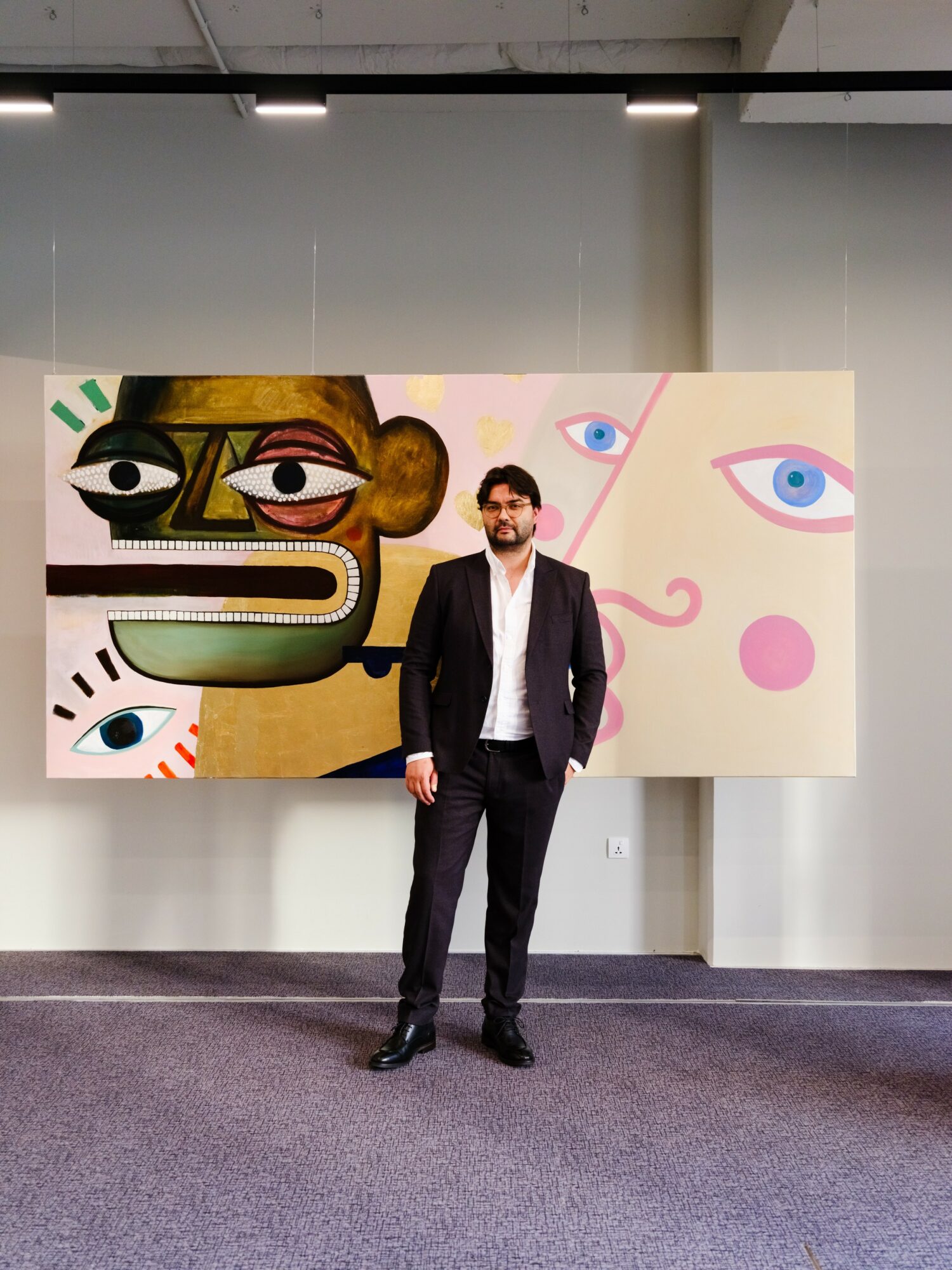
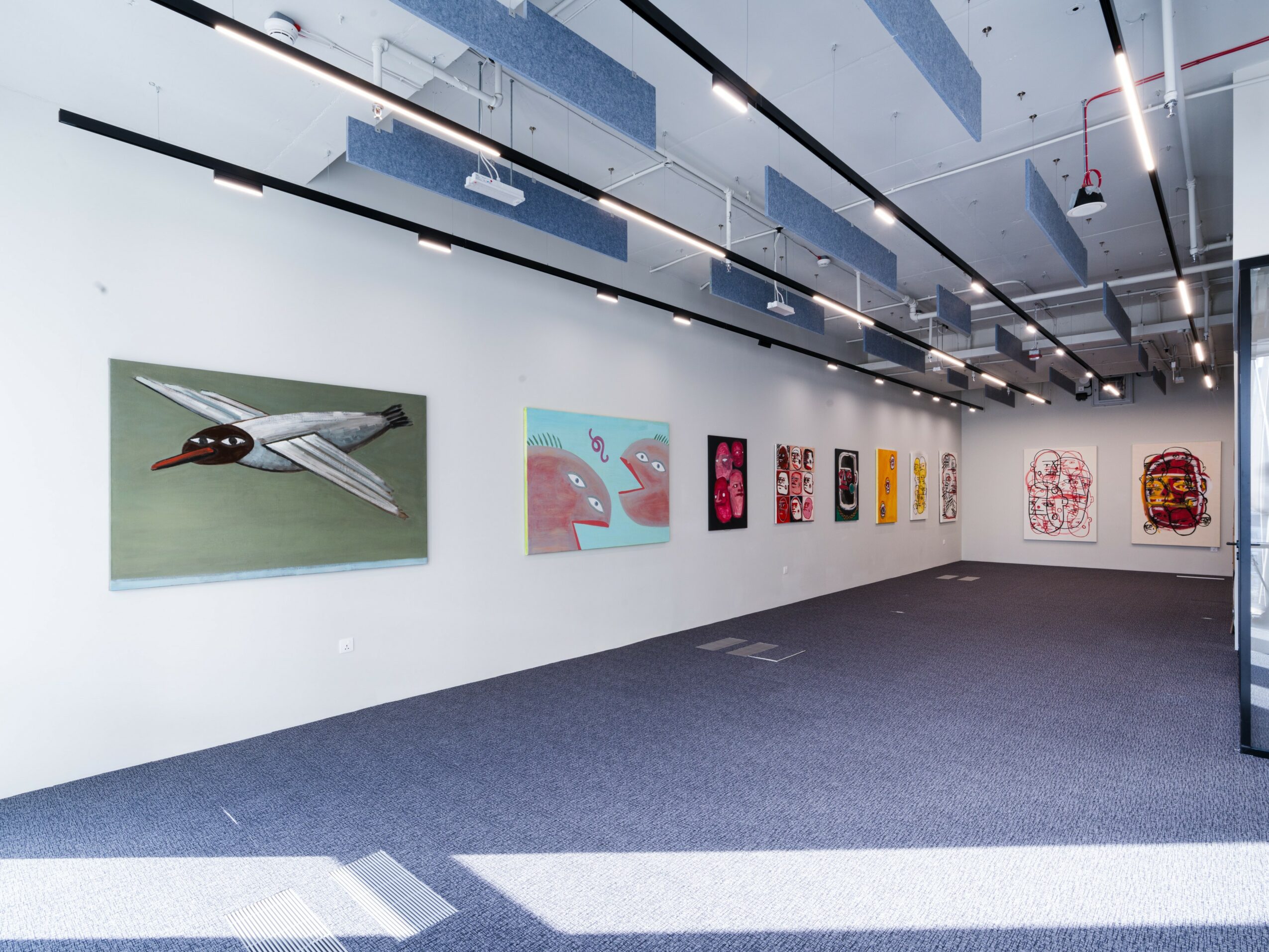
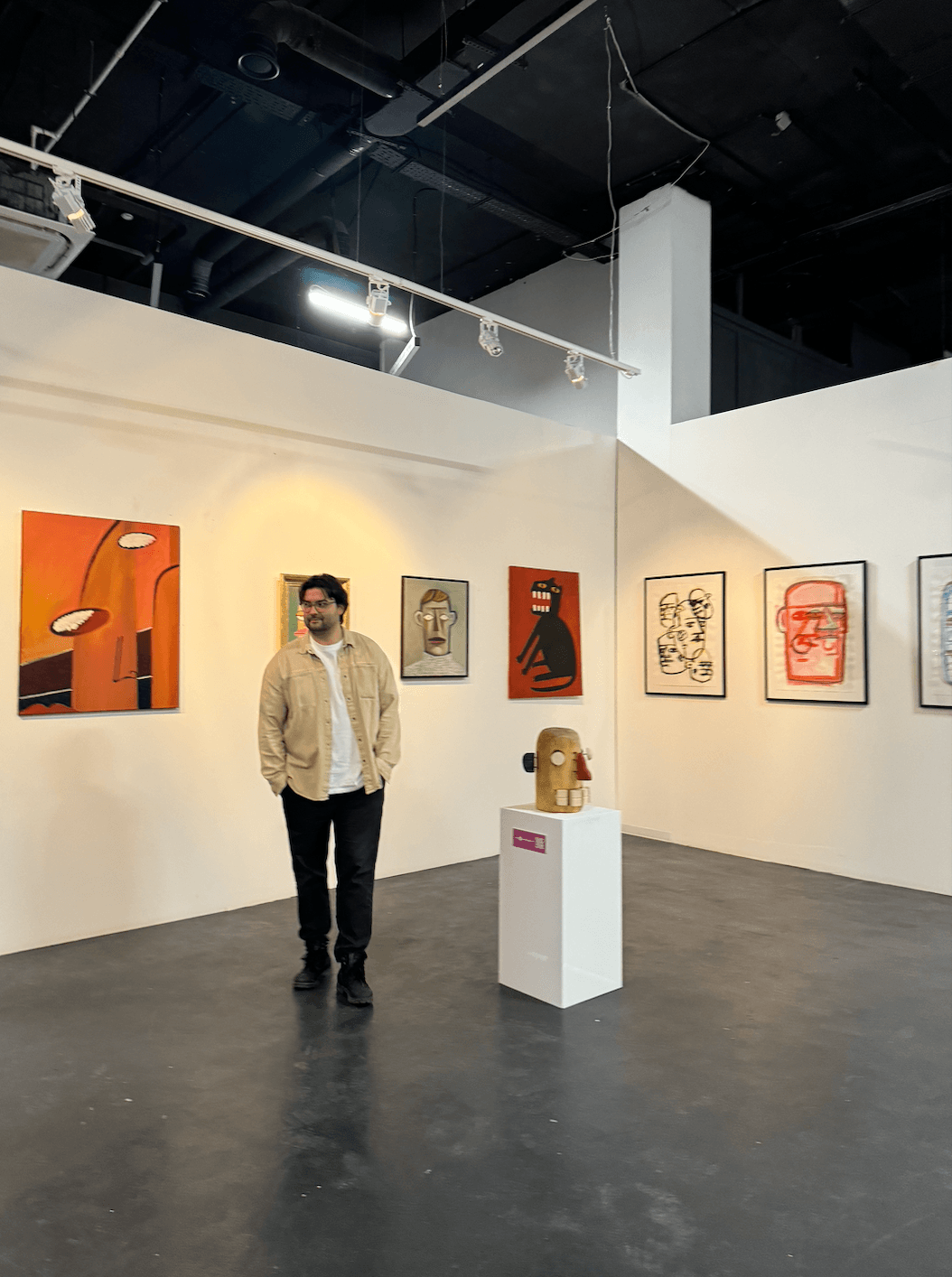
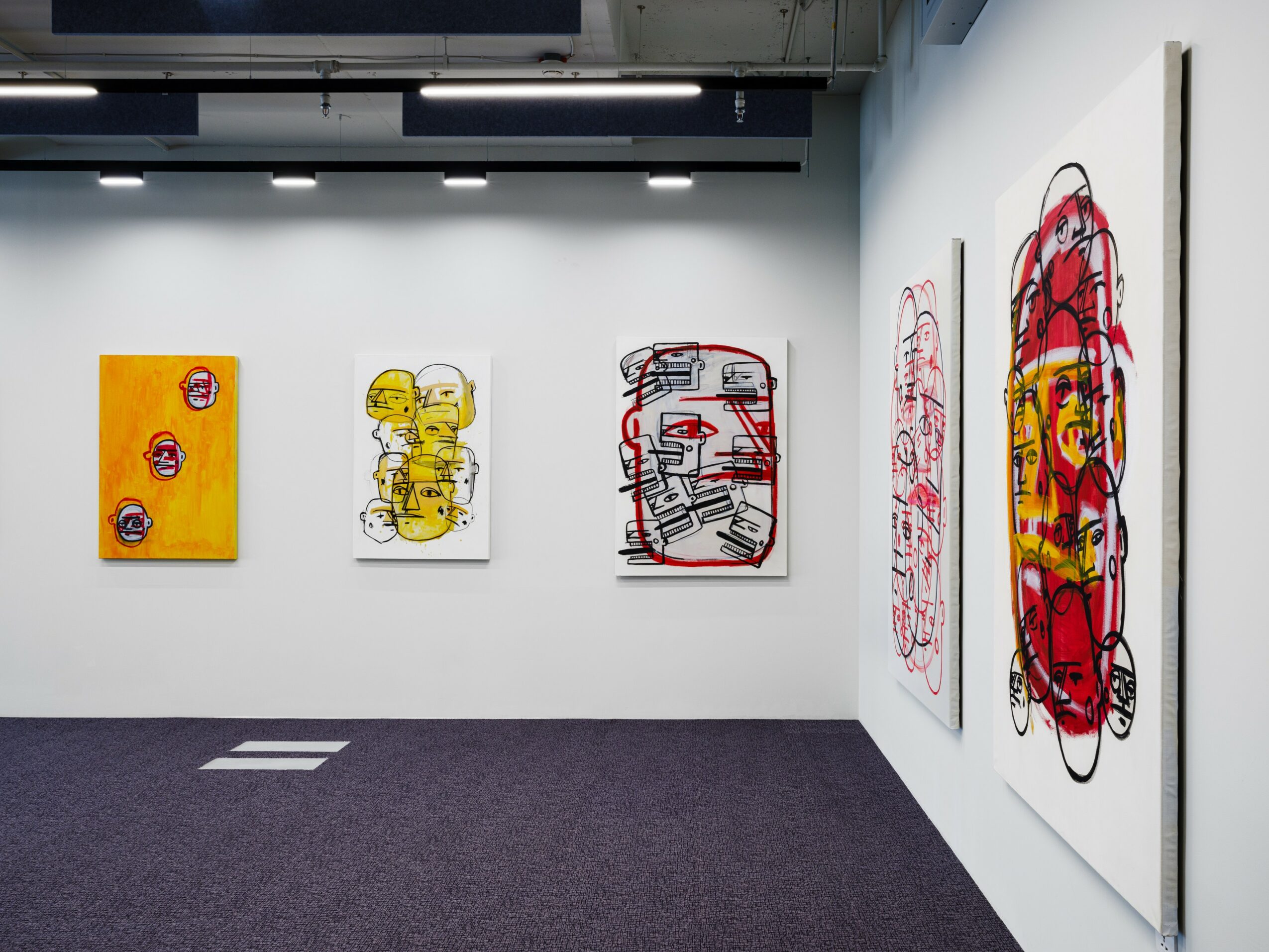
Image Credits
photos 1,2,3,5 made by @ninacrane.photo
photos 4,6 made by @alisa.poturaeva
Popular
-

Portraits of the Valley
-

LA’s Most Inspiring Stories
-

Greg Hex Is Turning the Everyday Kitchen Knife Into a Modern Design Object
-

Rick Norris Learned That Building a Successful Business Means Building a Life You Actually Want to Live
-

How Olivia Rush Turned Survival Into a Mission to Help Others Keep Going
-

How Bibi Goldstein Is Helping Entrepreneurs Reclaim Their Time by Embracing the Power of Delegation


